20 Famous Food Brands That Completely Changed Their Recipes
Food companies change their recipes for many reasons—to reduce costs, adapt to new health trends, or respond to consumer demands. These tweaks can spark passionate reactions from loyal customers who have grown accustomed to specific tastes and textures.
Sometimes these changes happen quietly behind the scenes, while others create major public backlash. Here is a list of 20 famous food brands that completely altered their original recipes, for better or worse.
Coca-Cola

The most infamous recipe change in consumer history happened in 1985 when Coca-Cola introduced “New Coke.” The company changed its 99-year-old formula to compete with Pepsi’s sweeter taste, creating one of the biggest marketing blunders ever.
Consumer outrage was immediate and fierce, with thousands of complaints flooding the company daily. Just 79 days later, the original formula returned as “Coca-Cola Classic.”
Twinkies
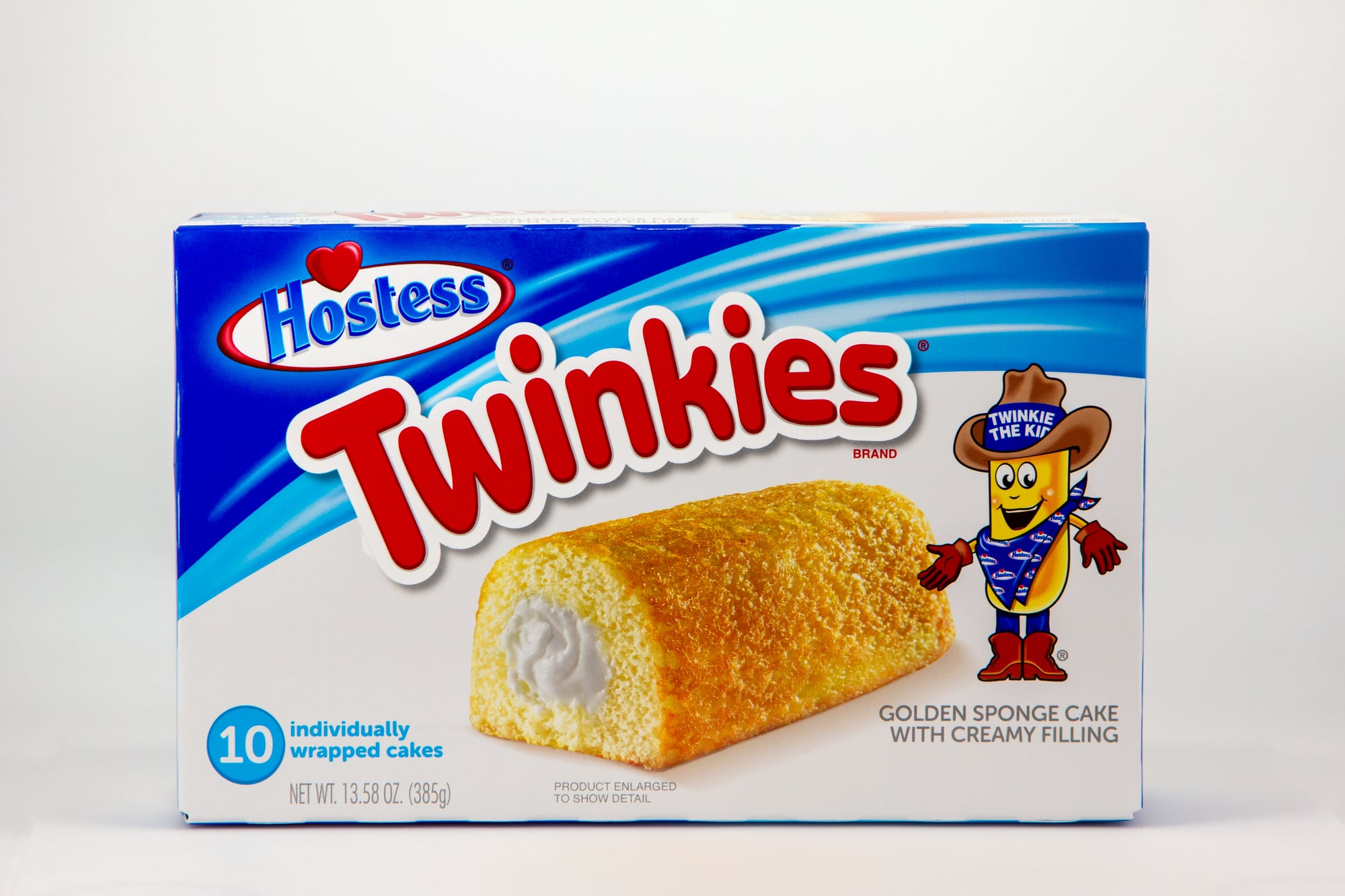
These iconic cream-filled snack cakes disappeared from shelves for eight months in 2012 when Hostess filed for bankruptcy. When Twinkies returned in 2013, they came with a new recipe designed to extend shelf life from 26 days to 45 days.
The reformulation also reduced the calorie count slightly and created a denser, less airy texture that some longtime fans immediately noticed and criticized.
McDonald’s French Fries
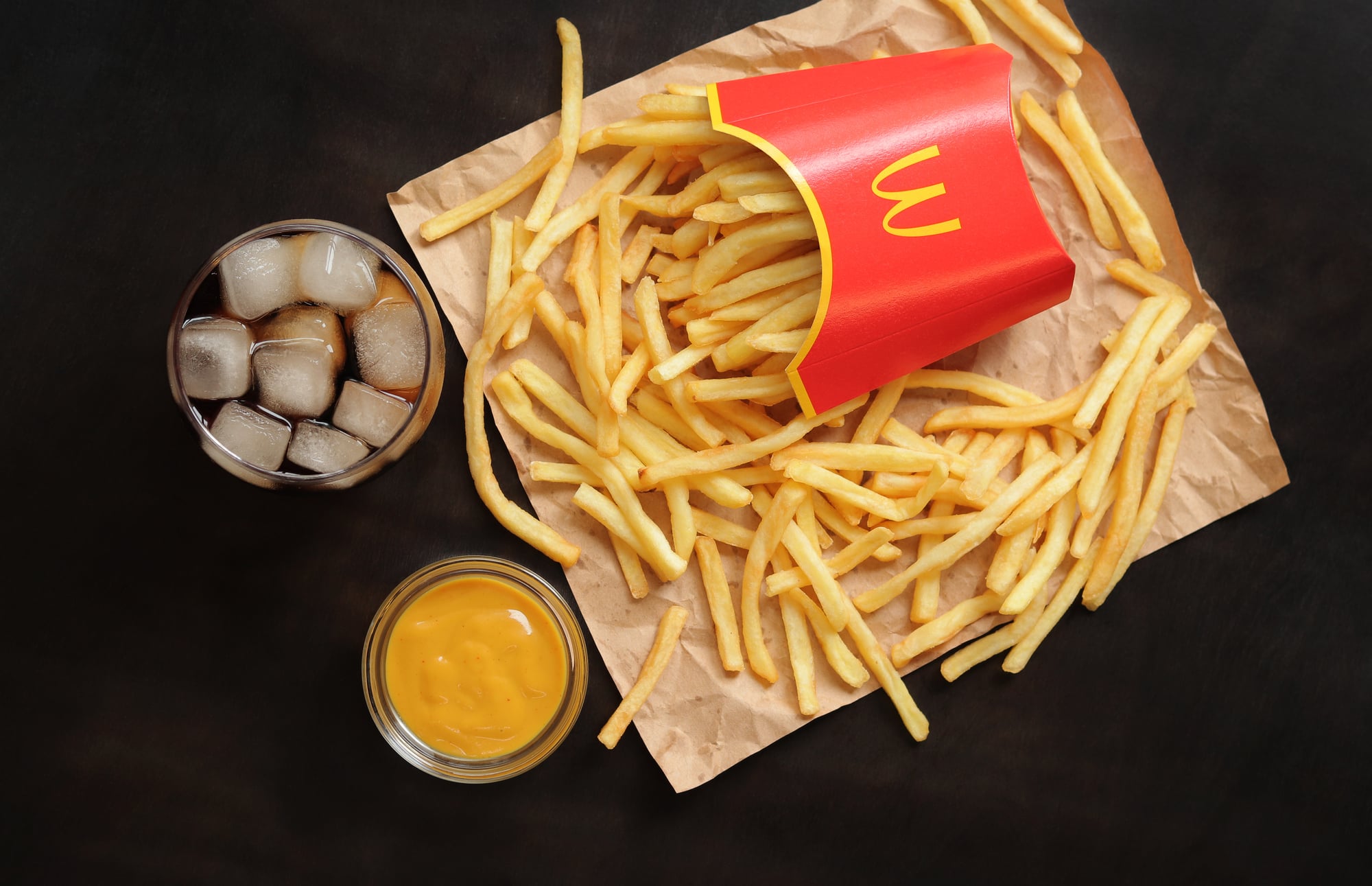
McDonald’s fries were originally cooked in a mixture containing beef tallow, giving them their distinctive flavor that many considered unmatched. In 1990, the chain switched to vegetable oil in response to concerns about saturated fat.
This massive change affected over 13,000 restaurants globally. The company later added natural beef flavor to the oil to recapture some of the original taste, but many customers still maintain the fries have never been the same.
Cadbury Creme Eggs

In 2015, Kraft Foods (which had acquired Cadbury) changed the chocolate shell of the beloved Creme Eggs in the UK from Cadbury’s Dairy Milk chocolate to a standard cocoa mix chocolate. The company attempted to make this change quietly, but observant fans noticed immediately.
Sales reportedly dropped by $8.6 million after the recipe change, proving that chocolate enthusiasts have very particular tastes.
Pizza Hut
Pizza Hut completely reformulated its hand-tossed pizza in 2014, adding a garlic butter blend to the crust and using a new cheese blend combined with fresh toppings. This marked the first major recipe change in decades for the pizza giant.
The company spent over two years developing the new recipe, testing more than 500 variations before settling on the final version that aimed to boost lagging sales.
Nutella
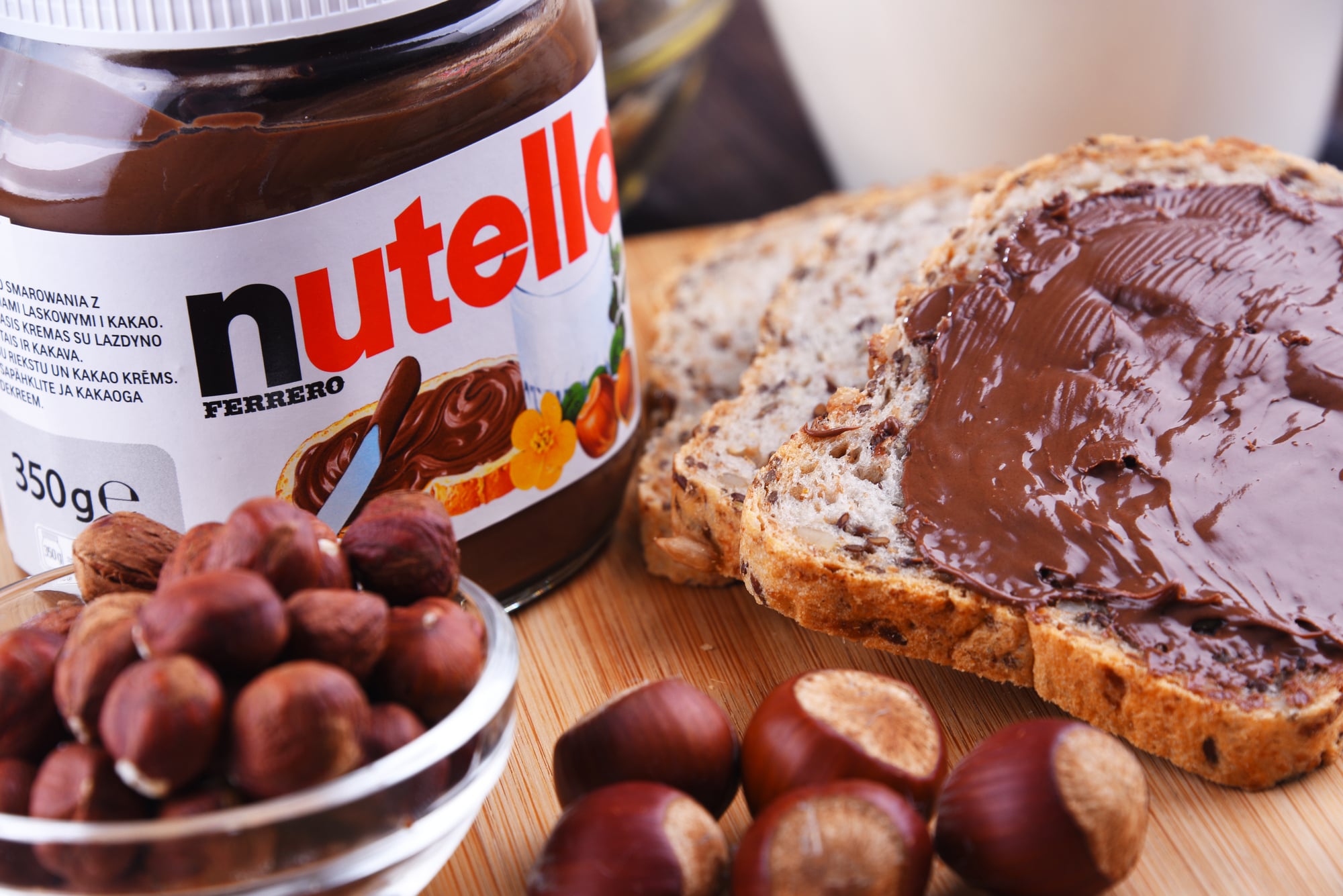
In 2017, Ferrero quietly changed the recipe for its popular hazelnut spread, increasing the sugar and powdered milk content while reducing the cocoa. The change was discovered when a German consumer group noticed the color was lighter than before.
Loyal fans expressed outrage on social media, creating hashtags like #NutellaGate, despite the company’s insistence that the taste remained the same.
KFC

Colonel Sanders’ secret blend of 11 herbs and spices underwent a major overhaul in 2009 when KFC introduced its “grilled” option. Later in 2016, the company announced it was remaking its core fried chicken recipe for the first time in 75 years with its “Re-Colonelization” program.
The updated recipe aimed to return to a more hand-prepared approach, with employees marinating, breading, and frying chicken in-store rather than receiving pre-prepared products.
Heinz Ketchup

Heinz changed its iconic ketchup recipe in 2010 by reducing the sodium content by 15%. This adjustment affected millions of bottles produced annually.
The company spent two years developing the reformulation to ensure the taste remained similar while creating a healthier product. Most consumers couldn’t detect the difference, making this one of the more successful major recipe changes.
Butterfinger

When Nestlé sold Butterfinger to Ferrero in 2018, the new owner quickly announced a recipe overhaul. The revised candy bar eliminated certain artificial ingredients and hydrogenated oils, while using larger peanuts and more milk and cocoa.
The texture became denser and less flaky, and the color shifted from bright orange to a more natural peanut butter hue. Consumer reaction was decidedly mixed, with many longtime fans expressing disappointment.
Kraft Macaroni & Cheese
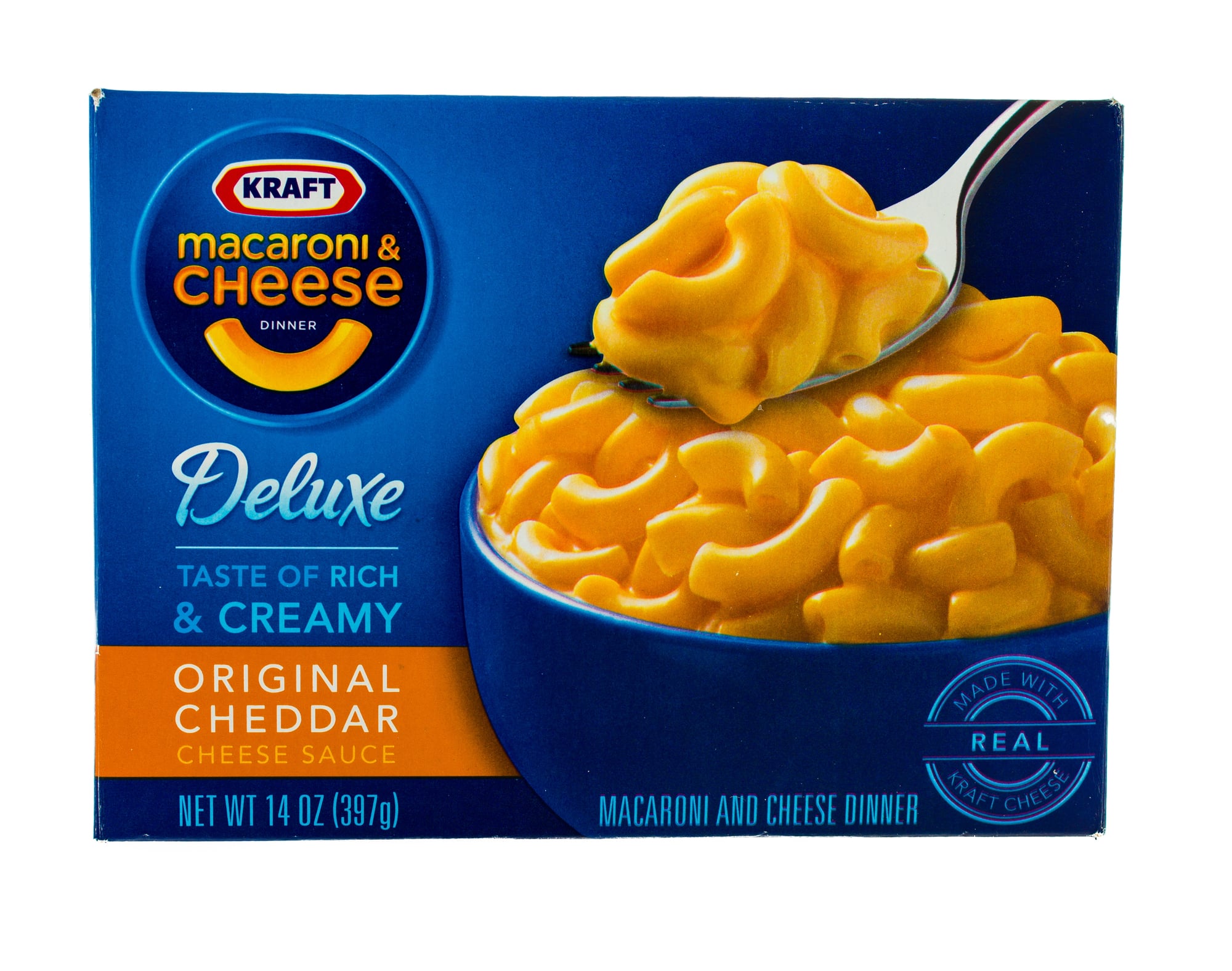
In 2016, Kraft removed artificial dyes Yellow 5 and 6 from its macaroni and cheese, replacing them with natural sources like paprika, annatto, and turmeric. The company spent three years perfecting the new formula and took an unusual approach by not announcing the change until three months after implementation.
By then, over 50 million boxes had been sold without consumers noticing, proving that some recipe changes can fly under the radar.
Special K

Kellogg’s completely revamped its Special K cereal in 2013, moving away from the classic rice-based flakes to a heartier mix containing three grains—rice, wheat, and barley. The company also added more fiber while keeping the calorie count the same.
This marked the first major recipe change since the cereal’s introduction in 1955 and aimed to meet the changing expectations of health-conscious consumers.
Oreo Cookies

Nabisco changed the Oreo recipe in 1998 by eliminating lard from the filling, making the cookies technically vegan in the U.S. market. This modification affected the texture and taste subtly but importantly.
The company has continued to tweak the formula over the years, adjusting sweetness levels and cookie firmness. Many consumers report that older Oreos had a more distinct flavor and didn’t become soft as quickly when dunked in milk.
Trix Cereal
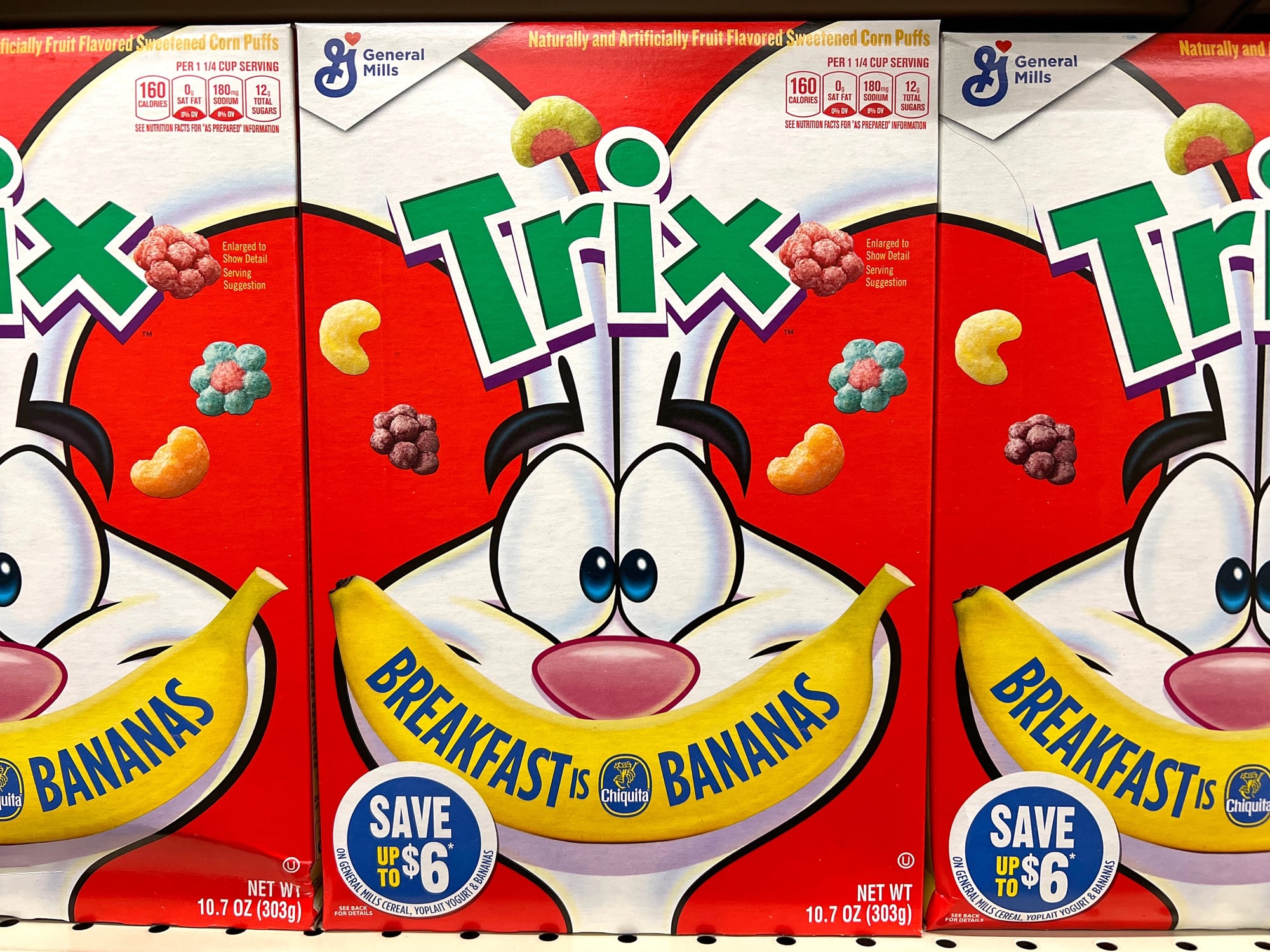
General Mills made a bold move in 2015 by removing artificial colors and flavors from Trix, causing the cereal to lose its signature bright colors in favor of more muted, natural hues. Consumer backlash was so strong that the company reversed course in 2017, bringing back the “classic” artificially colored version alongside the natural one.
This rare instance of a company returning to artificial ingredients demonstrates the power of nostalgia in food preferences.
Sunny Delight
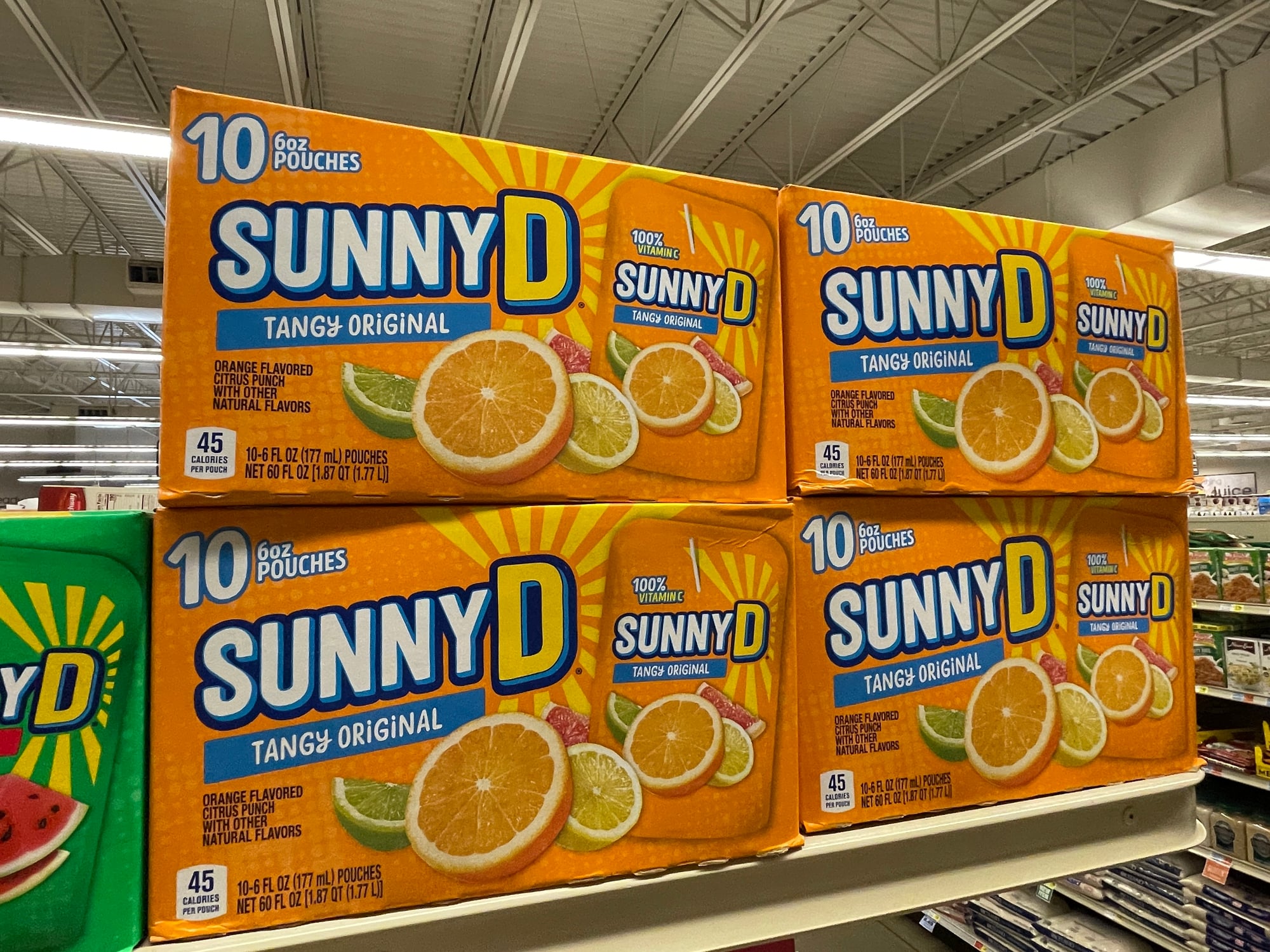
Originally loaded with sugar and artificial ingredients, Sunny D underwent a major transformation in 2010. The company reduced sugar content by 40%, eliminated high fructose corn syrup, and added 70% more juice.
These changes came after years of criticism about the drink’s nutritional profile. The new version emphasized its vitamin C content and reduced calorie count, though sales initially declined as longtime consumers adjusted to the less sweet taste.
Doritos

In 2019, Frito-Lay reformulated Doritos to create a “cleaner” version with fewer artificial ingredients. The change affected everything from the cheese powder to the underlying corn chips.
The company took significant care to maintain the familiar flavor profile while addressing consumer demands for more natural products. The transition happened gradually across different flavors and markets to minimize consumer rejection.
Mars Bars
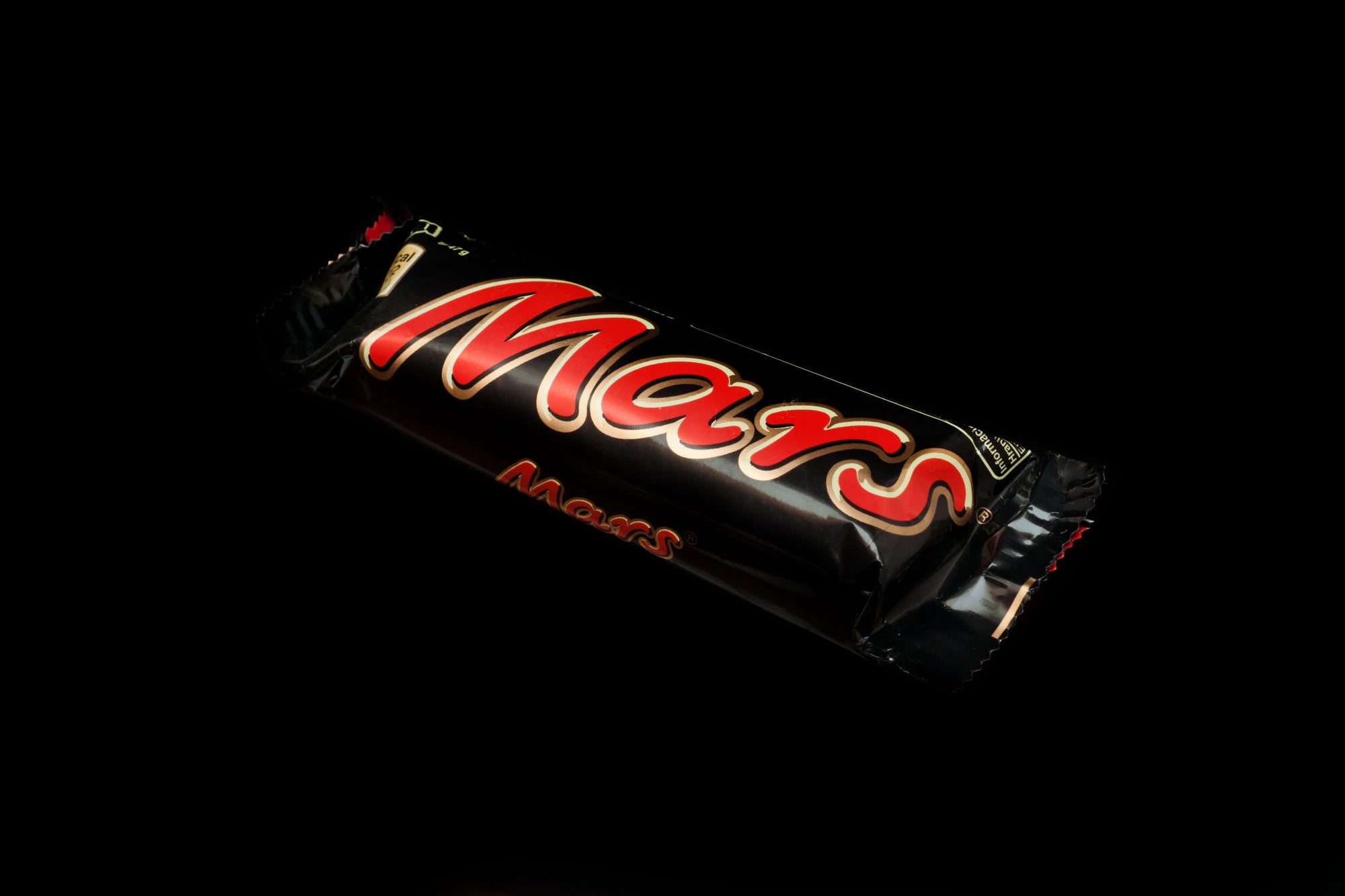
The Mars Bar available in the UK underwent a major recipe change in 2010 when Mars Incorporated replaced artificial ingredients with natural alternatives. This adjustment affected the caramel and nougat textures, while slightly altering the taste profile.
In the U.S., the formula and even the product name changed entirely, with the similar Milky Way bar replacing the original Mars Bar in American markets.
Starbucks Frappuccino

Starbucks reformulated its bottled Frappuccino drinks in 2018, reducing sugar content by 25% in response to changing consumer preferences. The recipe maintained the coffee flavor while creating a less sweet profile.
This adjustment represented a significant shift for a product that had remained largely unchanged since its introduction in 1995. Some consumers complained about the taste difference, while others appreciated the healthier option.
A&W Root Beer
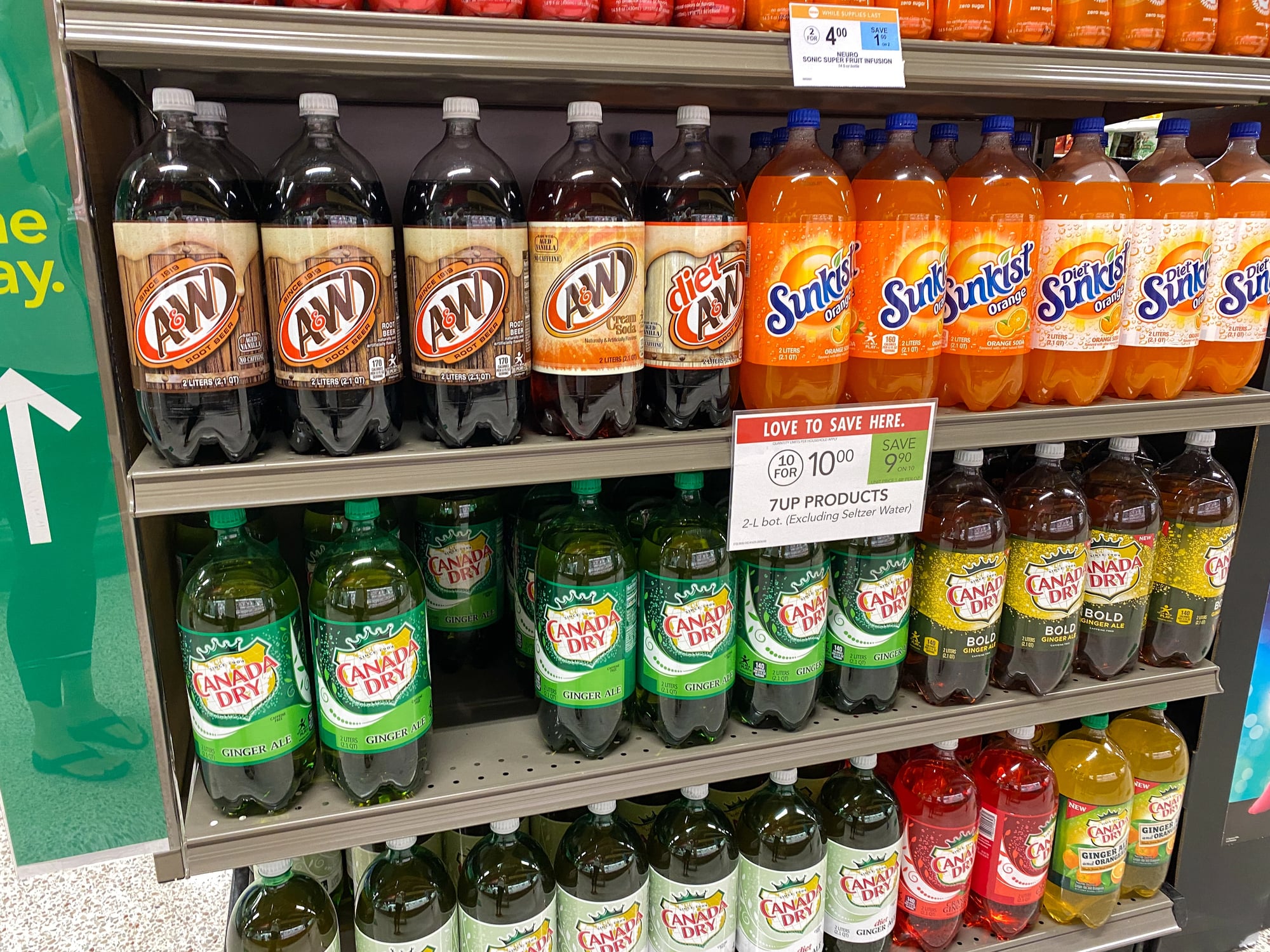
In 2017, A&W became the first major root beer brand to remove artificial ingredients, switching to a recipe made with aged vanilla, caramel, cherry bark, birch bark, and other natural ingredients.
The company spent two years perfecting the new formula, ensuring the distinctive creamy flavor remained intact. The change reflected growing consumer demand for cleaner ingredient lists across all food categories.
New York Bagels
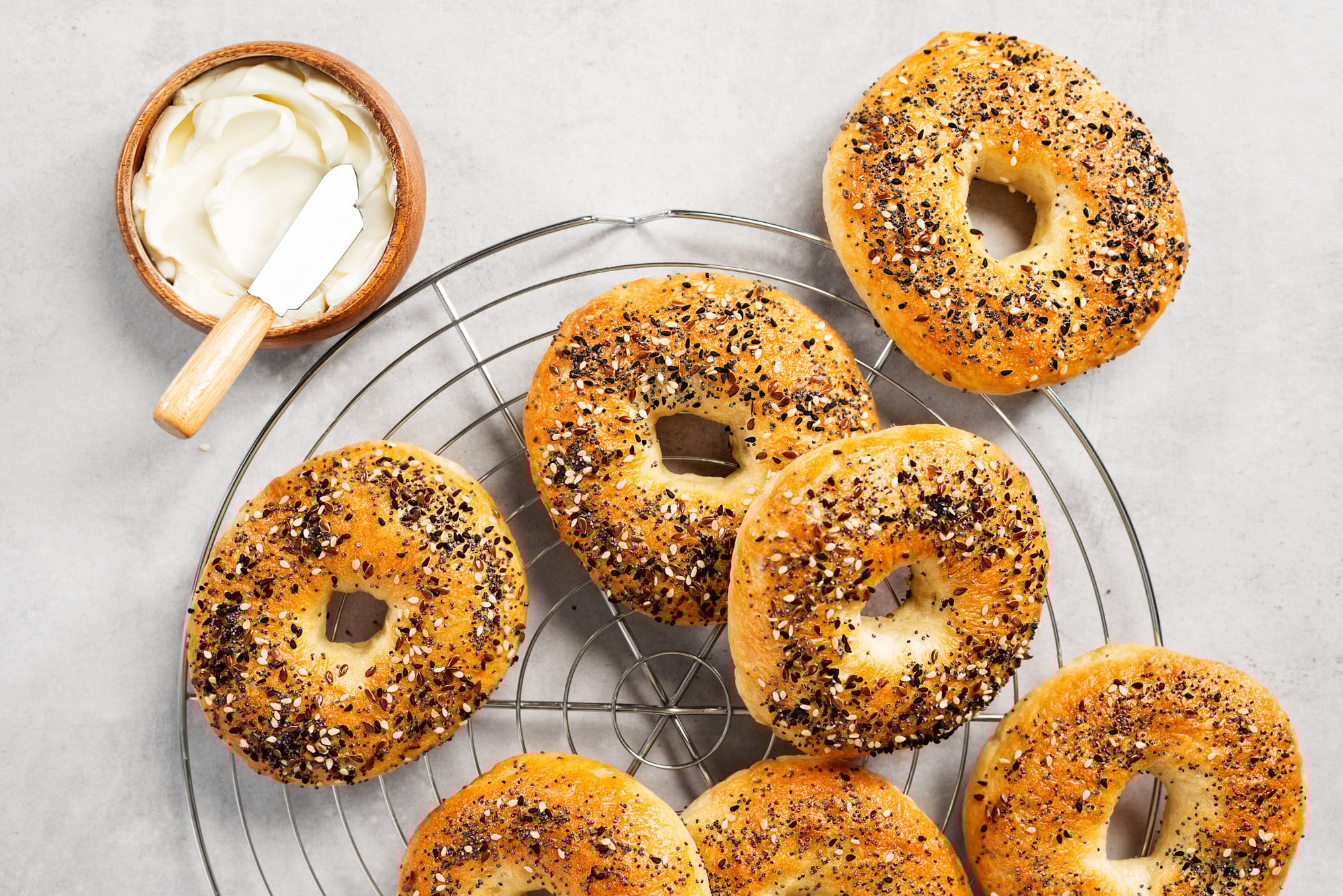
While not a single brand, New York bagel shops collectively changed their traditional recipes in the 1990s by removing malt from the dough and stopping the practice of boiling bagels before baking. These changes, implemented to reduce costs and speed production, fundamentally altered the texture and flavor of authentic New York bagels.
Old-school bagel enthusiasts can still find traditionally made versions, but they’re increasingly rare even in New York City.
Hershey’s Chocolate
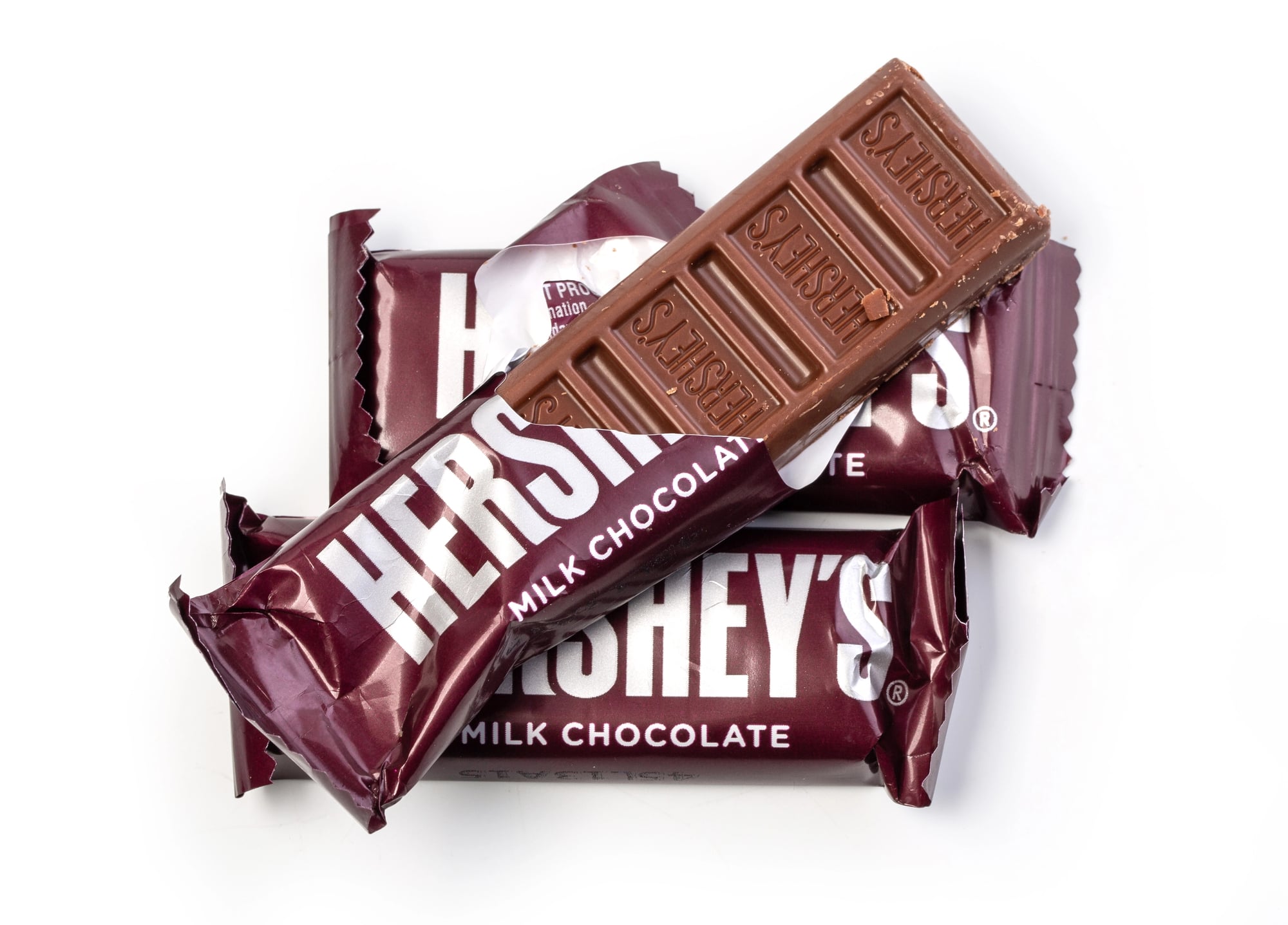
Hershey’s adjusted its chocolate formula in 2015 to remove ingredients like polyglycerol polyricinoleate (PGPR) and artificial vanillin in favor of simpler ingredients. The company emphasized its commitment to simple ingredients, responding to increasing consumer demand for recognizable components.
The change affected the mouthfeel and melting properties of the chocolate subtly but noticeably to connoisseurs.
Food Evolution

These famous recipe changes remind us that the foods we take for granted are constantly evolving. Companies must balance tradition with innovation, consumer nostalgia with changing health standards, and production costs with quality expectations.
The strongest brands manage to evolve while maintaining their essential character, adapting to the times without losing what made them special in the first place.
More from Go2Tutors!

- The Romanov Crown Jewels and Their Tragic Fate
- 13 Historical Mysteries That Science Still Can’t Solve
- Famous Hoaxes That Fooled the World for Years
- 15 Child Stars with Tragic Adult Lives
- 16 Famous Jewelry Pieces in History
Like Go2Tutors’s content? Follow us on MSN.