Little Known Facts About Coffee, Tea, and More
Most people think they know their beverages. You’ve got your morning coffee routine down to a science, maybe a preferred tea for the afternoon, and that’s about where the expertise ends.
But the drinks you reach for every day carry stories that stretch back centuries, involve chemistry that would impress a lab technician, and hide quirks that sound too strange to be true.
Coffee Beans Aren’t Actually Beans

They’re seeds. Coffee “beans” are the seeds found inside coffee cherries, which grow on coffee plants that are technically shrubs.
The entire coffee industry built its terminology around a botanical misunderstanding.
Tea Bags Were Invented by Accident
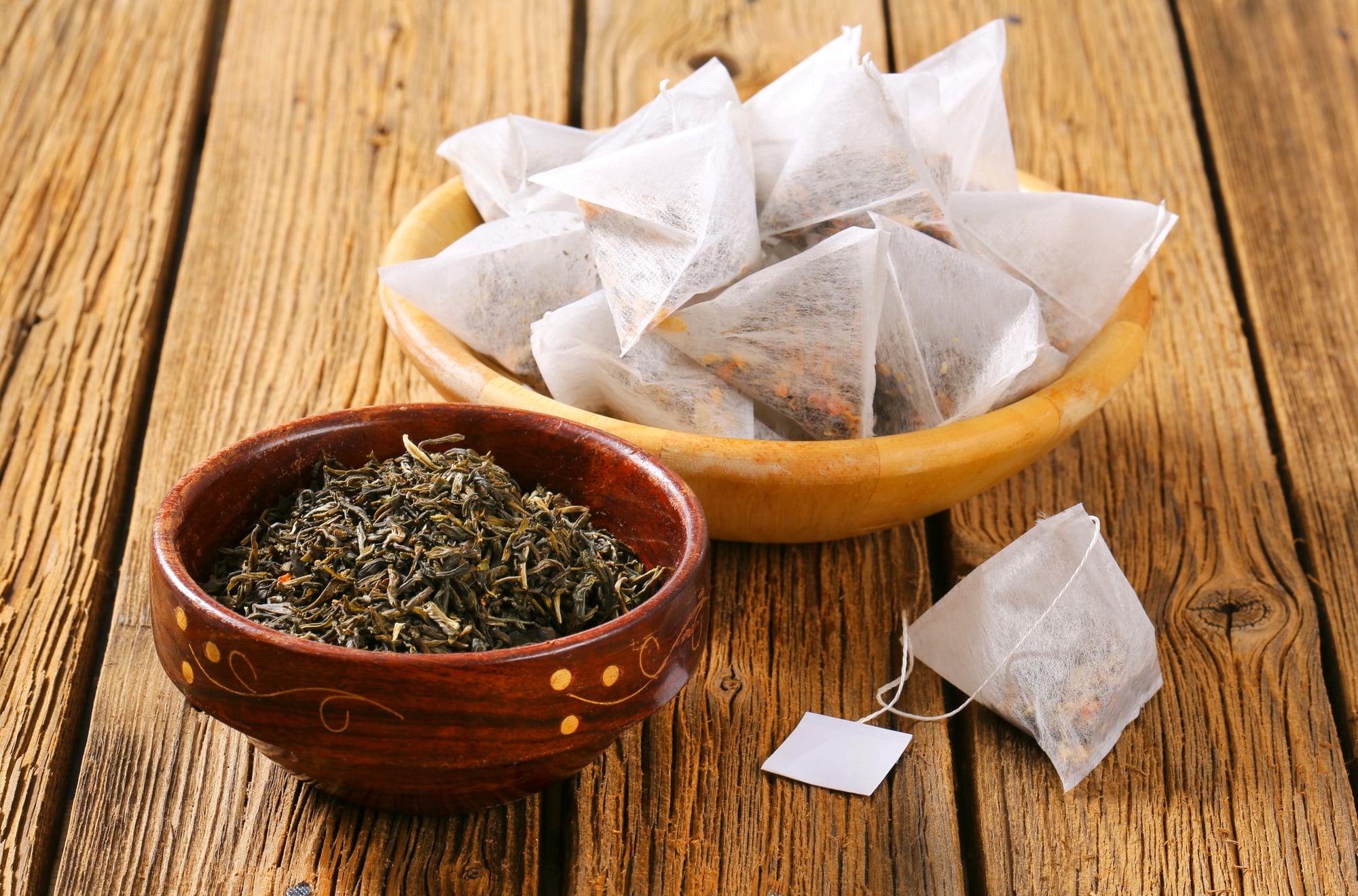
Thomas Sullivan, a New York tea merchant, sent samples to customers in small silk pouches in 1908. He intended for people to remove the tea from the bags before brewing.
Instead, customers dunked the entire pouch into hot water and found it more convenient than loose leaves.
Espresso Doesn’t Contain More Caffeine Than Regular Coffee

This one surprises people who treat espresso shots like liquid energy concentrate (and understandably so, given how espresso hits different than a regular cup of coffee — that intensity comes from concentration, not total caffeine content). A single shot of espresso contains about 63 milligrams of caffeine, while an 8-ounce cup of drip coffee typically contains between 95 and 165 milligrams.
But since most people consume espresso in much smaller quantities than regular coffee, the caffeine-per-ounce ratio creates that familiar jolt that makes espresso feel like it’s doing more work than it actually is.
And yet, the psychological effect remains powerful enough that many coffee drinkers swear by their afternoon espresso as a more effective pick-me-up than a full mug of regular coffee, which suggests that our bodies respond to more than just caffeine numbers on paper.
Decaf Coffee Still Contains Caffeine

The decaffeination process removes about 97% of the caffeine from coffee beans. That remaining 3% means an 8-ounce cup of decaf still delivers roughly 2 to 5 milligrams of caffeine.
People who drink multiple cups of decaf throughout the day might consume as much caffeine as someone having a single cup of regular coffee.
Green Tea and Black Tea Come From the Same Plant

The difference lies in processing, not the plant itself. Camellia sinensis produces all true teas — green, black, white, oolong, and pu-erh.
Green tea leaves are steamed or pan-fired shortly after picking to prevent oxidation. Black tea leaves are allowed to fully oxidize before being dried.
White tea uses young buds and leaves that are minimally processed. Oolong falls somewhere between green and black in terms of oxidation. Same plant, entirely different flavors.
Iced Tea Was Popularized at the 1904 World’s Fair

Richard Blechynden planned to serve hot tea at his booth during the St. Louis World’s Fair, but the summer heat made hot beverages unappealing to fairgoers (which, in hindsight, seems like the kind of oversight that should have been obvious from the start, but hindsight has a way of making everyone look foolish).
So he served his tea over ice instead, and visitors couldn’t get enough of it — this was before refrigeration was common in American homes, so cold beverages were still something of a luxury for most people.
The drink became so popular at the fair that Blechynden is often credited with introducing iced tea to American culture, though some form of cold tea had existed in various cultures long before 1904. But the fair gave iced tea its moment. And that moment lasted.
The Tea Ceremony Has Rules About Slurping

In traditional Japanese tea ceremonies, making a slurping sound when drinking matcha is not just acceptable — it’s encouraged. The slurping aerates the tea and enhances the flavor experience.
What would be considered rude in most dining situations becomes a sign of proper technique and appreciation in this context.
Coffee Was Once Considered Dangerous

Sixteenth-century European religious leaders called coffee “Satan’s drink” because of its stimulating effects and its association with the Islamic world where it originated. Pope Clement VIII eventually blessed coffee in the late 1500s, which helped it gain acceptance among Christians.
Before that papal approval, coffee houses were viewed with suspicion as places where people gathered to discuss potentially seditious ideas.
The World’s Most Expensive Coffee Comes From Animal Droppings
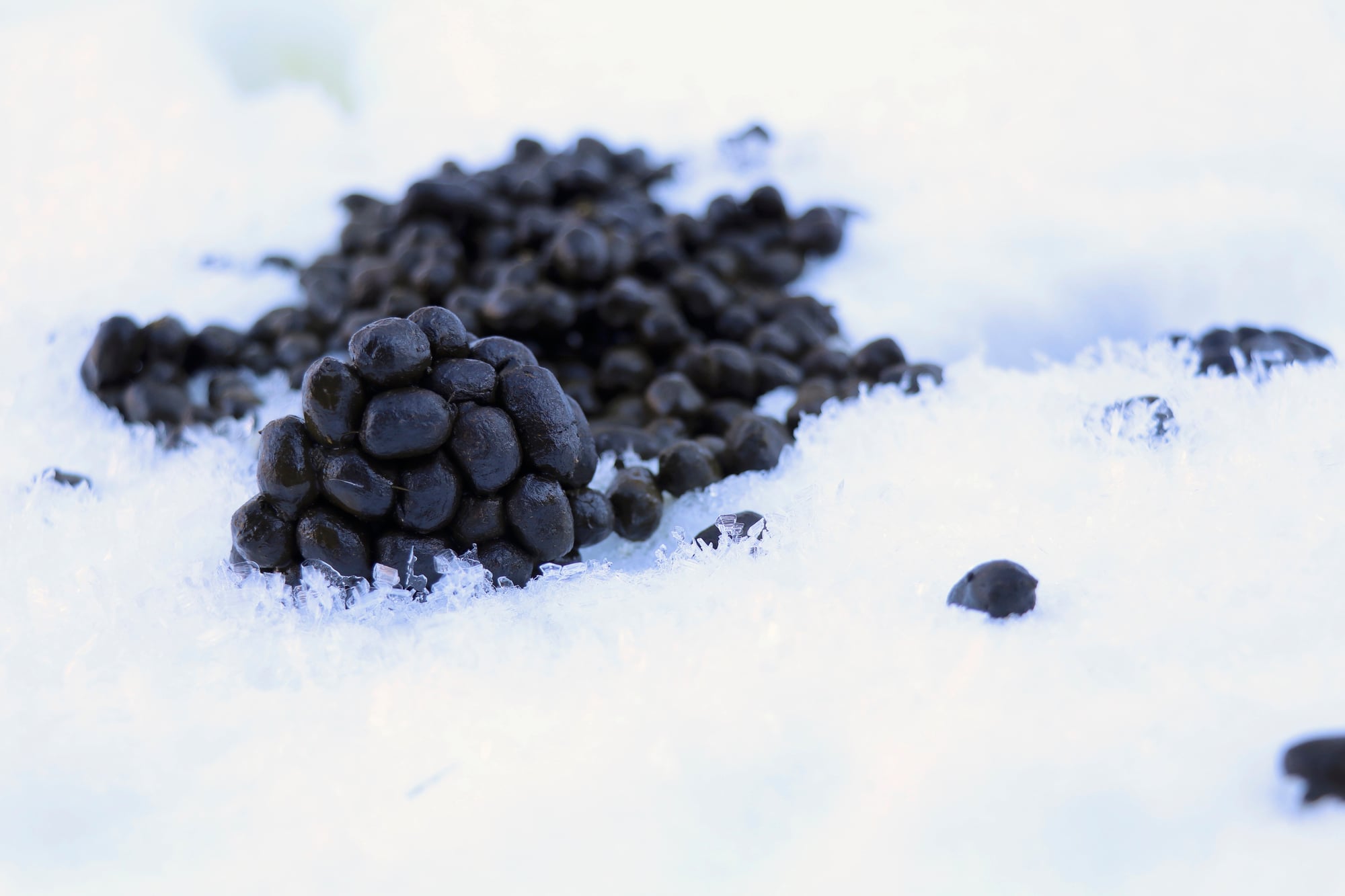
Kopi Luwak coffee beans are partially digested and excreted by Asian palm civets before being collected, cleaned, and roasted. The digestive process supposedly improves the flavor by reducing bitterness.
A single cup can cost over $50. Whether the taste justifies the price — or the process — remains a matter of considerable debate among coffee enthusiasts.
Bubble Tea Contains More Calories Than a Hamburger

A typical 16-ounce serving of bubble tea with tapioca pearls contains between 300 and 500 calories, comparable to or exceeding many hamburgers. The tapioca pearls alone contribute about 200 calories, and that’s before accounting for sweetened tea, milk, or flavored syrups.
Most people treat bubble tea as a drink rather than a meal, which can lead to some surprising calorie consumption.
Chai Means Tea
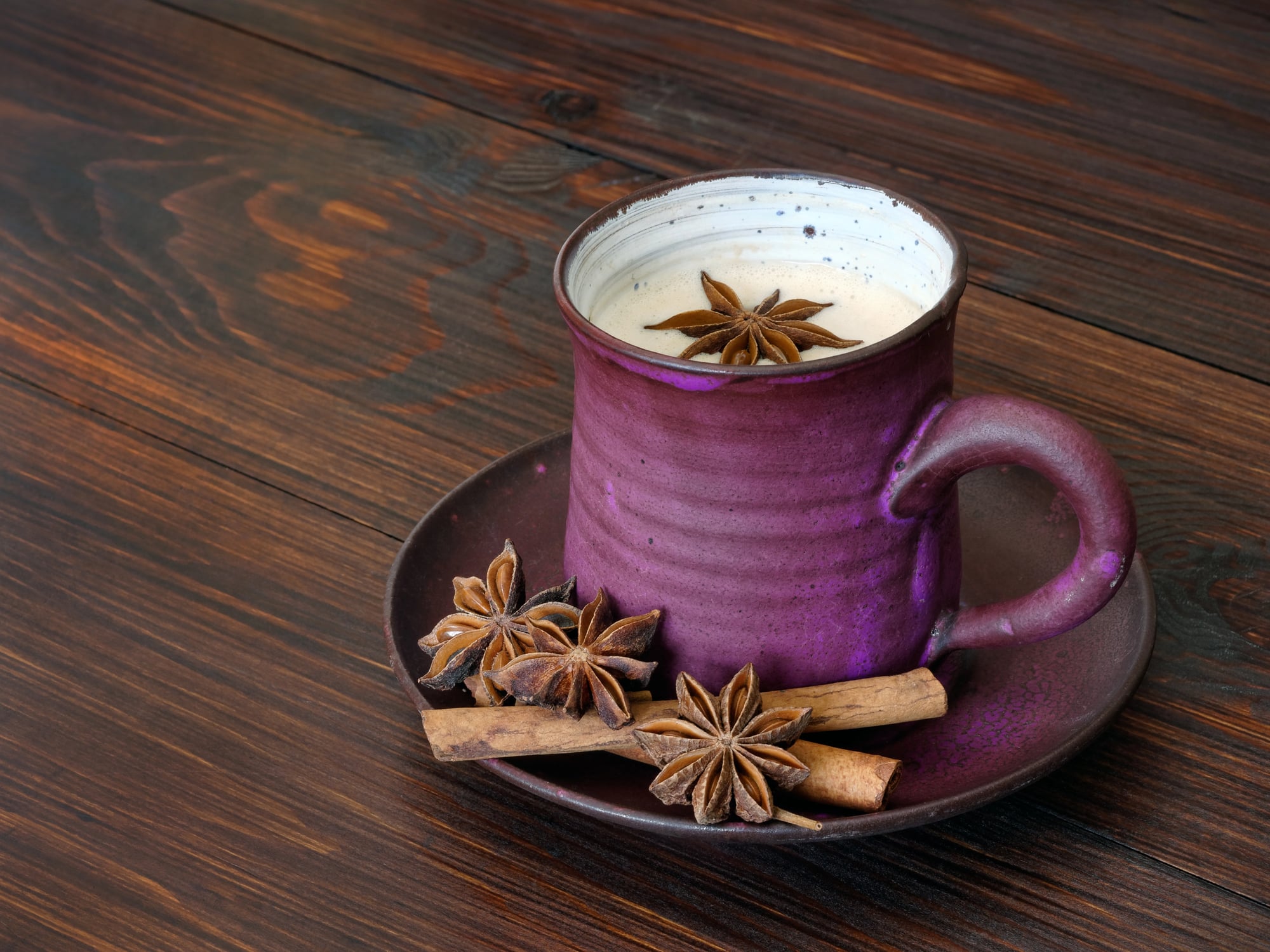
When you order “chai tea,” you’re essentially asking for “tea tea.” Chai is the Hindi word for tea, and what Americans typically call chai is more accurately called masala chai — tea mixed with spices like cardamom, cinnamon, ginger, and cloves (though the exact spice blend varies by region and personal preference, which means no two cups of masala chai taste exactly the same unless they’re coming from the same kitchen using the same recipe).
The drink originated in India thousands of years ago, initially as an herbal blend without any actual tea leaves — those were added later when tea cultivation spread throughout the Indian subcontinent under British colonial influence.
So the modern version of what Americans call chai represents a fusion of ancient Indian spice traditions with relatively recent tea cultivation. But everyone still calls it chai tea anyway.
Matcha Contains an Amino Acid That Promotes Calm Focus
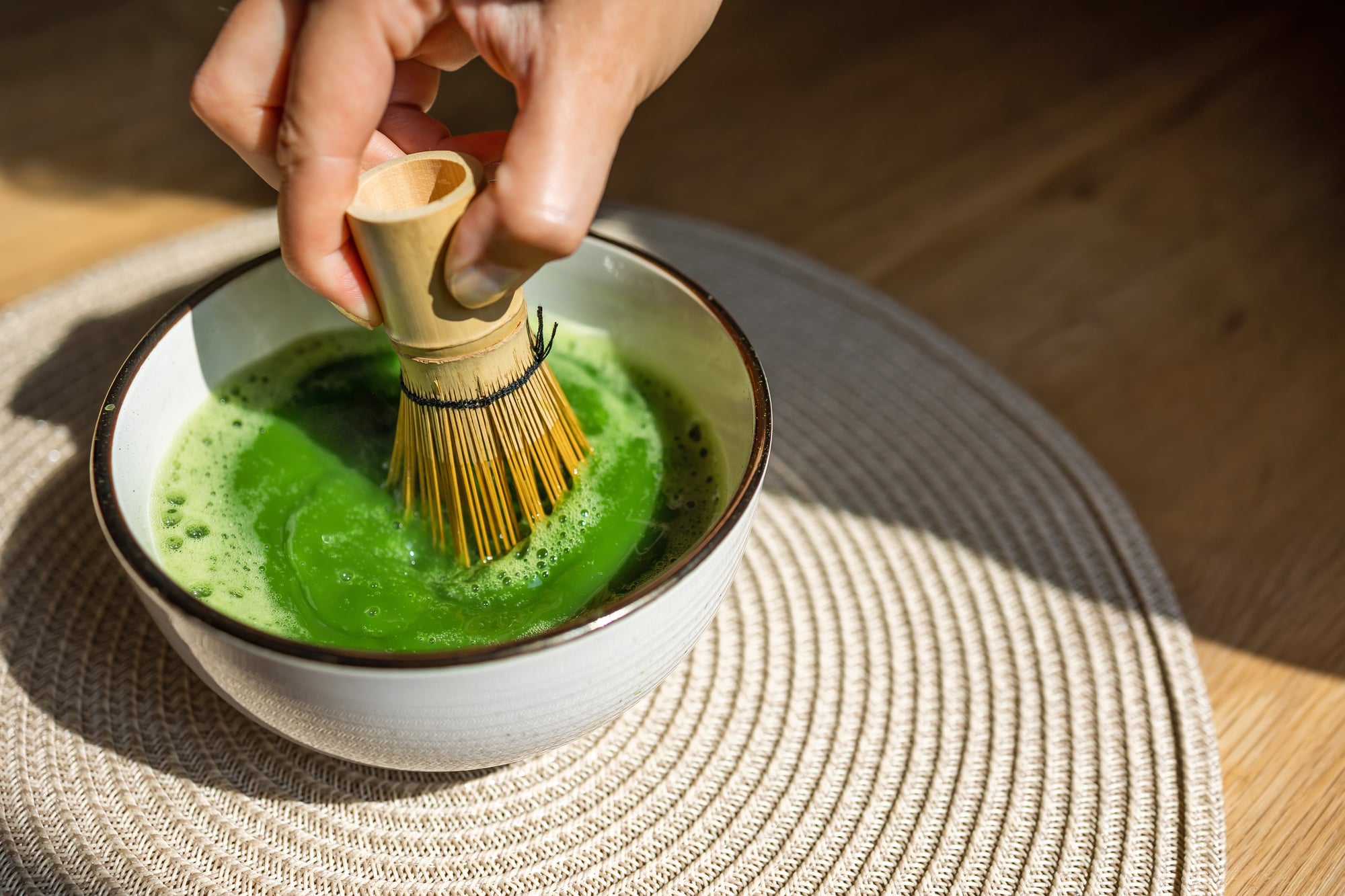
L-theanine, found in high concentrations in matcha, promotes alpha brain wave activity. This creates a state of relaxed alertness — the caffeine provides energy while the L-theanine prevents the jittery feeling that often accompanies coffee consumption.
Buddhist monks have used matcha for centuries during meditation for exactly this reason.
Coffee Grounds Can Predict the Future
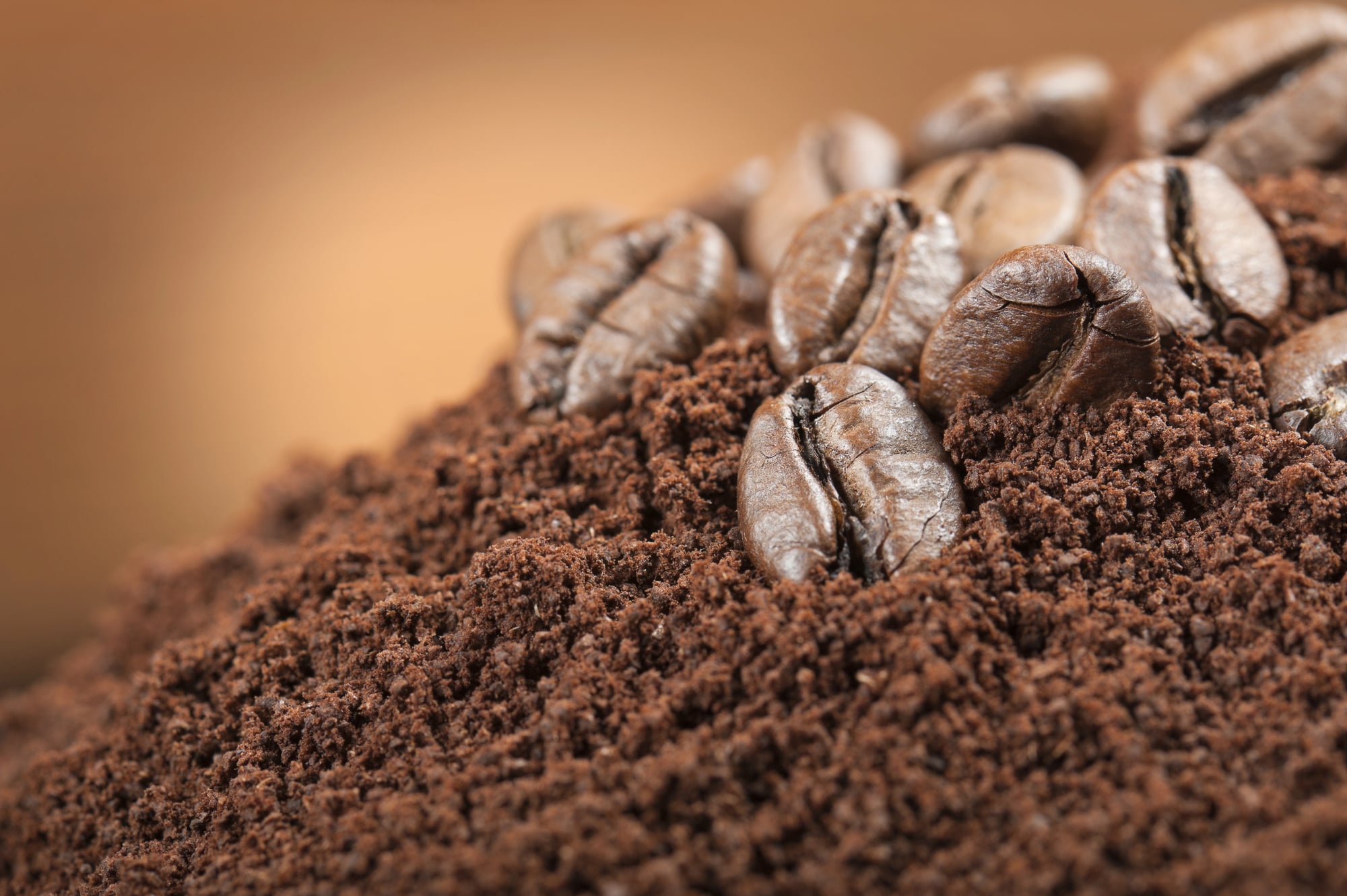
Tasseography — reading coffee grounds left in the bottom of a cup — has been practiced for centuries across various cultures. Turkish coffee, which leaves a layer of grounds at the bottom of the cup, is particularly well-suited for this practice.
Readers interpret the patterns and shapes formed by the grounds to make predictions about the drinker’s future.
The Most Popular Tea in the World Isn’t What You’d Expect
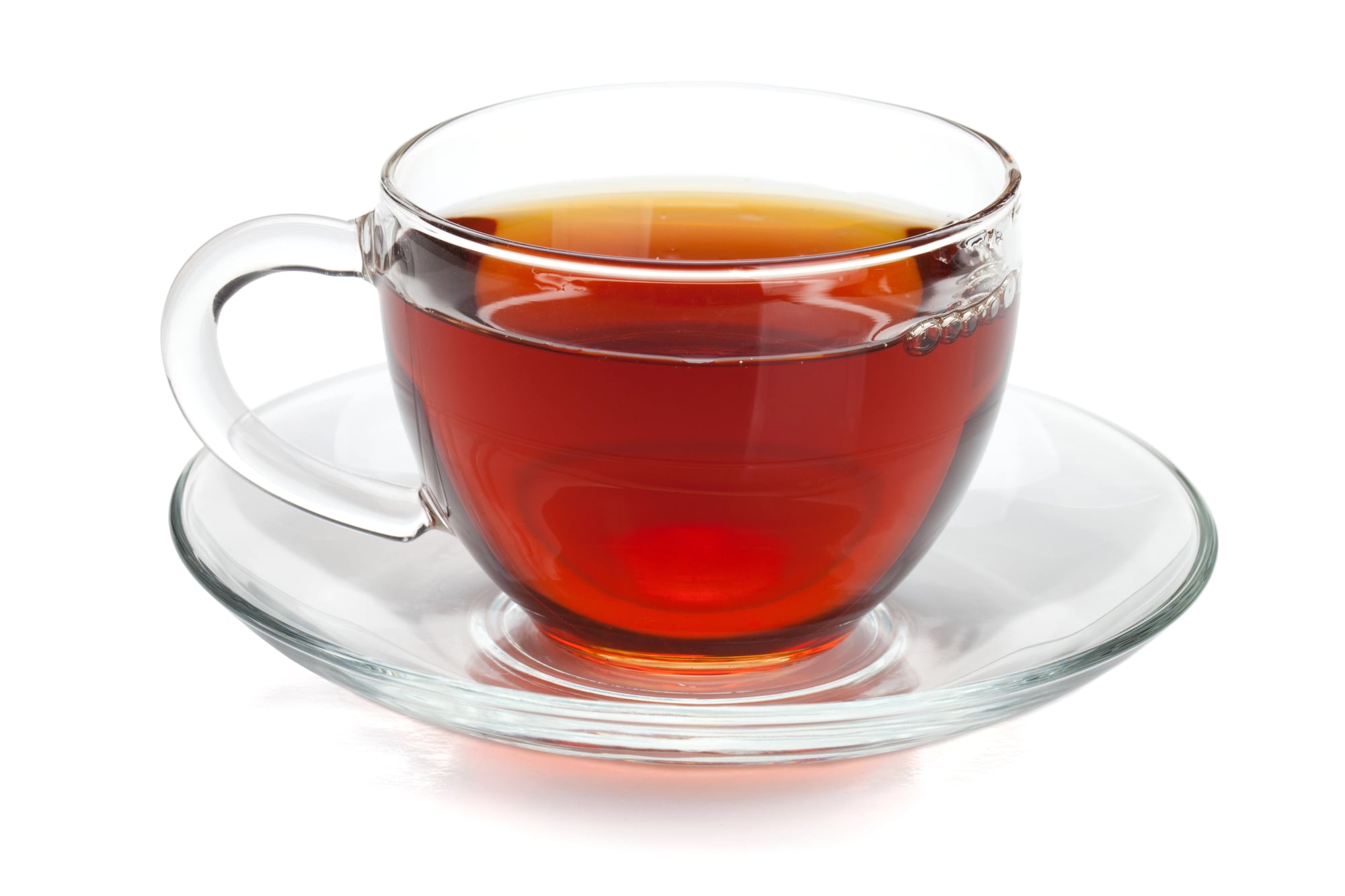
Black tea accounts for about 75% of all tea consumption globally, but within that category, the most consumed variety is actually tea bags containing blended black teas rather than any single-origin variety. Earl Grey, English Breakfast, and similar blends outsell pure Ceylon, Assam, or Darjeeling teas by substantial margins.
The popularity comes down to consistency — blends taste the same every time, while single-origin teas can vary based on weather, soil conditions, and harvest timing.
Beyond the Last Sip
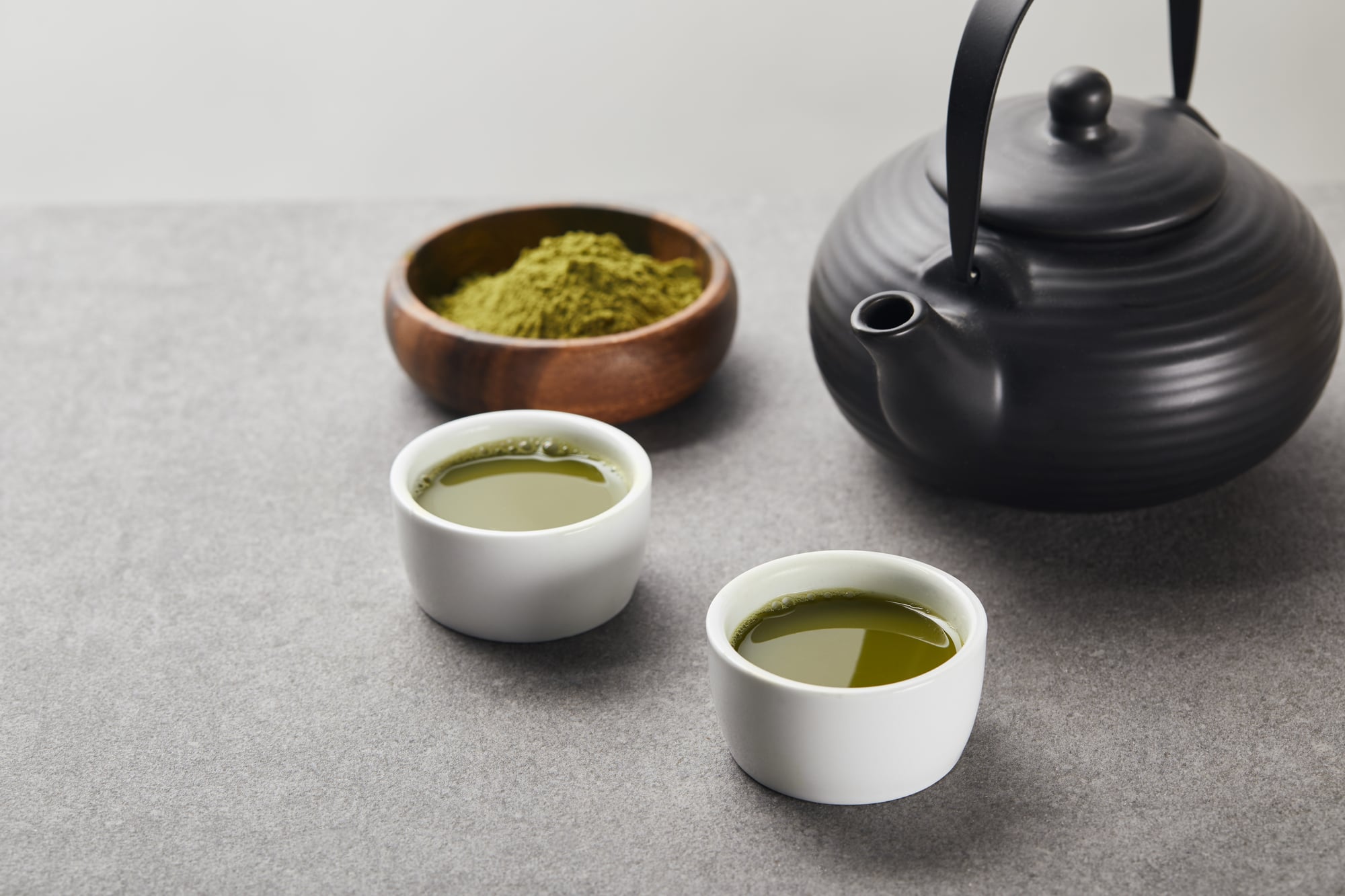
These drinks that punctuate our days carry more complexity than their simple preparation suggests. Every cup connects you to centuries of cultivation, trade routes, accidental discoveries, and cultural evolution.
The next time you reach for your usual beverage, remember that you’re participating in rituals that have shaped societies, sparked revolutions, and brought strangers together across continents. That’s quite a bit of history to hold in your hands.
More from Go2Tutors!

- The Romanov Crown Jewels and Their Tragic Fate
- 13 Historical Mysteries That Science Still Can’t Solve
- Famous Hoaxes That Fooled the World for Years
- 15 Child Stars with Tragic Adult Lives
- 16 Famous Jewelry Pieces in History
Like Go2Tutors’s content? Follow us on MSN.