15 Coincidental Meetings That Accidentally Changed History
Usually, history is the result of deliberate choices and meticulous preparation. But occasionally, the most important historical changes occur just by accident—those odd meetings between complete strangers that have a cascading effect and change our world in ways no one could have foreseen. These haphazard events demonstrate how fate brings people together at the ideal time, changing paths that impact innumerable generations to come.
These 15 chance encounters that unintentionally altered the path of history show that significant turning points frequently occur when people least expect them to.
The Apple Founders’ Introduction

In 1971, Steve Jobs and Steve Wozniak met through a mutual friend, and their encounter would permanently transform personal computing. When they initially shook hands, Wozniak was 21 years old and Jobs was just 16.
Together, Wozniak’s engineering prowess and Jobs’ extraordinary marketing acumen helped create Apple from a modest family garage and revolutionize how people use technology.
Einstein’s Patent Office Assignment
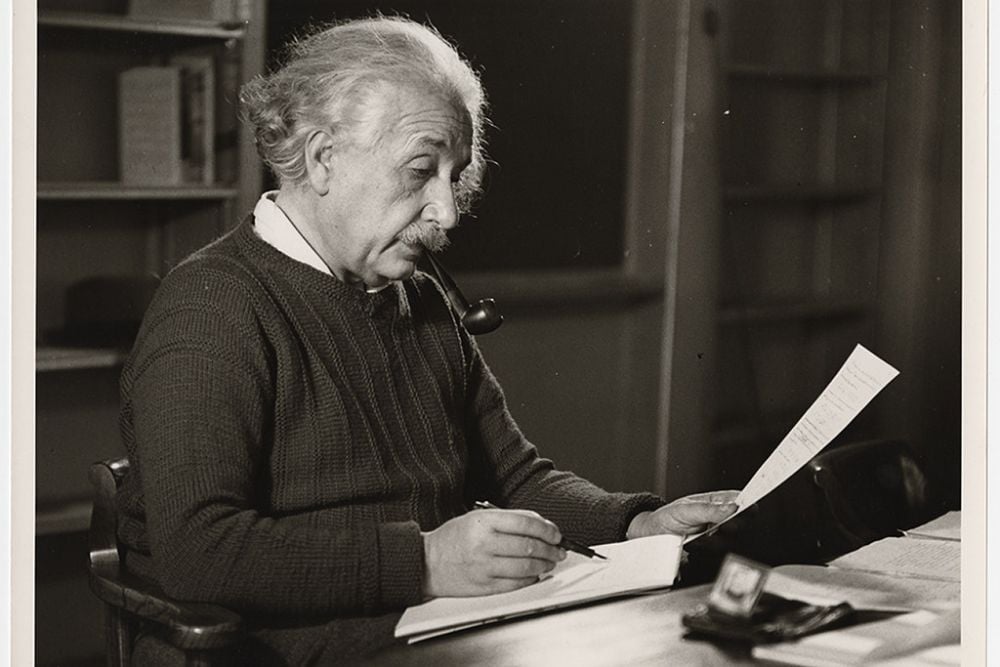
After graduation, Albert Einstein couldn’t land an academic position, so he reluctantly accepted employment at the Swiss Patent Office. This apparent career setback actually provided unexpected benefits – both financial stability and mental space to develop his revolutionary scientific theories.
His daily work examining mechanical problems inadvertently sparked thought experiments about time and space that led directly to his theory of relativity.
Fleming’s Moldy Petri Dish

Alexander Fleming returned from holiday in 1928 to discover his lab in disarray – with an unusual mold growing on a forgotten culture plate. This contamination had mysteriously killed surrounding bacteria, prompting Fleming’s curiosity about the strange substance.
His accidental discovery of penicillin ultimately saved millions of lives and launched modern antibiotics, all because he noticed something others might’ve simply thrown away.
Picasso and African Art
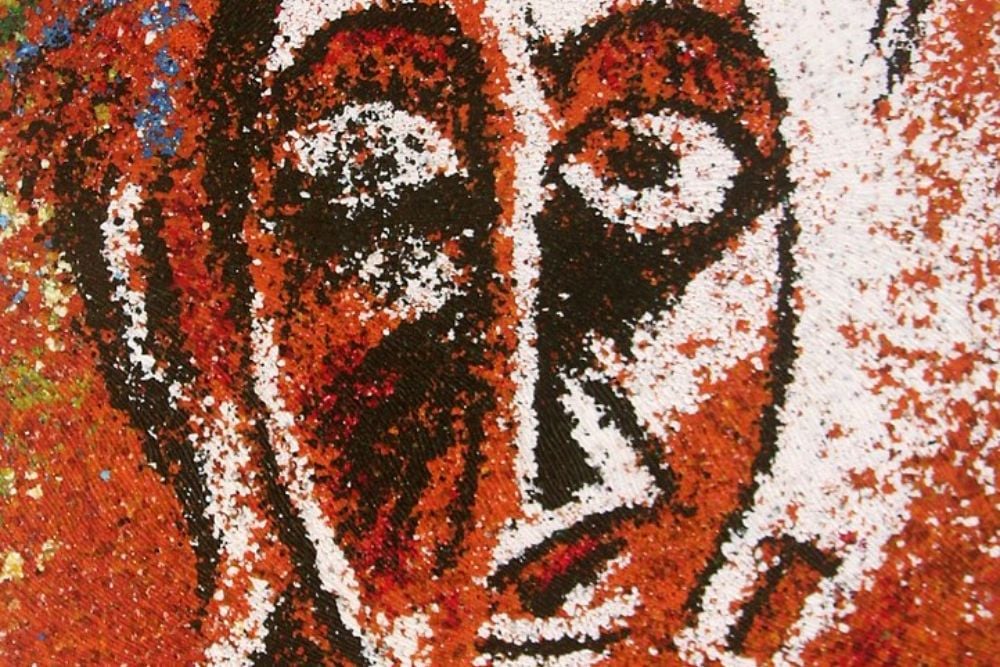
While wandering through an ethnographic museum in Paris during 1907, Pablo Picasso encountered African tribal masks that immediately captivated his artistic sensibility. This chance museum visit transformed his approach almost overnight.
The bold geometric forms and expressive qualities of these artifacts inspired his groundbreaking ‘Les Demoiselles d’Avignon’ painting and helped launch Cubism – permanently altering Western art’s trajectory.
Columbus’s Navigation Error

When Christopher Columbus set sail in 1492, he intended to find a western route to India but instead stumbled upon the Americas. His navigational miscalculations resulted in perhaps history’s most consequential geographic mistake.
This unplanned collision between Old and New Worlds triggered massive exchanges of crops, diseases, populations, and ideas – fundamentally reshaping human societies across both continents.
Pasteur’s Chicken Cholera Mistake
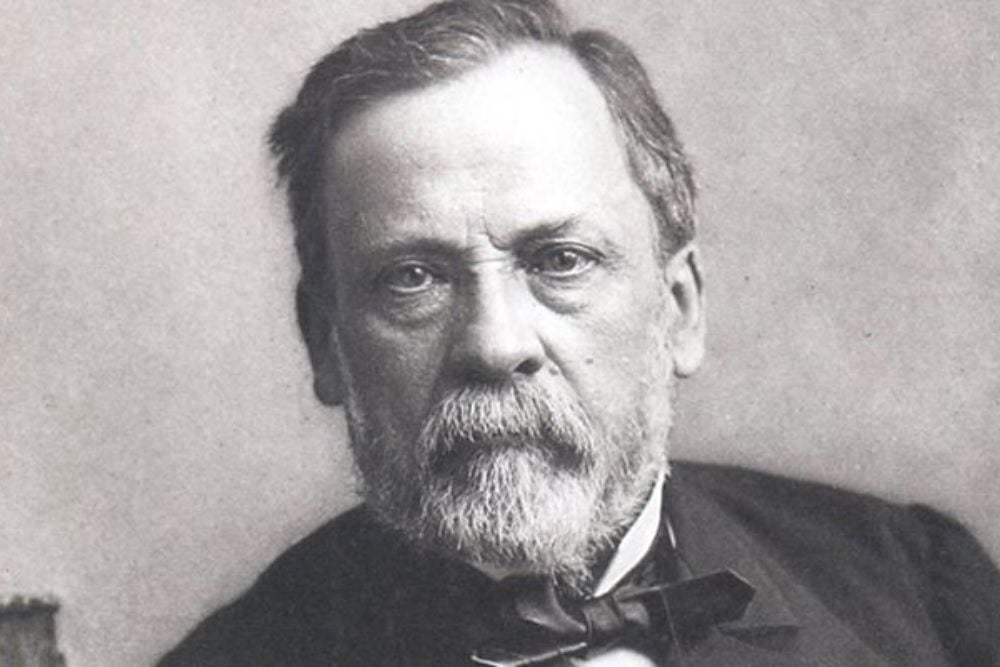
Louis Pasteur accidentally left chicken cholera cultures unattended during a vacation, then returned to find they’d weakened without dying completely. When he injected these aged cultures into chickens, they became only mildly ill yet survived – later showing immunity against the full-strength disease.
This laboratory accident in 1879 led Pasteur toward developing attenuated vaccines, ultimately saving countless lives through preventative medicine.
Roosevelt and Churchill’s First Meeting
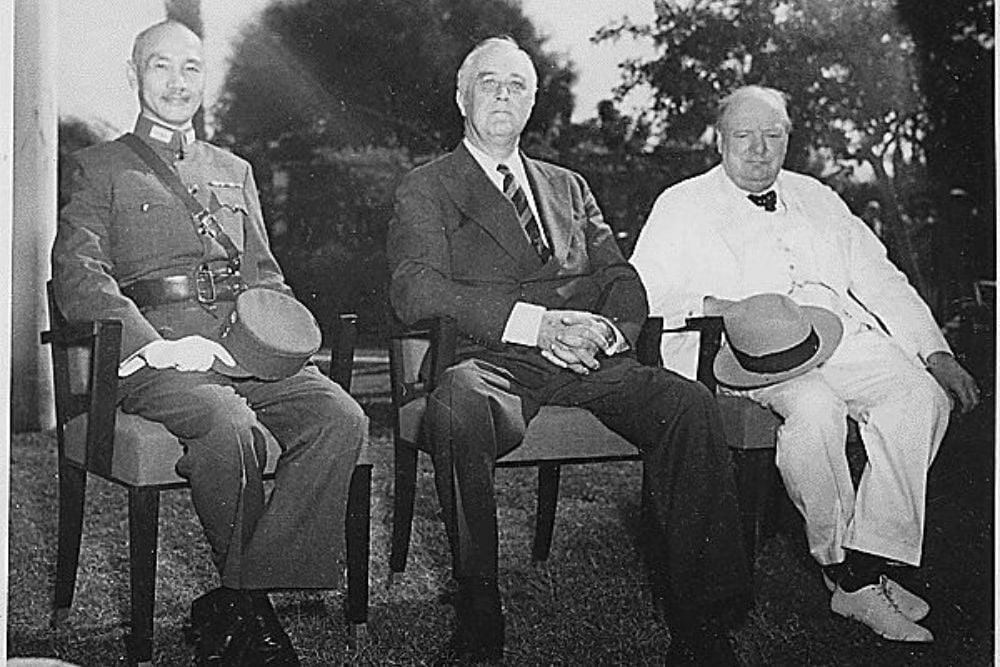
Franklin Roosevelt and Winston Churchill initially met at a London dinner in 1918, though Churchill later claimed Roosevelt hardly noticed him during the encounter. Two decades afterward, these same men would lead Allied forces throughout World War II – their partnership fundamentally shaping global politics for generations.
That forgettable first meeting gave zero indication of how their relationship would help preserve democracy worldwide.
Gutenberg and Wine Presses

Johannes Gutenberg had a stunning epiphany while watching mechanical wine presses in operation at a nearby wine harvest festival. Around 1440, he ingeniously used this pre-existing technology to produce the printing press, which allowed books to be produced in large quantities for the first time.
His accidental discovery turned a basic winemaking implement into a tool that enabled mass literacy, spurred the Renaissance, and democratized knowledge.
Lincoln and Whitman’s Passing Glances

During the Civil War, Walt Whitman and Abraham Lincoln are said to have passed each other numerous times on Washington streets, sometimes simply nodding in recognition. Though they never met in person, Whitman emerged as Lincoln’s most influential literary biographer, finally penning the timeless elegy ‘O Captain! My Captain!’after the president’s assassination.
Somehow, their aloof recognitions became one of the most poignant presidential homages in American fiction.
Watt’s Kettle Observation

While repairing a model steam engine, James Watt noticed steam lifting his aunt’s kettle lid in her kitchen. This ordinary household observation sparked his improvements to existing steam engine designs through a separate condenser, dramatically increasing efficiency.
Watt’s enhanced engines powered the Industrial Revolution, completely transforming manufacturing and human labor through a moment of simple kitchen-table curiosity.
Hamilton and Burr’s Legal Collaboration
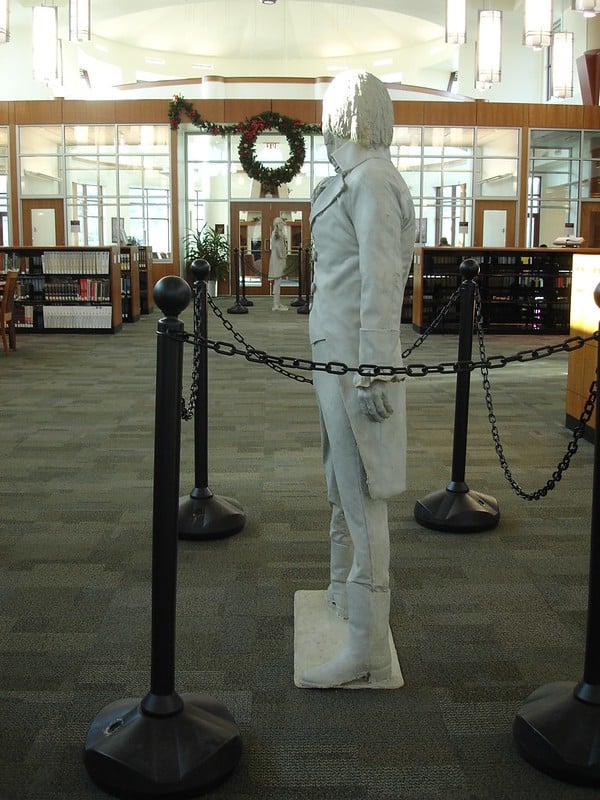
Before their infamous duel, Alexander Hamilton and Aaron Burr actually collaborated as defense attorneys during a 1784 murder trial. Their early professional relationship contrasted sharply with their later bitter rivalry.
The eventual breakdown in their relationship culminated in that fatal duel killing Hamilton, one of America’s most influential founding figures, thereby altering the young nation’s political trajectory.
Percy and Mary Shelley’s Rainy Retreat
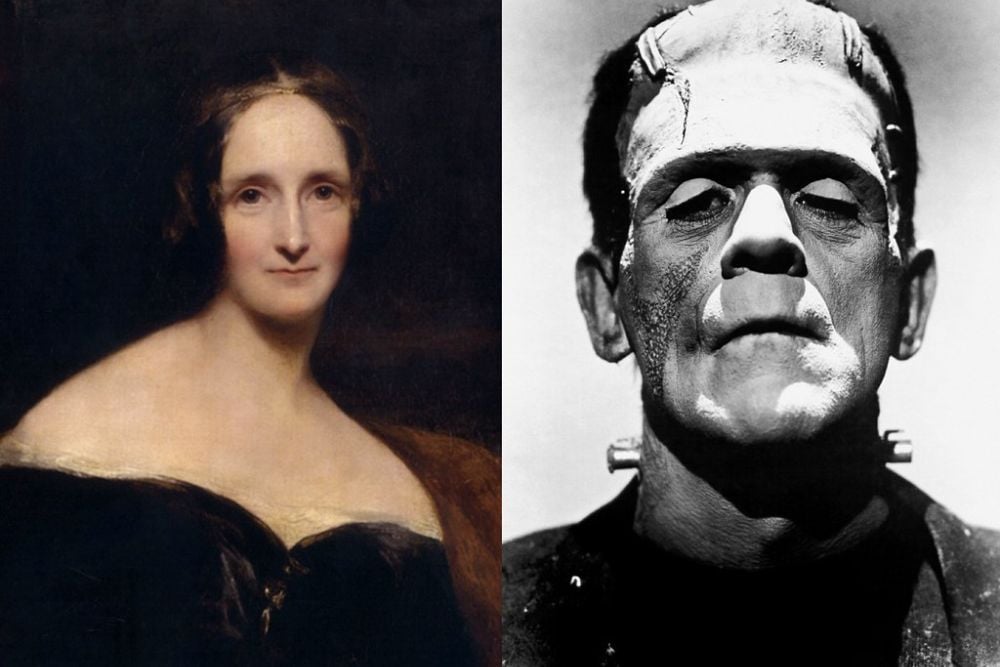
During 1816, a group including Mary Shelley and Lord Byron found themselves trapped indoors by unusually terrible weather during their Swiss vacation. To pass time, they created a ghost story competition among themselves.
Mary’s contribution evolved into ‘Frankenstein,’ which pioneered science fiction as a literary genre and created an enduring metaphor regarding unchecked scientific advancement, all because unusually gloomy weather forced creative indoor activities.
Marconi’s Mountain Discovery

Experts told Guglielmo Marconi that radio waves couldn’t possibly travel beyond Earth’s horizon due to curvature limitations. While testing his wireless telegraph in 1901, he accidentally discovered that radio signals could indeed bounce off the ionosphere when his transmission unexpectedly reached across the Atlantic Ocean.
This serendipitous finding enabled global radio communication and later television broadcasting, connecting humanity across previously insurmountable distances.
Chaplin and Disney’s Brief Encounter

Charlie Chaplin briefly encountered a struggling young Walt Disney in 1923 Kansas City. According to accounts, Chaplin encouraged Disney to continue pursuing animation despite recent financial failures.
This momentary interaction reportedly helped motivate Disney through difficult times. Disney subsequently created an entertainment empire that defined childhood experiences for generations worldwide, partially inspired by that brief moment of encouragement.
Curie’s Lab Drawer Glow
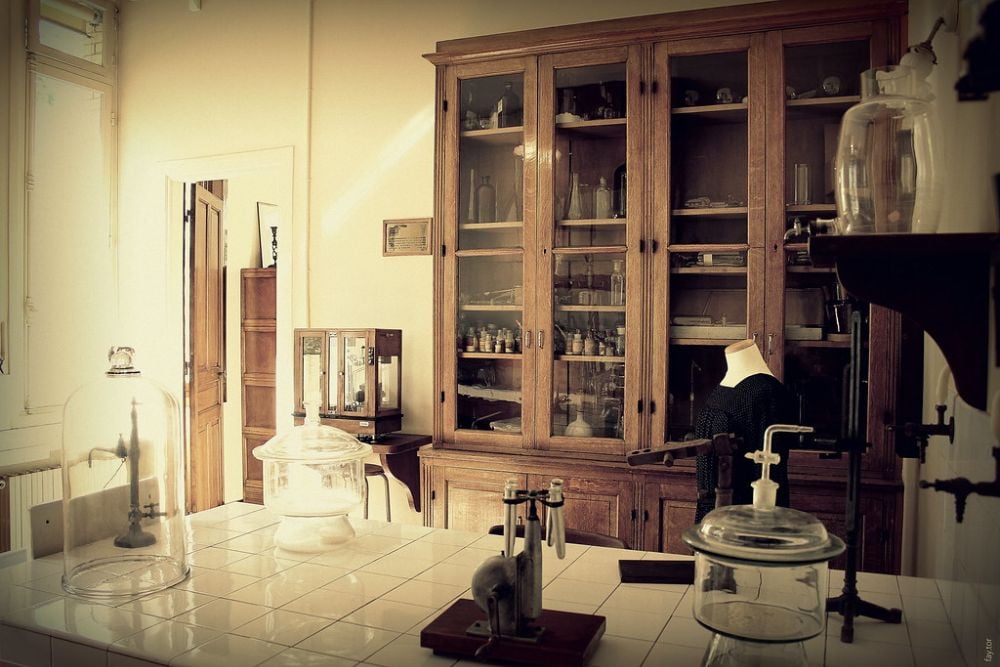
Marie Curie noticed that uranium ore samples had mysteriously fogged a photographic plate stored in a closed drawer. Rather than ignoring this strange occurrence, she investigated the unusual effect, which led directly to radioactivity’s discovery.
Her scientific curiosity about an unexpected phenomenon revolutionized physics, chemistry, and medicine, eventually resulting in cancer treatments and new understanding about matter’s fundamental nature.
Threads of Coincidence

These historical intersections remind us that monumental changes often begin with seemingly unremarkable moments—a contaminated laboratory sample, a passing glance, or a casual conversation. The tapestry of human progress contains countless such threads of coincidence, each insignificant alone yet collectively forming the rich fabric of our shared history.
Perhaps most remarkable isn’t that these encounters occurred, but that someone recognized their potential significance and acted upon the opportunity that chance had provided.
More from Go2Tutors!

- The Romanov Crown Jewels and Their Tragic Fate
- 13 Historical Mysteries That Science Still Can’t Solve
- Famous Hoaxes That Fooled the World for Years
- 15 Child Stars with Tragic Adult Lives
- 16 Famous Jewelry Pieces in History
Like Go2Tutors’s content? Follow us on MSN.



