Little Known Facts About Mountain Ranges
Mountains dominate landscapes on every continent, yet much of what happens within these colossal formations stays hidden from everyday view. These towering giants influence weather, cradle unique ecosystems, and constantly evolve through forces that work on timescales far beyond human lifespans. The stories behind their rise, transformation, and survival reveal that Earth is far more dynamic than it often appears.
Here are 16 little-known facts about mountain ranges that showcase their surprising behavior and hidden complexity.
The Longest Mountain Range Is Underwater
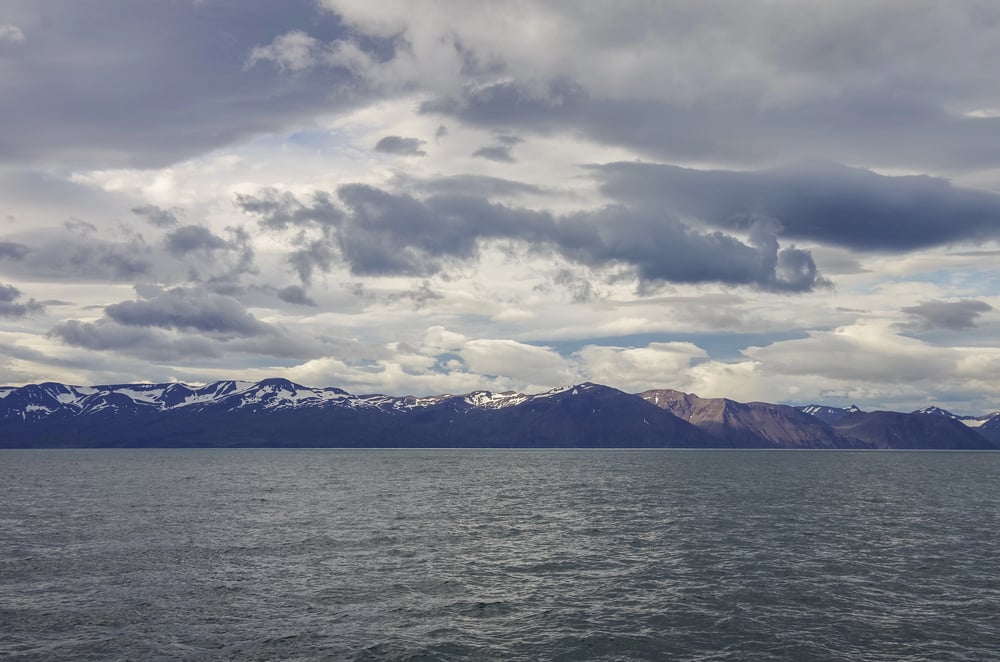
The world’s longest mountain system isn’t the Himalayas or Andes—it’s the mid-ocean ridge. Stretching about 40,000 miles across the globe, it winds through every ocean basin like stitches on a baseball. Over 90 percent of this chain lies beneath the sea, making it both the largest and least explored mountain system on Earth.
Mountains Grow and Shrink at the Same Time
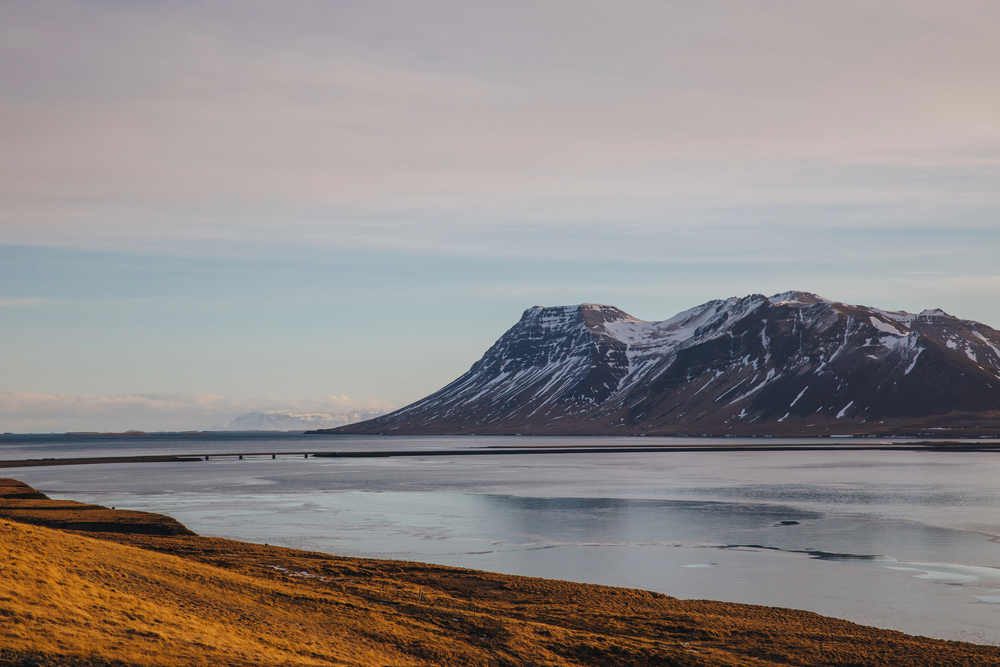
It sounds contradictory, but it’s true: mountains can rise and wear down simultaneously. For instance, the Alps grow upward at about one millimeter a year, yet erosion scrapes them down at nearly the same pace. When erosion strips away rock, the land beneath rebounds upward, creating a push-pull cycle that keeps many ranges at steady heights despite powerful tectonic forces.
Like Go2Tutors’s content? Follow us on MSN.
The Himalayas Breathe Like Living Organisms
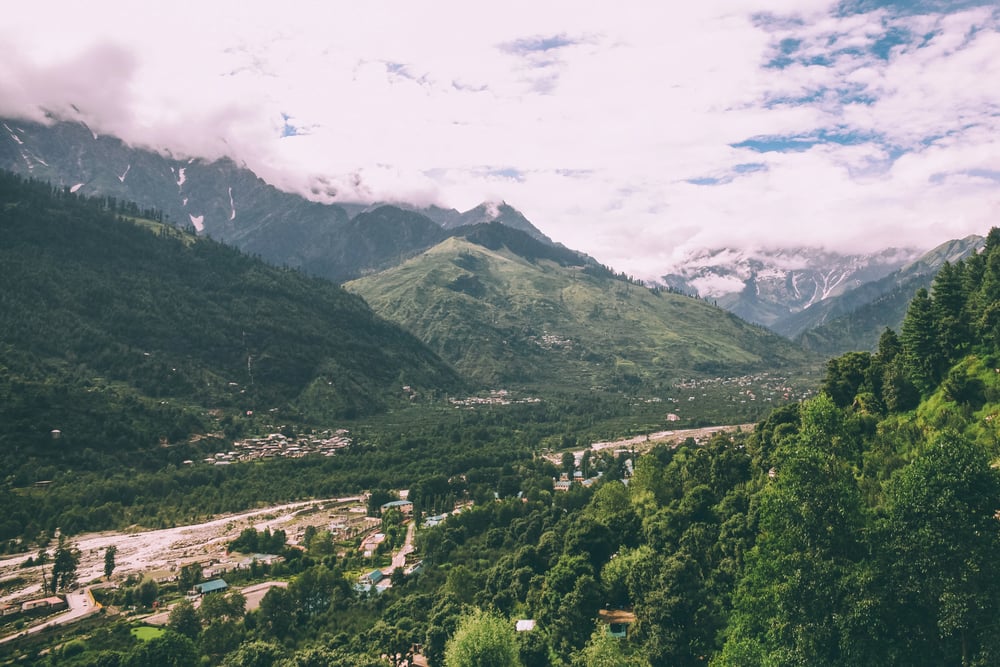
The Himalayas don’t just stand still—they flex. During major earthquakes, parts of the range sink back down, only to be thrust upward again as tectonic pressure builds. In 2015, a magnitude 7.8 quake dropped sections of the Himalayas by nearly two feet. India’s steady march north into Asia fuels this “breathing,” as stress builds, releases, and resets.
Mountain Ranges Harbor 85 Percent of Earth’s Biodiversity
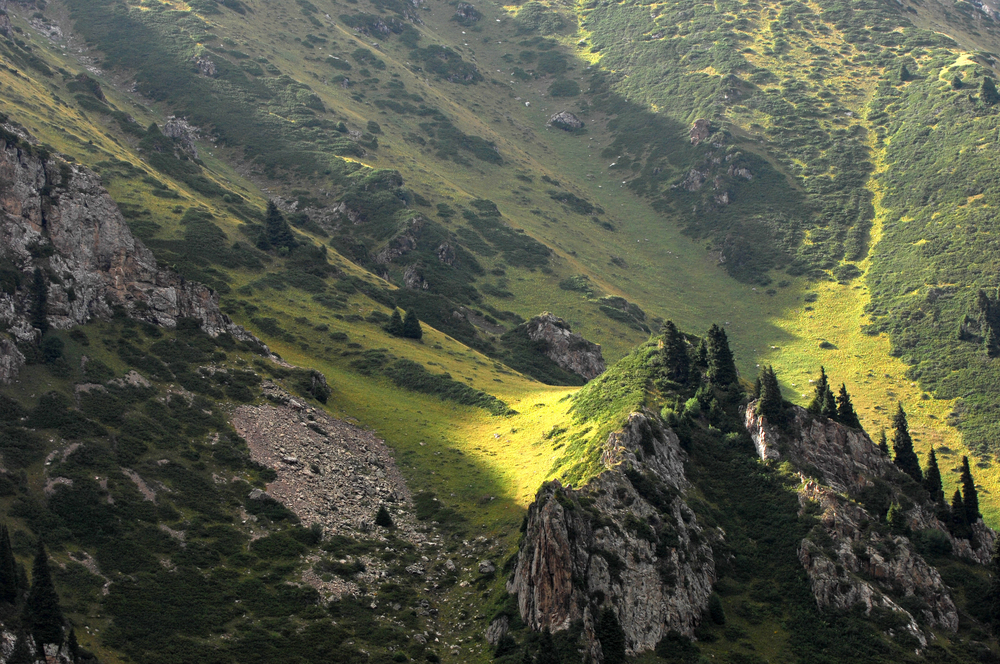
Covering about a quarter of the world’s land, mountains are biodiversity powerhouses. They shelter more than 85 percent of the planet’s amphibians, birds, and mammals. The Northern Andes alone contain half of Earth’s climate types in a relatively compact area—outpacing the Amazon rainforest in diversity, despite being vastly smaller. Their steep slopes create microclimates that pack extraordinary variety into short distances.
Earth’s Mountains Mysteriously Stopped Growing for a Billion Years
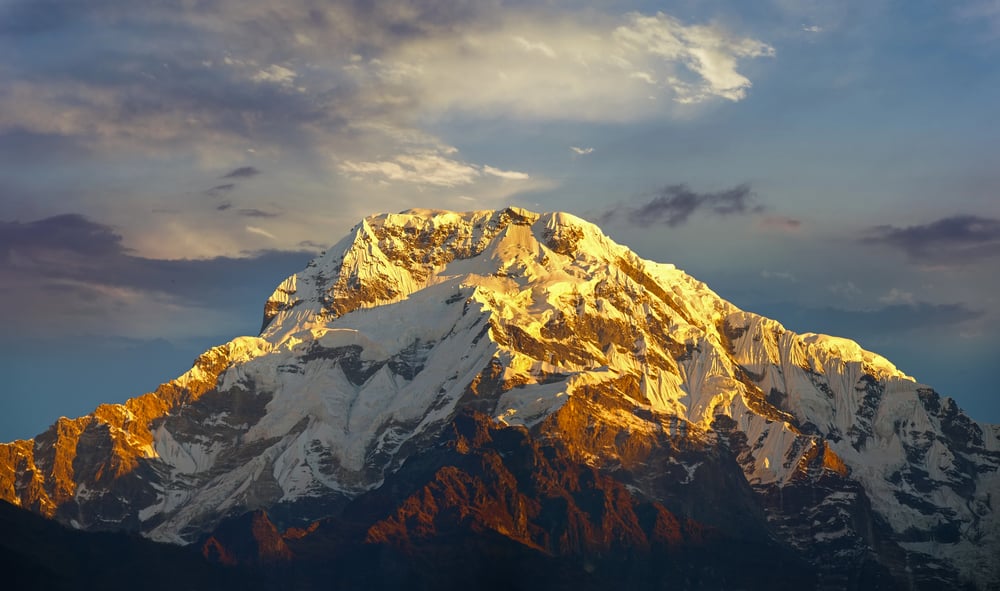
During the so-called “boring billion” (1.8 to 0.8 billion years ago), mountain-building seemed to pause worldwide. Continental crust thinned, peaks flattened, and erosion slowed dramatically. Some scientists think this geological lull may have stalled biological evolution too, since fewer nutrients washed into oceans during this time.
Like Go2Tutors’s content? Follow us on MSN.
Mountains Create Their Own Weather Patterns
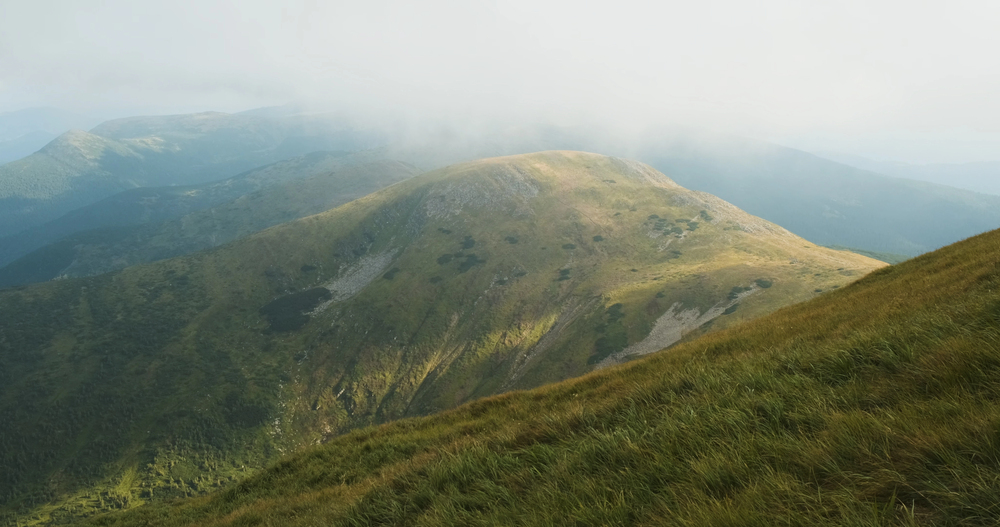
Mountains act like giant weather machines. As air masses rise along their slopes, moisture condenses into rain or snow, leaving the leeward side dry. The Sierra Madre range in the Philippines, for example, weakens typhoons before they reach inland areas. Massive systems like the Andes even reshape entire continental climates by blocking moisture-laden winds.
The Appalachians Once Rivaled the Himalayas
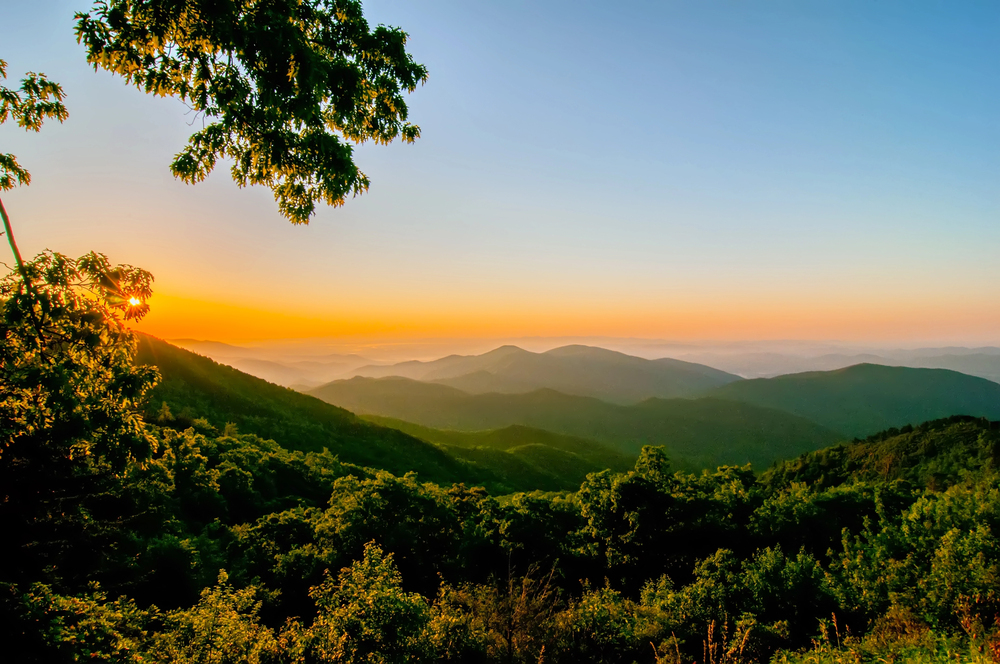
Today’s Appalachian Mountains may seem modest, but 300 million years ago they rivaled the Himalayas. They formed when ancient continents collided to create the supercontinent Pangaea. Over time, erosion whittled them down, leaving the rounded peaks we see today. These weathered remnants are the stumps of giants.
Mountains Are Warming Faster Than the Rest of the Planet
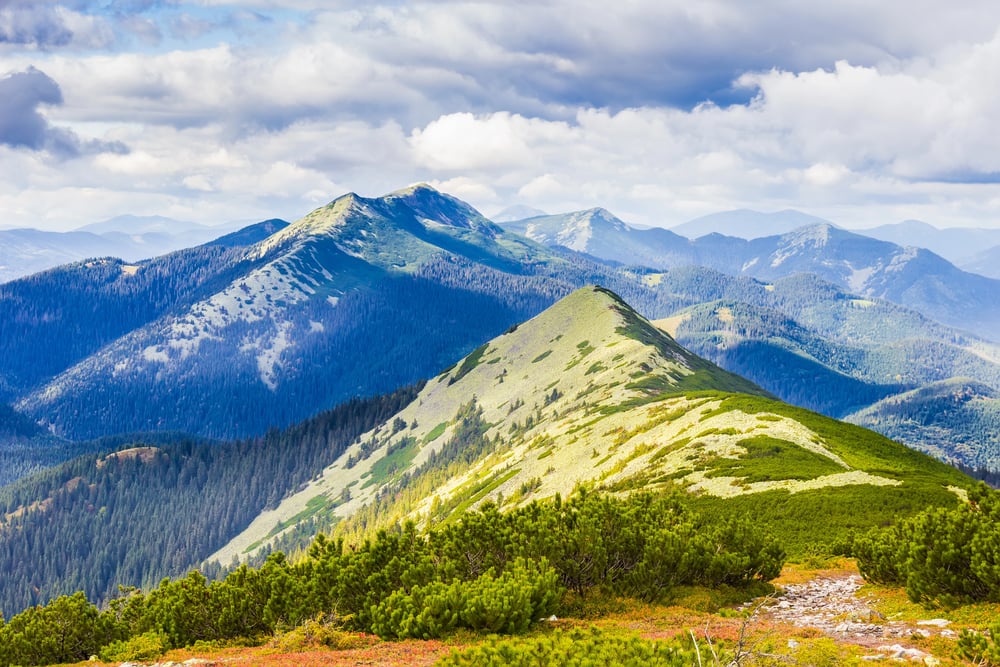
Mountain regions are climate hotspots. Since the 1980s, areas like the Tibetan Plateau have warmed nearly three times faster than the global average. Scientists have flagged 17 ranges worldwide where species face climate change so quickly that they can’t move uphill fast enough to survive. Without intervention, up to two-thirds of mountain species could vanish by century’s end.
Like Go2Tutors’s content? Follow us on MSN.
Active Mountains Reach a Height Limit
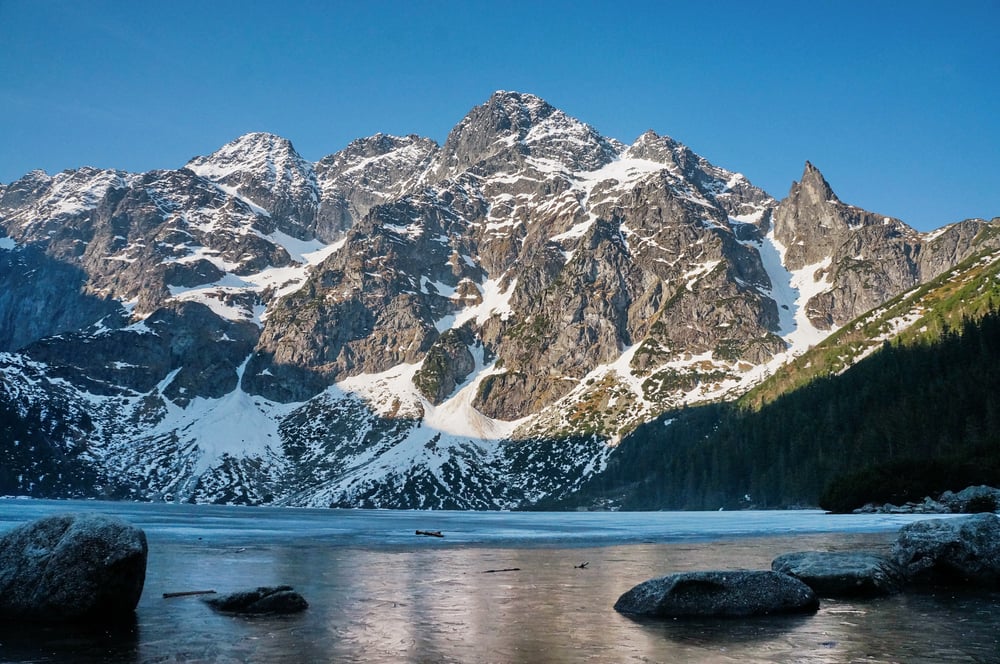
No mountain can grow forever. Once peaks hit around 2.5–3 miles high and 75–150 miles wide, erosion matches uplift. Steeper slopes crumble faster, with rivers and landslides carrying material away as quickly as tectonic plates push it up. This tug-of-war sets a natural height cap for most ranges.
Mountain Ranges Supply Most of the World’s Fresh Water
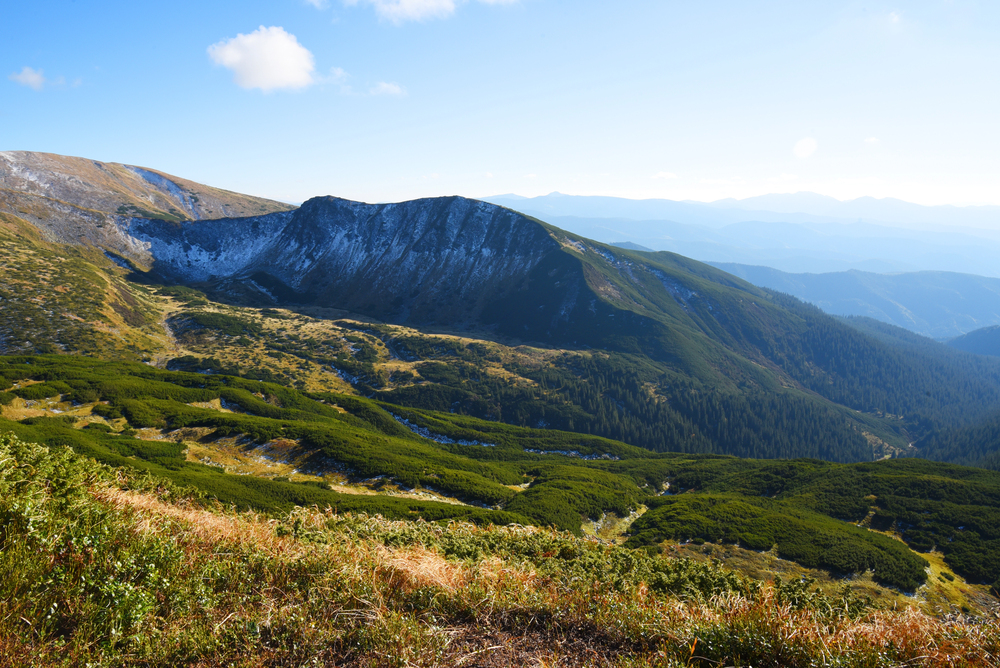
Mountains are Earth’s “water towers.” By forcing moist air upward, they capture precipitation that feeds rivers serving more than half of humanity. Despite covering just over one-fifth of Earth’s land, mountain ecosystems provide up to 80 percent of our fresh water—vital for both drinking and agriculture.
The Rockies Formed in an Unusual Location
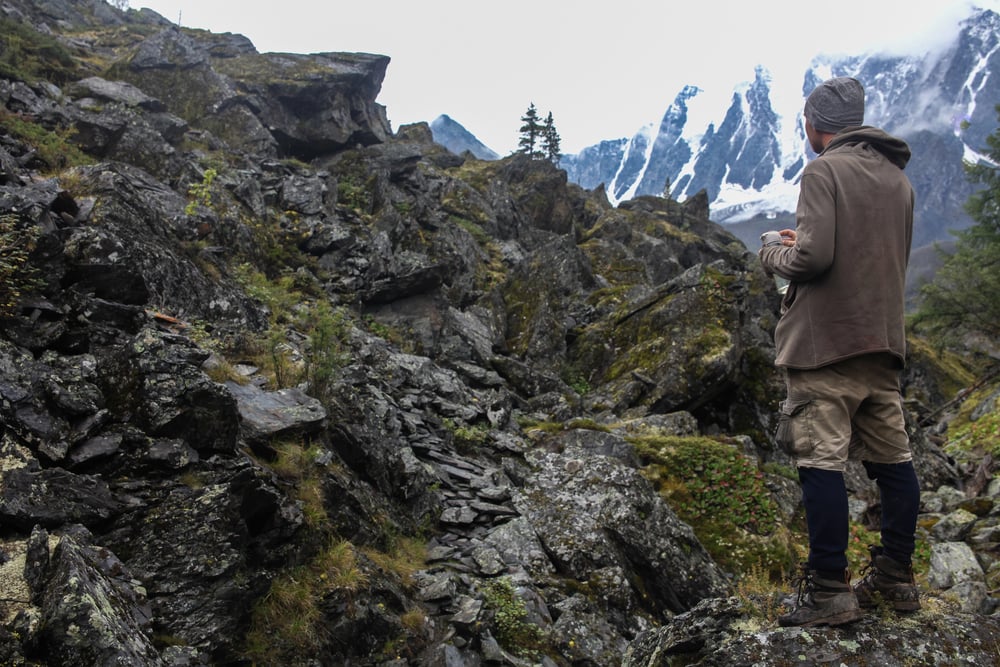
Unlike most ranges that rise along plate boundaries, the Rockies are tucked deep inside North America. Around 70 million years ago, a dense oceanic plate slid beneath the continent at a shallow angle, crumpling land far inland and raising the Rockies. Their placement makes them a true geological anomaly.
Like Go2Tutors’s content? Follow us on MSN.
Some Mountains Are Made of Former Ocean Floor
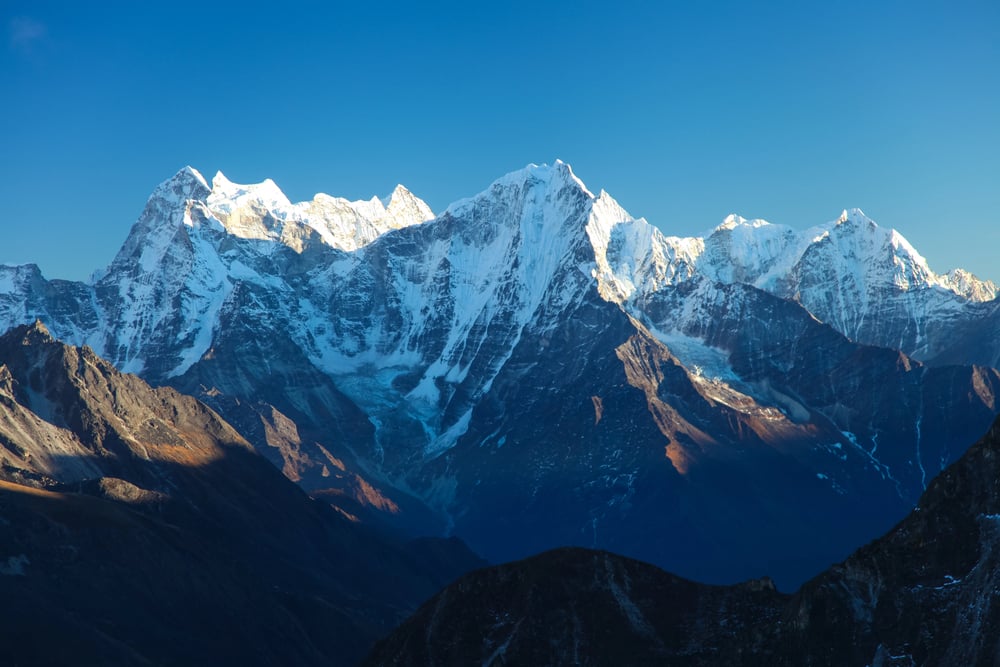
Climbers near Everest’s summit often walk across rocks that were once seabed. Millions of years ago, India’s collision with Asia thrust ancient marine deposits skyward. Fossilized seashells still lie embedded in Himalayan rocks, proof that the planet’s highest peaks were once underwater.
Mountain Ranges Once Connected Today’s Separate Continents
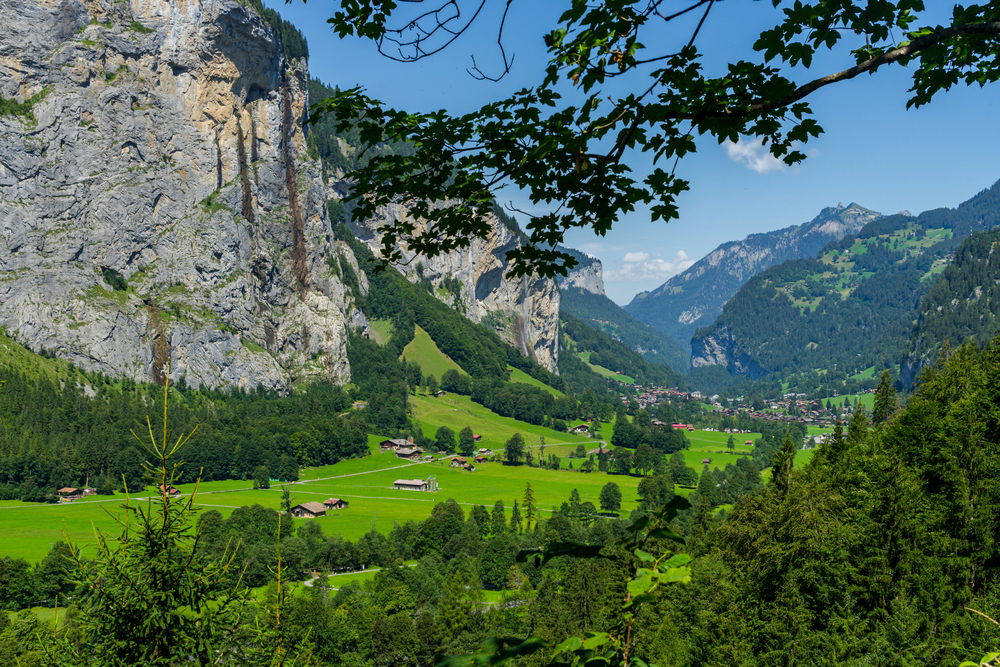
Long before the Atlantic Ocean split continents apart, the Appalachians in the U.S., the Atlas Mountains in Africa, and Scotland’s Caledonian range were all part of one massive chain: the Central Pangean Mountains. Continental drift scattered the pieces, leaving behind cousins separated by oceans.
Mountains Have Death Zones for Humans

At altitudes above 26,000 feet, oxygen levels drop so low that humans can’t survive for long. This “death zone” is notorious among Himalayan climbers. In the Andes, daily conditions swing between freezing nights (around 28°F) and springlike days (around 41–46°F), forcing humans, plants, and animals to adapt in remarkable ways.
Like Go2Tutors’s content? Follow us on MSN.
Glaciers Carved Distinctive Mountain Features
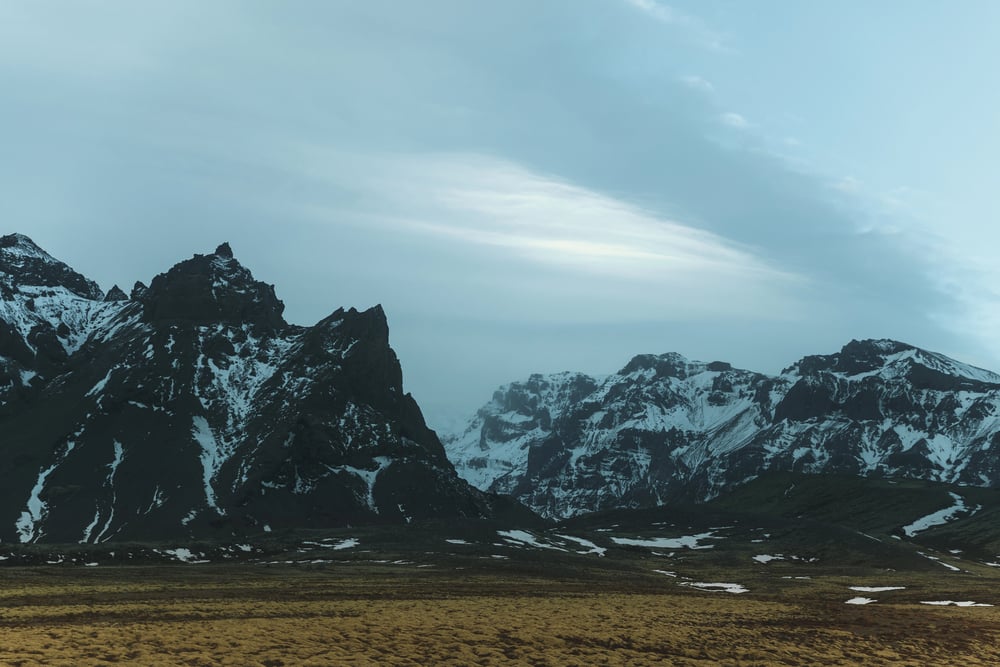
Glaciers act like chisels, grinding valleys into U-shapes, slicing fjords, and scarring bedrock with striations. Over the past 700,000 years, repeated ice ages have dramatically reshaped mountain landscapes. Even today, retreating glaciers leave behind carved reminders of their power.
The Oldest Mountain Rocks Date Back 3.5 Billion Years
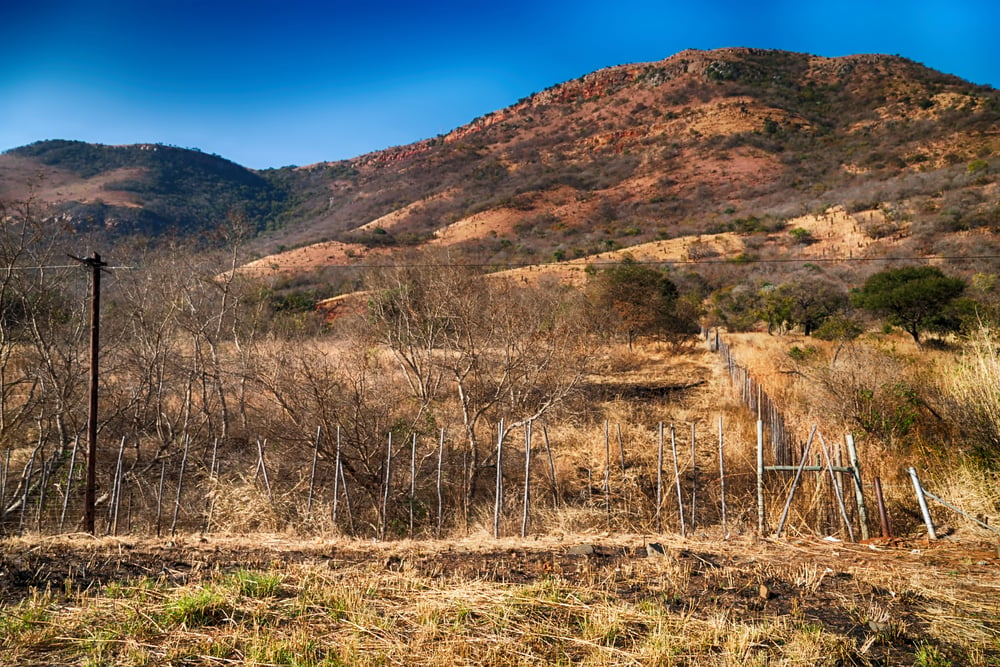
South Africa’s Barberton Mountains—also called the Makhonjwa Mountains—hold rocks dating back 3.5 billion years. Formed by volcanic activity and sedimentation, they belong to one of Earth’s oldest crustal blocks, the Kaapvaal Craton. These ancient rocks give scientists a rare window into the planet’s early history.
Peaks That Endure and Transform
Mountains may appear eternal, but they’re constantly changing—growing, eroding, shifting, and reshaping ecosystems. What looks solid is really a snapshot in a long geological story that stretches back billions of years. The next time you stand before a mountain, remember: you’re looking at a living system in motion.
Like Go2Tutors’s content? Follow us on MSN.
More from Go2Tutors!

- 16 Historical Figures Who Were Nothing Like You Think
- 12 Things Sold in the 80s That Are Now Illegal
- 15 VHS Tapes That Could Be Worth Thousands
- 17 Historical “What Ifs” That Would Have Changed Everything
- 18 TV Shows That Vanished Without a Finale
Like Go2Tutors’s content? Follow us on MSN.