Little-Known Facts About World Capitals
Most people know the obvious stuff about world capitals. Paris has the Eiffel Tower.
Tokyo is massive. London has Big Ben.
But scratch beneath the surface and you’ll find stories that don’t make it into guidebooks. The kind of details that make you realize these cities are stranger and more interesting than you thought.
La Paz Sits Higher Than Most Planes Fly
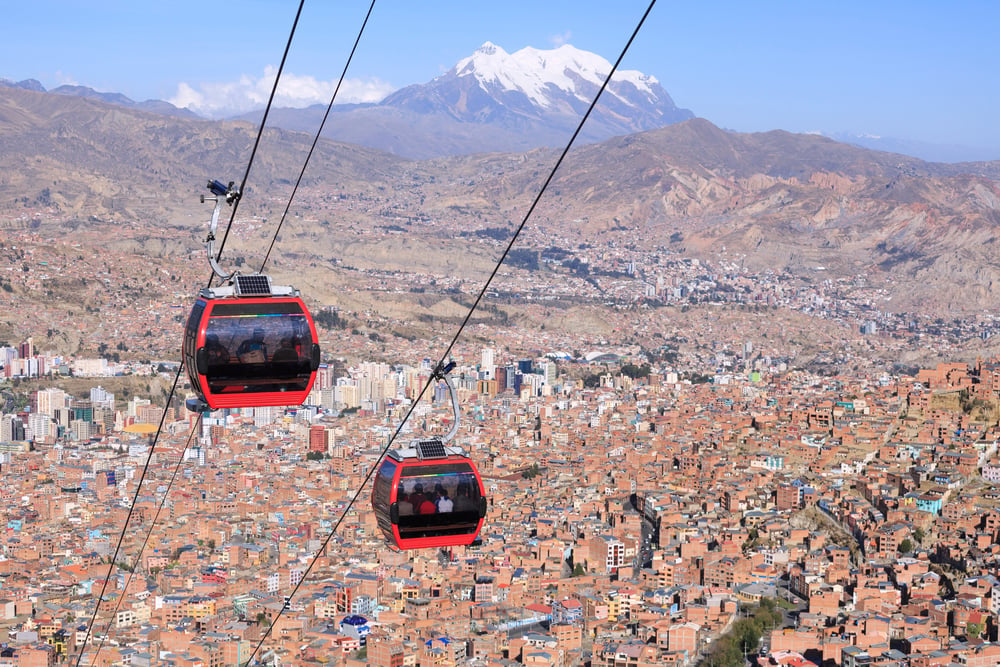
The administrative capital of Bolivia rests at 11,975 feet above sea level. That makes it the highest capital city on Earth.
When you land at El Alto International Airport, you’re actually standing even higher—at 13,325 feet. The air up there holds about 30% less oxygen than at sea level. First-time visitors often spend their first day just catching their breath.
Nairobi Has Wild Lions Wandering Near the City Limits
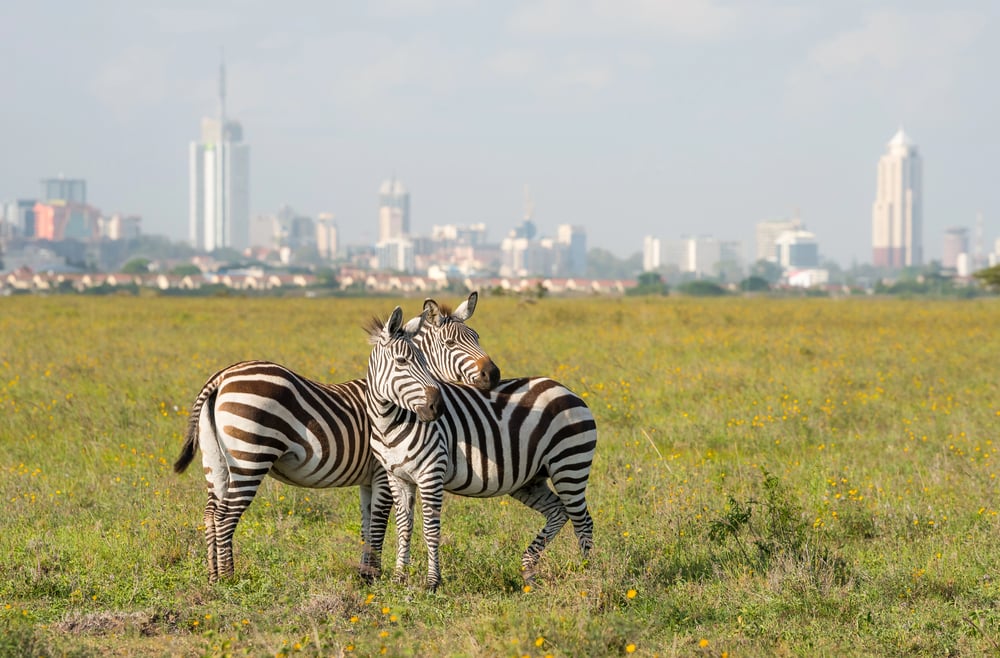
Nairobi National Park sits just four miles from Kenya’s city center. You can literally photograph lions with skyscrapers in the background.
Rangers sometimes have to chase elephants and hyenas off the highway. It’s the only capital in the world where genuine safari animals roam within sight of downtown traffic.
Ottawa Was Chosen Because Other Cities Couldn’t Stop Fighting
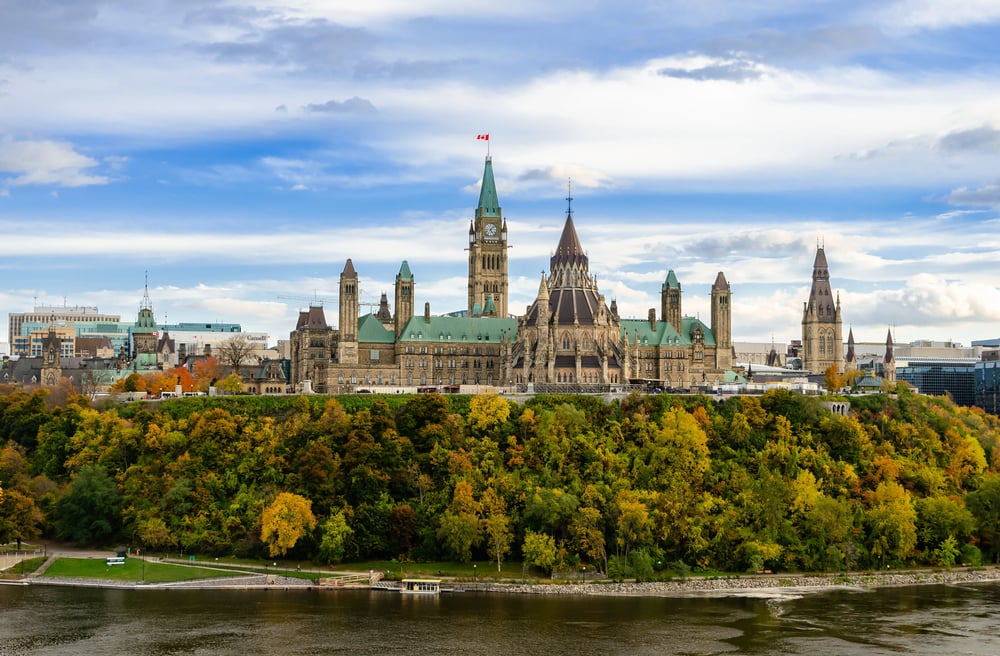
Queen Victoria picked Ottawa as Canada’s capital in 1857 mainly because Toronto and Montreal were too busy arguing about which one deserved it. Ottawa sat right on the border between English and French Canada, making it the compromise choice.
The city was still basically a lumber town at the time.
Ulaanbaatar Gets Colder Than the North Pole
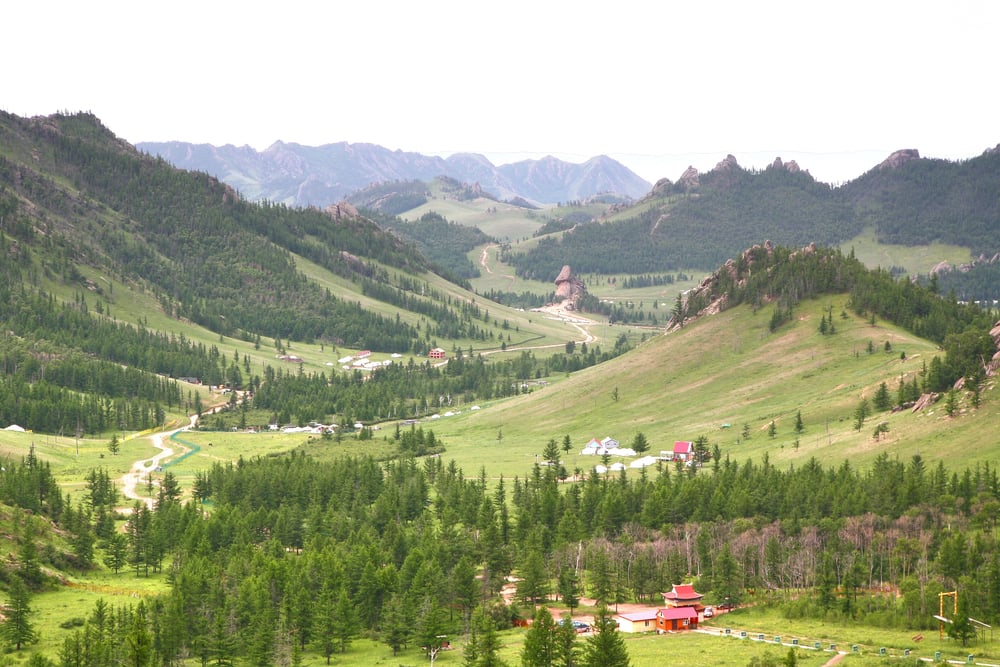
Mongolia’s capital holds the record as the coldest capital city on Earth. Winter temperatures regularly drop to -40 degrees Fahrenheit.
Some winters hit -50. The North Pole averages a balmy -29 by comparison. About half the city’s residents still live in traditional gers (felt tents) even in the modern era, heated by coal stoves that create visible smog layers.
Bangkok’s Real Name Has 168 Letters
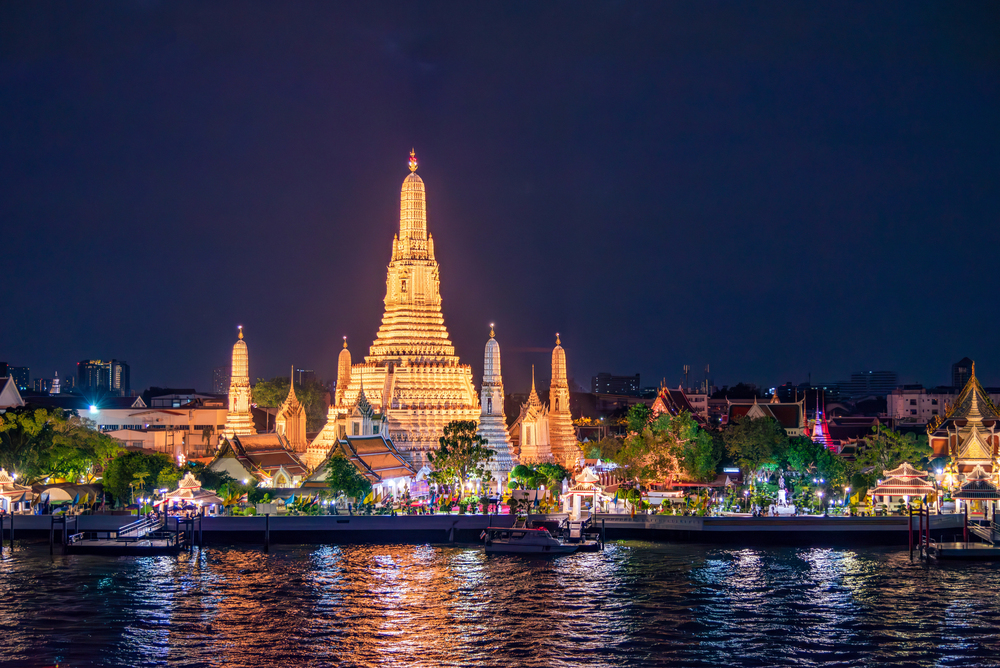
The full ceremonial name translates roughly to “City of angels, great city of immortals, magnificent city of the nine gems, seat of the king, city of royal palaces, home of gods incarnate, erected by Vishvakarman at Indra’s behest.” Locals just call it Krung Thep, which means “city of angels.”
The long version shows up in the Guinness Book of World Records.
Wellington Experiences Earthquakes Almost Daily
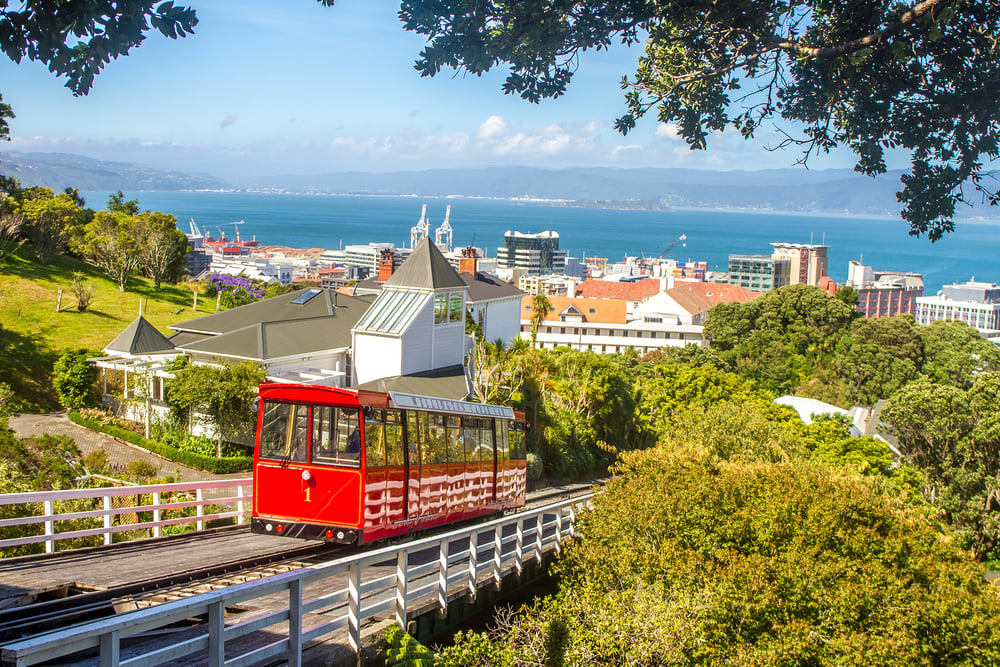
New Zealand’s capital sits on a major fault line and records an average of 200 earthquakes per year. Most are too small to feel, but noticeable tremors happen regularly enough that locals barely react.
Buildings use special base isolation technology—they essentially sit on rubber and lead pads that let them sway independently from the ground. The city also holds another record: it’s the southernmost capital in the world, closer to Antarctica than any other seat of government.
Bern Keeps Real Bears in the City Center
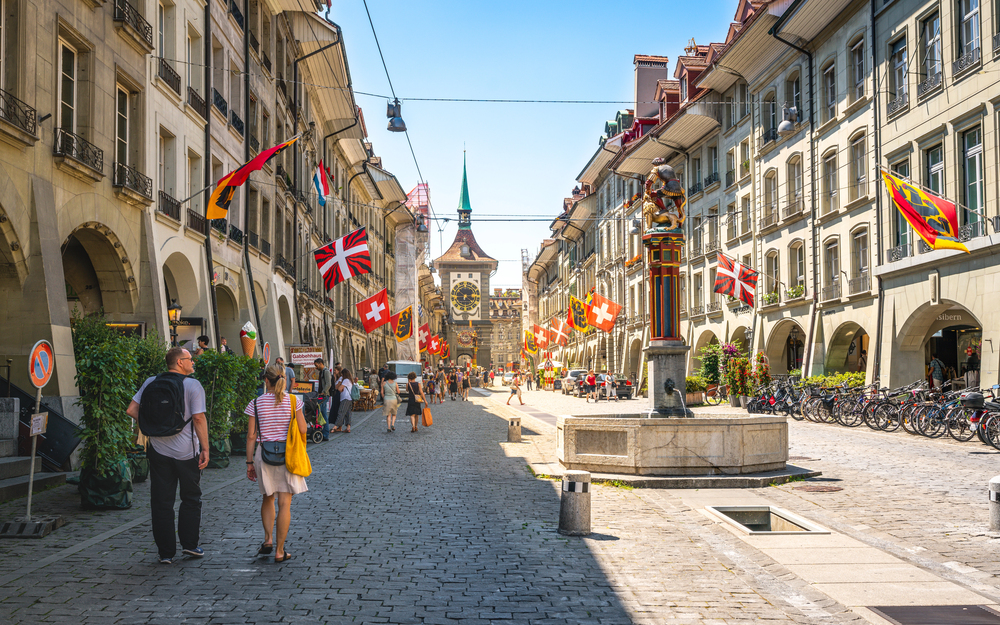
Switzerland’s capital has maintained bears as living symbols since at least 1513. The current bear park sits right along the Aare River, where four brown bears live in a hillside enclosure.
Medieval sources claim the city’s founder vowed to name it after the first animal he killed while hunting. He killed a bear. The story might be folklore, but the bears are definitely real.
Reykjavik Uses Geothermal Heat for Everything
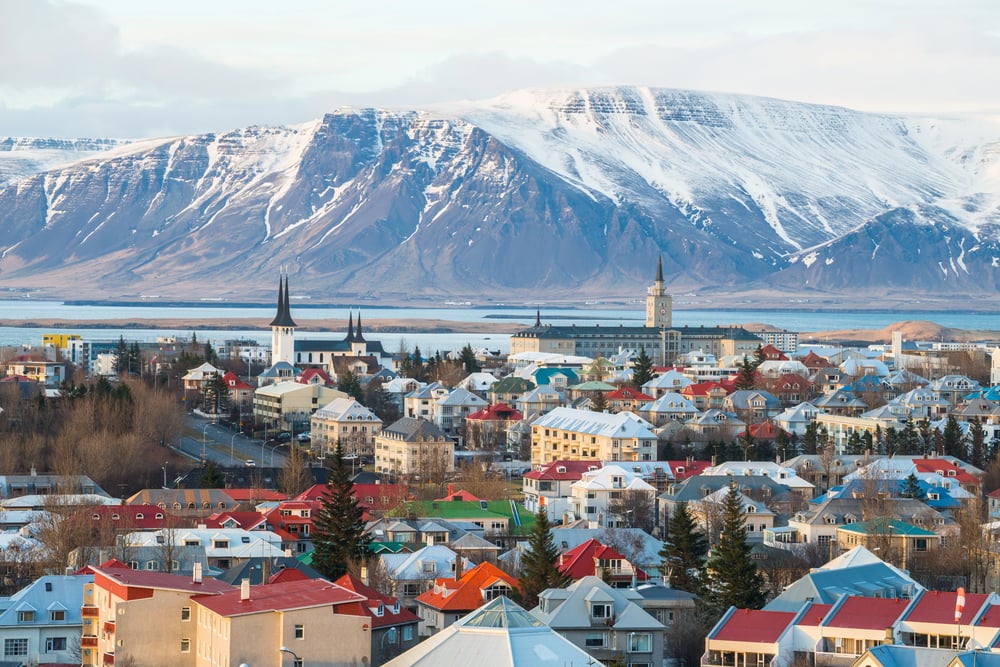
Iceland’s capital pipes naturally hot water directly from underground volcanic activity. The entire city heating system runs on geothermal energy.
Hot water flows through insulated pipes beneath streets and sidewalks, melting snow automatically in winter. Some outdoor public pools maintain temperatures of 100°F year-round.
This makes Reykjavik one of the cleanest capitals on Earth. No burning fuel for heat means minimal air pollution, even though winter temperatures regularly hit freezing.
Canberra Was Built From Scratch in the Middle of Nowhere
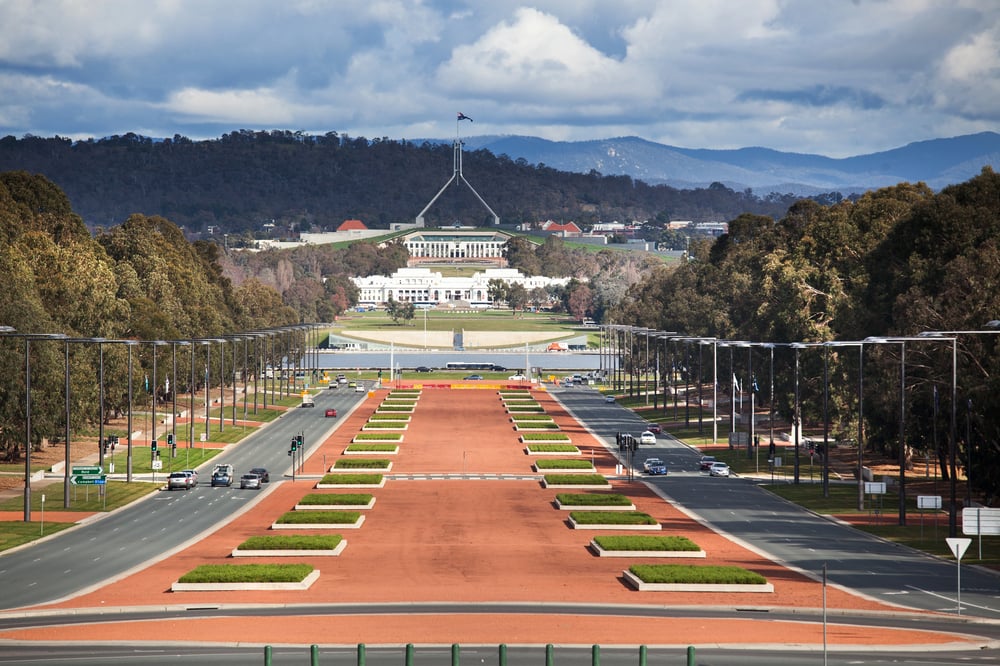
Australia picked the location for its capital the same way Canada did—by choosing somewhere between two cities that couldn’t agree. Sydney and Melbourne both wanted the honor, so the government designated a spot in the middle of sheep-grazing territory and started from zero.
An international design competition in 1913 selected the city plan. The winning architect, Walter Burley Griffin, probably never imagined his geometrically precise design would become home to thousands of wild kangaroos.
They hop through suburbs regularly.
Sucre Has More Dinosaur Tracks Than Anywhere Else
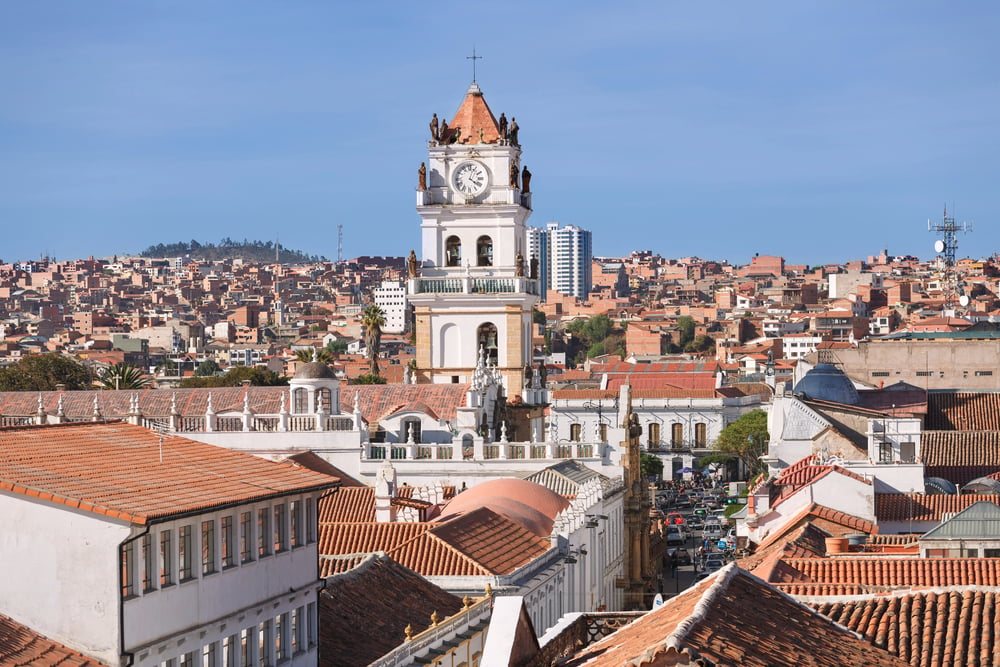
Bolivia’s constitutional capital (it shares governmental duties with La Paz) sits next to Cal Orcko, a limestone cliff face containing at least 5,055 dinosaur footprints from 68 different species. The prints date back 68 million years.
Some trackways stretch over 1,800 feet, showing where massive sauropods walked in straight lines through prehistoric mud. The cliff stands nearly vertical now because of tectonic activity that tilted the ancient lake bed.
You can see prints from ground level with binoculars.
Vaduz Has More Registered Companies Than Citizens
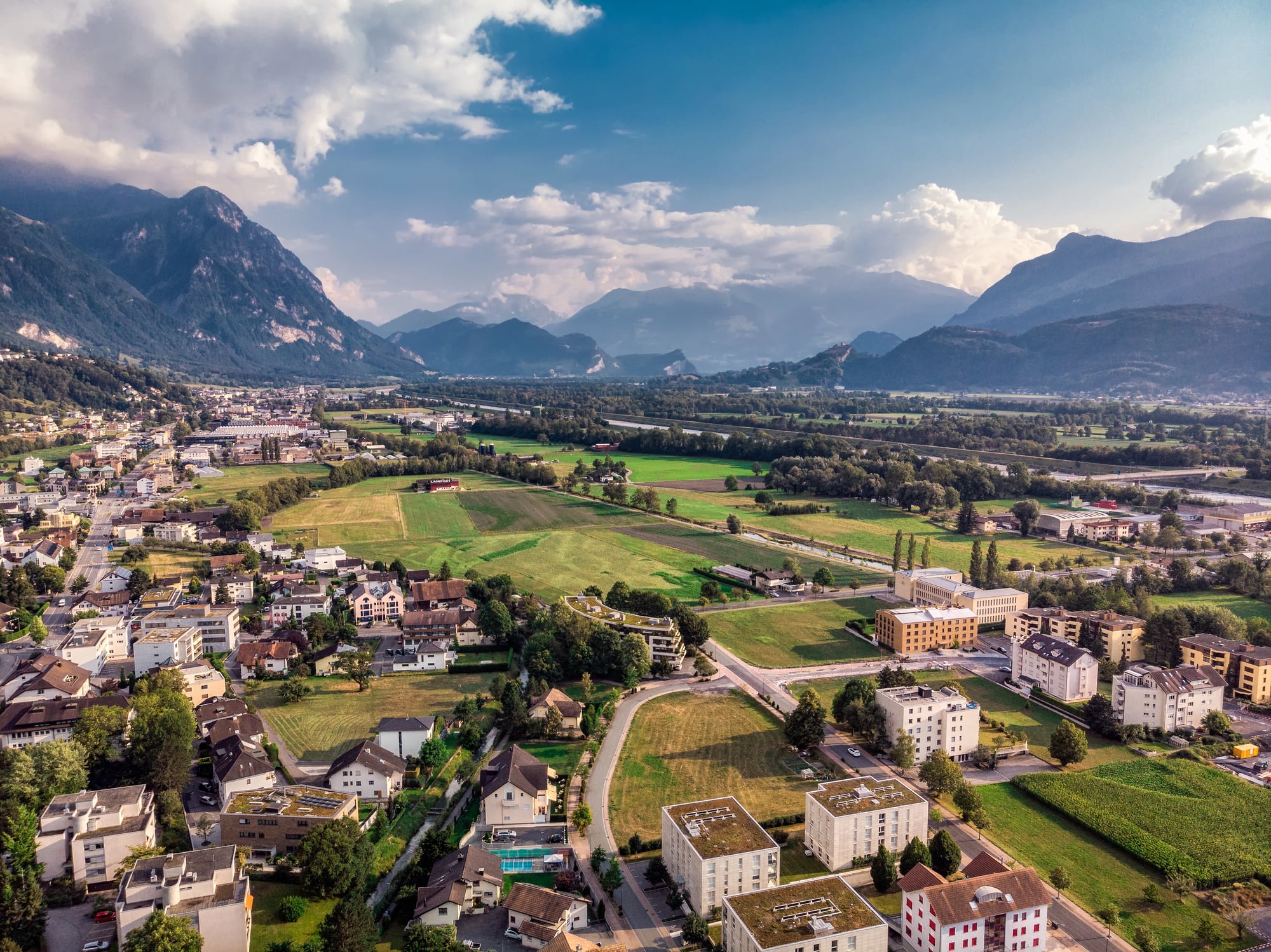
Liechtenstein’s capital claims about 5,700 residents but hosts over 17,000 registered businesses. The tax laws attract corporations from around the world.
Walk down the main street and you’ll see dozens of buildings with hundreds of company nameplates stacked beside their doors. Despite this financial activity, Vaduz maintains a quiet, almost village-like atmosphere.
The prince’s castle overlooks everything from a hilltop, and deer sometimes wander into residential neighborhoods from nearby forests.
Tashkent Rebuilt Itself After the Earth Opened Up
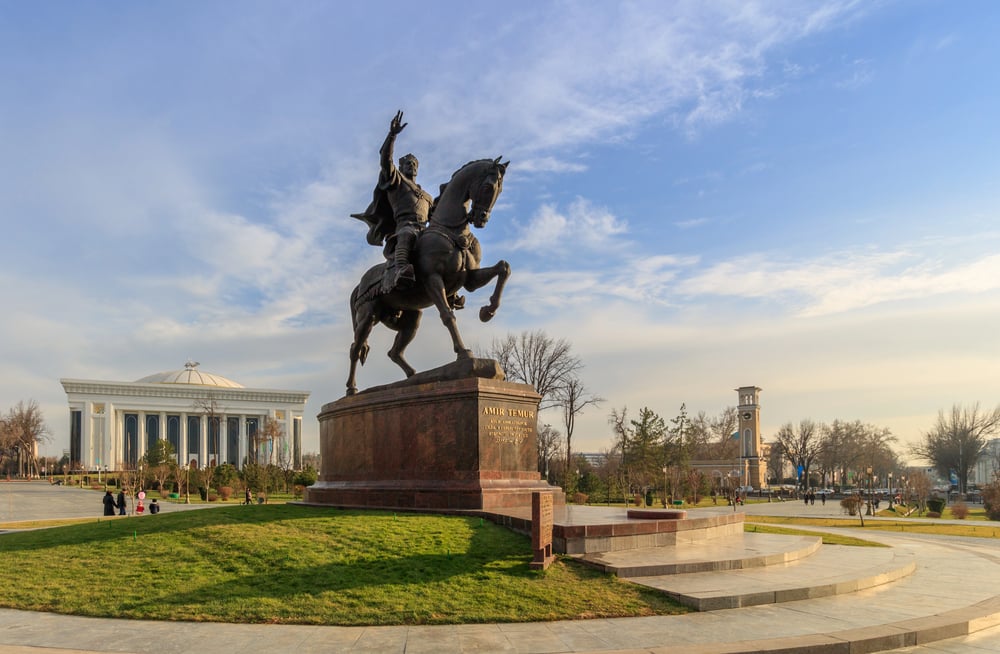
In 1966, a magnitude 5.2 earthquake destroyed most of Uzbekistan’s capital. The tremor killed 15 people and left 300,000 homeless.
Soviet authorities decided to reconstruct the entire city using earthquake-resistant designs. Workers from all 15 Soviet republics participated.
The result is a capital with exceptionally wide streets, expansive parks, and buildings designed to flex during seismic activity. The metro system, opened in 1977, doubles as the world’s most ornate bomb shelter—each station features chandeliers, marble columns, and artwork because Stalin-era planning required metros to serve as public bunkers.
Ngerulmud Governs From Extreme Isolation
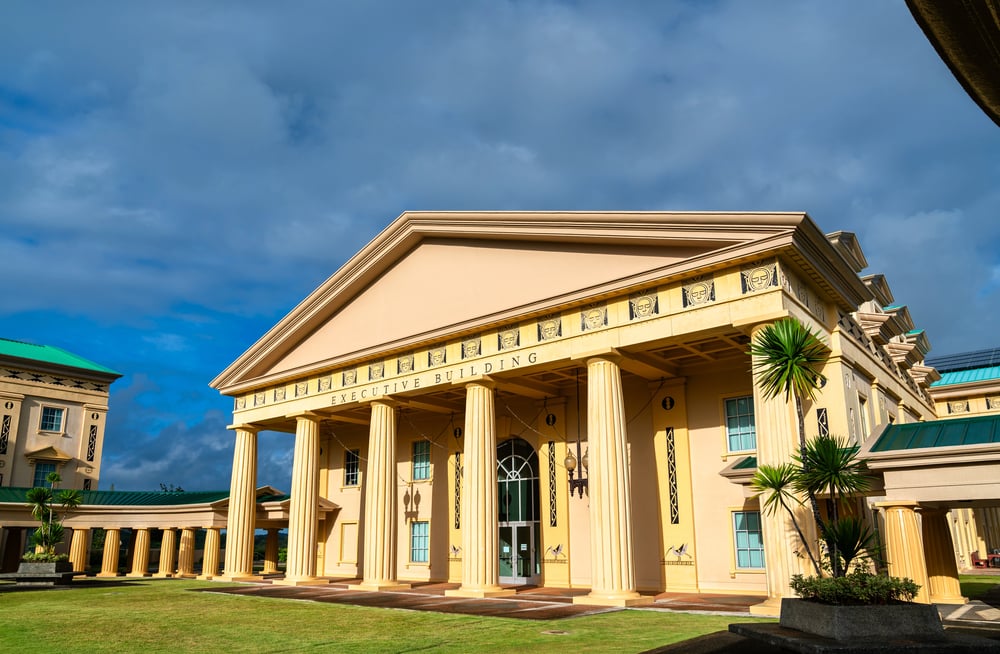
Palau moved its capital from Koror to Ngerulmud in 2006, creating the least populous capital in the world. Fewer than 400 people live in the immediate area.
The government complex sits alone in the jungle on the island of Babeldaob, accessible by a single road. The capitol building itself mimics traditional Palauan architecture but on a massive scale.
Construction cost about $45 million—a staggering sum for a nation with GDP under $300 million.
Hollywood Stays Connected
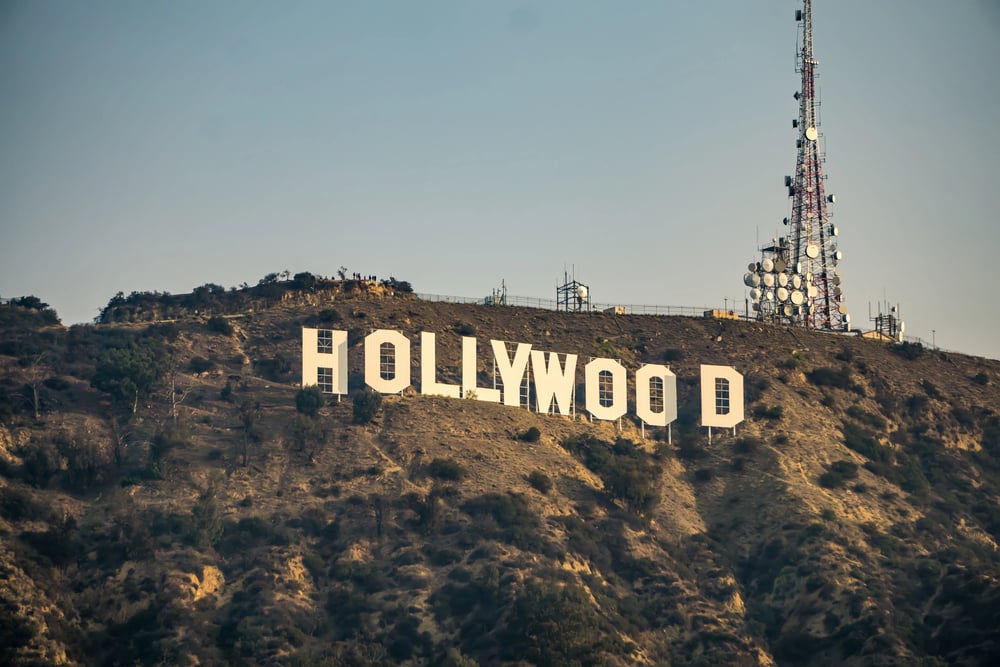
Funny how tight things stay behind the scenes. One person leads to a cousin who worked on a set thirty years ago.
Childhood pals often resurface together at casting calls much later. Connections slip through like threads in old fabric.
It is less about luck, more about who sat next to whom back then. Names pop up again across generations without warning.
The system runs quietly on handshakes passed down like heirlooms. What looks chaotic actually has rhythm when viewed close.
More from Go2Tutors!

- The Romanov Crown Jewels and Their Tragic Fate
- 13 Historical Mysteries That Science Still Can’t Solve
- Famous Hoaxes That Fooled the World for Years
- 15 Child Stars with Tragic Adult Lives
- 16 Famous Jewelry Pieces in History
Like Go2Tutors’s content? Follow us on MSN.



