Little-Known Facts About Yule Logs and Their Origins
Smoke curls from firewood one frosty December evening, bringing whispers of old times. Before ribbons tied boxes or bulbs lit trees, groups huddled near huge flames when nights stretched longest.
This custom of burning a special log weaves through ages shaped by tales, beliefs, and strange turns. Though now some link the word to flickering hearths or sweet cakes made of cocoa, its roots dig into darker, odder soil beneath both.
The Word “Yule” Comes from Old Norse
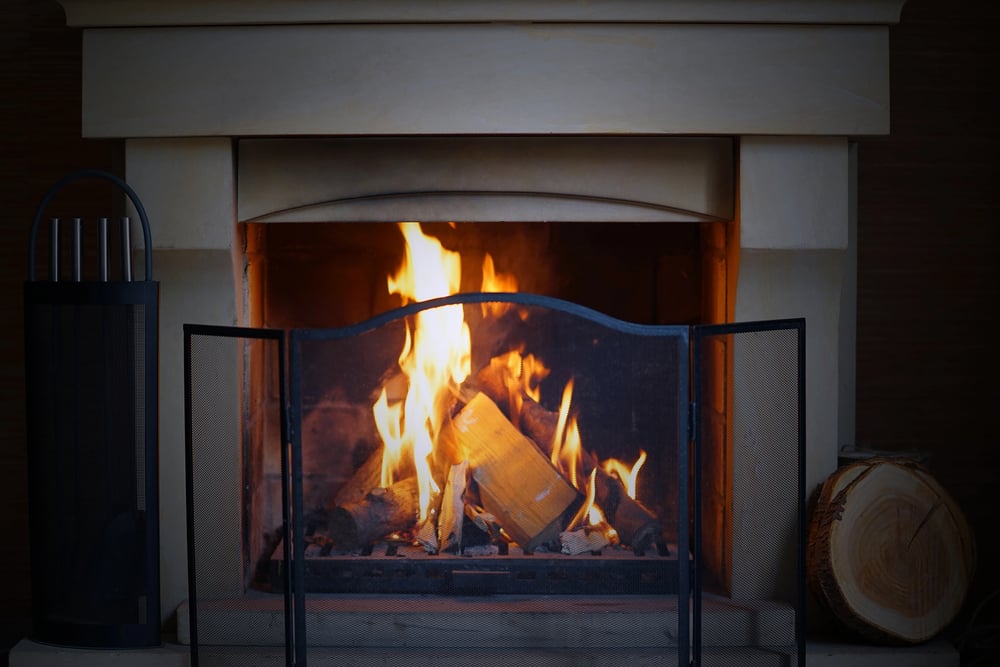
The term traces back to the Old Norse word “jól,” which referred to a midwinter festival celebrated by Germanic peoples around the winter solstice. Some scholars connect it to the Norse god Odin, who carried the title “Jólfadr” or “Yule-father.”
Others suggest it relates to the Anglo-Saxon word “hwéol,” meaning wheel, a reference to the turning points of the sun throughout the year. The exact etymology remains debated, but the connection to pre-Christian winter celebrations is clear.
Originally, the Log Was an Entire Tree

Forget the modest logs sold at hardware stores today. In the earliest versions of the tradition, families would select an entire tree, chop it down with ceremony, and drag it into the house.
The thickest end went into the hearth while the rest of the trunk stuck out into the room. As the fire consumed it over several days, the family would slowly feed more of the tree into the flames.
This practice continued from Christmas Eve through the Twelve Days of Christmas in some regions.
The First Written Reference Appeared in 1648
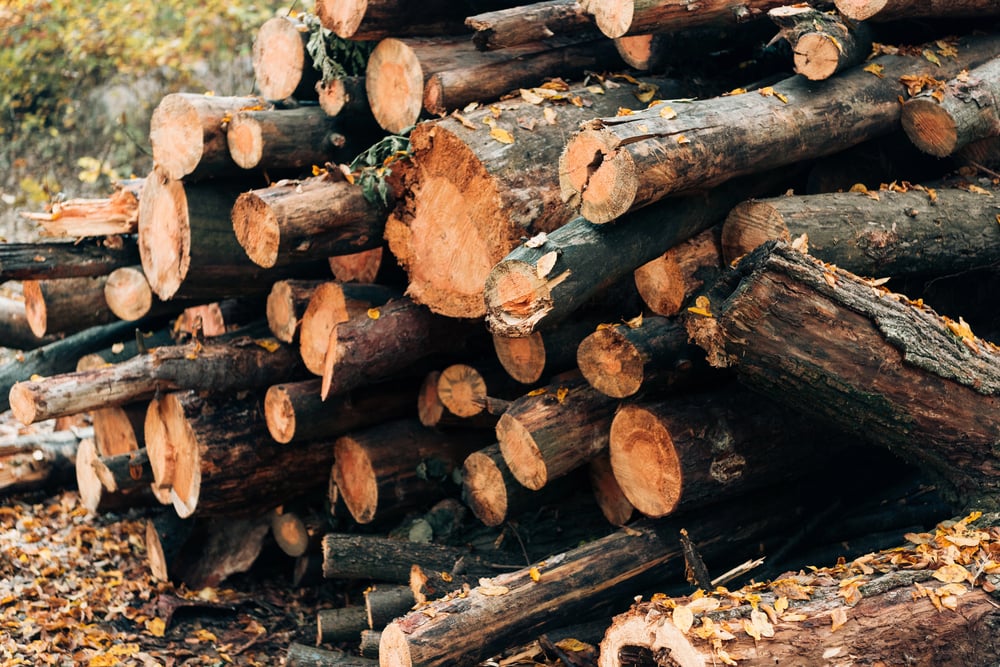
While the tradition likely predates written records by centuries, the earliest documented mention of a “Christmas log” comes from a 1648 poetry collection by Robert Herrick. He describes lads carrying the log into a farmhouse and receiving drinks for their efforts.
The specific term “yule log” doesn’t appear in writing until sometime between 1650 and 1687, in the works of John Aubrey.
Different Countries Burned Different Woods
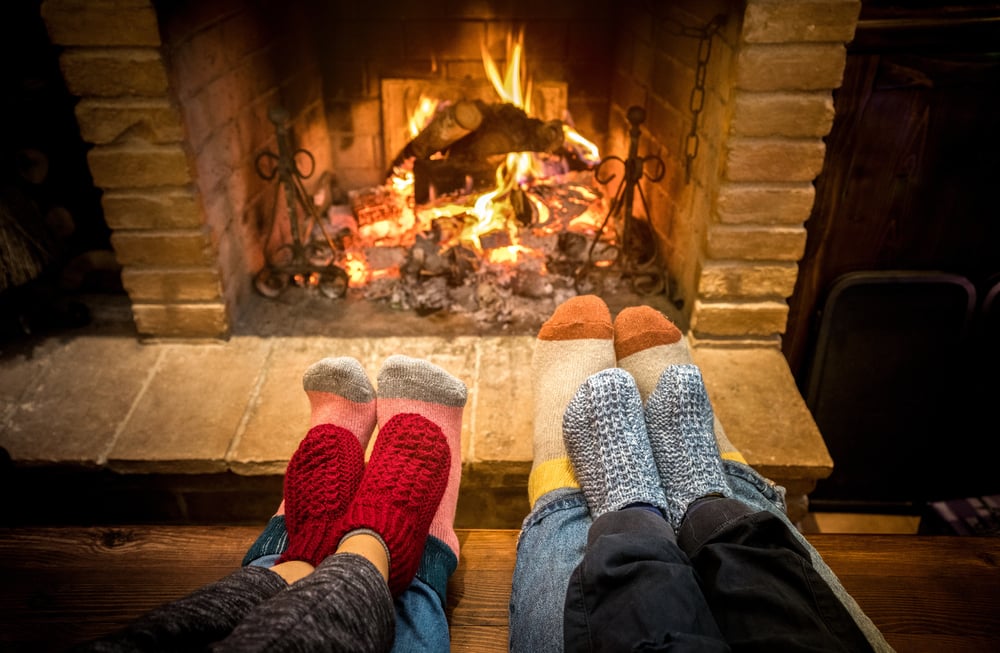
Wood selection was never random. In England, oak was the preferred choice because of its associations with strength and sacred fire.
Scotland favored birch. France used cherry wood and often sprinkled wine over the log before lighting it, filling the house with a pleasant aroma.
In some parts of Spain, families preferred olive or plum trees because fruit-bearing woods were thought to ensure a good harvest in the coming year.
People Kept the Ashes All Year Long
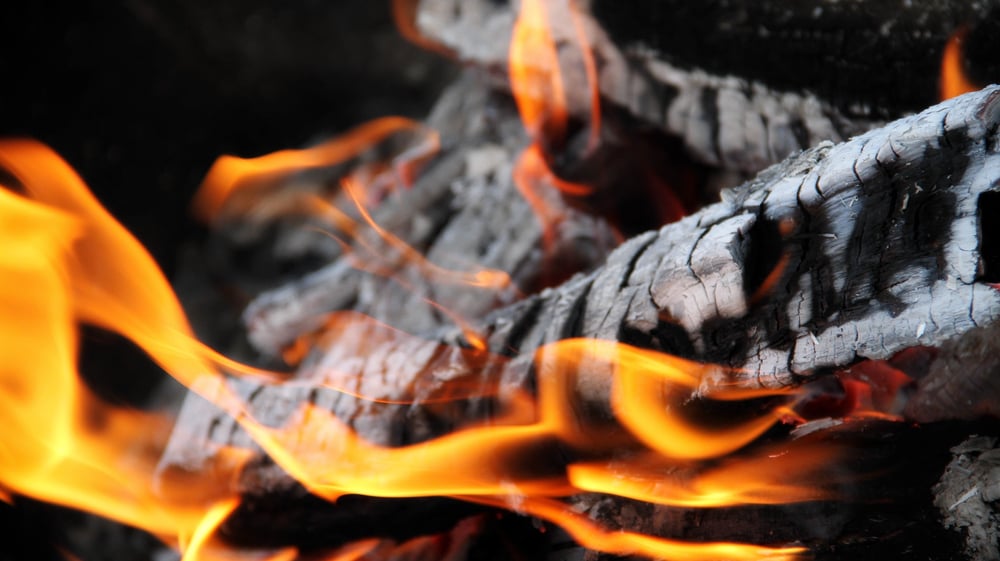
The remains of the burned log carried as much significance as the fire itself. Families collected the ash and stored it throughout the year for various purposes.
Some scattered it in fields to promote crop fertility. Others kept it in the house as protection against lightning and fire.
In parts of France, families tucked the remnants under beds to ward off thunder. The charcoal was used in folk remedies for everything from toothaches to livestock ailments.
Lighting the Log Required Last Year’s Remnants
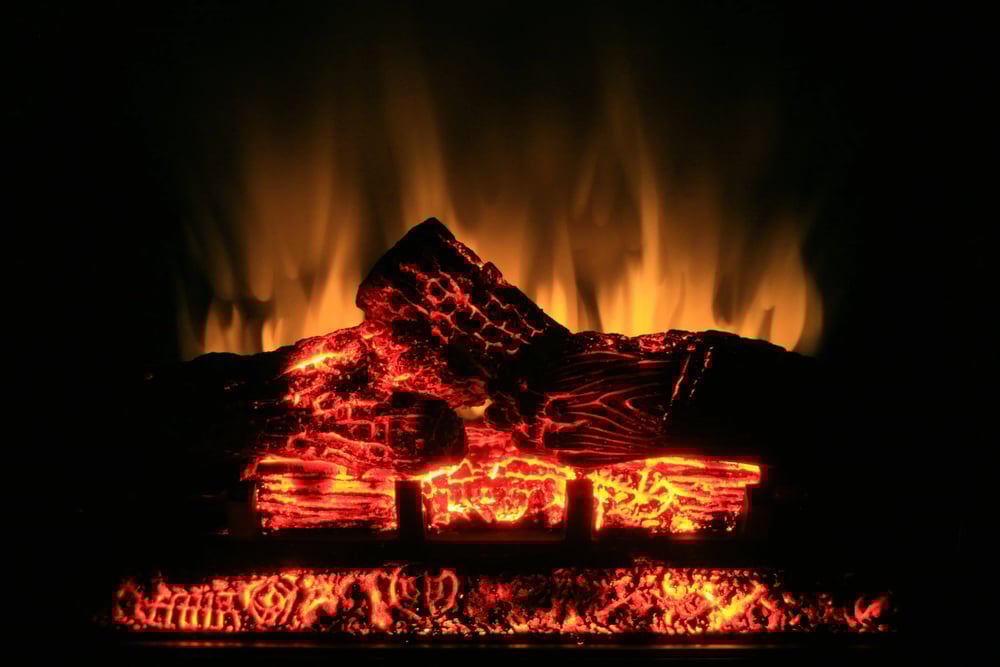
The tradition created a cycle of continuity. Each year’s log had to be lit using a piece saved from the previous Christmas.
This leftover chunk, sometimes called the “heel,” represented protection and good fortune connecting one year to the next. Families who let their fire die out completely faced the unlucky prospect of having no ember to kindle the new log.
It was a form of what folklorists call “continuity magic.”
The Log Was Supposed to Burn for Twelve Days

In the strictest version of the tradition, the yule log needed to smolder continuously from Christmas Eve through Twelfth Night on January 6. If the fire went out before the night ended, it predicted misfortune.
If the flames cast a shadow on someone without a head, that person was believed to face death within the year. These superstitions gave the simple act of tending a fire real stakes for families who believed them.
Celtic Tribes Thought Burning the Log Moved the Sun

During the twelve days surrounding the winter solstice, Celtic communities believed the sun stood still in the sky. Keeping the yule log burning was meant to coax the sun back into motion and ensure the return of longer days.
The fire represented hope against the darkness, a symbolic plea for spring to eventually arrive. This cosmological dimension gave the tradition weight beyond simple warmth.
Barefoot Women and Squint-Eyed Men Were Forbidden to Touch It

Superstitions around the yule log extended to who could handle it. In some regions, letting a barefoot woman or a man with a squint touch the log brought certain bad luck.
The youngest and oldest members of the household were often given the honor of lighting it together, symbolizing the transfer of wisdom across generations. Holly sprigs tossed into the flames were thought to bring good fortune for the coming year.
Greek Families Used It to Ward Off Goblins

In Greek tradition, the yule log served a specific protective function. It was believed to drive away the kallikantzaroi, mischievous underground creatures from local folklore that emerged during the twelve days of Christmas to cause trouble.
Keeping the fire burning continuously prevented these beings from entering the home through the chimney. Once Epiphany arrived and the creatures retreated underground, the danger passed.
In Catalonia, the Log “Poops” Presents
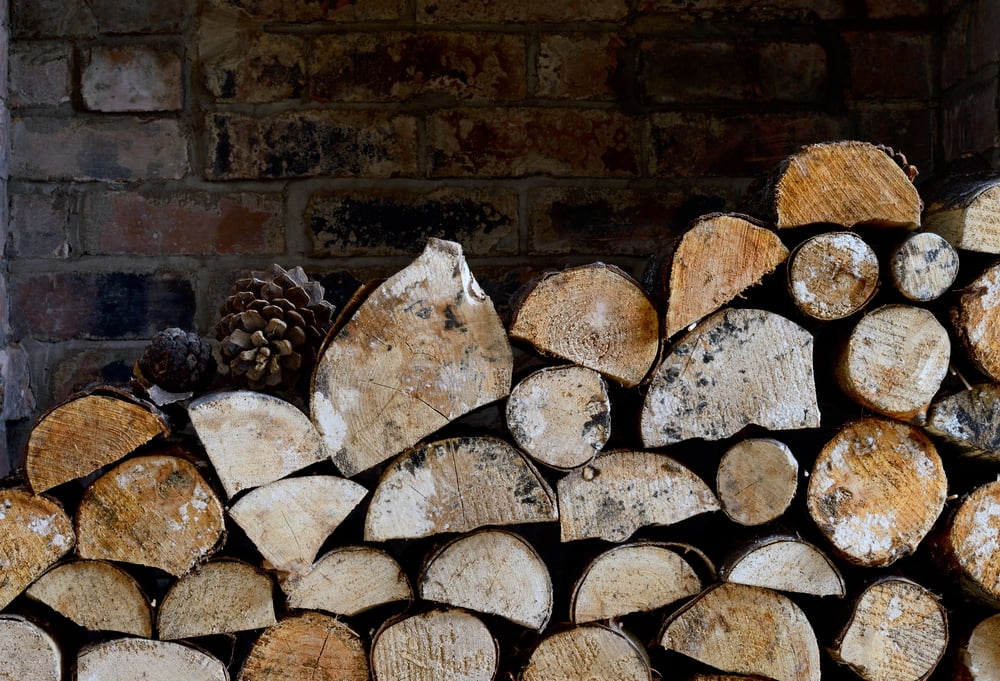
Perhaps the strangest evolution of the yule log tradition happens in Catalonia, where families celebrate with a character called Tió de Nadal, often nicknamed “Caga Tió” or “the pooping log.” Starting on December 8, children feed scraps of food to a hollowed log with a painted face and a tiny red hat.
On Christmas Eve, they cover it with a blanket and beat it with sticks while singing songs demanding that it defecate candy and small gifts. The presents are hidden beneath the blanket by parents, appearing as if the log produced them.
A TV Executive Invented the Televised Version

In 1966, Fred Thrower, president of New York’s WPIX television station, faced a scheduling problem. A college basketball broadcast had been canceled, leaving ninety minutes of dead air on Christmas Eve.
His solution: film a burning fireplace at Gracie Mansion, the mayor’s residence, and loop the seventeen-second clip for hours with Christmas music playing. He envisioned it as a gift to apartment dwellers without fireplaces of their own.
The broadcast ran commercial-free, canceling about $4,000 worth of advertising that first night.
A Spark Ruined an Expensive Rug During Filming

During the original 1966 WPIX filming at Gracie Mansion, the crew removed the fireplace’s protective screen to capture the flames more clearly. A stray ember jumped out and burned a pit in an antique Oriental rug.
The mayor’s office refused to let the station return for a reshoot. When the footage wore out by 1970, WPIX had to find an identical fireplace elsewhere.
They eventually located one in Palo Alto, California, and filmed a seven-minute loop that would become the standard version broadcast for decades. The program aired annually until 1989, when it was cancelled.
After an eleven-year hiatus, WPIX revived the broadcast on Christmas Day 2001, with station management citing viewers’ need for comfort following the September 11 attacks.
Parisian Bakers Turned It Into Dessert
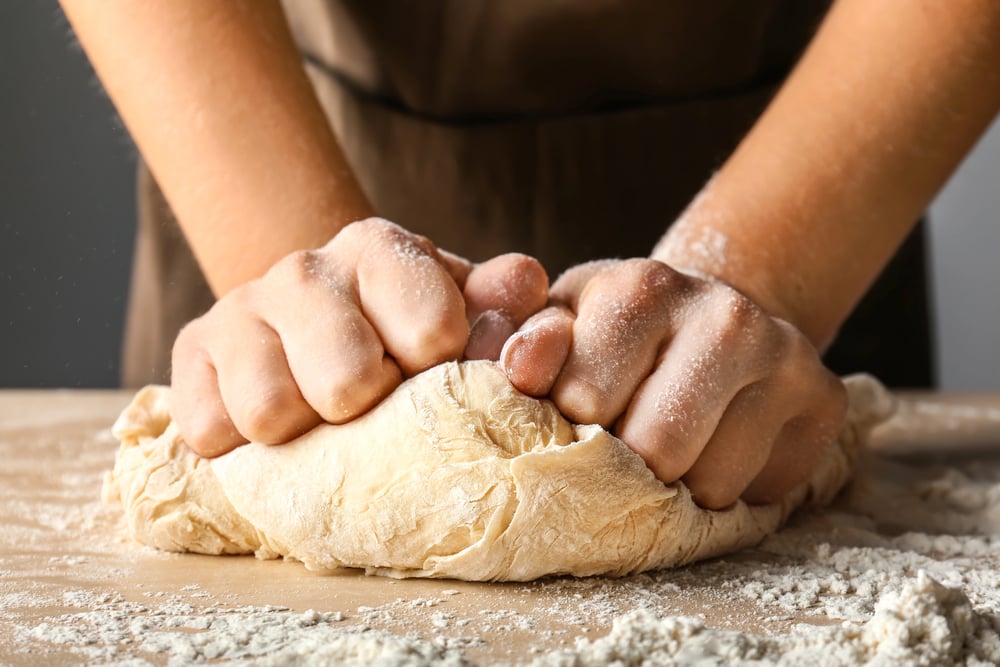
As European homes transitioned from large hearths to smaller stoves in the 19th century, burning a massive log became impractical. French pastry chefs reimagined the tradition as an edible centerpiece.
The first documented recipe for the bûche de Noël appeared around 1890, in a cookbook by Parisian chef Pierre Lacam called Le Mémorial Historique et Géographique de la Pâtisserie. The cake consisted of génoise sponge rolled with coffee or chocolate buttercream, shaped to resemble a log, and decorated with frosting scored to look like bark.
The Cake Represented Middle-Class Nostalgia for Rural Life
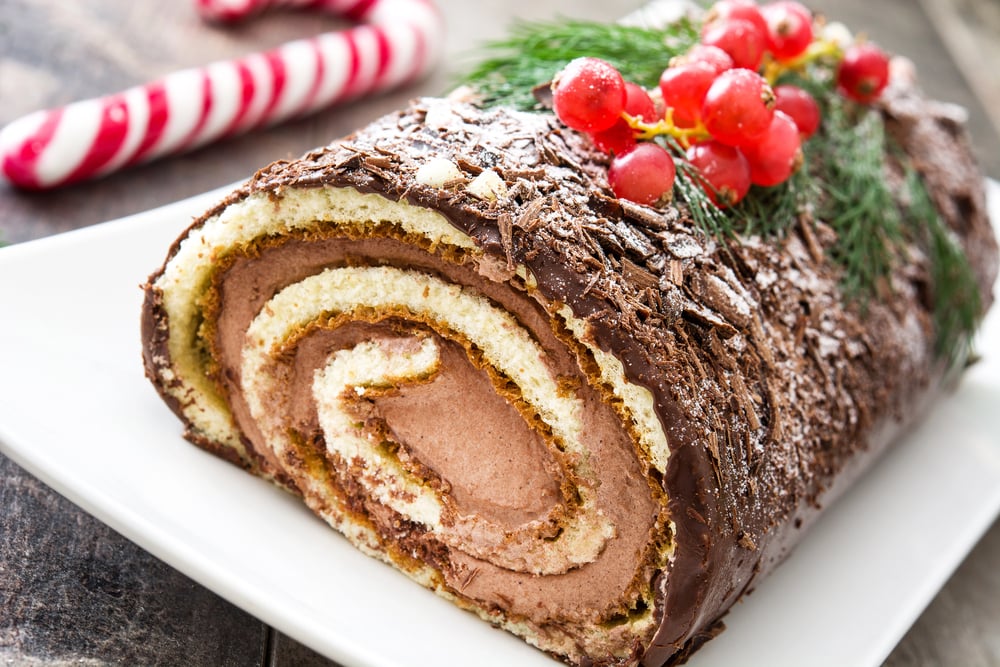
Food historians suggest the chocolate yule log reflects a specific moment in French culture. With the rise of railroads and tourism in the 19th century, urban Parisians developed a romanticized view of provincial traditions they no longer practiced themselves.
The bûche de Noël allowed city dwellers to participate symbolically in a rustic Christmas celebration. Meringue mushrooms and powdered sugar snow completed the woodland fantasy on their dessert tables.
A Fire in the Dark

Midwinter started as survival during long cold stretches. Now it shows up on screens, in sweets, through sticks shaken loose with treats.
One steady thing ties each version together – deeper than faiths that came after. Long before buying or beliefs shaped it, folks sat near flames, sharing warmth while night stretched on.
Shapes shift over years. Sitting tight does not.
More from Go2Tutors!

- The Romanov Crown Jewels and Their Tragic Fate
- 13 Historical Mysteries That Science Still Can’t Solve
- Famous Hoaxes That Fooled the World for Years
- 15 Child Stars with Tragic Adult Lives
- 16 Famous Jewelry Pieces in History
Like Go2Tutors’s content? Follow us on MSN.



