19 World-Changing Moments That Started as Minor Announcements
History often pivots on moments that seemed unremarkable at the time. The most significant shifts in human civilization sometimes arrive with little fanfare, presented as routine announcements or modest innovations that few people recognized would transform the world. These quiet beginnings later cascade into revolutions that reshape how we live, work, and understand our place in the universe.
Here is a list of 19 world-changing moments that initially appeared as minor announcements but ultimately altered the course of history.
The First Email
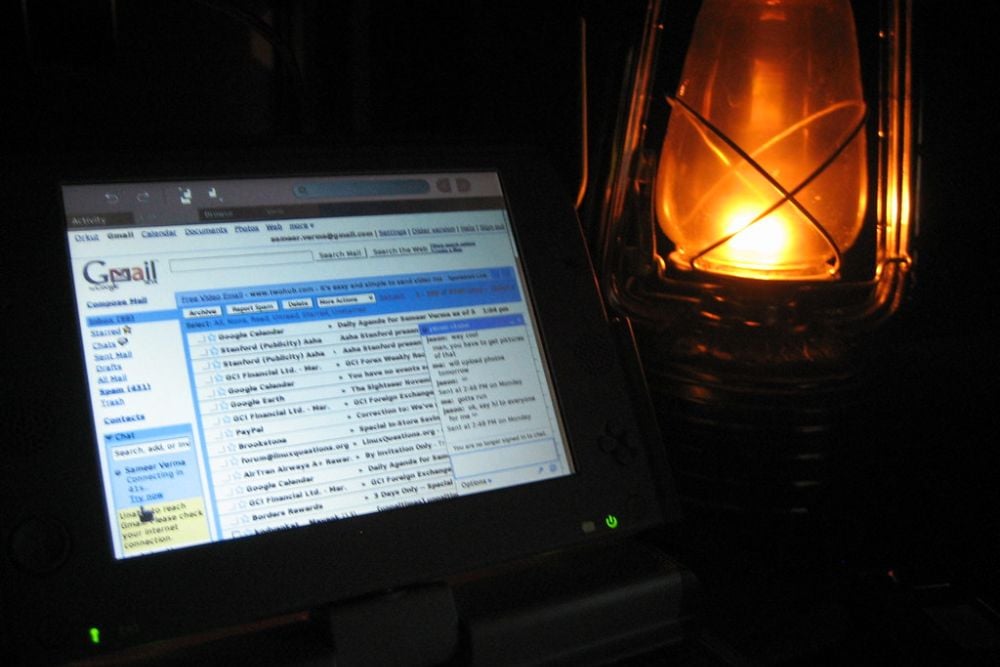
In 1971, Ray Tomlinson sent the first email between two computers sitting side by side. At the time, this was just an engineer testing a new communication protocol.
Tomlinson later admitted he couldn’t even remember what the message said, guessing it was something like “QWERTYUIOP” or “testing 1-2-3.” This unremarkable test laid the groundwork for what would become the primary business communication method for billions of people worldwide.
The Wright Brothers’ Flight

When Orville and Wilbur Wright successfully flew their aircraft at Kitty Hawk in 1903, the event received minimal press coverage. Their achievement was initially mentioned in just a few newspapers, with one headline reading simply “Flying Machine Soars.”
The modest 12-second flight, witnessed by only five people, would eventually transform transportation, warfare, and global connectivity forever.
The First Bitcoin Transaction

In January 2009, Satoshi Nakamoto quietly announced the creation of Bitcoin in a cryptography mailing list. The first transaction occurred when Nakamoto sent 10 bitcoins to programmer Hal Finney.
This obscure digital exchange, worth practically nothing at the time, introduced blockchain technology and cryptocurrency to the world, eventually growing into a multi-trillion dollar financial ecosystem.
Penicillin’s Discovery

In 1928, Alexander Fleming returned from vacation to find mold growing on his petri dishes of staphylococci bacteria. Where the mold grew, the bacteria had been destroyed.
Fleming published his findings in a scientific journal, but the discovery received little attention for years. This accidental observation eventually led to antibiotics that have saved hundreds of millions of lives.
Tim Berners-Lee’s World Wide Web Proposal
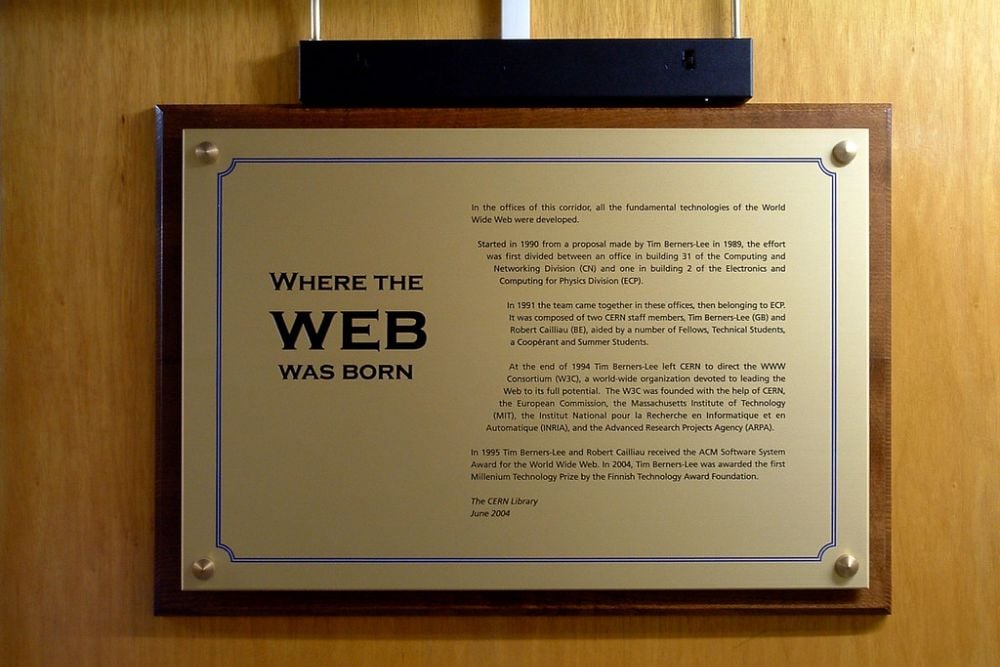
In 1989, Tim Berners-Lee submitted a proposal titled “Information Management: A Proposal” to his supervisors at CERN. The modest document outlined what would become the World Wide Web.
His boss described it as “vague but exciting” and gave Berners-Lee permission to work on it in his spare time. That understated proposal formed the foundation of our modern connected world.
Einstein’s Special Theory of Relativity

Albert Einstein published his paper on special relativity in 1905, alongside four other papers, during what’s now called his “miracle year.” At the time, these publications received little attention outside specific academic circles.
The theories would eventually reshape our understanding of space, time, and energy, leading to everything from nuclear power to GPS satellites.
The First YouTube Video
In April 2005, YouTube co-founder Jawed Karim uploaded an 18-second video titled “Me at the zoo.” The unremarkable clip shows Karim at the San Diego Zoo commenting on elephant trunks.
This humble beginning launched a platform that would revolutionize entertainment, journalism, education, and marketing worldwide.
The Facebook Launch
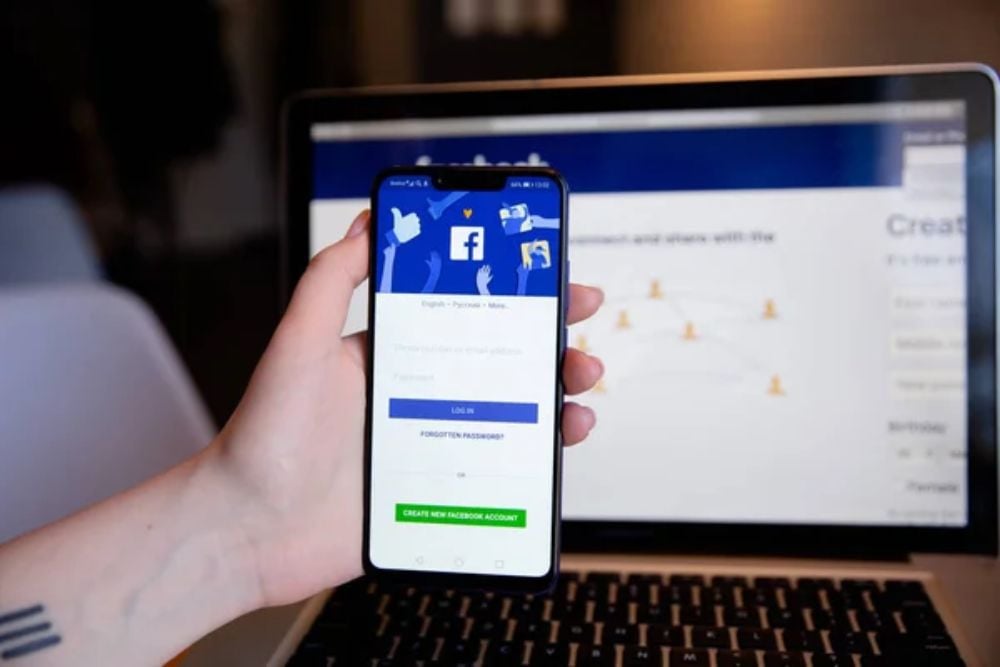
When Mark Zuckerberg launched “TheFacebook” from his Harvard dorm room in February 2004, it was just a directory for connecting college students. The modest website, initially available only to Harvard students, expanded slowly to other universities before becoming a global platform with billions of users that has transformed how people communicate, share information, and consume media.
The First Mobile Phone Call
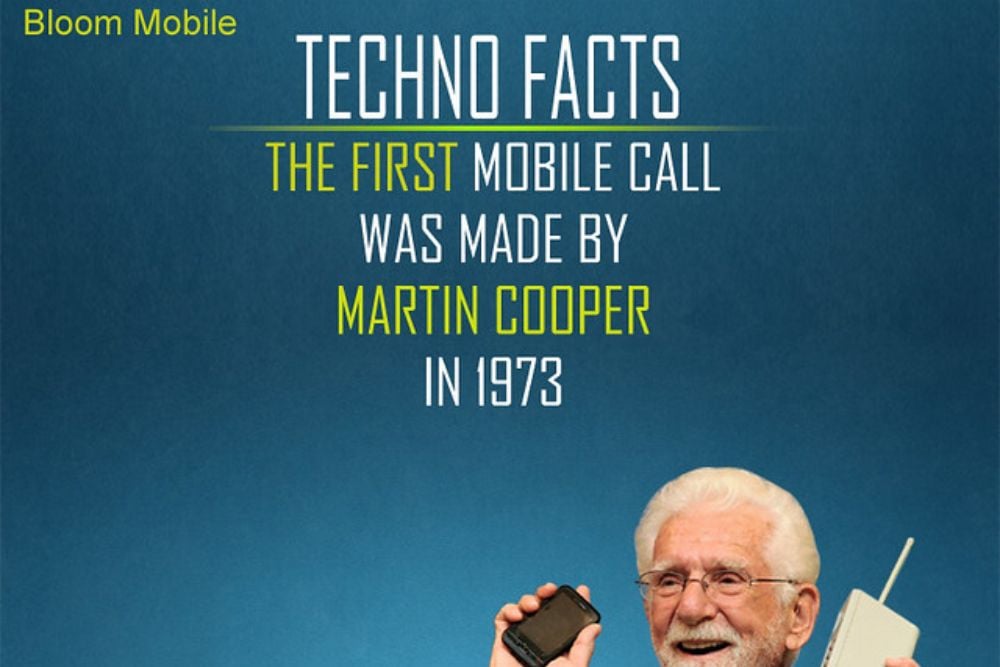
In April 1973, Motorola engineer Martin Cooper made the first mobile phone call from a Manhattan sidewalk. He called his rival at Bell Labs to tell him he was speaking on a mobile phone.
The call, made on a device weighing 2.5 pounds and offering just 30 minutes of talk time, initiated the mobile revolution that would eventually put supercomputers into everyone’s pockets.
Nintendo’s Playing Card Company Origins
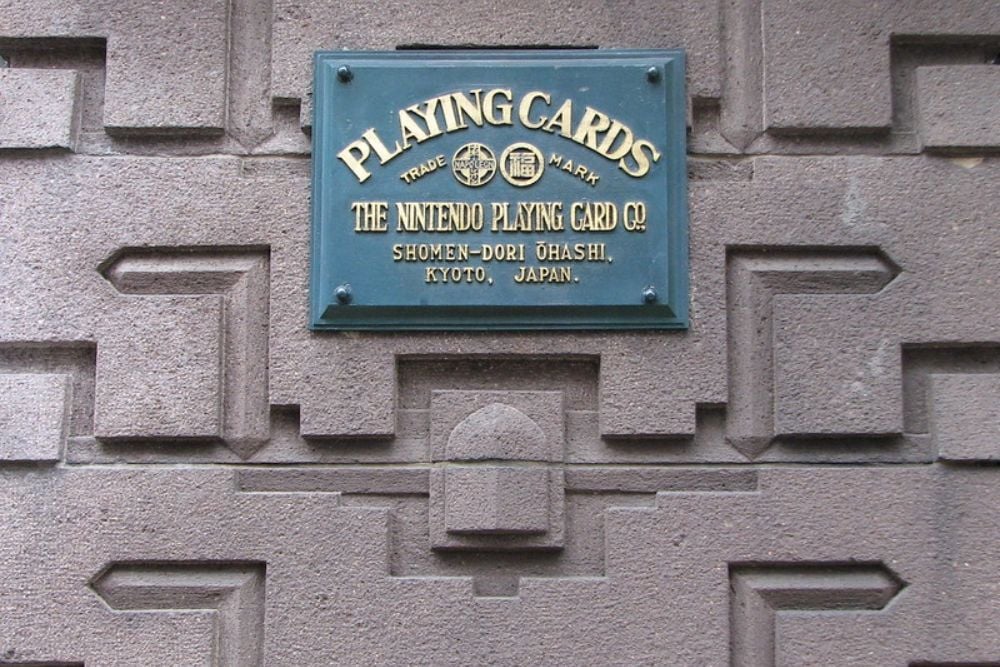
When Fusajiro Yamauchi founded Nintendo in 1889, it was simply a playing card company in Kyoto, Japan. For decades, the company produced handmade playing cards before eventually expanding into toys.
This humble beginning evolved into one of the world’s most influential entertainment companies, fundamentally changing the gaming culture worldwide.
The Google Search Engine Launch
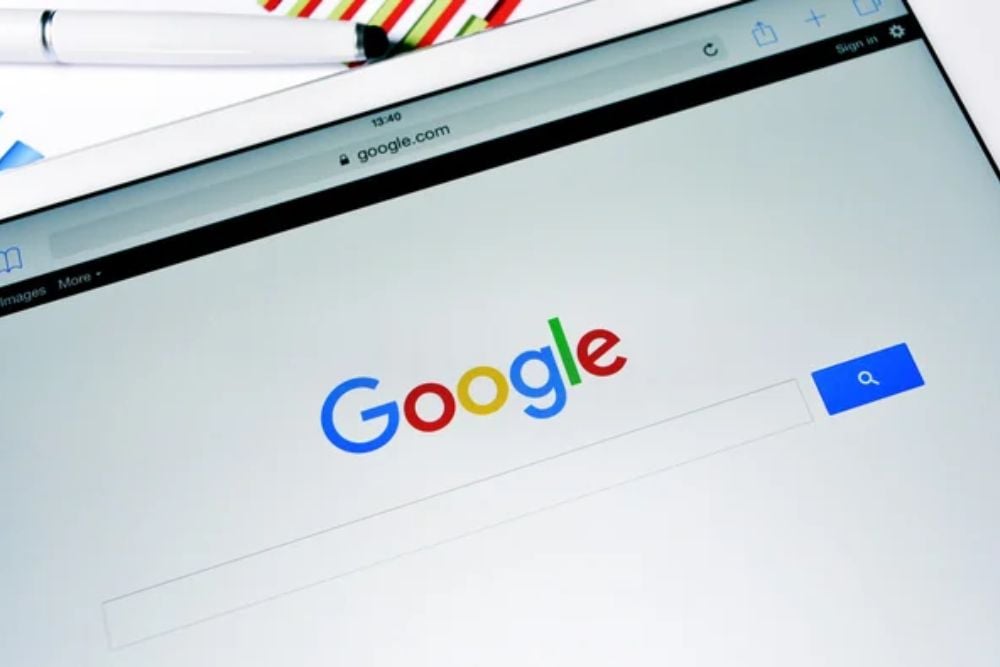
When Larry Page and Sergey Brin launched Google from a garage in 1998, it was just another search engine in a crowded market. The modest Stanford University project featured a remarkably sparse homepage with a simple search box.
That unassuming beginning grew into one of the world’s most valuable companies, transforming how we access information forever.
The First Commercial GPS

When the first commercial GPS device hit the market in 1989, it cost $2,900, weighed several pounds, and took considerable time to calculate positions. The technology, originally developed for military applications, was released with little consumer fanfare.
Today, GPS technology directs millions of journeys daily and powers countless applications from agriculture to emergency services.
The ARPANET Connection

In October 1969, the first message was sent between computers at UCLA and Stanford Research Institute via ARPANET, the precursor to the internet. The message was supposed to be “LOGIN,” but the system crashed after transmitting just the letters “L” and “O.”
This inauspicious beginning evolved into the global internet that now connects billions of devices worldwide.
The Printing Press Invention
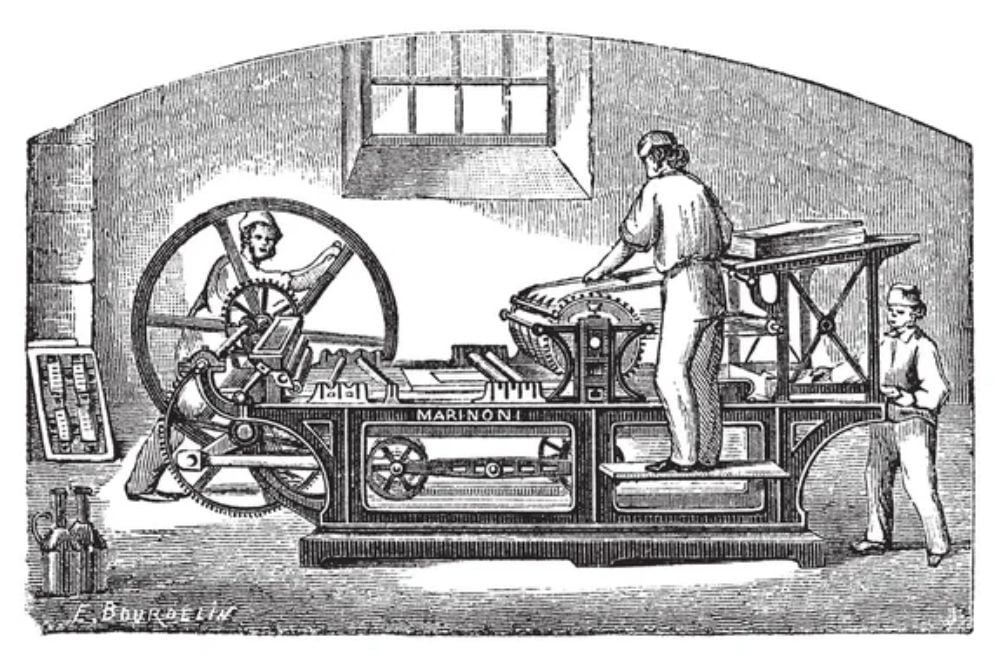
When Johannes Gutenberg developed his printing press around 1440, it was simply a more efficient way to produce books. The invention didn’t immediately cause a sensation beyond specialized circles.
The modest technology would go on to democratize knowledge, fuel the Renaissance, enable the Scientific Revolution, and fundamentally alter human society.
The First Commercial Microprocessor
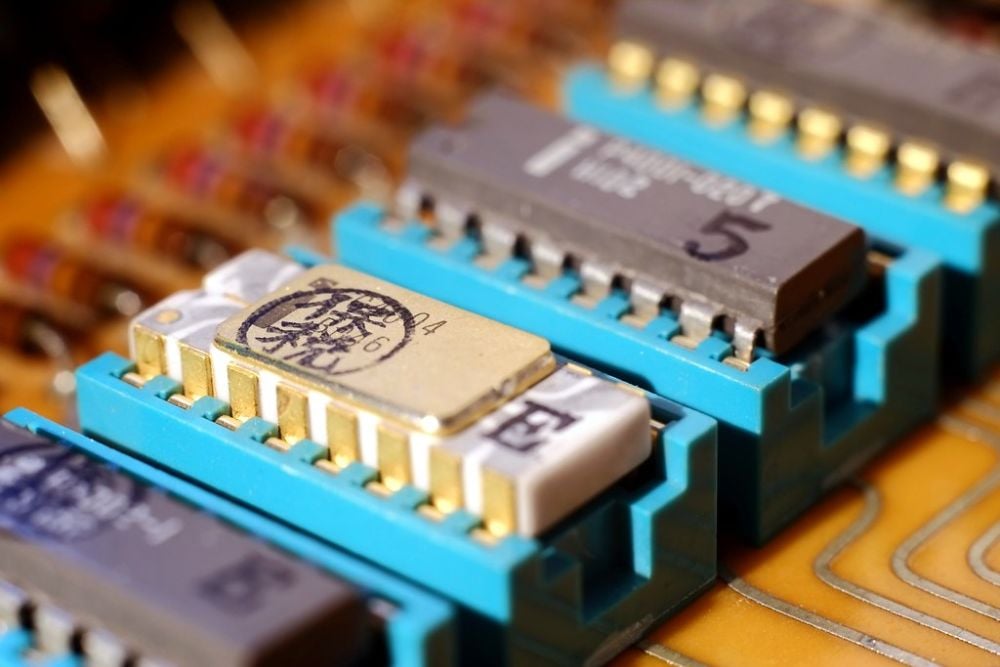
In 1971, Intel released the 4004 microprocessor, initially designed for a Japanese calculator manufacturer. The tiny chip, containing 2,300 transistors, was advertised in an electronics magazine with minimal fanfare.
This humble beginning led to the computer revolution, with today’s chips containing billions of transistors powering everything from smartphones to supercomputers.
The SpaceX Founding

When Elon Musk founded SpaceX in 2002, it was a small startup with modest initial funding and ambitious goals. The company’s early efforts received limited attention outside aerospace circles.
That unassuming beginning evolved into a revolutionary force that has dramatically reduced launch costs, pioneered reusable rockets, and reshaped the economics of space exploration.
Watson and Crick’s DNA Structure Paper

When James Watson and Francis Crick published their paper on DNA’s double helix structure in April 1953, it was just a one-page article in Nature magazine. The modest publication contained no fanfare about its implications.
That understated announcement launched the genetic revolution, ultimately leading to genome sequencing, genetic engineering, and personalized medicine.
The First Photograph

In 1826, Joseph Nicéphore Niépce created the first permanent photograph from his window in France. The grainy image, requiring an eight-hour exposure, showed little more than rooftops.
This unassuming beginning initiated a technology that would transform how humans document reality, share experiences, and perceive the world around them.
The iPhone Introduction
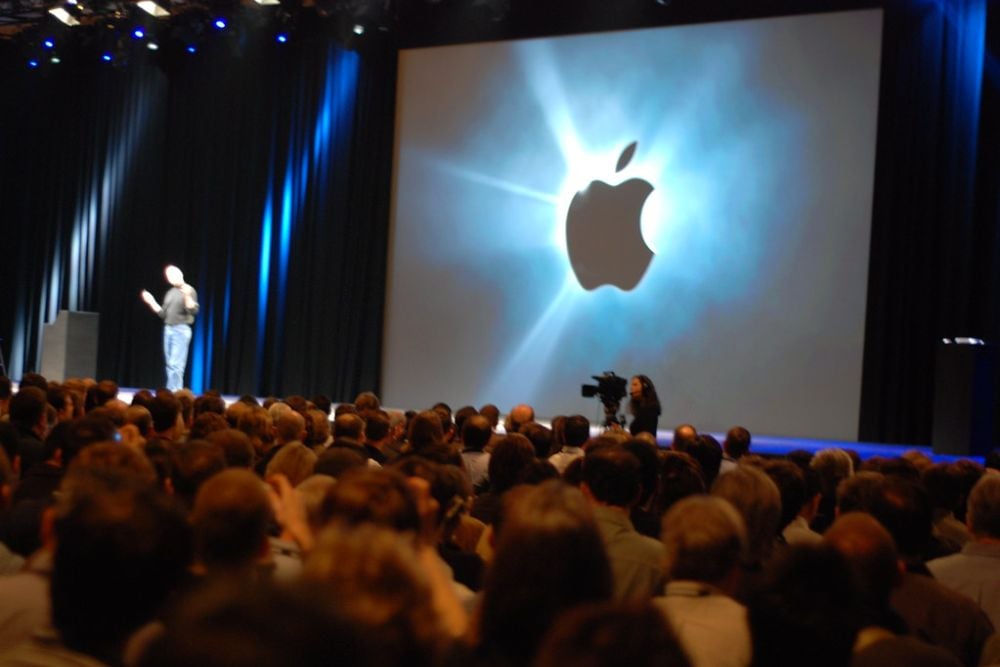
While Steve Jobs’ 2007 iPhone presentation was certainly dramatic, many industry experts initially dismissed the device as overpriced and lacking features like 3G connectivity. Some predicted it would fail to capture significant market share.
That underestimated product launch transformed mobile computing, photography, application ecosystems, and how humans interact with technology daily.
The Legacy of Quiet Beginnings

History teaches us that world-changing innovations often arrive without recognition of their true significance. These transformative moments frequently begin as modest announcements, experiments, or ideas that seem unremarkable to contemporary observers.
The gap between first appearance and worldwide impact reminds us that revolution often moves quietly at first, gaining momentum before reshaping our world in ways impossible to predict from humble beginnings.
More from Go2Tutors!

- The Romanov Crown Jewels and Their Tragic Fate
- 13 Historical Mysteries That Science Still Can’t Solve
- Famous Hoaxes That Fooled the World for Years
- 15 Child Stars with Tragic Adult Lives
- 16 Famous Jewelry Pieces in History
Like Go2Tutors’s content? Follow us on MSN.