Little-known origins of common household items
We reach for them every day without a second thought. The cotton swab in the bathroom, the aluminum foil in the kitchen drawer, the sticky note on the desk.
These household staples feel like they’ve always been around, but each one has a backstory that’s anything but ordinary. Some were born from wartime necessity, others from happy accidents, and a few from people who were just trying to solve a completely different problem.
Here is a list of 16 household items with origins that might surprise you.
Vaseline

Robert Chesebrough wasn’t squeamish about his work. In 1859, this chemist visited Pennsylvania oil fields and noticed workers slathering a black, waxy gunk called ‘rod wax’ onto their cuts and burns.
The stuff was a nuisance because it gunked up drilling equipment, but the workers swore it healed wounds. Chesebrough took samples home and spent years refining the tarry substance into the clear, odorless petroleum jelly we know today.
To prove it worked, he burned and cut himself repeatedly, then treated the wounds with his creation. The man was so confident in his product that he ate a spoonful every single day until he died at 96.
Q-tips

Leo Gerstenzang watched his wife wrap cotton around a toothpick to clean their baby’s ears in 1923, and alarm bells went off in his head. One wrong move and that sharp stick could cause serious damage.
He decided to create something safer and spent years perfecting a design where cotton stayed firmly attached to a blunt wooden stick. The original name was ‘Baby Gays,’ which worked fine in the 1920s but would definitely raise eyebrows today.
By 1926, he changed it to Q-tips Baby Gays, with the Q standing for quality, before eventually dropping the first part altogether.
Post-it Notes

Spencer Silver was trying to create the strongest adhesive ever made for aerospace applications in 1968. Instead, he invented the exact opposite—a weak, pressure-sensitive glue that barely stuck to anything.
For five years, nobody at 3M could figure out what to do with his failure. Then Art Fry, another 3M scientist and church choir member, got frustrated when his bookmarks kept falling out of his hymnal.
He remembered Silver’s useless adhesive and realized it was perfect for bookmarks that wouldn’t damage pages. The iconic yellow color wasn’t a design choice either—it was simply the only scrap paper color available in the lab next door when they started testing.
Microwave Oven

Percy Spencer was standing near an active radar set at Raytheon in 1945 when he felt something odd in his pocket. His chocolate bar had melted into a gooey mess.
Instead of tossing it and moving on, Spencer got curious. He grabbed some popcorn kernels and held them near the magnetron tube—they popped.
Next came an egg, which exploded in a colleague’s face when they leaned over to watch. Spencer had stumbled onto something huge.
He built a metal box to contain the microwave energy and started experimenting with different foods. The first commercial microwave, called the Radarange, hit the market in 1947 at nearly six feet tall, weighing 750 pounds, and costing about $5,000.
Aluminum Foil
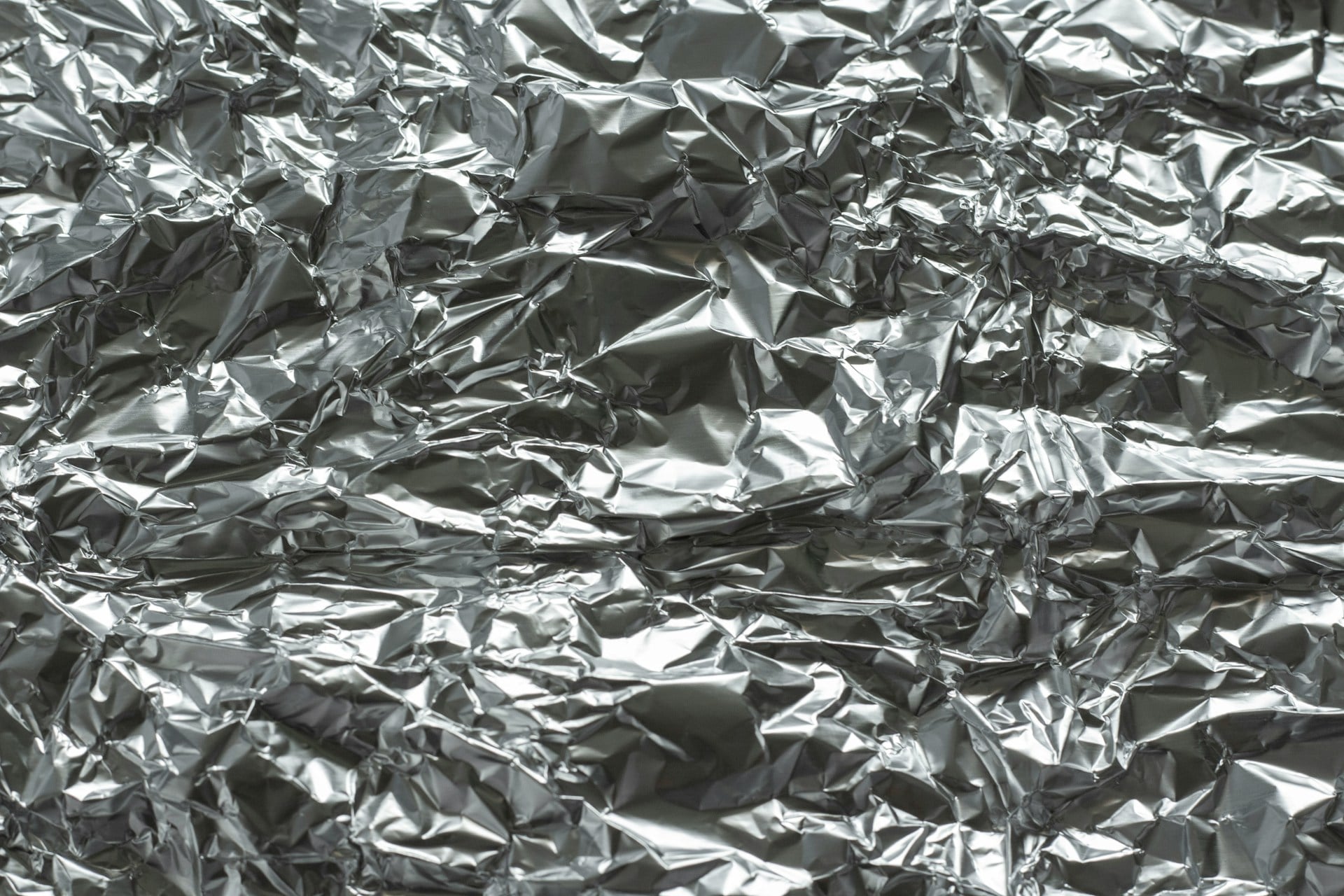
People still call it tin foil, but actual tin foil disappeared from most kitchens nearly a century ago. Tin foil came first in the late 1800s, but it had a major flaw—it gave everything a metallic taste and was stiffer to work with.
Swiss inventors at the Neher plant developed the continuous rolling process for aluminum foil in 1910, using energy from the Rhine Falls to power production. The first product wrapped in aluminum foil was Toblerone chocolate in 1911.
Aluminum was lighter, cheaper, more flexible, and didn’t leave any aftertaste. By the time World War II ended, tin foil was essentially obsolete, but the old name stuck around anyway.
Dishwasher
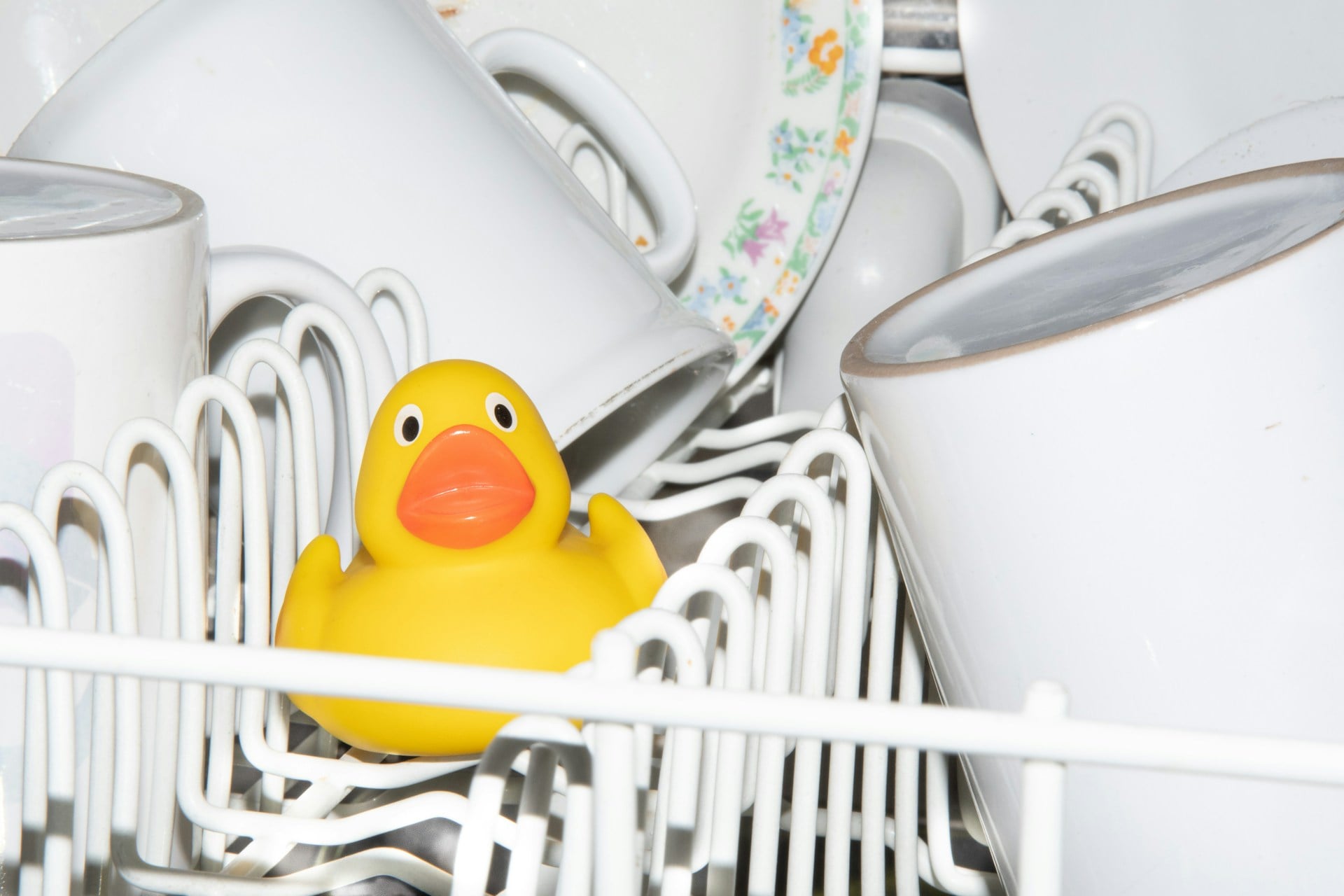
Josephine Cochrane wasn’t some frustrated housewife tired of washing dishes—she was a wealthy socialite who rarely touched a dish in her life. Her servants kept chipping her expensive china, and she’d had enough.
In the 1880s, she declared that if nobody else would invent a proper dishwashing machine, she’d do it herself. Her hand-cranked design used water pressure to clean dishes held in wire compartments, and it actually worked.
She debuted it at the 1893 World’s Fair in Chicago, where it won an award. Restaurants and hotels bought them up, though it took decades before home versions became common since most households didn’t have the hot water capacity her machine required.
Bubble Wrap
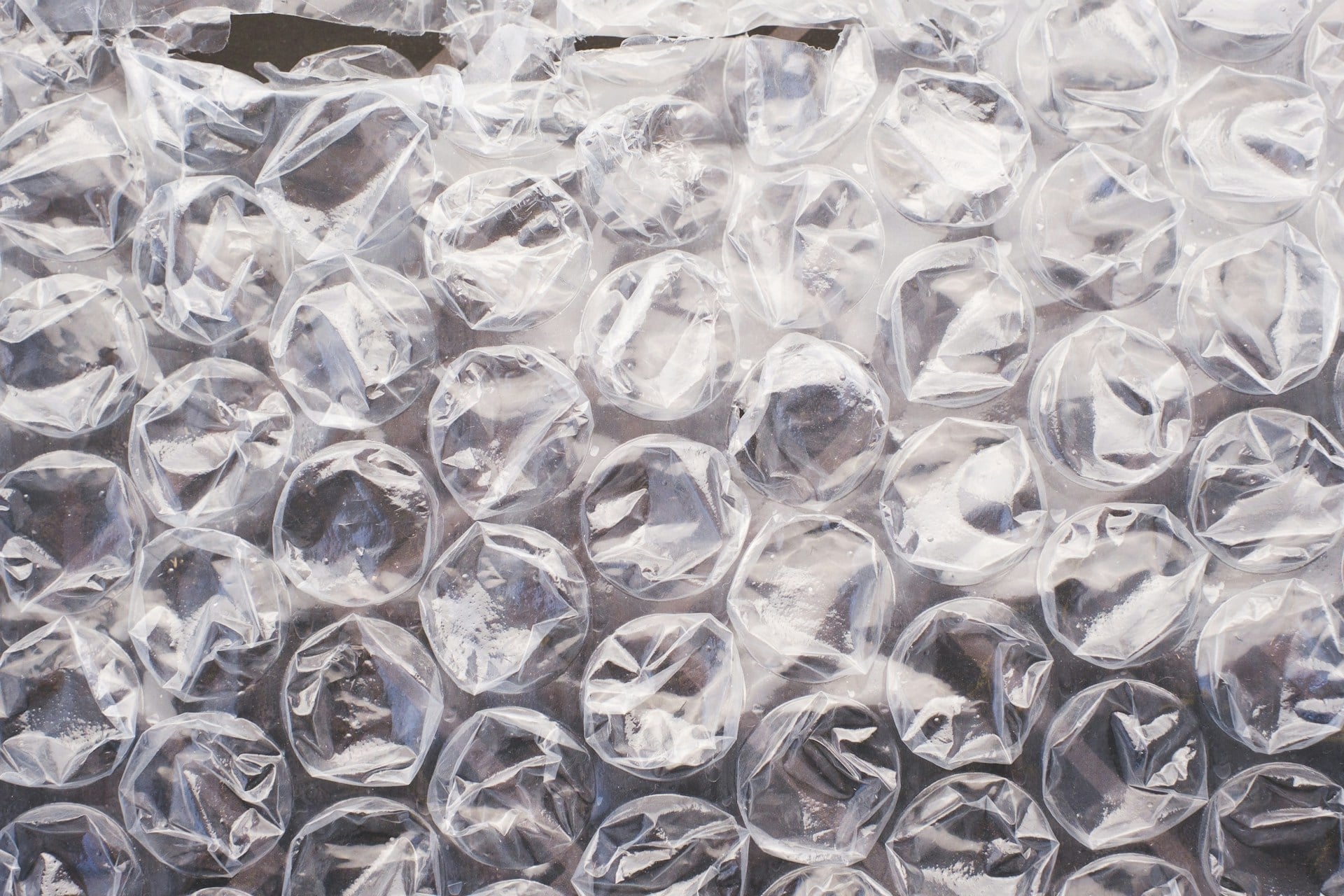
Alfred Fielding and Marc Chavannes were trying to create textured wallpaper in 1957 by sealing two shower curtains together with air bubbles trapped between them. They thought the three-dimensional pattern would be the next big thing in interior design.
It wasn’t. People took one look at those bumpy walls and passed.
The inventors pivoted and realized their failed wallpaper made excellent packaging material. They patented it in 1960 and founded Sealed Air Corporation.
The first major client was IBM, which used Bubble Wrap to protect their new computers during shipping. That satisfying popping sound we all love was never part of the original plan.
Kleenex
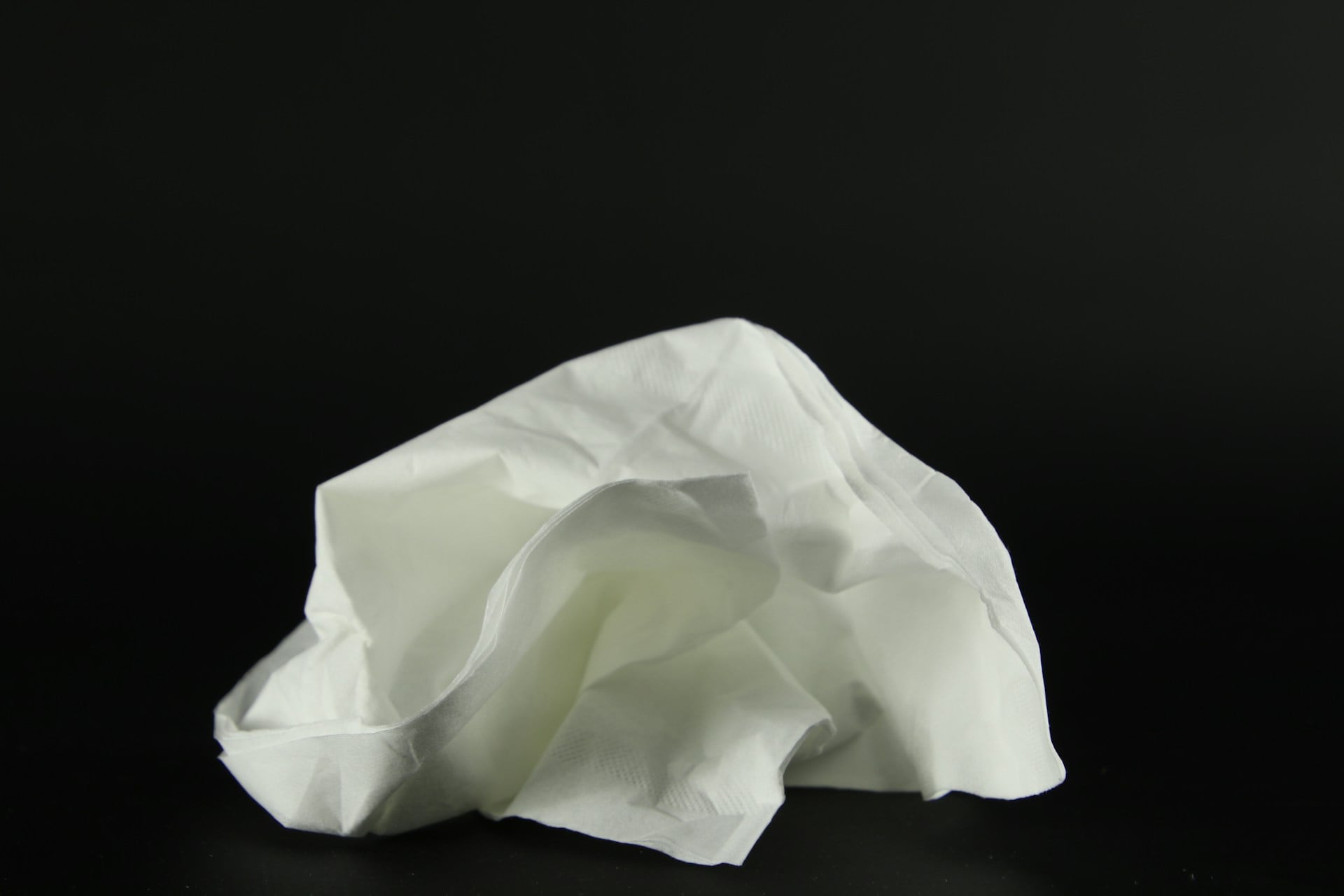
Kimberly-Clark developed a thin, absorbent material called cellucotton during World War I to use as filters in gas masks. When the war ended, they had a warehouse full of the stuff and needed a new purpose for it.
They made it softer, cut it into sheets, and marketed it as Kleenex in 1924—a disposable way to remove cold cream and makeup. Women bought it, but something unexpected happened.
Five years later, a researcher at Kimberly-Clark who suffered from hay fever started using the tissues to blow his nose instead of a handkerchief. The company caught on and completely repositioned the product.
By the early 1930s, Kleenex was marketed primarily for colds and allergies, which is how we still use it today.
Scotch Tape

Richard Drew was a 3M engineer in 1930 when he invented cellophane tape with a pressure-sensitive adhesive. His goal was to help grocers seal packages of perishable items like bread and meat while still showing what was inside.
The Great Depression was in full swing, so people quickly found other uses for this affordable product. They repaired torn book pages, fixed broken toys, patched window shades, and held together anything that needed a temporary fix.
The built-in dispenser with a serrated cutting edge came along in 1932, invented by another 3M engineer named John Borden. Before that, people had to use scissors or just tear the tape with their hands.
Barcode
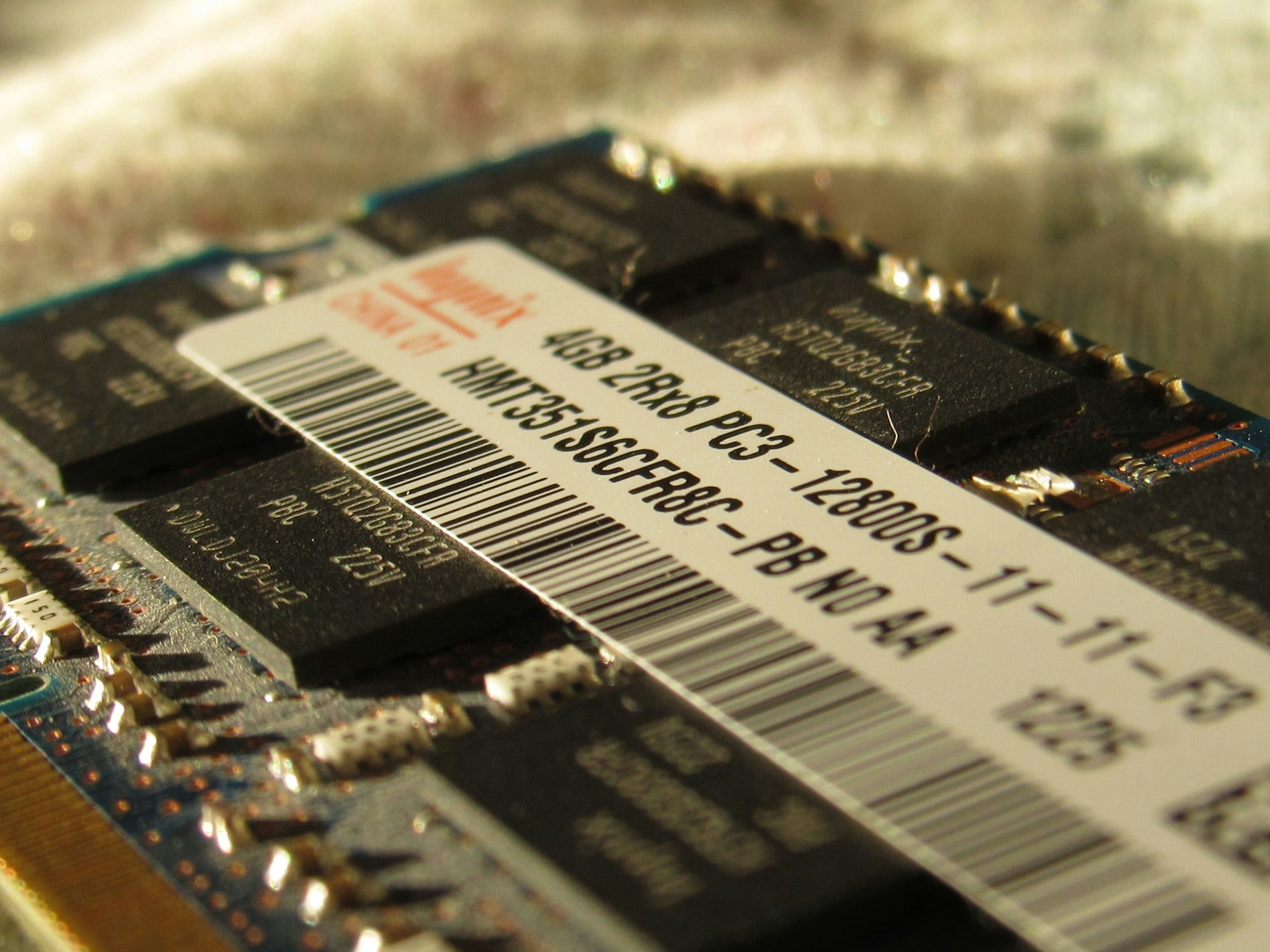
N. Joseph Woodland learned Morse Code as a Boy Scout, and that childhood skill changed retail forever. In the late 1940s, he was looking for a way to encode product information that could be read by machines.
He thought about Morse code’s simple system of dots and dashes and wondered if it could be translated into a visual format. One day at the beach, he dragged his fingers through the sand and watched the pattern they left behind.
That’s when it clicked—he could use varying widths of lines instead of dots and dashes. His first barcode design was actually circular, like a bullseye.
The now-familiar vertical lines came later, and the first item ever scanned with a barcode was a pack of Wrigley’s gum in 1974.
Pencils

Romans used actual lead metal rods called styluses to write on papyrus, which is where we get the term ‘lead’ for pencil cores even though modern pencils contain zero lead. In the 16th century, a massive graphite deposit was discovered in Borrowdale, England, and people realized this dark mineral made much better marks than lead.
The problem was that graphite is incredibly soft and fragile, so it needed a holder. Early users wrapped it in string or sheepskin, but eventually someone had the bright idea to encase it in wood.
German manufacturers started mass-producing wood-encased pencils in the 1660s. The eraser didn’t get added to the end until 1858, when an American inventor named Hyman Lipman patented the design we know today.
Matches

John Walker, a British chemist, was stirring a pot of chemicals in 1826 when a glob of the mixture dried on his mixing stick. Annoyed, he scraped it against the floor to clean it off, and the stick burst into flames.
Most people would’ve panicked, but Walker saw potential. He’d accidentally created the first friction match.
He started selling them as ‘friction lights’ at his pharmacy, but he never patented the invention because he didn’t think it was that important. Other inventors quickly copied and improved his design.
The early matches were dangerous—they could ignite spontaneously and produced toxic fumes. It took several decades of refinements before matches became the safe, reliable fire-starters we casually strike today.
Velcro

Georges de Mestral came back from a hunting trip in the Swiss Alps in 1941 covered in burrs. Instead of just picking them off and forgetting about it, he grabbed a microscope to see how they stuck so stubbornly to his clothes and his dog’s fur.
He discovered the burrs were covered in tiny hooks that grabbed onto loops in fabric and fur. It took him eight years to figure out how to recreate this in a usable product.
He tried different materials before landing on nylon, which could be woven into hooks on one strip and loops on another. The name Velcro came from combining the French words ‘velours’ (velvet) and ‘crochet’ (hook).
NASA’s use of Velcro in the 1960s space program made it seem futuristic and high-tech, boosting its popularity.
Saccharin
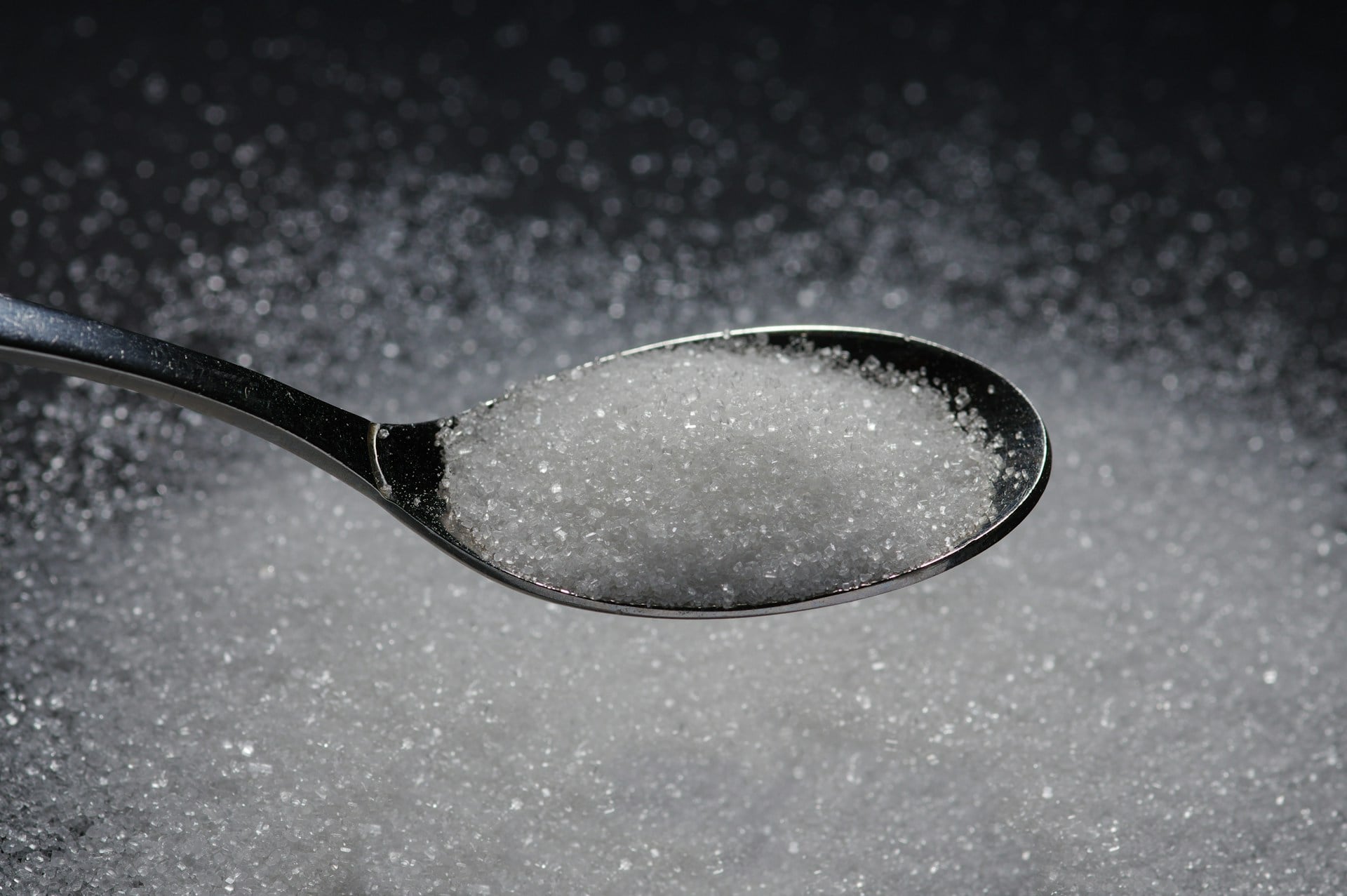
Constantin Fahlberg was working in a chemistry lab at Johns Hopkins University in 1879, researching coal tar derivatives. After a long day, he went home for dinner without washing his hands thoroughly.
Everything he touched tasted bizarrely sweet—the bread, the meat, even his napkin when he wiped his mouth. He rushed back to the lab that night and started tasting every beaker and flask until he found the compound responsible.
It was 300 times sweeter than sugar, and his body couldn’t process it as calories. He patented saccharin in 1884 and became wealthy.
The controversy came later when studies suggested it might cause cancer, leading to warning labels for decades. Those warnings were eventually removed when newer research cleared it.
Colgate Toothpaste

The Colgate company opened its doors in 1806, but if you’d walked in looking for toothpaste, you would’ve left empty-handed. For the first 67 years, Colgate sold only soaps, candles, and starch.
They didn’t introduce toothpaste until 1873, and even then it came in jars, which was messy and unhygienic since people dipped their brushes directly into the container. The collapsible tube design we’re familiar with didn’t arrive until 1896 when a dentist named Washington Sheffield got the idea from paint tubes artists used.
Colgate didn’t adopt tubes until 1908. Before this, people used tooth powders or made homemade pastes with questionable ingredients like crushed brick and charcoal.
WD-40
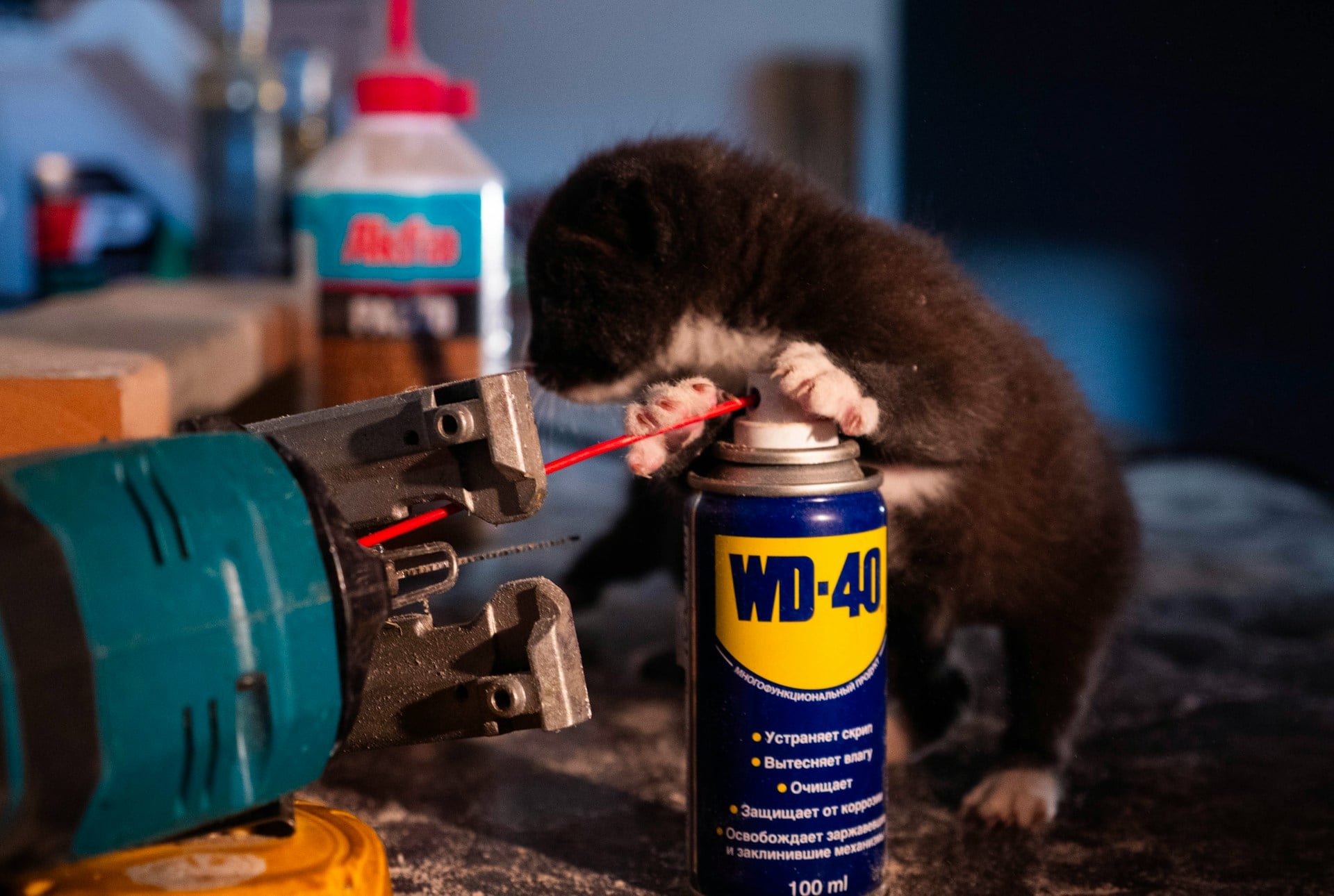
The Rocket Chemical Company in San Diego had one job in 1953—create a formula that would prevent rust and corrosion on the outer skin of the Atlas missile. Chemist Norm Larsen tried 39 different formulas before his 40th attempt finally worked.
WD-40 literally stands for ‘Water Displacement, 40th formula.’ It was never meant for consumer use, but employees kept sneaking cans home because the stuff worked miracles on squeaky hinges, sticky locks, and rusty bolts.
The company caught on and started selling it in stores in 1958. For decades, the exact formula was kept secret, known only to a handful of people.
The company never patented it because patents require disclosing the formula, and they wanted to keep it under wraps forever.
From Accident to Icon

These everyday items share a common thread—most weren’t planned. They emerged from accidents, wartime necessity, or solutions to completely unrelated problems.
The microwave came from melted chocolate, Post-it Notes from a failed super-glue experiment, and Bubble Wrap from a terrible wallpaper idea. What makes these stories remarkable isn’t just the randomness of their origins, but that someone noticed the potential in what looked like a mistake.
The next time you grab a cotton swab or tear off a piece of aluminum foil, remember that behind every mundane household item is someone who paid attention when things didn’t go according to plan.
More from Go2Tutors!

- The Romanov Crown Jewels and Their Tragic Fate
- 17 Halloween Costumes Once Considered Taboo
- Famous Hoaxes That Fooled the World for Years
- 15 Child Stars with Tragic Adult Lives
- 16 Famous Jewelry Pieces in History
Like Go2Tutors’s content? Follow us on MSN.



