9 Recipes That Started in Prisons, Ships, or War Zones
Necessity truly becomes the mother of invention when resources are scarce and people must feed themselves under challenging circumstances. Some of our most beloved dishes emerged not from professional kitchens or culinary schools, but from places of confinement, long sea voyages, or amid the chaos of conflict. These recipes showcase human ingenuity and the remarkable ability to create something delicious from whatever ingredients happen to be available.
Here is a list of 9 surprising recipes that originated in prisons, aboard ships, or in war zones. Each has its fascinating backstory of resourcefulness and creativity.
Chili Mac
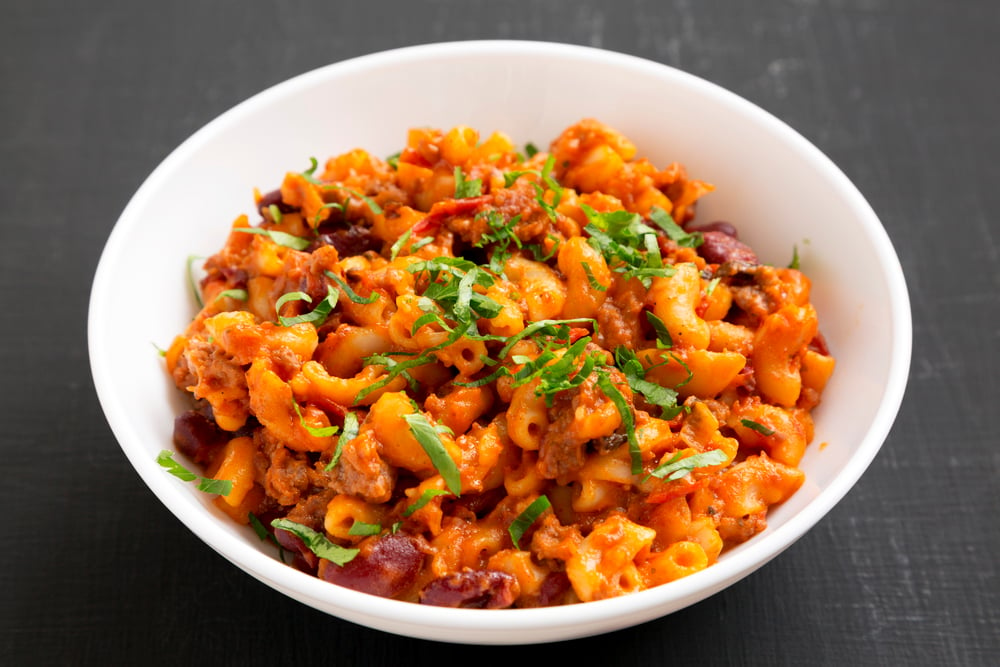
This comfort food, popular in American prisons, combines spaghetti with a spicy beef sauce crafted from commissary items. Easy to prepare and rich in carbs and protein, it eventually became a family favorite in homes and school cafeterias.
Hardtack
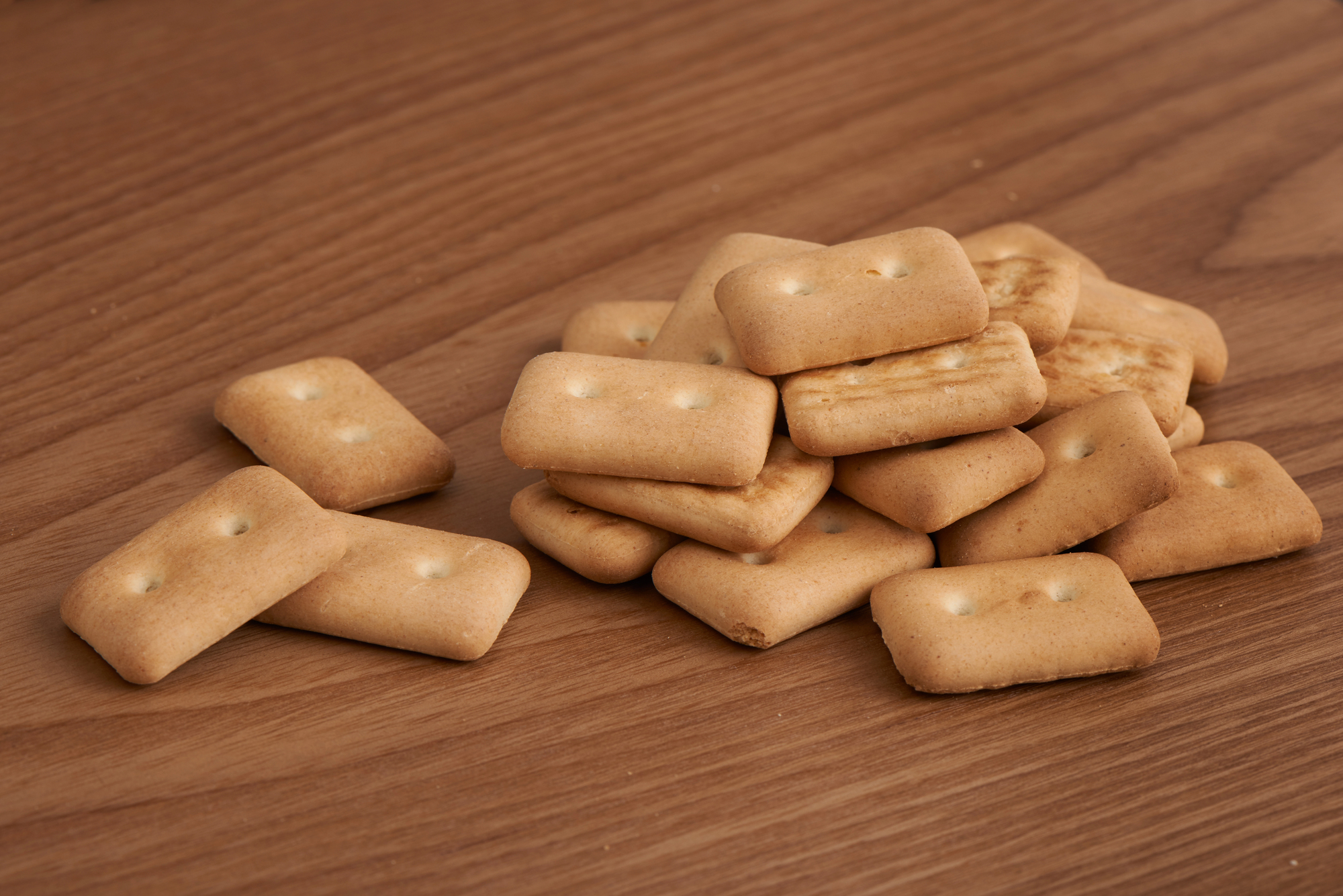
These rock-hard biscuits, made from wheat, water, and sometimes salt, could survive months at sea, making them essential to sailors. Often soaked in coffee or soup to soften—and to avoid the weevils—they earned nicknames like “sheet iron” and “molar breakers.”
Spam Musubi
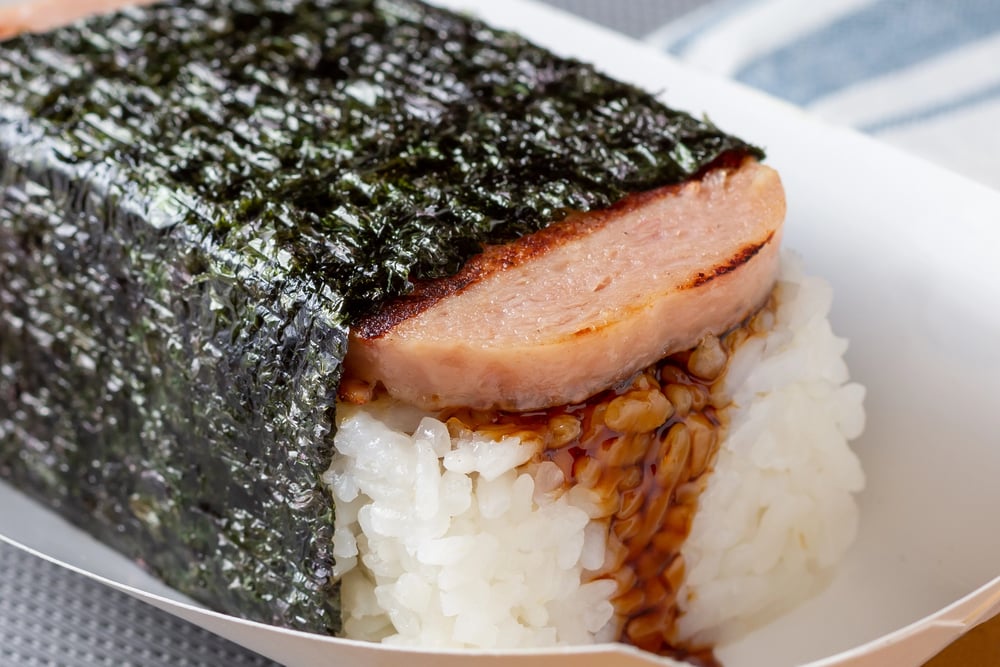
Canned meat introduced by American troops in Hawaii during World War II led to this fusion dish of Spam, rice, and seaweed. Locals embraced it as a creative wartime snack, and it’s now found in convenience stores across Hawaii and beyond.
Watergate Salad
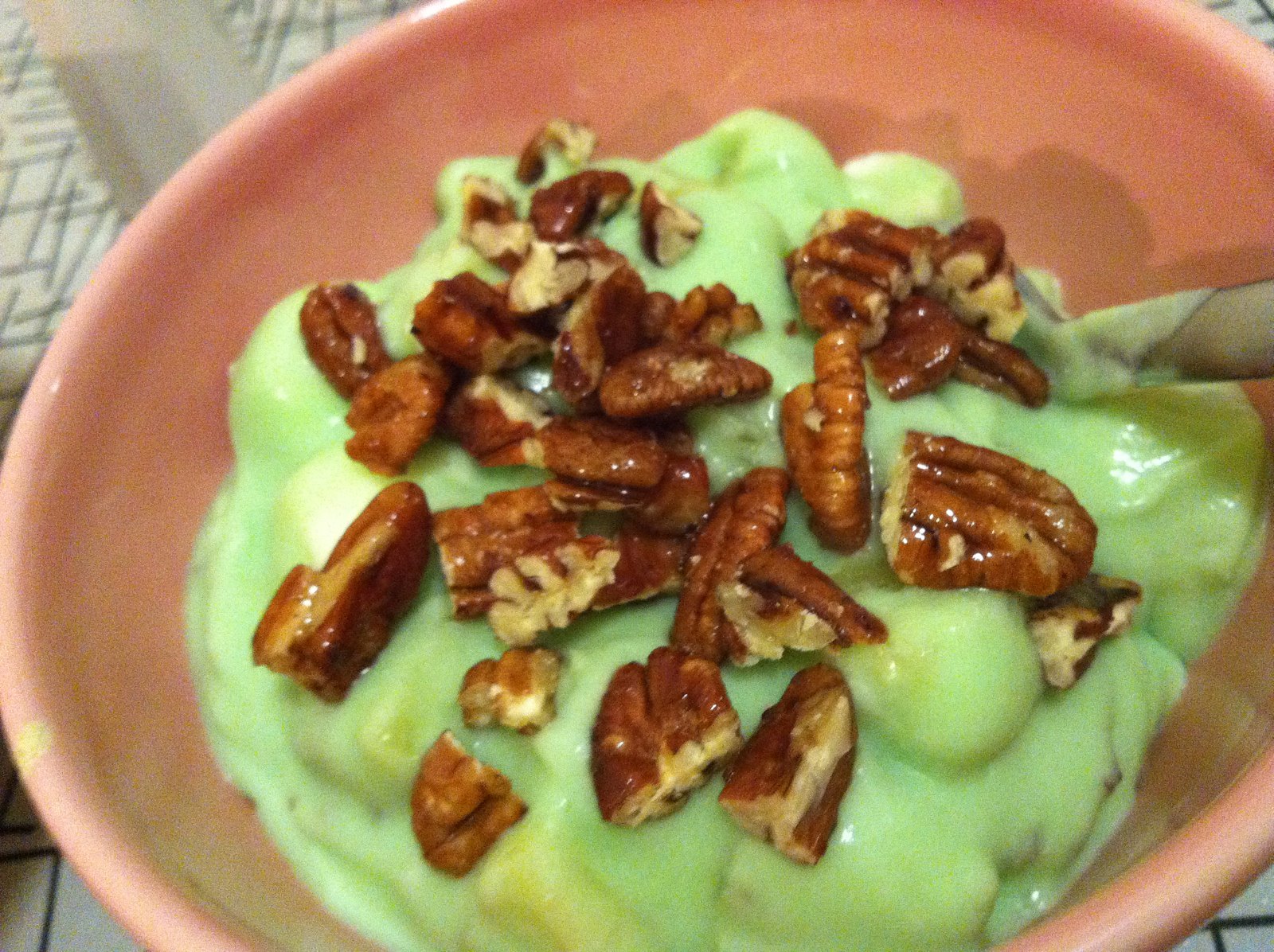
This pistachio pudding dessert with pineapple and whipped topping began in prison kitchens using limited ingredients. The name came later, ironically linking it to the political scandal, and it became a potluck staple in the 1970s and 1980s.
Anzac Biscuits
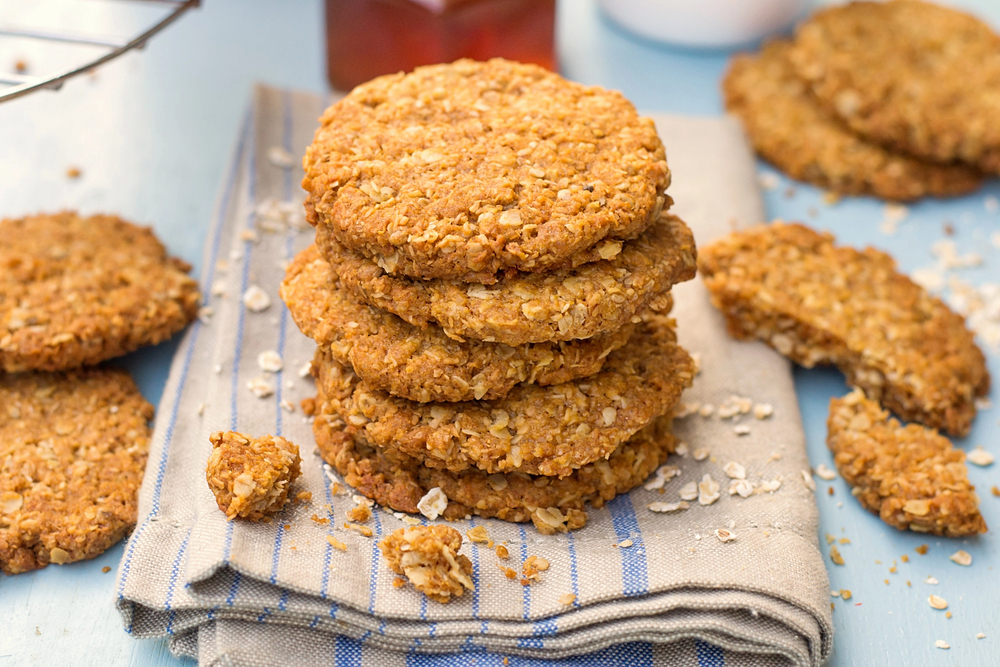
During World War I, Australian and New Zealand women baked eggless oatmeal cookies for soldiers overseas. These durable treats survived long sea voyages and continue today as national symbols of remembrance and resilience.
Prison Spread
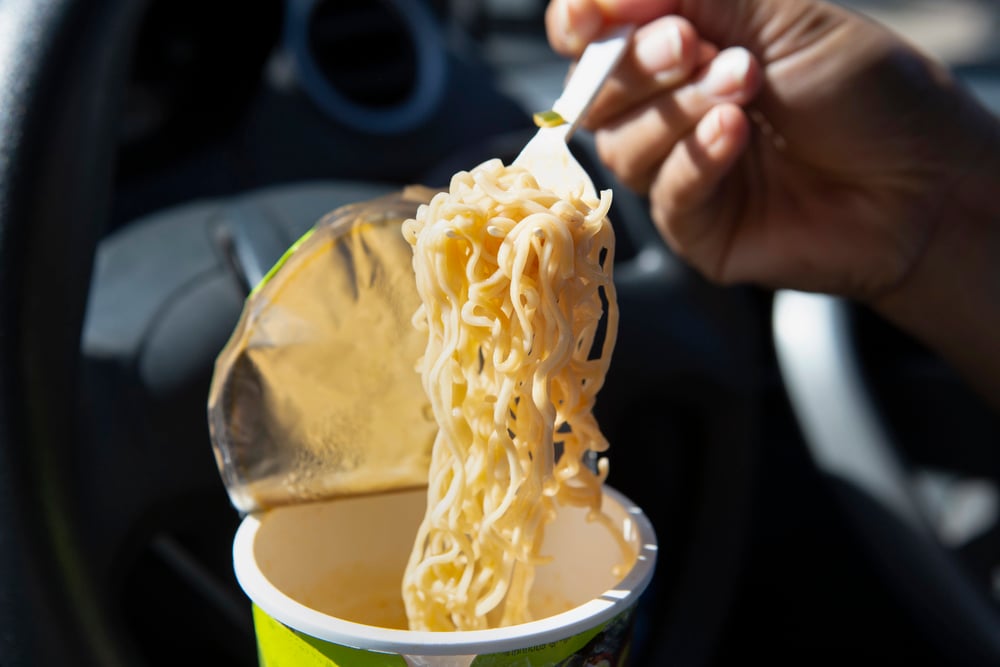
Inmates create these communal meals by mixing ramen, chips, meat, and cheese in a bag using only hot water. More than just food, these spreads foster social bonds and creativity within correctional communities.
Woolton Pie
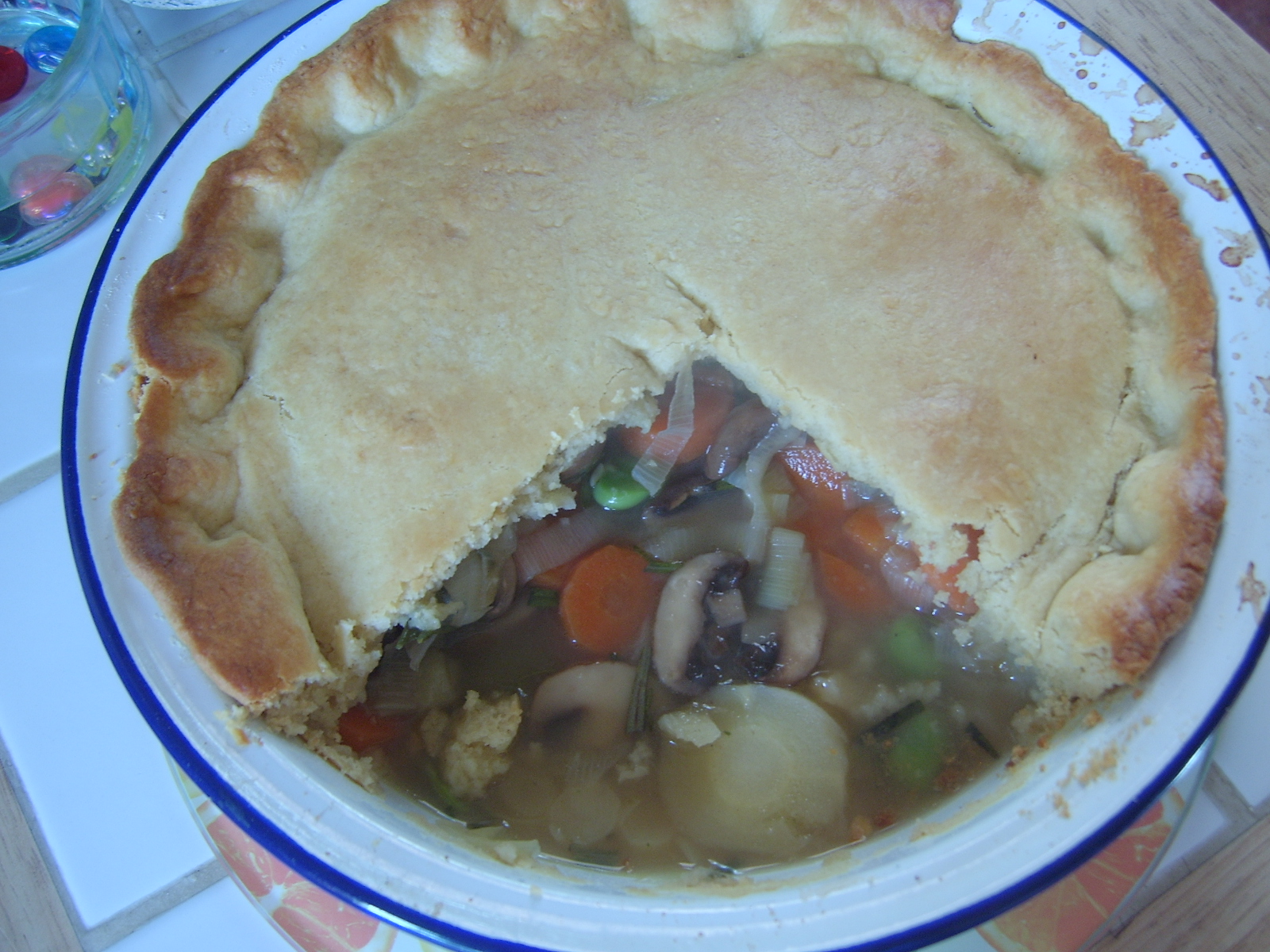
This British wartime dish combined root vegetables and a potato crust to make meatless meals during rationing. Named after Lord Woolton, it embodied the “Dig for Victory” campaign encouraging self-sufficiency through home gardening.
Prison Tamales
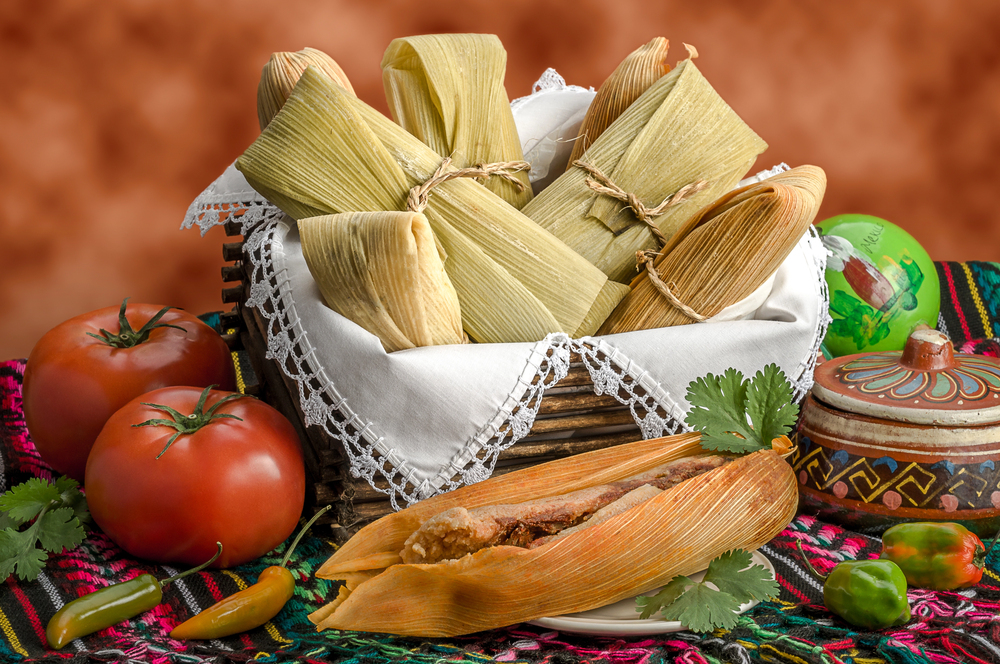
With crushed corn chips replacing masa, inmates construct makeshift tamales filled with commissary meats. Wrapped in wet paper towels or plastic, these creations showcase innovation under extreme constraints.
K-Ration Cookie
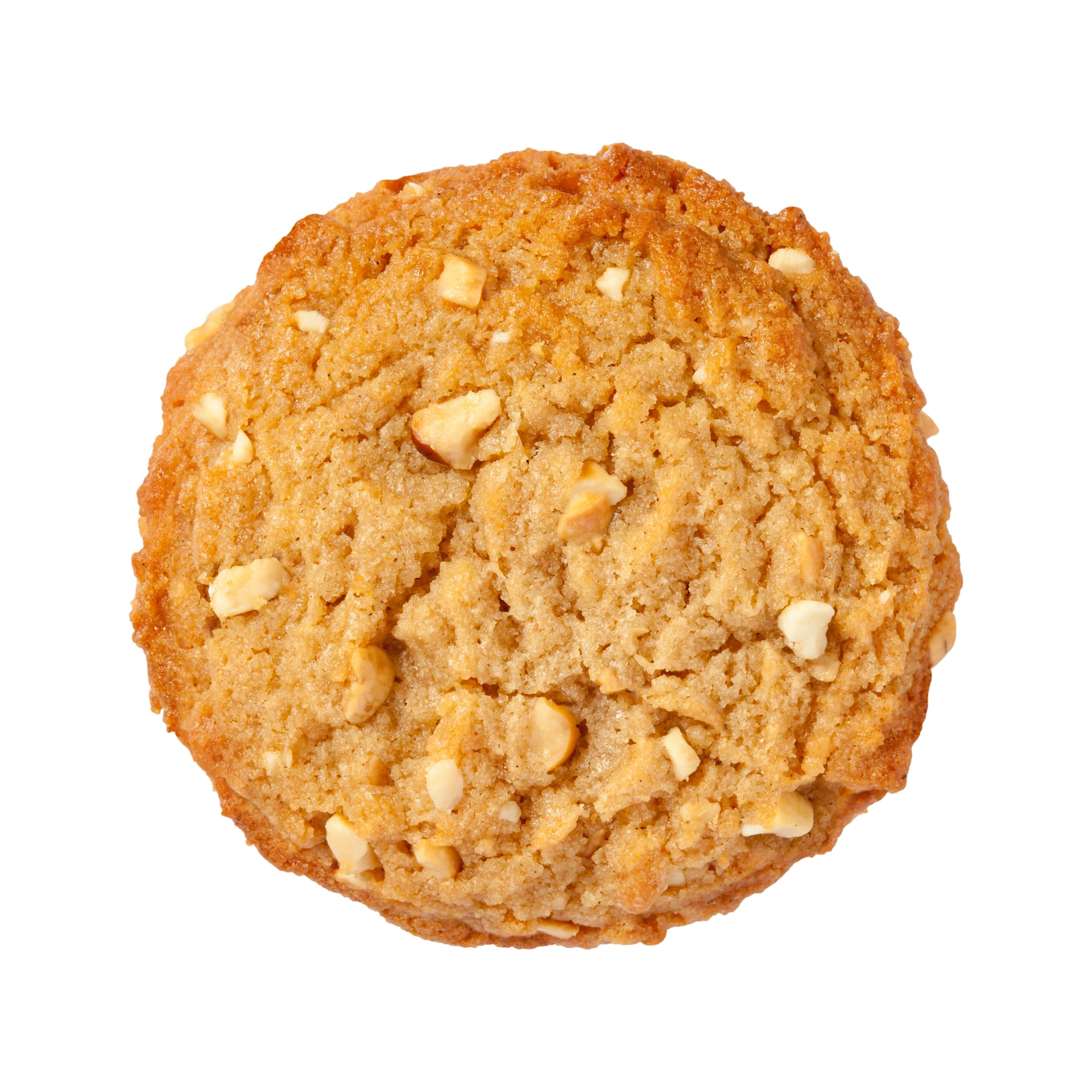
Developed for WWII combat rations, these high-calorie cookies were made to endure rough conditions while providing quick energy. Their oat and peanut butter base influenced today’s energy bar market.
Survival Through Culinary Creativity
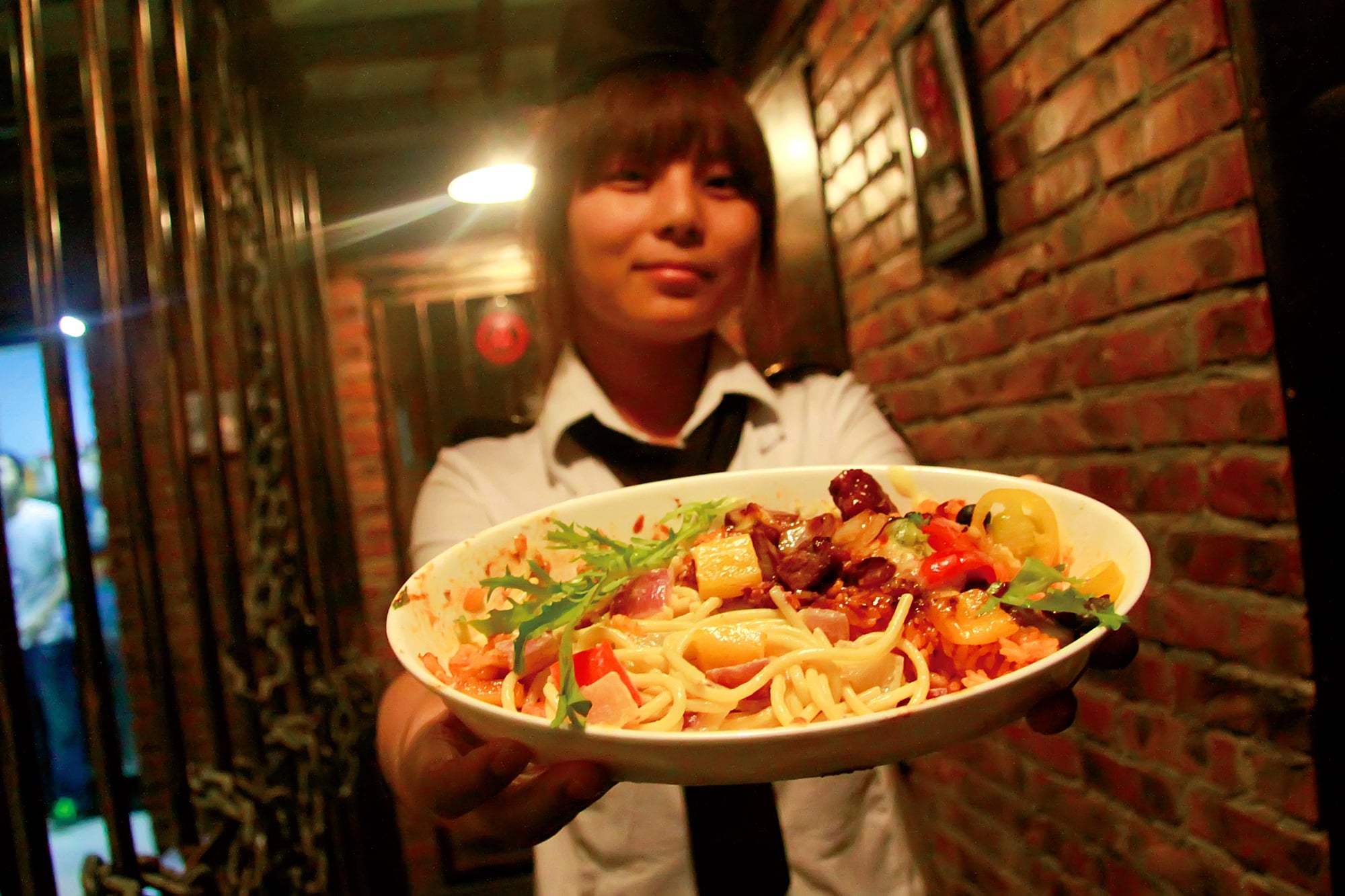
These foods reflect human resilience and the power of invention born from necessity rather than comfort. What began as survival tactics in harsh conditions now serve as cultural reminders of ingenuity under pressure.
More from Go2Tutors!

- The Romanov Crown Jewels and Their Tragic Fate
- 13 Historical Mysteries That Science Still Can’t Solve
- Famous Hoaxes That Fooled the World for Years
- 15 Child Stars with Tragic Adult Lives
- 16 Famous Jewelry Pieces in History
Like Go2Tutors’s content? Follow us on MSN.