Locations With The Most Coffee Beans
One sip might seem everywhere, yet roots trace back to only a few spots on Earth. Though mornings light up with steam from mugs across continents, actual growth happens in tight pockets.
Where land tilts toward sun, rain falls steady, and old farming ways stick – beans thrive. Not every warm place works; specific conditions spark what ends in your cup.
From these zones, routes stretch outward, feeding demand far beyond their borders. These patches of soil do more than grow plants – they shape flow across nations.
A morning ritual worldwide leans entirely on harvests from such narrow ground.Coffee grows best in places where the ground, height above sea level, rain patterns, work setups, and long-term farming knowledge line up just right.
Instead of who stores or drinks the most, it’s about spots that pull beans from soil at massive scale year after year. A mix of natural conditions plus human effort shapes how much comes out each season.
Over time, certain areas rise because they can keep delivering large harvests without slowing down.Take a step into the regions where coffee plants thrive, then see what keeps them ahead on the world stage.
From highland valleys to coastal slopes, each area holds its own secrets behind the harvests we rely on every morning.
Brazil
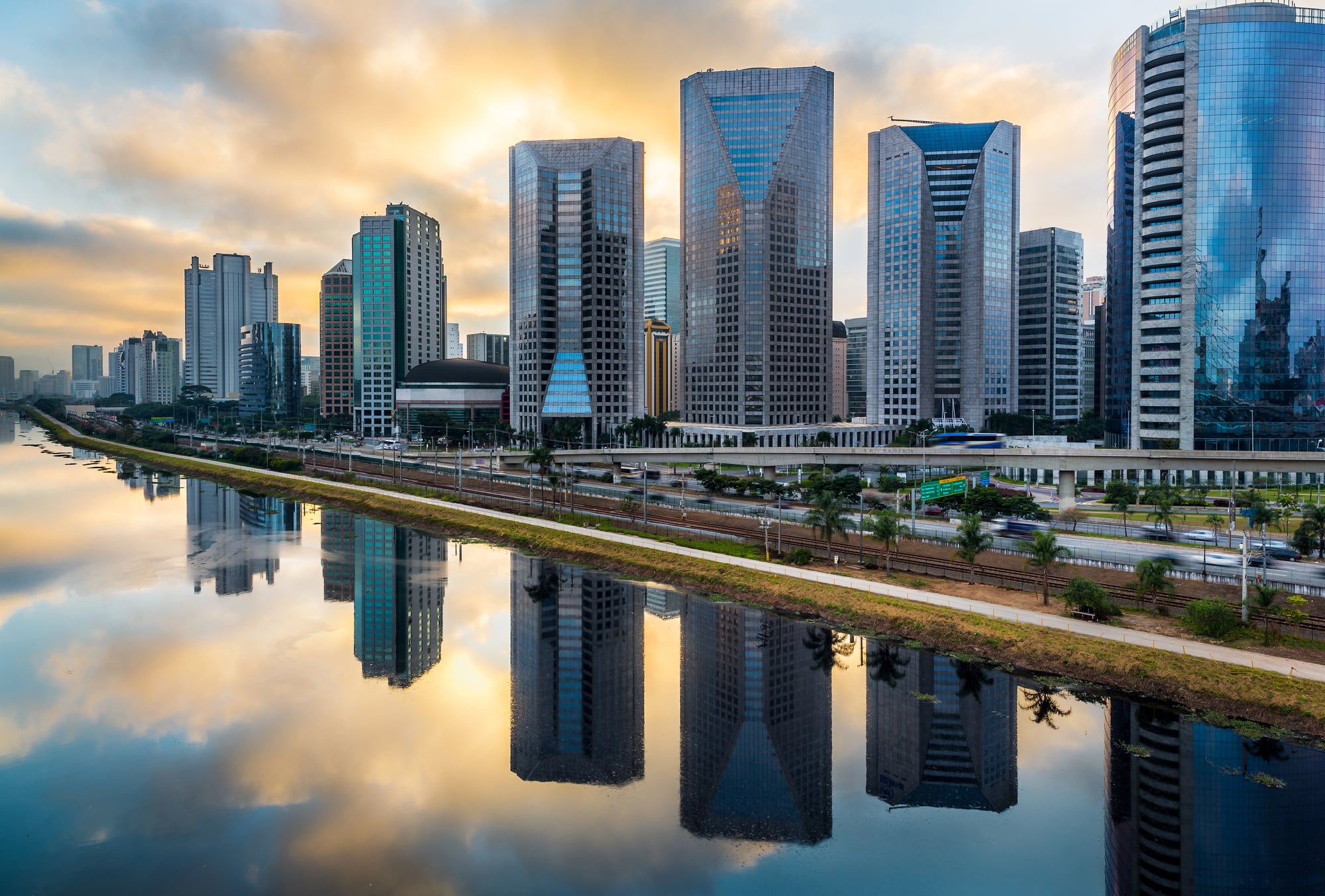
Brazil stands alone in terms of sheer coffee output. No other location produces more coffee beans year after year, and the gap between Brazil and other producers remains substantial.
Entire regions are devoted to coffee farming, supported by extensive infrastructure and long-established expertise.What sets Brazil apart is scale. Large farms, mechanized harvesting in flatter areas, and efficient logistics allow beans to move quickly from field to processing.
This consistency makes Brazilian coffee a foundation of global supply, often used as a base in blends due to its dependable availability. The country’s dominance reflects how land, investment, and climate converge at an industrial level.
Vietnam

Vietnam’s position as one of the world’s top coffee-producing locations is the result of rapid agricultural expansion. In the late 20th century, coffee farming was promoted aggressively, transforming rural landscapes in a relatively short period of time.
Today, Vietnam produces vast quantities of beans annually.The country focuses primarily on robusta varieties, which thrive at lower elevations and deliver high yields.
This emphasis supports large-scale production and steady exports, especially for instant coffee and espresso blends. Vietnam’s output reshaped global coffee markets by increasing supply and influencing pricing, proving that volume alone can redefine an industry.
Colombia
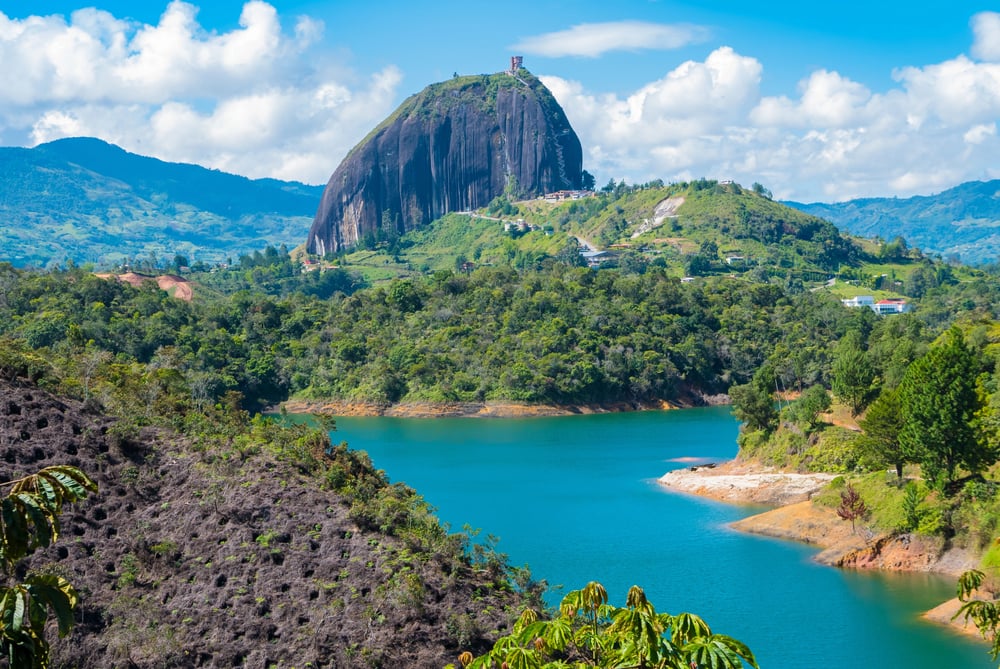
Colombia’s coffee-growing regions are defined by mountainous terrain and consistent climate patterns. While the country does not surpass Brazil or Vietnam in total output, it remains one of the largest producers globally.
Coffee cultivation here is woven into regional identity and national history.Production is dominated by small farms rather than massive estates.
This structure prioritizes careful harvesting and processing, often carried out by hand. Colombia’s reputation for reliability helped cement its position as a major source of coffee beans, with volume supported by decades of coordinated quality control and export systems.
Ethiopia
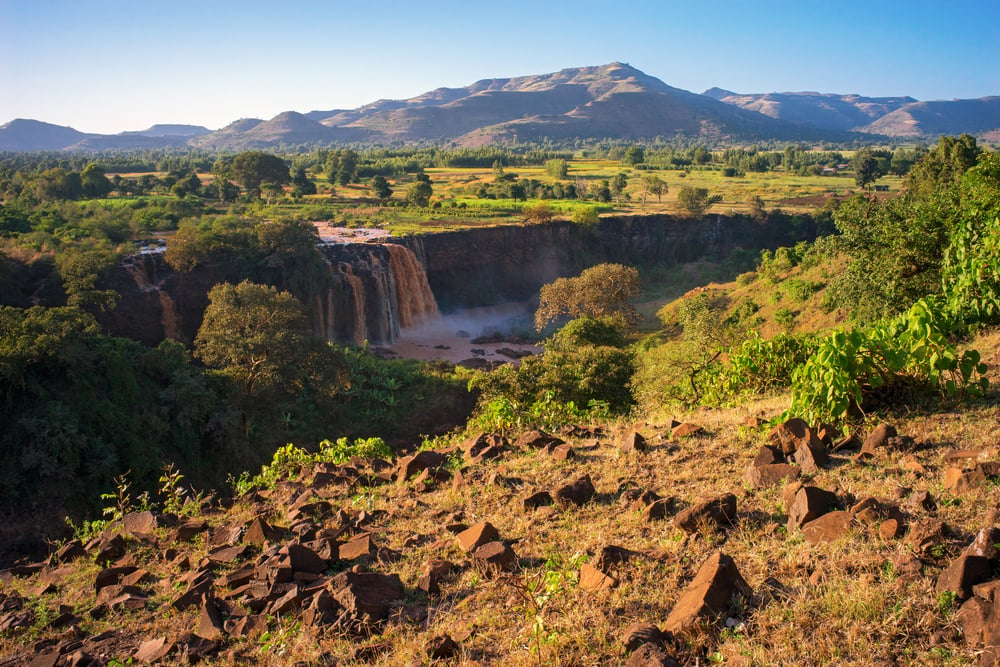
Ethiopia occupies a unique place among coffee-producing locations. As the birthplace of coffee, it contributes not just volume but genetic diversity to the global supply.
Beans are grown across multiple regions, often in forested environments that support natural growth patterns.While Ethiopia’s total output is smaller than that of the largest producers, it remains one of Africa’s top coffee-growing locations.
Production methods are often traditional, limiting large-scale expansion but preserving distinctive characteristics. Ethiopia’s importance lies in how much of the world’s coffee heritage and variety originates within its borders.
Honduras

Honduras emerged as a major coffee-producing location through steady development rather than rapid transformation. Over time, improvements in infrastructure and farming practices allowed production to rise significantly. Coffee is now one of the country’s most important agricultural exports.
High-altitude regions contribute beans with complex profiles, helping Honduras gain recognition beyond volume alone. Still, output remains substantial, supported by widespread cultivation and labor-intensive harvesting.
Honduras demonstrates how consistent investment can elevate a country into the upper ranks of global coffee producers.
Indonesia
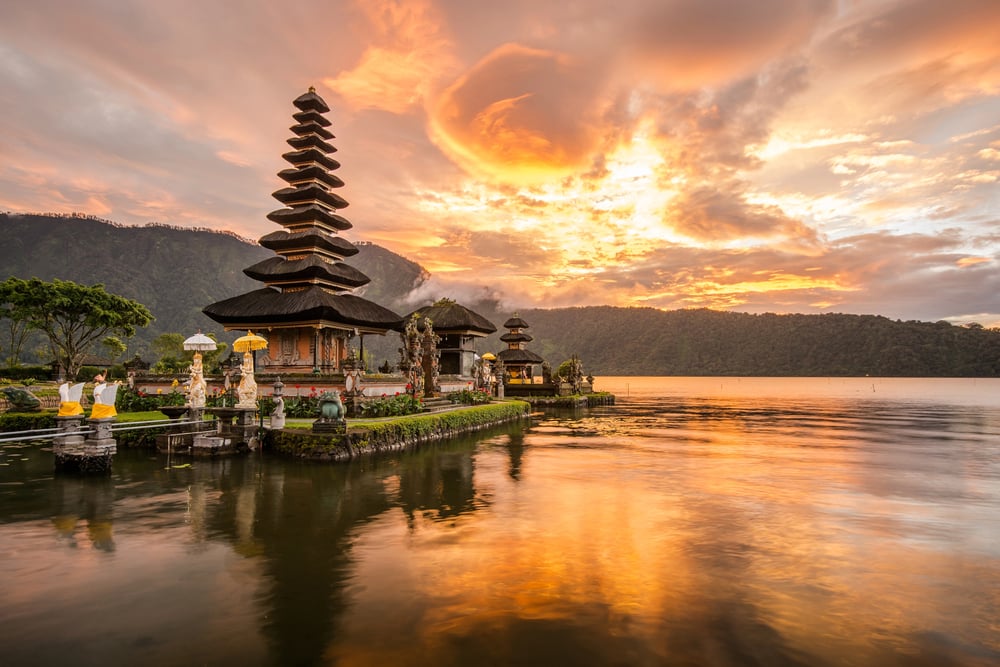
Indonesia’s coffee production is shaped by geography rather than uniform scale. Spread across multiple islands, its coffee-growing locations vary widely in soil composition, rainfall, and elevation.
This results in a broad range of bean characteristics rather than a single dominant style.While total production does not rival the largest producers, Indonesia consistently ranks among the top sources of coffee beans globally.
Traditional processing methods and regional specialization contribute to its continued relevance. Indonesia’s role highlights how diversity across locations can collectively add up to major output.
Uganda
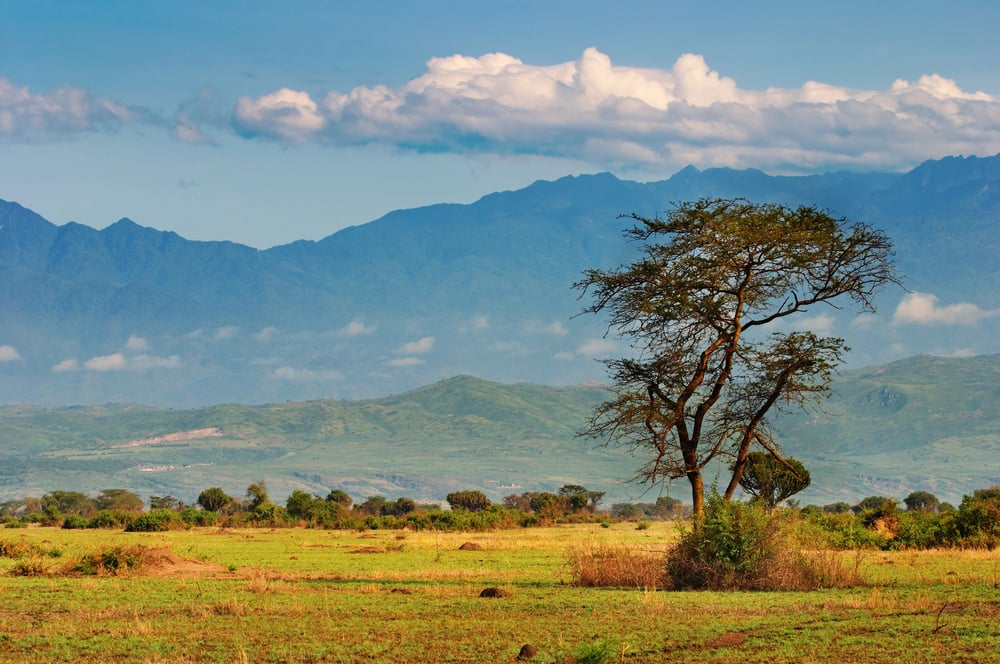
Uganda is one of Africa’s most significant coffee-producing locations, with beans grown across many regions rather than concentrated in a single area. Coffee supports millions of livelihoods and remains a cornerstone of the national economy.
The country primarily produces robusta beans, which grow well at lower elevations and yield high volumes. Efforts to improve farming techniques have strengthened Uganda’s position in global markets.
Its production illustrates how widespread cultivation can result in substantial national output even without large industrial farms.
India
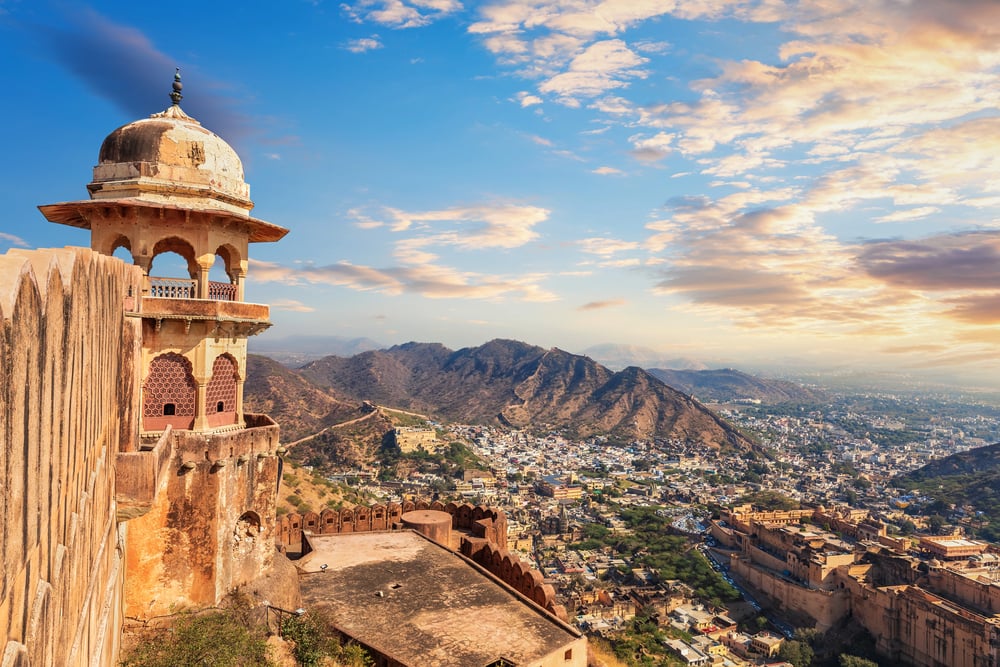
India’s coffee-growing locations are often overlooked, yet the country consistently produces large quantities of beans for export. Farms are typically shaded and intercropped with trees and spices, supporting long-term soil health and sustainability.
Most Indian coffee leaves the country rather than serving domestic consumption. The balance between arabica and robusta production allows flexibility in meeting global demand.
India’s contribution shows how steady, less-publicized production can still play a major role in supplying coffee worldwide.
Peru
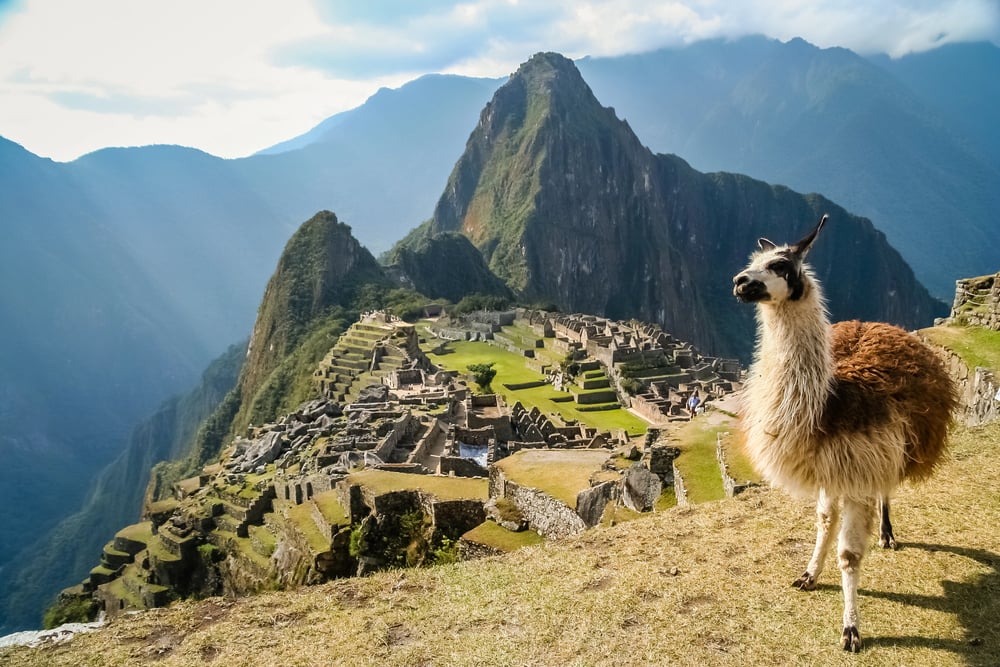
Peru’s coffee production expanded alongside growing demand for specialty beans. High-altitude locations support slower-growing plants that attract international buyers seeking distinct characteristics.
Production remains largely in the hands of small-scale farmers.Although infrastructure challenges limit maximum output, Peru continues to increase its presence in global markets.
The country’s role demonstrates how targeted growth can make a location significant even without the volumes of larger producers.
Mexico
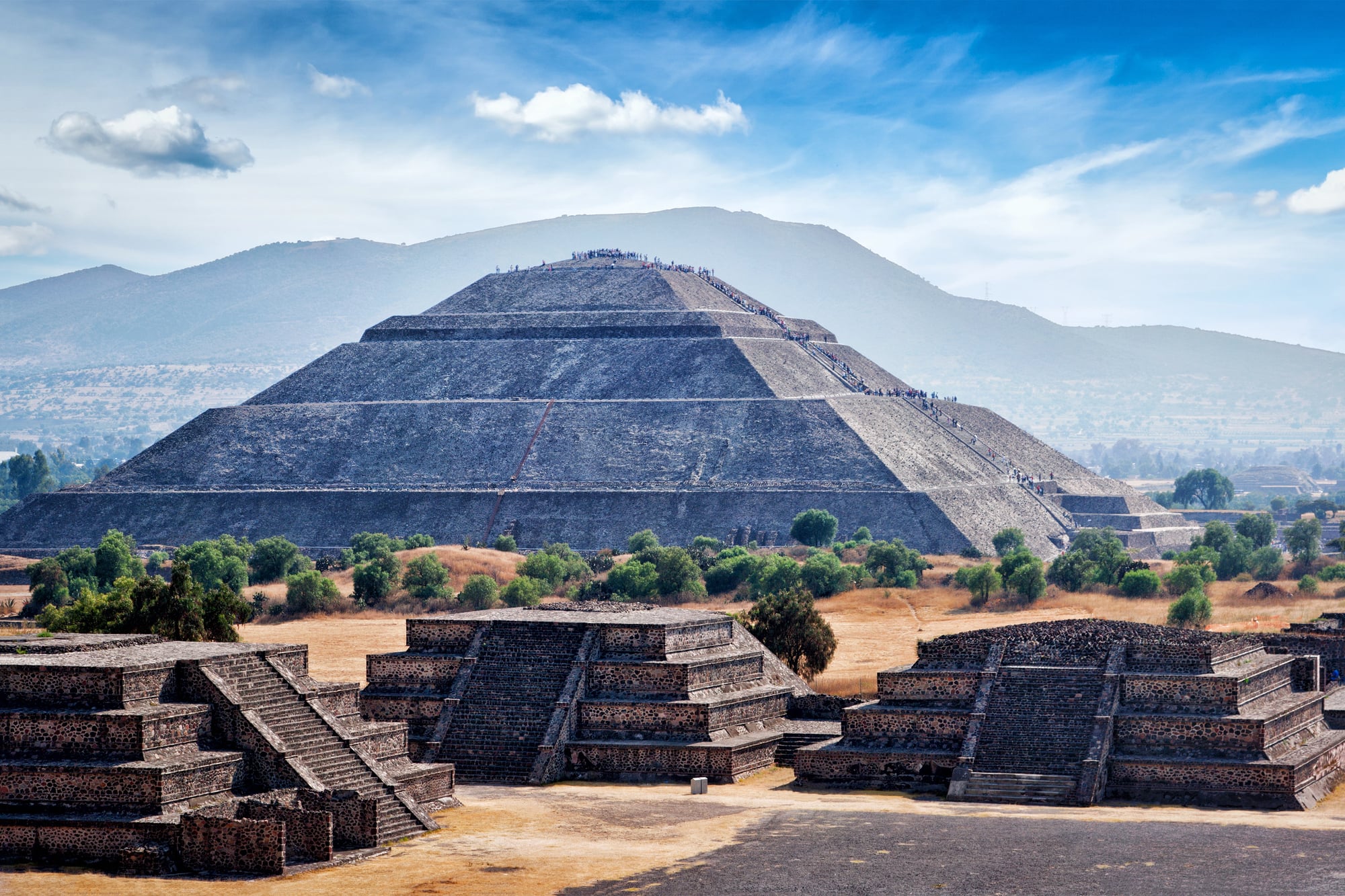
Mexico’s coffee-growing locations are concentrated in mountainous regions with long-standing farming traditions. Beans are often grown by small communities using methods passed down through generations.
Output has fluctuated over time due to environmental and economic pressures.Even so, Mexico remains a notable source of coffee beans, particularly for nearby markets.
Recovery efforts have emphasized resilience and sustainability, ensuring continued production. Mexico’s experience reflects how coffee-growing locations adapt in response to long-term challenges.
Why These Locations Shape the Global Cup
Most coffee beans grow in just a few spots around the globe, molded by local weather and past events. When temperatures change, or workers are scarce, ripple effects hit markets worldwide.
Supply lines bend under pressure from economics and shifting seasons. These pockets of growth exist only where land, people, and tradition overlap.
Not every region can host such delicate balance – some simply lack what it takes.Each place tells a story that shapes your morning routine.
Not just soil, but weather patterns and harvest times define what ends up in the mug. Workers move through fields under tight limits, year after year.
What keeps these areas central isn’t new trends – it’s how tightly supply lines now tie back to origin points.
More from Go2Tutors!

- The Romanov Crown Jewels and Their Tragic Fate
- 13 Historical Mysteries That Science Still Can’t Solve
- Famous Hoaxes That Fooled the World for Years
- 15 Child Stars with Tragic Adult Lives
- 16 Famous Jewelry Pieces in History
Like Go2Tutors’s content? Follow us on MSN.



