Longest Time Holding Breath
At some point, whether it was while competing in a swimming event or simply having fun in the pool, most of us have attempted to hold our breath underwater. As children, we all try it out and compete with our pals to see who can stay the longest.
Professional breath-holding, however, involves skilled athletes pushing the human body to incredible extremes, and it goes well beyond these kid-friendly sports. These 17 amazing facts about extreme breath-holding and the amazing people who have perfected this difficult technique will captivate you.
Aleix Segura’s World Record
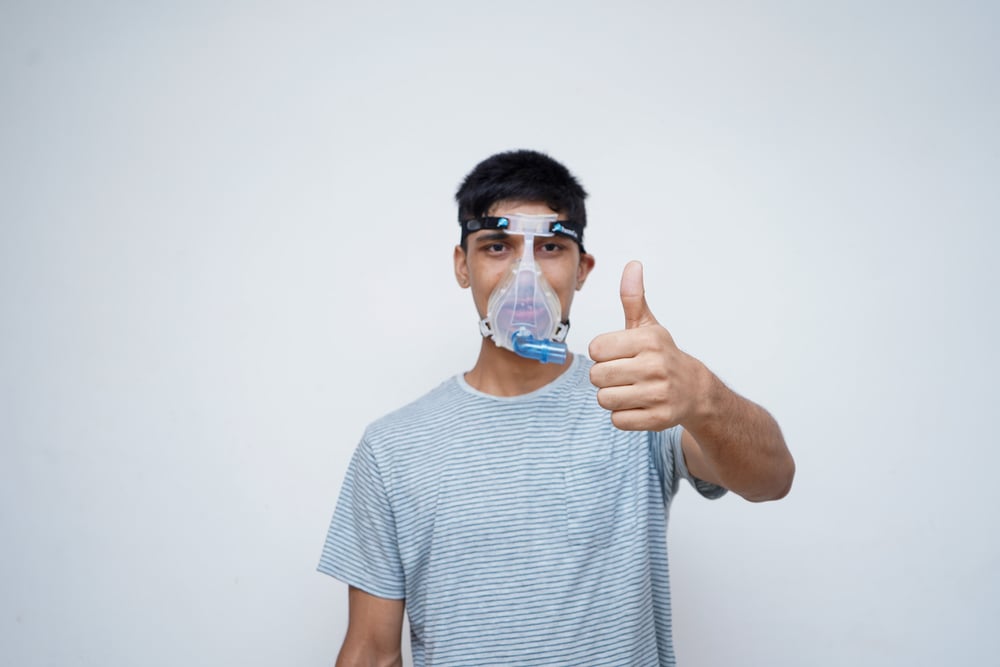
Aleix Segura of Spain now holds the Guinness World Record for static apnea, which is the inability to hold breath while submerged in water. He held his breath for an incredible twenty-four minutes and three seconds in 2016.
The man genuinely stopped breathing for a longer period of time than most TV sitcom episodes, so this isn’t a misprint.
Pre-breathing Oxygen
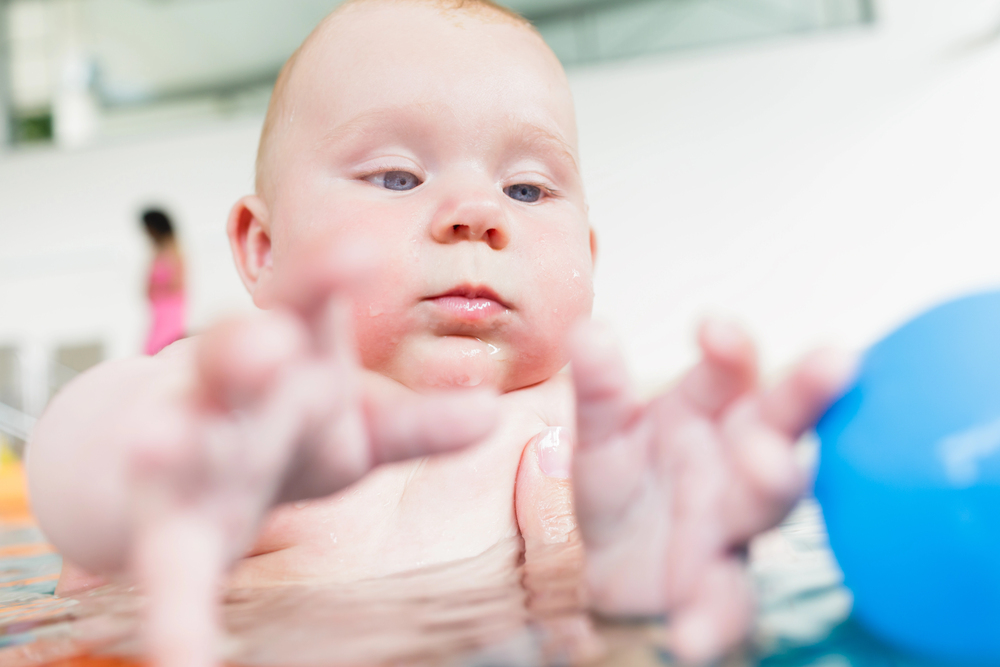
Top breath-holders aren’t cheating, but they do use a technique called oxygen pre-breathing. They breathe pure oxygen for up to 30 minutes before attempting a record, which saturates their blood and tissues with oxygen.
It’s like filling up your car with premium gas before a long road trip—your body simply has more fuel to work with.
Like Go2Tutors’s content? Follow us on MSN.
The Mammalian Dive Reflex
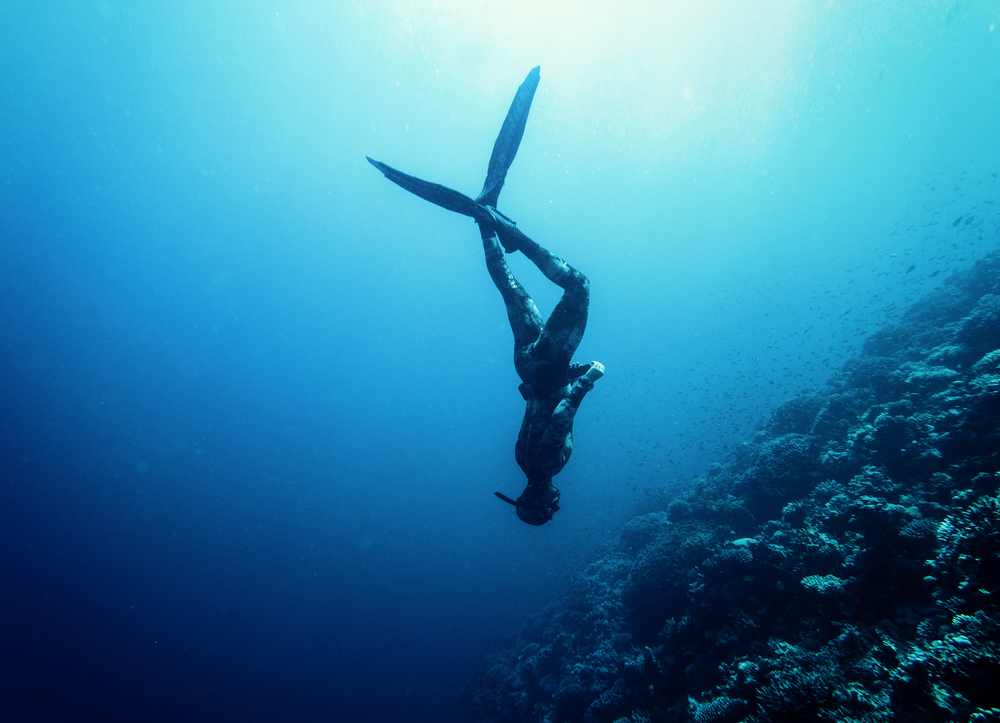
When your face contact with cold water, your body automatically triggers something called the mammalian dive reflex. Your heart rate slows down dramatically, blood vessels in your extremities constrict, and blood gets directed to vital organs.
This ancient evolutionary adaptation helps humans conserve oxygen underwater just like seals and dolphins.
Stig Severinsen’s Ice Record

Danish freediver Stig Severinsen holds the record for the longest breath hold under ice. He remained submerged in ice-cold water for 6 minutes and 54 seconds wearing only swimming trunks.
The extreme cold actually helped by slowing his metabolism, similar to how hibernating animals require less oxygen during winter.
Training the Brain

Professional breath-holders spend years training their brains to ignore the urge to breathe. The burning sensation you feel isn’t actually from lack of oxygen but from carbon dioxide buildup.
Advanced practitioners learn to suppress this panic response through meditation techniques and gradual exposure to higher CO2 levels.
Like Go2Tutors’s content? Follow us on MSN.
Dangerous Practice

Attempting extreme breath-holding without proper training and supervision has resulted in numerous fatalities. Shallow water blackout occurs when oxygen levels drop too low, causing unconsciousness without warning.
This is particularly dangerous because the urge to breathe often disappears right before a blackout, giving victims a false sense of mastery.
Herbert Nitsch’s Deep Record

Known as ‘The Deepest Man on Earth,’ Herbert Nitsch holds the record for the deepest freedive at 831 feet on a single breath. While this involves diving rather than static breath-holding, it demonstrates the incredible oxygen efficiency humans can achieve.
The pressure at that depth is equivalent to having a small car balanced on every square inch of your body.
Navy SEAL Training
U.S. Navy SEALs undergo intensive breath-hold training, with many able to hold their breath for 2-3 minutes. This skill is vital for covert underwater operations.
Their training includes swimming with bound hands and feet for distances up to 50 yards—turning ordinary humans into something closer to aquatic mammals.
Like Go2Tutors’s content? Follow us on MSN.
Competitive Sport
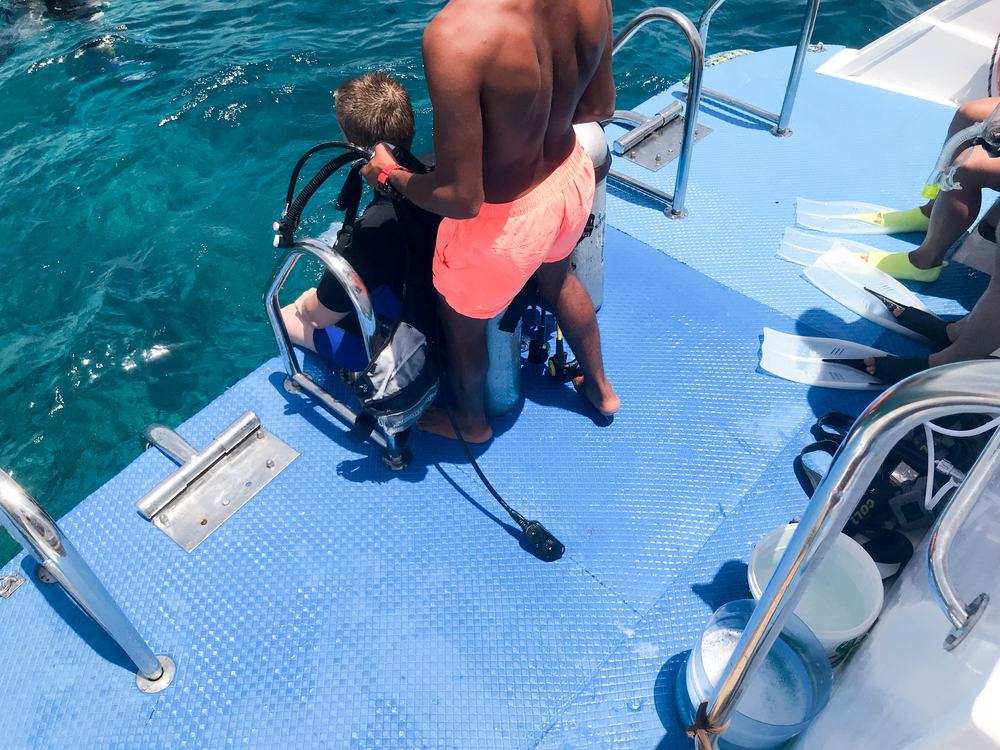
Static apnea is now an official competitive sport governed by organizations like AIDA (International Association for the Development of Apnea). Competitions take place worldwide, with athletes lying face-down in pools while judges and safety divers monitor them closely.
It’s perhaps the quietest spectator sport in existence.
Historical Records

The first officially recorded breath-holding record was set by Robert Foster in 1959 at 13 minutes and 42 seconds. This achievement seemed almost superhuman at the time but has since been nearly doubled.
Comparing the first four-minute mile to today’s marathon records is like comparing an early achievement to the current state of human progress—we’ve come a remarkably long way.
Metabolic Adaptations
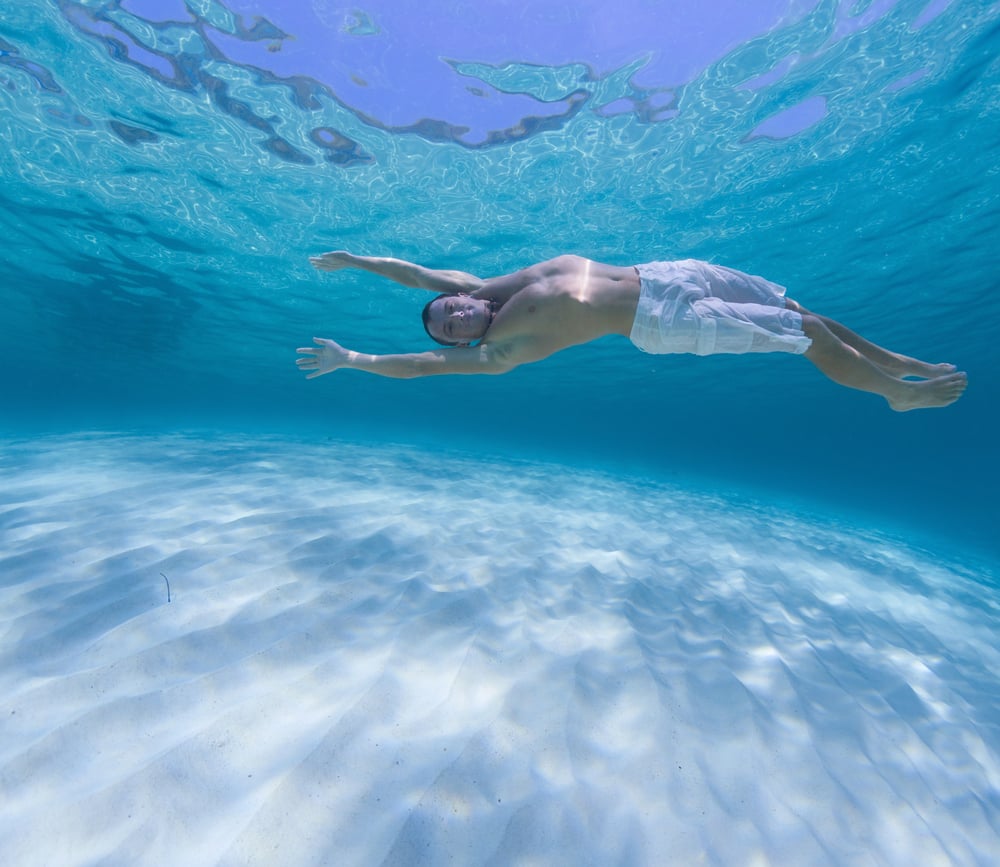
Regular breath-hold training actually changes your body at the cellular level. Practitioners develop more efficient oxygen usage, increased blood volume, and higher hemoglobin concentration.
Their muscles also become more tolerant of lactic acid buildup, similar to adaptations seen in marathon runners but focused on oxygen conservation rather than production.
Like Go2Tutors’s content? Follow us on MSN.
Traditional Pearl Divers
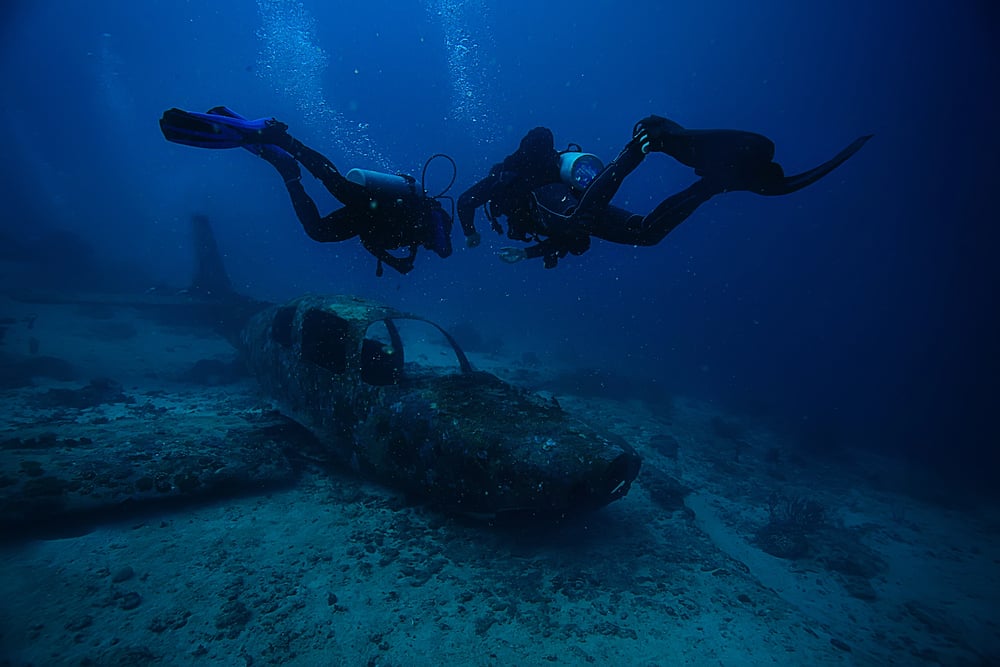
Long before competitive breath-holding became a sport, Japanese Ama divers and Polynesian pearl divers were holding their breath for up to 4 minutes while harvesting seafood and pearls. These traditional divers, often women, could make 80-100 dives per day to depths of 30-40 feet.
Many continued diving well into their 70s, demonstrating the sustainable nature of their techniques.
Yoga Connection
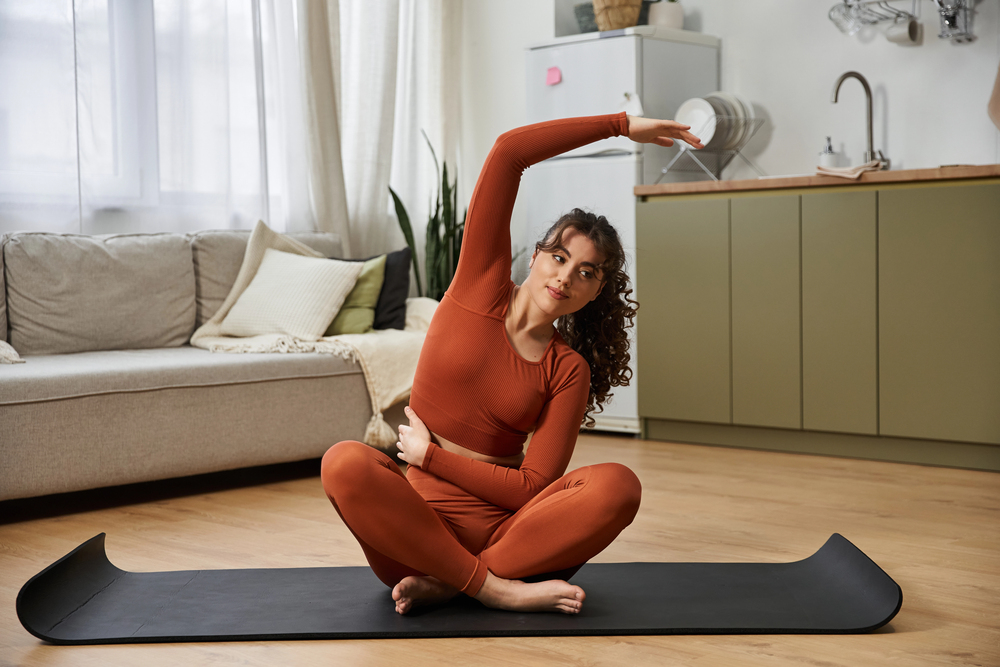
Many breath-holding champions have backgrounds in yoga, particularly pranayama breathing techniques. Ancient yogic texts describe practitioners who could supposedly stop breathing for days, though modern science hasn’t verified such claims.
Nevertheless, the meditation and breath control aspects of yoga provide excellent foundations for extending breath-hold times.
Not Just Lungs
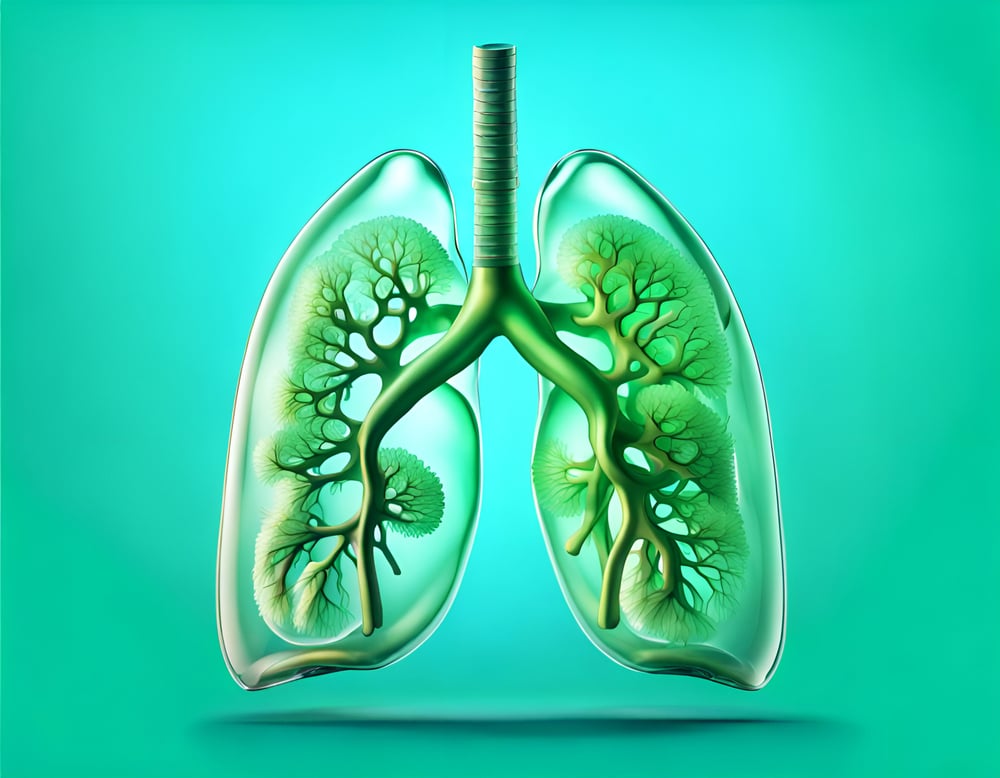
A common misconception is that lung size determines breath-holding ability. While larger lungs can help, other factors matter more, including blood volume, hemoglobin levels, and mental discipline.
Elite breath-holders focus on reducing oxygen consumption rather than simply storing more of it, similar to how fuel-efficient cars go farther on the same tank.
Like Go2Tutors’s content? Follow us on MSN.
Hypoxic Brain Training

Regular, safe breath-holding practice may actually improve brain function. Controlled exposure to mild hypoxia (low oxygen) triggers the production of new blood vessels and protective factors in the brain.
Some researchers compare it to altitude training for the mind, potentially offering cognitive benefits similar to those seen in high-altitude residents.
Non-Stop Progress
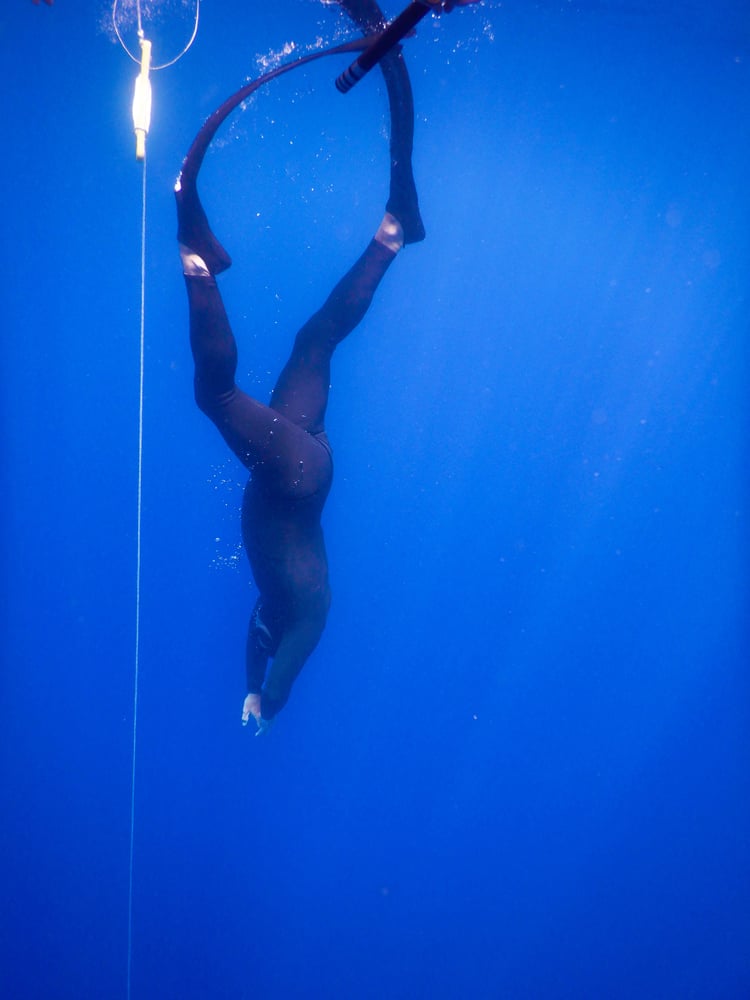
Since 1990, the static apnea world record has been broken more than 20 times. The progression shows no signs of stopping, with each generation of breath-holders building on techniques developed by their predecessors.
Sports physiologists remain unsure where the ultimate human limit lies.
Everyday Applications

The breathing techniques used by professional breath-holders have practical applications for everyone. Learning to control your breath can help manage stress, improve sleep, enhance athletic performance, and even help with certain medical conditions like asthma.
It’s like having a built-in relaxation tool that’s always available, no equipment needed.
Like Go2Tutors’s content? Follow us on MSN.
The Limits of Human Potential

What makes breath-holding records so fascinating is how they reveal the untapped potential within our bodies. Most people struggle to hold their breath for one minute, yet with proper training, the human body can function for over 20 minutes without fresh oxygen.
This extreme adaptability points to capabilities we all possess but rarely develop.
Beyond the Records

The most impressive aspect of breath-holding isn’t just the records themselves but what they teach us about human potential. The same mental discipline, physiological understanding, and incremental training approach can be applied to countless other challenges.
These underwater achievements remind us that many of our perceived limitations exist primarily in our minds, not our bodies. The practice of breath-holding represents one of the purest forms of human self-mastery—the ability to consciously override one’s most basic survival instinct.
From ancient pearl divers to modern-day record holders, this discipline shows how understanding our bodies can lead to achievements that once seemed impossible. Perhaps the true value lies not in how long these athletes can go without breathing, but in what their accomplishments teach the rest of us about transcending our own limitations.
More from Go2Tutors!

- 18 Unexpectedly Valuable Collectibles You Might Have Lying Around
- 15 Things Every Teenager in the ’70s Did That Teens Today Wouldn’t Understand
- 15 Strange Things People Have Tried to Ban (And Failed)
- 15 Inventions That Were Immediately Banned After Being Created
- 20 Actors Who Were Almost Cast in Iconic Roles
Like Go2Tutors’s content? Follow us on MSN.



