17 Places That Have Been Cut Off from the Rest of the World for Centuries
Throughout history, certain communities and locations have remained isolated from mainstream civilization due to geographic barriers, intentional seclusion, or political circumstances. These remote pockets of humanity have developed unique cultures, preserved ancient traditions, and sometimes remained completely untouched by modern influences.
Here is a list of 17 places that have experienced extraordinary isolation from the rest of the world, some maintaining their seclusion for centuries or even millennia.
North Sentinel Island, India
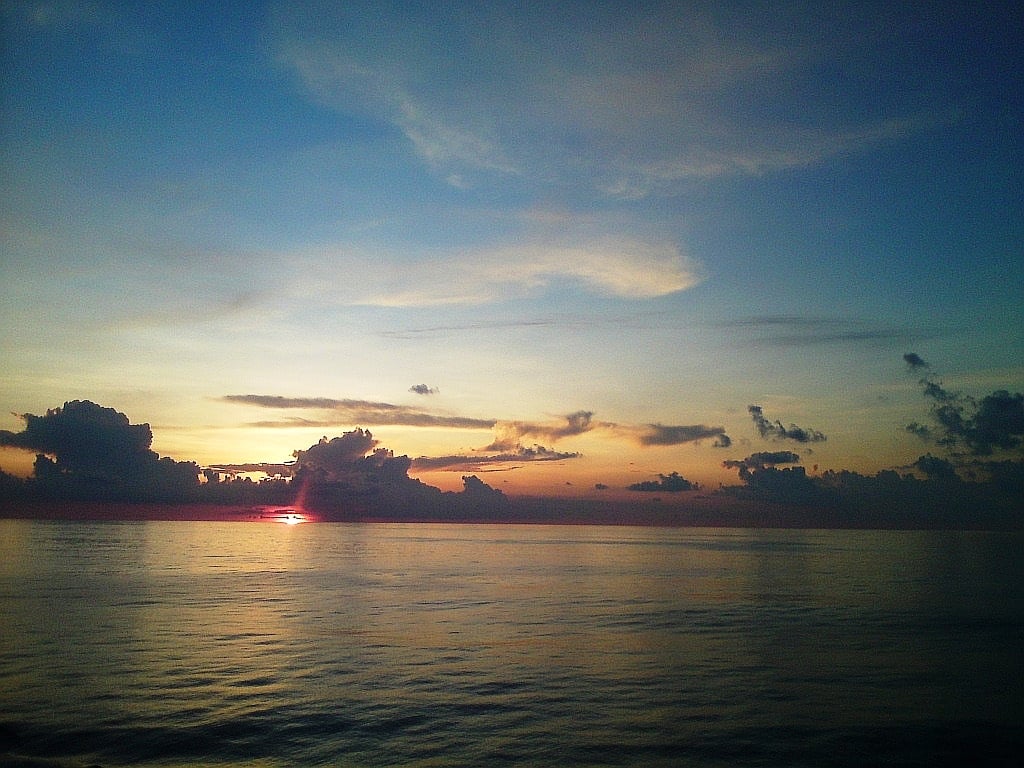
This small island in the Bay of Bengal is home to the Sentinelese people, who have violently rejected contact with outsiders for thousands of years. The Indian government prohibits any approach to the island, maintaining a 3-mile exclusion zone to protect both the tribe and potential visitors.
These indigenous people represent one of the last uncontacted tribes on Earth, living as hunter-gatherers with technology unchanged since the Stone Age.
Mount Athos, Greece

This autonomous monastic state, located on a peninsula in northeastern Greece, has maintained strict isolation since 1046 CE. Only male visitors with special permits can enter, and no women have been allowed for over a thousand years—a prohibition that extends even to female animals except for cats.
The 20 Orthodox monasteries function as a self-governing territory with their own laws, preserving ancient religious practices and housing priceless historical manuscripts and artwork.
Tristan da Cunha

Situated 1,500 miles from the nearest continent, Tristan da Cunha stands as the most remote inhabited island on Earth. The 250 residents of this British Overseas Territory share just seven surnames among them, reflecting their limited founding population from the early 1800s.
Without an airport and accessible only by a six-day boat journey from South Africa, the islanders have developed a completely self-sufficient society where money plays little role in daily life and all land is communally owned.
Gangkhar Puensum, Bhutan

The highest unclimbed mountain in the world remains untouched due to Bhutan’s spiritual beliefs and strict access restrictions. Since 1994, Bhutan has prohibited mountaineering on peaks over 6,000 meters out of respect for local spiritual traditions that consider mountains sacred homes of deities.
This policy has preserved Gangkhar Puensum as one of the few major mountains completely free from human footprints, with its 24,836-foot summit remaining as pristine as it has been for millennia.
Vale do Javari, Brazil
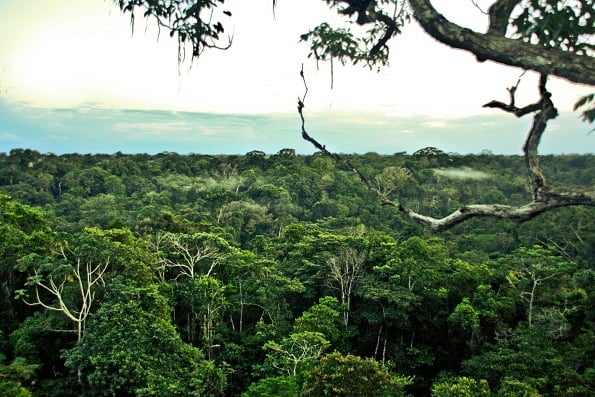
This vast indigenous territory in the Amazon rainforest contains the highest concentration of uncontacted tribes in the world. Spanning an area larger than Austria, the reserve is home to at least 14 isolated indigenous groups who have chosen to avoid interaction with modern civilization.
Brazilian authorities maintain strict protections for this region, though illegal logging, mining, and missionary activities increasingly threaten their isolation and traditional way of life.
Svalbard Global Seed Vault, Norway
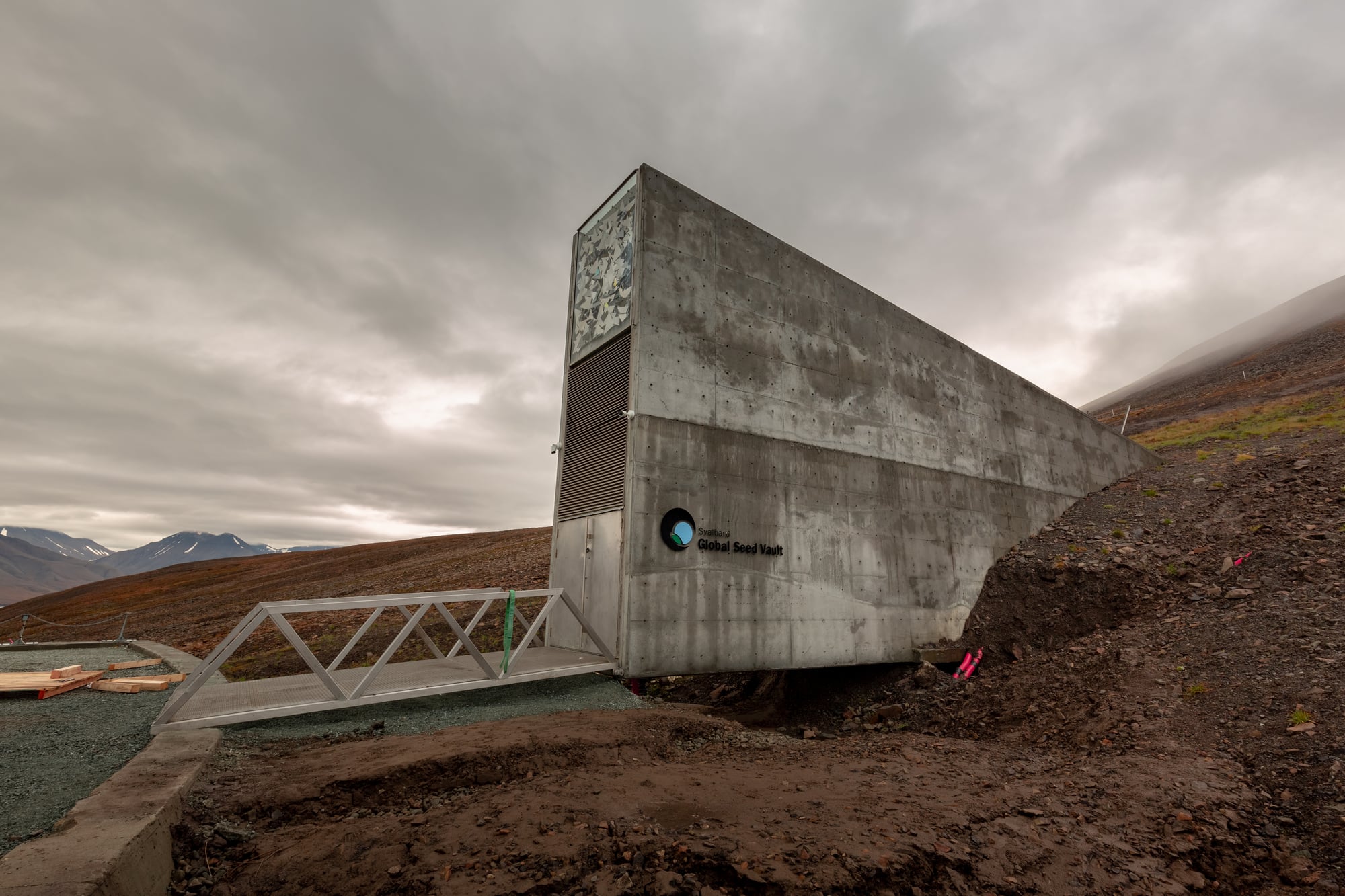
Located on the remote Arctic archipelago of Svalbard, this secured facility exists in nearly complete isolation from human interference. Buried deep inside a frozen mountain, the vault stores over one million seed varieties as insurance against global catastrophe.
Its location was chosen specifically for its remoteness, stable geology, and permafrost conditions that would naturally keep the seeds frozen even if power systems failed.
Palmerston Island, Cook Islands
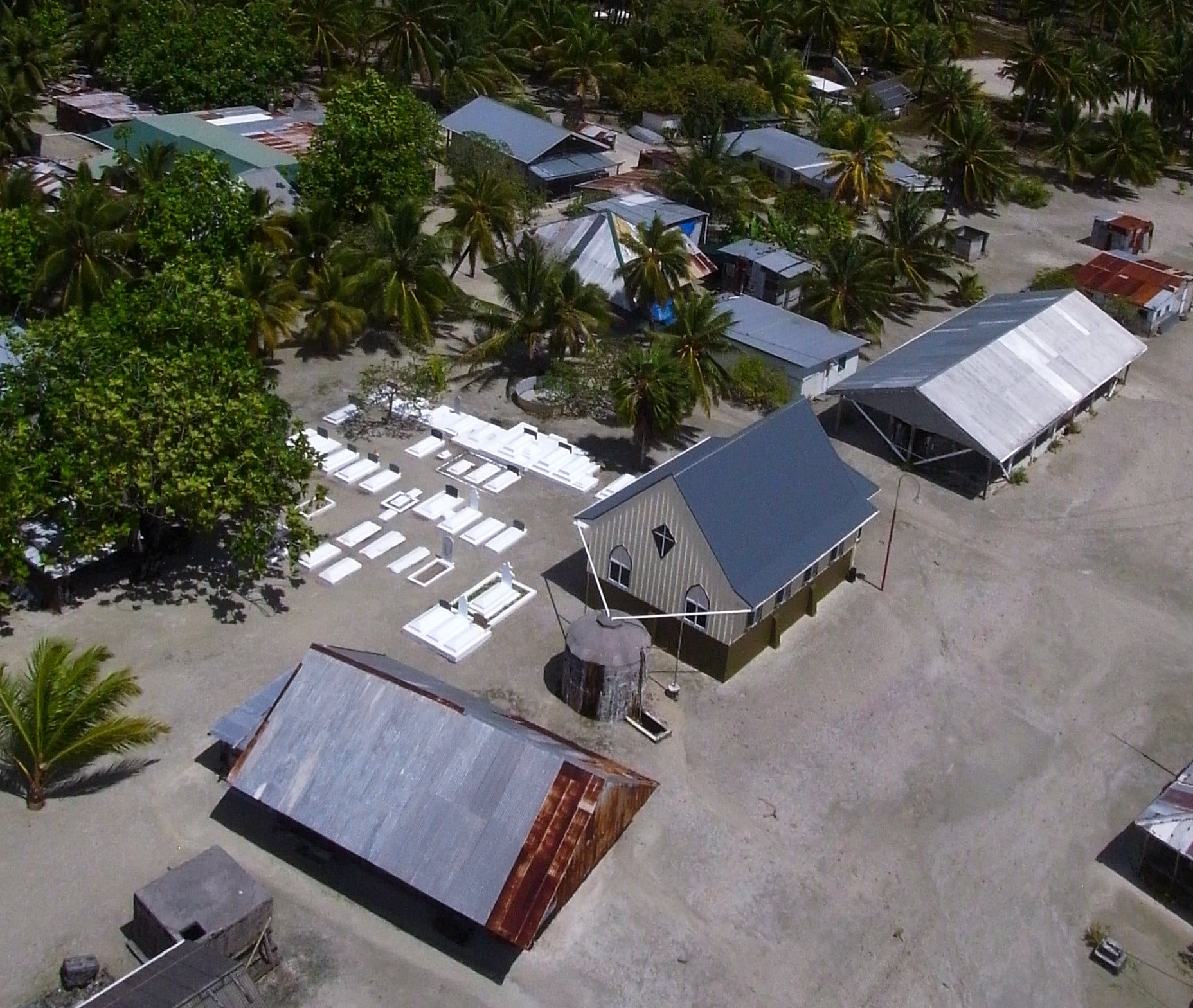
All 35 residents of this tiny Pacific atoll are descendants of one Englishman, William Marsters, who settled there in 1863 with his three wives. The island receives supply ships only a few times per year and lies so far from major shipping lanes that visitors are extremely rare.
Residents speak their own unique dialect of English and maintain a subsistence lifestyle based on fishing and coconut harvesting, with their isolation preserving a Victorian-era social structure established by their common ancestors.
Villages of the Himalayas

Scattered throughout the world’s highest mountain range, dozens of villages remain cut off from modern civilization for much of the year due to extreme weather and terrain. Communities like Nepal’s Upper Mustang and India’s Spiti Valley are inaccessible by road for 6-8 months annually when mountain passes become blocked with snow.
This seasonal isolation has preserved ancient Buddhist cultures, languages, and traditions that have remained largely unchanged since medieval times.
The Republic of Užupis, Lithuania

This self-declared micronation occupies less than one square mile inside Lithuania’s capital, Vilnius, yet maintains deliberate cultural isolation. Established by artists and bohemians in 1997, Užupis operates according to its own constitution and celebrates its independence day annually on April 1st.
Though physically integrated with the surrounding city, the republic cultivates a distinct identity through its alternative lifestyle, artistic focus, and quirky local traditions that separate it from mainstream Lithuanian society.
Pitcairn Islands
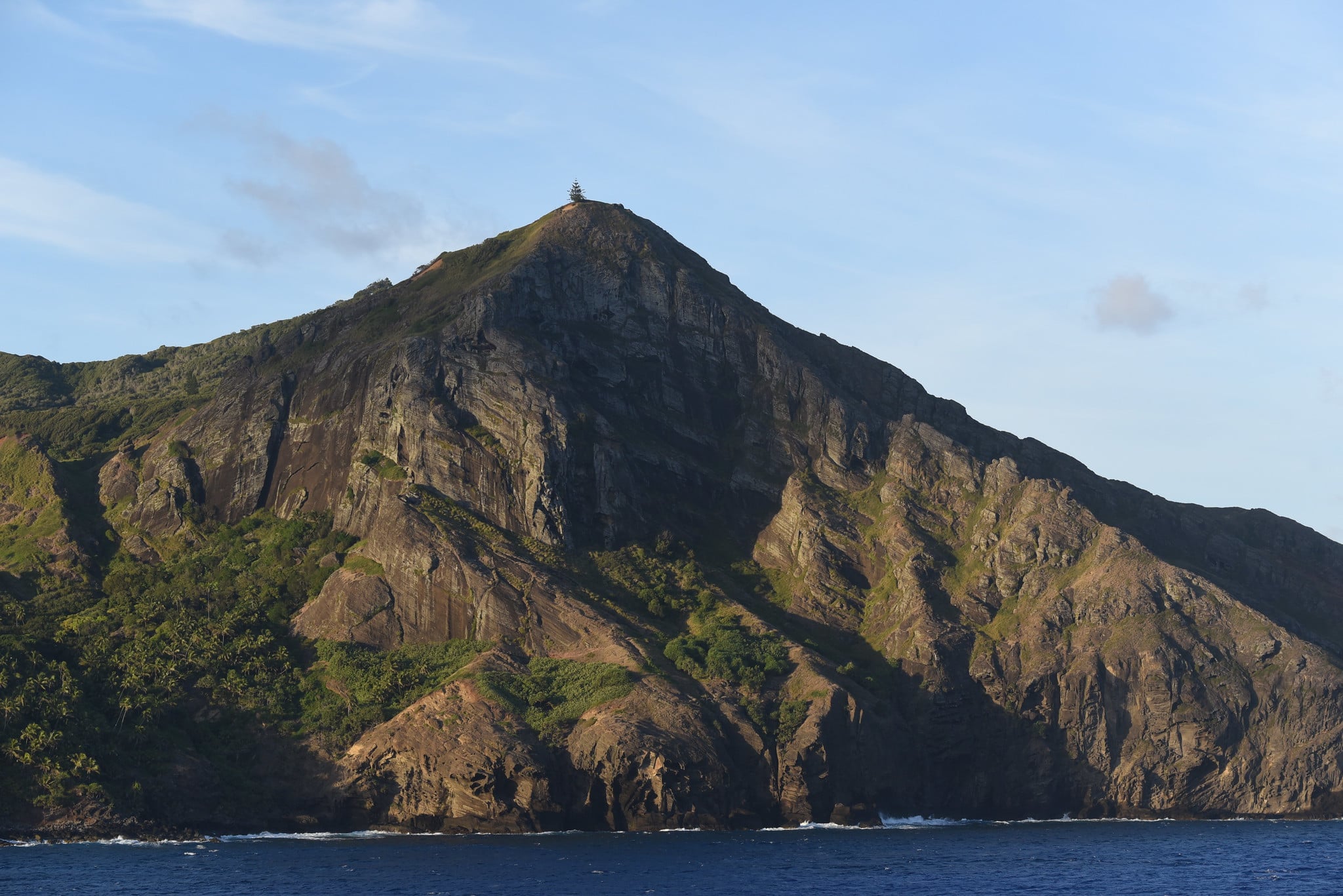
The descendants of the HMS Bounty mutineers and their Tahitian companions have lived in extreme isolation since establishing their colony in 1790. Today, fewer than 50 people inhabit this British territory in the South Pacific, accessible only by occasional shipping vessels as the island lacks an airport or harbor.
The community speaks a unique language combining 18th-century English and Tahitian, maintains its own legal code, and survives largely through subsistence agriculture supplemented by selling stamps and crafts to the outside world.
Supai Village, Arizona
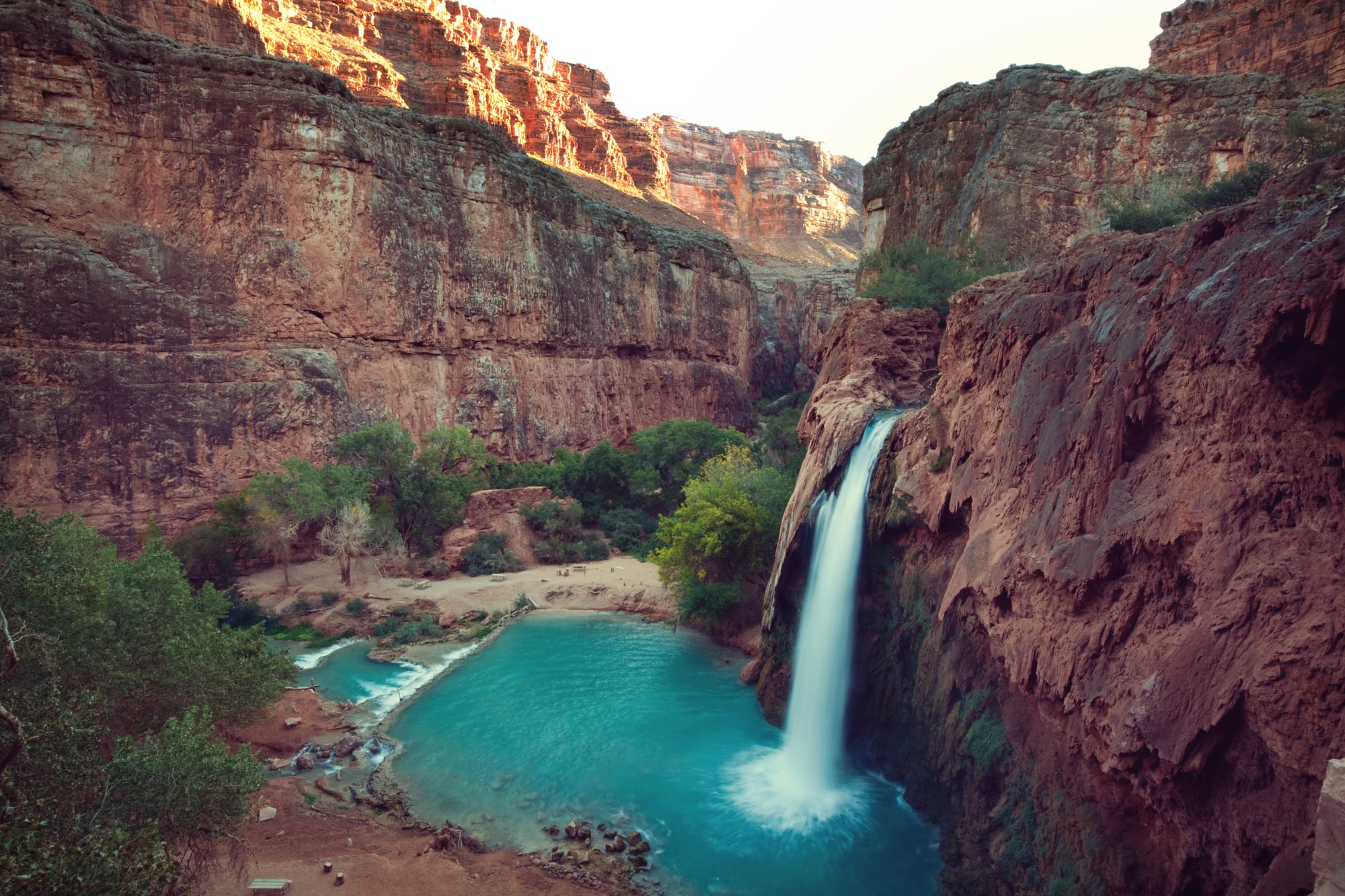
Tucked deep within the Grand Canyon, the Havasupai tribe’s village represents the most isolated community in the continental United States. With no road access, the village can only be reached through an 8-mile hike, mule ride, or helicopter journey.
Mail still arrives by mule train—the last such postal route in America. This geographic isolation has helped the Havasupai preserve their cultural identity, language, and traditional relationship with the land despite centuries of outside pressures on Native American communities.
Oymyakon, Russia

This Siberian village doesn’t just experience physical isolation due to its remote location, but also climatic extremes that further separate it from the outside world. As the coldest permanently inhabited settlement on Earth, Oymyakon regularly experiences winter temperatures below -60°F, creating conditions so harsh that cars cannot be turned off outdoors and conventional agriculture is impossible.
The 500 residents maintain traditions specially adapted to extreme cold, including subsistence practices that have changed little for centuries.
The Faroe Islands

Situated in the turbulent waters of the North Atlantic between Scotland and Iceland, these islands remained largely cut off from European influence until modern times. The harsh ocean conditions historically limited contact to a few months during summer, allowing the Faroese to develop and preserve their distinct language, music, and cultural practices including controversial traditional whale hunts.
Though now connected by air travel, the islands’ 50,000 residents still maintain much of their unique cultural heritage.
Bayan-Ölgii, Mongolia
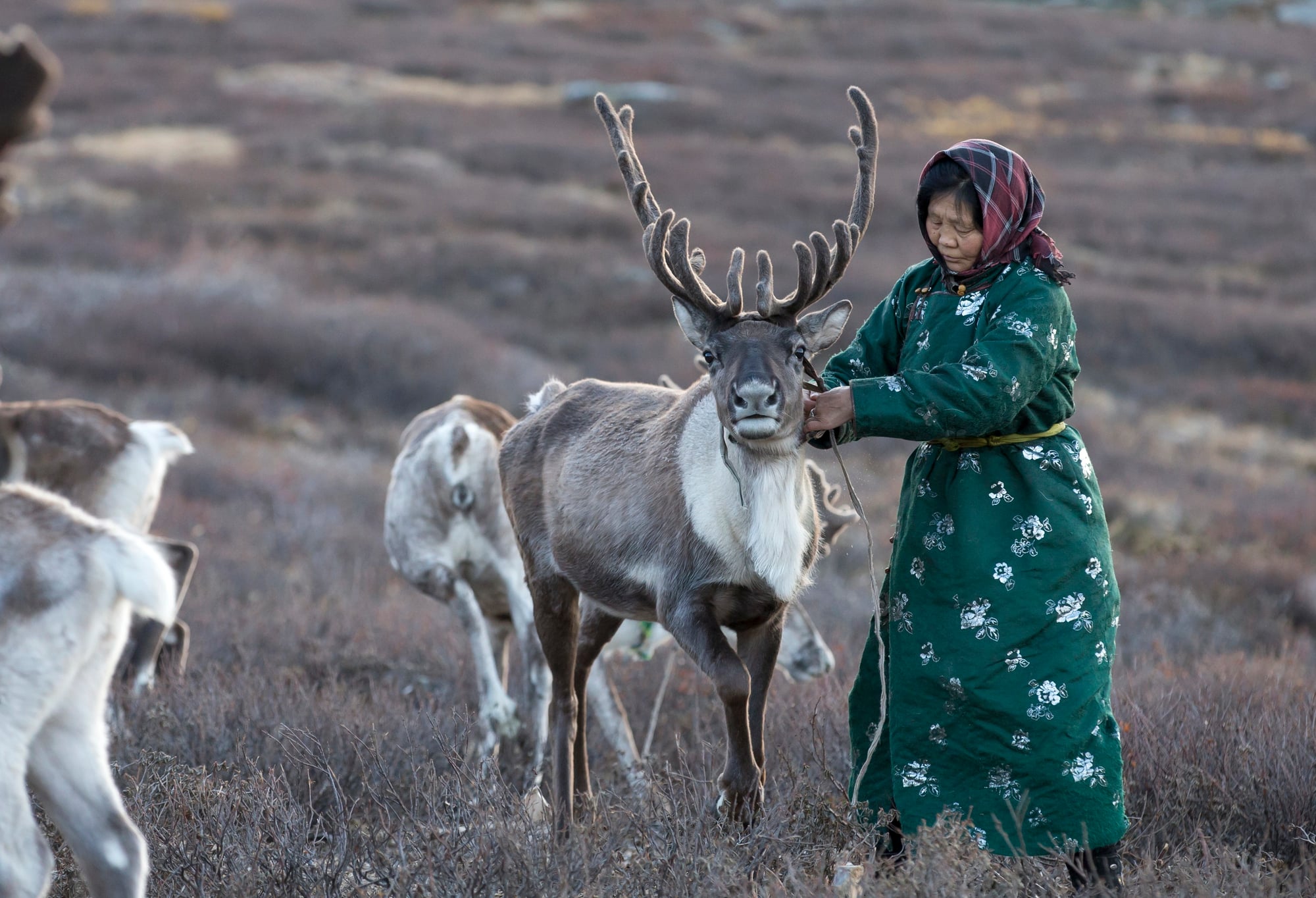
This remote province in western Mongolia is primarily populated by ethnic Kazakhs who have preserved an ancient eagle hunting tradition that is now lost in most of Central Asia. Isolated by the Altai Mountains and some of the world’s most sparsely populated terrain, the region’s extreme continental climate and distance from major population centers have allowed these communities to maintain nomadic lifestyles largely unchanged for centuries, moving with their herds according to seasonal patterns.
Villages of Papua New Guinea’s Highlands

Discovered by Western explorers only in the 1930s, the highland interior of Papua New Guinea remained completely unknown to the outside world until then. Some communities in these densely forested mountains still live days of difficult hiking from the nearest road, with isolation preserving extraordinary linguistic diversity—the country has over 850 distinct languages, many spoken by just a few thousand people.
Traditional tribal structures, animist spiritual practices, and subsistence agriculture continue with minimal outside influence.
Ittoqqortoormiit, Greenland
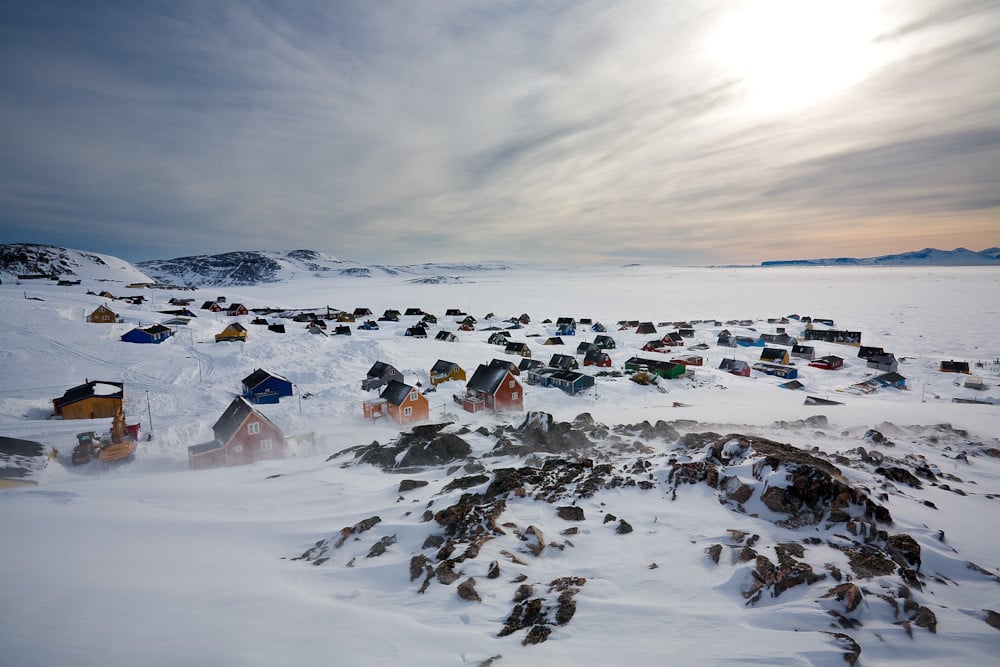
Founded in 1925, this settlement on Greenland’s eastern coast is one of the world’s most remote towns. Home to about 450 people, the community is surrounded by the world’s largest national park and remains ice-bound for nine months of the year.
Residents continue traditional Inuit hunting practices, with polar bears, musk oxs, and seals providing food and materials essential for survival in the harsh Arctic environment, while modern conveniences remain limited by the settlement’s extreme isolation.
Socotra Island, Yemen
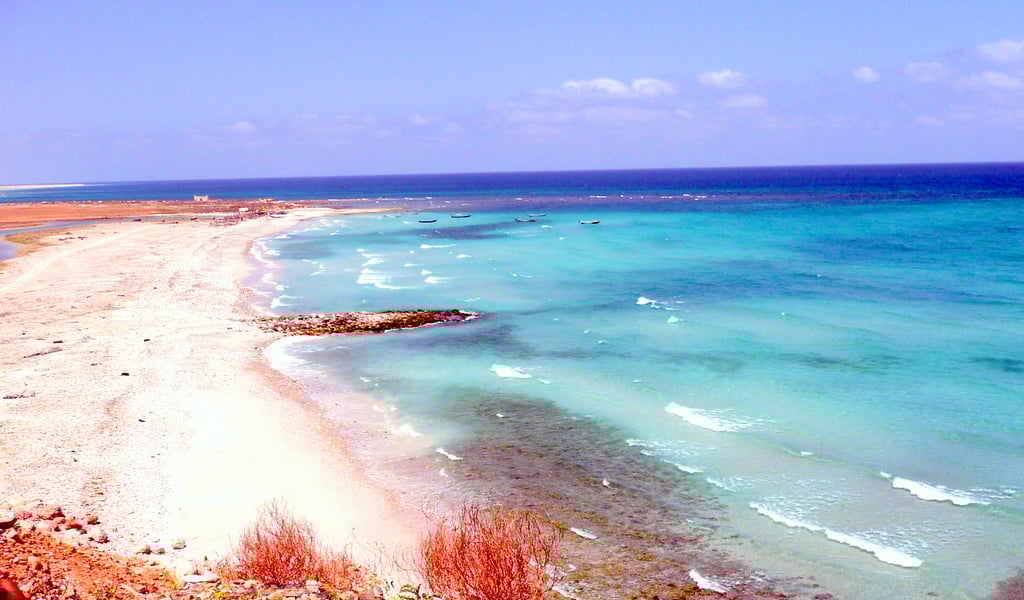
Often called “the most alien-looking place on Earth,” this island in the Arabian Sea has been isolated for at least 20 million years. This separation has resulted in extraordinary endemic species—37% of its plant life exists nowhere else on the planet, including the iconic dragon’s blood trees with their distinctive umbrella-shaped appearance.
The island’s 60,000 inhabitants speak their own Socotri language and have maintained unique cultural traditions despite nominal inclusion in various empires throughout history.
Isolated But Not Forgotten
These extraordinary places demonstrate how geographic barriers, intentional seclusion, or political circumstances can create pockets of humanity that develop along completely different trajectories from mainstream society. While modern technology has connected most of the world through instant communication and efficient transportation, these isolated communities maintain alternative ways of living that provide valuable perspectives on human adaptability and cultural diversity.
As globalization accelerates, these rare windows into different possibilities for human society become increasingly precious, offering insights into both our shared past and potential alternatives to contemporary living arrangements.
More from Go2Tutors!

- The Romanov Crown Jewels and Their Tragic Fate
- 13 Historical Mysteries That Science Still Can’t Solve
- Famous Hoaxes That Fooled the World for Years
- 15 Child Stars with Tragic Adult Lives
- 16 Famous Jewelry Pieces in History
Like Go2Tutors’s content? Follow us on MSN.