Luxury Handbags Through Time
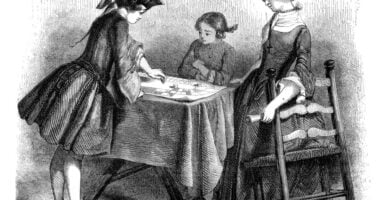
Women used to carry their stuff in pockets sewn into their skirts, or in little pouches tied around their waists. Then fashion changed, dresses got slimmer, and suddenly you needed something to hold your things.
That’s when handbags became a thing—out of necessity, not status. But somewhere along the way, bags stopped being just functional and became symbols of wealth, taste, and sometimes questionable financial decisions.
Let’s trace how we got from practical pouches to bags that cost more than cars.
The Reticule Era

In the late 1700s and early 1800s, women carried small drawstring bags called reticules (or “ridicules,” which tells you what people thought of them). These were tiny, decorative, basically useless for carrying anything substantial.
Empire waist dresses were in fashion—those high-waisted flowing gowns inspired by classical Greece—and they had no pockets. So women needed somewhere to put a handkerchief, maybe some smelling salts, a bit of money.
The reticule was born. They were often embroidered or beaded, more about decoration than function.
Louis Vuitton’s Steamer Bags
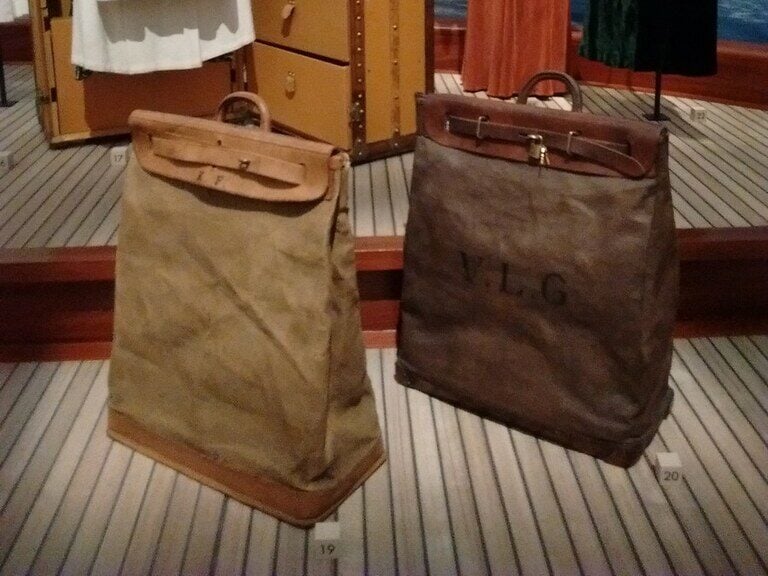
Louis Vuitton started making trunks in Paris in 1854, flat-topped ones that stacked better than the rounded trunks everyone else made (which was actually innovative at the time). The signature monogram canvas came later, in 1896, partly to prevent counterfeiting.
Travel was becoming more accessible to the wealthy, trains and steamships were everywhere, and people needed luggage. Vuitton made bags specifically for steamer travel—smaller pieces that fit inside the larger trunks.
These weren’t handbags in the modern sense, but they laid the groundwork for the brand becoming synonymous with luxury travel goods.
Hermès and the Saddle Connection

Hermès started in 1837 making harnesses and saddles for horses (because that’s what you did in Paris before cars existed). When automobiles started replacing carriages, Hermès pivoted to leather goods and handbags.
Their craftsmanship was already legendary from the saddle-making days, and that carried over. The Kelly bag was actually designed in the 1930s but didn’t have a name until Grace Kelly used one to hide her pregnancy from paparazzi in 1956 (great marketing moment, honestly).
Each Hermès bag takes like 18 hours to make by a single craftsman. The Birkin came later, in 1984, after Jane Birkin complained to an Hermès executive about not being able to find a good weekend bag.
Chanel’s 2.55
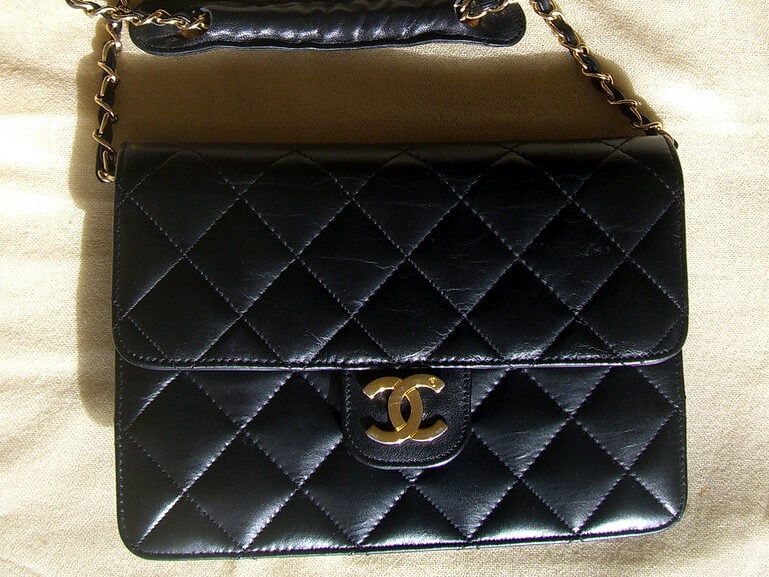
Coco Chanel released the 2.55 in February 1955 (hence the name, very straightforward). Before this, women carried handbags in their hands or over their arms, which was impractical and honestly kind of limiting.
Chanel put a chain strap on hers so women could wear it over their shoulder and have their hands free. Revolutionary? Maybe that’s dramatic, but it changed handbag design.
The quilted leather, the burgundy lining (supposedly the color of the uniforms at the orphanage where Chanel grew up), the back pocket—every detail was intentional. It’s been reissued and reinterpreted constantly, but the original design is still iconic.
The Mid-Century American Brands
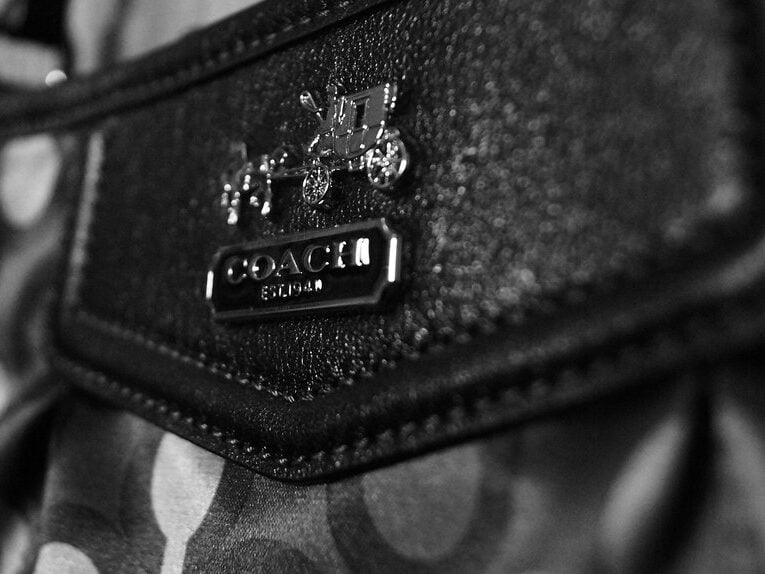
Brands like Coach started in 1941 in a Manhattan loft, making simple leather wallets and billfolds. They used baseball glove leather because it was durable and got better with age.
Their bags were practical, well-made, not flashy. It was a very American approach—quality without the European luxury mystique. Coach stayed relatively affordable for decades before it pivoted to being more fashion-forward in the 2000s.
Gucci’s Bamboo Bag
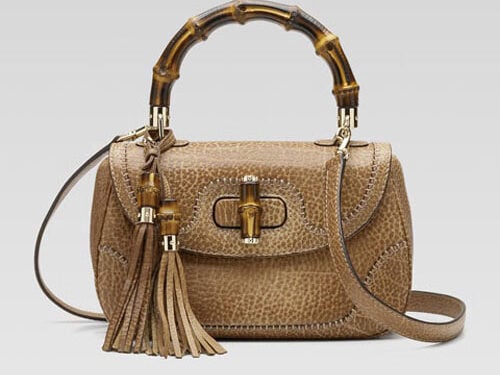
During World War II, leather was scarce in Italy because of rationing. Gucci started using bamboo for bag handles in 1947 because they could get it and it was distinctive (necessity breeds innovation, or whatever).
The bamboo handle became a signature, and the bag itself—called the Bamboo—is still in production. It’s one of those designs that shouldn’t work but does. Bamboo and leather.
It’s random but it became synonymous with the brand.
The Status Symbol Shift

Somewhere in the latter half of the 20th century, handbags stopped being just accessories and became status symbols. You could tell someone’s wealth or aspirations by their bag.
A Hermès Birkin wasn’t just a bag—it was a signal. The waitlists, the scarcity, the prices that climbed into the tens of thousands.
It was as much about exclusivity as it was about the bag itself. And brands realized they could charge more if they made fewer, which is counterintuitive but works perfectly when you’re selling luxury.
Fendi’s Baguette

The Baguette launched in 1997, designed by Silvia Venturini Fendi. It’s called a Baguette because you carry it under your arm like a loaf of French bread (cute, slightly pretentious).
The bag became huge in the late 90s and early 2000s, particularly after it appeared constantly in a series (there’s even an episode where Carrie gets mugged and yells “It’s a Baguette!” when the thief calls it “a bag”). It came in hundreds of variations—different fabrics, embellishments, and sizes.
Fendi made it collectible, which drove sales.
Dior’s Lady Dior

Originally called Chouchou when it launched in 1995, it was renamed Lady Dior after Princess Diana was photographed carrying it repeatedly (seeing a pattern here with celebrities and handbag names?). The quilted leather and the hanging letter charms that spell DIOR are the signature details.
It’s structured, elegant, very much a “lady who lunches” kind of bag. Dior has released countless versions—different sizes, colors, materials—but the basic design hasn’t changed much because it doesn’t need to.
The It Bag Phenomenon

The late 90s and 2000s were the era of the “It Bag”—that one bag everyone had to have that season, the Balenciaga Motorcycle bag, the Chloé Paddington, the Marc Jacobs Stam. Fashion magazines and celebrities drove the hype, and people bought bags not because they needed them but because they were culturally relevant at that exact moment.
The cycle moved fast. A bag could be essential one season and dated the next.
It was exhausting and expensive, and brands loved it.
The Birkin Waitlist Legend
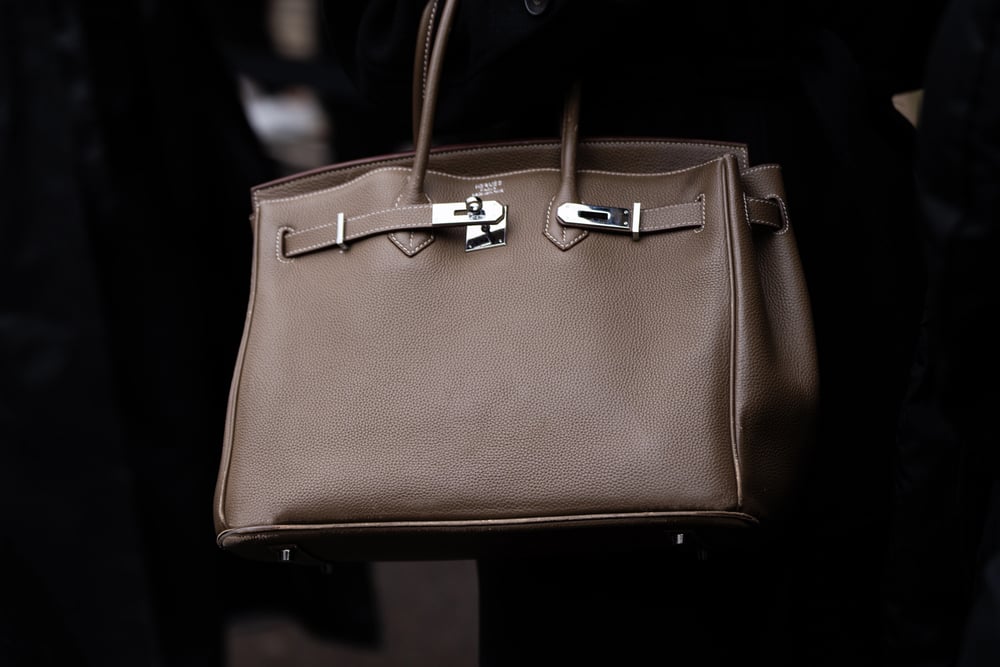
The Hermès Birkin has a mythology around it that’s probably half true and half marketing. The waitlists, the idea that you have to “build a relationship” with the brand before they’ll sell you one, the stories of people spending years trying to get their hands on one.
A basic Birkin starts around $10,000, but rare colors or exotic skins can go for hundreds of thousands at auction. It’s genuinely well-made—the leather, the craftsmanship, the hardware.
But at a certain price point, you’re not paying for quality anymore, you’re paying for scarcity and status.
Prada’s Nylon Moment

Miuccia Prada introduced nylon bags in 1984, which was bizarre because nylon was associated with cheap, utilitarian items, not luxury. But she made it work—black nylon with the Prada logo, simple and minimalist.
It became a huge seller and showed that luxury didn’t have to mean traditional materials. The nylon backpack, the shoulder bag, the tote—they were everywhere in the 90s.
Prada has reissued them repeatedly, usually when minimalism comes back into fashion (which it does cyclically).
Louis Vuitton’s Monogram Takeover
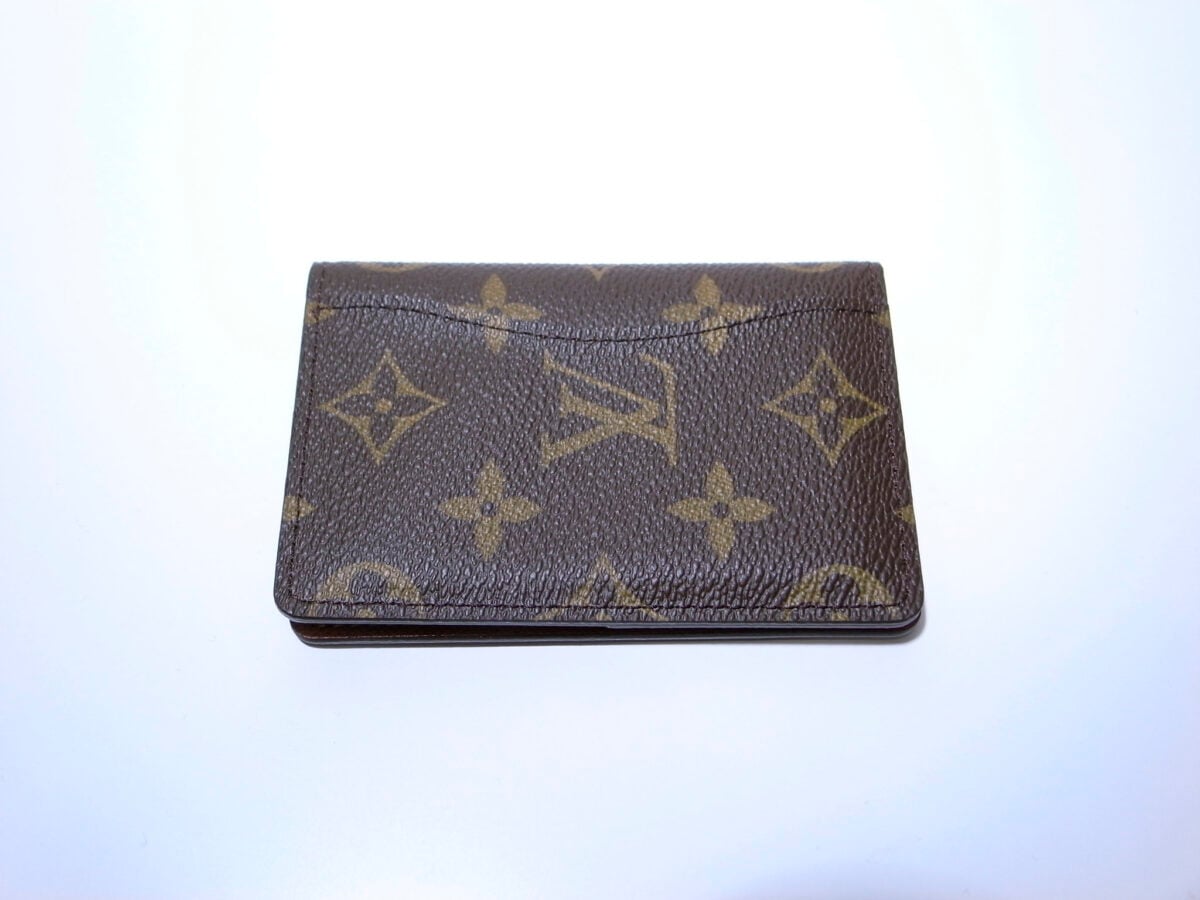
The LV monogram became one of the most recognized patterns in the world, and also one of the most counterfeited (which Louis Vuitton fights constantly through lawsuits and authentication programs). In the 2000s, the brand collaborated with artists like Takashi Murakami and Stephen Sprouse, creating colorful, playful versions of the classic monogram.
It kept the brand relevant to younger buyers while maintaining that heritage appeal. The Speedy, the Neverfull, the Alma—these are bags that have been around for decades but still sell because the monogram is that recognizable.
The Resale Market Explosion
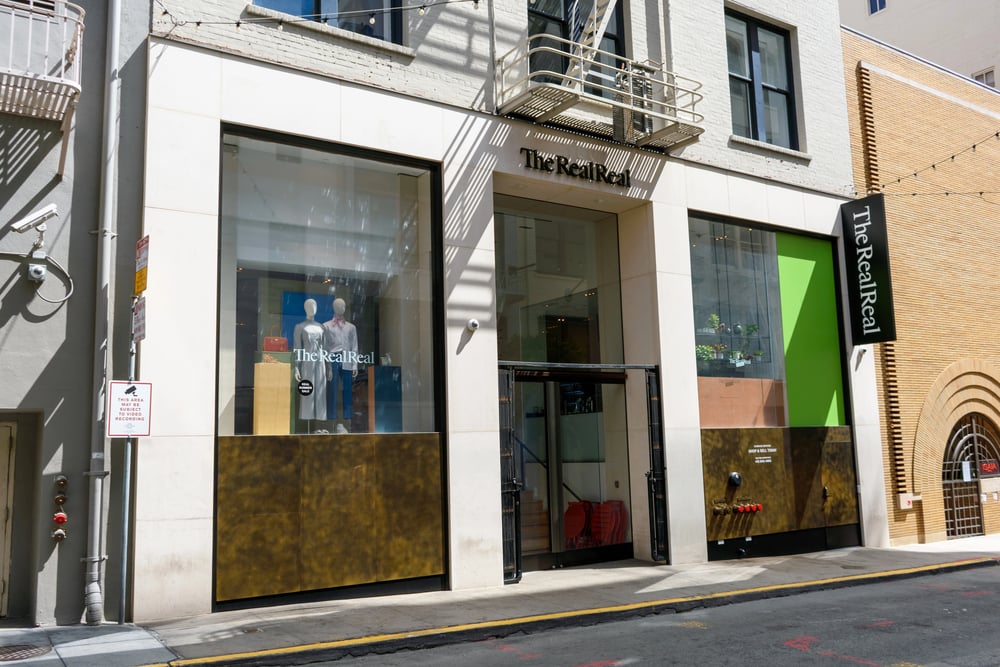
Luxury handbags started being treated like investments, platforms like Vestiaire Collective and The RealReal made it easy to buy and sell pre-owned bags, and suddenly there was a whole secondary market. Some bags—especially limited editions or discontinued styles—appreciate in value.
A Hermès Birkin in a rare color can sell for more than its original retail price. People started buying bags not just to use them but to flip them. It’s turned luxury fashion into something weirdly close to stock trading.
The Quilted Leather and Chain Straps Legacy

You see quilted leather and chain straps everywhere now—on bags at every price point, from luxury to fast fashion. That design language comes directly from Chanel and has been copied, reinterpreted, and knocked off for decades.
It’s shorthand for “classic luxury,” even when the bag itself is neither classic nor luxurious. Chanel’s influence on handbag design is impossible to overstate, which is probably why they’re so aggressive about protecting their trademarks and suing anyone who gets too close to their aesthetic.
Carrying the Weight of It All

We started with women just wanting a spot for their hankie – now there are purses priced like homes, with lines stretching out years ahead. Bags aren’t only for holding things anymore; they shout who you are, where you stand, who you fit in with – or if you’re playing the resale game. These little items we tote around come packed with a message and motive.
Yeah, honestly? It feels kinda wild when you pause on it (come on – it’s still just a container), yet that’s exactly how fancy fashion rolls.
Value sticks because folks say it does – and everyone keeps nodding along together. As for the actual handbags? Most look stunning, built with real care.
Yet it’s the tales we share, the meaning they hold – this is what truly makes them popular.
More from Go2Tutors!

- The Romanov Crown Jewels and Their Tragic Fate
- 13 Historical Mysteries That Science Still Can’t Solve
- Famous Hoaxes That Fooled the World for Years
- 15 Child Stars with Tragic Adult Lives
- 16 Famous Jewelry Pieces in History
Like Go2Tutors’s content? Follow us on MSN.