Countries That Drive On the Left Side
Driving on the left side of the road might seem backwards to most Americans, but for about 35% of the world’s population, it’s just normal life. These countries didn’t wake up one day and randomly decide to be different.
There’s actually some interesting history behind why certain nations stick to the left while others cruise on the right. So where exactly will you find yourself sitting in the right-hand driver’s seat and hugging the left lane?
United Kingdom

The Brits are probably the most famous left-side drivers on the planet. This tradition goes way back to medieval times when knights on horseback needed to keep their right hand (the sword hand for most people) free to greet or defend against oncoming riders.
That practical choice stuck around through the centuries, and when cars showed up, the UK just kept doing what they’d always done. Today, driving through London or the countryside means navigating roundabouts that spin clockwise and overtaking on the right, which feels completely natural to locals but can scramble an American tourist’s brain pretty quickly.
Japan
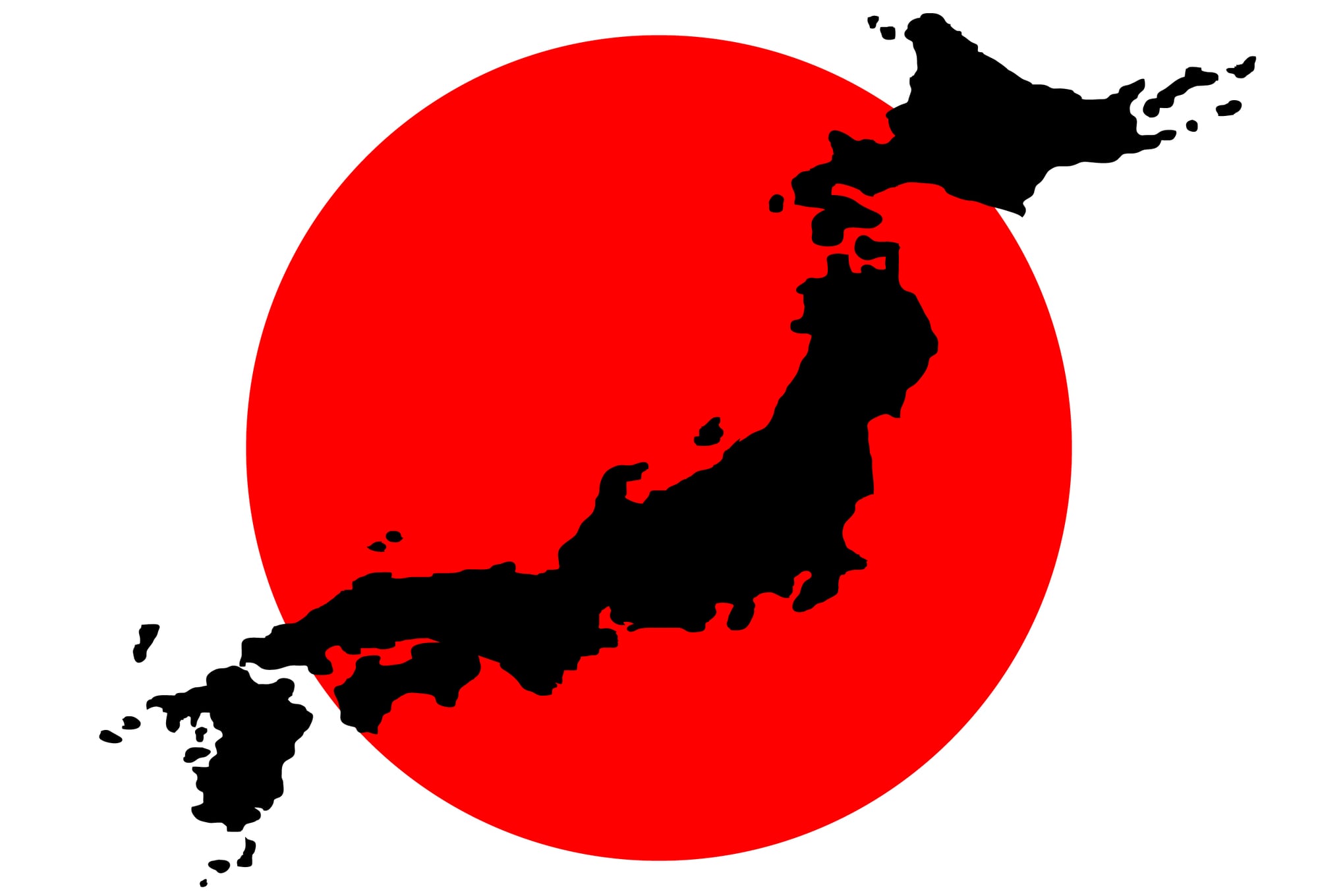
Japan never got colonized by Western powers, so they got to make their own choices about a lot of things, including which side of the road to use. They picked the left sometime in the late 1800s, possibly influenced by British railway engineers who helped build their train system.
The decision made sense because samurai traditionally walked on the left side of the road to avoid their sword scabbards clashing with others. Modern Japanese streets are narrow and crowded, especially in cities like Tokyo, which makes the whole left-side driving experience even more intense for visitors who aren’t used to it.
Australia

Australians inherited the left-side driving tradition from their British colonial past and never saw a good reason to change it. The country is massive, and switching everyone over would cost billions of dollars and probably cause chaos on the highways.
Aussies are so used to it that right-hand drive vehicles are the only ones legally allowed to be manufactured or imported for normal use. Driving through the Outback on the left side of empty roads stretching for hundreds of miles feels as natural to them as driving on the right does to Americans.
India

With over a billion people, India represents the biggest chunk of left-side drivers in the world. The British Raj left its mark on many aspects of Indian life, and road rules were definitely one of them.
Indian traffic is famously chaotic, with cars, trucks, motorcycles, bicycles, and even cows all sharing the same roads, but everyone somehow manages to stick to the left. The driving style might look wild to outsiders, but there’s actually a method to the madness that locals understand perfectly well.
South Africa

South Africa drives on the left, another holdover from British colonial influence that spread across much of the continent. The country makes both left-hand drive and right-hand drive vehicles, but only the right-hand drive ones are legal for the roads.
This creates an interesting situation at border crossings with neighboring countries, some of which drive on the right. Signs near borders remind drivers to switch sides, and there are special transition zones to help people adjust without causing accidents.
Thailand
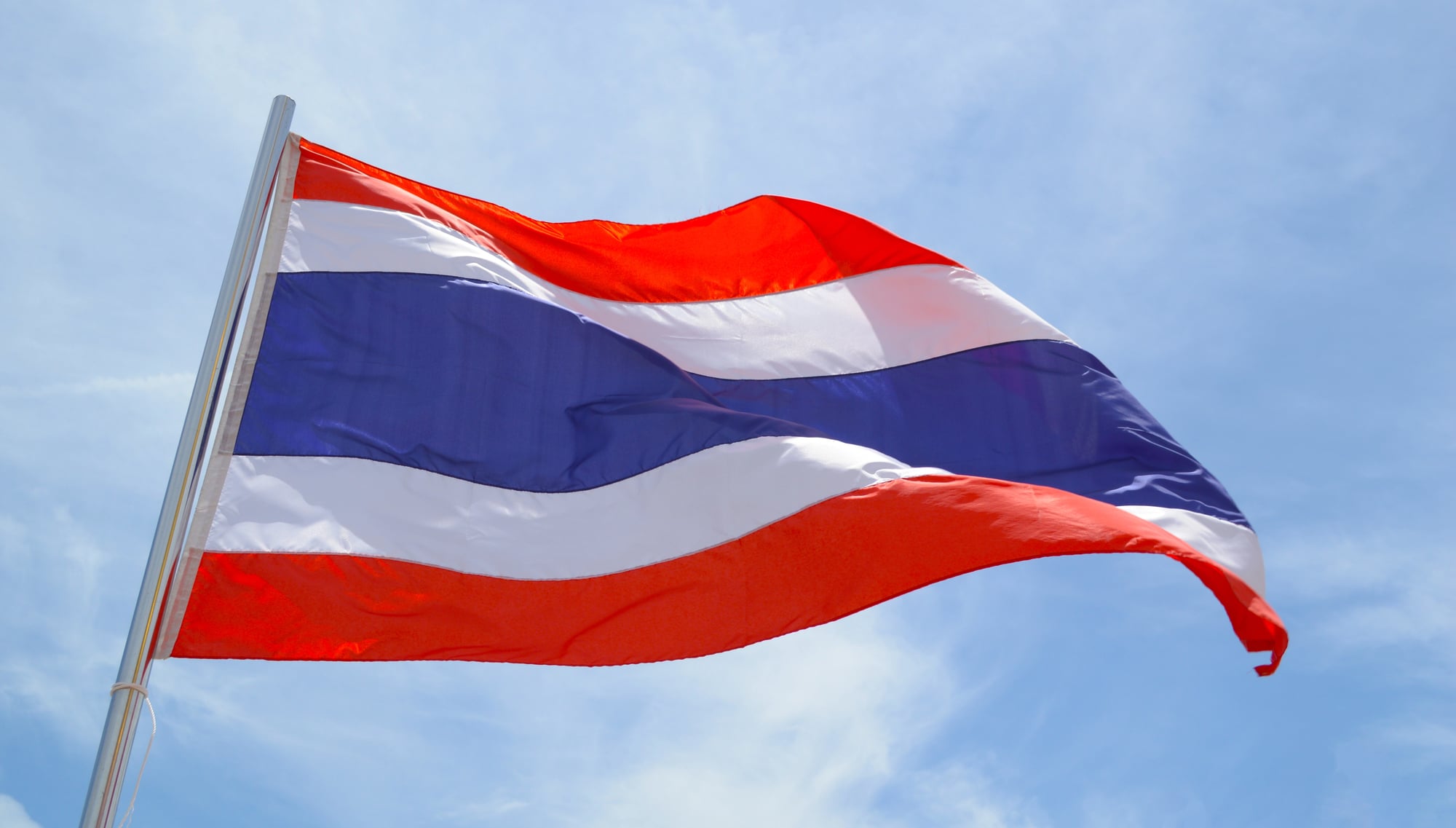
Thailand stands out in Southeast Asia because it’s one of the few countries in the region that drives on the left. The kingdom was never colonized, so this was actually a deliberate choice made by the government.
Some historians think King Rama V decided on left-side driving after visiting British colonies and seeing their system. The choice works fine for Thailand, though it does create some confusion at borders with countries like Laos and Cambodia where people drive on the right.
New Zealand

Kiwis drive on the left just like their Australian neighbors across the Tasman Sea. The country’s beautiful but winding mountain roads become even trickier for tourists who aren’t used to being on the left side.
Rental car companies actually have special orientation sessions for American and European visitors because the accident rate for confused tourists used to be pretty high. These days, most rental cars have bright stickers on the dashboard reminding drivers which side of the road they should be on.
Indonesia
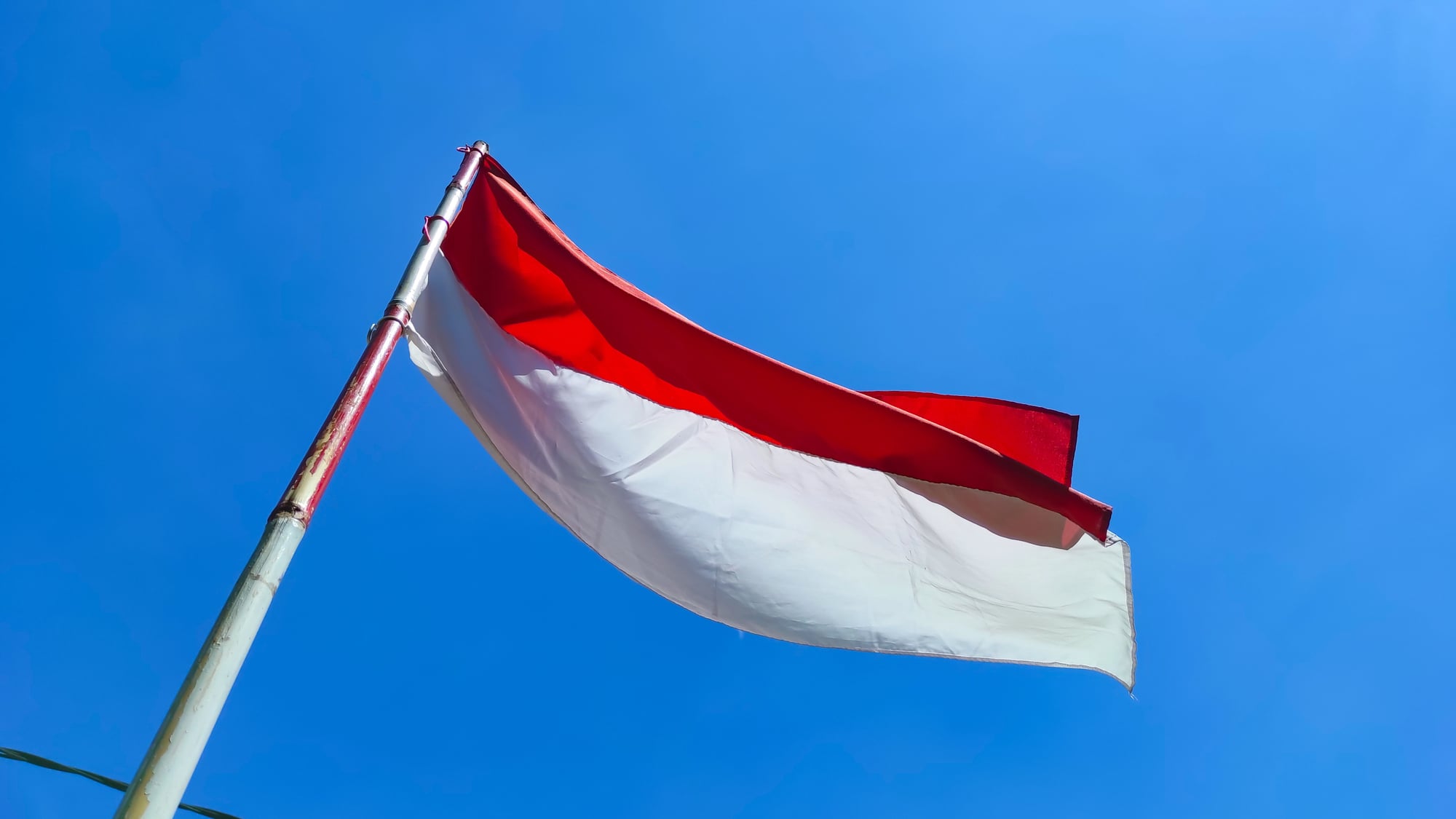
Indonesia is the world’s fourth most populous country, which means millions of people navigate the left side of the road every single day. The Dutch colonized Indonesia for centuries, but ironically, the Netherlands drives on the right.
Indonesia stuck with left-side driving anyway, possibly because of British influence in the region or just because that’s how things had been done. Traffic in Jakarta and other big cities is notoriously congested, with motorcycles weaving between cars on both sides regardless of which side is technically correct.
Ireland

The Irish drive on the left, and before 1922, they didn’t have much choice since they were part of the United Kingdom. After independence, they considered switching to match most of Europe but decided the cost and hassle weren’t worth it.
The border with Northern Ireland (which is still part of the UK) stays seamless because both sides use the same system. Ireland’s narrow country roads, some barely wide enough for one car, become even more challenging when you add in the left-side driving that throws off many visitors.
Malaysia

Malaysia drives on the left thanks to British colonial history, and it’s actually one of the world’s biggest producers of right-hand drive cars. The country shares a border with Thailand (also left-side) but is surrounded by water otherwise, so there aren’t many awkward border crossings.
Kuala Lumpur has modern highways where left-side driving works smoothly, though the mix of cars, motorcycles, and occasional pedestrians keeps things interesting.
Singapore
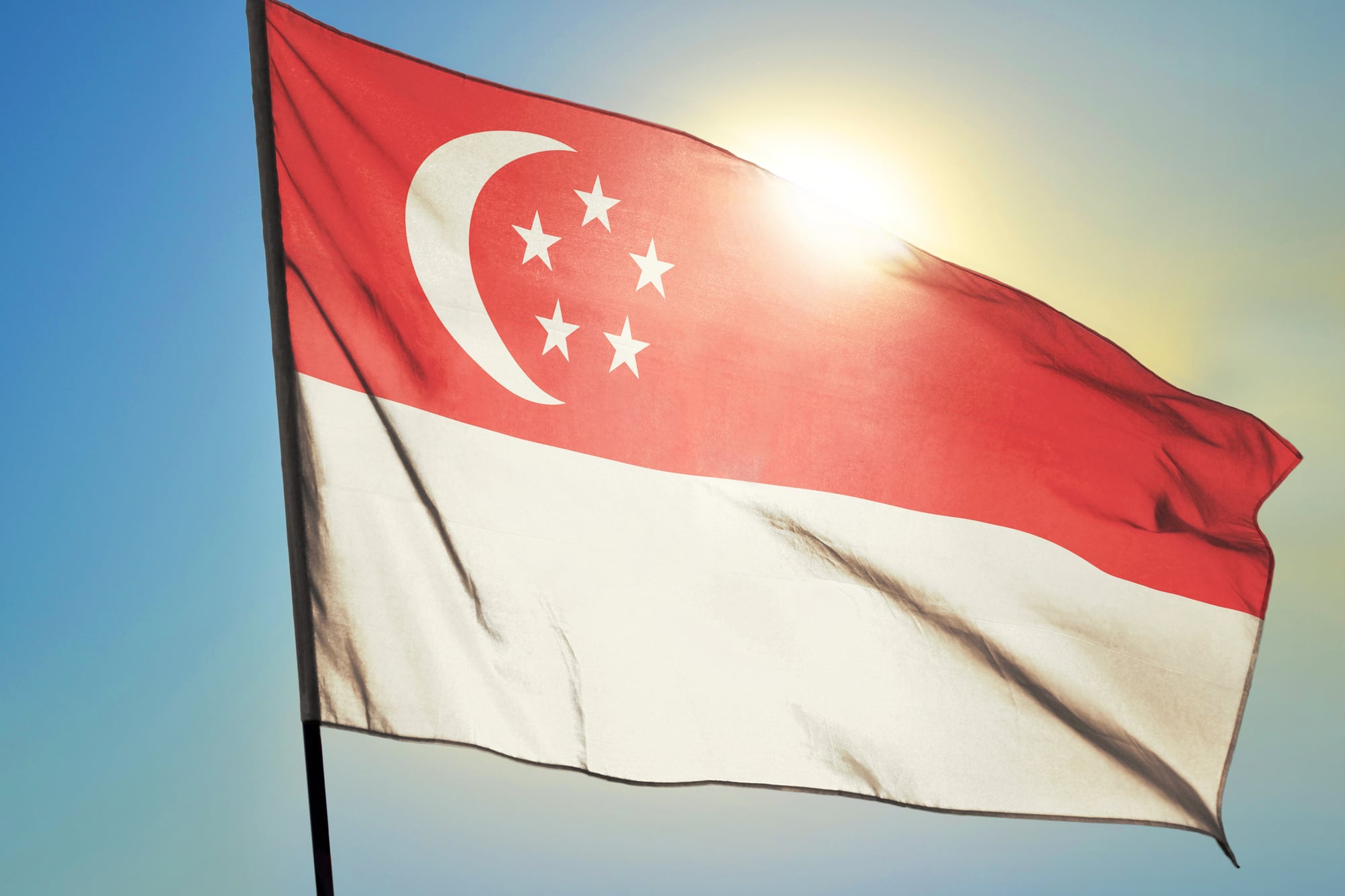
This tiny island nation drives on the left and takes its traffic rules incredibly seriously. Singapore has some of the strictest driving laws on the planet, with massive fines for violations and even jail time for serious offenses.
The left-side system works efficiently here because everything in Singapore tends to be well-organized and orderly. Cars are expensive because of high taxes, so many residents rely on the excellent public transportation system instead, which also runs on the left side principle for buses and trains.
Kenya
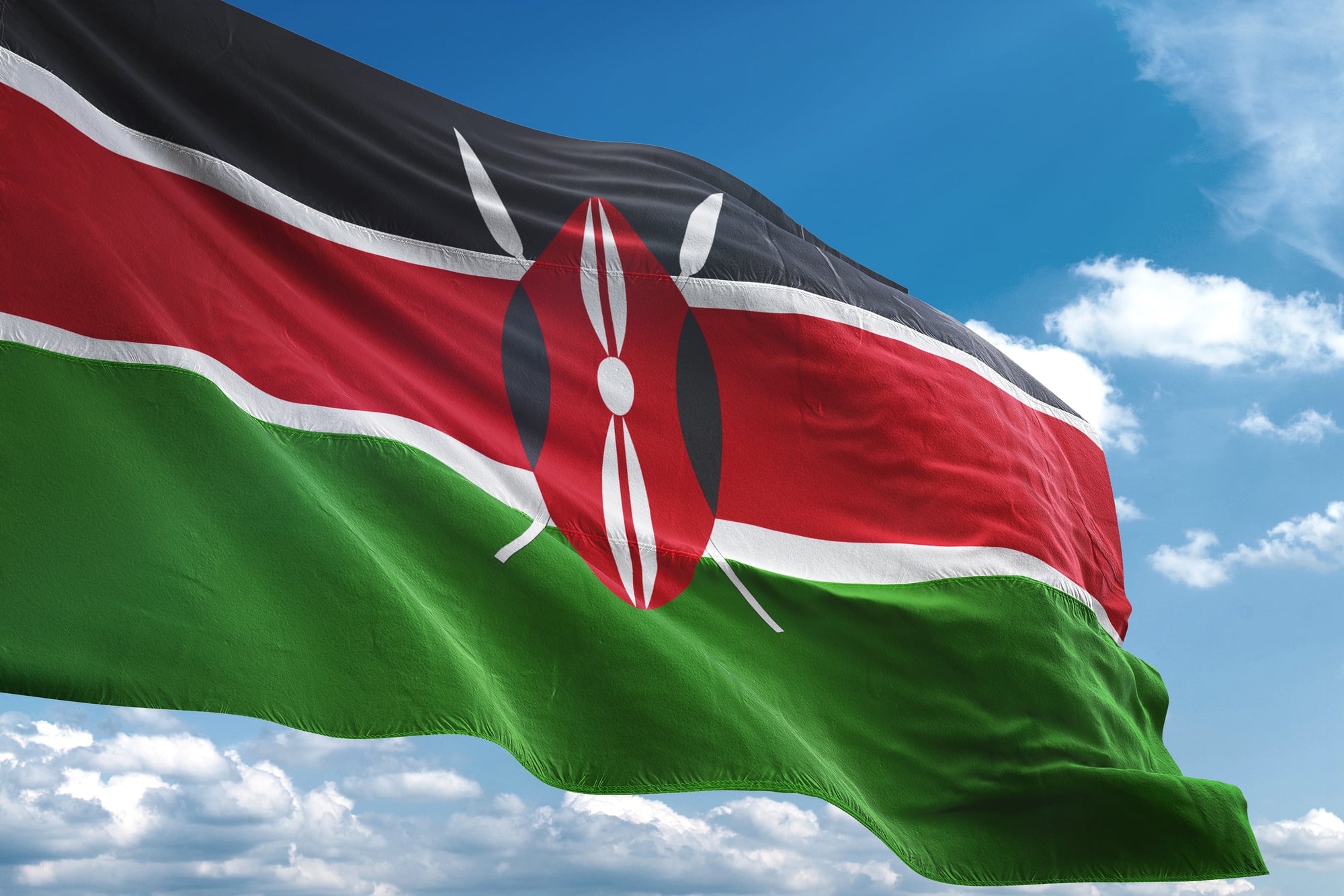
Kenya drives on the left, a practice inherited from decades of British colonial rule. The country’s roads range from modern highways in Nairobi to rough dirt tracks in rural areas where the concept of lanes becomes pretty meaningless.
Matatus (minibus taxis) dominate the roads and have a reputation for creative interpretation of traffic rules, though they still technically stick to the left. Game reserves present unique driving challenges where keeping to any particular side matters less than watching out for elephants and lions crossing the road.
Cyprus

Cyprus is the only European Union country that drives on the left, which creates an interesting quirk for a nation that’s technically in Europe. British colonial influence explains the choice, and the UK still maintains military bases on the island.
Tourists from other EU countries sometimes struggle with the adjustment, especially when renting cars at the airport. The northern part of Cyprus (which Turkey controls) also drives on the left, making it one of the few things both sides of the divided island agree on.
Jamaica
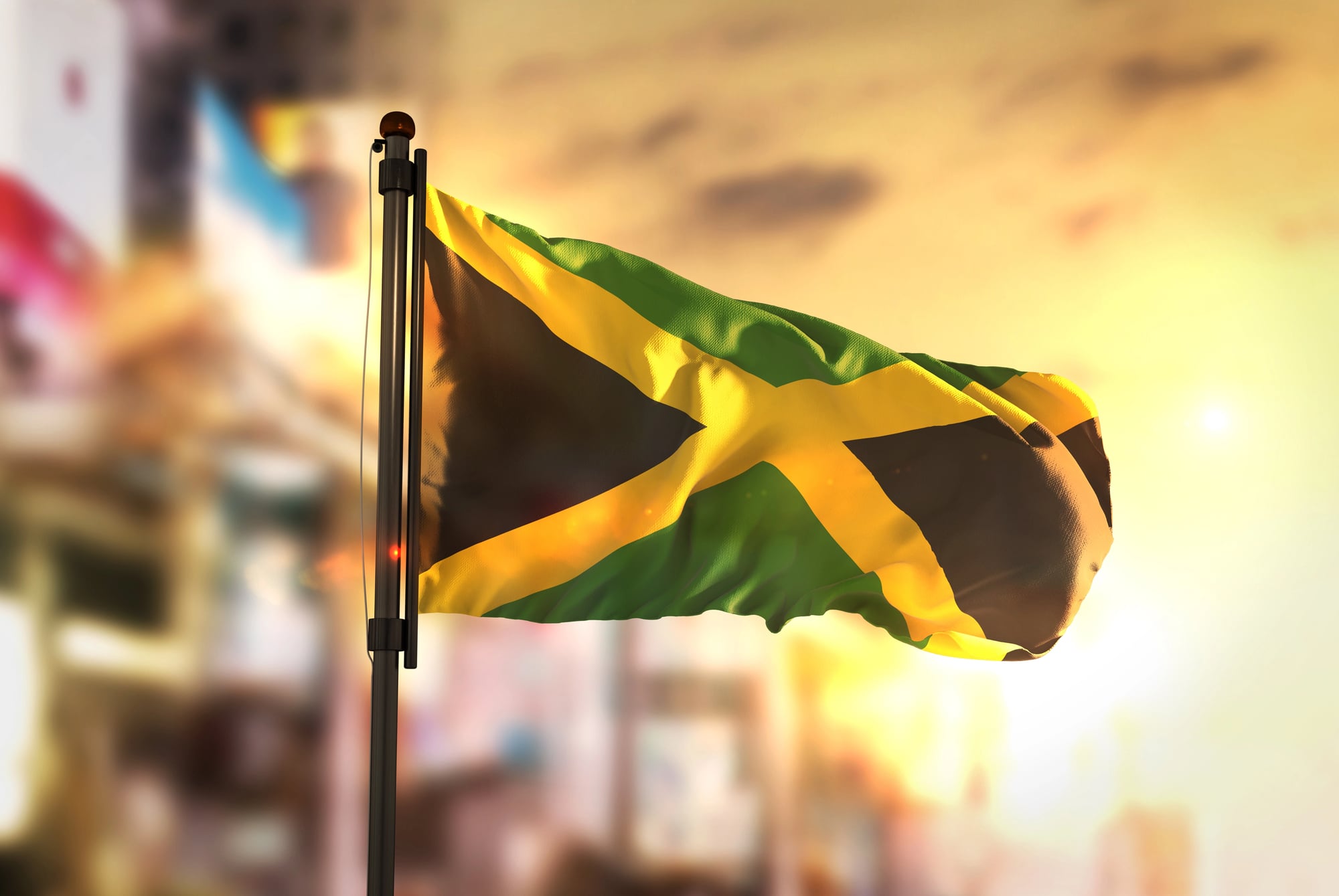
Jamaicans drive on the left, keeping the British tradition alive in the Caribbean. The island’s roads can be challenging, with steep hills, tight curves, and occasional potholes that require careful navigation.
Route taxis (shared minibuses) are a common sight, and their drivers have mastered the art of picking up passengers while barely slowing down, all while staying on the left. Tourist areas have signs reminding visitors which side to drive on, because confused rental car drivers can cause problems pretty quickly.
Barbados

This small Caribbean island nation drives on the left and takes pride in its British heritage. The roads are generally well-maintained compared to other Caribbean islands, and traffic moves at a relaxed pace that matches the island’s laid-back vibe.
Roundabouts are common, and they work exactly like the ones in Britain, spinning clockwise. American tourists often choose taxis over rental cars because adjusting to left-side driving on vacation doesn’t appeal to everyone, especially when rum punch is involved.
Bangladesh

Bangladesh drives on the left in traffic conditions that can only be described as organized chaos. The streets are packed with cars, buses, rickshaws, and pedestrians all competing for space, but somehow everyone knows to keep left.
British colonial rule established this pattern, and it stuck even after independence. Dhaka’s traffic jams are legendary, with commutes that can take hours to travel just a few miles, all while navigating the left side of roads that weren’t designed for this many vehicles.
Malta
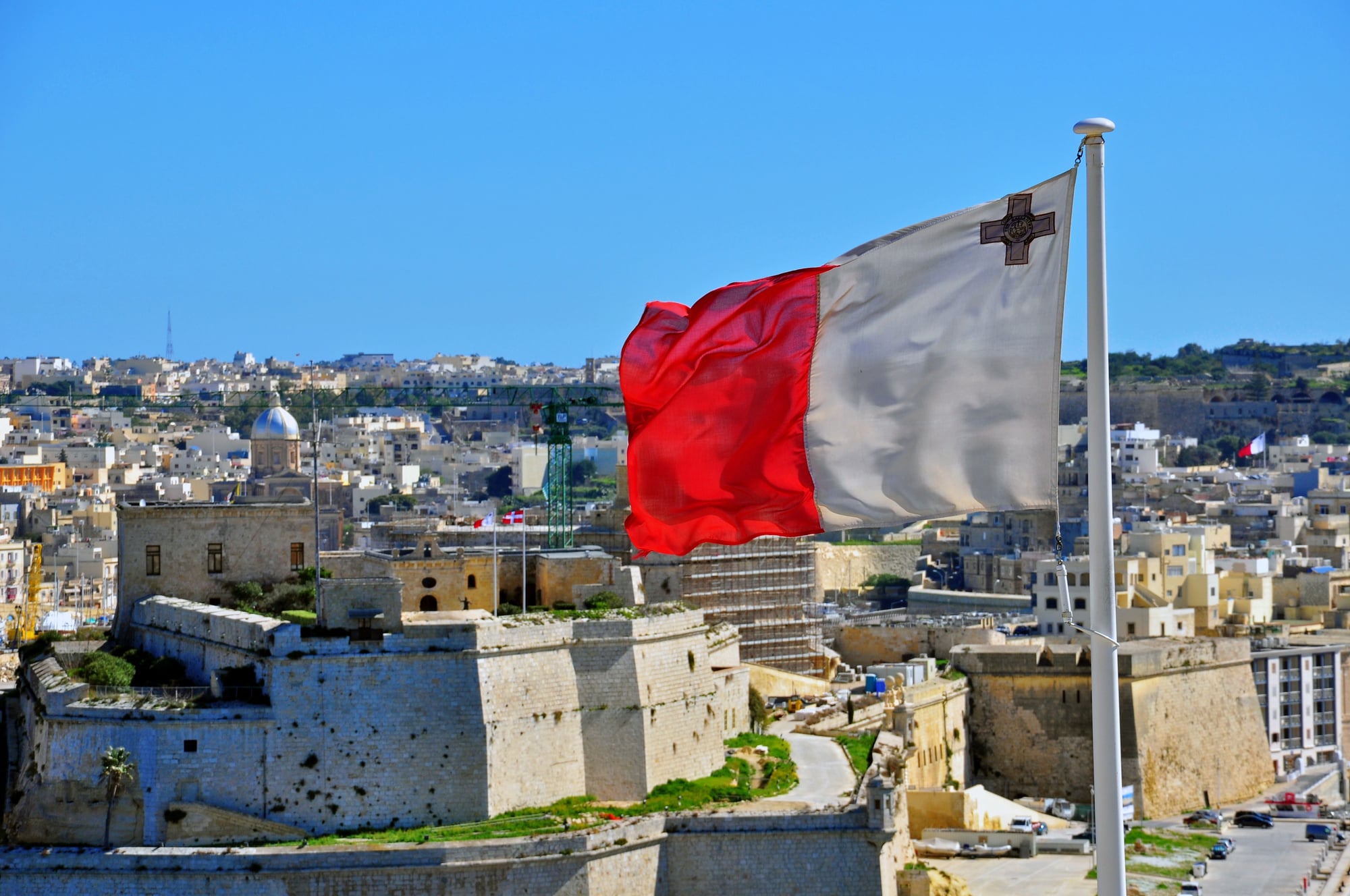
In Malta, people steer on the left because of old ties to Britain. This little island stretches just 17 miles end to end.
Go too fast, and you’ll hit the sea before expecting it. Paths between towns twist like ancient foot trails – built long before engines existed.
Many choose buses instead of cars. Those bright vintage models used to race down alleys barely wide enough, hugging the left edge all the while.
Now newer versions run most routes, yet locals still recall how those painted coaches danced through gaps.
Pakistan
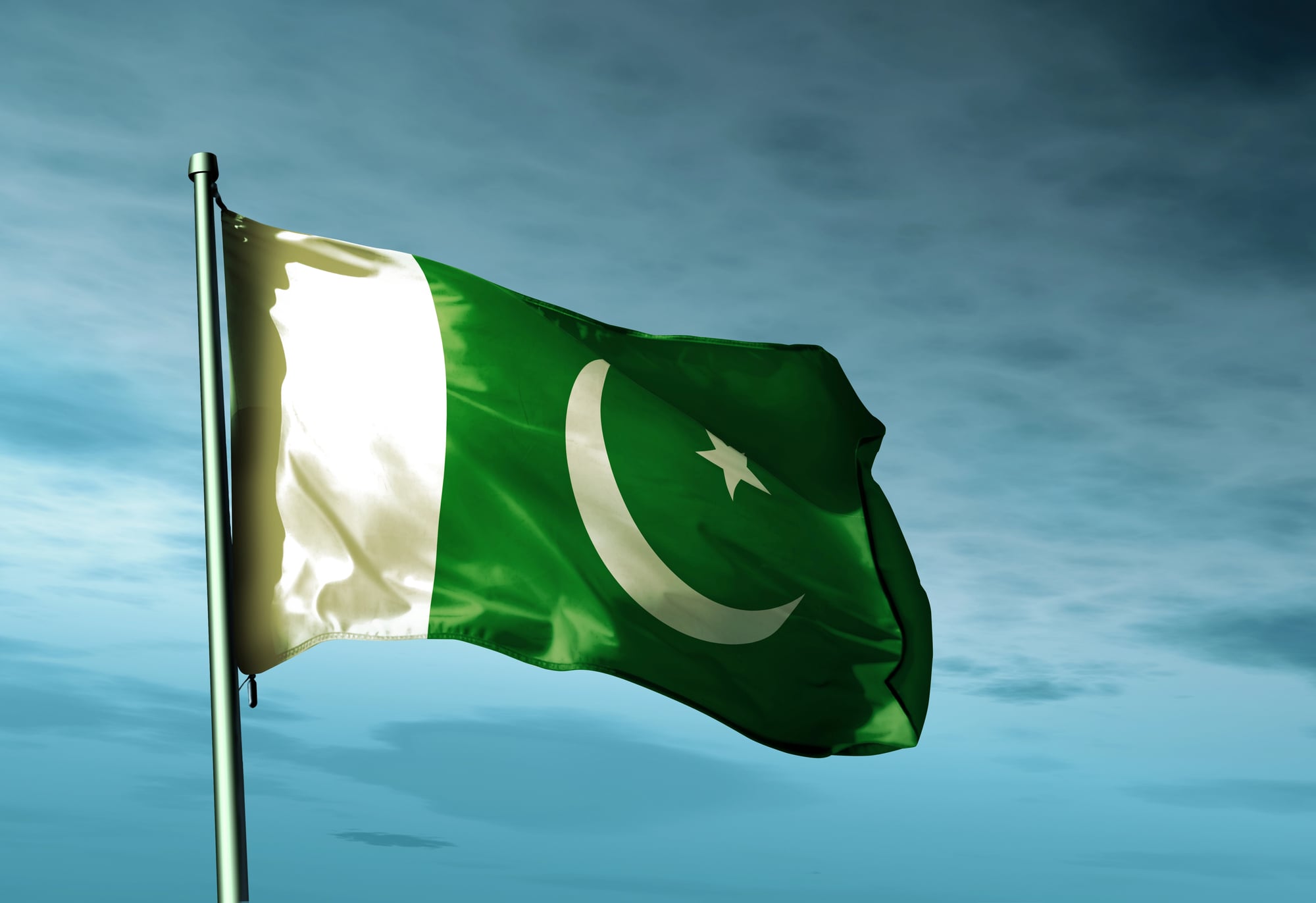
Left-side driving in Pakistan comes from its time under British control before independence in 1947. Tough road conditions stretch across the landscape, whether scaling steep northern mountains or moving through packed city lanes in Lahore and Karachi.
Colorful artwork covers many trucks, hand-painted by drivers who turn long hauls into mobile galleries. Official regulations are written down, yet daily habits often bend them – still, keeping to the left stays common.
This is where everything now connects
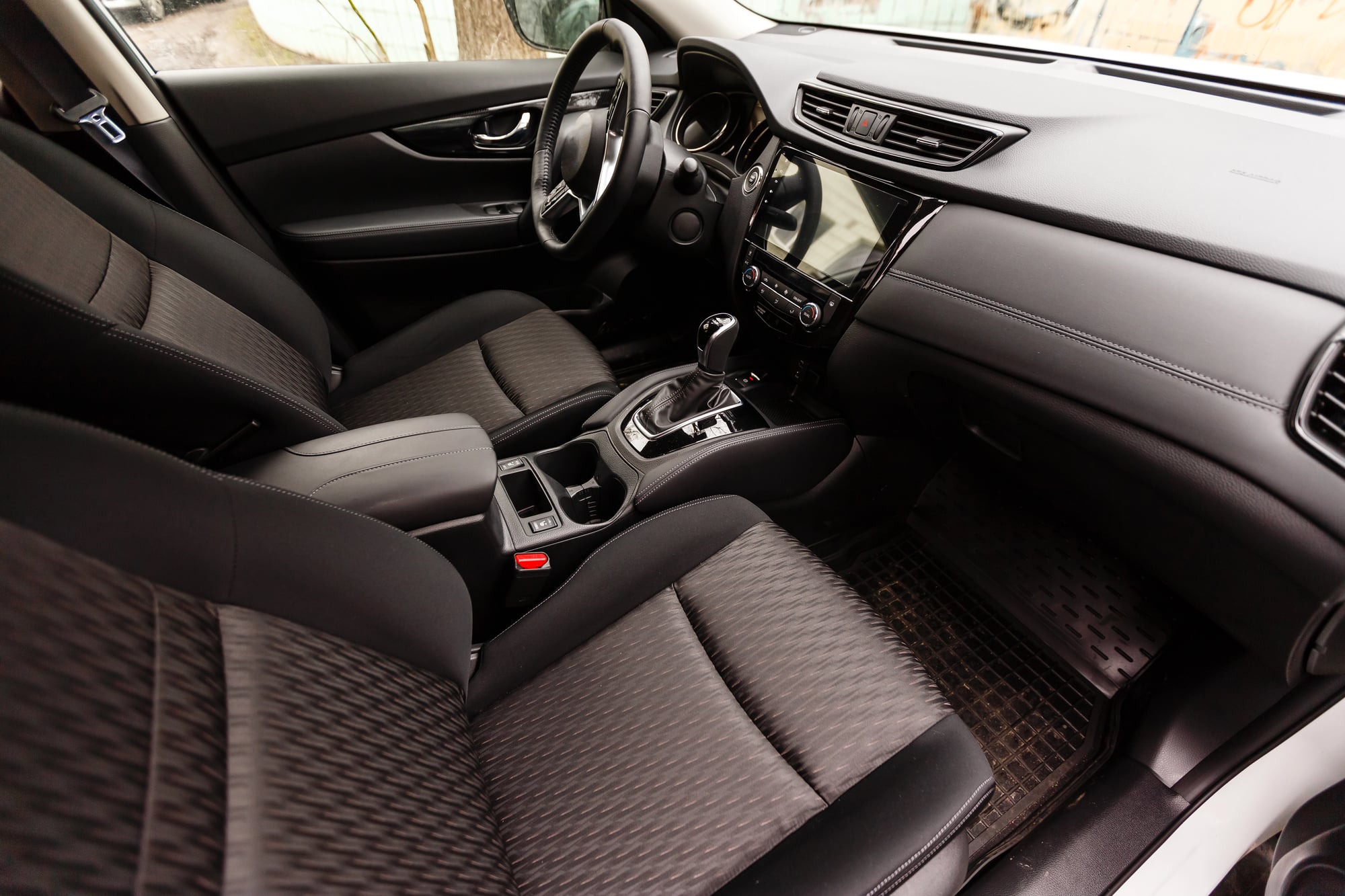
Most places where traffic keeps to the left show no sign of shifting, even though few others do. Shifting would demand enormous spending, updating or scrapping countless cars, while chaos during transition might raise deadly risks.
Roads there – from off-ramps to multi-level car parks – were shaped by decades of left-hand flow. A habit born from old riding customs or imperial rule now runs so deep that swerving into another lane feels normal, almost invisible, day after day.
More from Go2Tutors!

- The Romanov Crown Jewels and Their Tragic Fate
- 13 Historical Mysteries That Science Still Can’t Solve
- Famous Hoaxes That Fooled the World for Years
- 15 Child Stars with Tragic Adult Lives
- 16 Famous Jewelry Pieces in History
Like Go2Tutors’s content? Follow us on MSN