Mascots That Were Retired for Controversial Reasons
Mascots are supposed to bring joy and excitement. They pump up crowds, pose for photos with kids, and become the face of teams and brands.
But sometimes those fuzzy suits and painted faces carry baggage that organizations eventually can’t ignore. Some mascots started out as harmless fun but aged poorly as social awareness evolved.
Others were questionable from the start, products of eras that didn’t question the implications of their imagery. When companies and teams finally retire these characters, it’s usually because keeping them around became more trouble than they were worth.
Chief Wahoo
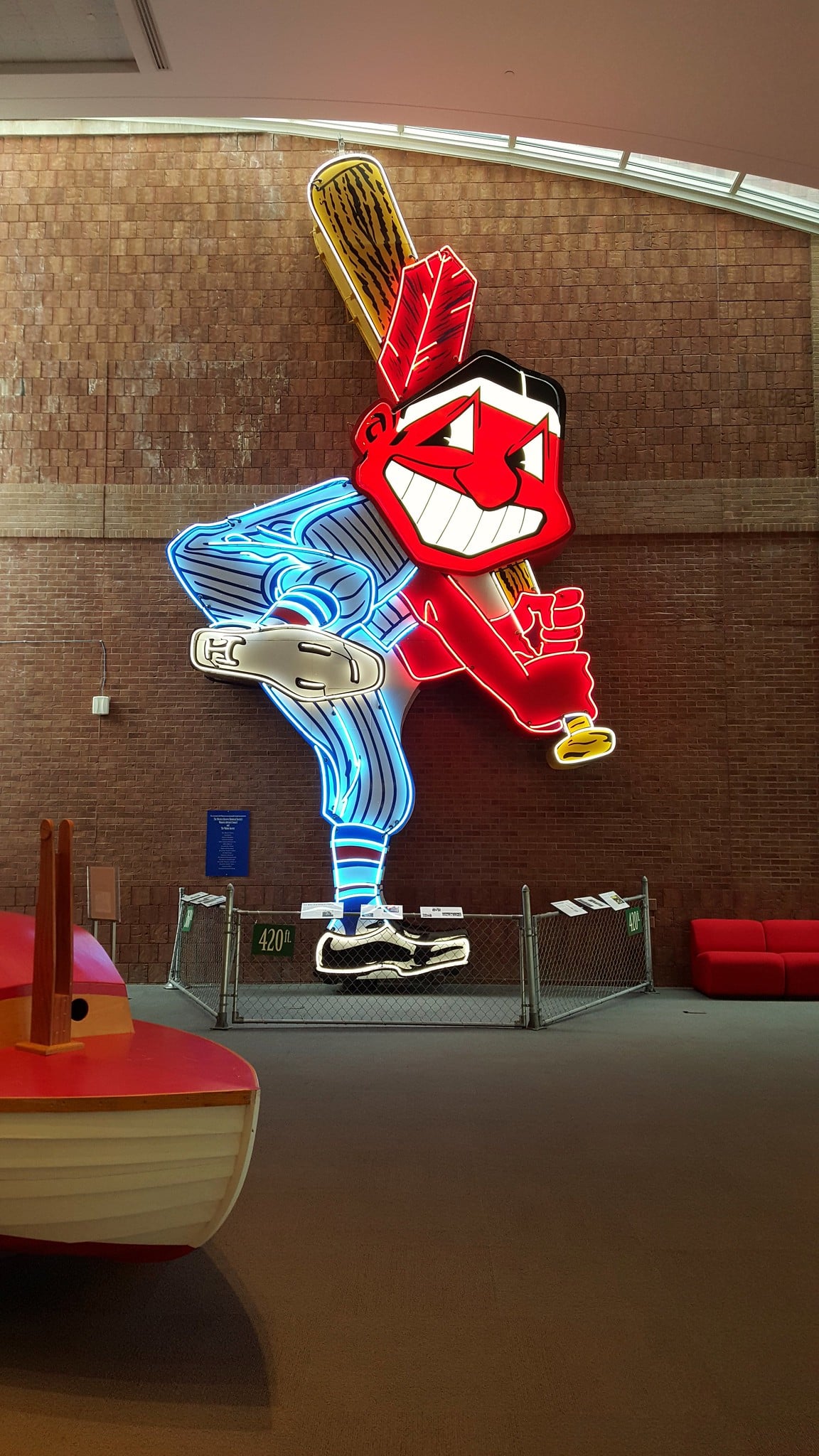
The Cleveland Indians (now Guardians) used Chief Wahoo for decades as their primary logo and mascot. The grinning red-faced caricature with exaggerated features became synonymous with the team, appearing on caps, jerseys, and merchandise since 1947.
But Native American groups consistently called it what it was: a racist stereotype that reduced entire cultures to a cartoon. The organization phased out the logo slowly, removing it from uniforms in 2019 but continuing to sell merchandise.
The backlash intensified each year. Protesters showed up at games.
Editorials criticized the team for clinging to outdated imagery. Eventually, even the name had to go, and the team became the Guardians in 2021.
Chief Wahoo now exists only in vintage memorabilia collections and as a reminder of how long it took sports to catch up with basic respect.
The Stanford Indian
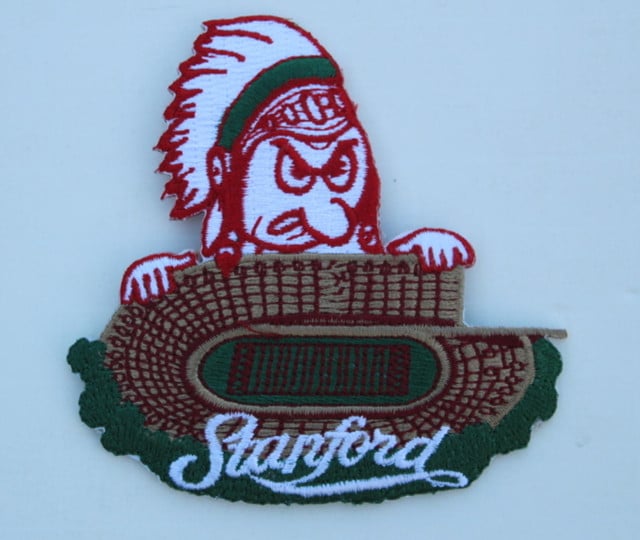
Stanford University dropped its Indian mascot in 1972 after Native American students protested. The mascot, which featured a student dressed in stereotypical tribal clothing, had represented the school since 1930.
University leaders actually listened to the concerns raised by Native students about how the mascot mocked their heritage and traditions. The replacement mascot situation became almost comical.
Stanford went through a period using “Cardinals” but struggled to figure out what that looked like as a mascot. They tried a tree, which technically represents the school’s redwood tree but has no connection to cardinals.
The tree stuck anyway, becoming one of the stranger mascot choices in college sports. At least it doesn’t offend anyone.
Sambo’s Restaurant Chain
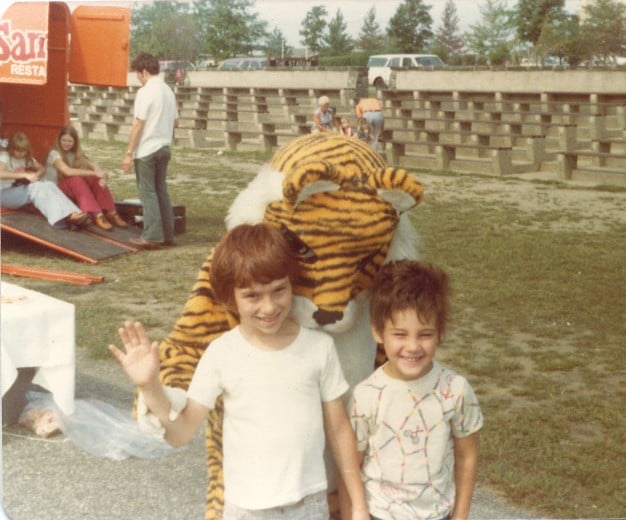
Sambo’s once operated over 1,100 restaurants across America. The chain started in 1957, and founders claimed the name came from combining their own names: Sam Battistone and Newell Bohnett.
But the restaurants used imagery straight out of “The Story of Little Black Sambo,” a children’s book filled with racist stereotypes. The walls featured illustrations of a dark-skinned boy in stereotypical clothing being chased by tigers.
The name and imagery made many Black customers uncomfortable from the start. By the 1970s, protests and boycotts hit the chain hard.
Civil rights groups organized demonstrations outside locations. The company tried rebranding some stores with different names, but the damage was done.
Most locations closed by the early 1980s. The original Santa Barbara location still operates but dropped all references to the original mascot and imagery.
The chain’s collapse showed that you can’t build a business on caricatures and expect people to keep coming back.
Aunt Jemima

Aunt Jemima sold pancake mix and syrup for 131 years before Quaker Oats finally retired the brand in 2020. The character originated in 1889, based on a minstrel show character and the “mammy” stereotype of a subservient Black woman.
The company hired Nancy Green, a formerly enslaved woman, to portray Aunt Jemima at events, which only deepened the problematic nature of the mascot. For decades, people called out the racism baked into the brand.
The company made small changes over the years, updating the image to look less overtly stereotypical, but the foundation remained the same. After the George Floyd incident sparked renewed focus on systemic racism, Quaker Oats announced they would rebrand as Pearl Milling Company, the actual name of the original mill.
The change faced resistance from people who claimed they had fond childhood memories of Aunt Jemima. But those memories don’t erase the history of what the character represented.
Sometimes nostalgia needs to take a backseat to doing what’s right.
The Frito Bandito
Frito-Lay’s Frito Bandito appeared in TV commercials from 1967 to 1971. The cartoon character was a Mexican bandit with a thick accent, sombrero, and pistols who stole people’s corn chips.
He spoke in broken English and played directly into stereotypes about Mexican people as criminals and thieves. Mexican-American groups immediately protested the character.
They argued that the Bandito reinforced negative stereotypes that affected real people, making it harder for Mexican-Americans to be seen as anything other than cartoonish villains. Pressure from civil rights organizations eventually forced Frito-Lay to retire the character.
The company still sells Fritos, now without the offensive mascot. The removal proved that brands can survive and thrive without relying on ethnic stereotypes to sell products.
Amazing concept.
The Washington NFL Team Mascot
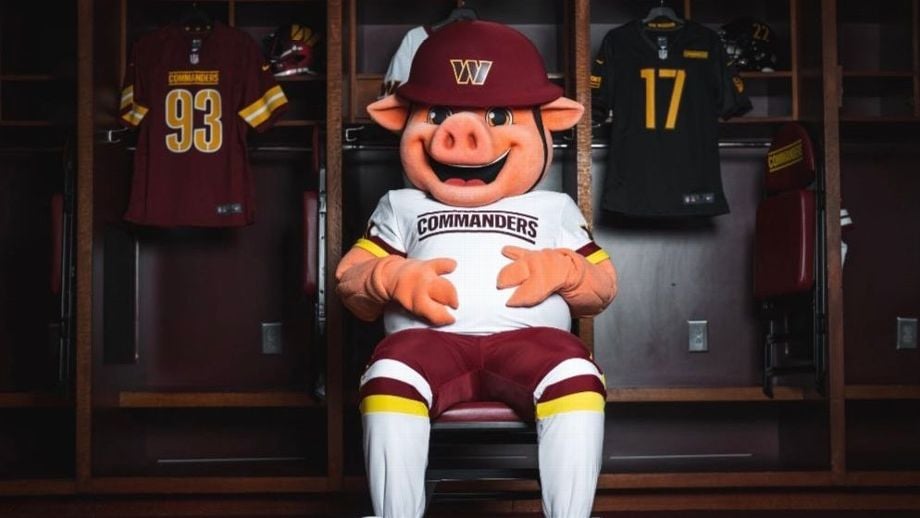
The Washington football team used a name and mascot that was literally a slur against Native Americans for 87 years. The team started using the name in 1933, and for decades, ownership refused to change it despite constant pressure from Native American groups, activists, and eventually sponsors.
The mascot and imagery included feathers, war paint, and other stereotypical Native American elements. Protests happened at games.
Studies showed the harm these images caused to Native youth. But owner Dan Snyder insisted he would never change the name, calling it a “badge of honor.”
What finally worked wasn’t appeals to decency but money. In 2020, FedEx, Nike, Amazon, and other major sponsors threatened to pull their support.
The team suddenly became willing to change, first to the Washington Football Team, then to the Commanders in 2022. It took losing millions of dollars to get them to stop using a slur.
That tells you everything about their priorities.
Speedy Alka-Seltzer

Speedy Alka-Seltzer appeared in 1951 as a tablet with arms, legs, and a face. Early versions included Speedy speaking with what the company called a “magic” voice but was actually a stereotyped Asian accent.
The character appeared in commercials and print ads, promoting Alka-Seltzer as a quick fix for stomach problems. As awareness grew about how media portrayal affects Asian-Americans, the company quietly dropped the accent and modified the character.
Speedy still appears occasionally in updated form, but the original version with its ethnic voice impression has been shelved. The changes happened gradually enough that many people don’t even remember the controversial aspects.
Miss Chiquita Banana
Miss Chiquita started as an animated banana wearing a fruit-topped hat in 1944, based on Brazilian entertainer Carmen Miranda. While the character seemed harmless at first, it relied on stereotypes about Latin American women as exotic, sexualized figures who existed primarily for entertainment.
The company updated the character several times, eventually turning her into a realistic woman in a dress, then later back to a banana. Critics pointed out that using Carmen Miranda’s image, itself a stereotyped portrayal, to sell fruit from Latin America reinforced colonial attitudes about the region and its people.
Chiquita still uses a version of Miss Chiquita but has toned down the most problematic elements. The character appears less frequently in advertising, and when she does show up, the company tries to avoid the overt stereotyping of earlier decades.
The mascot’s evolution reflects how companies handle these issues: make small changes, hope people stop complaining, repeat as necessary.
The Hamburglar

McDonald’s Hamburglar wasn’t retired for racism or ethnic stereotyping but for promoting theft to children. The character, introduced in 1971, was literally a criminal who stole hamburgers.
He wore a prison uniform and a mask, teaching kids that stealing was fun and funny if you were cute about it. Parent groups complained that McDonald’s was glorifying theft and making it seem acceptable to children.
The character went through various updates over the years, sometimes looking more menacing, sometimes more cartoonish. McDonald’s eventually phased out the Hamburglar in the early 2000s, though they briefly brought him back in 2015 as a suburban dad type before retiring him again.
The Hamburglar’s retirement shows that controversy comes in different forms. Sometimes the problem isn’t about stereotypes or discrimination but about what messages companies send to young audiences.
Marketing to kids carries responsibility that not every company wants to acknowledge.
Crazy Eddie

Crazy Eddie’s electronics store chain used a mascot and spokesman who literally had “crazy” in the name. The commercials featured a manic pitchman screaming about “insane” prices and acting erratically.
While not a costumed character, the persona served as the brand’s mascot and identity. Mental health advocates eventually pointed out that using “crazy” and “insane” as selling points stigmatized mental illness and treated erratic behavior as entertainment.
The stores closed in 1989 after financial fraud, but the mascot concept had already started drawing criticism for its portrayal of mental health issues. The character represented an era when mental illness was fair game for mockery and marketing.
Today, most companies avoid this kind of characterization, understanding that it causes real harm to people dealing with mental health challenges.
Colonel Reb

The University of Mississippi used Colonel Reb as its mascot from 1979 to 2003. The character was an old Southern plantation owner with a white beard, cane, and formal attire.
He represented the Confederacy and the Old South, appearing at Ole Miss sporting events and on merchandise. The mascot had roots in the school’s Confederate history and made many students, particularly Black students, deeply uncomfortable.
Protests built throughout the 1990s. Student groups argued that Colonel Reb symbolized slavery and racism, making the university unwelcoming to minorities.
The school officially retired Colonel Reb in 2003 but struggled to find a replacement. They eventually settled on a black bear, then later a land shark.
The difficulty in replacing Colonel Reb showed how deeply Confederate imagery was embedded in the school’s identity. Some alumni still sell unofficial Colonel Reb merchandise, refusing to let go of a mascot that never should have existed in the first place.
The Coon Chicken Inn
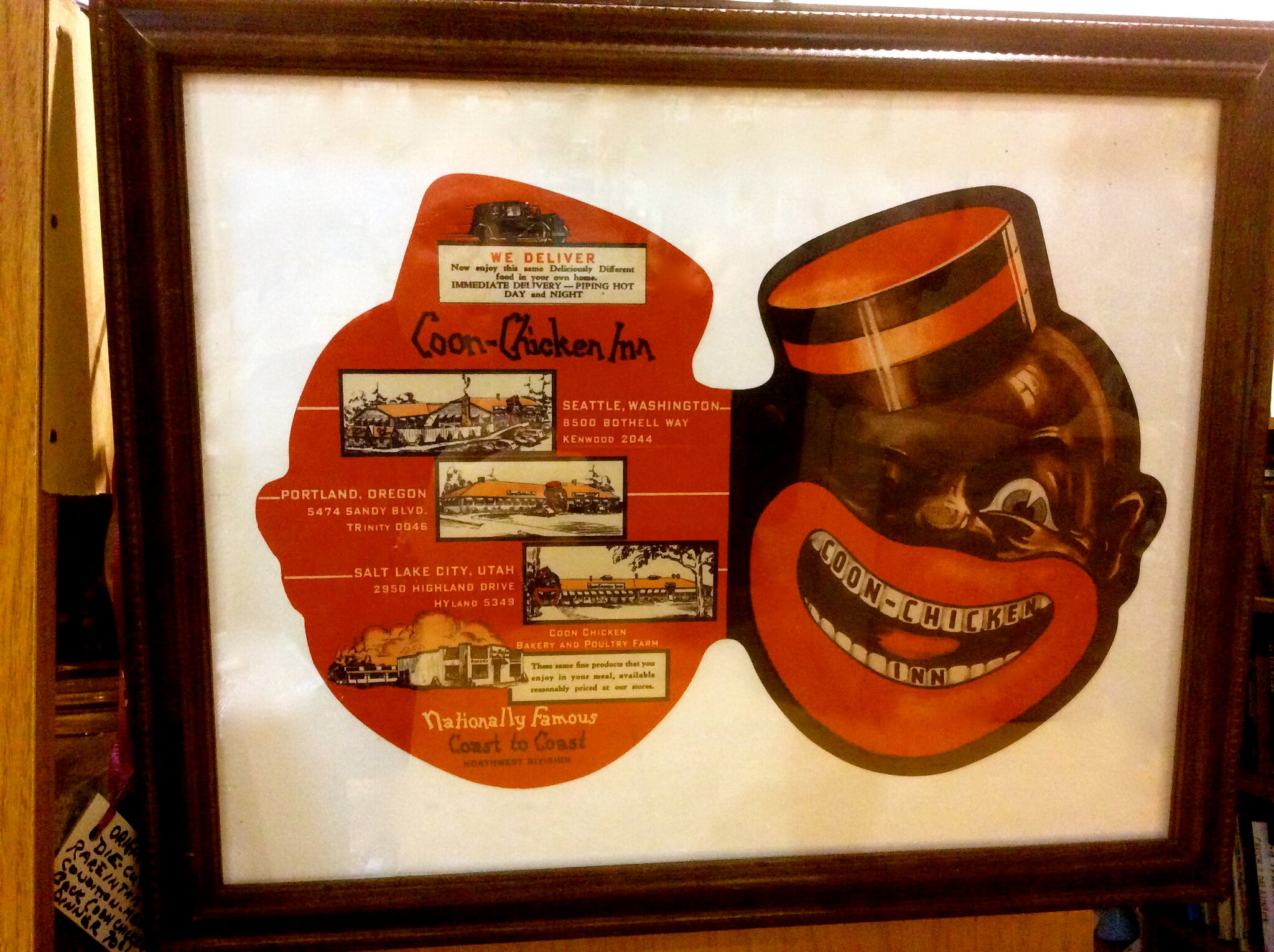
The Coon Chicken Inn ran across the Pacific Northwest between 1925 and 1957. Each location had an entry shaped like a huge, distorted Black face with oversized red lips.
People entered by walking right through its open mouth. Even back then, Black folks and activists called out the restaurant’s problems.
Yet decades passed before the spots started shutting for good. The final one folded in 1957 – money issues hit harder than backlash.
Running nonstop for more than thirty years proves how common such portrayals felt at the time. Nowadays, vintage Coon Chicken Inn menus along with trinkets end up in hands of folks collecting offensive U.S. relics.
These spots highlight how companies once made money without much pushback – year after year.
Progress and Casualties

Some mascots were dropped – not due to clear offense – but because what’s okay shifts over years. A figure fine back then might feel off now.
The real challenge? Spotting that moment it no longer fits, then making a move. Firms usually push back on updates, pointing to history or loyal fans.
Yet they tweak their image bit by bit, trying to hold onto questionable symbols through small fixes. Over time, though, standing still starts hurting worse than changing does.
The old mascots show what Americans once accepted – later dropped without much talk. One after another, they point out how stubborn some groups are to change, even when harm’s obvious.
Yet they remind us that longing for earlier times isn’t a good excuse for keeping people hurt.
More from Go2Tutors!

- The Romanov Crown Jewels and Their Tragic Fate
- 13 Historical Mysteries That Science Still Can’t Solve
- Famous Hoaxes That Fooled the World for Years
- 15 Child Stars with Tragic Adult Lives
- 16 Famous Jewelry Pieces in History
Like Go2Tutors’s content? Follow us on MSN.