15 Fashion Trends That Were Outlawed in Schools
School rules have always been about more than just homework and attendance. What students wear has long been a battlefield between personal style and school authority.
Over the years, certain fashion trends caused enough disruption, distraction, or drama that schools decided to ban them altogether. Here is a list of 15 fashion trends that found themselves on the wrong side of school rulebooks across America.
Sagging Pants
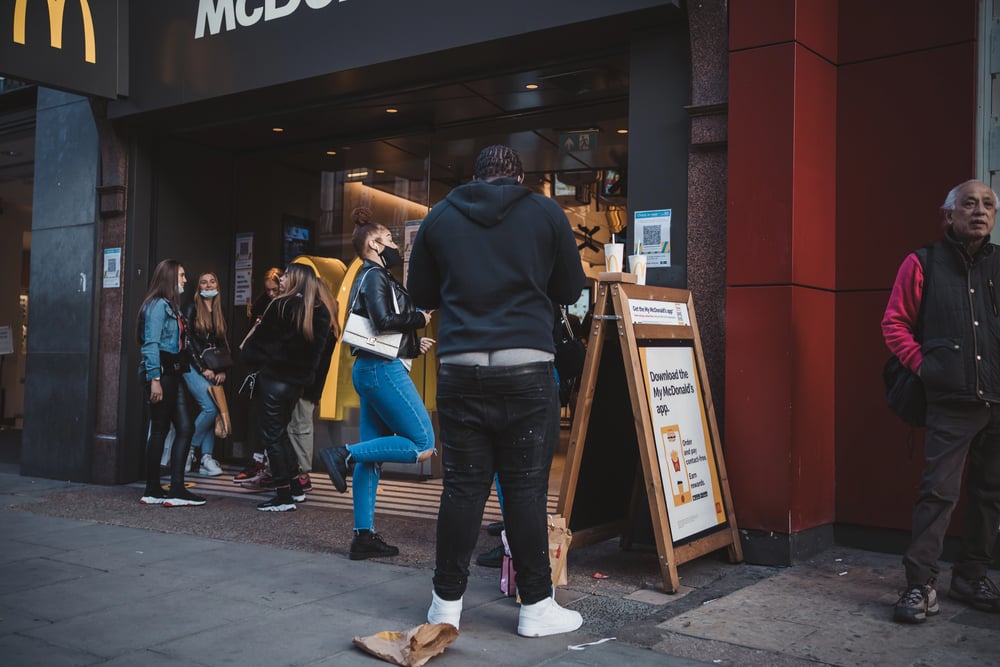
Hip-hop culture was once responsible for the widespread use of sagging pants. However, a lot of schools took action, claiming the appearance was offensive and distracting.
Whether or not it was accurate, some even connected it to gang culture. Rebellious teenagers were irritated by dress regulations that required belts and pulled-up pants.
Crop Tops

Schools reacted with rigorous prohibitions as midriff-baring tops became more fashionable. Teachers and administrators said that crop tops were especially “too distracting” in co-ed settings.
Students were frequently sent home or instructed to change if even an inch of stomach showed. For a while, fashion had to be completely hidden yet nonetheless find methods to remain contemporary.
Like Go2Tutors’s content? Follow us on MSN.
Baggy Jeans
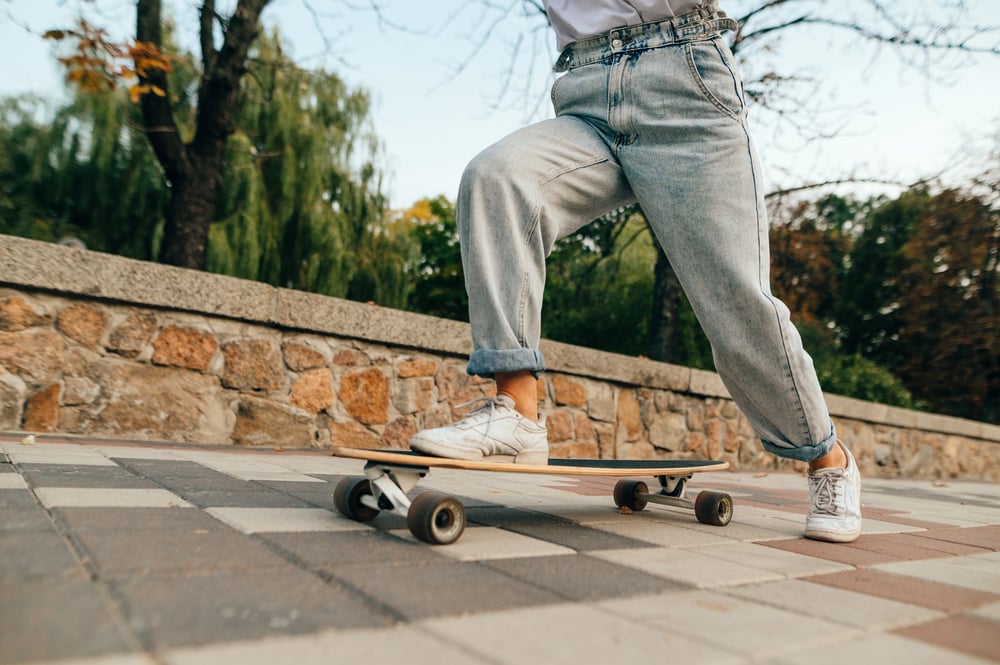
Not to be confused with sagging, oversized baggy jeans were also a problem. Schools argued they were a safety issue since students could hide things inside the loose fabric.
Plus, trying to run during gym class with jeans three sizes too big didn’t really scream “prepared for learning.” Slowly, baggy jeans were squeezed out of school dress codes.
Oversized Chains
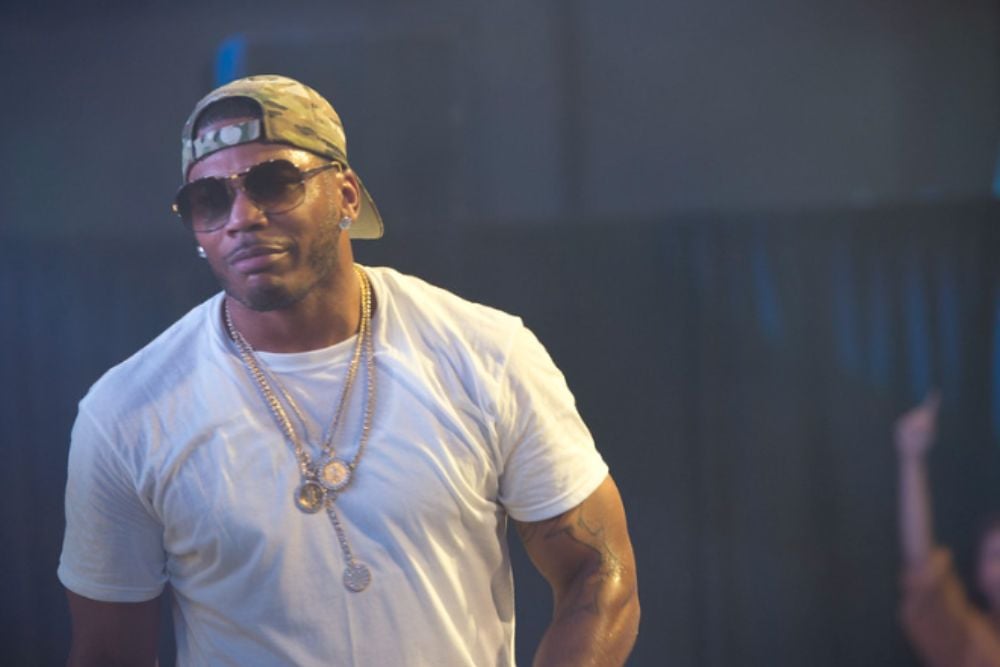
Big chains became a must-have accessory after being influenced by pop musicians and rappers. However, schools expressed concerns regarding safety, claiming that hefty chains might be used as weapons.
In several places, even innocuous plastic or costume chains were prohibited. Students were forced to find smaller, less obvious jewelry as a result.
Bandanas
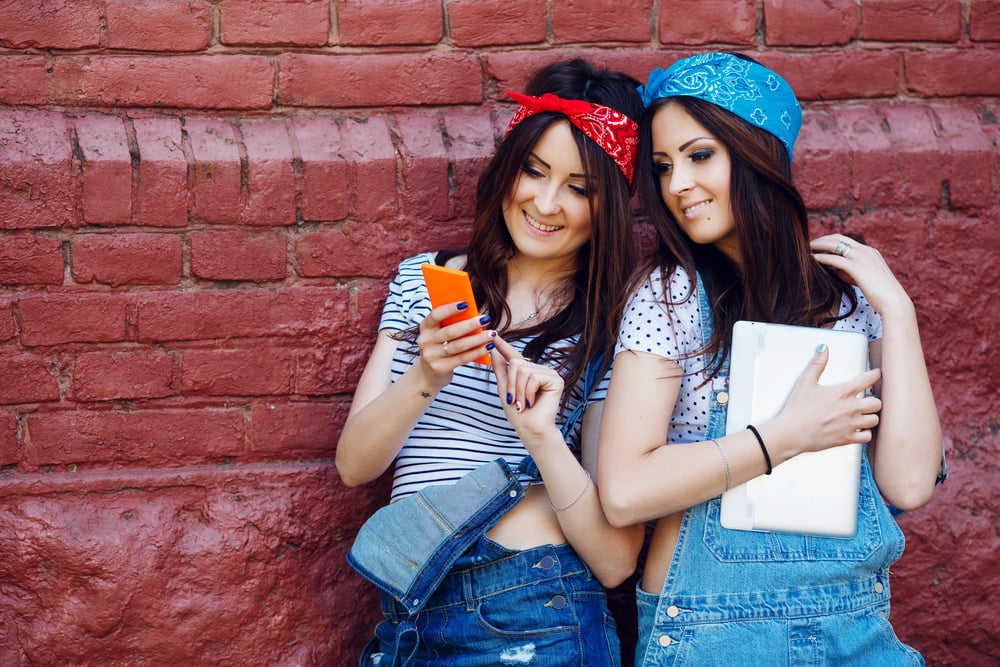
Bandanas brought schools into disfavor. Some schools associated them with gang colors or with risky behavior.
Even if students were wearing them for style, fear was enough to make many schools ban them. Bandanas soon transitioned from stylish accessory to banned item.
Like Go2Tutors’s content? Follow us on MSN.
Graphic Tees with Offensive Prints

Students always loved T-shirts with vivid graphics and edgy statements. Schools, though, quickly outlawed shirts with any rude, aggressive, or provocative material.
A few institutions even produced extensive lists of what couldn’t be printed on garments. Many children discovered they were hiding their favorite jokes or bands under rigorous attire rules.
Colored Hair

Dyeing hair bright pink, green, or blue was a major rebellion move. But not every school thought it was just harmless fun.
Many banned unnatural hair colors, claiming they distracted other students or didn’t look “professional.” This resulted in students concealing their hair with hats, a practice often prohibited as well.
Mini Skirts
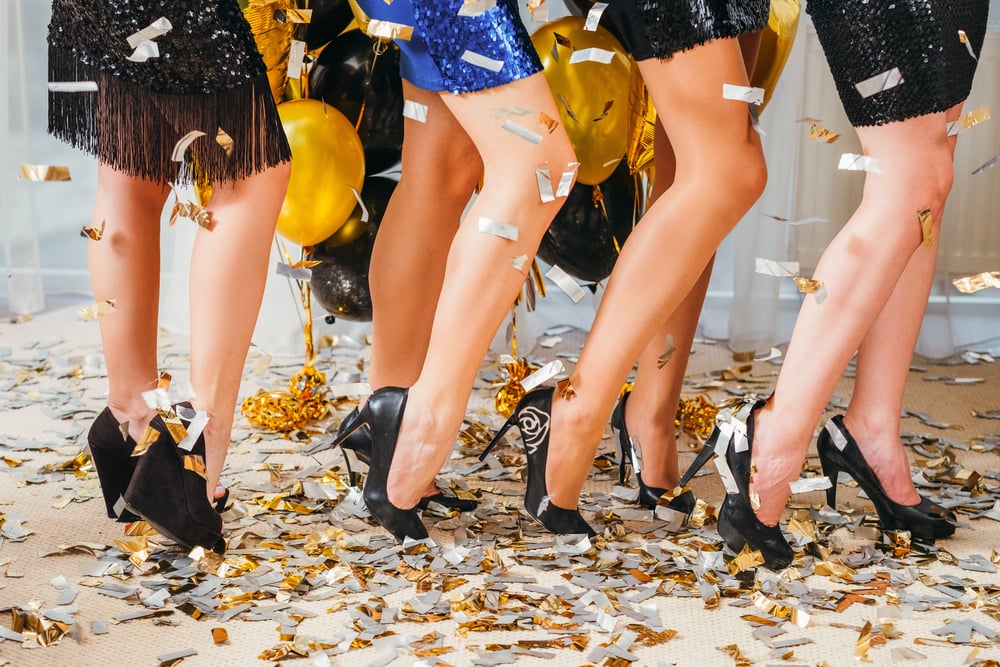
Mini skirts caused a lot of controversy. Schools often said they were too short and not “appropriate for the learning environment.”
Skirt checks (yes, actual skirt checks) became a real thing at some schools. Girls had to follow strict rules about skirt length, often measured by fingertip or knee height.
Like Go2Tutors’s content? Follow us on MSN.
Ripped Jeans
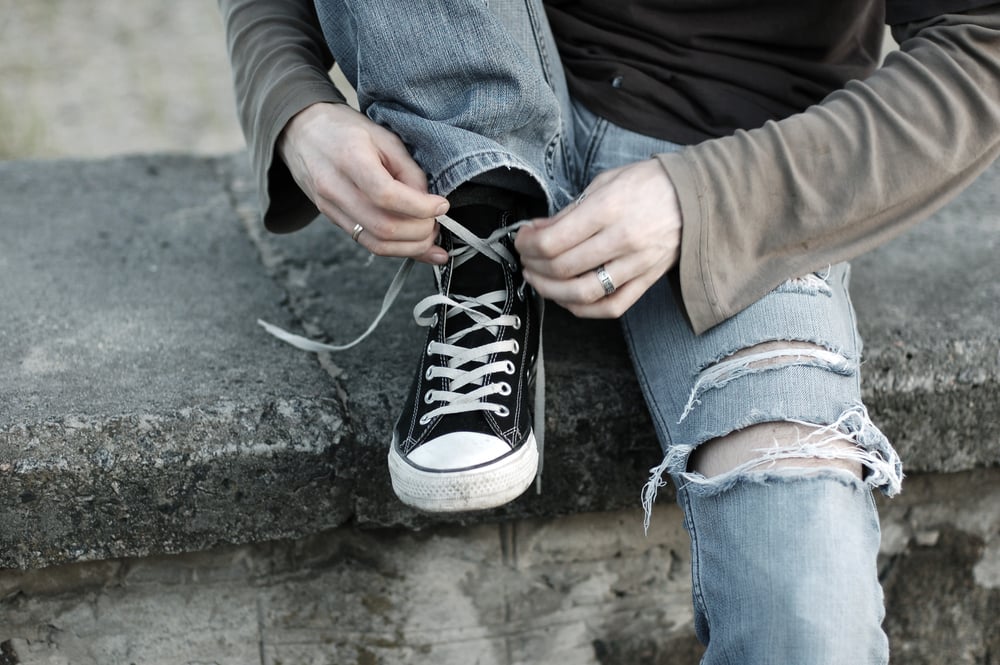
Ripped jeans were a hip, hip trend when they first surfaced, but schools interpreted it otherwise. If the tears were too big or too high, you were instructed to cover them up or change.
Even small tears could be an issue, depending on the strictness of the dress code. Students soon discovered that just because jeans were advertised that way did not necessarily mean they were acceptable for school.
Makeup for Boys
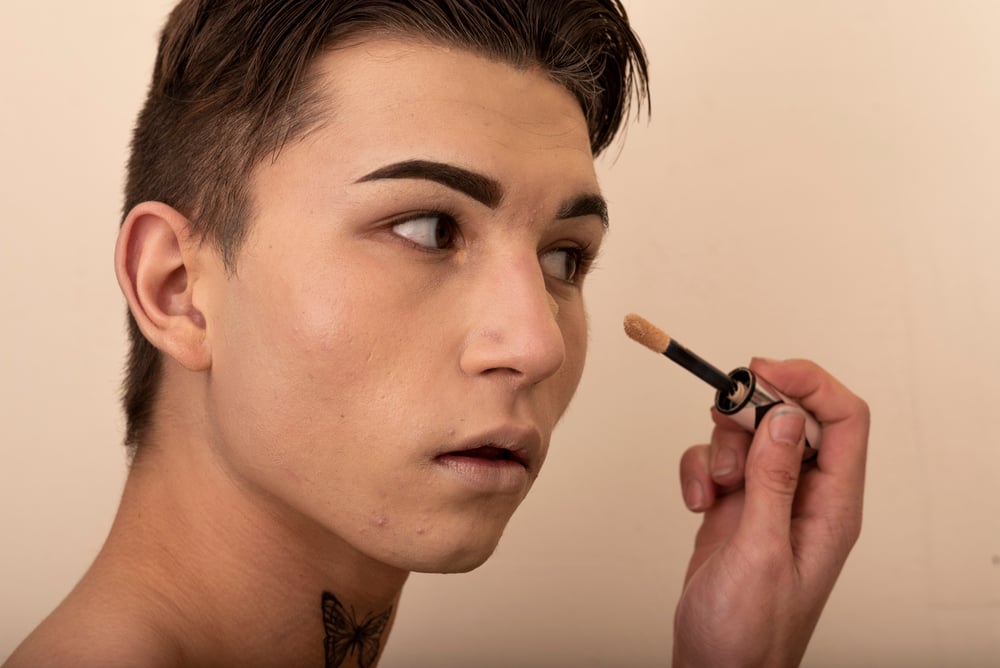
Boys wearing makeup faced some tough rules. Some schools said it wasn’t “appropriate” or didn’t fit their idea of dress standards.
Even simple eyeliner or nail polish could get a boy sent to the office. Although rules have loosened in some places today, back then, it was a fast track to detention.
Hats and Caps

No hats in class—an old rule that many students still hear today. Whether it was baseball caps, beanies, or stylish fedoras, schools often banned hats completely indoors.
Some said it was about showing respect. Others said hats caused problems with hiding faces or sneaking in earbuds.
Like Go2Tutors’s content? Follow us on MSN.
Spiked Accessories
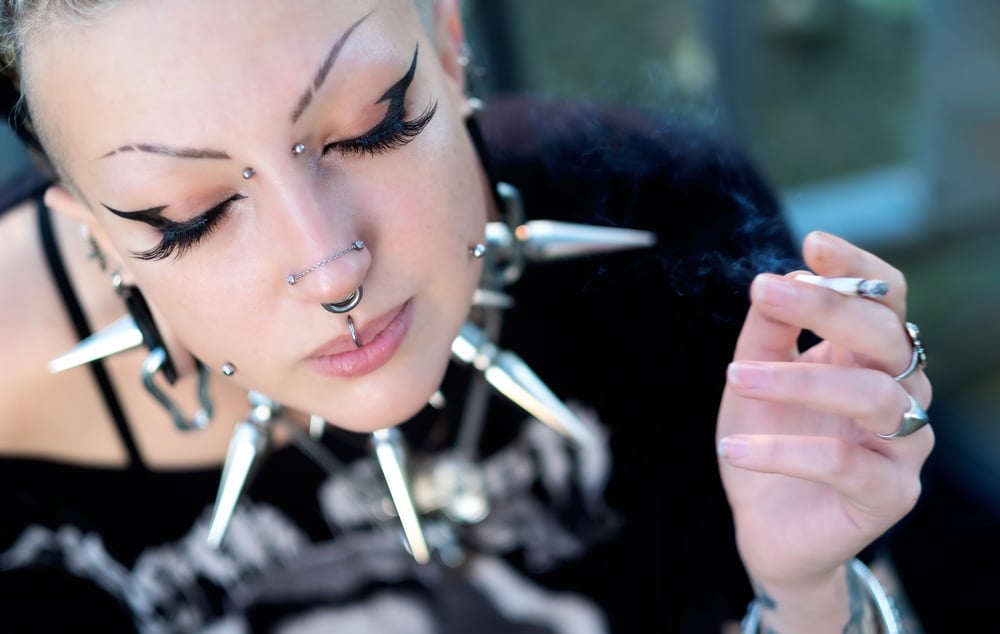
In the goth and punk communities, chokers with studs or spikes were common, as were belts and bracelets. Even if they were merely decorative, schools were concerned that they may be used as weapons.
Many prohibited any metal-pointed adornment; thus, fans of punk fashion had to get creative with their attire.
Visible Underwear
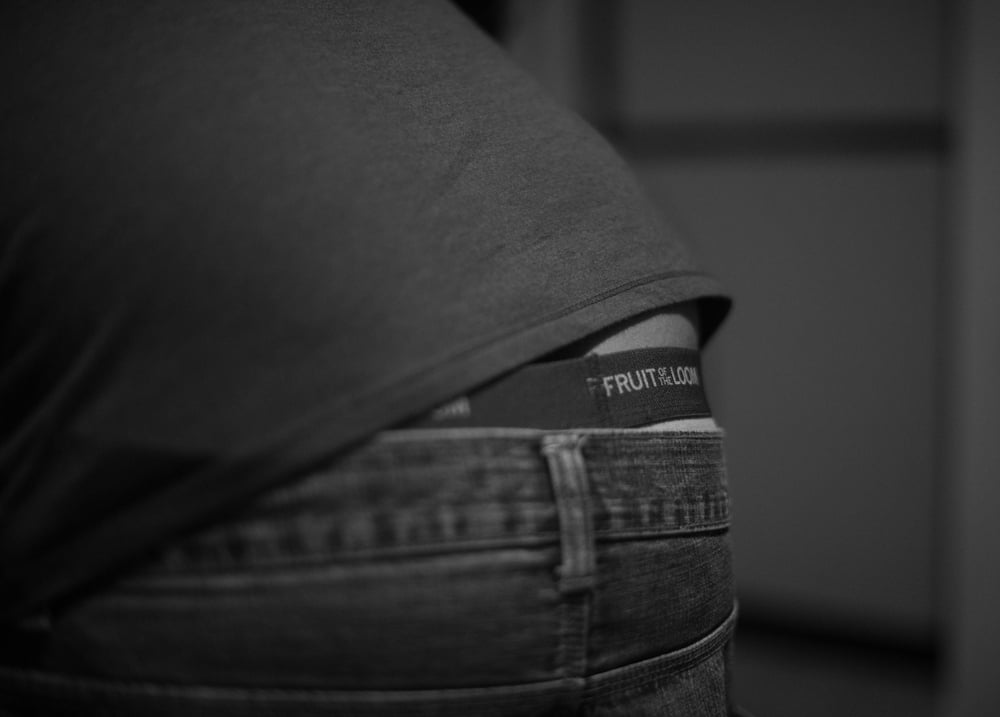
Low-rise jeans and short shirts sometimes meant underwear was visible, whether it was bras or boxers. Schools took a hard line, calling it inappropriate and handing out warnings—or even suspensions.
Dress codes quickly expanded to say all “undergarments must be covered at all times.”
Flip Flops

Flip flops seem harmless, but many schools banned them. They said it was about safety—flip flops made it easy to trip or get hurt in emergencies.
Plus, running during fire drills in flimsy sandals? Not exactly smart.
Some schools even banned all open-toe shoes just to be safe.
Like Go2Tutors’s content? Follow us on MSN.
Tutus and Costume Wear
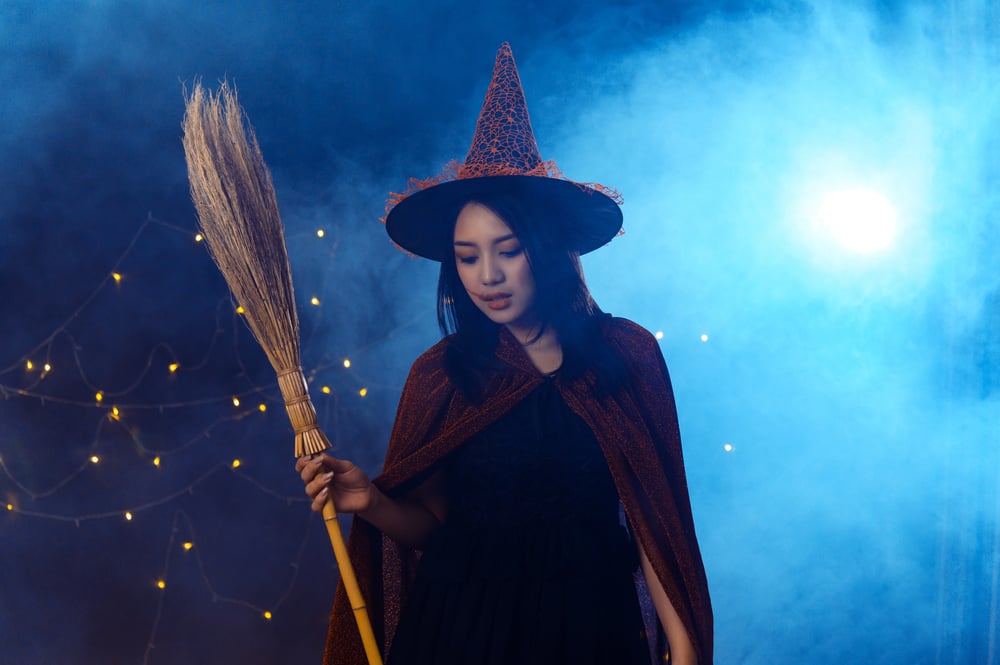
Spirit days were fun, but when students started wearing tutus, fairy wings, or superhero costumes randomly, schools pulled back. They said costumes disrupted learning and weren’t proper for a normal school day.
So unless it was a special event, dressing like Batman was a no-go.
Rules, Rebellion, and the Ever-Changing Hallways
School fashion policies have long mirrored a struggle between uniqueness and power. To administrators, trends that appeared thrilling and innocuous to kids frequently resembled chaos and trouble.
Many of the prohibitions have loosened with time, but fresh styles always appear to raise fresh issues. Every forbidden trend reveals how inventive kids were in expressing themselves when seen backward—and how institutions rushed to catch up.
While some areas of today’s dress regulations may be more liberal, the push-and-pull between fashion freedom and school order is not going anywhere shortly.
ore from Go2Tutors!

- 18 Unexpectedly Valuable Collectibles You Might Have Lying Around
- 15 Things Every Teenager in the ’70s Did That Teens Today Wouldn’t Understand
- 15 Strange Things People Have Tried to Ban (And Failed)
- 15 Inventions That Were Immediately Banned After Being Created
- 20 Actors Who Were Almost Cast in Iconic Roles
Like Go2Tutors’s content? Follow us on MSN.