Memes That Defined the Last Decade
The internet changed drastically over the past ten years, and memes evolved right along with it. What started as simple image macros with white text became complex cultural moments that sparked conversations, influenced elections, and brought people together across the globe.
Some memes lasted days while others stuck around for years, popping up in new contexts whenever they felt relevant again. These viral moments became the language of the internet, expressing feelings and ideas that sometimes words alone couldn’t capture.
Looking back at the memes that dominated from 2014 to 2024 tells the story of how online culture grew up, got political, went corporate, and somehow stayed funny through it all. These weren’t just jokes people shared.
They were moments that everyone experienced together, even if they were sitting alone scrolling through their phones.
Doge

The Shiba Inu dog with Comic Sans text in broken English became one of the most recognizable images of the entire decade. Phrases like ‘much wow’ and ‘very excite’ felt silly and warm at the same time.
What made Doge special was how genuinely wholesome it was during an era when internet humor often leaned mean. The format worked for almost any situation while keeping the same friendly energy.
Then things got weird when Dogecoin, a cryptocurrency created as a joke about the meme, became worth billions of dollars, proving that internet culture had real-world financial power that nobody quite understood.
Distracted Boyfriend

A stock photo of a man checking out another woman while his girlfriend looks disgusted became the go-to format for representing any situation involving betrayal, temptation, or shifting loyalties. The Spanish photographer who took the image in 2015 never imagined it would be used to comment on everything from political choices to personal preferences about food.
People used it during the 2017 UK election, applied it to relationships with technology, and found endless creative ways to label the three characters. The format was simple enough that anyone could understand it instantly, yet flexible enough to work for complicated ideas.
This Is Fine

A cartoon dog sitting in a room engulfed in flames saying ‘this is fine’ captured exactly how everyone felt about increasingly chaotic news cycles. The comic originally appeared in 2013, but it exploded in popularity throughout 2016 and kept resurfacing whenever things felt overwhelming.
People used it to comment on climate change, economic problems, personal disasters, and political chaos. The creator of the comic, KC Green, watched his creation become shorthand for denial in the face of obvious catastrophe.
The meme worked because it expressed a very specific modern feeling: being aware that everything is terrible while trying to maintain composure.
Bernie Sanders in mittens
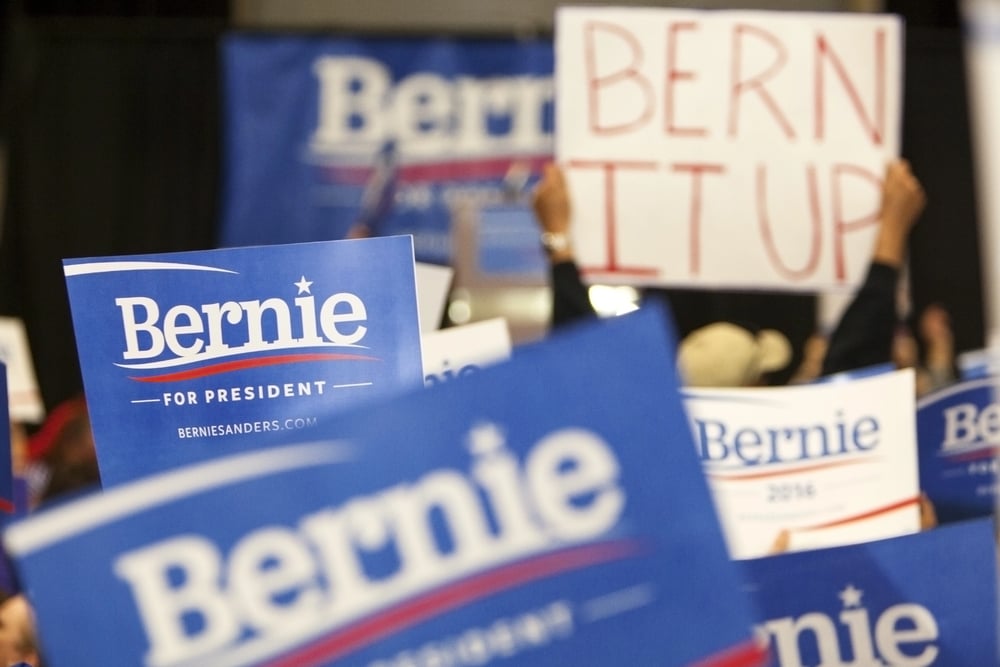
On January 20, 2021, Senator Bernie Sanders sat bundled up at Joe Biden’s inauguration wearing a mask and brown wool mittens made by a Vermont schoolteacher. Photographer Brendan Smialowski captured Sanders looking grumpy and cold in a folding chair, socially distanced from everyone else.
Within hours, people photoshopped Bernie into every imaginable location: famous paintings, movie scenes, historical moments, and random living rooms. The meme was pure absurd joy during a pandemic winter when people needed something harmless to laugh about.
Sanders himself seemed bemused by the whole thing, later selling merchandise featuring the image to raise money for charity.
Woman Yelling at Cat

This split image combined a screenshot from ‘The Real Housewives of Beverly Hills’ showing Taylor Armstrong crying and pointing with a photo of a confused-looking white cat named Smudge sitting at a dinner table. The format became perfect for showing any kind of disagreement or misunderstanding between two parties.
The cat’s bewildered expression paired with the woman’s intense emotion created comedy gold. People used it for arguments about food preferences, political debates, and everyday disagreements.
The meme peaked in 2019 but never really died, popping back up whenever someone needed to express frustration meeting incomprehension.
Surprised Pikachu

A screenshot from the Pokemon anime showing Pikachu with a shocked expression became the internet’s favorite way to express mock surprise at predictable consequences. The image first appeared in a 1997 episode but didn’t become a meme until 2018.
People used it whenever someone acted shocked by an outcome that everyone saw coming: politicians surprised by scandals, people surprised by the results of their own bad decisions, or companies surprised by customer backlash. The format captured a very specific kind of sarcastic humor that dominated late 2010s internet culture.
Sometimes the simplest images make the best memes.
Baby Yoda
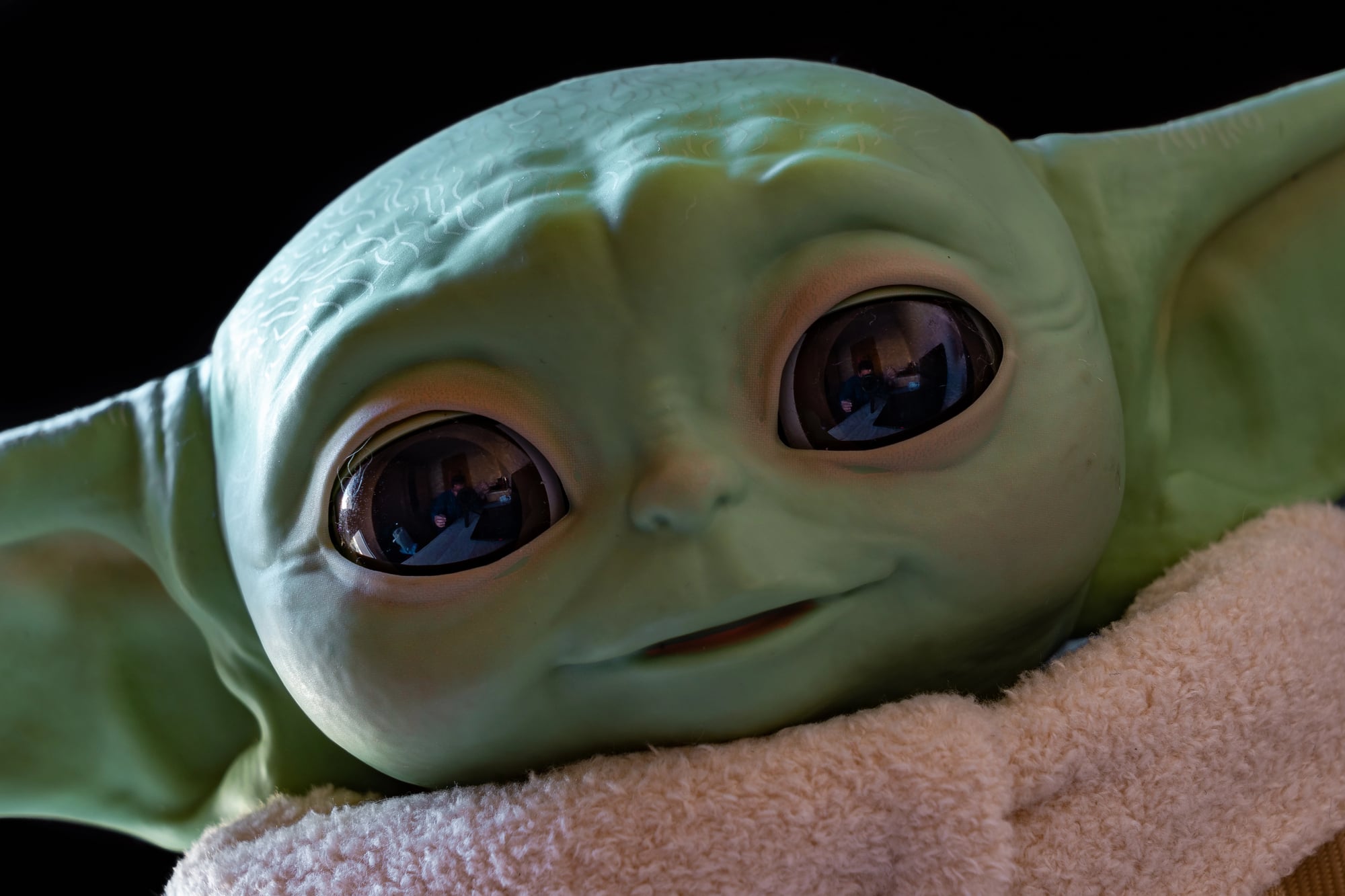
When ‘The Mandalorian’ premiered on Disney Plus in November 2019, nobody expected a small green alien character to break the internet within hours. Officially called Grogu but known to everyone as Baby Yoda, the character’s cute appearance and mysterious origins made it instantly memeable.
People used images of Baby Yoda sipping soup, looking sad, or doing force powers to express their own emotions and desires. Disney tried to capitalize on the meme but couldn’t keep up with how fast it spread.
The character proved that even giant corporations with massive marketing budgets couldn’t predict or control what would go viral.
Kermit Sipping Tea

Kermit the Frog holding a cup of Lipton tea became the perfect image for passive-aggressive commentary starting in 2014. The meme usually showed Kermit with text about some controversial opinion followed by ‘but that’s none of my business.’
It gave people a way to shade others while pretending to stay above the drama. Another version featured Evil Kermit, showing the puppet in a black hood, representing the internal battle between doing the right thing and giving in to bad impulses.
Both versions captured different types of everyday moral conflicts in ways that felt funny rather than preachy.
Mocking SpongeBob

A screenshot of SpongeBob SquarePants looking like a chicken with text written in alternating capital and lowercase letters became the default format for mocking someone’s statement. The typing style mimicked how people sound when they’re making fun of what someone else said.
It originated in May 2017 and spread like wildfire across Twitter, becoming one of the most-used meme formats of the late 2010s. The beauty was in its simplicity: anyone could apply the format to any text they wanted to mock.
SpongeBob memes dominated this era because the show provided so many expressive screenshots that worked for different situations.
Drake Hotline Bling

Two screenshots from Drake’s ‘Hotline Bling’ music video showing him rejecting something in the top image and approving something in the bottom image created one of the most versatile meme formats ever. The template worked for showing preferences about literally anything: food choices, life decisions, political opinions, or trivial daily habits.
People eventually started replacing Drake with other characters while keeping the same two-panel approve-reject structure. The format was so effective that it transcended Drake himself, becoming a basic template for expressing preference that other memes built upon and modified.
Alex from Target

In November 2014, a teenage girl tweeted a photo of a young Target employee named Alex with just the caption ‘YOOOOOOOO.’ The tweet went viral as people swooned over this random checkout clerk, creating fan accounts and tributes.
The incident showed how quickly internet fame could strike completely normal people doing everyday jobs. Alex himself was confused by the sudden attention, having done nothing except work his shift at Target.
The meme captured both the power of viral content and how strange internet culture had become, where simply existing while attractive could make someone briefly famous.
Very Demure, Very Mindful

Chicago TikToker Jools Lebron posted a video in August 2024 about doing her makeup for work in an understated way, describing it as ‘very demure, very mindful.’ The phrase exploded across social media as people used it ironically to describe absolutely everything, usually things that weren’t demure or mindful at all.
Celebrities, brands, and politicians all jumped on the trend. The meme showed how quickly TikTok content could saturate culture, and also how phrases could be transformed through ironic use until they meant the opposite of their original intent.
Brat Summer
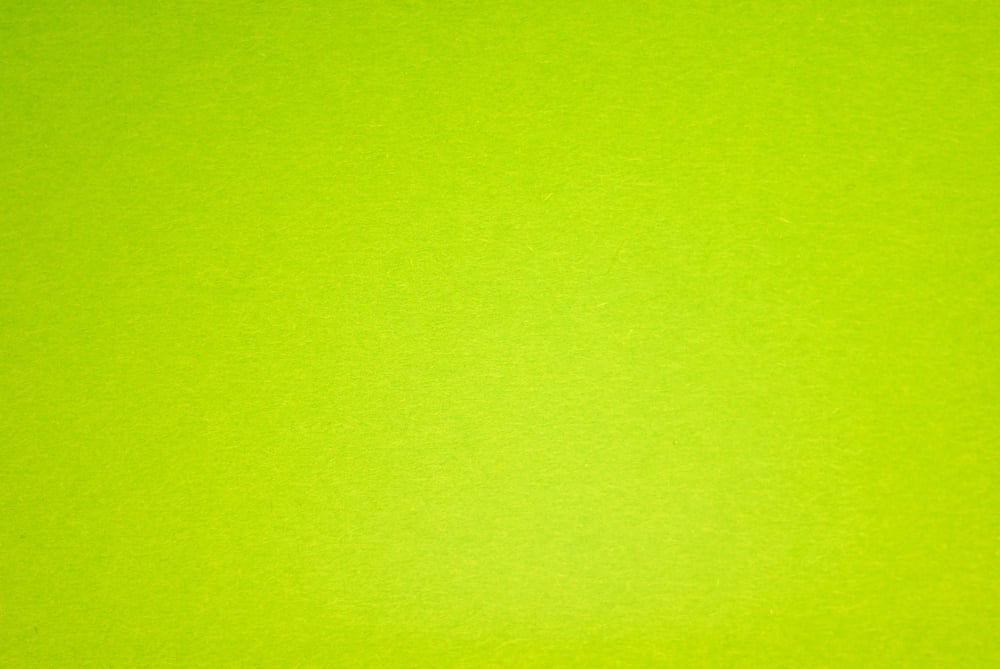
British singer Charli XCX released her album ‘Brat’ in 2024 with simple artwork featuring just the word in lowercase on a lime green background. The album and its marketing became a cultural phenomenon beyond just music.
‘Brat’ came to represent a whole aesthetic and attitude: messy, honest, chaotic, and unapologetically imperfect. The green color became instantly recognizable.
Even political campaigns tried to claim ‘brat’ energy. The meme demonstrated how music marketing could create cultural moments that extended far beyond the songs themselves, becoming part of how people described their whole approach to life.
Bone Apple Tea
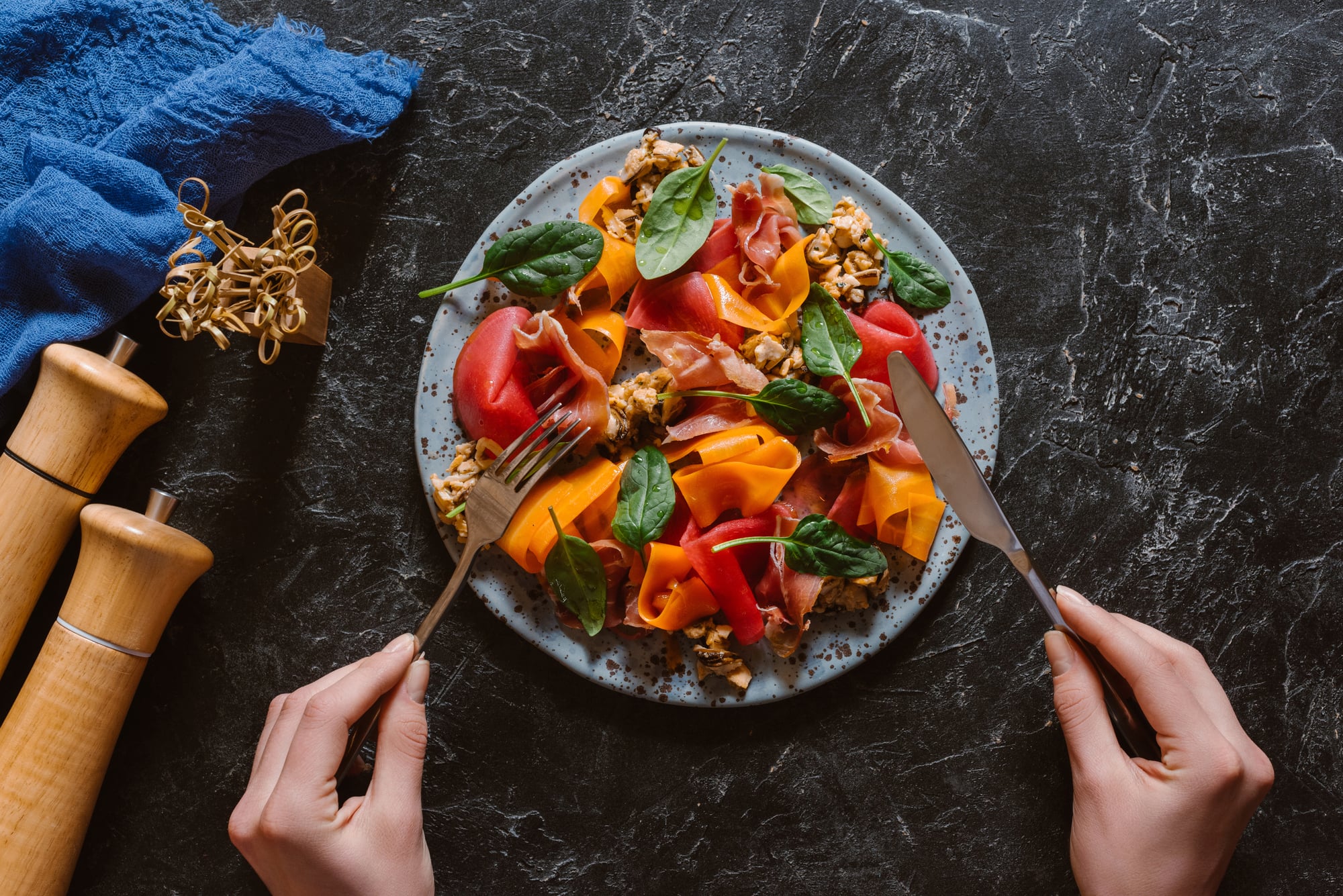
This meme started from people’s hilarious misspellings and mishearings of common phrases, with ‘bone apple tea’ as a mangled version of ‘bon appetit.’ The format involved sharing screenshots of people confidently using completely wrong versions of sayings like ‘lack toast intolerant’ instead of ‘lactose intolerant.’
What started as making fun of mistakes evolved into its own creative form as people intentionally came up with increasingly absurd phonetic spellings. The meme highlighted how many common phrases people use without really knowing what they mean or how they’re spelled.
Willy Wonka Experience

In February 2024, an event in Glasgow promised an immersive Willy Wonka experience but delivered a nearly empty warehouse with sparse decorations that looked nothing like the AI-generated promotional images. Photos of sad children, disappointed parents, and actors trying their best in a terrible situation went viral instantly.
The internet couldn’t look away from this spectacular failure. Memes compared the event to the Fyre Festival and other famous disasters.
The incident became shorthand for the gap between marketing promises and disappointing reality, especially when AI-generated images set unrealistic expectations.
Moo Deng
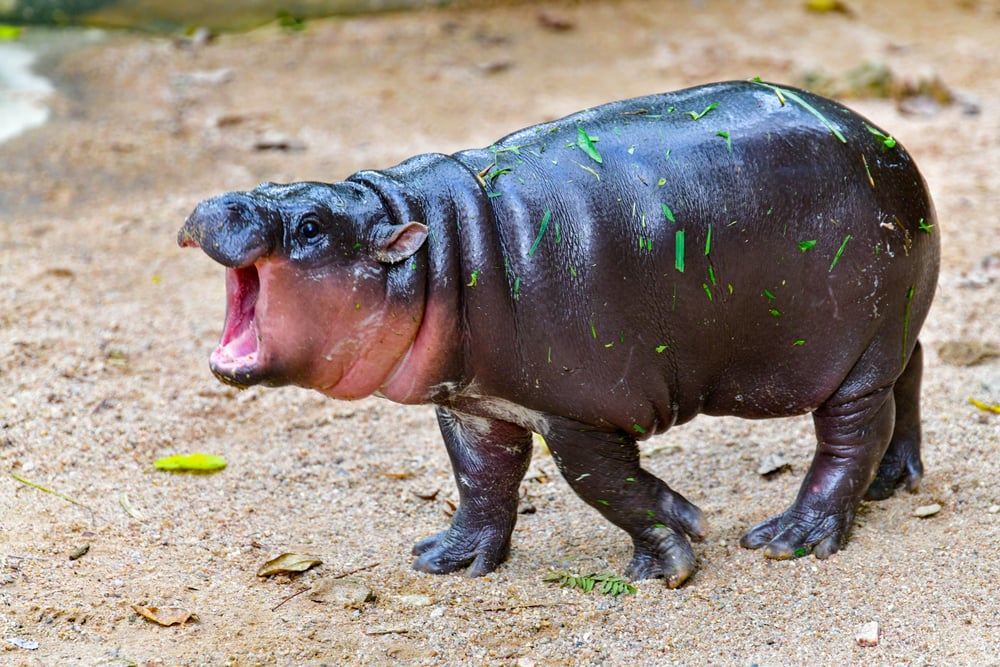
A baby pygmy hippo named Moo Deng at a Thai zoo became an unexpected internet sensation in late 2024. Videos of the small, round hippo bouncing around and looking perpetually startled captured hearts worldwide.
People created fan art, memes, and merchandise featuring the adorable animal. Moo Deng represented a welcome break from heavier content, offering pure wholesome enjoyment.
The hippo proved that animal content still reigned supreme on the internet, and sometimes people just needed to look at a cute baby hippo to feel better about the world.
Harold Hides His Pain
A grin that never reached the eyes – that was András Arató, snapped mid-pose for a catalog shoot years ago. Those pictures, meant for office brochures, drifted online and twisted into something else entirely.
A man smiling through obvious unease – suddenly everyone saw themselves in him. From Budapest boardrooms to internet corners, strangers pasted his face onto moments of quiet suffering.
He built circuits by day; unaware, he’d already powered a cultural reflex. Then came messages, tags, features – he didn’t vanish, nor did he scold.
Instead, coffee interviews followed, stage lights, even art exhibits quoting his expression. Not resistance.
Adaptation. One random shoot, decades later, still echoes – not because it tried to sell anything – but because it felt true.
Woman Talking to Cat
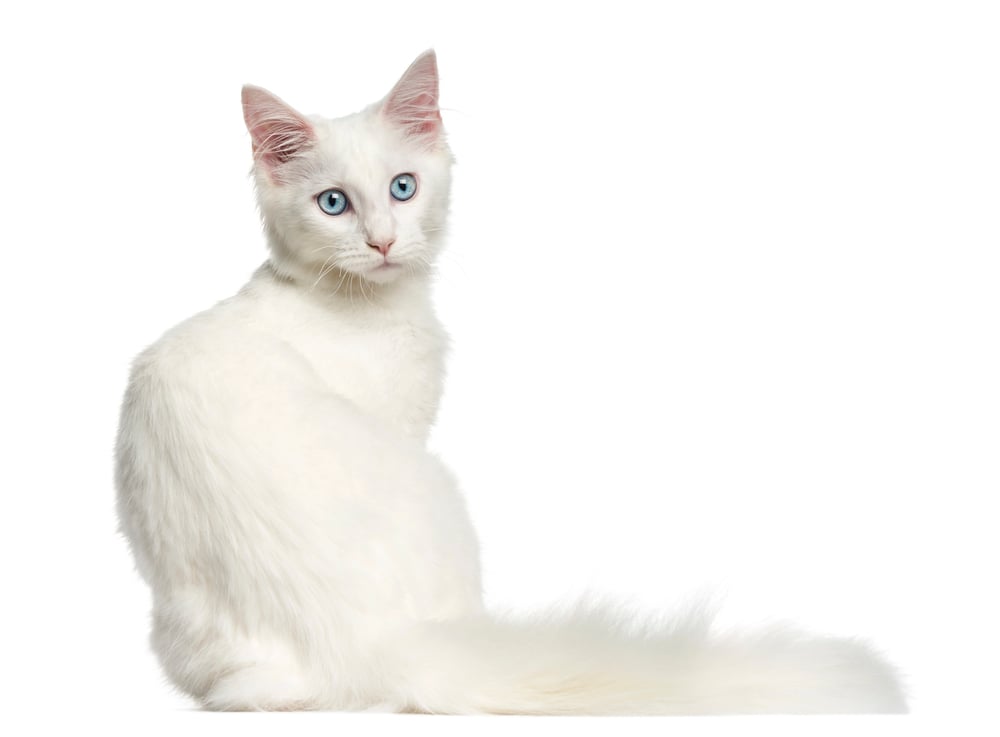
One day, a photo showed a lady talking to a puzzled white cat. Then came Taylor Armstrong, her face full of raw feeling, matched with Smudge, a feline forever staring in disbelief during meals.
This clash – one loud with drama, the other just lost at dinnertime – somehow clicked. Seriousness on one side, total cluelessness on the other.
People used it whenever someone went too deep into a basic thing. Out of nowhere, two unrelated pieces fit like they were meant to be.
Odd how that happens.
When memes became mainstream
Somewhere near 2016, memes slipped out of online corners into everyday talk. While companies brought on staff just for meme content, political figures began quoting punchlines in public remarks.
Newsrooms treated meme trends as serious cultural shifts – because they were exactly that. Through snapshots and catchphrases, folks made sense of chaos, voiced reactions, and built bonds.
Over ten years, what looked like silliness turned into its own fluent system of expression. Funny photos passed between friends grew into a core way society absorbs moments, shapes ideas, laughs under pressure.
More from Go2Tutors!

- The Romanov Crown Jewels and Their Tragic Fate
- 13 Historical Mysteries That Science Still Can’t Solve
- Famous Hoaxes That Fooled the World for Years
- 15 Child Stars with Tragic Adult Lives
- 16 Famous Jewelry Pieces in History
Like Go2Tutors’s content? Follow us on MSN.