Memorable Advertising Jingles and Stories
You probably remember more commercial jingles than you realize. They sit in your brain, sometimes for decades, waiting for the right trigger to pop back up.
A few notes, a catchy phrase, and suddenly you’re twelve again, sitting in front of the TV on Saturday morning.
These weren’t accidents. Companies spent real money figuring out how to make their products stick in your head.
Some succeeded so well that their jingles became part of the culture, outlasting the products themselves. Others tell stories about creativity, risk-taking, and the occasional stroke of pure luck.
The McDonald’s Turnaround

McDonald’s was struggling in the early 2000s. The fast-food giant needed something fresh, something that worked across every country where they operated.
The answer came down to five syllables: “I’m lovin’ it.”
The campaign launched in 2003 with Justin Timberlake singing the hook. It worked in English, German, French, and dozens of other languages because the tune carried the message even when the words changed.
McDonald’s had tried plenty of slogans before, but this one became the longest-running campaign in their history.
What made it stick wasn’t just the music. The phrase felt natural enough that people actually said it in conversation.
That’s the dream for any advertiser—when your slogan becomes part of everyday language.
When Three Words Changed Everything

Wendy’s didn’t plan to create a cultural phenomenon in 1984. They just wanted to point out that their burgers had more beef than the competition.
Enter Clara Peller, an 81-year-old manicurist who had never done any professional acting.
She looked at a comically oversized bun with a tiny patty and barked, “Where’s the beef?” The commercial aired during the Super Bowl.
Within weeks, the phrase showed up everywhere—on t-shirts, in political debates, even in everyday conversations about anything that seemed lacking.
Clara became a celebrity overnight. The campaign boosted Wendy’s sales by 31% that year.
Sometimes the perfect person delivering the perfect line at the perfect moment creates magic that no amount of planning could replicate.
The Jingle That Keeps You Safe

Nationwide’s “Nationwide is on your side” might be the most hummed insurance jingle in America. The company introduced it in 1965, and the simple melody has barely changed since.
Insurance is boring. Nobody wants to think about insurance until they need it.
But Nationwide figured out how to make their name memorable without being annoying. The jingle is short enough that it doesn’t overstay its welcome, and the melody is simple enough that people can actually remember it.
The company tried updating it over the years, bringing in different artists and styles. But they always came back to that basic tune because it worked.
When your jingle becomes your brand, you don’t mess with it too much.
Breaking for a Kit Kat

“Give me a break, give me a break, break me off a piece of that Kit Kat bar.” The melody is so embedded in American culture that people argue about the exact wording.
Some remember “gimme” instead of “give me,” which tells you how deeply this jingle penetrated everyday life.
Nestle introduced this campaign in 1986, and the jingle ran for decades in various forms. The genius was linking their product name to a common phrase.
People already said “give me a break” in conversation, so the jingle piggybacked on existing language patterns.
The campaign worked because it didn’t try too hard. The message was simple: take a break, eat a Kit Kat.
No grand promises, no life-changing claims. Just chocolate and a moment of peace.
Your Reliable Neighbor

State Farm’s “Like a good neighbor, State Farm is there” campaign started in 1971. The jingle was so effective that the company brought it back in 2011 after trying other approaches for years.
The neighbor metaphor works because insurance should feel reliable and close at hand. The jingle’s four-note melody is simple enough for anyone to sing, which led to various celebrities performing their own versions in commercials.
When Drake and Aaron Rodgers can both make your jingle work, you’ve created something flexible.
State Farm discovered that sometimes the best strategy is sticking with what works. They tried modern approaches, new slogans, and different angles.
But people kept coming back to the neighbor jingle because it communicated trust in just a few seconds.
The Hilltop That United the World

Coca-Cola’s “I’d Like to Buy the World a Coke” started as a 1971 commercial and became something bigger. The ad featured young people from different countries standing on a hillside in Italy, singing about harmony and sharing a Coke.
The song became a legitimate hit, reaching the top 20 on music charts as “I’d Like to Teach the World to Sing.” People wanted to hear the message even without the product placement.
The commercial captured something about the early 1970s—a desire for connection and peace that resonated beyond selling soda.
The campaign showed that commercials could aspire to art. It aimed higher than most advertising, and people responded.
Coca-Cola had been selling refreshment; this campaign sold a feeling.
The Morning Ritual

“The best part of waking up is Folgers in your cup” has been greeting bleary-eyed Americans since 1984. The jingle targets that specific moment when you’re not quite awake yet, when the smell of brewing coffee actually does feel like the best part of your morning.
Folgers didn’t overcomplicate things. They picked one moment, one feeling, and built everything around it.
The melody is gentle enough for morning but catchy enough to remember. You probably heard it in your head just now while reading that first sentence.
The company understood that coffee advertising isn’t really about the coffee. It’s about the ritual, the comfort, the transition from sleep to wakefulness.
The jingle became part of that ritual for millions of people.
The Oscar Mayer Wiener Song
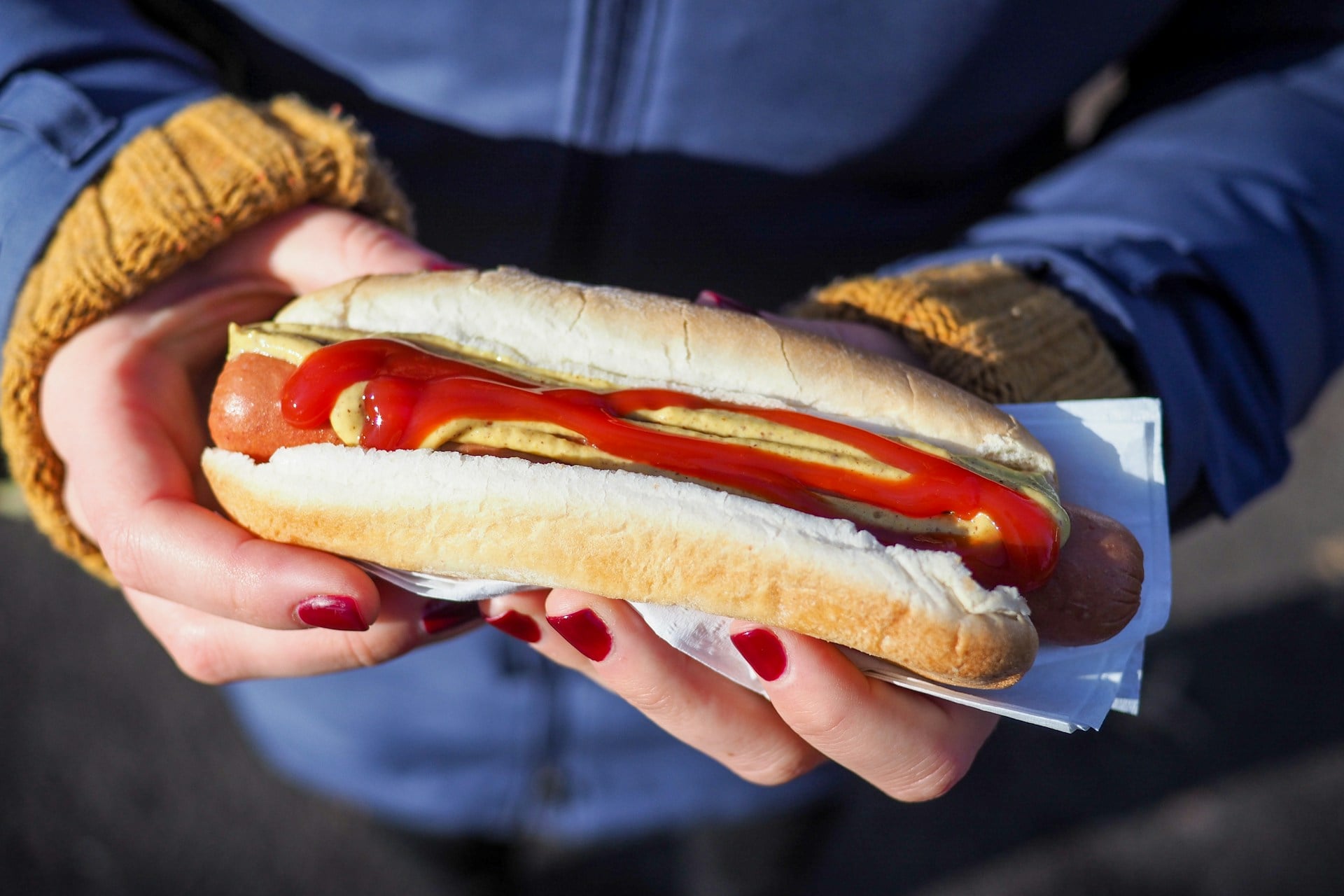
“Oh, I wish I were an Oscar Mayer wiener, that is what I truly want to be. Cause if I were an Oscar Mayer wiener, everyone would be in love with me.”
This jingle from 1963 is weird when you think about it. A child sings about wanting to be a hot dog.
But it worked because it captured how kids actually think—random, enthusiastic, unfiltered. The song spread through playgrounds across America.
Oscar Mayer understood their target audience. Parents bought the hot dogs, but kids influenced the decision.
A jingle that made kids laugh and sing would make them ask for that specific brand at the grocery store. The strategy paid off for decades.
Snap, Crackle, and Pop

Kellogg’s Rice Krispies gave their cereal sound personalities in the 1930s. The characters Snap, Crackle, and Pop represented the noises the cereal made in milk.
This turned an observation about the product into a marketing campaign that lasted generations.
The onomatopoeia worked because it was accurate. The cereal really did make those sounds.
Kids could test the advertising claim right at the breakfast table. The jingle wasn’t asking you to believe something abstract—it was describing something real.
The characters appeared in commercials, on boxes, and in print ads for decades. They became mascots that transcended the product itself.
Parents who grew up with Snap, Crackle, and Pop introduced their children to the same trio.
The Cat Food That Sang

Meow Mix found a brilliant solution to a fundamental problem: cats don’t care about advertising. Their owners do.
The “Meow Meow Meow Meow” jingle from 1976 turned cat sounds into a catchy tune that humans couldn’t forget.
The jingle implied that cats were expressing strong opinions about their food preferences. Cat owners, always looking to understand their pets better, found this appealing.
The campaign suggested that if your cat could talk, they’d ask for Meow Mix.
The simplicity of just using “meow” repeatedly shouldn’t have worked. But repetition and a memorable melody can turn almost anything into an earworm.
People who never owned a cat knew this jingle.
Bologna’s First Name

My bologna’s got a name, that’d be O-S-C-A-R. Then there’s another part – M-A-Y-E-R.
Back in ’74, Oscar Mayer nailed it with this catchy tune. Kids picked up spelling just from singing along, so the brand sneaked into their learning without trying too hard.
A little kid sat by the water, casting a line while humming a tune about his meal. He wasn’t performing – just daydreaming out loud, like kids do when no one’s watching.
Though made for TV, the melody sounded real, almost accidental. It worked because it didn’t try too hard.
Oscar Mayer showed – more than once – that knowing how kids think made all the difference. Children aren’t into ads, yet they’ll sing along if the tune sticks.
Offer something catchy, so purchases come naturally.
When Melodies Become Memories

These tunes stuck around long after ads faded, ’cause they hit on more than just what a thing did or how cheap it was. Instead of fading, they slipped into everyday moments – like background noise we all knew.
They marked whole decades, basically becoming common memories that linked folks from different ages.
The top tunes weren’t only about pushing items. Instead, they built links that seemed oddly close.
Think back – where you stood, your age, who was near when it played for the first time. Suddenly, it’s less tied to what was being sold.
This is your life, your memories, your tale – shaped by moments you lived. These brands simply tied their names to them, so now each moment sticks around longer.
More from Go2Tutors!

- The Romanov Crown Jewels and Their Tragic Fate
- 13 Historical Mysteries That Science Still Can’t Solve
- Famous Hoaxes That Fooled the World for Years
- 15 Child Stars with Tragic Adult Lives
- 16 Famous Jewelry Pieces in History
Like Go2Tutors’s content? Follow us on MSN.



