Historic Sites Once Lost and Later Rediscovered
History has a funny way of hiding things. Cities crumble, jungles grow over temples, and sand buries entire civilizations.
For centuries or even thousands of years, these places sit forgotten while the world moves on. Then someone stumbles across a stone, follows a local legend, or simply gets lucky, and suddenly a lost piece of human history comes back to life.
These rediscoveries have changed how people understand the past. Here are some of the most amazing historic sites that vanished from memory and were later found again.
Machu Picchu
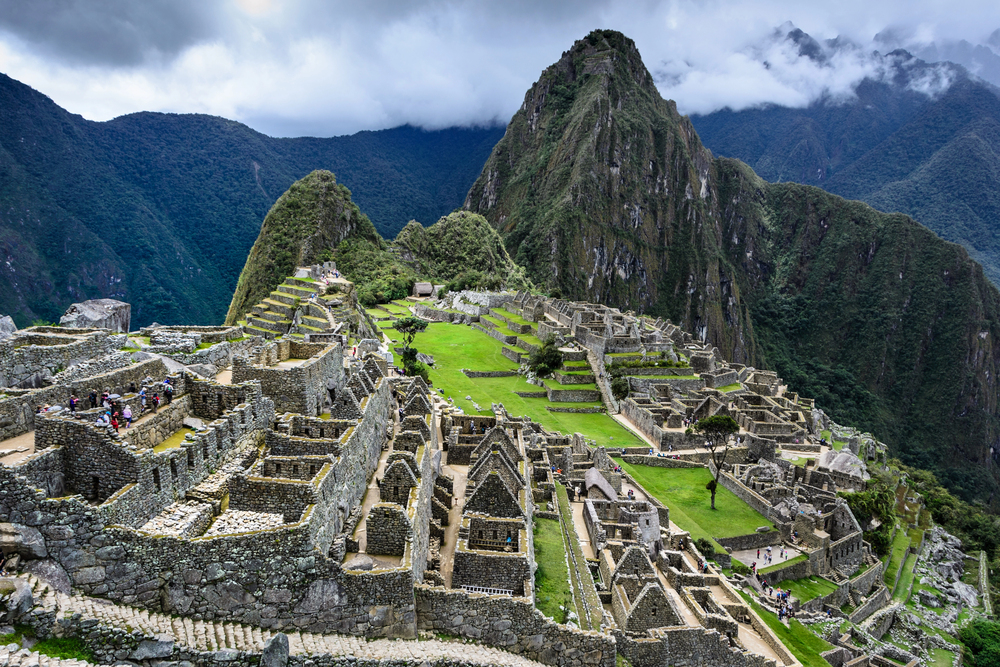
Perched high in the Peruvian Andes, this Inca city was never really lost to local people who lived nearby. But the outside world had no idea it existed until 1911 when Hiram Bingham, an American historian, arrived guided by a local farmer.
The Spanish conquistadors never found it during their conquest, which probably saved it from destruction. Centuries of jungle growth had covered the stone structures, making them nearly invisible from below.
When Bingham cleared away the vegetation, he found terraces, temples, and homes remarkably preserved by the dry mountain air.
Pompeii
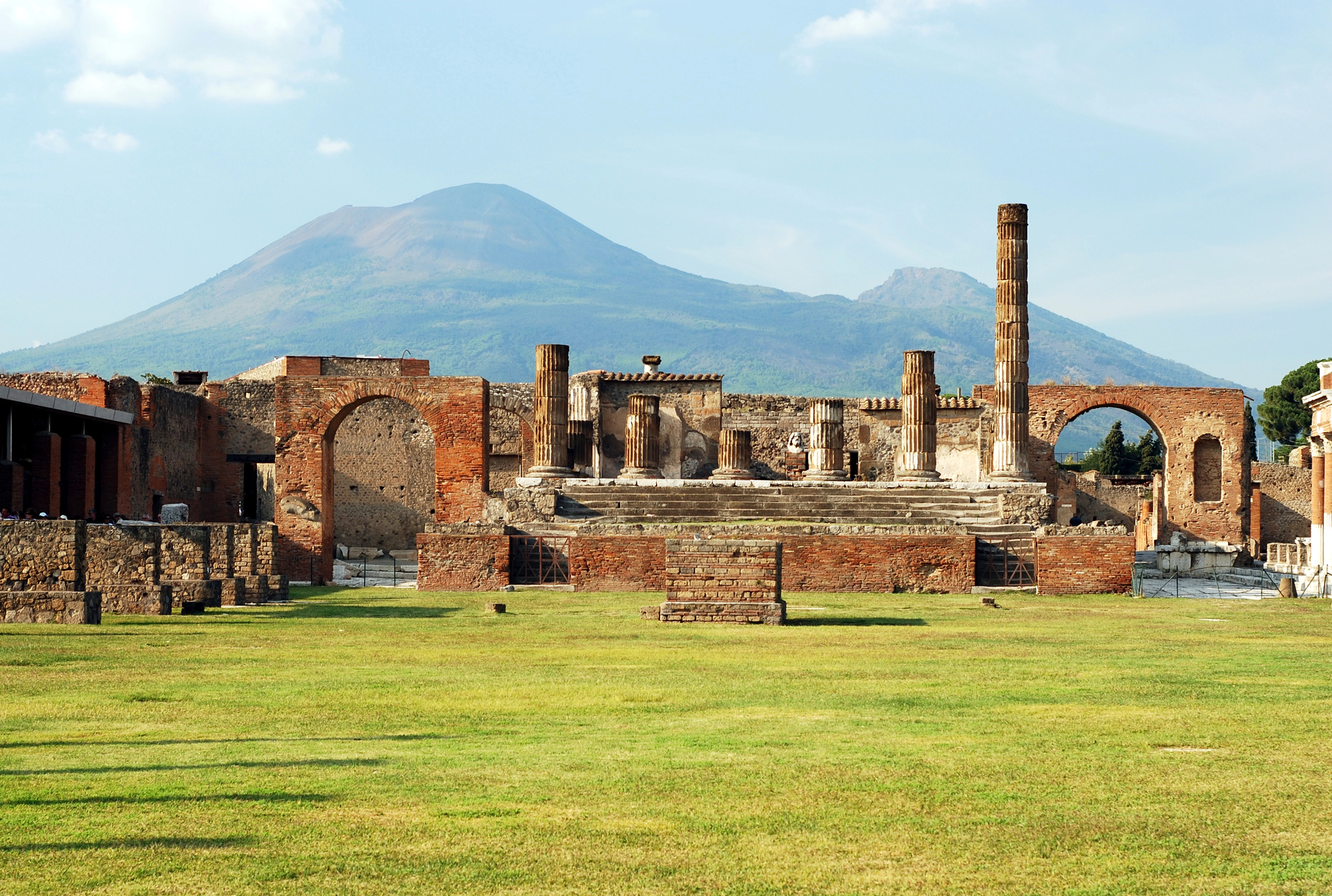
Mount Vesuvius erupted in 79 AD and buried this Roman city under layers of volcanic ash and rock. Everyone knew something terrible had happened there because ancient writers recorded the disaster.
But over time, people forgot exactly where Pompeii had been located. In 1748, workers digging a well accidentally broke through into an ancient building.
What they found was extraordinary because the ash had preserved everything like a time capsule, including food on tables and people frozen in their final moments.
Like Go2Tutors’s content? Follow us on MSN.
Angkor Wat
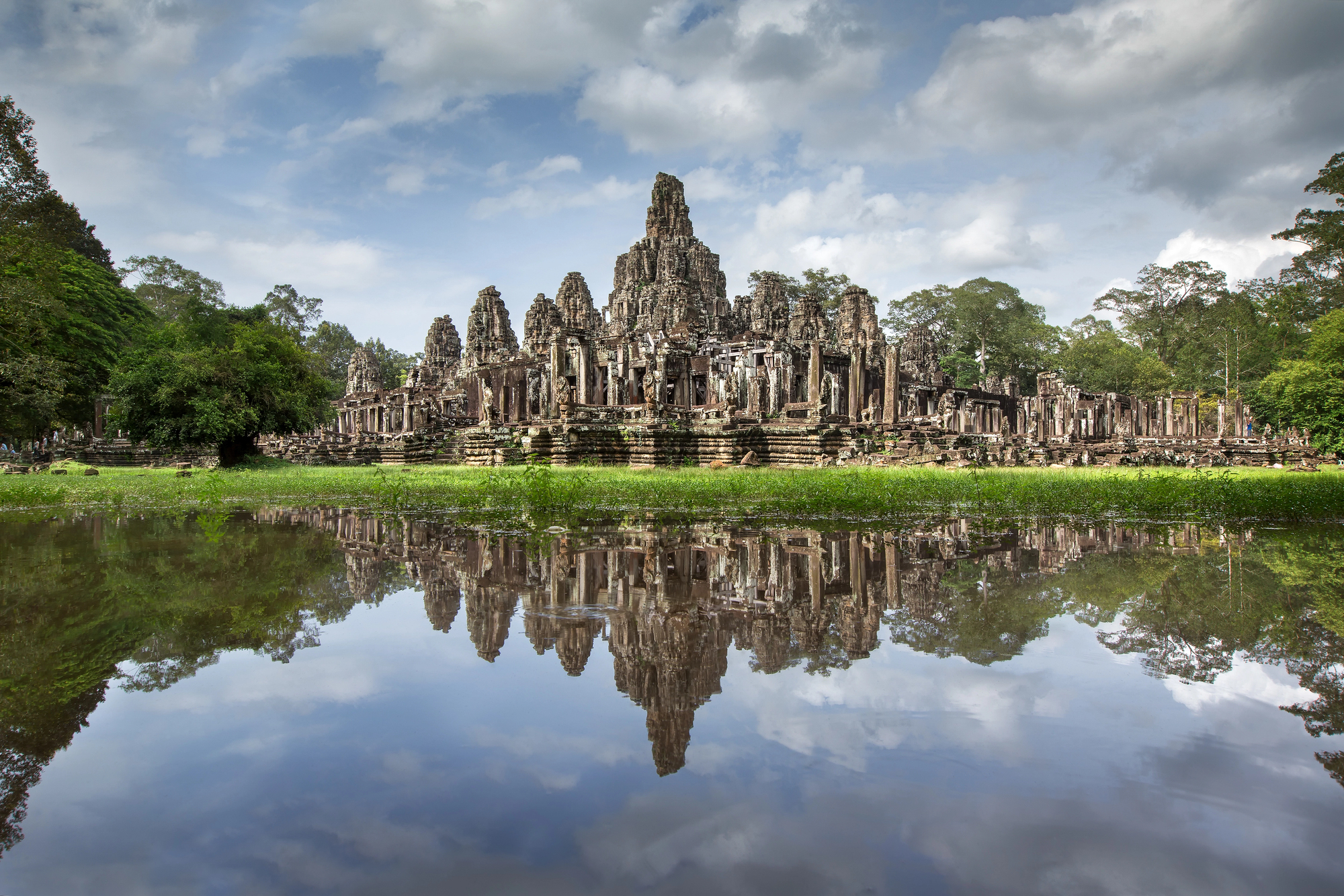
The largest religious structure ever built slowly disappeared into the Cambodian jungle after the Khmer Empire declined in the 15th century. Buddhist monks continued using parts of it, so it was never completely abandoned or forgotten by locals.
French explorer Henri Mouhot brought it to Western attention in 1860 with detailed drawings and descriptions. Trees had grown through walls, roots cracked foundations, and vines covered intricate carvings.
Clearing and restoration work continues today, revealing more of this massive temple complex.
Troy
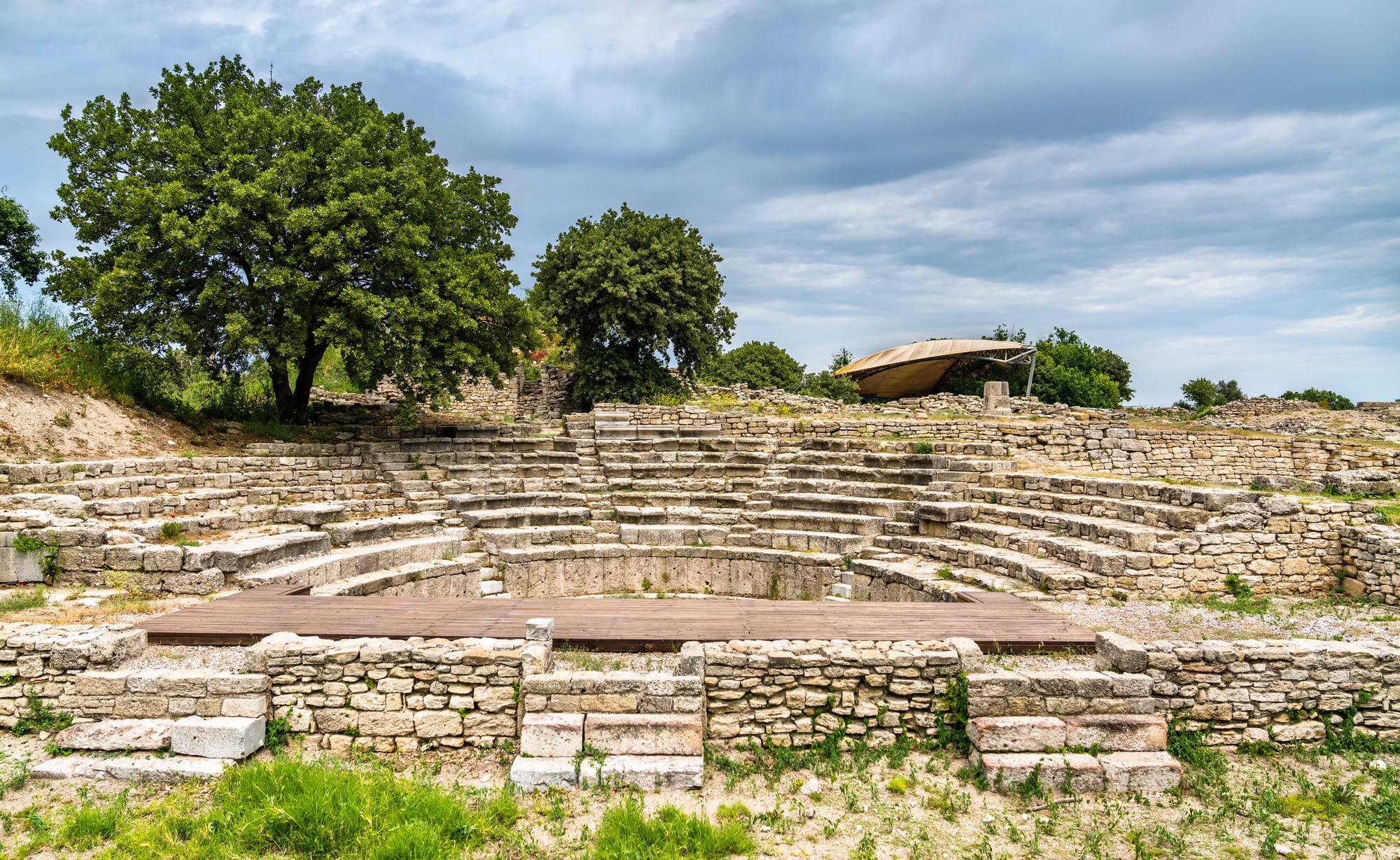
Most scholars thought Troy was just a myth from Homer’s poems about the Trojan War. German businessman Heinrich Schliemann believed otherwise and started digging in Turkey in 1870 at a site called Hisarlik.
He found not one but several ancient cities built on top of each other over thousands of years. Schliemann’s methods were rough and he damaged some of what he found, but he proved Troy was real.
Archaeologists still debate which layer of ruins matches the city from the legendary war.
The Terracotta Army
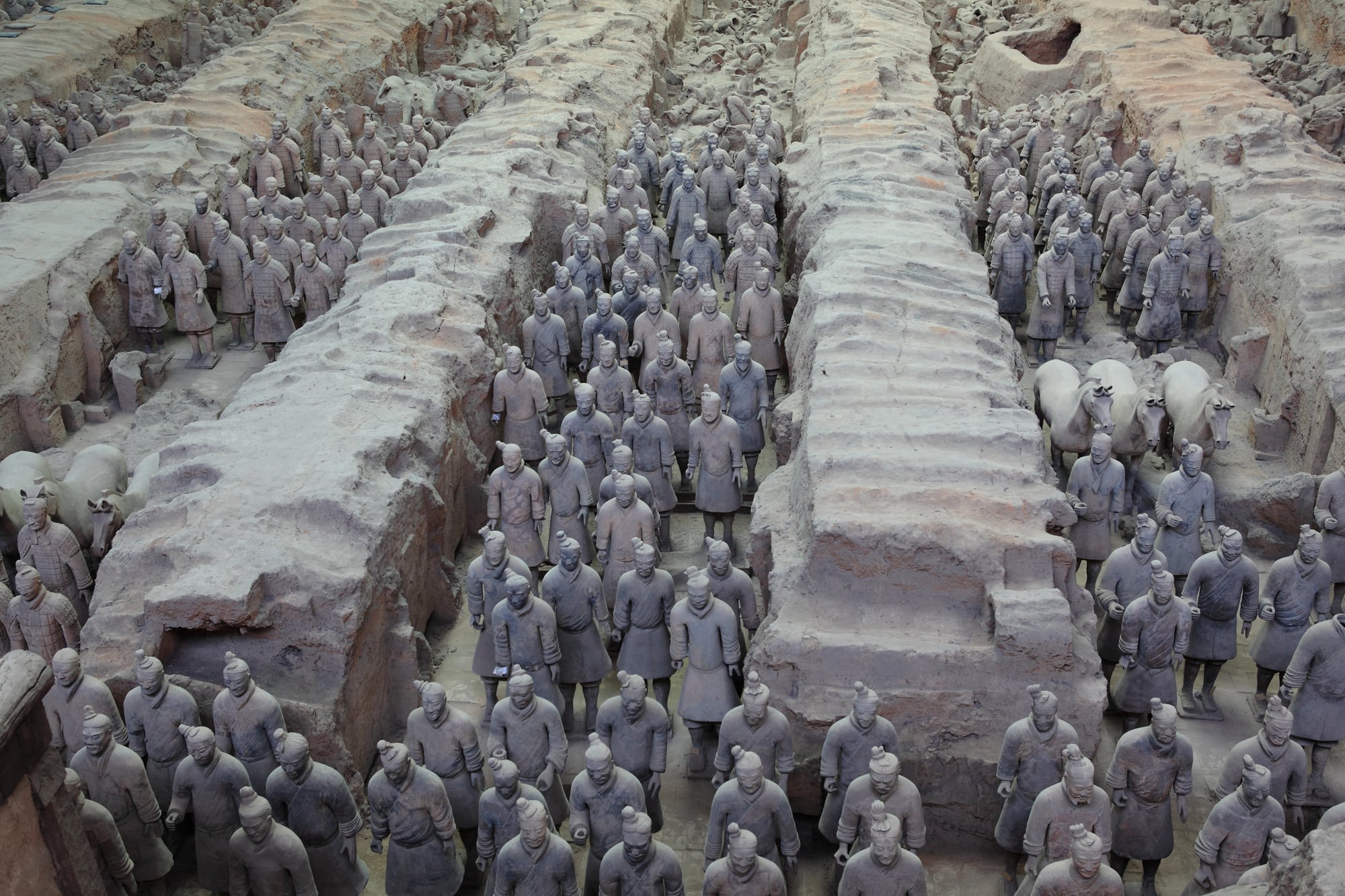
A group of farmers digging a well in 1974 near Xi’an, China, hit something hard. It turned out to be a clay soldier, one of thousands buried with China’s first emperor, Qin Shi Huang, in 210 BC.
Nobody had any idea this underground army existed, even though historical texts mentioned the emperor’s elaborate tomb. Each warrior has unique facial features and originally held real weapons.
Three massive pits have been excavated so far, but the emperor’s actual burial chamber remains unopened.
Like Go2Tutors’s content? Follow us on MSN.
Mesa Verde
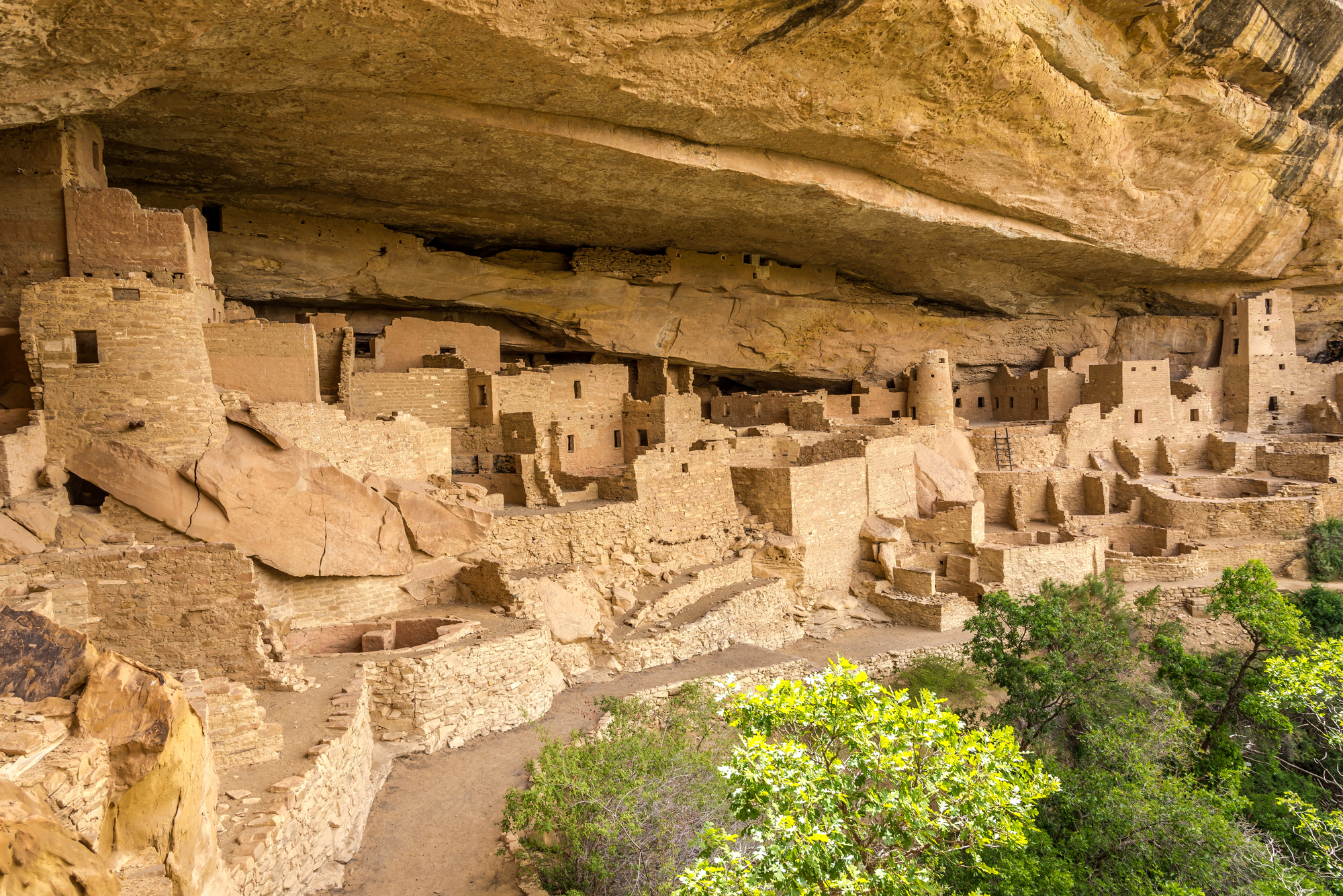
Native American cliff dwellings in Colorado were home to Ancestral Puebloans until they left around 1300 AD. The buildings sat empty and largely unknown to outsiders for nearly 600 years.
In 1888, two ranchers searching for stray cattle in a snowstorm spotted structures built into the cliff faces. The dry climate had preserved wooden beams, pottery, and even corn from centuries earlier.
These weren’t simple caves but sophisticated multi-story apartment complexes built into natural alcoves in the rock.
Petra
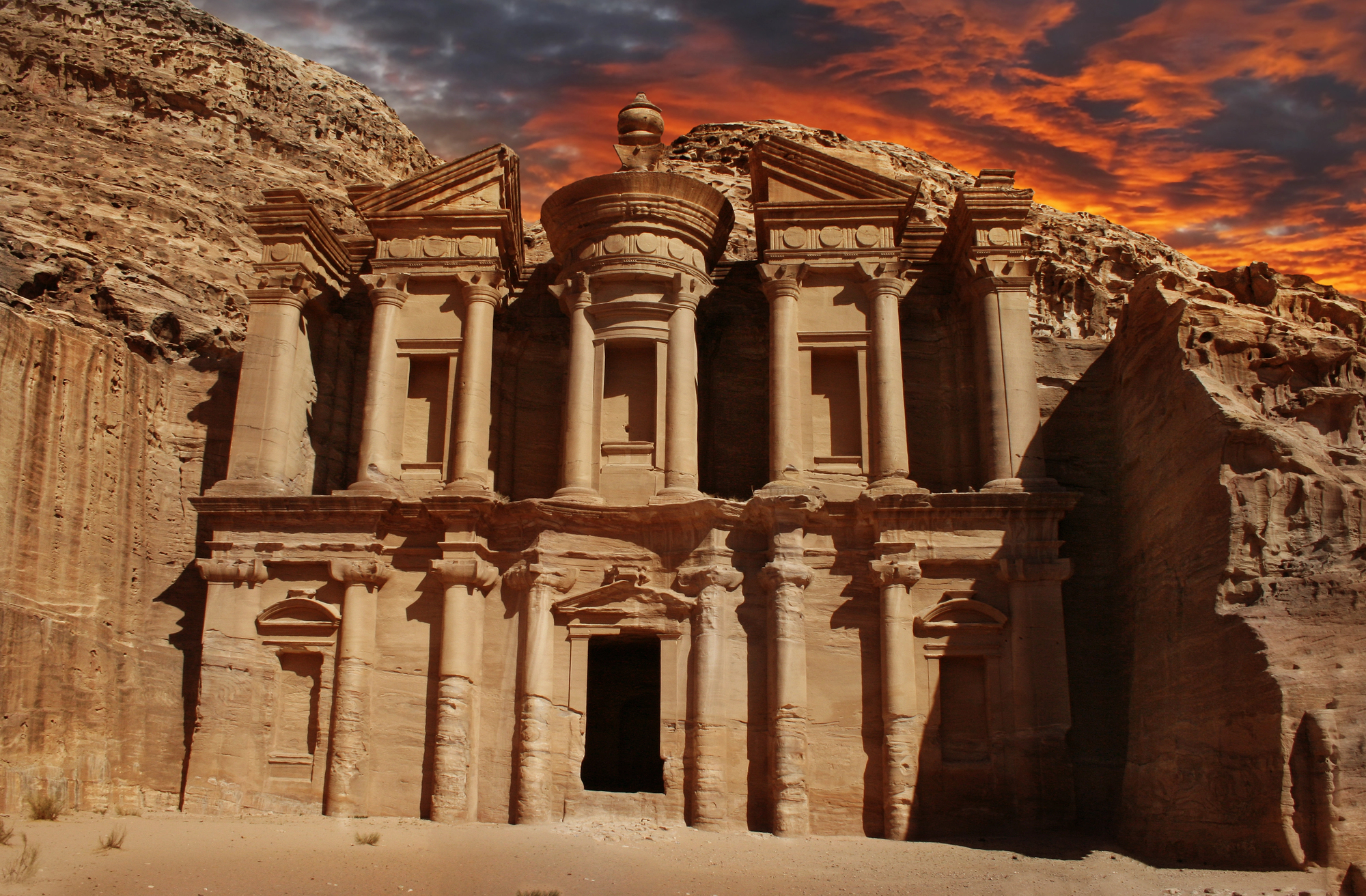
This ancient city carved into red sandstone cliffs in Jordan served as the capital of the Nabataean Kingdom. After earthquakes and changing trade routes led to its decline, Petra was known only to local Bedouins who kept it secret.
Swiss explorer Johann Ludwig Burckhardt heard rumors and convinced a guide to take him there in 1812 by pretending he wanted to make a religious offering. He became the first European in modern times to see the Treasury and other structures cut directly into the cliff faces.
Water channels and elaborate tombs showed the Nabataeans were master engineers.
Great Zimbabwe
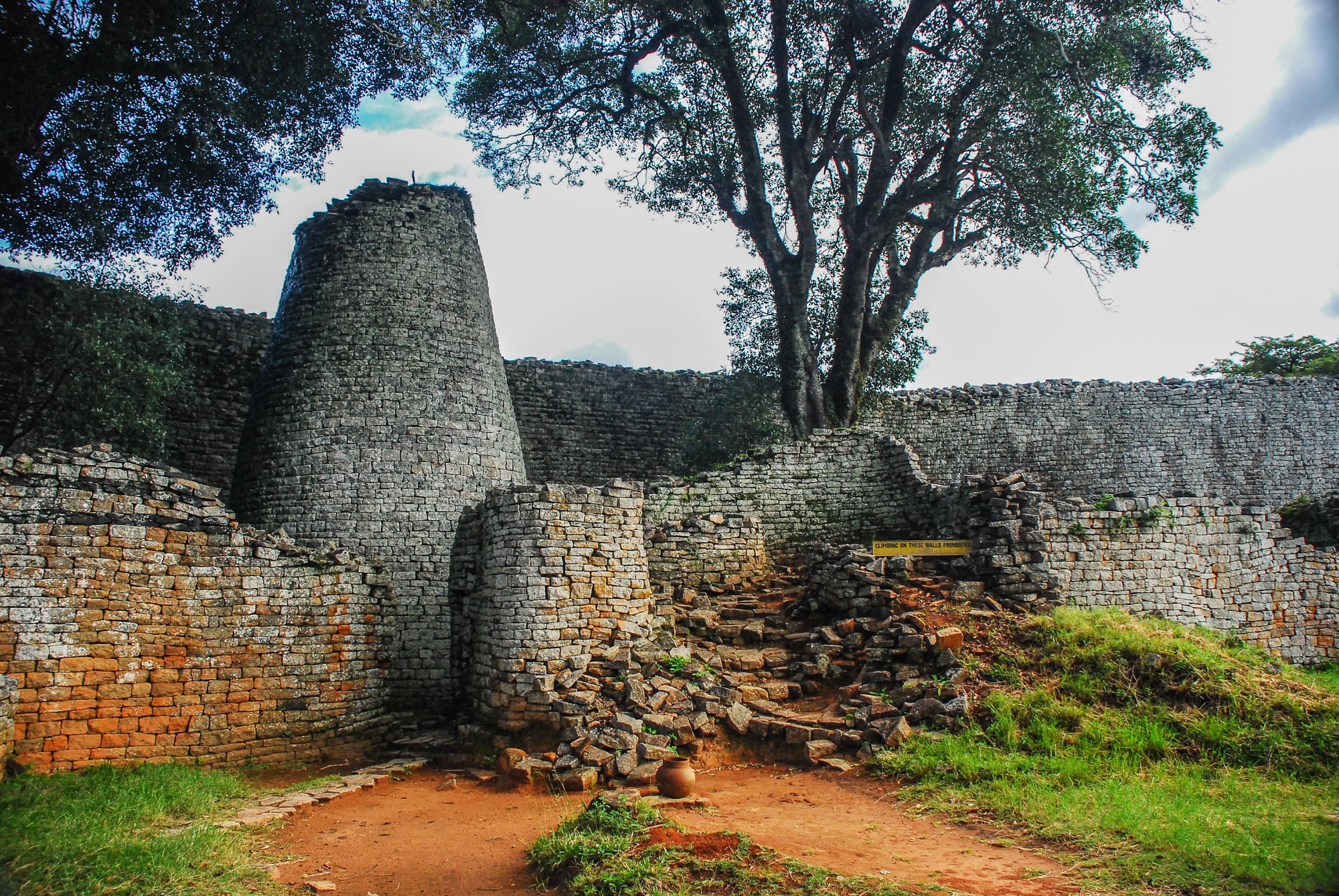
These impressive stone ruins in southern Africa puzzled early European explorers who couldn’t believe Africans had built something so sophisticated. The site was abandoned around 1450 AD, and its origins were forgotten over time.
Local people knew about the ruins, but colonial archaeologists often ignored or dismissed their knowledge. The truth is that Great Zimbabwe was the capital of a powerful kingdom that controlled gold and ivory trade routes.
Massive walls built without mortar and a complex of structures housed thousands of people at its peak.
Like Go2Tutors’s content? Follow us on MSN.
Göbekli Tepe
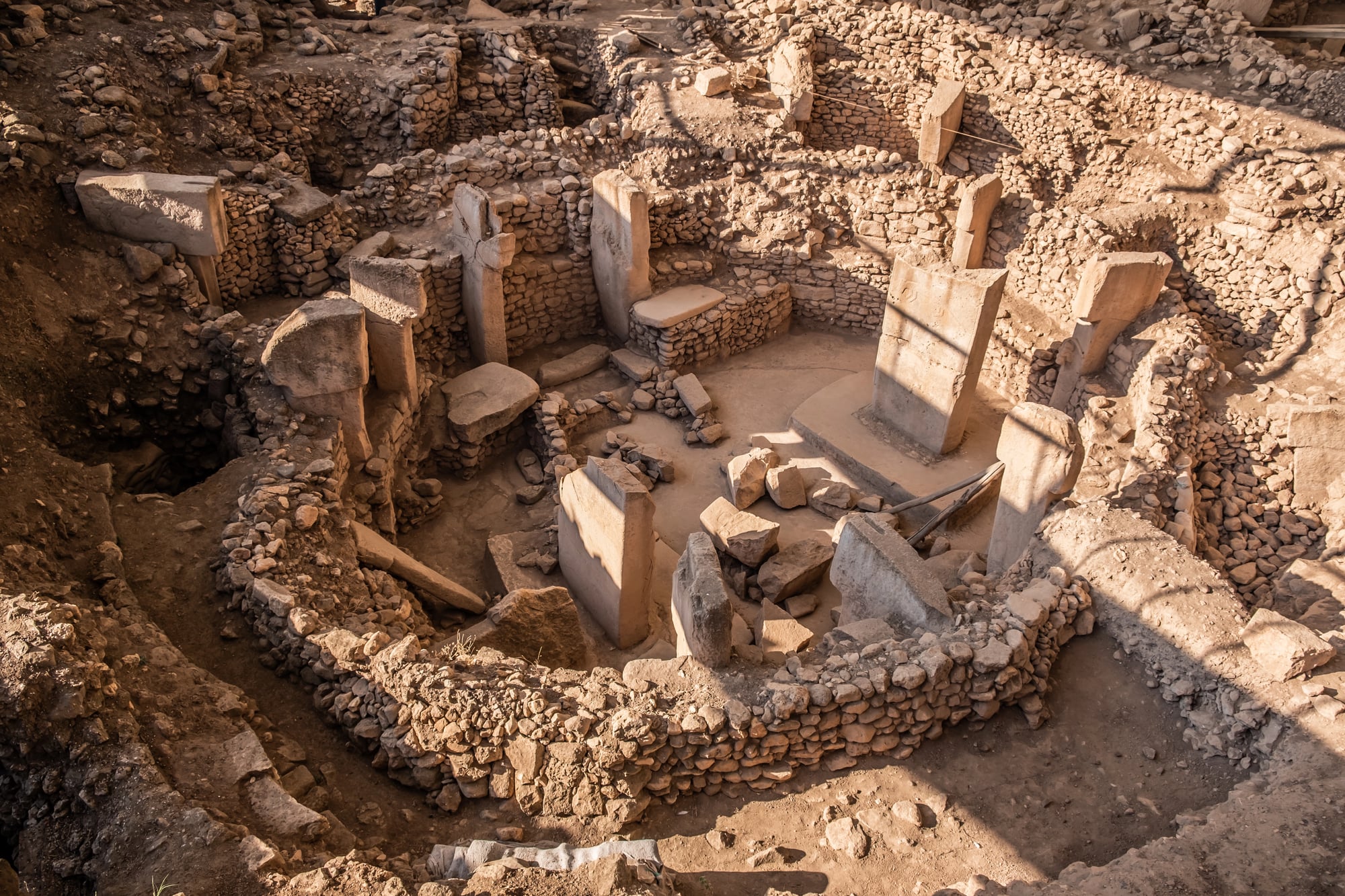
Turkish shepherds noticed strange stones sticking out of a hill in 1963, but everyone assumed they were just old gravestones. German archaeologist Klaus Schmidt started excavating in 1995 and found something that changed ideas about early human civilization.
The site contains massive stone pillars arranged in circles, carved with animals and symbols, dating back 11,000 years. That makes it older than farming, cities, or writing.
Hunter-gatherers built this complex before humans were supposed to be capable of such organized construction projects.
Sutton Hoo
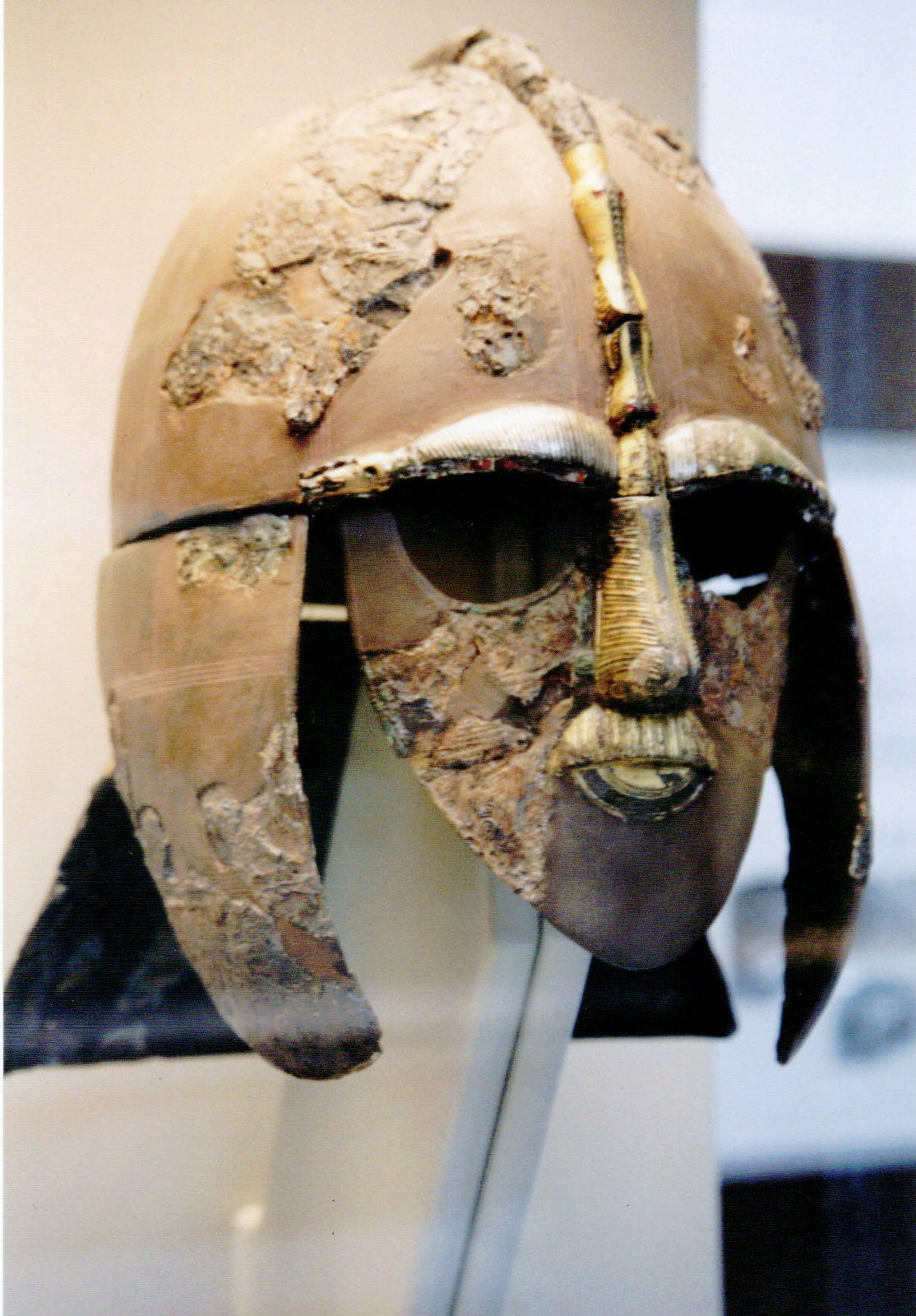
A landowner in England wondered about some mounds on her property and hired an archaeologist to investigate in 1939. Basil Brown discovered an Anglo-Saxon ship burial filled with treasures from the 7th century.
The wooden ship had rotted away, but its imprint remained in the soil along with gold jewelry, weapons, and Byzantine silver. This find completely changed understanding of the Anglo-Saxon period, showing these people were far more connected and wealthy than previously thought.
The burial probably belonged to an East Anglian king.
Derinkuyu
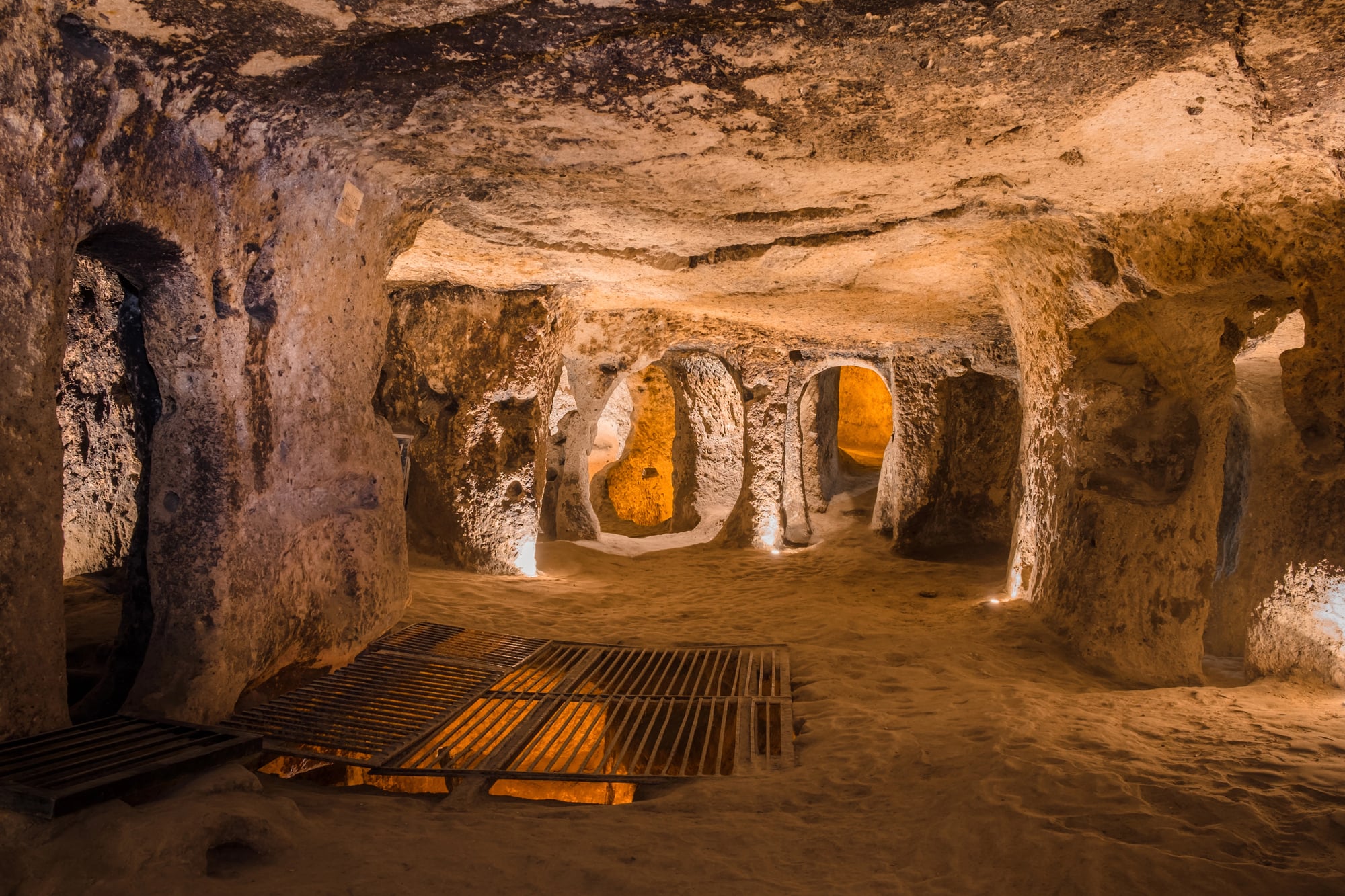
Someone renovating their house in Turkey’s Cappadocia region in 1963 knocked down a wall and found a room they didn’t know existed. That room led to a tunnel, which led to more rooms, and eventually revealed an entire underground city.
Derinkuyu extends at least 85 meters below the surface with multiple levels including living quarters, kitchens, wine presses, and even stables. It could hold up to 20,000 people along with their livestock and food supplies. Early Christians probably expanded natural caves into this refuge to hide from persecution and raids.
Like Go2Tutors’s content? Follow us on MSN.
Lascaux Cave
Four teenagers and a dog exploring the French countryside in 1940 found a narrow opening that led into a cave system. What they discovered on the walls took everyone’s breath away.
Paintings of horses, bulls, deer, and other animals covered the chambers, created by prehistoric artists around 17,000 years ago. The images use multiple colors and show remarkable skill in capturing movement and form.
The cave had been sealed by a rockfall thousands of years earlier, which protected the paintings until modern discovery.
Herculaneum
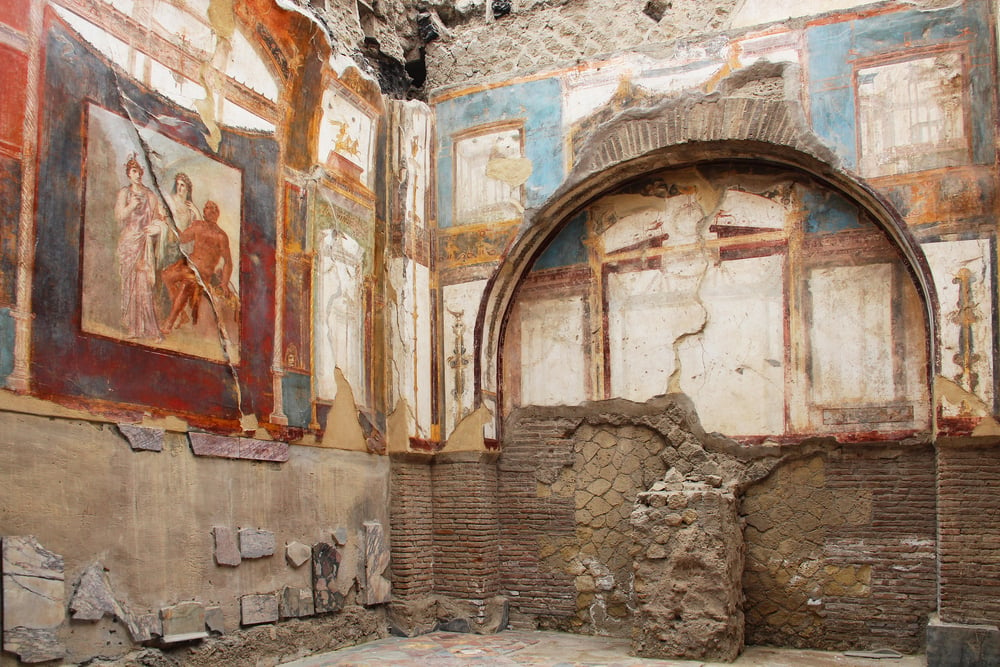
Pompeii’s neighbor suffered the same fate when Vesuvius erupted, but Herculaneum got buried under much deeper volcanic material. This made it harder to find and harder to excavate.
Workers discovered it accidentally in 1709 while digging a well, much earlier than Pompeii, but serious excavation didn’t start until the 20th century. The deeper burial actually preserved things even better, including wooden furniture, scrolls, and even some food.
Two-story buildings remained largely intact under the hardened mud.
Skara Brae
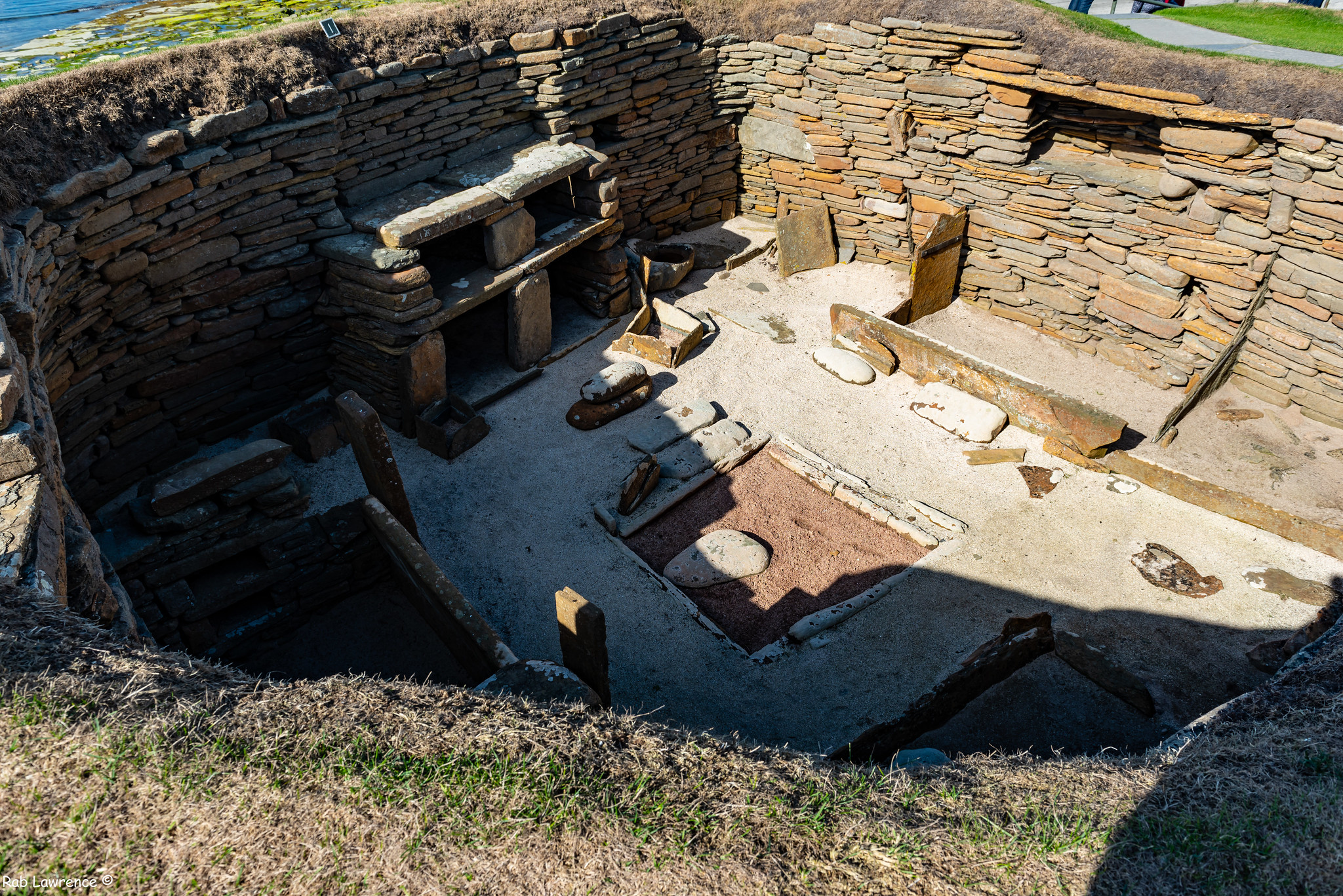
A massive storm in 1850 stripped grass and sand from a mound on Scotland’s Orkney Islands, revealing stone structures underneath. What emerged was a 5,000-year-old Neolithic village, older than the pyramids.
Stone furniture including beds, dressers, and shelves remained in place because trees were scarce and inhabitants built everything from stone. Even a primitive toilet system connected the houses.
Sand had filled and preserved the settlement after people abandoned it, possibly fleeing another storm.
Like Go2Tutors’s content? Follow us on MSN.
Timgad
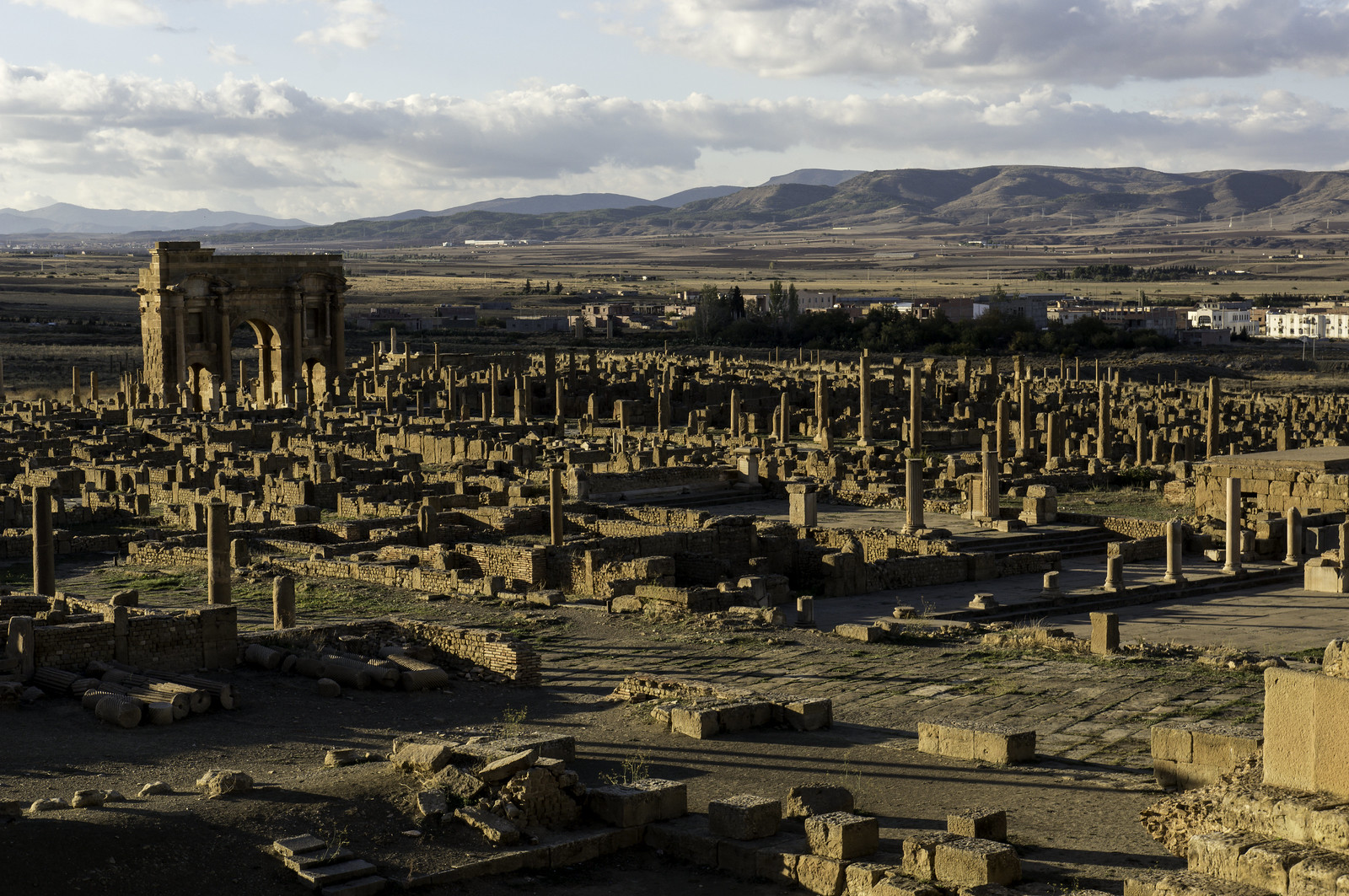
Roman ruins in Algeria sat partially buried in sand for over a thousand years after Vandals destroyed the city in the 5th century. French archaeologists began excavating in 1881 and found an almost complete Roman city frozen in time.
The grid pattern of streets, forum, theater, library, and even public baths remained clearly visible. Desert sand had protected mosaics and inscriptions from weather damage.
Timgad showed how Romans built colonial cities throughout their empire using standardized designs.
Babylon
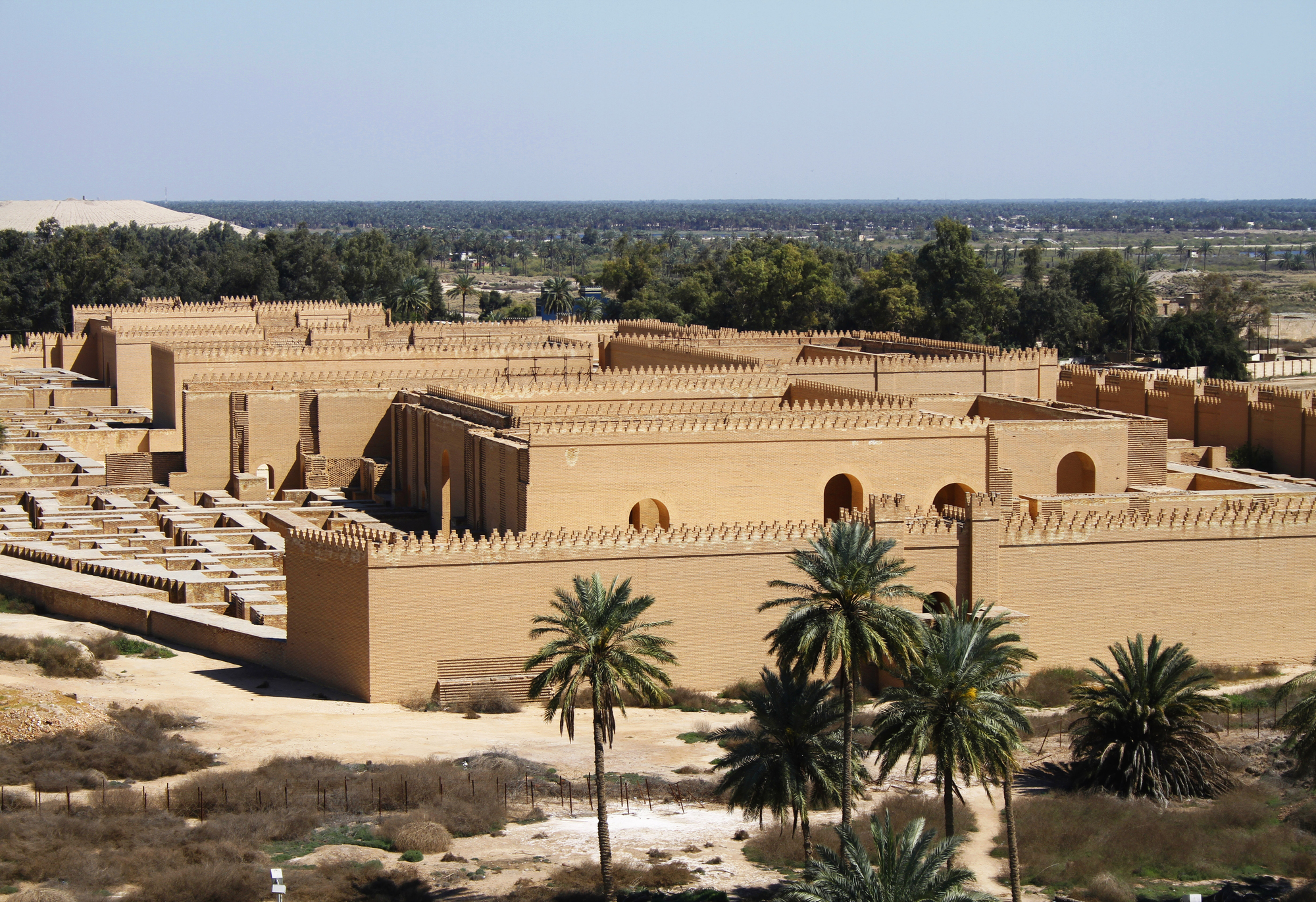
Ancient writers described Babylon as one of the wonders of the world with its hanging gardens and massive walls. But after the city was abandoned, sand covered everything and its exact location was disputed for centuries.
German archaeologist Robert Koldewey started digging in 1899 and found the Ishtar Gate, palace foundations, and other structures. The famous hanging gardens have never been definitively located and might have been in a different city entirely.
What remains shows Babylon was as impressive as the legends suggested.
Çatalhöyük
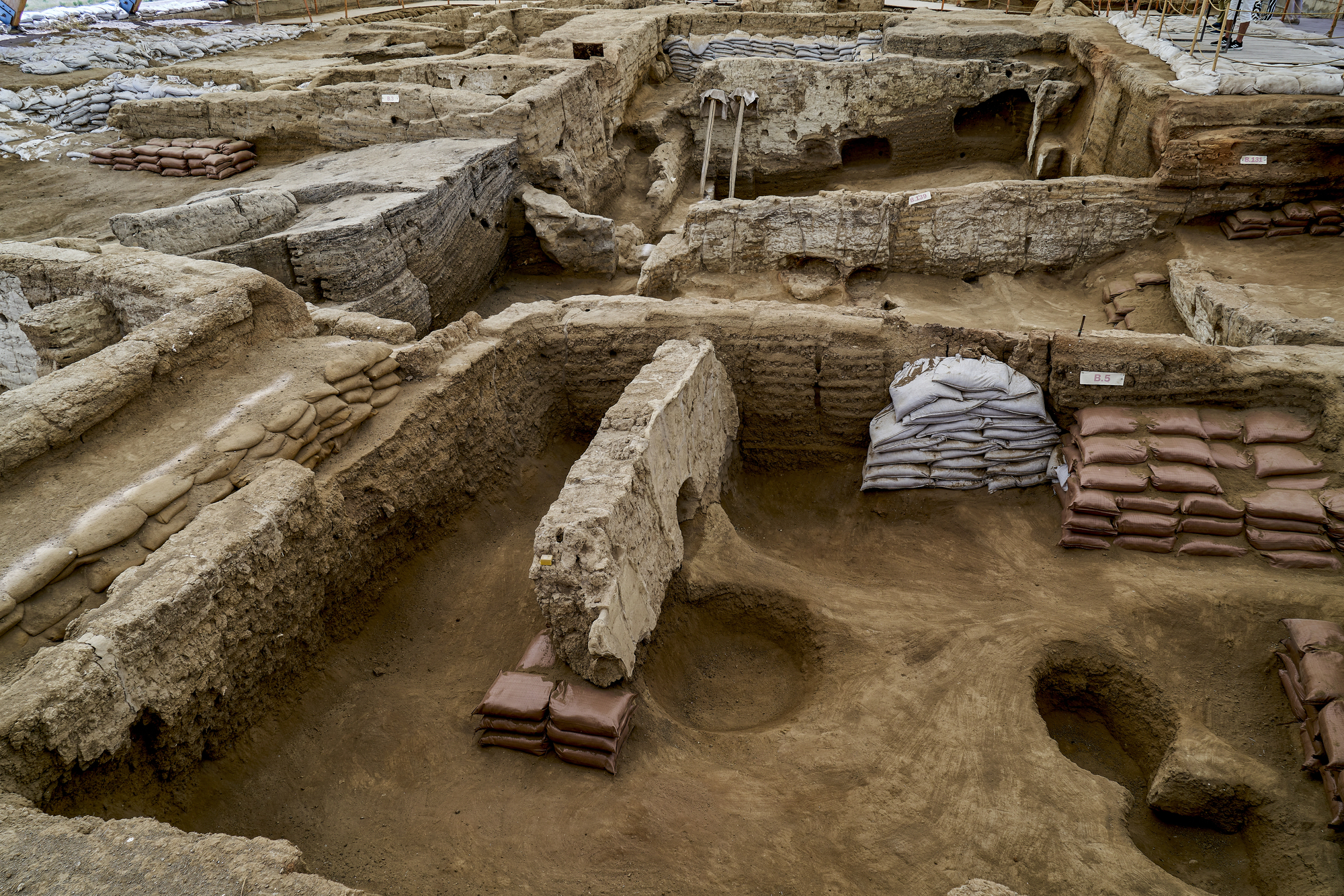
Farmers in Turkey knew about a large mound in their fields but had no idea what it contained. British archaeologist James Mellaart started excavating in 1958 and found one of the world’s oldest town sites.
People lived here from about 7500 BC to 5700 BC in houses built so closely together there were no streets. Residents entered homes through the roof and walked across rooftops to get around.
Wall paintings and bull horn decorations showed complex religious beliefs among these early farmers.
Like Go2Tutors’s content? Follow us on MSN.
The Lost City of the Monkey God
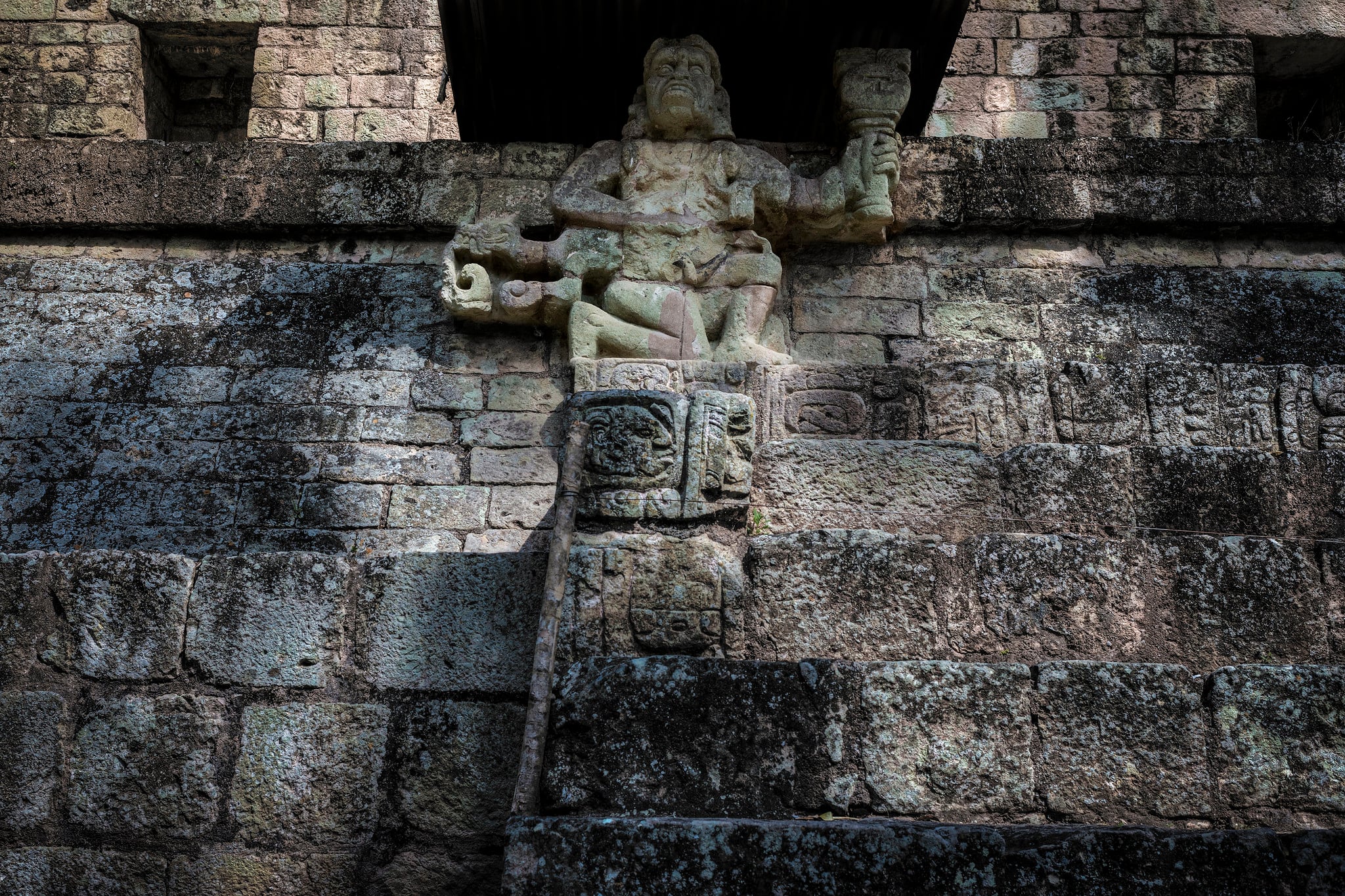
Legends spoke of a white city hidden in Honduras’s jungle for centuries. In 2012, aerial surveys using lidar technology detected structures beneath the dense canopy.
Archaeologists reaching the site in 2015 found plazas, pyramids, and numerous artifacts from a previously unknown culture. The city had been abandoned around 1500 AD for unknown reasons.
Discovering it required modern technology because the jungle was too thick for traditional exploration methods to work.
When the earth gives back its secrets
These rediscoveries prove that history still has surprises waiting beneath the surface. Each find adds pieces to the puzzle of how people lived, built, and thrived in different times and places.
Sometimes nature hides these sites on purpose, burying them in ways that actually protect them for future generations. The stories of ordinary people stumbling onto extraordinary ruins remind us that the past is never quite as far away as it seems, and patience combined with curiosity can bring vanished worlds back into the light.
More from Go2Tutors!

- 16 Historical Figures Who Were Nothing Like You Think
- 12 Things Sold in the 80s That Are Now Illegal
- 15 VHS Tapes That Could Be Worth Thousands
- 17 Historical “What Ifs” That Would Have Changed Everything
- 18 TV Shows That Vanished Without a Finale
Like Go2Tutors’s content? Follow us on MSN.



