Micro Nations That Actually Exist on the World Map
Ever stumbled across a country name that made you wonder if someone was pulling your leg? The world map holds some surprises that sound more like fictional places than real nations. These aren’t territories or dependencies tucked away in legal gray areas — they’re actual sovereign states with their own governments, currencies, and citizens.
Some are smaller than your local mall parking lot, while others manage to pack entire cultures into spaces you could walk across in an afternoon.
Vatican City
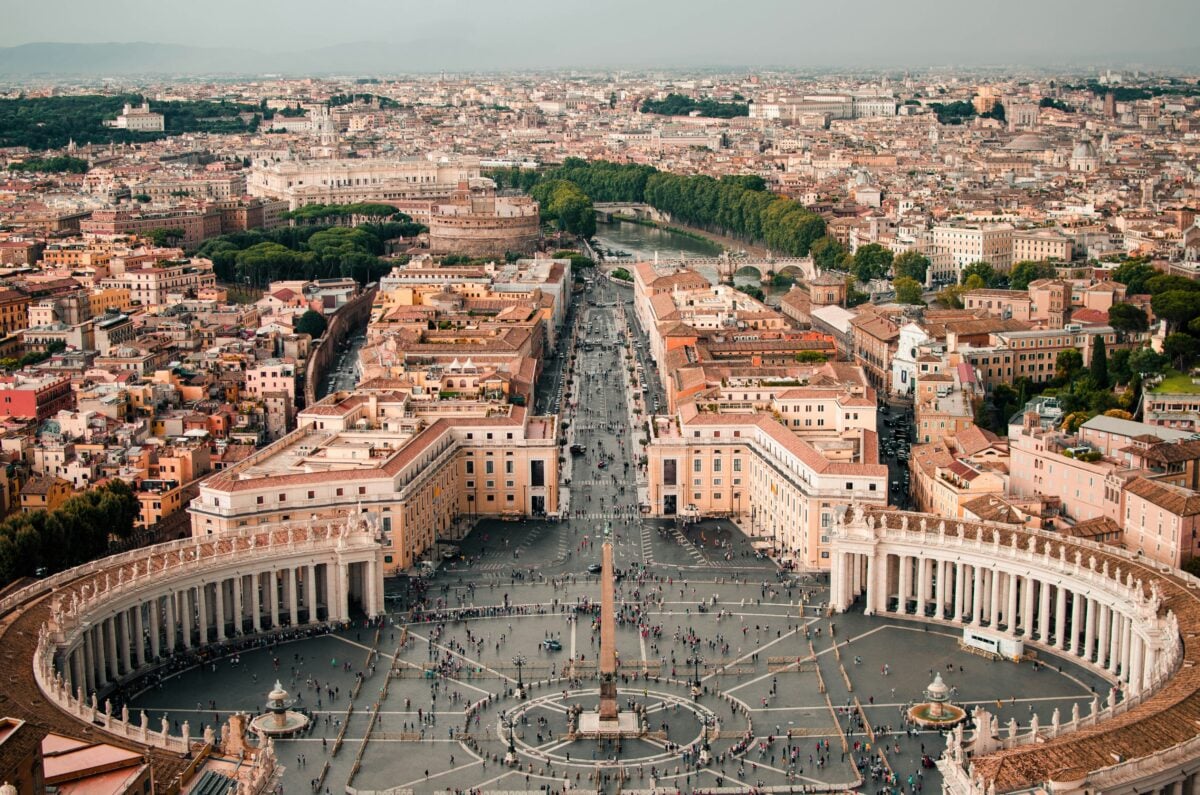
The Pope runs the smallest country on Earth. At 0.17 square miles, Vatican City fits inside most university campuses with room to spare.
Every citizen either wears religious robes or carries a Swiss Guard uniform. You need special permission just to spend the night there.
The country has its own postal system that collectors prize more than most nations’ stamps, and the ATM instructions come in Latin because why wouldn’t they.
Nauru
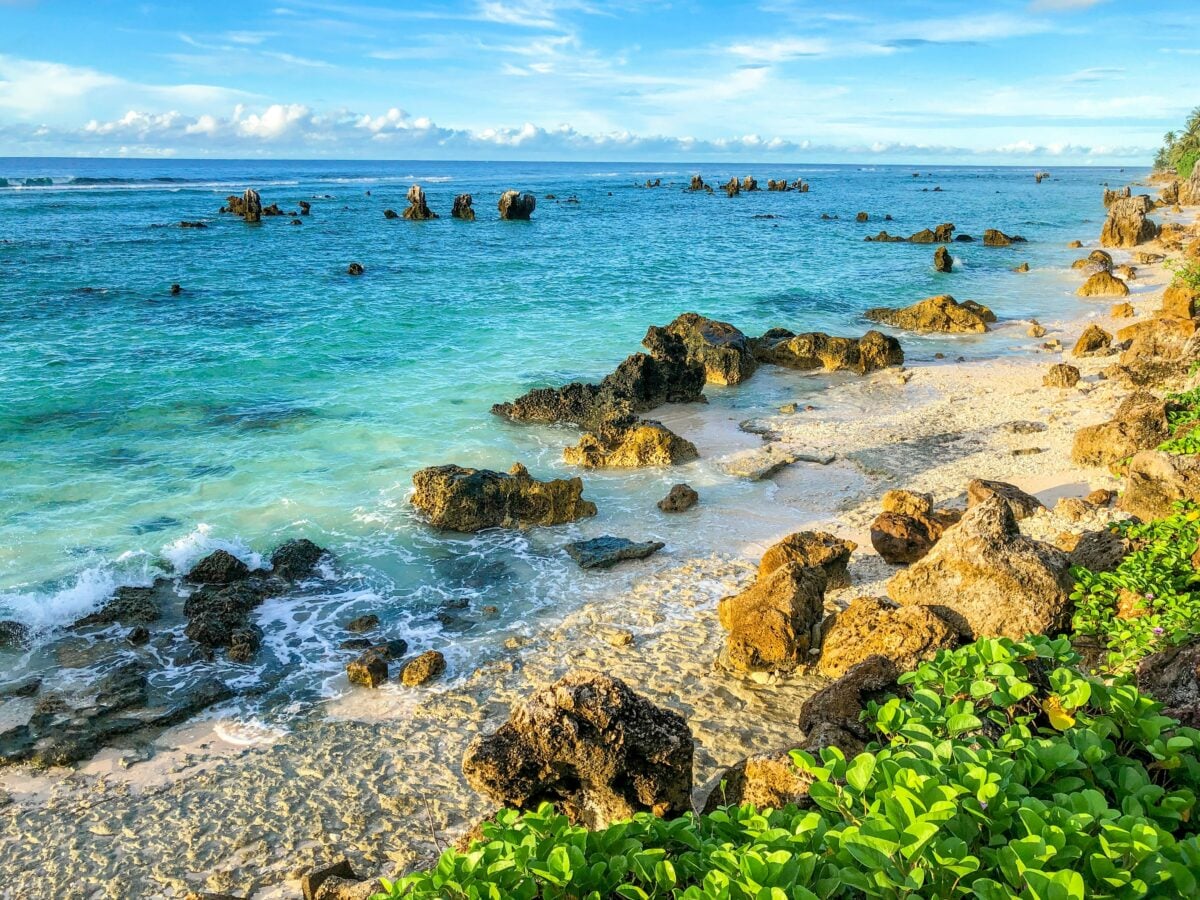
Nauru sits alone in the Pacific Ocean like a forgotten island from a fairy tale — which, in many ways, it was, at least economically speaking (back when bird droppings made the entire population wealthy beyond imagination, though that’s another story entirely). The whole country spans just 8.1 square miles, making it small enough that you could jog around its perimeter in about an hour if you were so inclined.
And yet this tiny speck of land supports nearly 11,000 people who have somehow managed to maintain their own government, their own airline, and their own rather complicated relationship with Australia. So there’s that.
But here’s the thing that really gets you: Nauru doesn’t have a capital city because there simply isn’t room for one — the government buildings just sort of exist wherever they fit, scattered across the island like puzzle pieces that someone gave up trying to organize.
Monaco
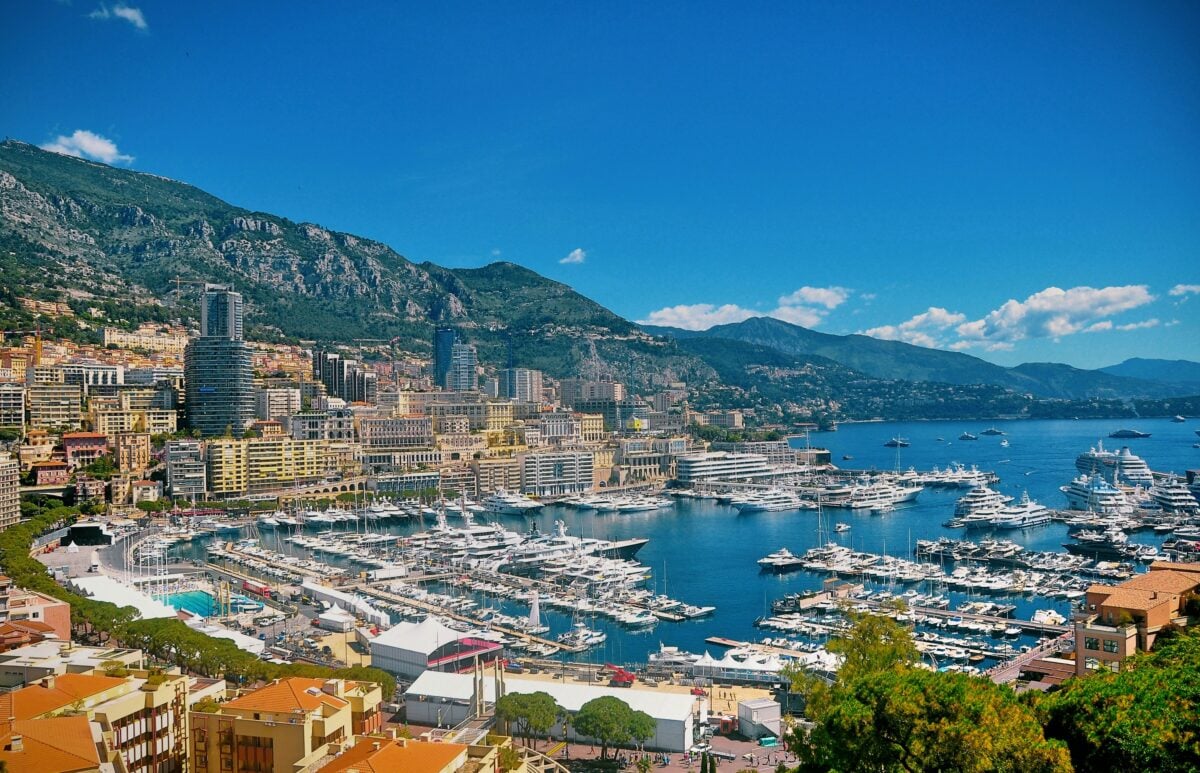
Monaco proves that location beats size every single time. This 0.78-square-mile principality along the French Riviera houses more millionaires per capita than anywhere else on the planet. The country is so compact that the famous Monte Carlo casino district takes up a meaningful percentage of the national territory. The royal family still runs the show, and citizens don’t pay income tax.
Fair enough — when your entire country fits into less than one square mile, traditional tax structures probably feel a bit ridiculous anyway.
San Marino
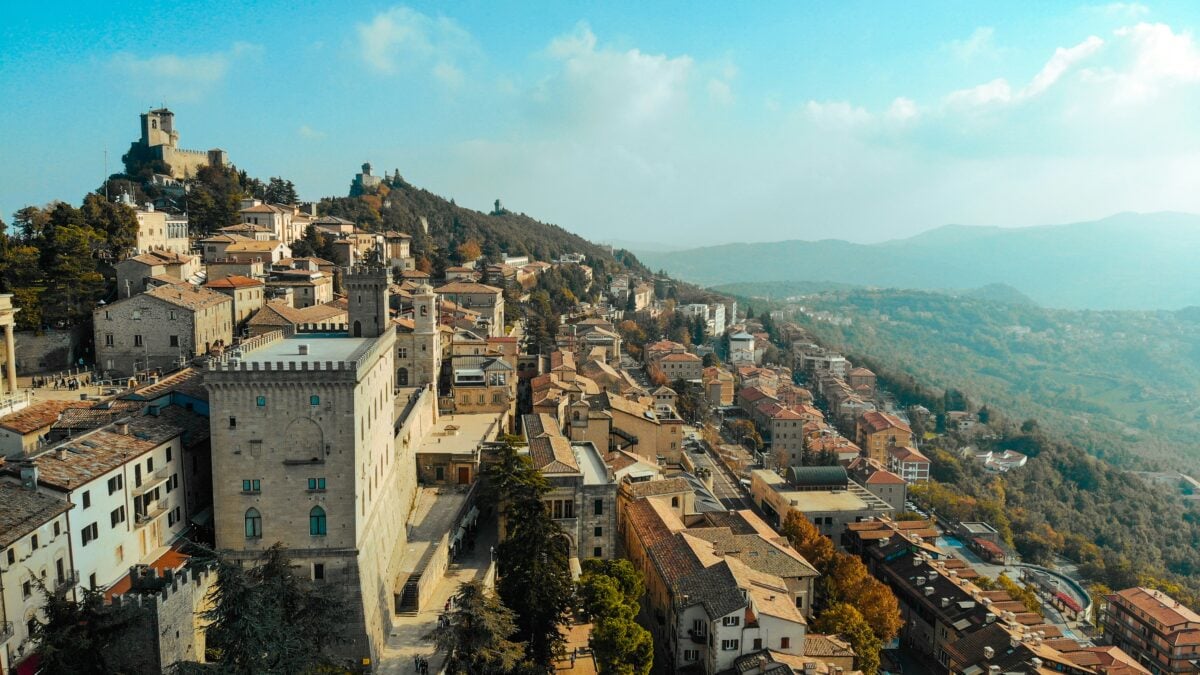
San Marino unfolds across Mount Titano like a medieval postcard that someone forgot to update — and thank goodness for that oversight, because the result is something that feels both impossibly ancient and surprisingly vital. The country claims to be the world’s oldest republic, founded in 301 AD by a Christian stonemason fleeing Roman persecution, and walking through its narrow stone streets today, that origin story doesn’t feel like distant history so much as something that could have happened last week.
The three towers that crown the mountain peaks watch over just 24 square miles and 34,000 citizens, but the weight of all that accumulated time gives the place a gravity that larger nations spend centuries trying to achieve. You can drive through the entire country in twenty minutes if traffic cooperates, yet San Marino has managed to stay independent while empires rose and fell around it — stubborn as the mountain stone that forms its foundation.
Liechtenstein
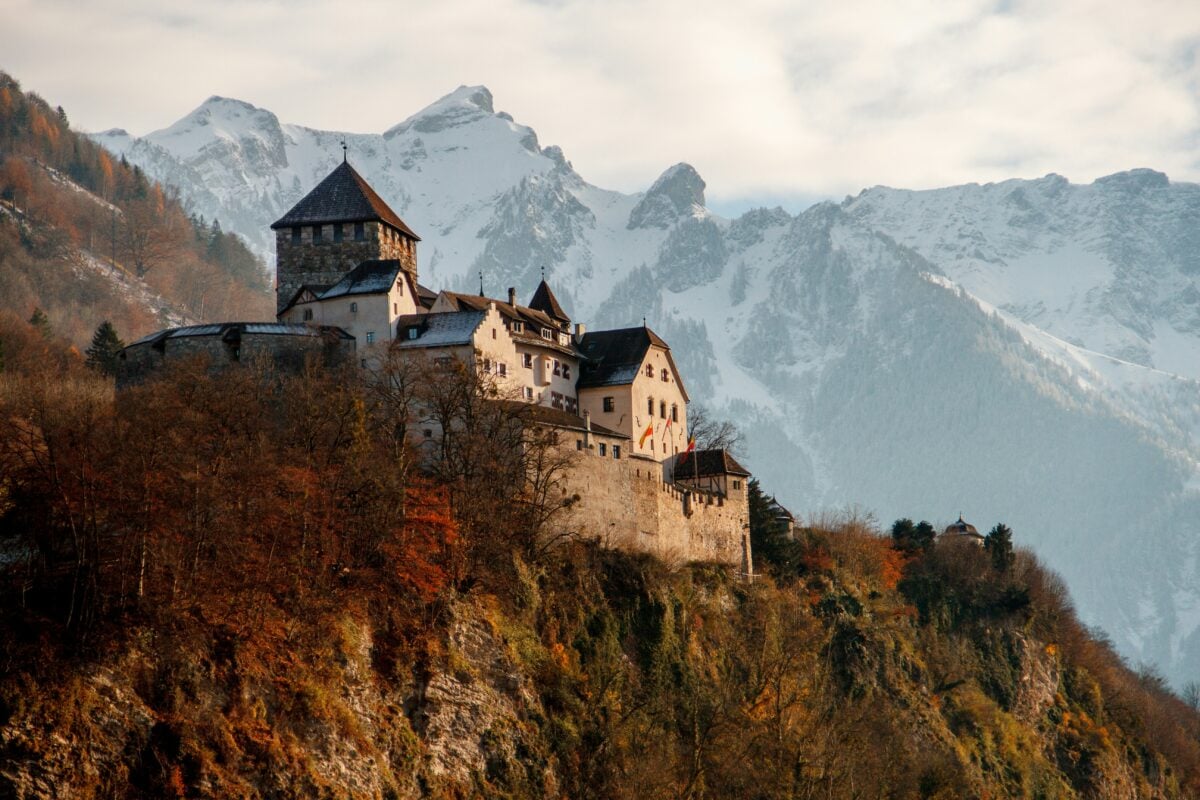
Liechtenstein sits wedged between Austria and Switzerland like a footnote that somehow became a country. The ruling prince owns more land outside Liechtenstein than within it, which says something about the scale involved here.
This 62-square-mile principality doesn’t even have an airport. The country is famous for having more registered companies than citizens, which creates some interesting dinner party conversations.
You can rent the entire nation for corporate events, assuming you have $70,000 lying around and a very specific idea of what constitutes a good time.
Tuvalu
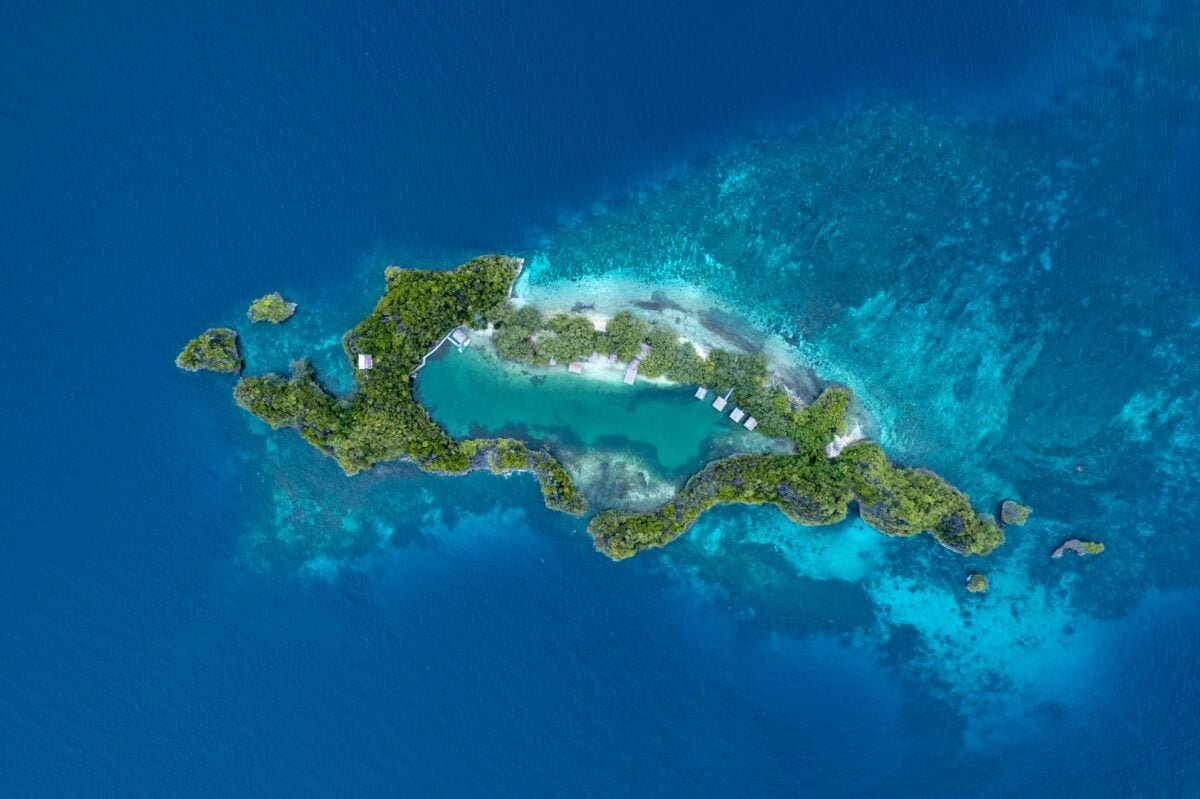
Tuvalu drifts in the Pacific Ocean as a collection of coral atolls that seem almost too delicate to support an entire nation — nine islands scattered across 500 miles of blue water, with a total land area of just 10 square miles and a population that hovers around 12,000 people who have somehow managed to create something that feels both ephemeral and enduring. The highest point in the entire country rises just 15 feet above sea level, which makes every high tide feel like a gentle reminder of just how precarious this whole arrangement really is.
And yet Tuvalu has its own language, its own customs, its own way of organizing society that has persisted for generations despite — or perhaps because of — the constant presence of the ocean that surrounds and defines everything. The country became famous in the early days of the internet when it sold its “.tv” domain name for enough money to fund the government for years.
Sometimes the smallest things turn out to be the most valuable.
Palau
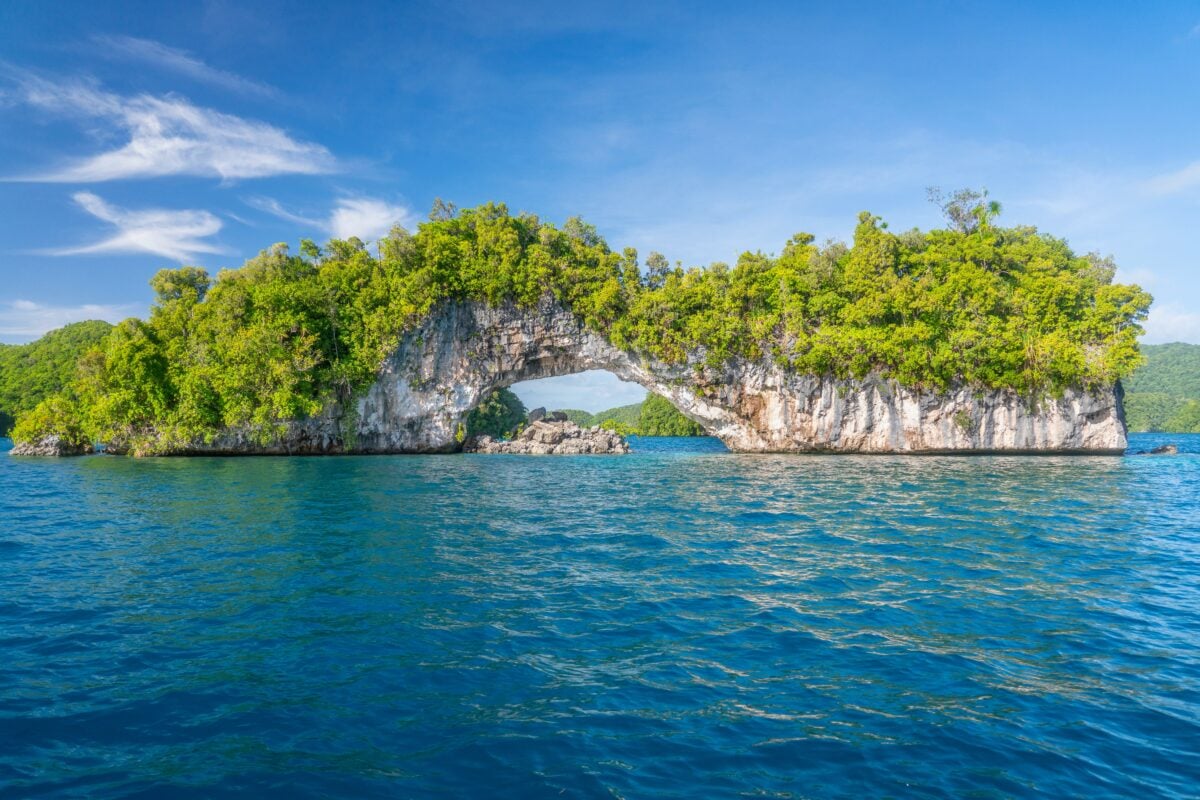
Palau scattered itself across the Pacific as 340 islands, though only eight bother with permanent residents. The entire nation covers 177 square miles and houses just 18,000 people.
The country banned sunscreen to protect its coral reefs, which tells you something about priorities. Palau was the first nation to create a shark sanctuary, turning its entire territorial waters into a no-fishing zone for the predators.
The tourism slogan writes itself, though “Come for the sharks, stay for the jellyfish lake” probably needs workshopping.
Malta
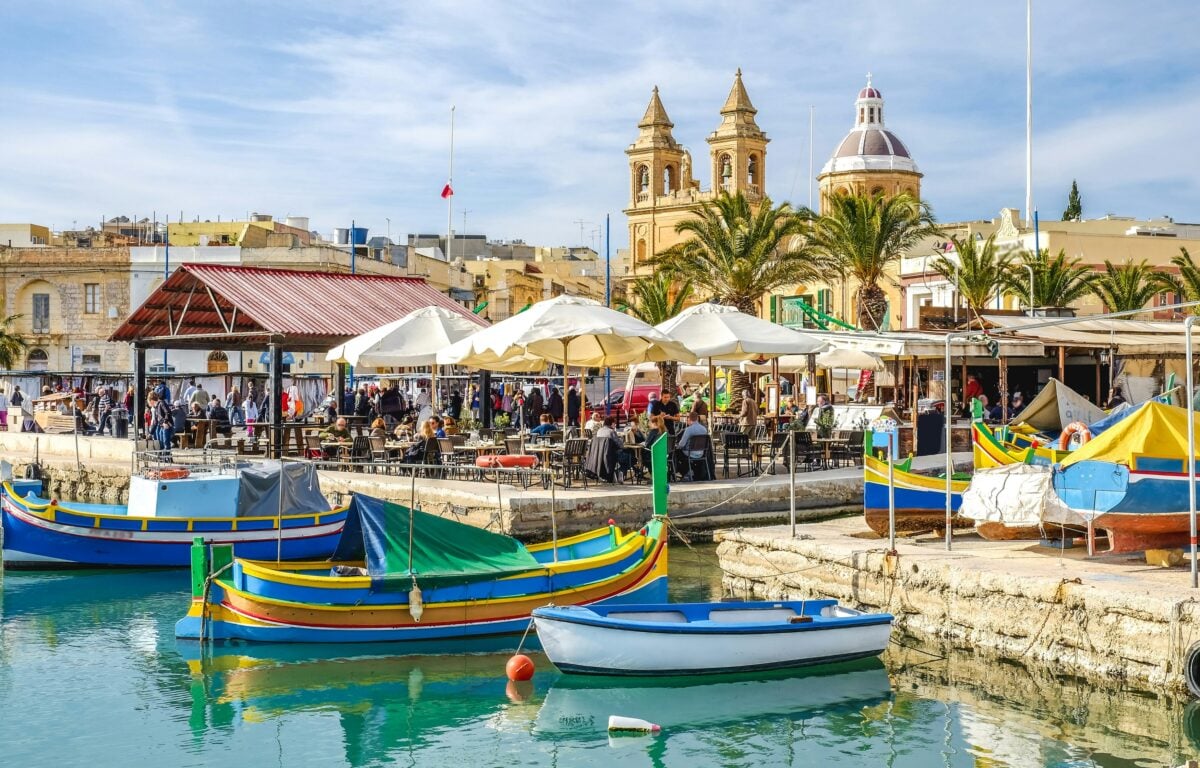
Malta occupies a peculiar position in the Mediterranean — close enough to Sicily that you can almost imagine swimming the distance on a calm day, yet culturally distinct enough that the moment you step off the boat, you know you’ve arrived somewhere entirely different. The three main islands total just 122 square miles, making Malta one of the most densely populated countries in the world, and yet it never feels cramped in the way you’d expect; instead, the limestone buildings seem to grow directly out of the rocky landscape, as if the island and its architecture had reached some ancient agreement about how to coexist.
The language mixes Arabic roots with Italian flourishes and English practicality — a linguistic combination that shouldn’t work but somehow captures the essence of a place that has spent centuries figuring out how to be itself while everyone else tries to conquer it. The knights, the British, the French, and the Arabs all left their mark here.
And yet Malta remains stubbornly Maltese, which is no small achievement for 122 square miles of rock in a very busy sea.
Andorra
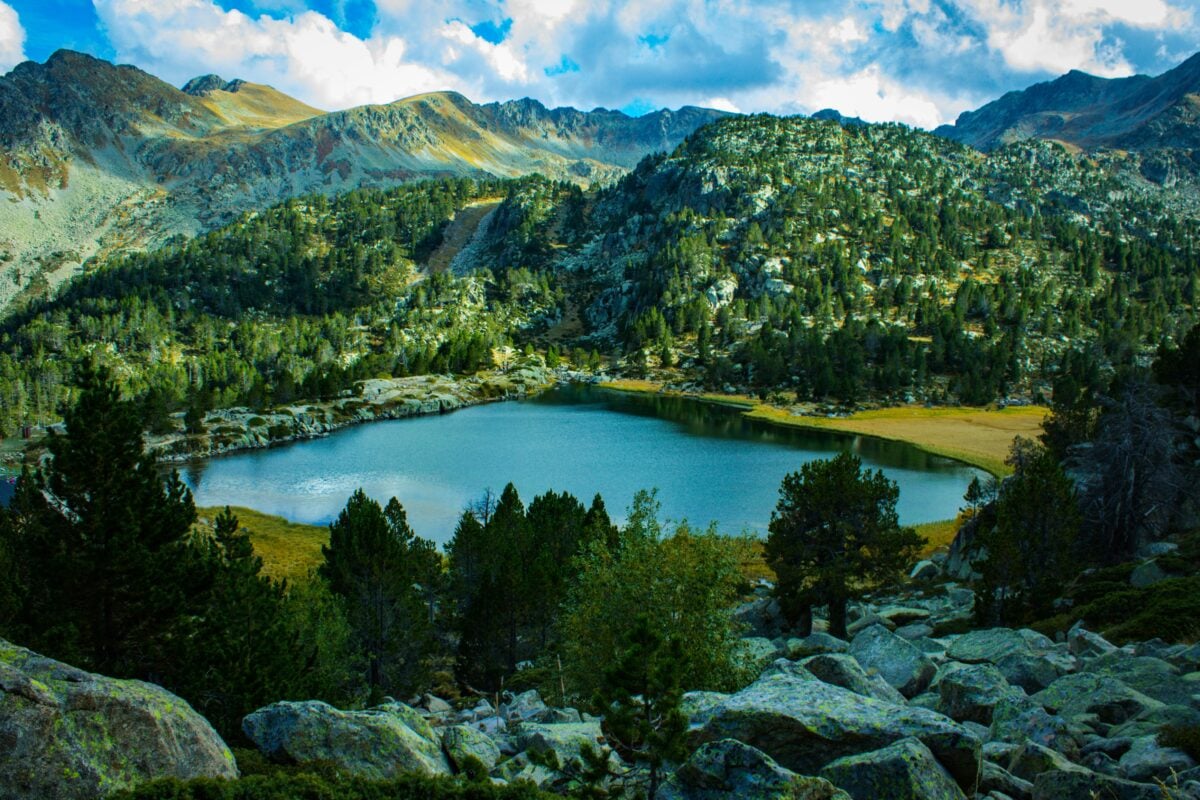
Andorra exists because two medieval princes couldn’t agree on who owned a mountain valley, so they decided to share. The result is a country co-ruled by the President of France and a Spanish bishop, which sounds like the setup to a joke that got out of hand.
This 181-square-mile principality survives almost entirely on duty-free shopping and ski tourism. The entire nation has exactly one hospital and no military to speak of.
When Andorra declared war on Germany in World War I, everyone forgot to include them in the peace treaty, leaving the country technically at war for six years without anyone noticing.
Marshall Islands
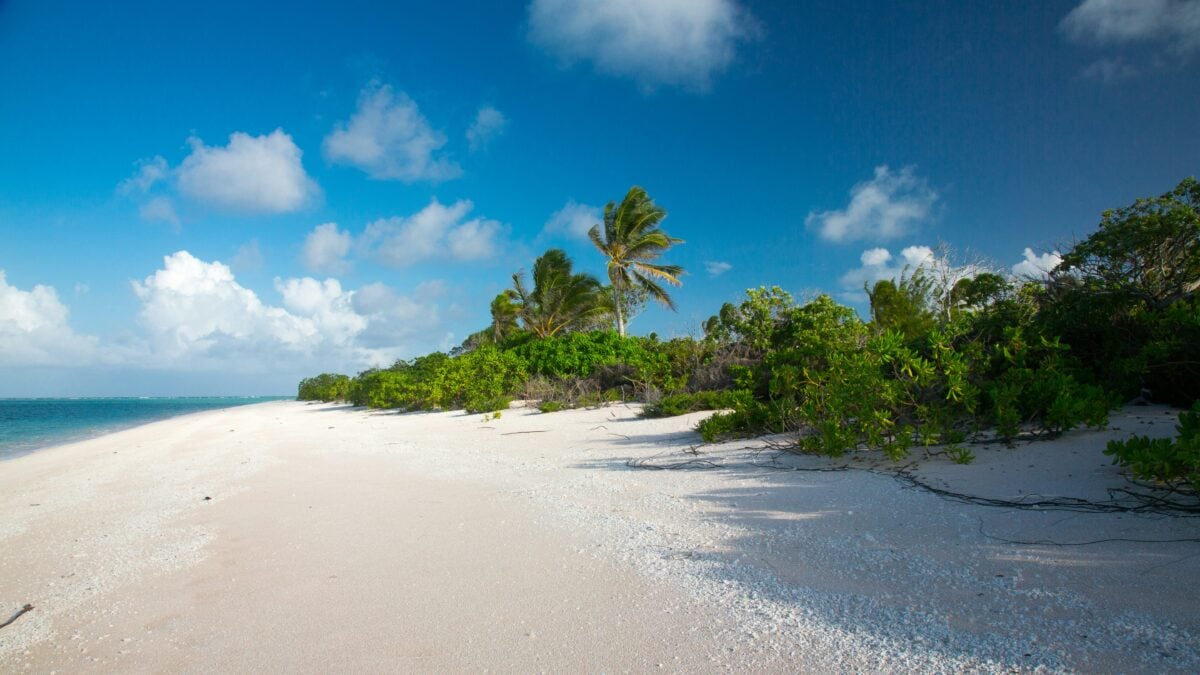
The Marshall Islands exist as 29 atolls and 5 single islands scattered across 750,000 square miles of Pacific Ocean, though the actual land area totals just 70 square miles — imagine trying to run a country where the distances between your territories are measured in hundreds of miles of open water. The nation’s 41,000 citizens live on islands that rise just a few feet above sea level, making every weather forecast feel consequential in ways that most countries never have to consider.
The atolls formed over millions of years as coral grew on the rims of ancient volcanoes, creating these perfect rings of land around turquoise lagoons that look like someone’s idealized vision of a tropical paradise — except this is where people actually live, work, raise families, and try to build something lasting despite the constant reminder that the ocean giveth and the ocean can very easily taketh away. The country uses the U.S. dollar as currency and has a postal code, which feels oddly comforting when everything else about the place seems to exist at the mercy of the tide tables.
Kiribati
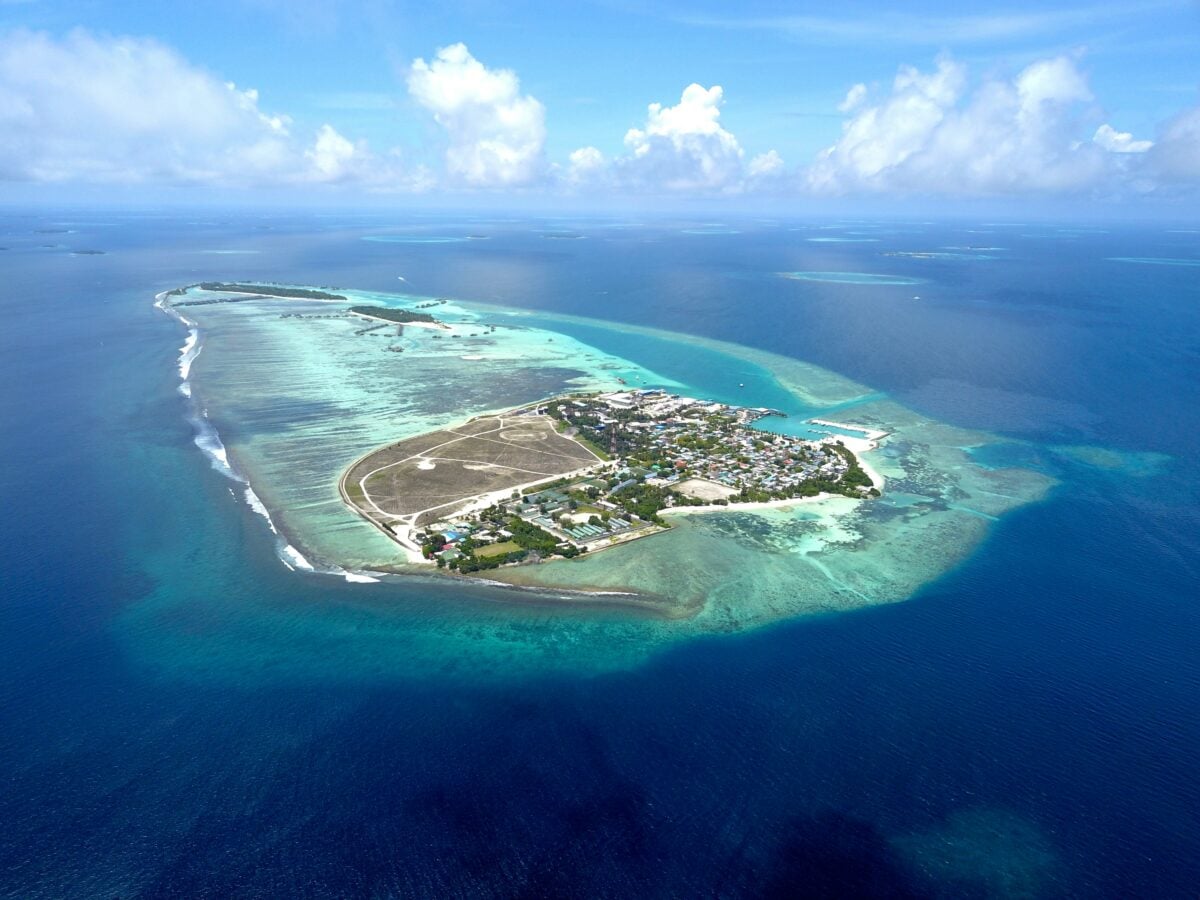
Kiribati proves that a country can stretch across three time zones while barely registering on most world maps. The 33 atolls spread across 1.3 million square miles of Pacific Ocean, making it one of the most dispersed nations on Earth.
The total land area equals just 313 square miles. The entire country sits an average of six feet above sea level, which makes climate change discussions particularly urgent here.
Kiribati purchased land in Fiji as insurance against rising seas, becoming the first nation to buy its own potential evacuation site.
Seychelles
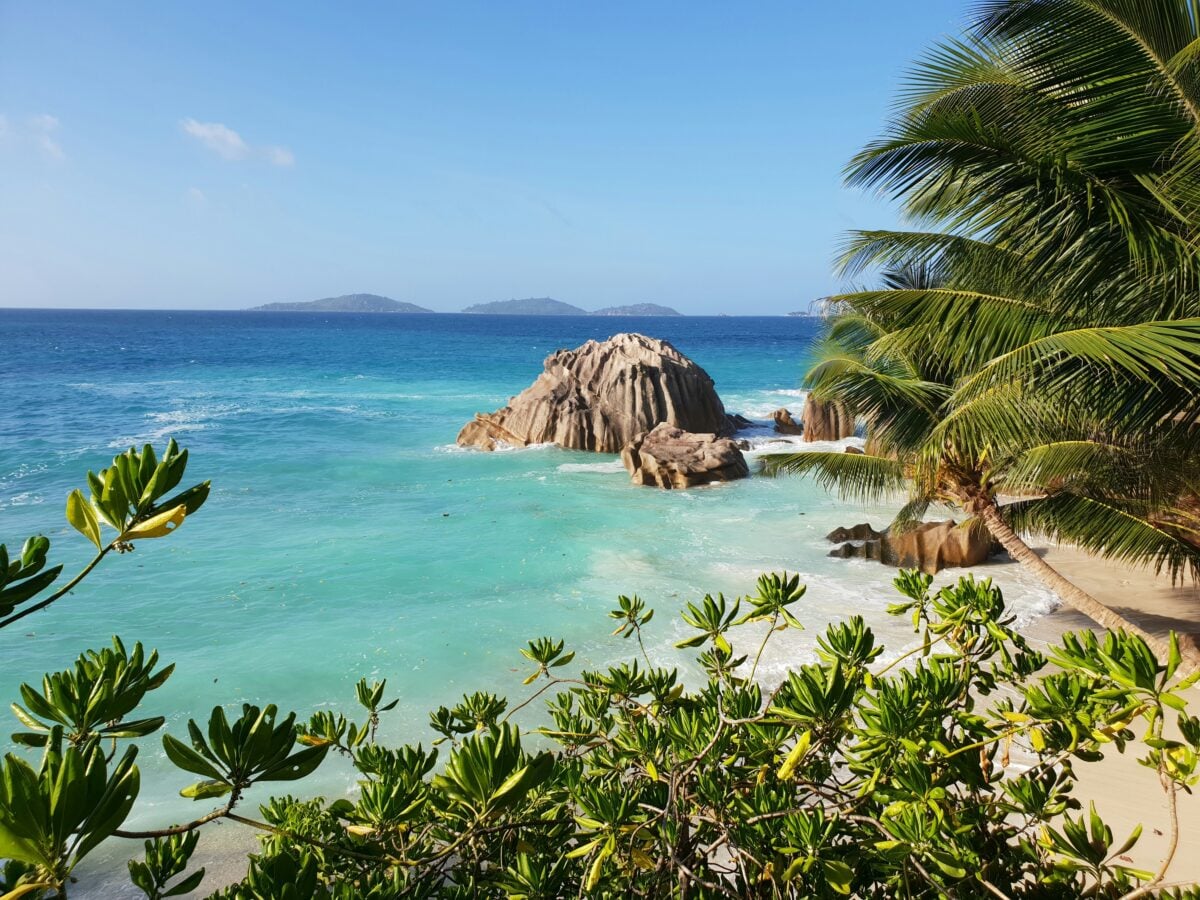
Seychelles unfolds across the Indian Ocean as 115 islands of granite and coral, each one seemingly designed by someone with an unshakeable faith in the power of white sand beaches and turquoise water to solve most of life’s problems. Only 26 of these islands support permanent populations, and the entire nation covers just 176 square miles — small enough that you could theoretically visit every inhabited island in a long weekend, though why anyone would want to rush through paradise remains an open question. The country sits about 1,000 miles from the nearest mainland, which has given it a particular kind of isolation that shows up in everything from the Creole language that mixes French, English, and African influences to the way the giant tortoises wander through the islands like they own the place — which, in fairness, they kind of do.
The nation’s entire population of 98,000 could fit comfortably in most football stadiums. And yet Seychelles maintains its own currency, its own government, and its own approach to conservation that puts most larger countries to shame.
Luxembourg
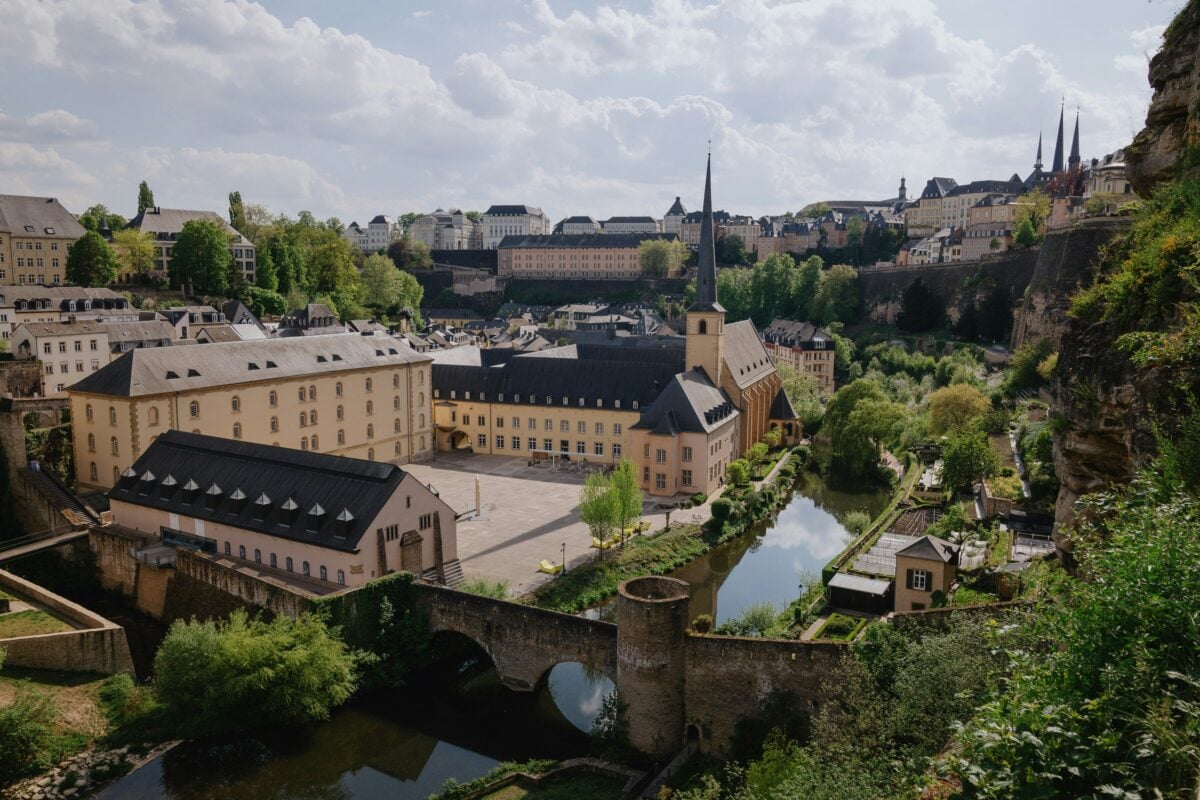
Luxembourg sits wedged between Germany, France, and Belgium like a prosperous footnote that somehow became a financial powerhouse. At 998 square miles, it’s one of the smaller European nations, yet it boasts the highest GDP per capita in the world.
The country has three official languages and a banking sector that manages assets worth more than some continents. Everyone in Luxembourg seems to speak at least four languages, which comes in handy when your country is smaller than Rhode Island but needs to do business with the entire world.
The capital city holds nearly one-quarter of the national population, making traffic jams a truly national concern.
A World Full of Exceptions
These tiny nations remind you that size rarely determines significance. Each one carved out its own identity despite — or perhaps because of — the limitations that geography imposed.
They prove that being small doesn’t mean being insignificant, just different. In a world obsessed with scale and growth, these countries offer something else entirely: proof that sometimes the most interesting places are the ones you can walk across in an afternoon.
More from Go2Tutors!

- The Romanov Crown Jewels and Their Tragic Fate
- 13 Historical Mysteries That Science Still Can’t Solve
- Famous Hoaxes That Fooled the World for Years
- 15 Child Stars with Tragic Adult Lives
- 16 Famous Jewelry Pieces in History
Like Go2Tutors’s content? Follow us on MSN.