16 Surprising Facts About the Great Wall of China
The Great Wall of China is often pictured as a single, unbroken stone barrier running across mountains. In reality, it’s a patchwork of myths, legends, and hard history—part triumph, part tragedy, and part mystery still unfolding today.
Here’s a list of 16 surprising facts that show why the wall is far more complicated than the postcard image suggests.
You Can’t Actually See It From Space

The myth endures, but astronauts have confirmed it’s not visible without help. The wall is simply too narrow, and its colors blend with the land around it. Even from low orbit, spotting it requires luck and very clear skies.
It’s Not One Continuous Wall
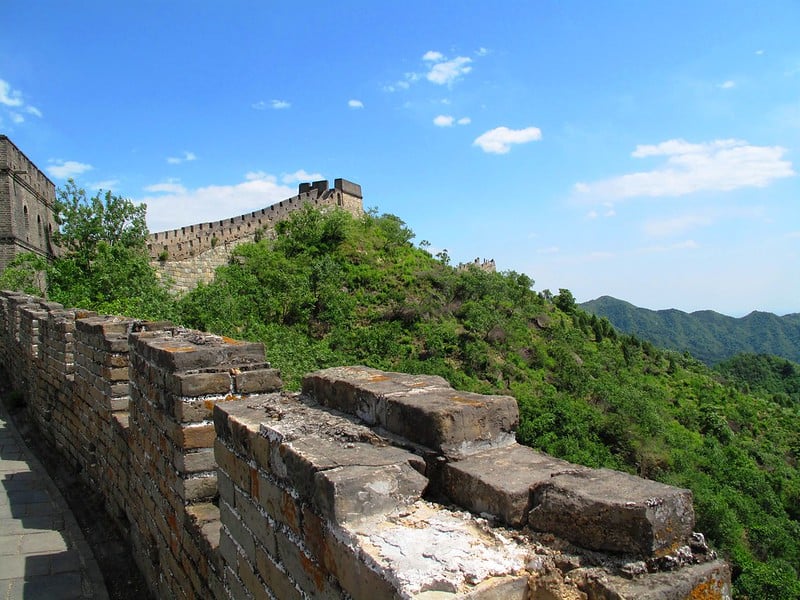
Rather than one endless structure, it’s a collection of different walls built at different times. Many sections never touched each other. Think of it like an ancient transport system, only for soldiers and watchmen instead of wagons.
Millions Died Building It
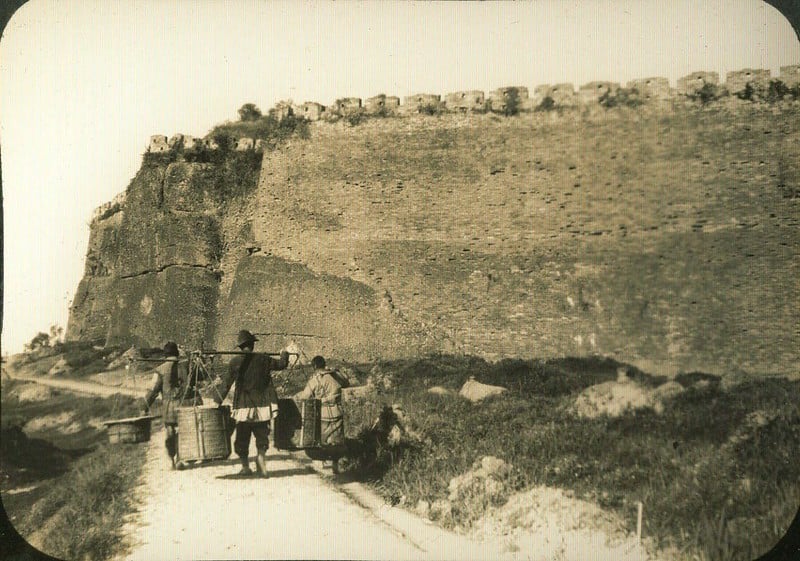
The wall cost more than stone and wood. Historians believe over a million people died in its construction. Harsh weather, backbreaking labor, and little more than basic tools—death was constant. Some say bodies became part of the wall itself. Grim.
Rice Was a Secret Ingredient

Ming-era builders discovered that mixing sticky rice with lime made mortar that was stronger than anything else available. This odd recipe is why certain parts of the wall are still standing centuries later. Rice for dinner. Rice for walls.
Most of It Has Already Crumbled
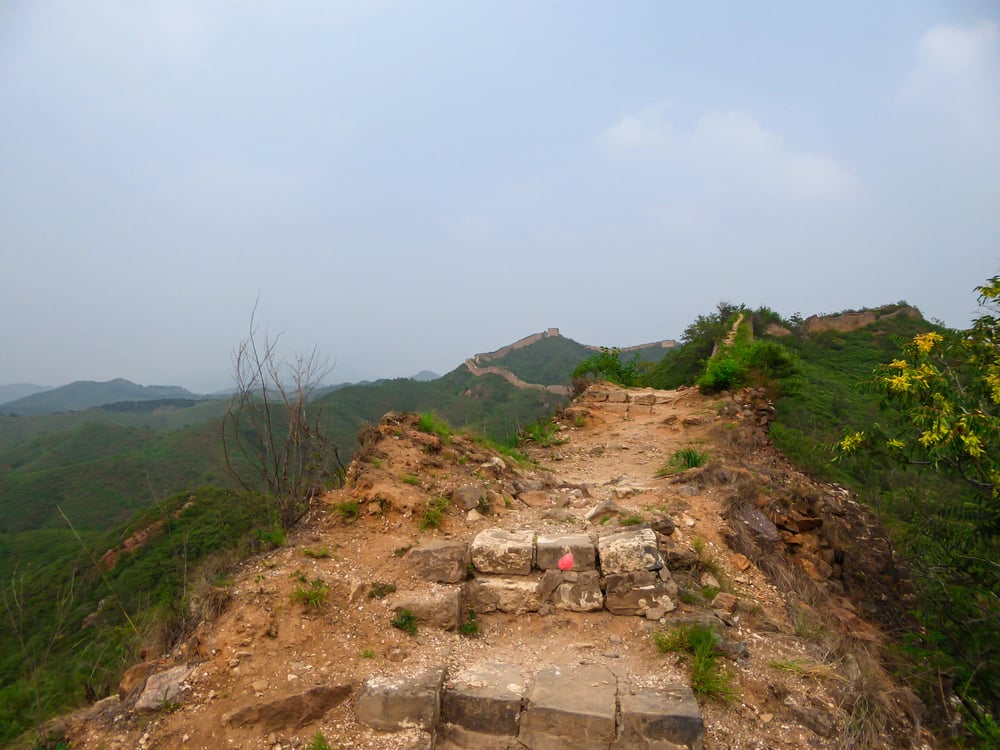
Only about a third of the Ming wall is intact. The rest has been eroded by wind and rain, stolen for building supplies, or lost to farmland. What visitors see today is just a fraction of its former reach.
It Failed Its Main Purpose
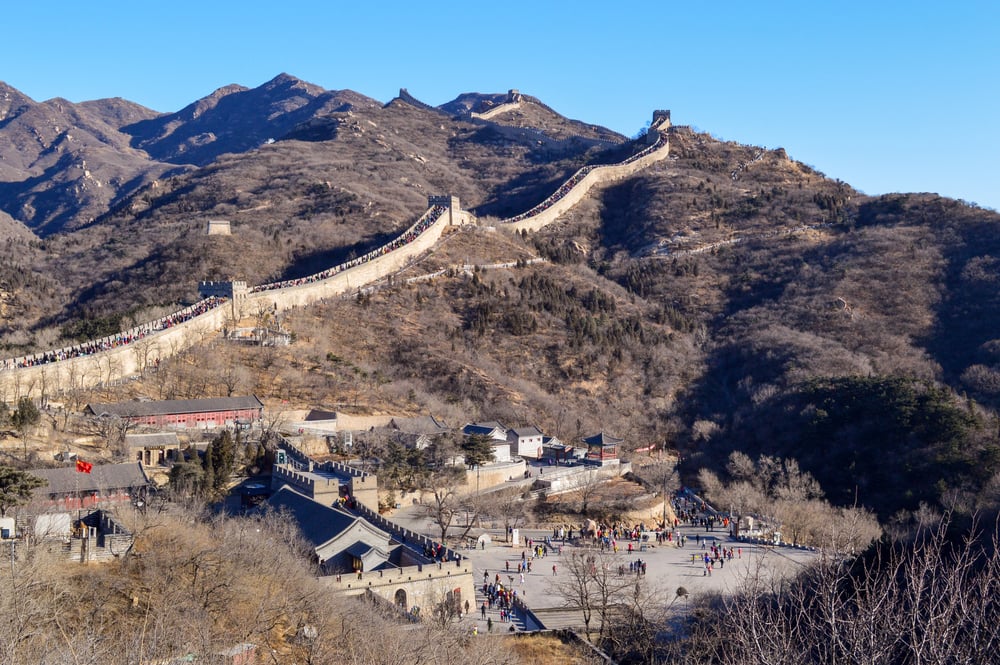
The wall was built to stop invasions. Yet Mongols, Manchus, and others still broke through—or simply went around. In many cases, bribery did the job more effectively than ladders or siege engines. So much for an impenetrable barrier.
It Contains Multiple Walls Running Parallel
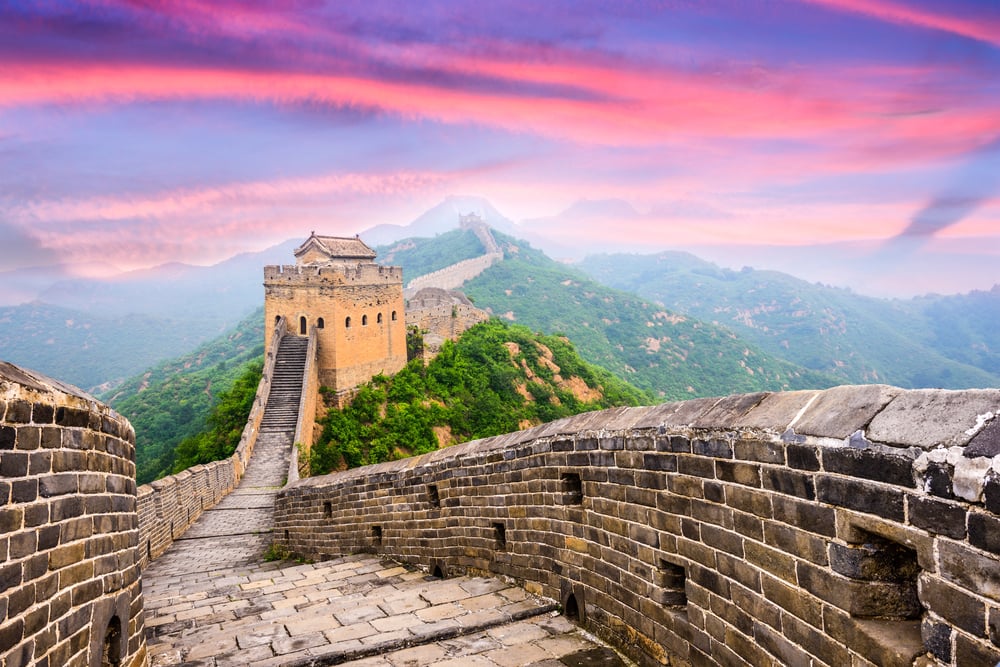
In some areas, defense wasn’t a single line but a layered system. Builders created:
- inner and outer walls
- garrisons between them
- signaling towers
- hidden tunnels
It was complex, almost like a fortress stretched over hundreds of miles.
Watchtowers Were the Real Innovation

The wall’s genius was communication. Thousands of towers worked together to send smoke or fire signals. Warnings could travel hundreds of miles in a matter of hours, faster than any horse or army could move.
It Wasn’t Always Made of Stone
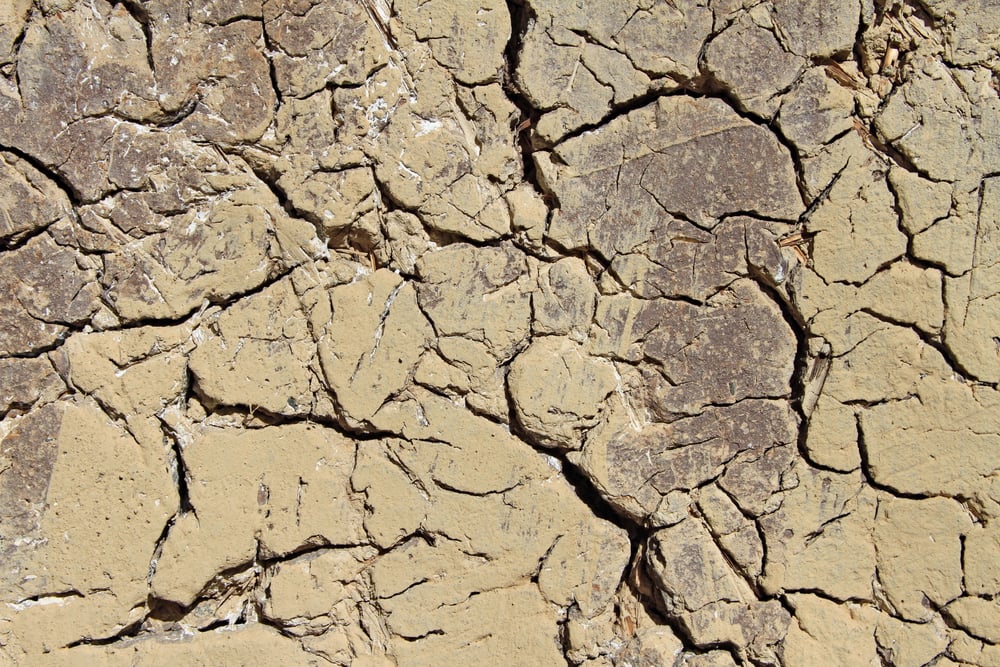
Early walls were built from rammed earth and wood. Stone came later, when dynasties had the resources and skills to work with it. After storms, those mud-packed walls must have smelled like a wet field. Less glamorous, more practical.
Workers Used Human Shields
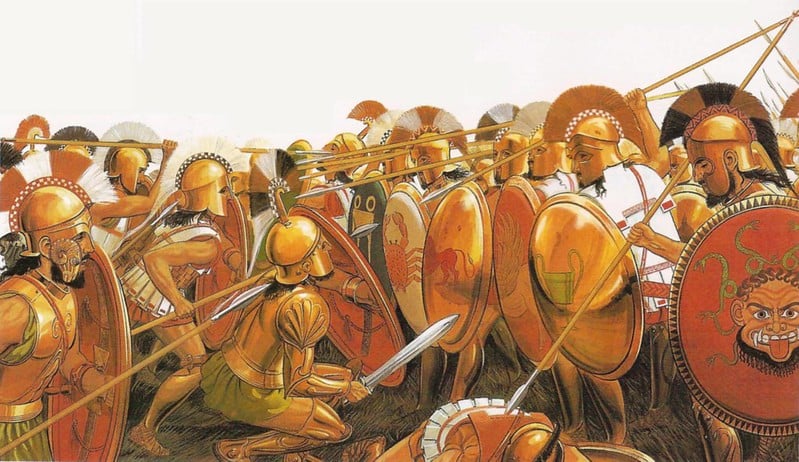
Accounts describe builders forcing captured enemies to act as shields in dangerous areas. Brutal, but it protected valuable workers. The wall wasn’t just stone and mortar—it was also human suffering.
It’s a UNESCO World Heritage Site

In 1987, the wall received World Heritage status for its cultural importance. The designation brought attention and protection, yet it didn’t stop erosion or the wear of time. A title doesn’t hold stones together.
Tourists Are Destroying It
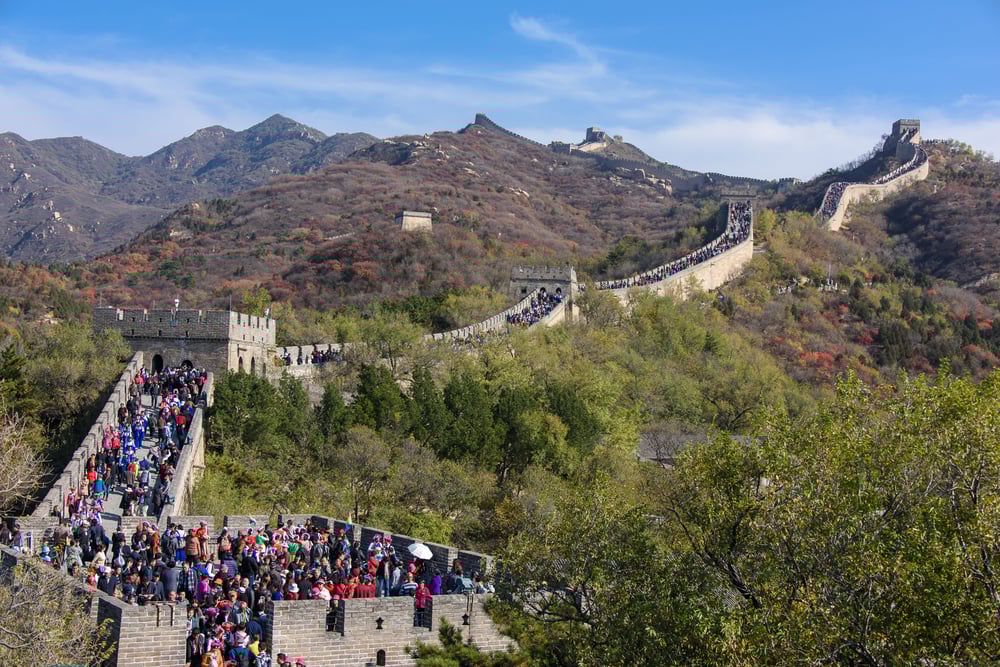
— Photo by faabi
Millions of visitors each year walk its steps, carve names into bricks, or pocket small stones as keepsakes. The very crowds drawn to admire it are also speeding up its decline. Love leaves scars.
It Contains Ancient Graffiti
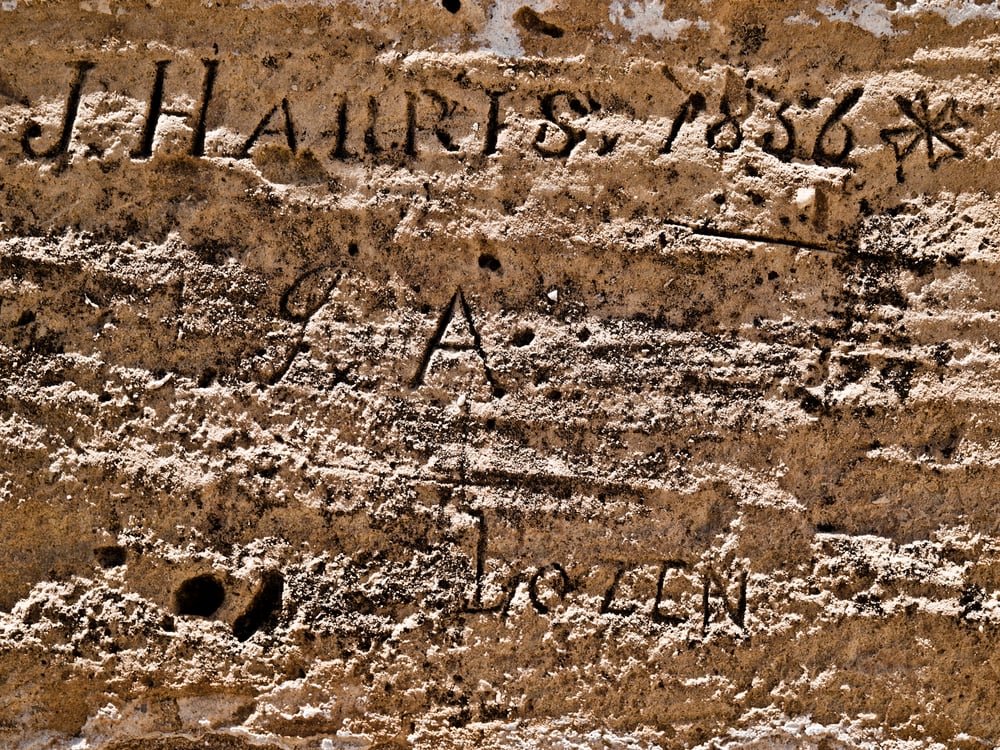
Graffiti isn’t new. Travellers and soldiers scratched their names or short notes into the wall hundreds of years ago. What was once vandalism is now history—some of those markings are studied like artifacts.
Different Sections Look Completely Different
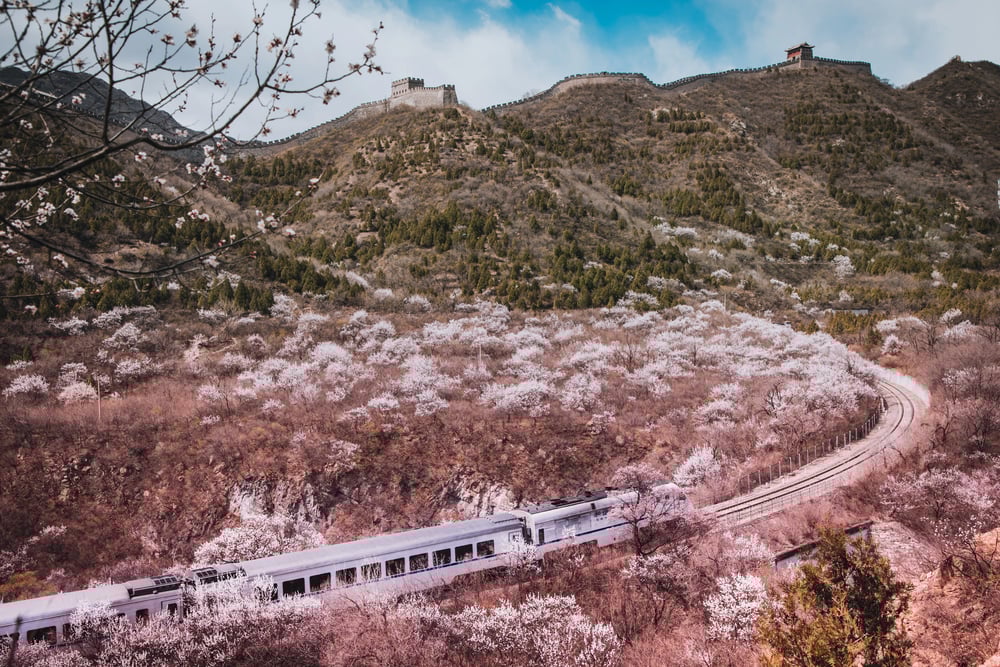
The wall doesn’t look the same everywhere. In the mountains, it’s stone battlements. In deserts, it’s dusty mounds. One part resembles a fortress; another looks like a ridge of earth. Same wall, very different faces.
It’s Still Being Discovered
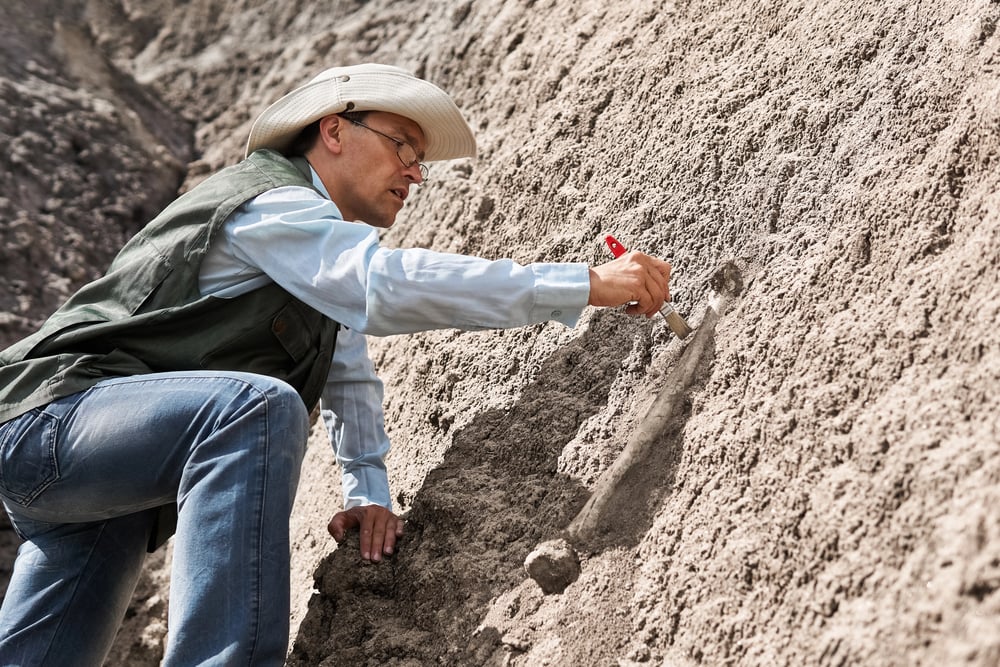
Archaeologists keep finding new sections hidden under vegetation, sand, or modern towns. With satellites and radar, more fragments emerge each year. The true length? Still unknown.
Local Communities Built Homes Into It
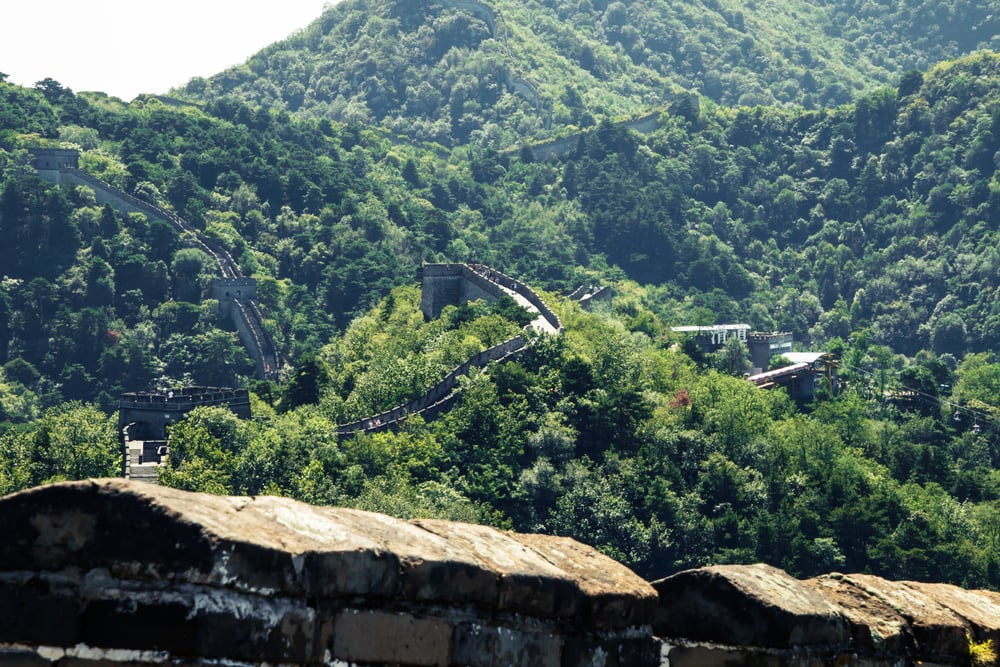
For centuries, villagers reused wall stones for their homes, farms, and even town defences. In some places, houses are literally attached to old segments. It wasn’t just a monument—it became part of daily life.
More Than a Wall
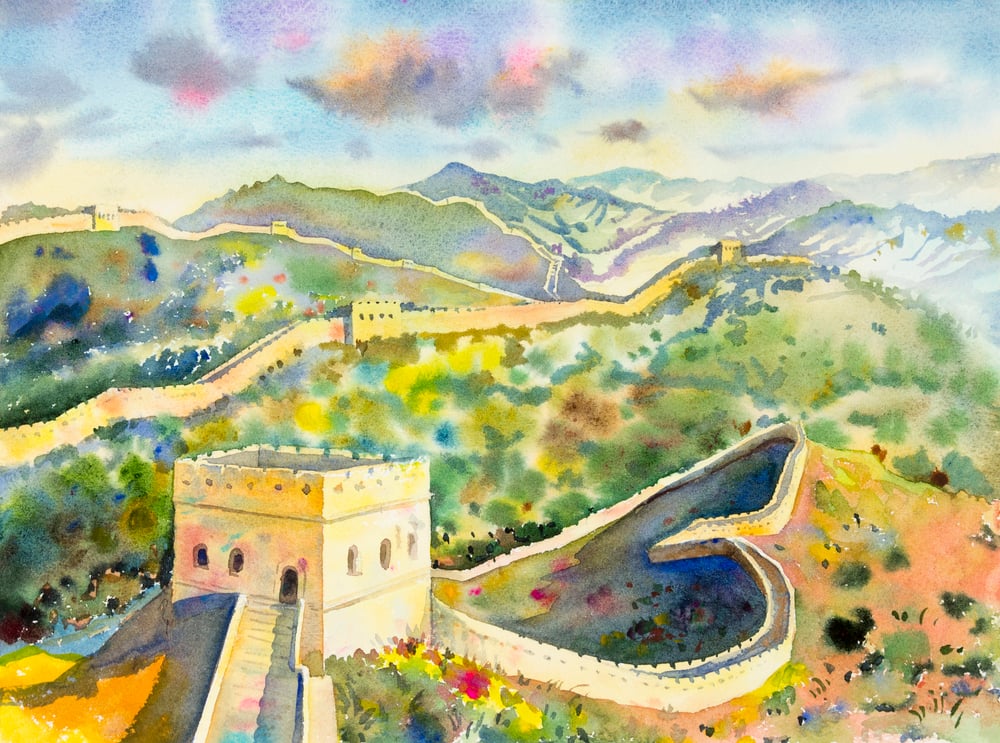
The Great Wall is less a perfect defence and more a testament to ambition. It shows the lengths people will go for safety, permanence, and power—even when those goals remain just out of reach.
More from Go2Tutors!

- 16 Historical Figures Who Were Nothing Like You Think
- 12 Things Sold in the 80s That Are Now Illegal
- 15 VHS Tapes That Could Be Worth Thousands
- 17 Historical “What Ifs” That Would Have Changed Everything
- 18 TV Shows That Vanished Without a Finale
Like Go2Tutors’s content? Follow us on MSN.