15 Facts About Victorian Undergarments
The layers beneath a Victorian woman’s dress tell a story more complex than any novel of the era. These weren’t just practical garments—they were architectural foundations that shaped both bodies and society itself.
From dawn until dusk, Victorian women navigated a world of hooks, stays, and endless yards of fabric that modern people can barely imagine wearing for five minutes, let alone an entire lifetime.
The Chemise Was The Foundation Of Everything
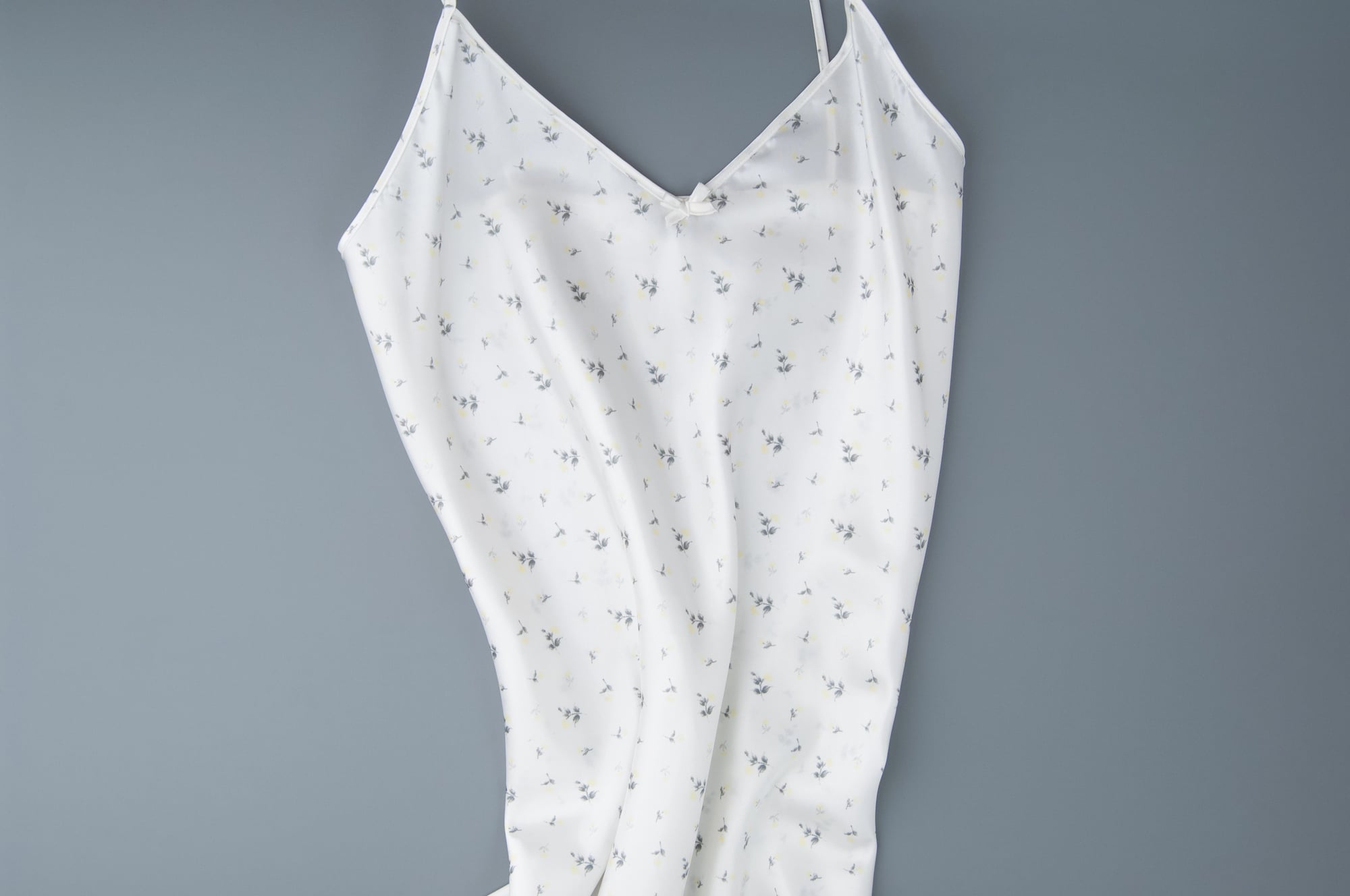
The chemise came first. Always.
This thin linen or cotton shift sat directly against the skin and served as a barrier between body and corset. Without it, the rigid stays would chafe and irritate, making daily life unbearable.
Most women owned several chemises since they required frequent washing. The chemise absorbed sweat and oils, protecting the more expensive outer garments from stains and odors.
Drawers Were Surprisingly Controversial
Open-crotch drawers scandalized many Victorians when they first appeared. The idea that women would wear something resembling men’s undergarments seemed improper, even dangerous to feminine virtue.
But practicality won over propriety (as it often does, though nobody admits it at the time). Drawers provided warmth, modesty, and protection under those voluminous skirts, especially when climbing stairs or mounting horses—activities that became significantly less treacherous when you weren’t worried about exposing yourself to the world below.
Corsets Weren’t Always Torture Devices
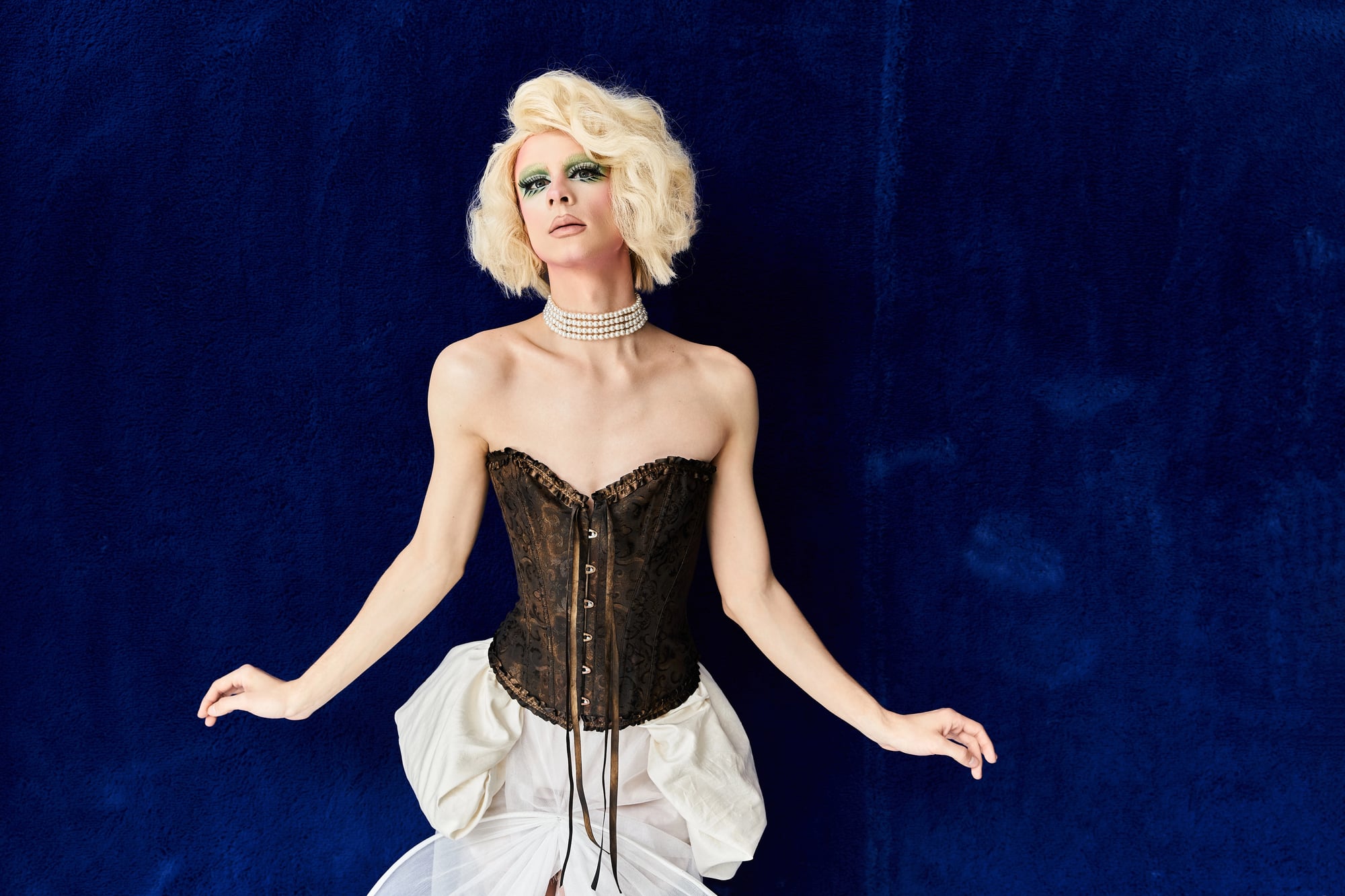
Victorian corsets occupy the same cultural space as medieval chastity belts: everyone “knows” they were instruments of oppression, yet the reality was far more nuanced. A properly fitted corset provided back support that many women found genuinely helpful, particularly when carrying the weight of heavy skirts and petticoats (and these weren’t light summer fabrics we’re talking about—think wool, velvet, and multiple layers of everything).
The tight-lacing that produced those famous 16-inch waists was actually quite rare, practiced mainly by a small subset of fashion-obsessed women who were, frankly, the Instagram influencers of their day. Most Victorian women laced their corsets to a comfortable tightness that supported their figure without causing fainting spells or organ displacement.
And yet the mythology persists, probably because the idea of systematic oppression through underwear makes for better storytelling than “most women wore sensible undergarments that helped them manage their daily tasks.”
Crinolines Caused Actual Disasters
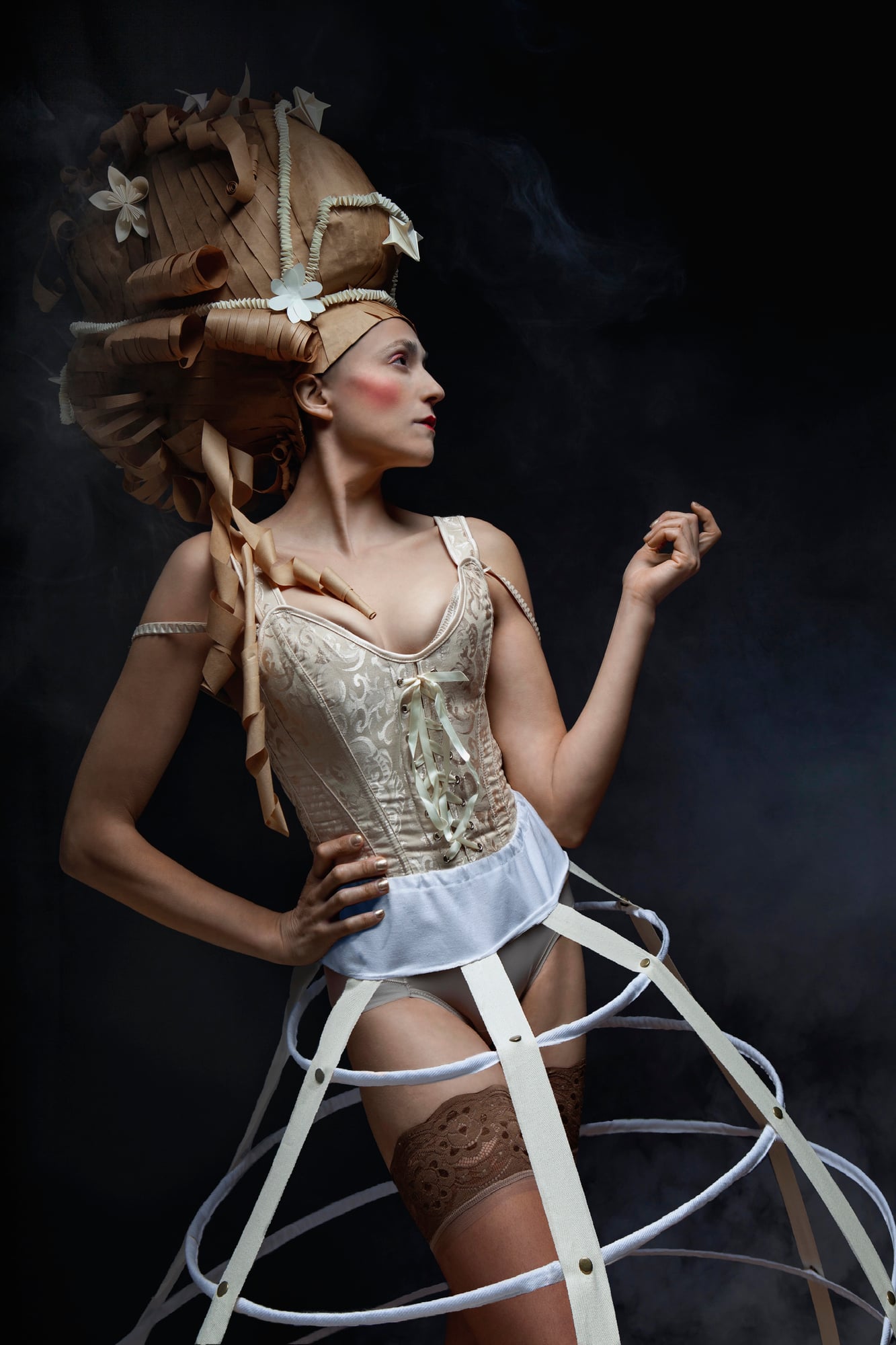
The cage crinoline was a safety hazard disguised as fashion innovation. These wire or whalebone hoops could extend a woman’s skirt diameter to approximately 4-5 feet at the widest point (typically at the hips), making simple tasks dangerous and some activities nearly impossible.
Crinolines caught fire from hearths, got stuck in carriage doors, and caused countless accidents. The newspapers of the 1860s regularly reported crinoline-related deaths, yet women continued wearing them because the alternative—layers upon layers of heavy petticoats—was even more impractical.
Bustles Were Engineering Marvels
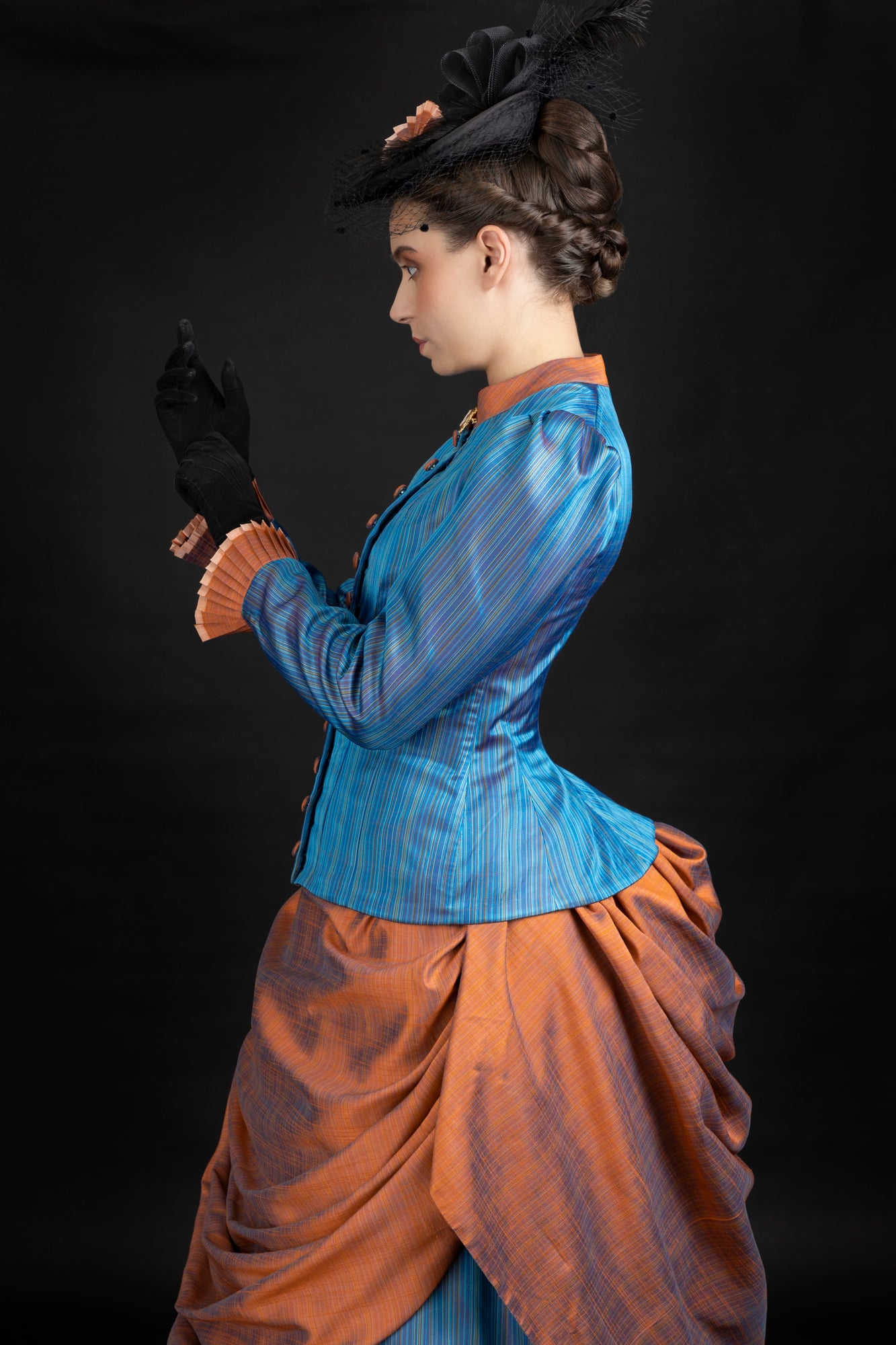
Think of the bustle as Victorian shapewear with a sense of humor about its own absurdity. These contraptions—made from horsehair, wire, or even inflatable rubber—jutted out from a woman’s lower back like architectural scaffolding, creating the distinctive silhouette that defined late Victorian fashion.
The bustle served the same psychological function as shoulder pads in the 1980s: it was a visual statement of presence and authority. A woman entering a room in full bustle regalia commanded space in a way that her natural silhouette never could.
But unlike shoulder pads, bustles made sitting a calculated maneuver and navigating doorways a minor adventure. Women developed a particular way of moving—a slight forward lean, careful step placement—that accommodated their expanded lower profile.
Watching a bustled woman sit down was like watching someone park a small carriage: it required planning, precision, and often the assistance of nearby furniture arranged just so.
Stockings Required Constant Attention
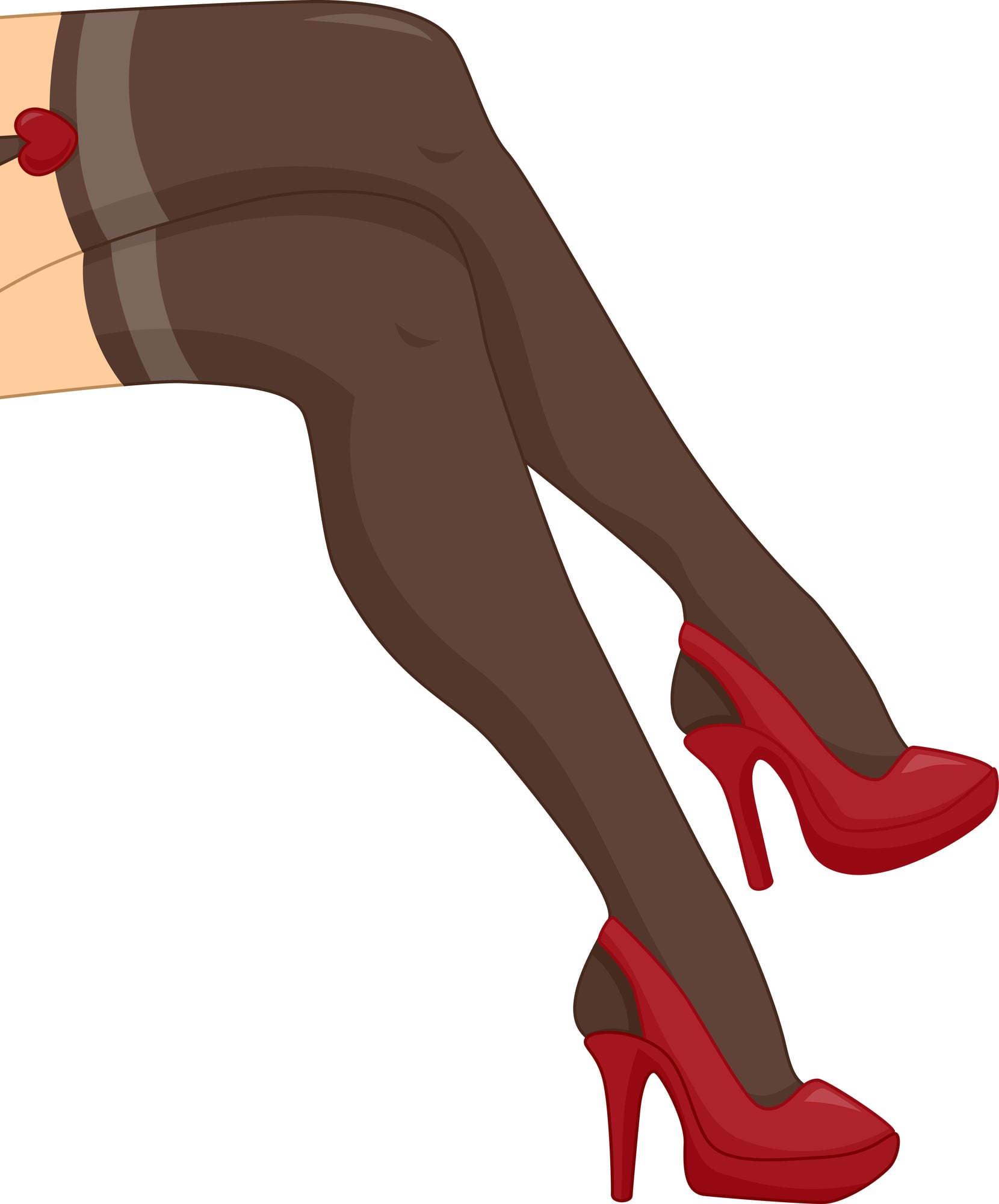
Victorian stockings had no elastic. They stayed up through a combination of garters, suspenders, and hope.
Silk stockings were luxury items that required careful mending when they developed runs.
Cotton and wool stockings were more practical but less fashionable. Women often wore different weights depending on the season and occasion, switching between thin silk for special events and thick wool for everyday wear during cold months.
The Combination Undergarment Simplified Everything
By the 1870s, someone finally had the brilliant idea to combine the chemise and drawers into one garment. The “combination” or “combination suit” eliminated bulk around the waist and reduced the number of separate pieces women had to manage each morning.
This innovation sounds minor until you consider the daily reality of dressing in the Victorian era—every reduction in complexity was a genuine improvement in quality of life.
Stays For Children Started Young
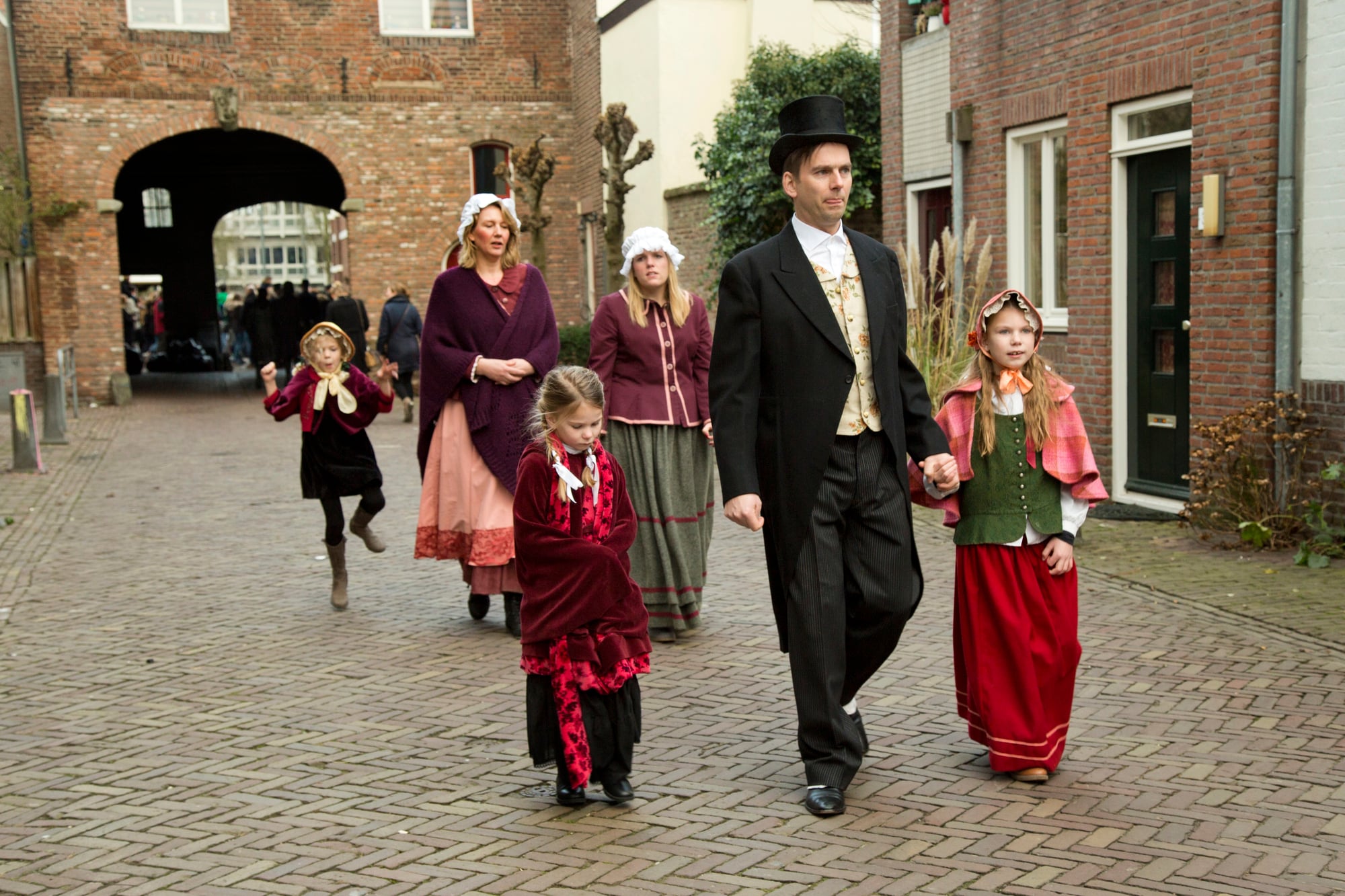
Victorian children wore stays from an early age, though these were typically lighter and less restrictive than adult versions. The belief was that proper posture needed to be trained from childhood, and stays would prevent spinal curvature and slouching.
These children’s stays were often made from softer materials and laced more loosely than adult corsets. Still, the practice meant that most Victorian women never knew what it felt like to dress without some form of structured support around their torso.
Whalebone Wasn’t Always From Whales
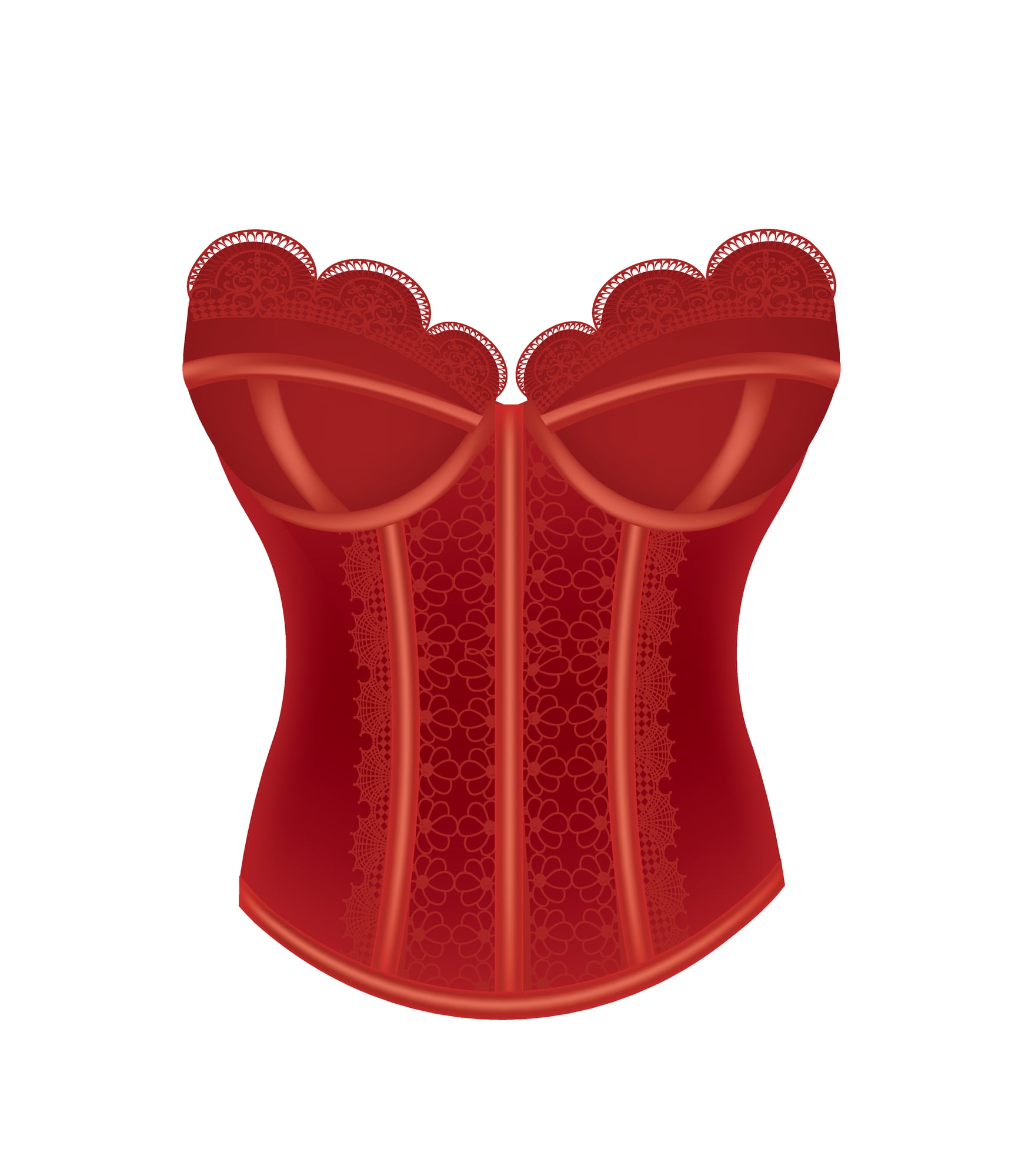
Despite the name, much “whalebone” used in Victorian corsets came from baleen—the filtering system in baleen whales’ mouths. But steel gradually replaced baleen as the preferred material for stays and hoops because it was cheaper, more flexible, and didn’t have the unfortunate tendency to snap at inconvenient moments (which baleen did, and apparently with some regularity, based on the complaints preserved in women’s diaries and letters of the period).
Steel boning also meant that corset manufacturing could expand beyond coastal areas where whale products were readily available. So the shift to steel wasn’t just about comfort or durability—it democratized access to properly structured undergarments, allowing women in inland areas to achieve the same fashionable silhouettes as their coastal counterparts.
And steel didn’t develop the odor that old baleen sometimes acquired in humid weather, which was apparently a not-insignificant consideration.
Washing Day Was A Strategic Operation
Victorian undergarments required different care based on their materials and construction. Linen chemises could be boiled and scrubbed, but silk stockings needed gentle handling. Corsets were rarely washed at all—the steel boning would rust and the fabric would lose its shape.
Women planned their undergarment wardrobes around washing schedules. Having multiple chemises and drawers meant they could rotate through clean garments while others dried.
Corsets were aired out, spot-cleaned, and protected by the chemise underneath.
Colors Were Limited But Meaningful
White dominated Victorian underwear, but not for the reasons you might expect. White linen and cotton could be bleached and boiled clean, making them more hygienic than colored fabrics.
But white also signified purity and respectability—important considerations in an era when moral character was judged by external appearances.
Wealthy women sometimes wore pale pink or blue undergarments as a subtle luxury. These colors required more careful washing and couldn’t be bleached, making them impractical for most women but desirable precisely because of that impracticality.
Pregnancy Presented Unique Challenges
Victorian maternity undergarments had to accommodate growing bodies while maintaining social expectations about appearance. Corsets were modified with lacing that could be loosened, and special “reform” stays provided support without tight compression.
The combination of pregnancy and Victorian dress requirements created genuine hardship for many women (as if pregnancy weren’t challenging enough without adding architectural underwear requirements).
Maternity stays and expandable corsets helped, but the basic expectation remained that pregnant women should maintain a “proper” silhouette throughout their pregnancies, which meant that comfort was often secondary to appearance.
Reform Movements Challenged Traditional Styles
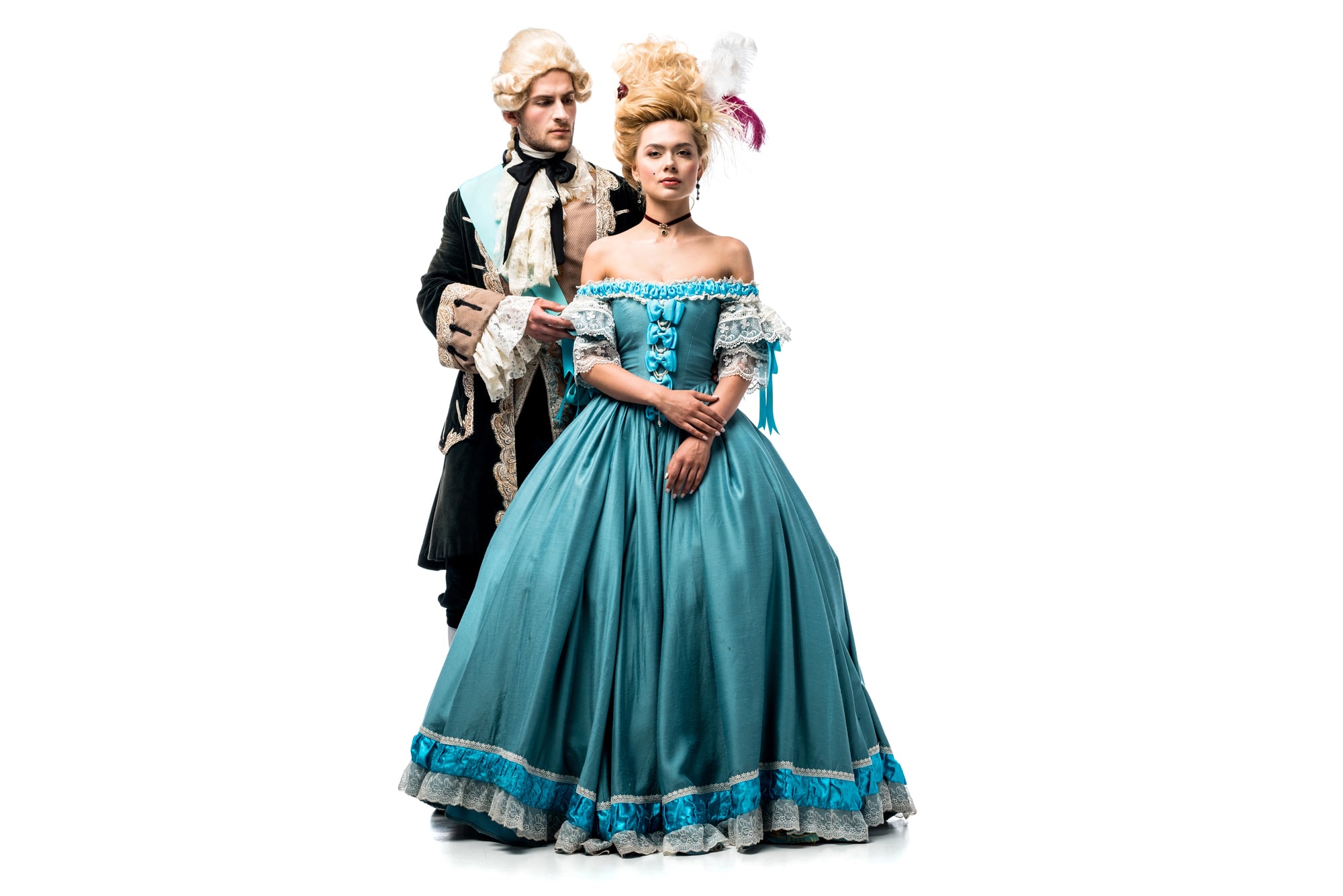
The dress reform movement of the late Victorian era targeted restrictive undergarments as health hazards. Reformers promoted “rational dress” that allowed natural movement and proper breathing.
They designed alternative corsets and encouraged women to abandon tight lacing altogether.
These reforms had limited success during the Victorian era itself, but they laid the groundwork for the dramatic changes in women’s fashion that would come in the early 20th century.
The reformers were essentially ahead of their time, advocating for comfort and health over fashion—a radical position that wouldn’t become mainstream for another generation.
Class Differences Showed In Undergarment Quality
Wealthy Victorian women wore silk chemises, hand-embroidered corsets, and stockings so fine they were nearly transparent. Working-class women made do with coarse cotton and wool, often mending their undergarments repeatedly rather than replacing them.
The difference in undergarment quality affected daily comfort in ways that weren’t visible to outside observers but were intensely felt by the women themselves.
A silk chemise moved differently than cotton, steel boning held its shape better than whalebone substitutes, and well-fitted garments made the physical demands of Victorian dress more manageable.
Men’s Undergarments Were Surprisingly Simple
Victorian men wore drawers and undershirts—that was it. No corsets, no hoops, no complex layering systems.
Their undergarments served purely practical functions: warmth, sweat absorption, and protection for outer clothes.
This contrast highlights how much of Victorian women’s underwear served social rather than practical purposes. Men’s bodies were allowed to exist in their natural state under their clothes, while women’s bodies required architectural intervention to meet social expectations.
The Weight Of Propriety
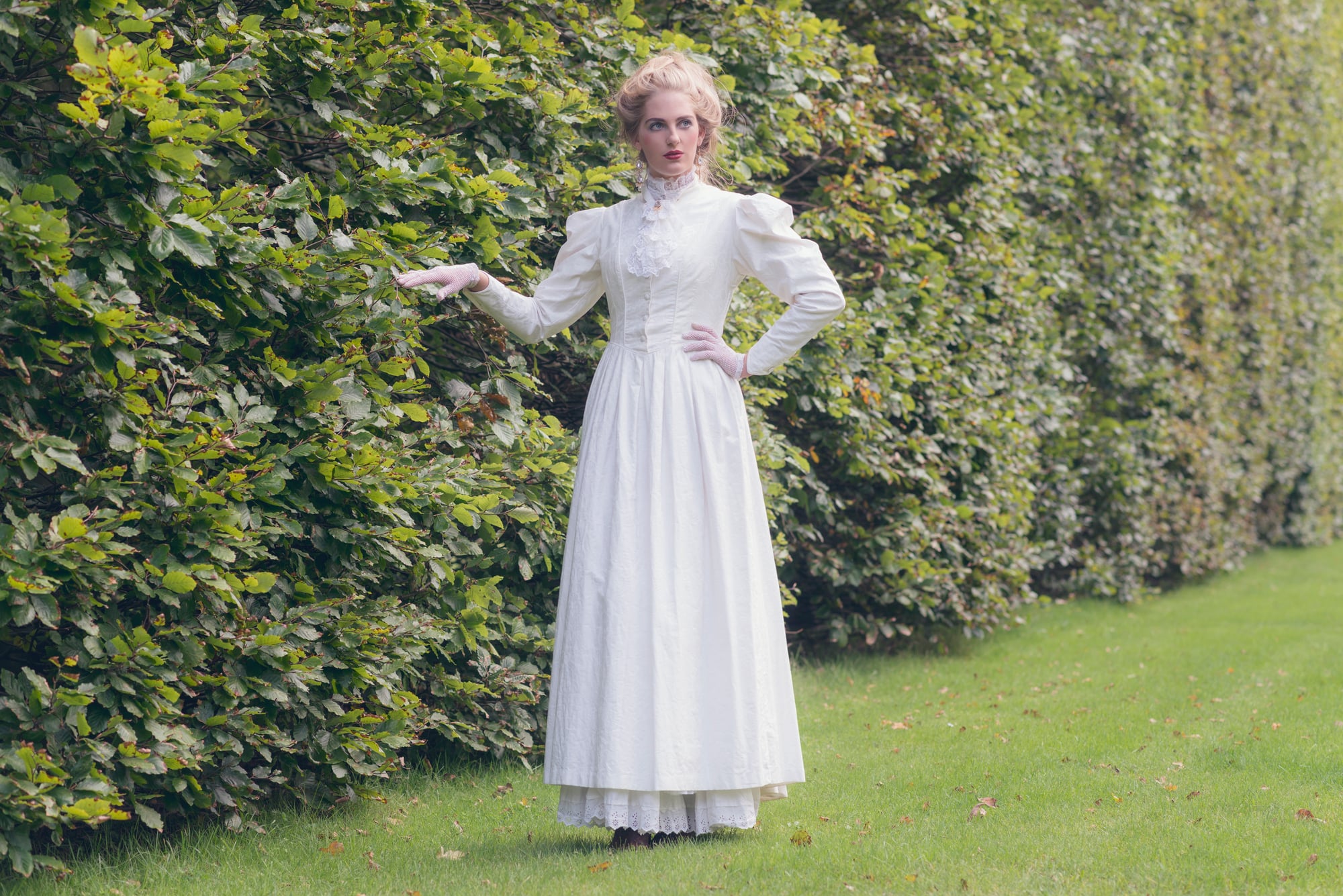
The full ensemble of Victorian ladies’ undergarments tells a story about more than fashion—it reveals a society that treated women’s bodies as public projects requiring constant management and modification.
These weren’t just clothes; they were daily negotiations between comfort and conformity, practicality and presentation.
And yet women found ways to make these restrictions work, adapting and innovating within narrow constraints, proving that human ingenuity flourishes even when wrapped in whalebone and steel.
More from Go2Tutors!

- The Romanov Crown Jewels and Their Tragic Fate
- 13 Historical Mysteries That Science Still Can’t Solve
- Famous Hoaxes That Fooled the World for Years
- 15 Child Stars with Tragic Adult Lives
- 16 Famous Jewelry Pieces in History
Like Go2Tutors’s content? Follow us on MSN.