Military Aircrafts That Shaped Aviation Design
From the roar of propellers in the early 20th century to the whisper of stealth jets slicing through the night, military aircraft have often been the blueprint for the future of flight. What began as machines of war reshaped passenger travel, speed records, and even the way humans reached for space.
Here’s a list of military aircraft that redefined aviation design and left marks far beyond their original missions.
Supermarine Spitfire

Graceful in silhouette yet lethal in combat, the British Spitfire became a symbol of endurance during World War II. Its elliptical wing wasn’t just attractive—it cut drag and allowed for sharper turns, a design breakthrough that lived on in aeronautical engineering long after the fighting ended.
And while it served its time in war, its story carried further. Restored models still fly in demonstrations, their Merlin engines roaring like echoes that refuse to fade.
Boeing B-29 Superfortress
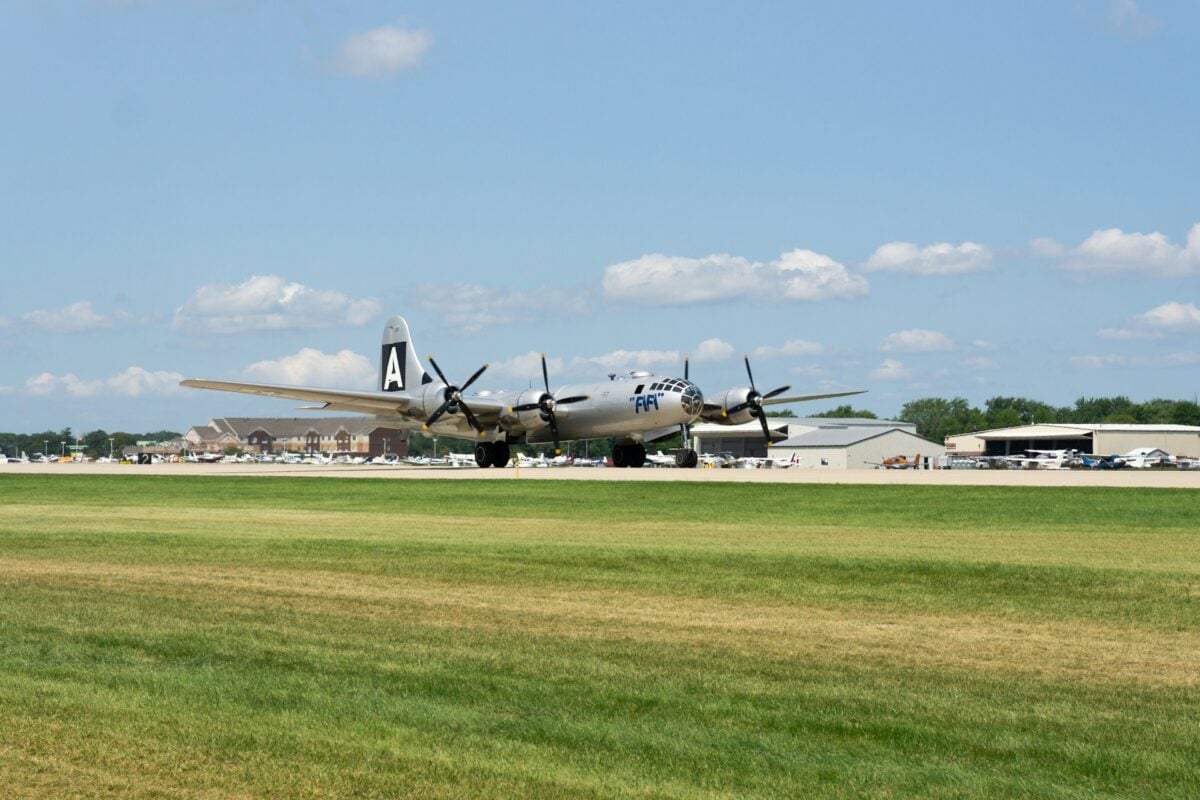
Unveiled in 1944, the B-29 was a leap ahead. Pressurized cabins, remote-controlled turrets, and staggering range—this was a bomber built on pure ambition. It also carried the atomic bombs that ended the war in the Pacific, forever linking its sleek aluminum frame to history.
Despite this heavy burden, the B-29’s technology changed civil aviation. Cabin pressurization in particular transformed air travel, allowing passengers to cross continents in comfort.
Not great origins. Lasting influence.
Like Go2Tutors’s content? Follow us on MSN.
Lockheed U-2

The U-2 soared where almost nothing else could fly. Introduced in the 1950s, its impossibly long wings let it climb above 70,000 feet, gliding far above commercial airliners.
Its purpose was simple—spying from the edge of space.Still, it was a nightmare to fly. Pilots wore full pressure suits, and landings tested even the best.
Even so, the U-2 shaped how engineers thought about endurance and high-altitude performance, leaving fingerprints on both reconnaissance and research aircraft.
McDonnell Douglas F-4 Phantom II
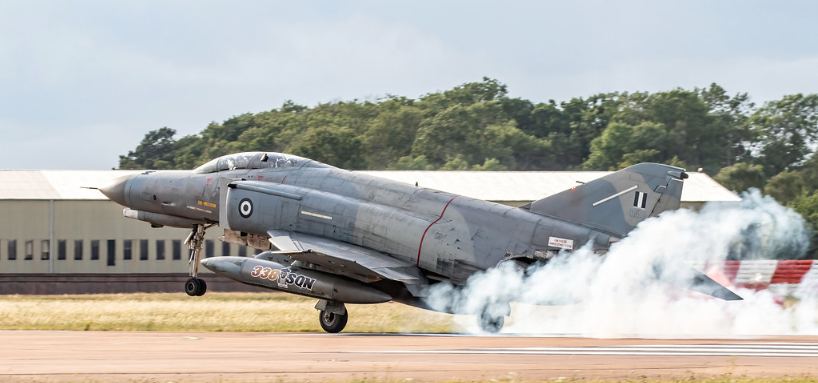
The Phantom arrived in 1960 with a presence that matched its name. Big, noisy, bristling with weapons—it was built for speed yet able to carry enormous firepower.
The Navy, Air Force, and Marines all flew it, proving that one versatile design could serve across branches.Its adaptability set a new precedent.
Designers realized a single aircraft frame could be stretched across multiple missions. Loud. Smoky. Unmistakable.
Lockheed SR-71 Blackbird

Few planes ever looked so alien. The SR-71 Blackbird, first flown in the 1960s, was designed to outrun missiles and spy at impossible altitudes.
Cruising above 80,000 feet and breaking Mach 3, it redefined what “fast” meant.Key breakthroughs included heat-resistant titanium skin, radar-absorbing contours, and a speed record that still hasn’t been beaten.
Standing beside one in a museum, its matte-black skin feels like something from science fiction—otherworldly, untouchable.
Like Go2Tutors’s content? Follow us on MSN.
General Dynamics F-16 Fighting Falcon

The F-16 wasn’t just agile—it reimagined agility. Entering service in the late 1970s, it pioneered fly-by-wire controls, where computers replaced cables and hydraulics to keep the aircraft stable. That meant tighter turns and quicker responses than any pilot alone could pull off.
And yet its influence didn’t stop in the skies of war. Commercial jets soon adopted similar systems, showing how combat design filtered straight into everyday passenger travel.
Northrop Grumman B-2 Spirit
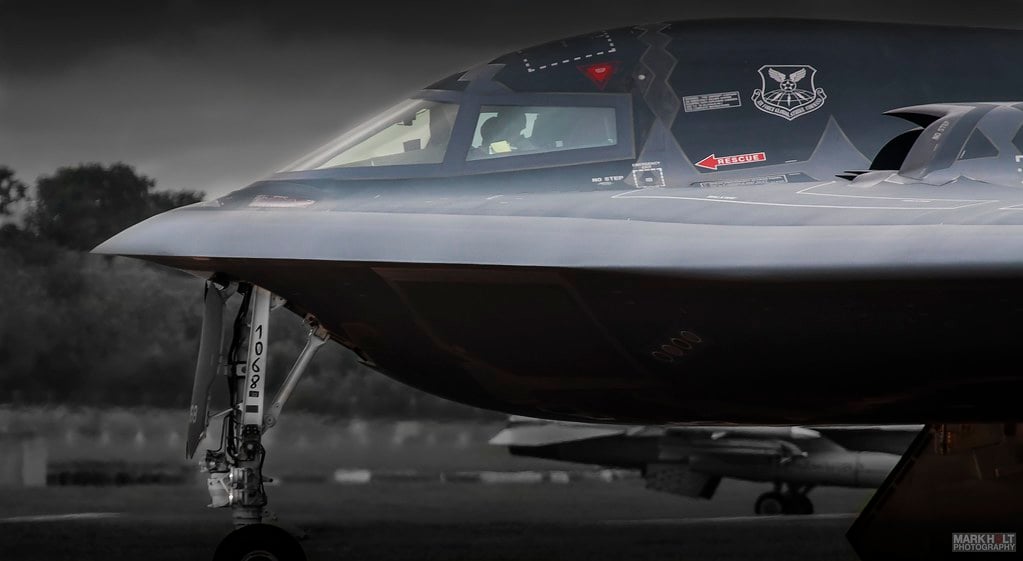
When the B-2 appeared in 1989, it looked like something drawn from a dream. Its flying wing shape wasn’t for aesthetics—it made radar detection nearly impossible.
To glimpse one overhead was rare, and more than a little unsettling.Still, the aircraft’s design wasn’t just about stealth.
Its smooth curves and tailless frame blurred the boundary between aviation and art, pushing design language decades into the future.
F-117 Nighthawk

The F-117, older than the B-2, became the first operational stealth jet in the 1980s. Its faceted shape, all sharp edges and odd angles, wasn’t pretty—it was practical geometry meant to scatter radar waves.
Pilots flew it mostly in secret, its missions cloaked in silence. Even so, its jagged silhouette carved its place in aviation history.
More like folded origami than a plane, the Nighthawk still looks unlike anything else to ever take flight.
Like Go2Tutors’s content? Follow us on MSN.
Wings That Changed More Than War
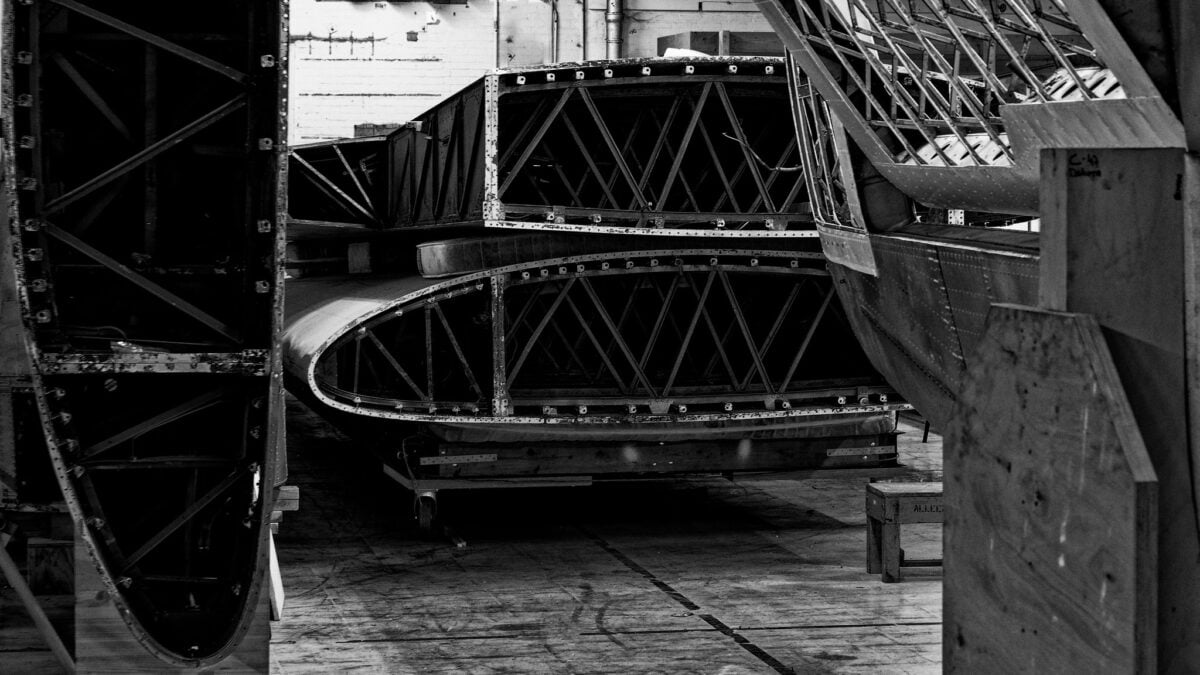
Military aircraft may begin life as tools of conflict, yet their design leaps have rippled far wider. From pressurization to stealth, digital controls to titanium skin, the innovations sparked in wartime shaped how humanity travels and dreams of flight. War may have pushed the pace, but the wings it produced changed the skies forever.
More from Go2Tutors!

- 16 Historical Figures Who Were Nothing Like You Think
- 12 Things Sold in the 80s That Are Now Illegal
- 15 VHS Tapes That Could Be Worth Thousands
- 17 Historical “What Ifs” That Would Have Changed Everything
- 18 TV Shows That Vanished Without a Finale
Like Go2Tutors’s content? Follow us on MSN.