Military watches with legendary status
Military timepieces have always been about more than just telling time. They’re instruments of precision built to survive in the harshest conditions imaginable, from the trenches of World War I to the depths of enemy waters. These watches didn’t just accompany soldiers into battle—they often played crucial roles in mission success, navigation, and coordination. When a watch earns its stripes on actual battlefields and proves reliable enough for life-or-death situations, it transcends mere timekeeping to become legend.
The most legendary military watches share common traits that set them apart from civilian timepieces. They feature robust construction, exceptional legibility in low light, and movements that keep running despite shock, moisture, and magnetic interference. Here is a list of 15 military watches that have achieved truly legendary status through their service records, historical significance, and enduring influence on modern watch design.
The Dirty Dozen
The ‘Dirty Dozen’ represents twelve field watches from twelve different Swiss watchmakers, all made within the last two years of World War II and issued to British servicemen. These watches were produced to meet specific WWW (Waterproof Wrist Watch) standards set by the British Ministry of Defense, featuring black dials, luminous hands, and robust steel cases. Brands like Omega, Longines, IWC, Jaeger-LeCoultre, and others created nearly identical timepieces following the exact same military specifications. Only about 150,000 pieces were produced in total across all twelve manufacturers, making them highly sought after by collectors today. The standardized design approach created what many consider the archetypal military field watch aesthetic that still influences modern designs.
Rolex MilSub

The Rolex Military Submariner, specifically references 5513/5517, was commissioned by the British Ministry of Defence in the 1970s. These special ‘MilSubs’ were fitted with a circled ‘T’ on the dial to indicate tritium lume, fully marked dive bezels for accurate timing underwater, sword hands, and fixed spring bars. Only around 1,200 were ever made, making them among the rarest and most valuable Rolex watches today. Expect to pay six figures for an original, as these watches represent the pinnacle of purpose-built diving instruments. The MilSub’s modifications weren’t cosmetic—every change served a specific tactical purpose for British military divers.
IWC Mark XI
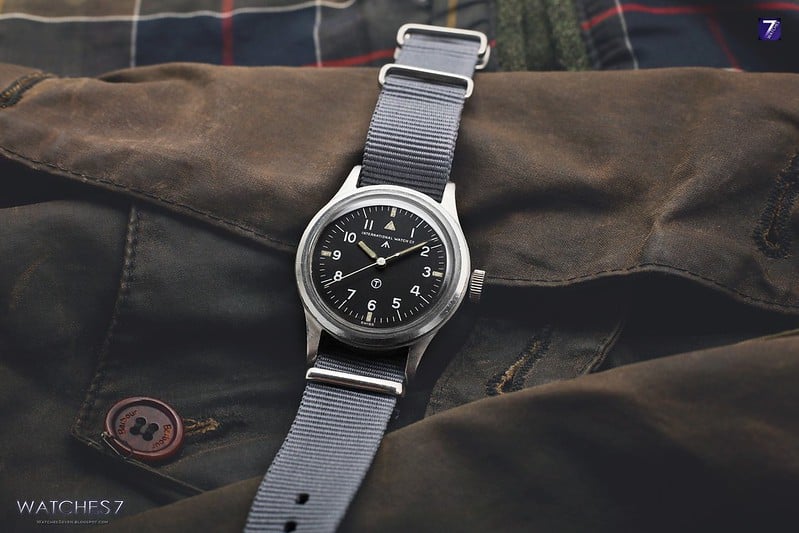
Considered one of the finest military watches ever produced, the IWC Mark XI was introduced in 1948 and entered service with Britain’s Royal Air Force in 1949, remaining in service until 1981. The watch featured a highly accurate movement, an inner soft iron cage to protect against magnetic interference, and a waterproof stainless steel case. The Mark XI’s 32-year service record with the RAF speaks volumes about its reliability and precision. IWC had previously supplied the Mark X to the British Royal Air Force and Royal Australian Air Force in 1944, establishing the company’s reputation for aviation timepieces. The trust placed in IWC’s Mark series by military aviation units worldwide cemented the brand’s legendary status in pilot watches.
Hamilton A-11

The Hamilton A-11 was produced during World War II following the U.S. Army Air Forces’ navigation hack watch specifications. These 32mm timepieces were issued to USAAF crews for navigation purposes and became legendary for their role in coordinating bombing missions over Europe. The watch earned its place in history through countless mission briefings where officers would command ‘synchronize watches’ before operations. Hamilton produced over one million watches during the war and earned five Army-Navy ‘E’ Awards for manufacturing excellence, with their commitment to military production being so complete that they halted all civilian watch production in 1942. The A-11’s simple black dial and luminous hands became the template for generations of military field watches.
Panerai Radiomir
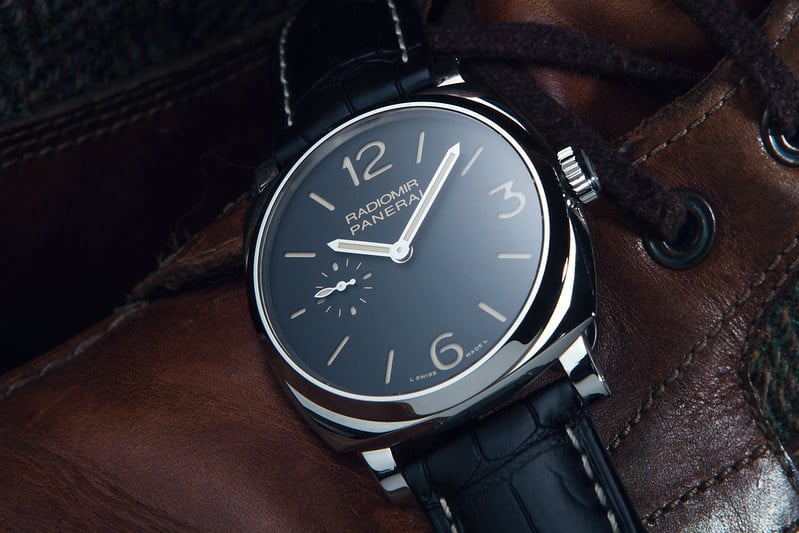
The Panerai Radiomir was created in 1935 for Italian Naval Commandos, using a waterproof Rolex Oyster case and featuring Panerai’s signature ‘sandwich’ dial with cutout numerals filled with radioactive radium paste for underwater legibility. The watch took its name from this revolutionary luminous material that allowed Italian frogmen to read the time in complete darkness underwater. Initially assembled by Rolex as the case supplier, Panerai Radiomir watches became standard issue for Italian Naval Commandos throughout World War II and remained exclusively military until decades later. The Radiomir’s bold 47mm cushion case and minimalist dial design influenced an entire generation of oversized tool watches.
Blancpain Fifty Fathoms
The Blancpain Fifty Fathoms was developed in 1953 after French Naval officer Captain Robert Maloubier approached the company about creating mission-ready watches for his elite military diving unit. The resulting timepiece became the first watch to include a lockable bezel with dive-time scale that rotated in only one direction. This safety feature prevented divers from accidentally rotating the bezel and miscalculating their remaining oxygen supply. The Fifty Fathoms established many benchmarks that became international standards for dive watches, including water resistance levels, antimagnetism, and underwater legibility requirements. Jacques Cousteau famously wore one in his award-winning documentary ‘The Silent World,’ further cementing its legendary status.
Seiko 6309 Turtle
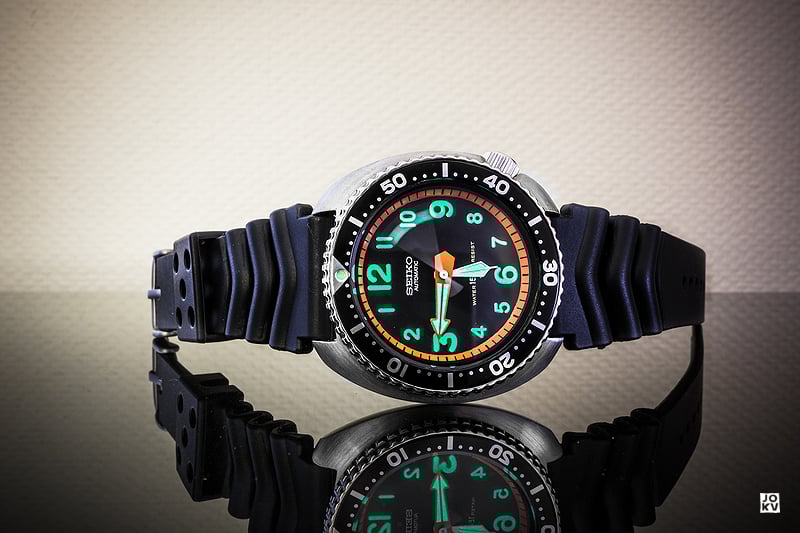
Released in 1976, the Seiko 6309 ‘Turtle’ caught on almost immediately with the U.S. military and became widely issued to SEALs, Pararescuemen, Special Forces, and other elite units. The watch served as the last great mechanical dive watch in broader military circulation. Its distinctive cushion case design earned the ‘Turtle’ nickname, while its robust construction and affordable price made it accessible to service members who often purchased their own gear. Measuring around 44mm across its cushion case, the Turtle mastered being large enough for excellent legibility while fitting well on most wrists. A recessed crown at four o’clock was unobtrusive and worked well with diving suits. Even decades later, many veterans still consider the 6309 their most trusted timepiece.
Tudor Submariner Snowflake
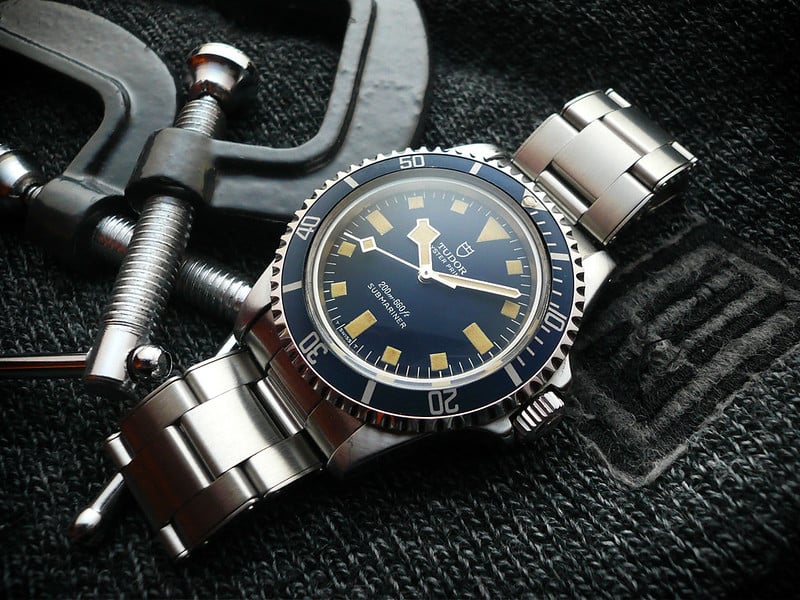
Beginning in the 1950s, Tudor supplied several world navies with Submariner dive watches, with the most famous being the 7016/0 ‘Snowflake’ Submariner known for its distinctive angular hour hand. These watches were extensively used by military forces and became particularly popular with U.S. Navy personnel. The nickname ‘Snowflake’ comes from the unique square-tipped hour hand that resembled a snowflake crystal. A 1985 photograph shows a U.S. Air Force combat control team member wearing a Tudor Submariner Snowflake during joint exercises, demonstrating the watch’s continued military relevance well beyond its initial issue period. The Tudor’s reliability and more accessible price point compared to Rolex made it a favorite among service members.
German B-Uhren
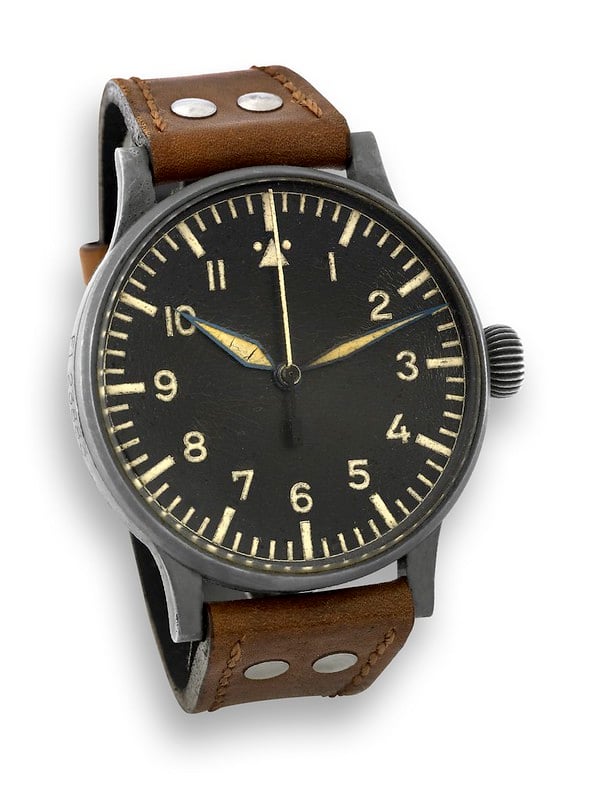
The Beobachtungsuhren (‘observation watch’) was developed in the late 1930s by the German air ministry for bomber crews preparing for war. Five companies—IWC, A. Lange & Söhne, Wempe, Laco, and Stowa—produced these watches under identical specifications. The massive 55mm cases housed highly accurate movements regulated to chronometer standards, while the distinctive black dials featured large Arabic numerals and luminous hands for excellent cockpit readability. These watches had distinctive markings on the back with ‘DH’ standing for Deutsches Heer (German Army), and were specifically provided to air force and navy personnel. Despite their dark origins, the B-Uhren’s exceptional build quality and iconic design have made them highly sought after by collectors today.
Benrus Type I and Type II
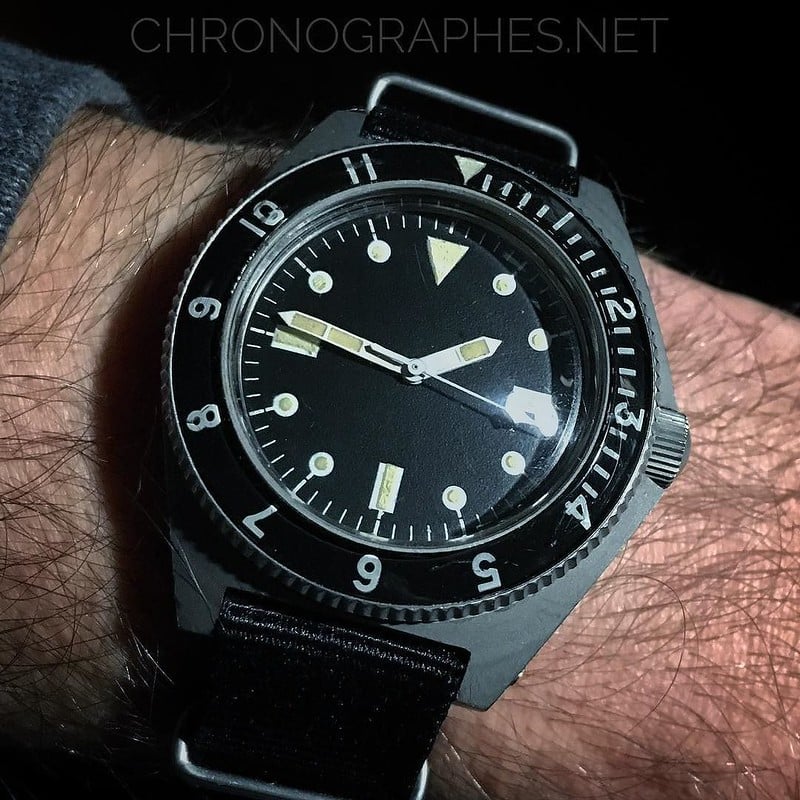
The Benrus Type I and later Type II were produced in response to a U.S. Government specification during the Vietnam War and exclusively issued to special operations forces, with select pieces allegedly provided to CIA officers with completely sterilized casebacks. These watches epitomized the ‘everything you need and nothing you don’t’ philosophy of military tool watches. The clean, utilitarian design featured a black dial with luminous markers and a robust steel case built to withstand jungle warfare conditions. The Type I and Type II represent one of the most legendary military-only tool watch designs ever made, with their rarity and special forces connection making them highly prized by collectors. Finding an original Benrus military watch today is like discovering a piece of classified history.
CWC G10
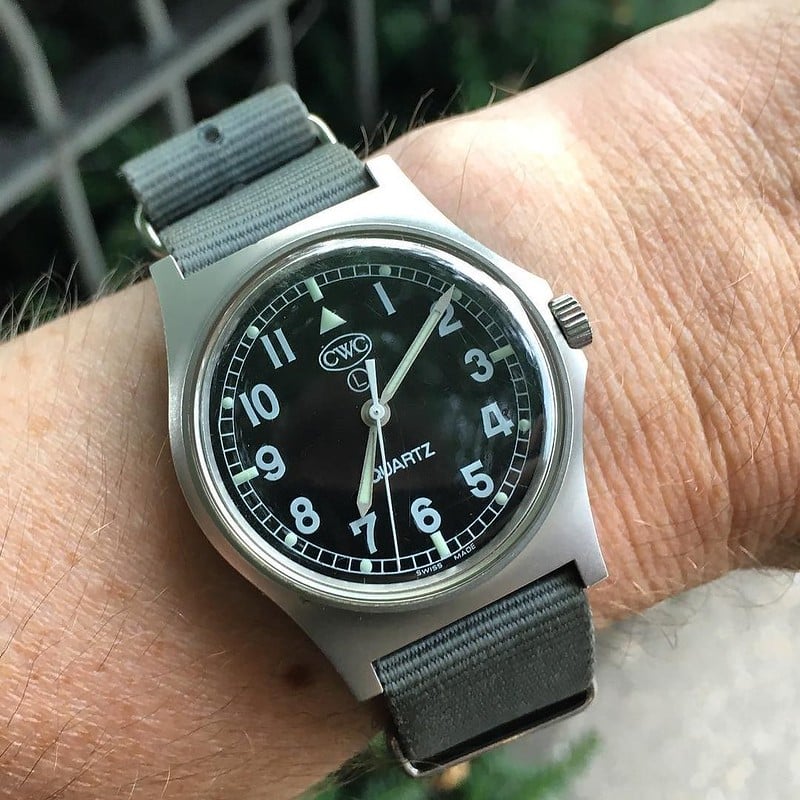
CWC (Cabot Watch Company) was created specifically to supply military watches to the British Ministry of Defense, providing its first quartz-powered G10 in 1980. Over 200,000 of these simple field watches have been issued over the years. The G10’s design philosophy embraced radical simplicity—a basic quartz movement, fixed lug bars, legible dial, and a battery hatch for easy field maintenance. The modern G10 remains almost identical to the original, still equipped with fixed lug bars, Swiss quartz caliber, legible dial and handset, and 50 meters of water resistance. This consistency over four decades proves that sometimes the best military design is one that doesn’t need improvement.
Omega Speedmaster Professional
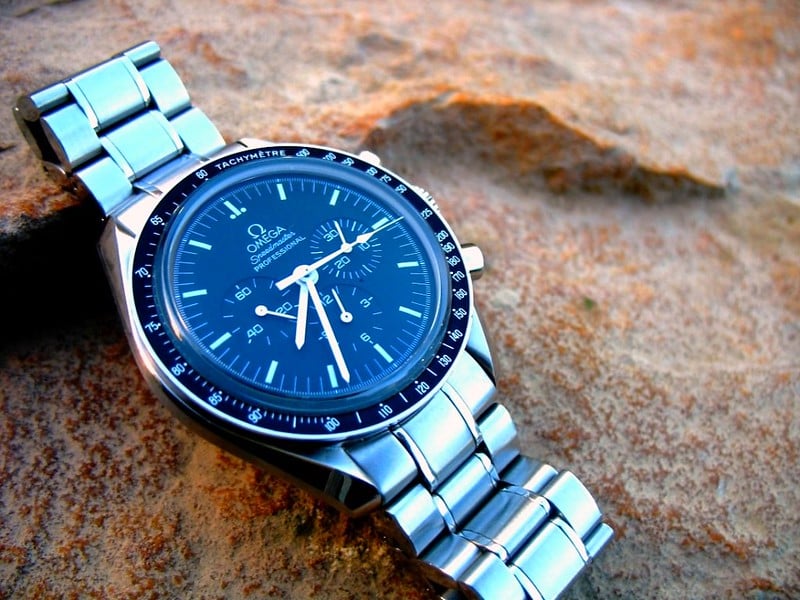
While famous for going to the moon, the Omega Speedmaster Professional also served extensively in military aviation roles. During World War II, Omega supplied more than 110,000 watches to Britain’s Ministry of Defence to support Air Force and Navy pilots, featuring water-resistant cases and magnetic field protection. The Speedmaster’s chronograph function proved invaluable for timing navigation legs and coordinating complex aerial maneuvers. Its robust construction and precise movement made it trusted by test pilots and astronauts alike. The watch’s dual civilian and military heritage contributed to its legendary status as the ultimate tool chronograph.
Rolex GMT-Master
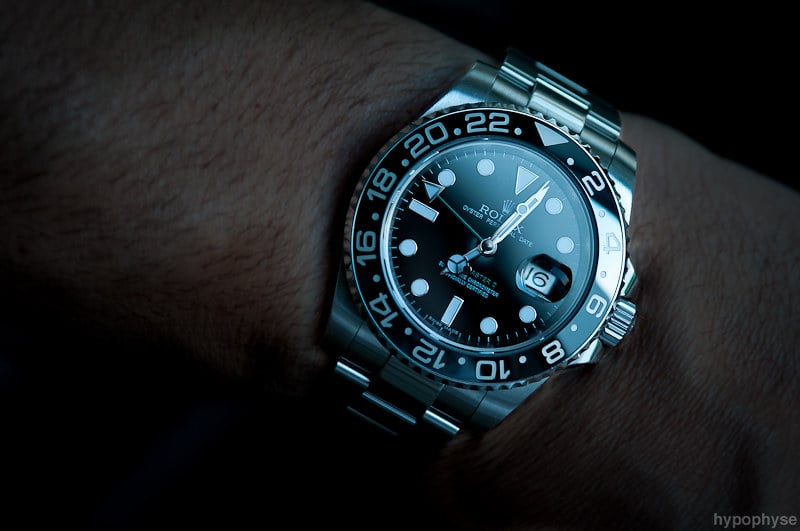
The Rolex GMT-Master shows up frequently in archival military photos, a testament to both its status and durability among service members. Originally developed in 1954 for Pan Am pilots, the GMT-Master’s dual time zone capability quickly caught the attention of military aviators operating across multiple time zones. When the original GMT-Master was unveiled in 1954, it aligned with the early jet-setting era and the advent of international air travel, but the GMT-Master and later GMT-Master II became legendary in military aviation communities. The watch’s pepsi bezel and distinctive red GMT hand became symbols of professional aviation, earning respect in both civilian and military cockpits worldwide.
Marathon General Purpose Mechanical
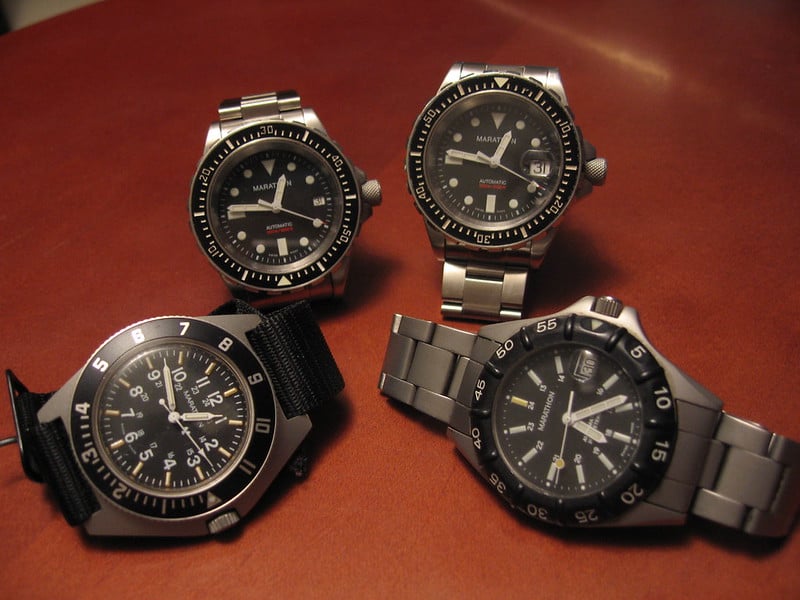
Marathon was founded in 1939 and was already supplying watches and clocks to the Allied war effort by 1941. The company produces a large volume of its General Purpose Mechanical field watches for military contracts. These Canadian-made timepieces represent a different approach to military watchmaking, emphasizing reliability and serviceability over luxury finishing. The Marathon’s tritium illumination provides decades of reliable nighttime visibility without requiring external light sources. Modern Marathon watches continue to be issued to various military units, maintaining an unbroken chain of service that spans over 80 years of continuous military supply.
Breitling Navitimer
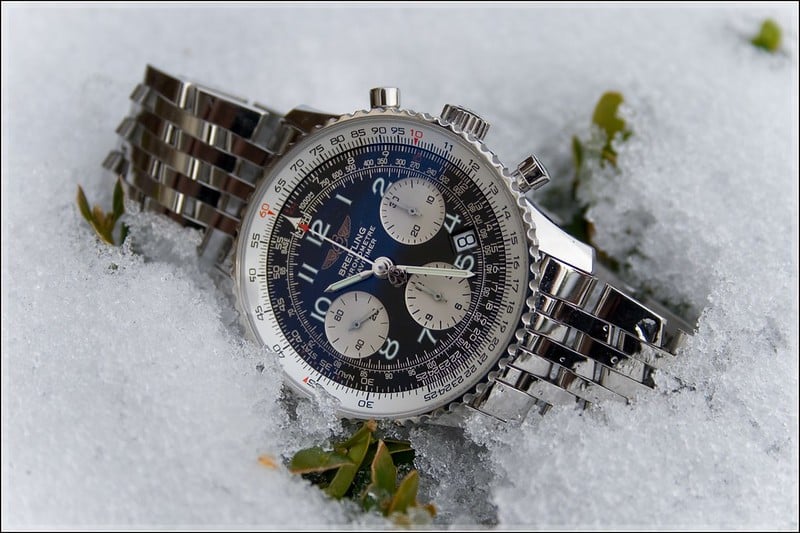
The Breitling Navitimer is the most famous model among pilot watches available in the market, with pilots continuing to use its features to this day. Air Forces from around the world have recognized the importance of the Navitimer for their pilots due to the watch’s impressive calculation capabilities. The Navitimer’s slide rule bezel allows pilots to perform complex navigation calculations without separate instruments, making it a genuine computer on the wrist. While primarily a civilian success, the watch’s aviation pedigree and functional capabilities earned it respect among military pilots who appreciated having backup navigation tools. The distinctive circular slide rule design became synonymous with professional aviation and influenced countless pilot watches that followed.
Legacy Written in Steel
These legendary military timepieces represent far more than mere historical curiosities—they’re the DNA of modern watchmaking. Every field watch with a clean black dial, every dive watch with a rotating bezel, and every pilot’s watch with oversized numerals traces its lineage back to these battle-tested originals. The specifications born from military necessity became the standards that civilian watchmakers still follow today. Whether it’s shock resistance, water protection, or luminous visibility, the demands of warfare pushed these watches to achieve levels of performance that peacetime luxury could never match. Today’s watch enthusiasts don’t just collect these pieces for their rarity—they’re drawn to timepieces that proved themselves when failure meant the difference between life and death.
More from Go2Tutors!

- 16 Historical Figures Who Were Nothing Like You Think
- 12 Things Sold in the 80s That Are Now Illegal
- 15 VHS Tapes That Could Be Worth Thousands
- 17 Historical “What Ifs” That Would Have Changed Everything
- 18 TV Shows That Vanished Without a Finale
Like Go2Tutors’s content? Follow us on MSN.