15 Insects That Create Their Own Architecture
Some of nature’s most remarkable architects can be found in the insect kingdom, creating intricate and useful structures that are on par with human engineering. Without any instruction or plans, these small animals exhibit astonishing building skills, creating everything from delicate silk dwellings hanging in mid-air to towering mounds that regulate temperature.
With distinctive construction techniques and structural structures that have developed over millions of years, these 15 amazing insects each produce their own architecture.
Termites
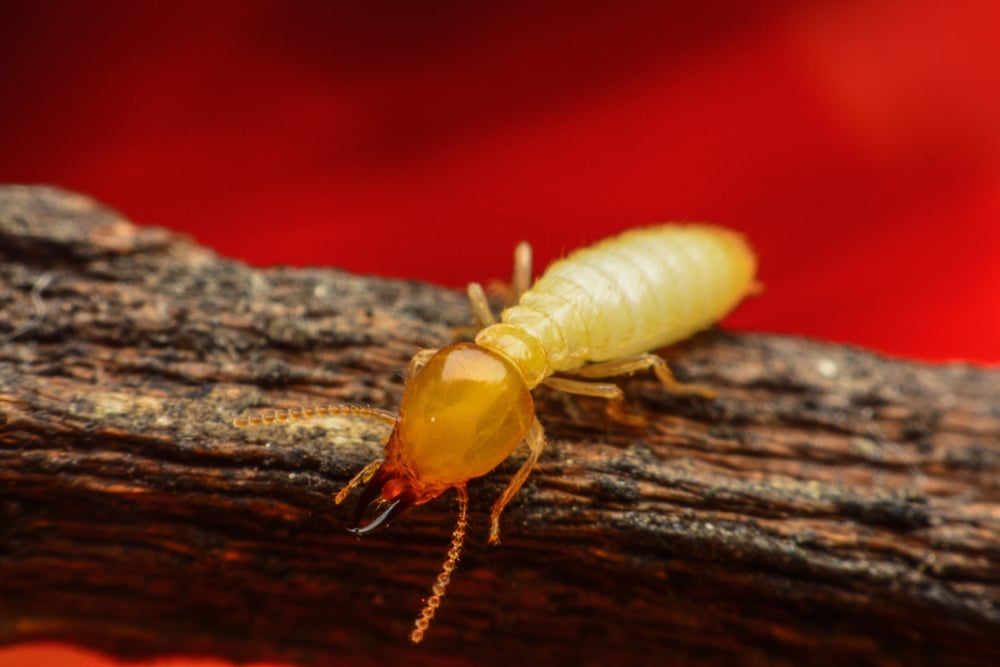
Macrotermes species construct enormous mounds up to thirty feet high, equipped with advanced ventilation systems that keep the interior temperature constant. Even though the outside temperature fluctuates greatly, these structures have intricate networks of tunnels and chambers, and some colonies house millions of people in climate-controlled environments that change by less than one degree during the day.
Honeybees
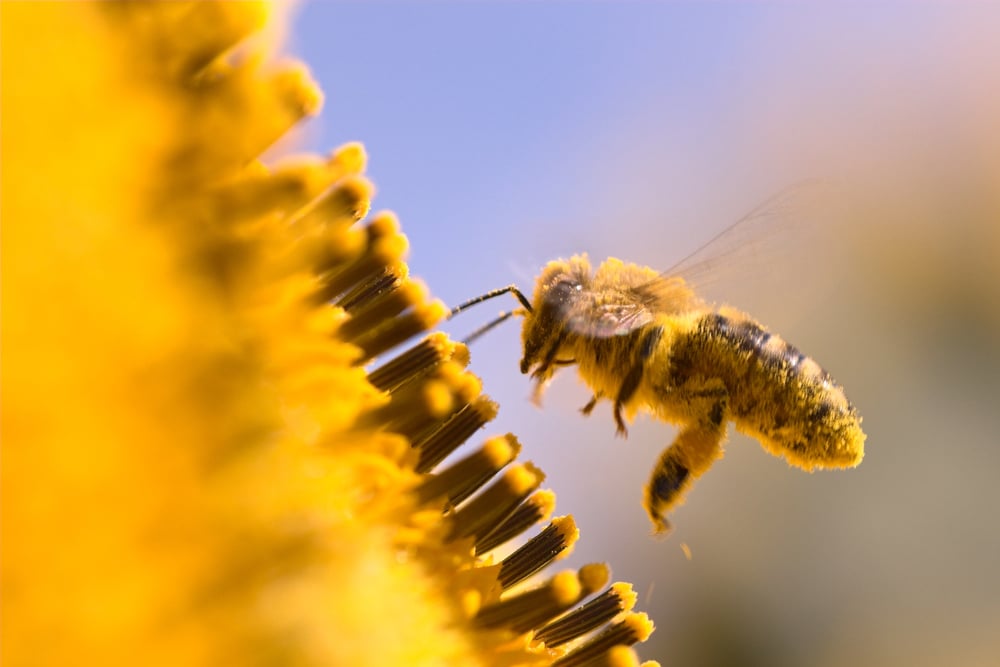
Master geometricians, honeybees construct perfectly hexagonal honeycomb cells with remarkable precision. The hexagon shape provides maximum storage space with minimal building material, demonstrating an intuitive understanding of mathematical efficiency.
A single colony produces about 100 pounds of honey annually, all stored in these precision-engineered wax structures.
Silkworms
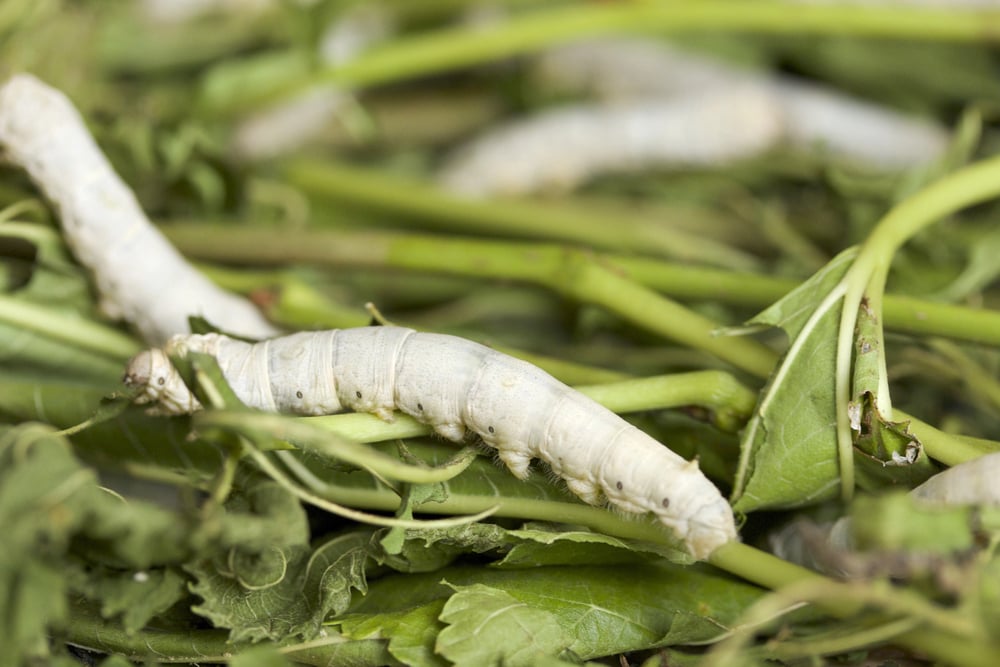
These larvae spin cocoons made from a single silk thread that can stretch nearly a mile long if unwound. The delicate protective chamber serves as both home and transformative space, allowing the caterpillar to safely metamorphose into a moth.
The strength-to-weight ratio of silk remains unmatched by many modern synthetic materials.
Weaver Ants
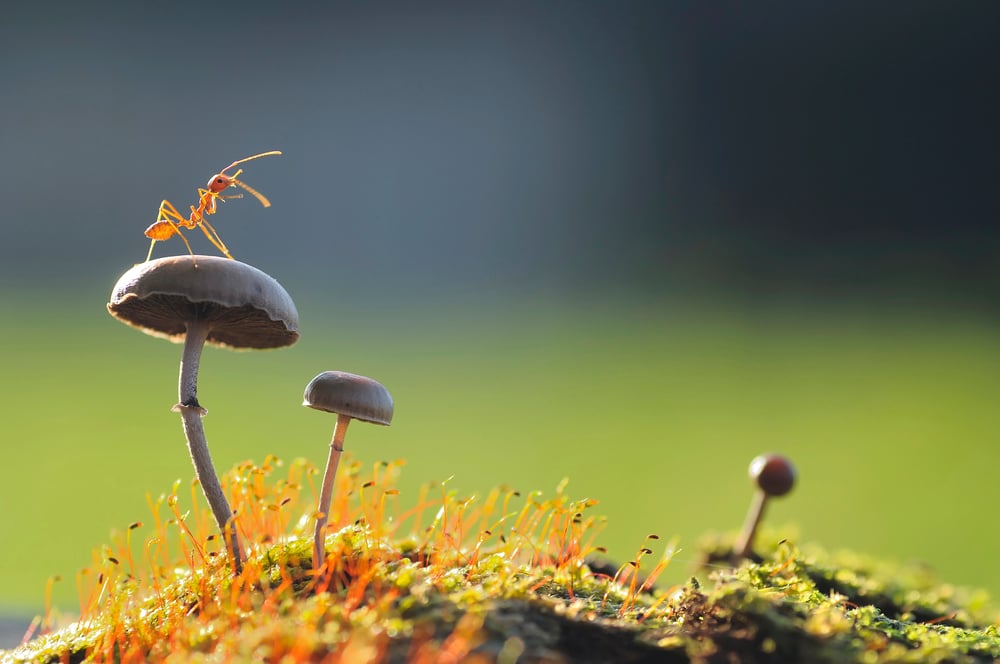
Working in coordinated teams, weaver ants pull leaves together and secure them with silk produced by their larvae, which they carry between their mandibles like living glue guns. These leaf nests can house thousands of individuals and provide excellent protection from predators and weather.
Their architectural approach requires remarkable cooperation, with chains of ants physically linking together to pull distant leaves into position.
Mud Dauber Wasps
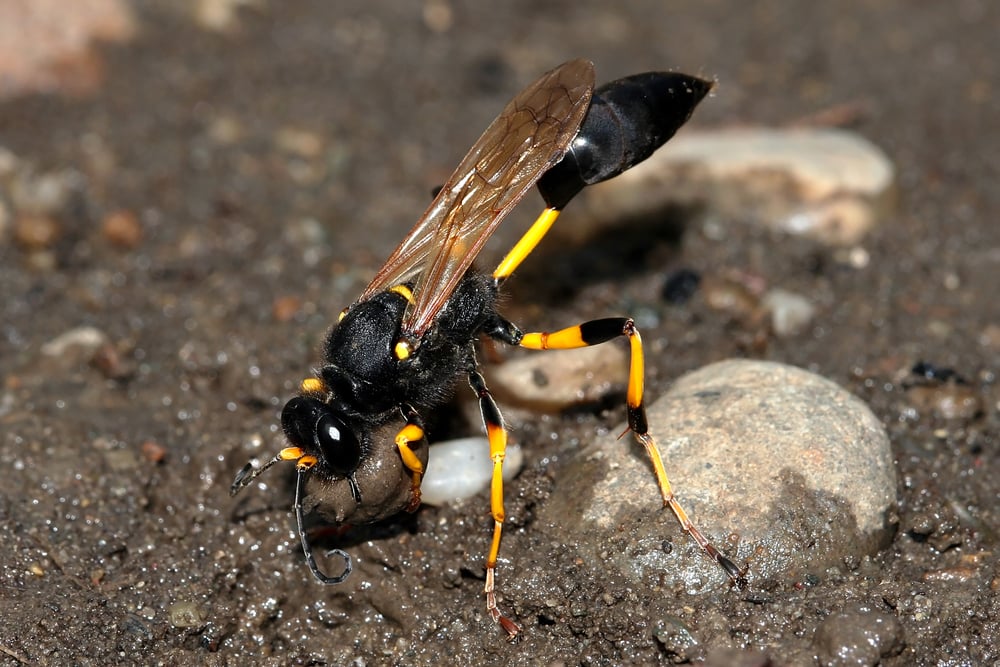
These solitary wasps construct intricate pipe organ-like chambers from mud collected in their mandibles. Each tube serves as a nursery for a single offspring, provisioned with paralyzed spiders as food for the developing larva.
The structures harden like concrete in the sun, providing excellent protection for the next generation.
Paper Wasps
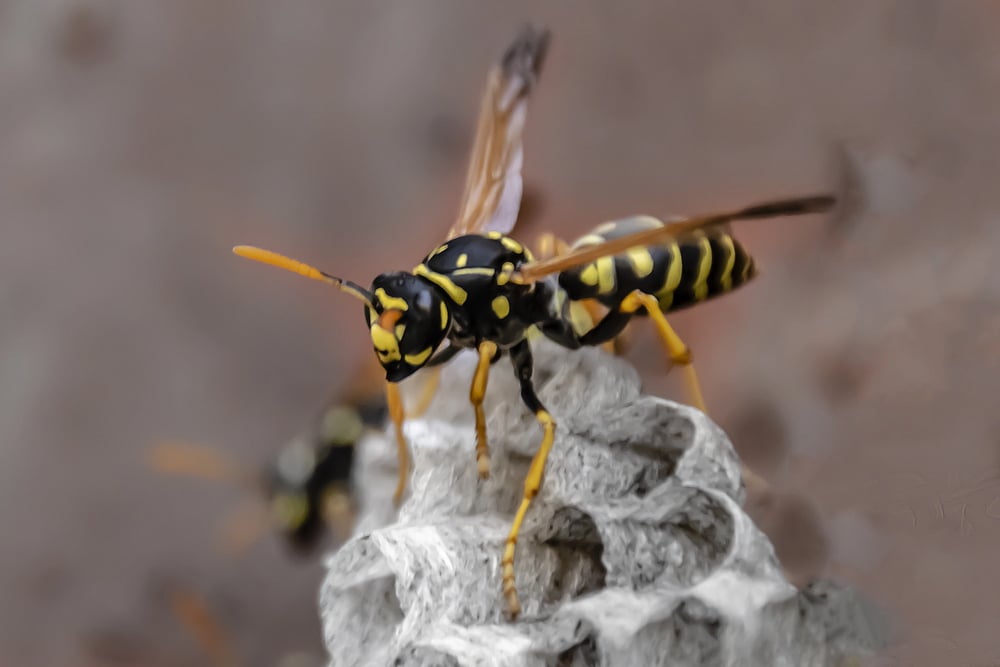
The original papermakers, these insects scrape wood fibers, mix them with saliva, and form a paper-like material for their umbrella-shaped nests. Each hexagonal cell serves as a cradle for developing young, suspended from a single strong stem.
Their waterproof design has inspired human manufacturing techniques.
Caddisfly Larvae
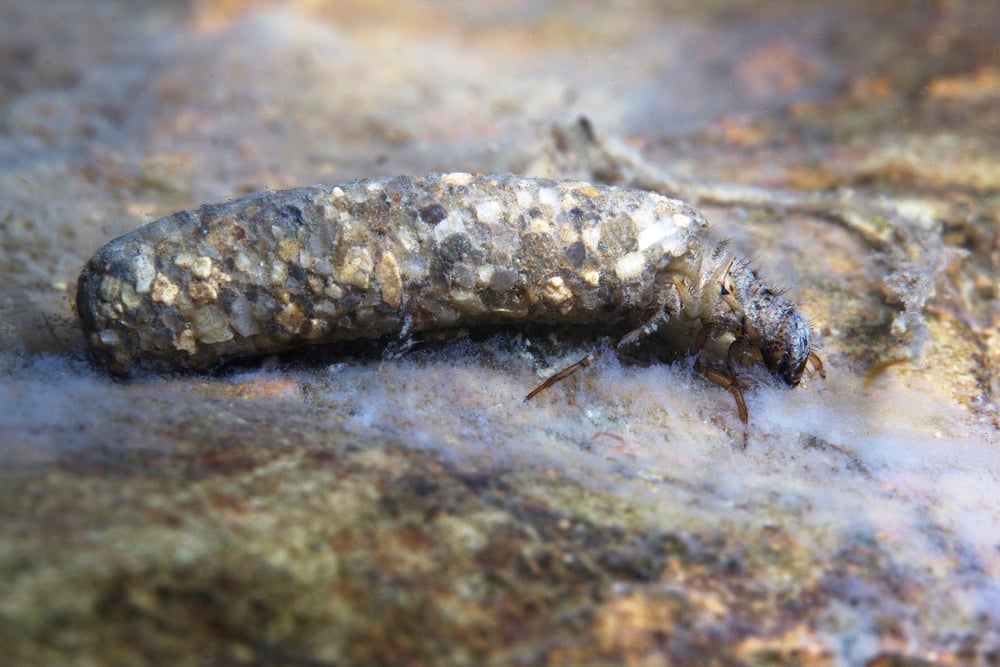
Underwater architects, caddisfly larvae construct portable protective cases from materials in their environment, including sand, twigs, and small pebbles. These mobile homes shield their soft bodies from predators while allowing them to move freely in aquatic environments.
Some species create silk nets instead, which they use to filter-feed in flowing water.
Leafhoppers
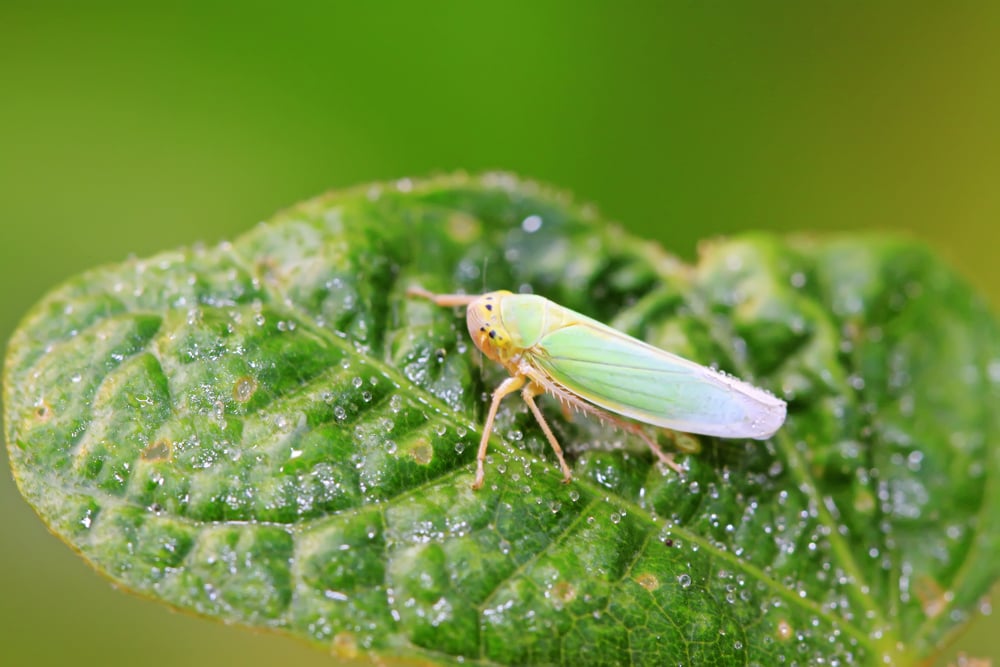
These microscopic insects make strange tubes or ribbons that resemble cotton candy out of a waxy substance they produce to form protective structures. These structures act as defenses against environmental stressors and predators.
Intricate waxy filaments that are multiple times the length of the body are produced by certain species.
Tent Caterpillars

These gregarious caterpillars build protective silk tents in tree branches to defend themselves from predators and inclement weather. Caterpillars can warm up faster and start feeding earlier than their rivals thanks to the tent’s ability to capture early sunshine.
In several colonies, hundreds of people are cooperating to build their silken stronghold.
Trapdoor Spiders
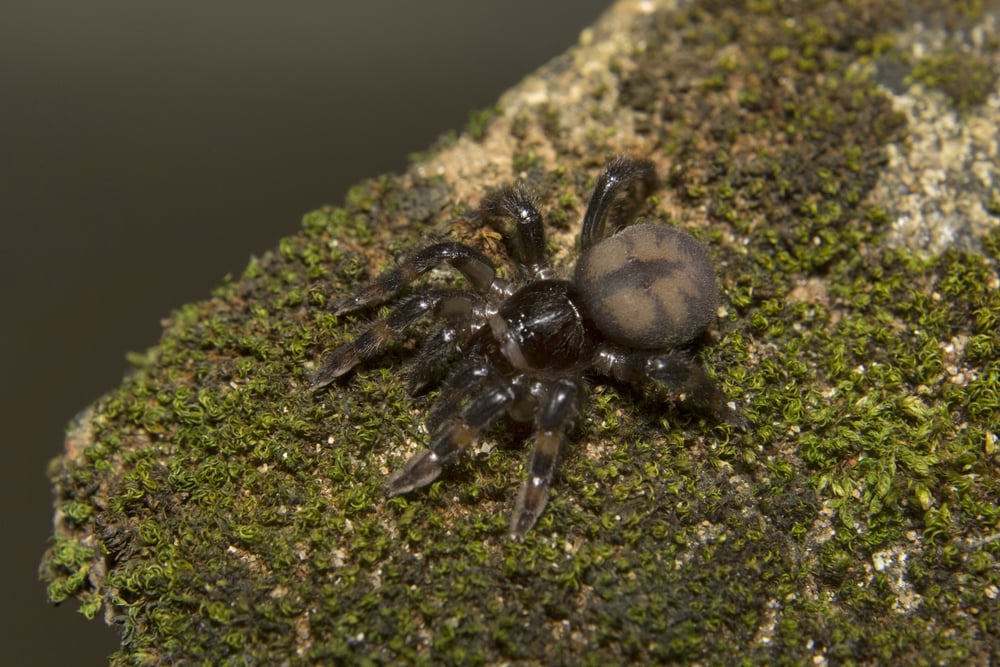
While technically arachnids rather than insects, these remarkable creatures construct burrows with hinged doors made from soil, vegetation, and silk. The door fits perfectly into the entrance and can be held shut by the spider when threatened.
Some species incorporate natural camouflage materials that make their homes nearly invisible on the forest floor.
Burrowing Bees
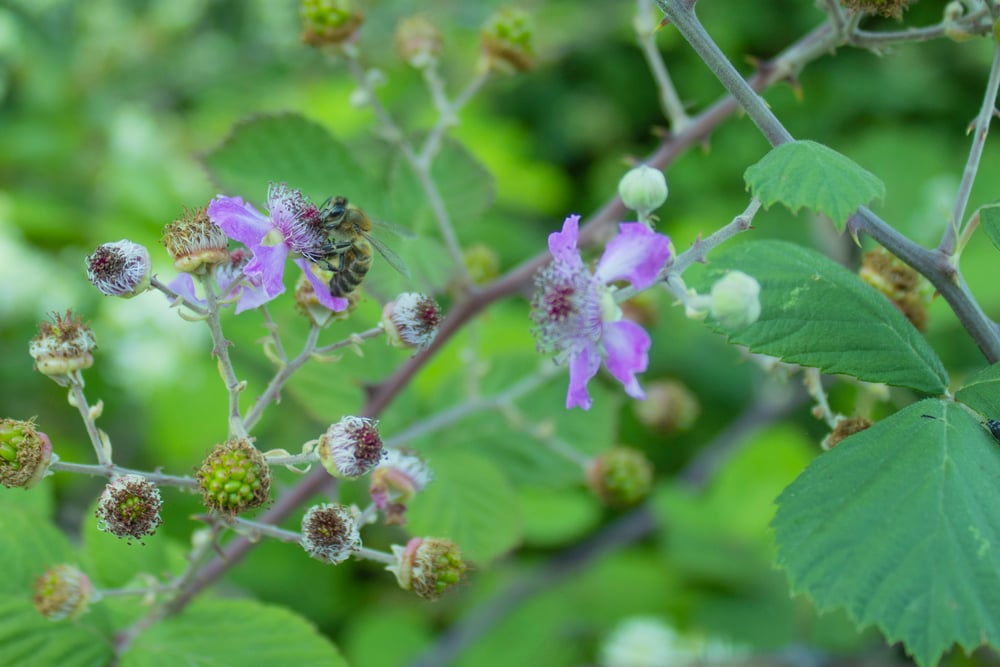
Unlike honeybees, many bee species are solitary and construct elaborate underground tunnels. These tunnels feature multiple chambers, each provisioned with pollen and nectar before an egg is laid and the chamber sealed.
Some create waterproof cell linings using secretions that harden like plastic, protecting offspring during development.
Leafcutter Bees
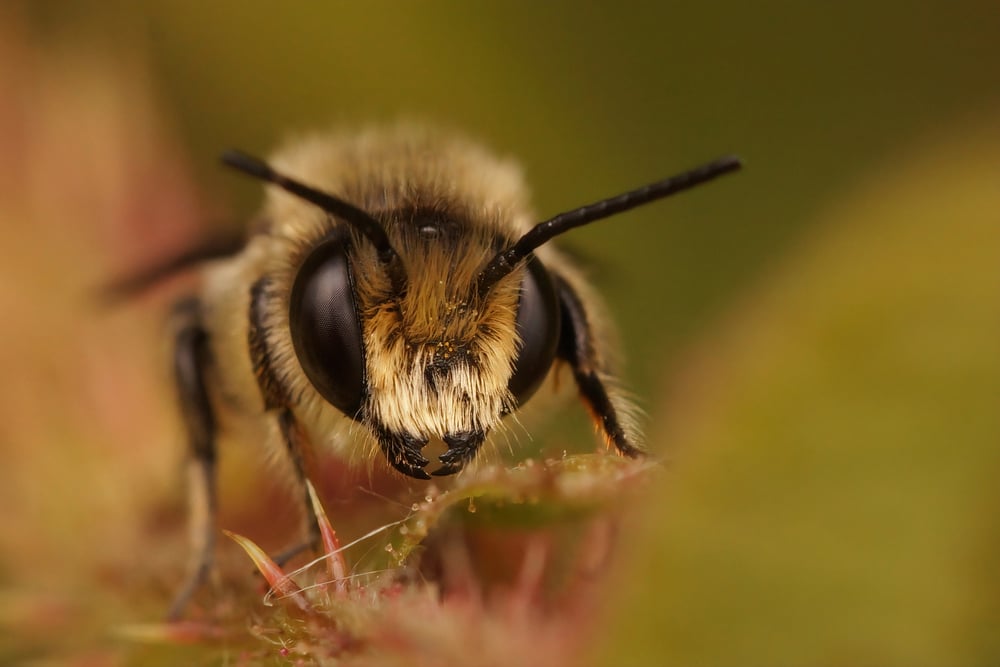
These meticulous insects cut perfectly rounded pieces from leaves and flowers to line their nest chambers. The pieces are arranged in overlapping layers, creating waterproof nurseries for their offspring.
A single bee can cut and place over a thousand leaf pieces to construct her nest, with each piece precisely measured to fit the space.
Potter Wasps
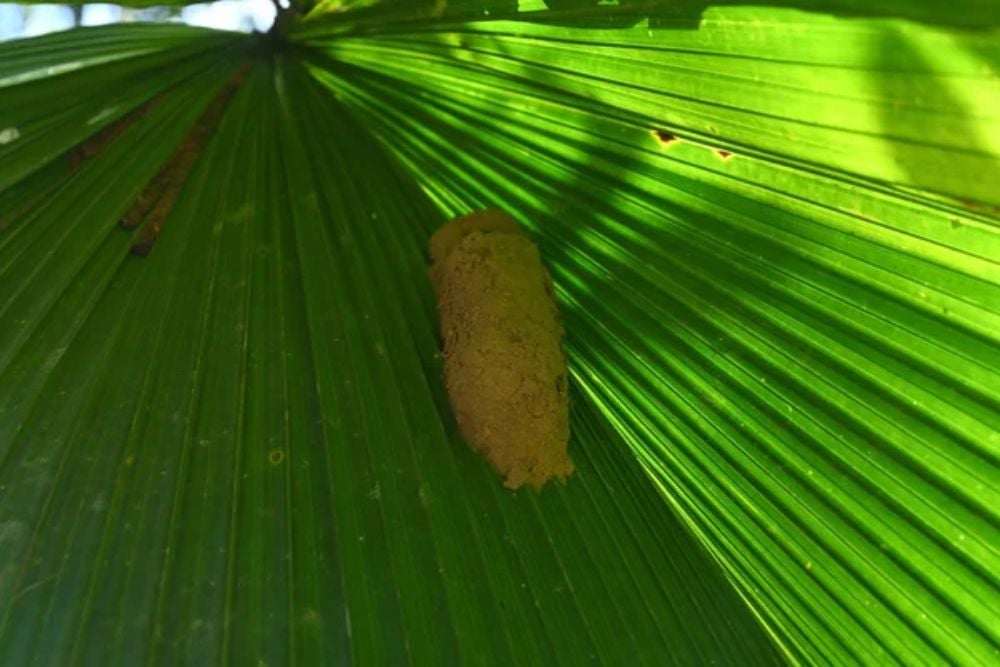
Named for their remarkable clay constructions, potter wasps build small urn-shaped nests attached to plants or structures. Each tiny pot serves as a nursery for a single developing wasp, complete with paralyzed caterpillars as food.
The narrow-necked design protects the young from parasites and predators while allowing proper air circulation.
Mound-Building Ants
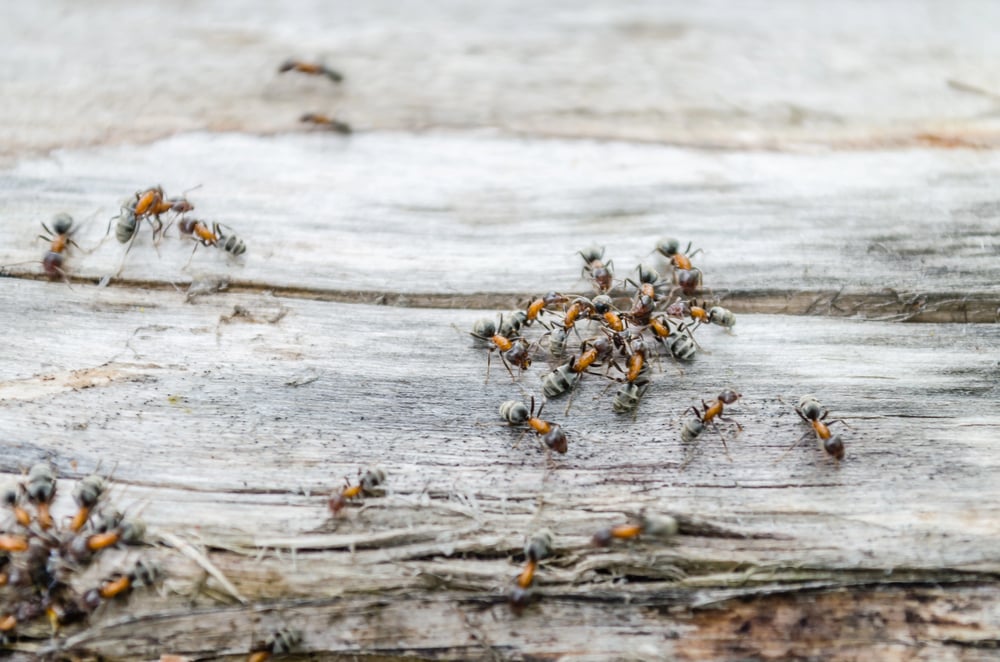
Several ant species construct enormous soil mounds that serve as solar collectors, with some reaching heights of six feet. These structures capture heat from the sun, allowing colonies to regulate internal temperatures for optimal brood development.
The architecture includes ventilation shafts that can be opened or closed by worker ants to maintain ideal conditions.
Bagworms
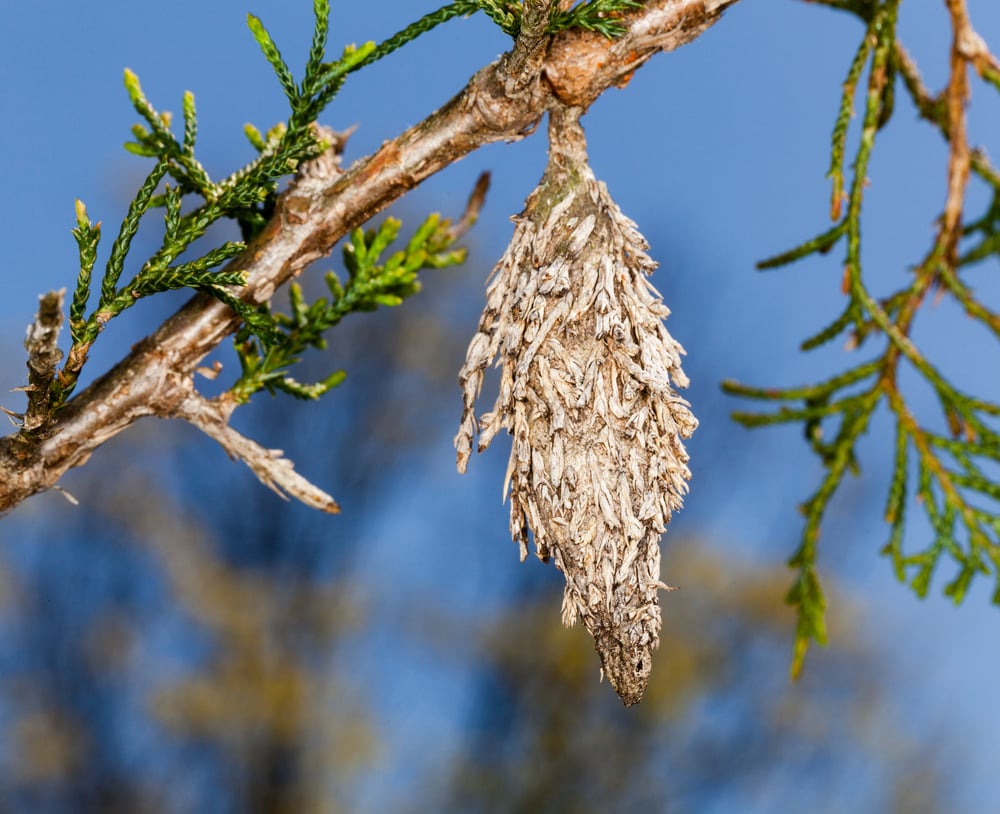
These caterpillars construct portable cases made from silk and environmental materials like twigs, leaves, and sand. The bag is enlarged as the caterpillar grows, providing camouflage and protection throughout its development.
Female bagworms never leave their bags, spending their entire lives in the architecture they’ve created.
Nature’s Master Builders
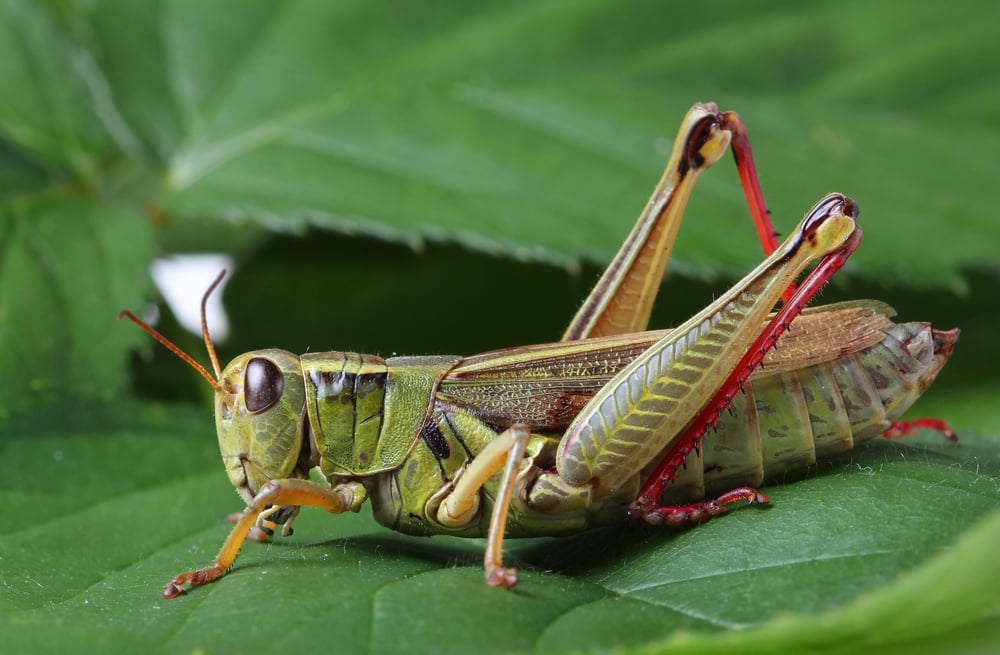
Looking at these remarkable insect architects reminds us that engineering genius isn’t exclusive to humans. These tiny builders have perfected their construction techniques over millions of years of evolution, creating structures perfectly adapted to their needs without formal education or tools.
Their architectural achievements provide inspiration for human designers seeking sustainable, efficient building solutions that work in harmony with the natural environment.
More from Go2Tutors!

- The Romanov Crown Jewels and Their Tragic Fate
- 13 Historical Mysteries That Science Still Can’t Solve
- Famous Hoaxes That Fooled the World for Years
- 15 Child Stars with Tragic Adult Lives
- 16 Famous Jewelry Pieces in History
Like Go2Tutors’s content? Follow us on MSN.



