Modern Policing Tools Everyone Uses Today
These days, police work looks nothing like it did years ago. Though some still jot notes by hand or trust their hunches, those basics now ride alongside silent helpers hiding in plain sight.
Radios crackle just like before – but now they pull answers from servers miles away. What once felt like lone decisions now echo with quiet support from systems running behind the scenes.
Tools blend so smoothly into routine that even officers may forget how much leans on them. Now and then, certain gadgets appear on the evening news, inside legal battles, or woven through fictional crime shows.
Behind the scenes, a few slip under notice – handling tasks once demanding entire squads and endless hours just to finish.
Body Cameras

Footage from small chest-mounted devices often plays a key role in legal proceedings. Worn by law enforcement during duty, these recorders capture real-time interactions.
Protection flows both ways when situations unfold under scrutiny. Some units activate the device only after incidents start.
Across American cities, department rules increasingly treat recording as standard practice.
Automatic License Plate Readers
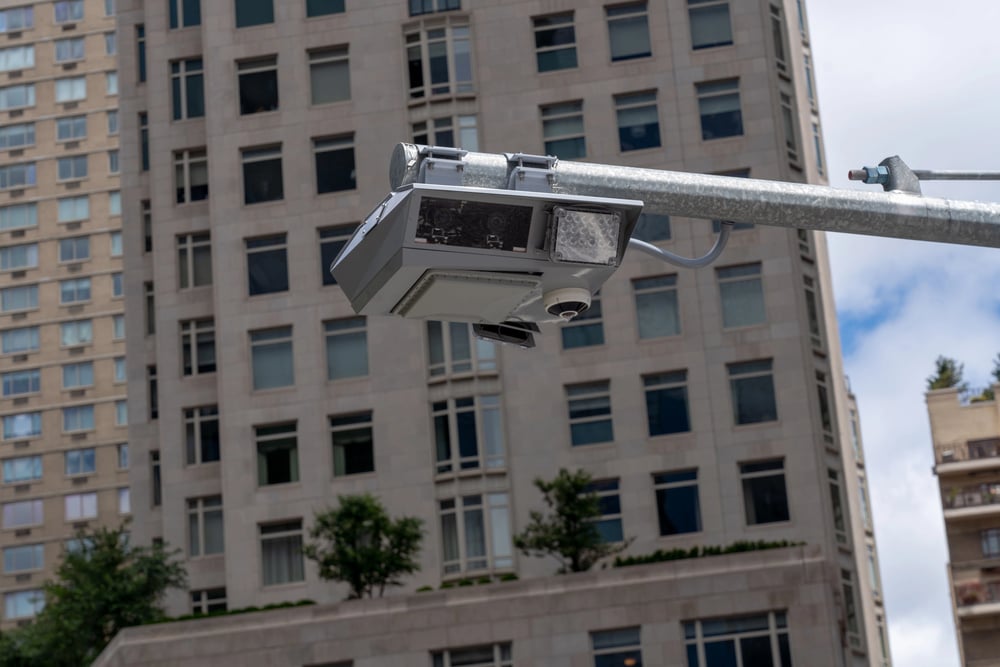
Mounted on patrol cars or stationary posts along roads, these gadgets snap photos of license tags in rapid succession – up to many hundreds each hour. Instead of waiting, they cross-reference every tag with active records: missing automobiles, lapsed permits, individuals flagged by law enforcement.
A hit triggers a near-immediate signal to the driver of the cruiser. Without noise or fuss, it quietly powers countless captures across towns daily.
DNA Databases

Decades ago, scientists began studying DNA. Yet today’s law enforcement taps into far larger collections of genetic records.
With tools such as CODIS – officially the Combined DNA Index System – evidence from old crimes gets new life. One sample might tie a long-unsolved case to someone already in the system.
Sometimes, silence breaks after twenty years, just from a lab result. Mistakes happen, yes.
Still, few advances have shifted police work so deeply.
Facial Recognition Software

Looking at faces through tech helps police match images to big groups of people already on file. When security cameras catch someone without names or details, this step often makes progress possible.
Big towns rely on it during tough cases like attacks, even if questions remain about how fairly it performs. Speed comes easily here – yet better outcomes show up whenever a person checks the output first.
Gunshot Detection Systems
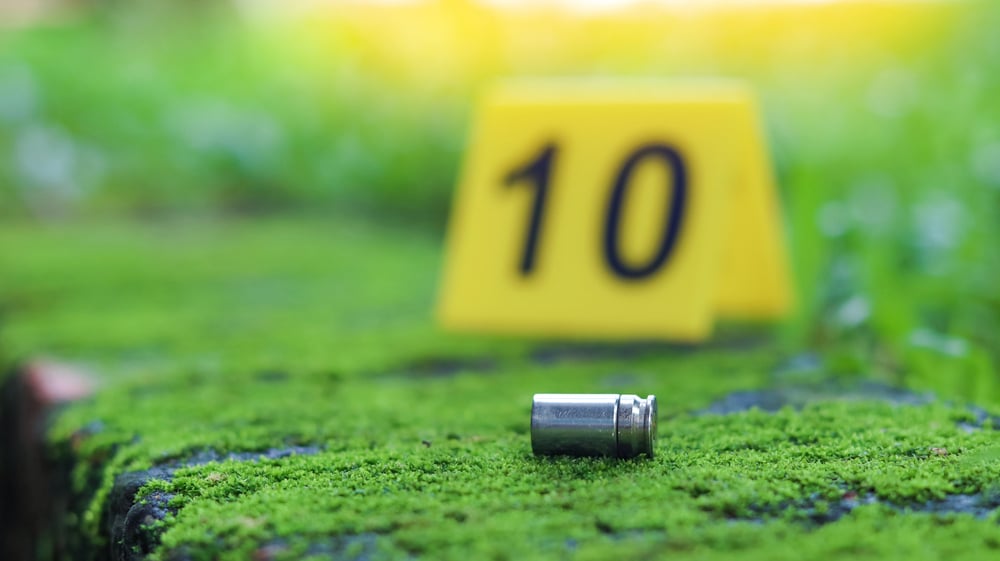
Sirens aren’t always what brings cops running – sometimes it’s a network of microphones scattered through city blocks. One such tool, ShotSpotter, listens for gunshots instead of waiting on human reports.
As soon as a bang echoes, multiple devices pick up the noise, pinning down where it came from using timing differences. That spot shows up on a map almost instantly, flashing red before neighbors even react.
Police get notified fast, often arriving while smoke still hangs in the air. Even without a single call from civilians, patrols might show up because machines heard something sharp and sudden.
Places like Chicago leaned into this tech years ago; so did New York, rolling it out block by block. Yet some experts question whether those alerts are really gunfire – or just fireworks mistaken for bullets.
Predictive Policing Software

A few cops rely on computer tools scanning old thefts, break-ins, or fights to guess trouble spots ahead. Because timing and place matter, the tech builds heat-style visuals showing where guards might need to go.
Imagine storm warnings – only instead of rain, it flags street risks. Cities such as LA and parts of Georgia gave these models a run; outcomes varied wildly.
Still, people keep debating whether it’s fair or wise long-term.
Digital Forensics Tools
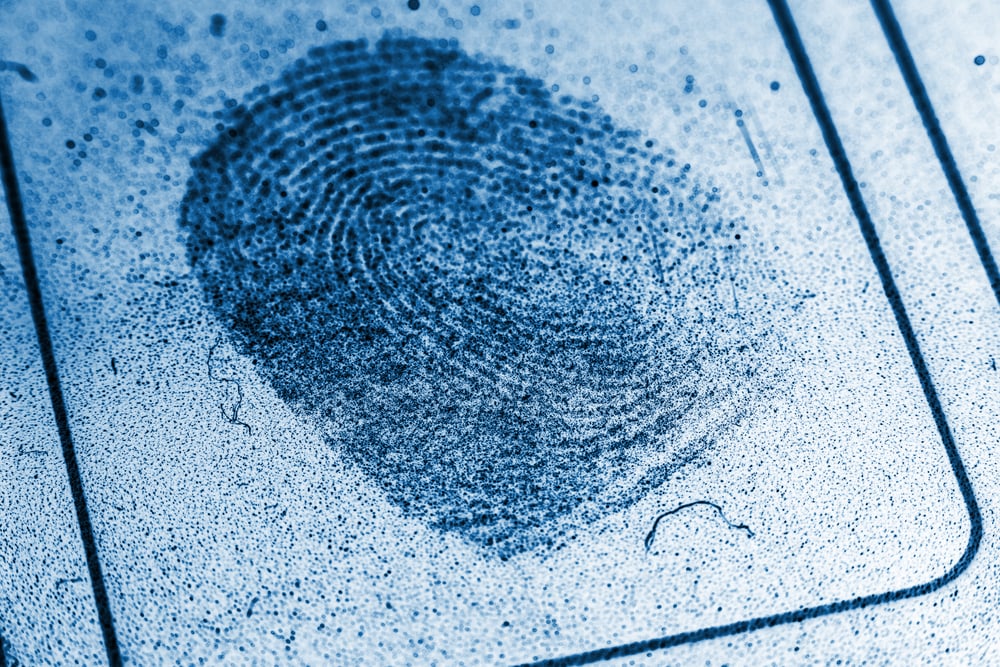
One look at a seized device tells law enforcement there’s more beneath the surface. Instead of guessing, experts tap into tools such as Cellebrite to pull information even when screens are cracked or passwords block entry.
Hidden texts reappear. Old calls resurface.
Images once erased come back into view. App records spill out minute-by-minute actions.
Courts see this material regularly these days – especially where serious charges unfold. Skilled hands handle each extraction carefully.
What emerges often paints an unexpectedly sharp picture.
Drones

Once seen as just gadgets, police drones now serve real roles. Across the country, law enforcement relies on these machines when tracking big gatherings.
Instead of boots on rough ground, they scan wide zones fast – sometimes saving hours. When someone vanishes in wilderness spots, flying units help cut through dark woods or thick brush.
Heat-sensing gear lets certain models spot people at night by their warmth alone. Before rushing into risky scenes, teams often send an eye above first.
Distance that takes humans long minutes shrinks to mere seconds overhead.
Crisis Negotiation Technology

Modern crisis negotiation goes beyond an officer talking someone down over a phone. Teams now use robots to deliver phones or cameras into dangerous situations.
Video links to maintain visual contact, and real-time psychological support tools that help negotiators read stress levels and emotional states. Training simulators let officers practice high-pressure scenarios in a safe environment before they ever face a real one.
The goal is always to resolve situations without anyone getting hurt.
Real-Time Crime Centers

Real-time crime centers are command hubs where analysts monitor live camera feeds, run background checks, and feed information to officers on the street as situations develop. New York City built one of the first, and now dozens of cities across the country operate similar setups.
An officer responding to a call can get a full picture of a suspect’s history before even stepping out of the patrol car. It puts a lot of information in the right hands at exactly the right moment.
Social Media Monitoring Tools

Police departments now use software designed to track public social media posts for threats, criminal activity, and gang communications. Tools like Babel Street and Media Sonar scan platforms in real time and flag content that matches certain patterns or keywords.
This approach has helped departments prevent planned violence and track suspects who post about crimes openly. It is legal when applied to public content, though privacy advocates continue to raise important concerns about how far it goes.
Electronic Monitoring (Ankle Monitors)

Ankle monitors have been around since the 1980s, but today’s versions are significantly more advanced. Modern devices use GPS to track location in real time, alert authorities if the wearer enters a restricted area, and can even detect alcohol consumption through skin sensors.
They are used for individuals on parole, bail, or under house arrest as an alternative to keeping someone in custody. The technology keeps people accountable without always requiring a cell.
Non-Lethal Weapons
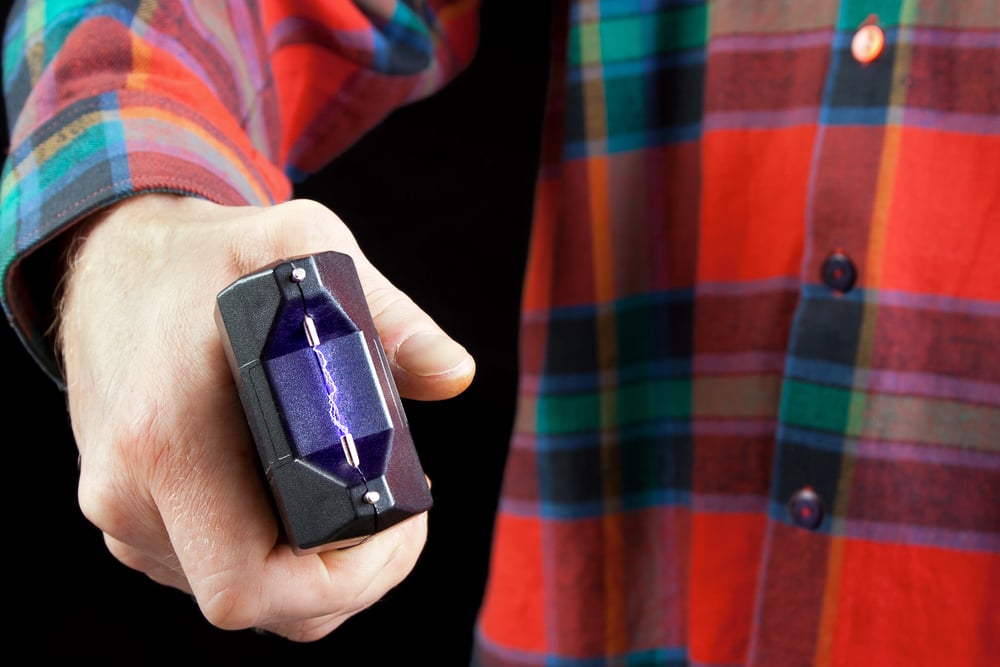
Tasers, rubber projectiles, and pepper spray have been standard for a while, but newer non-lethal options keep expanding. Devices like the BolaWrap fire a small cord that wraps around a person’s body to restrain them without causing lasting injury.
Some departments also use specialized foam rounds and beanbag projectiles in situations where lethal force would be excessive. The idea is to give officers more options between verbal commands and lethal response.
In-Car Computer Systems

The laptop or tablet mounted in a patrol car does far more than most people realize. Officers use it to run license plates, pull up warrants, file reports, access maps, and communicate with dispatch, all without leaving the vehicle.
In some departments, AI-assisted report writing tools are now built into the system, helping officers draft incident reports faster and more accurately. The in-car computer has essentially turned patrol vehicles into mobile command stations.
911 Text And Multimedia Systems
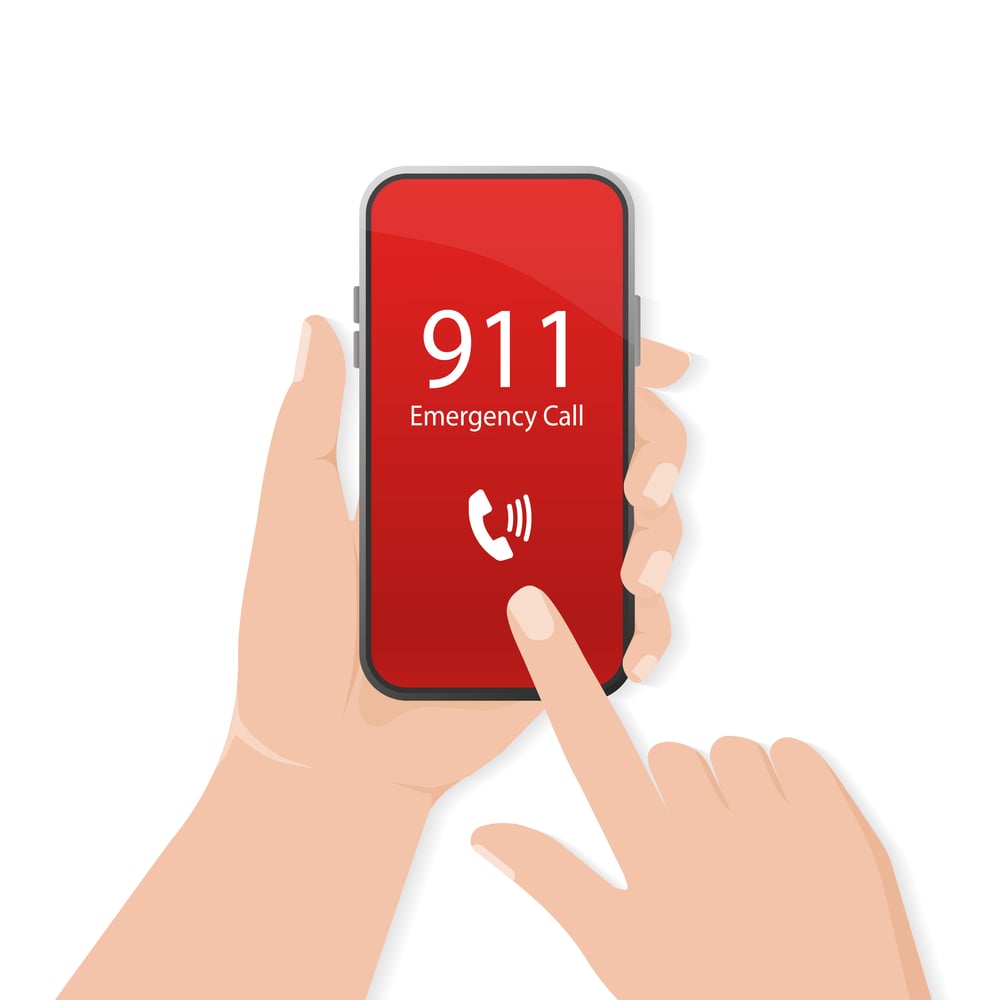
Most people know they can call 911, but in many U.S. cities, residents can now text 911 as well. This is especially important for people who are deaf, hard of hearing, or in a situation where speaking out loud could be dangerous.
Some systems now allow callers to send photos and videos directly to dispatchers, giving emergency responders a better picture of what they are walking into. The upgrade has made emergency communication more accessible and more informative.
Interoperable Communication Networks

One of the oldest problems in policing was that different agencies could not communicate with each other effectively. A city police officer and a county sheriff’s deputy responding to the same incident sometimes could not even share the same radio channel.
FirstNet, built specifically for first responders, now provides a dedicated broadband network that connects police, fire, and medical teams across jurisdictions. When a crisis crosses city or county lines, officers can now coordinate in real time without the old communication gaps.
What All These Tools Add Up To
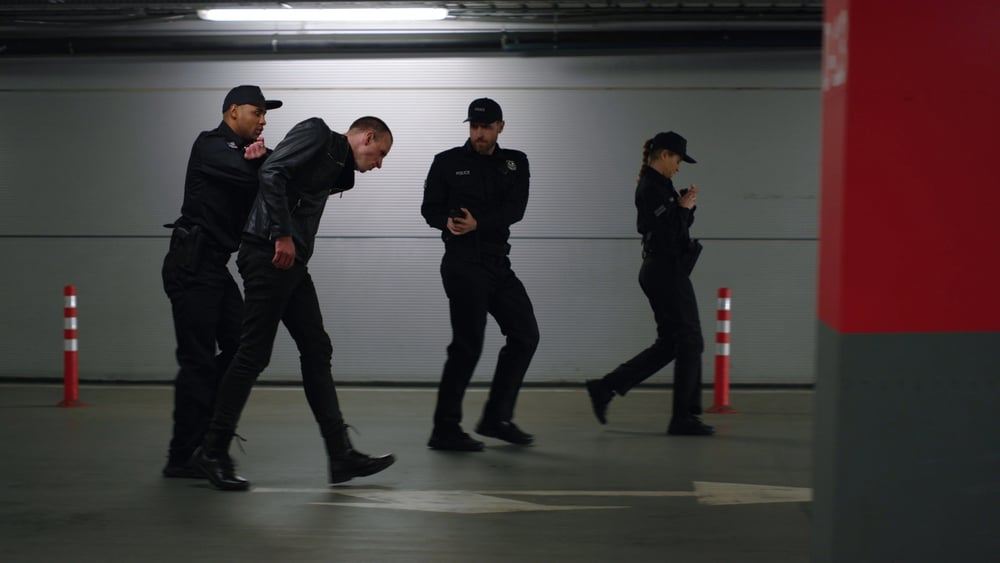
Modern policing tools have made law enforcement faster, more connected, and more data-driven than at any point in history. Some tools, like body cameras and DNA databases, have directly improved accountability and accuracy in ways the public can see and measure.
Others, like predictive software and facial recognition, are still being tested and debated, and those conversations matter. The tools are only as good as the people using them and the policies guiding that use, and that part has not changed at all since the days of the notepad and the radio.
More from Go2Tutors!

- The Romanov Crown Jewels and Their Tragic Fate
- 13 Historical Mysteries That Science Still Can’t Solve
- Famous Hoaxes That Fooled the World for Years
- 15 Child Stars with Tragic Adult Lives
- 16 Famous Jewelry Pieces in History
Like Go2Tutors’s content? Follow us on MSN.