Streamers Who Made Millions Gaming
Playing video games for a living sounds like a fantasy someone made up to avoid getting a real job. But a select group of streamers turned that fantasy into reality and made more money than most professionals ever will.
They didn’t just get lucky. They built audiences over years, developed personalities that kept people watching, and capitalized on the explosive growth of streaming platforms.
Some started before anyone thought you could make real money playing games online. Others rode platform growth at exactly the right time.
All of them turned hours in front of a camera into fortunes that changed their lives completely.
Ninja Made Fortnite Mainstream
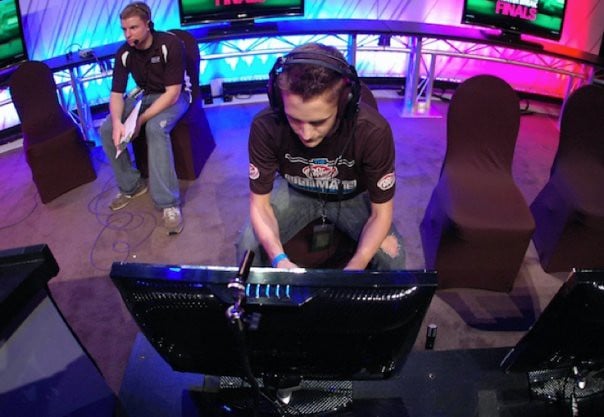
Tyler Blevins became the face of streaming when Fortnite exploded in 2018. He wasn’t new to streaming—he’d been playing Halo professionally and streaming for years.
But when Fortnite combined building mechanics with battle royale gameplay, Ninja was positioned perfectly to dominate. His skill level put him above most players, and his energetic personality made watching him entertaining even when he wasn’t winning.
The Drake stream in March 2018 changed everything. When Drake joined Ninja’s Fortnite squad on stream, over 600,000 concurrent viewers watched.
The crossover between gaming and mainstream celebrity created a cultural moment that transcended gaming. Suddenly parents knew who Ninja was.
He appeared on talk shows and magazine covers. Brands wanted partnerships.
Red Bull sponsored him. He appeared in NFL commercials. Microsoft paid him millions to leave Twitch and stream exclusively on Mixer.
When Mixer shut down a year later, Ninja walked away with his full contract payment and returned to streaming with complete freedom. His peak net worth estimates range from 40 to 50 million dollars.
He proved that gaming streamers could become mainstream celebrities, not just internet personalities.
Shroud Turned Skill Into Income

Michael Grzesiek built his audience on pure mechanical skill. Before streaming full-time, he played Counter-Strike professionally for Cloud9.
His aim was exceptional—the kind that makes casual players question if he’s even human. When he transitioned to full-time streaming, viewers came to watch him dominate whatever game he played.
Shroud didn’t rely on loud reactions or manufactured drama. His calm demeanor and consistent skill made him watchable for hours.
He’d pick up a new game and immediately perform at levels most players never reach. During the battle royale boom, his PUBG streams regularly hit tens of thousands of viewers.
His gunplay made him must-watch content for anyone trying to improve. Microsoft also signed Shroud to an exclusive Mixer deal reportedly worth millions.
When Mixer folded, he returned to Twitch with his contract paid in full. Beyond streaming revenue, he earned through sponsorships with brands like Logitech and HyperX.
His estimated earnings over his streaming career exceed 20 million dollars. He represents the skill-first approach to streaming—be undeniably good at games and people will watch.
Pokimane Built a Community Empire

Imane Anys started streaming League of Legends in 2013. Her growth was steady rather than explosive.
She built an audience through consistent streaming and genuine interactions with viewers. As she expanded to variety content and Just Chatting streams, her community grew into one of the most dedicated on Twitch.
Pokimane became the most-watched female streamer on the platform. Her success opened doors for sponsorships with major brands that previously ignored streaming.
She partnered with companies like CashApp and appeared in commercials. Her merchandise releases sold out quickly, adding another revenue stream beyond subscriptions and donations.
In 2022, she co-founded RTS, a talent management company for content creators. She’s invested in startups and diversified her income beyond streaming.
Her estimated net worth exceeds 25 million dollars. Pokimane proved that consistency, community building, and business savvy could create sustainable wealth in streaming.
She didn’t need to be the most skilled player or the loudest personality. She built something valuable by being authentic and treating streaming like a business.
xQc Streams Constantly for Millions
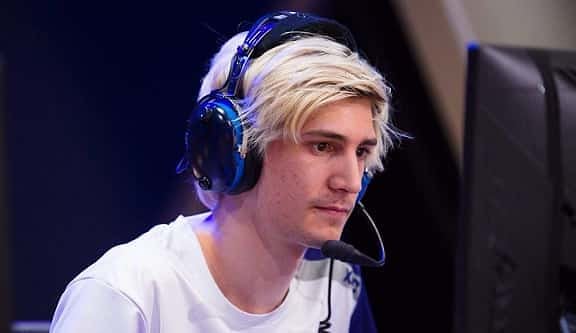
Félix Lengyel plays a lot of games, talks constantly, and somehow maintains massive viewership despite—or because of—his chaotic streaming style. He started as an Overwatch professional before transitioning to full-time streaming. His unfiltered reactions and willingness to try any game kept content fresh.
xQc streams for absurd hours. Twelve-hour streams are normal.
Sometimes he goes longer. His dedication to constant content creation built a loyal audience that shows up regardless of what he’s playing.
He jumps between games rapidly, switching when he gets bored rather than sticking with what’s popular. The unpredictability keeps viewers engaged.
His earnings come from multiple sources. Twitch subscriptions, donations, YouTube uploads, and sponsorships all contribute.
He signed a multi-year contract with an online gambling site that reportedly paid him millions per month. While gambling sponsorships remain controversial, they’ve been incredibly lucrative for top streamers.
xQc’s estimated earnings exceed 25 million dollars, making him one of the highest-paid streamers despite constant controversies and platform bans.
Dr Disrespect Created a Character

Guy Beahm didn’t just stream games—he created an entire persona. Dr Disrespect wears a mullet wig, tactical vest, and sunglasses.
He performs as an over-the-top 1990s action hero who happens to be great at shooters. The character allows him to exaggerate reactions and create storylines that pure gameplay streaming can’t match.
The production value on his streams exceeded what most streamers attempted. Green screen effects, custom overlays, and scripted segments made watching feel like a show rather than just someone playing games.
When he returned from a mysterious ban from Twitch, he moved to YouTube Gaming and brought his entire audience with him. Dr Disrespect monetizes through subscriptions, YouTube ad revenue, and sponsorships with gaming peripheral brands.
He’s launched his own game development studio, working on a title that fits his persona. His estimated net worth approaches 10 million dollars.
He proved that creating a unique brand and character could differentiate a streamer in an increasingly crowded market.
TimTheTatman Made Friendship Content
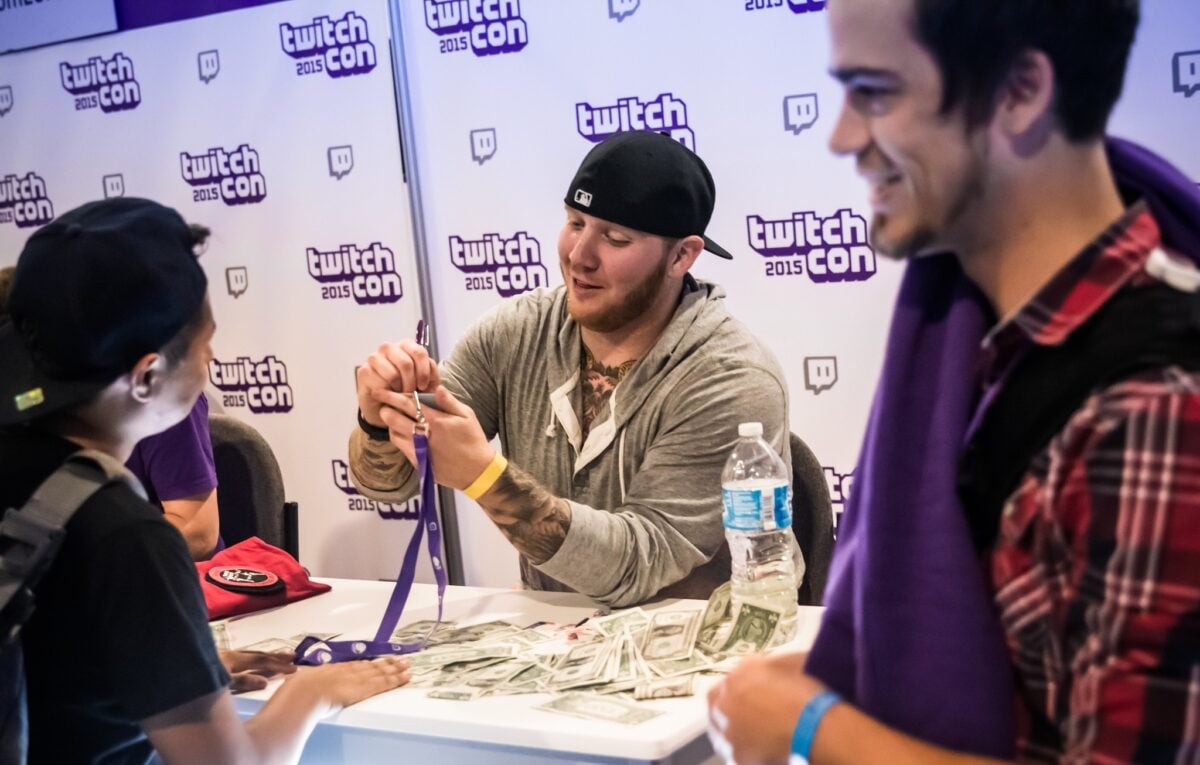
Tim Betar built his audience on personality rather than peak skill. He’s good at games but not at a professional level.
What makes his streams work is genuine friendship with other streamers and self-deprecating humor about his gameplay. Watching him play with Ninja, DrLupo, or other popular streamers created content people wanted to watch for the interactions rather than just the gameplay.
His approachable demeanor made him relatable. He’d get frustrated at games the same way viewers did. When he’d finally win after many attempts, the celebration felt earned.
His community rooted for him because he seemed like someone you’d actually want to be friends with. Tim left Twitch for an exclusive YouTube Gaming deal in 2021.
The contract was reportedly worth millions. He continues streaming regularly while expanding into other ventures.
His estimated net worth exceeds 10 million dollars. He represents the friendship-first approach to streaming—be someone viewers want to hang out with, and the money follows.
Valkyrae Conquered YouTube Gaming

Rachell Hofstetter started streaming Fortnite and Among Us, eventually becoming the face of YouTube Gaming’s push into live streaming. She signed an exclusive contract with YouTube in 2020, betting on the platform’s growth potential over staying with Twitch.
The gamble paid off as her viewership grew and YouTube invested heavily in promoting their gaming creators. Valkyrae co-owns 100 Thieves, a gaming lifestyle brand and esports organization.
The company produces merchandise, signs content creators, and fields competitive teams. Her ownership stake adds significant value beyond streaming income.
She’s appeared in commercials for Google and other major brands that see her as a crossover appeal figure. Her streaming income, ownership equity, and brand deals have built an estimated net worth exceeding 10 million dollars.
She proved that YouTube Gaming could compete with Twitch for top talent and that female streamers could lead platform growth. Her success encouraged other streamers to consider YouTube as a viable alternative to Twitch.
Summit1g Stayed Consistently Relevant
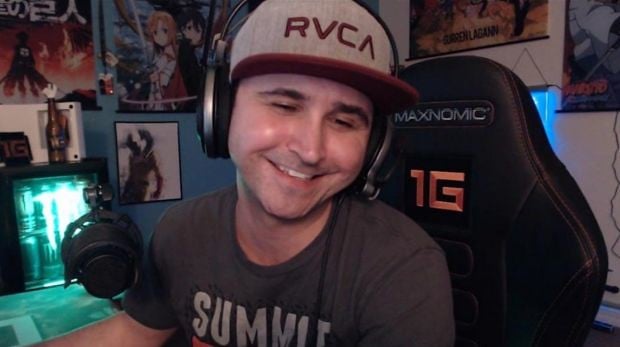
Jaryd Lazar has streamed consistently for over a decade. He played Counter-Strike professionally before becoming a full-time streamer.
Unlike streamers who chase trends, Summit found games he enjoyed and played them extensively. His Sea of Thieves streams helped that game find an audience.
His GTA RP content brought the format to mainstream attention. Summit’s appeal comes from consistency.
He streams regularly, maintains a steady personality, and avoids major drama. Viewers know what they’re getting.
No character, no exaggerated reactions, just a skilled player having fun with games. That reliability built a subscriber base that has sustained him through multiple gaming trends.
His long tenure on Twitch means he’s accumulated wealth gradually but substantially. Subscriptions, donations, and sponsorships over ten-plus years add up.
His estimated net worth exceeds 15 million dollars. He represents the long-game approach to streaming wealth—stay consistent, avoid burnout, and let compound growth work over time.
NICKMERCS Built the Controller Community
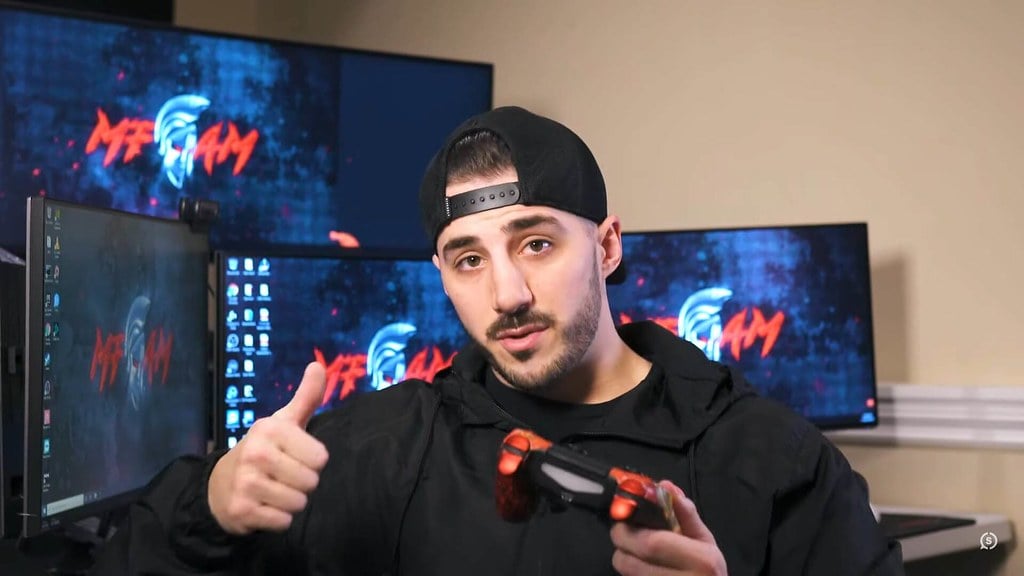
Nick Kolcheff made his name playing Fortnite and Call of Duty on controllers while most top players used keyboard and mouse. His skill with a controller inspired console players who felt disadvantaged against PC players.
He proved controllers could compete at the highest levels, building a devoted community of console gamers. His personality is direct and sometimes confrontational.
He’ll argue, chat, call out bad plays, and speak his mind without corporate polish. The authenticity resonated with viewers tired of overly produced content.
His streams feel like hanging out with a friend who happens to be great at shooters. NICKMERCS signed an exclusive deal with YouTube Gaming, leaving Twitch after building his audience there.
He co-founded FaZe Clan’s content house and owns equity in the organization. His streaming income combined with his FaZe ownership stake put his net worth over 10 million dollars.
He built wealth by representing an underserved audience and refusing to compromise his personality.
Rubius Dominated Spanish-Language Streaming

Rubén Gundersen became the biggest Spanish-language streamer on Twitch before moving to YouTube. His variety of content, humor, and willingness to try anything on stream built a massive Spanish-speaking audience.
He’d play popular games, do IRL streams, and create content that transcended language barriers. The Spanish-language streaming market grew rapidly, and Rubius positioned himself at the forefront.
His subscriber counts and viewership rivaled English-language streamers despite having a smaller potential audience. He proved that language-specific streaming could generate comparable wealth to English content.
His move to YouTube Gaming came with a significant contract. Combined with years of Twitch revenue, YouTube earnings, and sponsorships, his estimated net worth exceeds 10 million dollars.
He demonstrated that streamers could build massive audiences and wealth outside English-language markets.
Ludwig Subathon Broke Records

Ludwig Ahgren ran a subathon in 2021 where every new subscription added time to his stream. He couldn’t stop streaming until the timer ran out.
The stream lasted 31 days, breaking the record for longest continuous stream and most concurrent subscribers on Twitch. The event was part endurance challenge, part community experiment.
The subathon generated massive revenue. Tens of thousands of subscriptions at five dollars each, with Ludwig getting about half.
But the real value came from the attention. News outlets covered it. Other creators watched.
Ludwig’s profile skyrocketed. He converted that attention into long-term audience growth.
After the subathon, Ludwig signed an exclusive deal with YouTube Gaming. The contract was reportedly substantial.
He continues creating content that mixes gaming with creative challenges and commentary. His estimated net worth approaches 10 million dollars.
He proved that creative stunts could generate both immediate revenue and long-term platform value.
Tfue Became the Face of Fortnite Lawsuits

Turner Tenney rose to prominence as one of the best Fortnite players. His mechanical skill and aggressive playstyle made him entertaining to watch.
He signed with FaZe Clan early in his career, which helped his growth but later became a source of controversy. Tfue sued FaZe Clan, claiming the contract was oppressive and prevented him from pursuing sponsorship opportunities.
The lawsuit brought streaming contracts into public discussion, raising questions about how organizations treat creators. While the suit was eventually dropped, it highlighted the business side of streaming that viewers rarely see.
His peak earnings came during Fortnite’s height. Tournament winnings, subscriptions, donations, and sponsorships combined for massive monthly income.
He transitioned to variety content as Fortnite’s popularity declined. His estimated net worth exceeds 10 million dollars.
He represents how quickly streamers can accumulate wealth during a game’s peak popularity and how important contract negotiations are for protecting that wealth.
Pestily Made Escape From Tarkov His Game
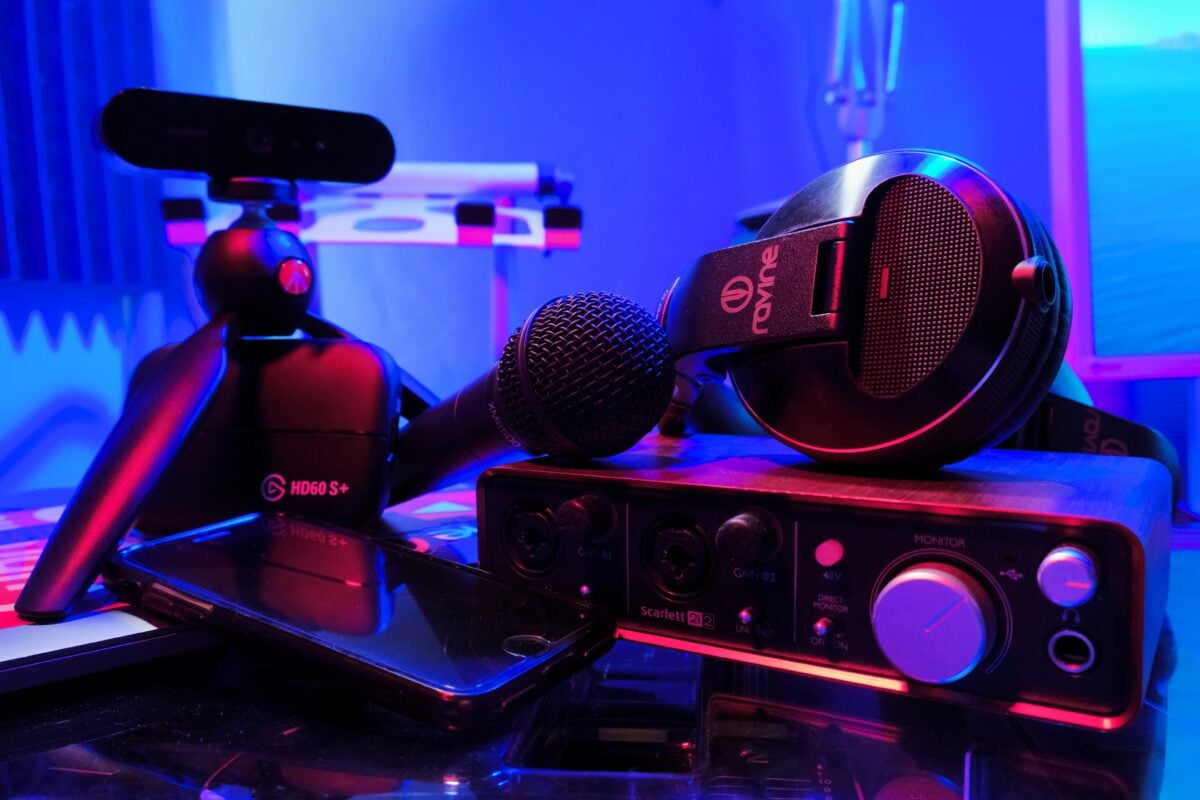
Paul built his entire streaming career around Escape From Tarkov, a hardcore tactical shooter with a steep learning curve. He became the go-to educator for the game, creating guides and helping new players learn the complex mechanics.
His expertise made him essential viewing for anyone serious about Tarkov. Unlike streamers who jump between trending games, Pestily committed to one game deeply.
This focused approach built a dedicated audience. Viewers knew they’d see high-level Tarkov gameplay and useful information every stream.
He organized charity events that raised millions for various causes, further cementing his community standing. His subscriber count on Twitch remains consistently high because Tarkov maintains a dedicated player base.
Sponsorships from gaming peripheral companies provide additional income. His estimated earnings over his streaming career exceed several million dollars.
He proved that niche expertise could be as valuable as chasing mainstream trends.
The Platform Deals Changed Everything

Exclusive streaming contracts transformed how top streamers made money. Mixer’s aggressive pursuit of talent like Ninja and Shroud set contract values that seemed absurd until platforms proved willing to pay them.
When Mixer shut down, those streamers kept their full contracts, essentially getting paid millions to take a year off. YouTube Gaming learned from Mixer’s approach.
They offered lucrative contracts to lure talent from Twitch. Ludwig, Valkyrae, TimTheTatman, and others took deals that guaranteed millions regardless of viewership. These contracts provided financial security that subscription and donation income couldn’t match.
The exclusivity deals raised questions about content quality. When streamers get paid regardless of performance, does the content suffer? Most maintained their effort levels, but the guaranteed income removed some pressure to innovate.
Platforms bet on star power bringing audiences rather than hoping content quality would emerge organically.
Where the Money Actually Comes From

Subscriptions form the base of streaming income. Twitch takes half of the five-dollar monthly subscription fee, leaving streamers with about two fifty per subscriber.
Top streamers negotiate better splits, sometimes getting seventy percent or more. At tens of thousands of subscribers, that monthly income adds up quickly.
Donations provide unpredictable but often substantial income. Viewers send money directly through platforms like PayPal or StreamElements.
Streamers keep most of this money after platform fees. Some viewers donate hundreds or thousands of dollars, especially during special streams or charity events.
Sponsorships and brand deals can dwarf other income sources. Gaming peripheral companies pay streamers to use their products on stream.
Energy drink brands sponsor segments. Gambling sites pay massive fees for promotion, though these deals come with controversy.
A single sponsorship contract can equal months of subscription income.
Beyond the Camera

The wealthiest streamers diversified beyond streaming. They invested in esports organizations, launched merchandise lines, created content studios, and developed their own products. Streaming built the initial wealth and audience, but sustained millions required business ventures that could scale beyond hours streamed.
Merchandise works because streamers have dedicated audiences who want to support them. Hoodies, t-shirts, and accessories with creator branding sell consistently. The margins are decent, and fulfillment can be outsourced.
It’s passive income that requires minimal ongoing effort once designs are established. Equity in gaming organizations or startups provides long-term wealth potential.
When those companies grow or exit, the equity becomes worth significantly more than the initial value. Pokimane’s stake in her talent agency, NICKMERCS’s FaZe equity, and Valkyrae’s 100 Thieves ownership could eventually be worth more than everything they earned from streaming.
When Playing Becomes Work
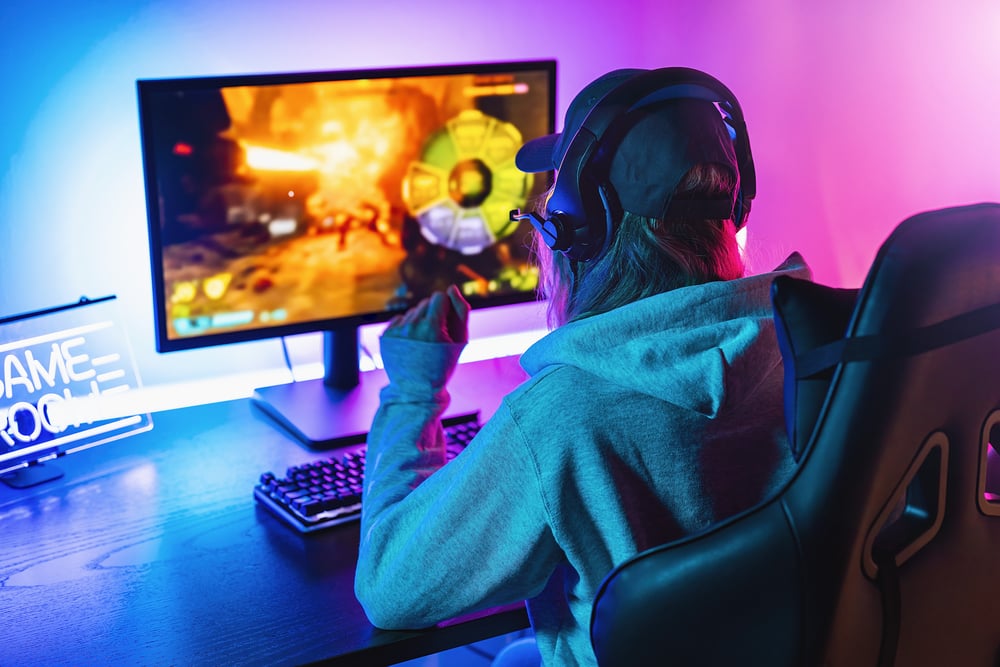
Millions earned by some streamers come with stories of exhaustion. Fun fades when daily hours on camera turn play into routine.
Keeping eyes on screen, replies flying, new clips uploading nonstop – it wears down even the most eager minds. A pause might mean less money right away, so stepping back feels risky.
Quiet days bring worry instead of rest. Out in the open, streams show more than just gameplay.
Rough moments slip through – mood swings, stress, private troubles turning into shared scenes. Who you are starts mixing with what people expect to watch.
A few craft a version of themselves, one that stays switched on when the camera rolls, keeping their true thoughts tucked away. Meanwhile, some lay it all out, gaining trust while giving up space to be unseen.
Money changes how hard it feels to push through tough times. Earning big numbers dulls the edge of exhaustion.
Help shows up easier when cash is around – people can manage chats, fix videos, take over tasks that aren’t live broadcasts. Over time, funds open doors to stepping back or walking away.
Put in a stretch of streaming, stack resources, then decide: keep going or step into early rest.
The Next Generation Watches and Learns
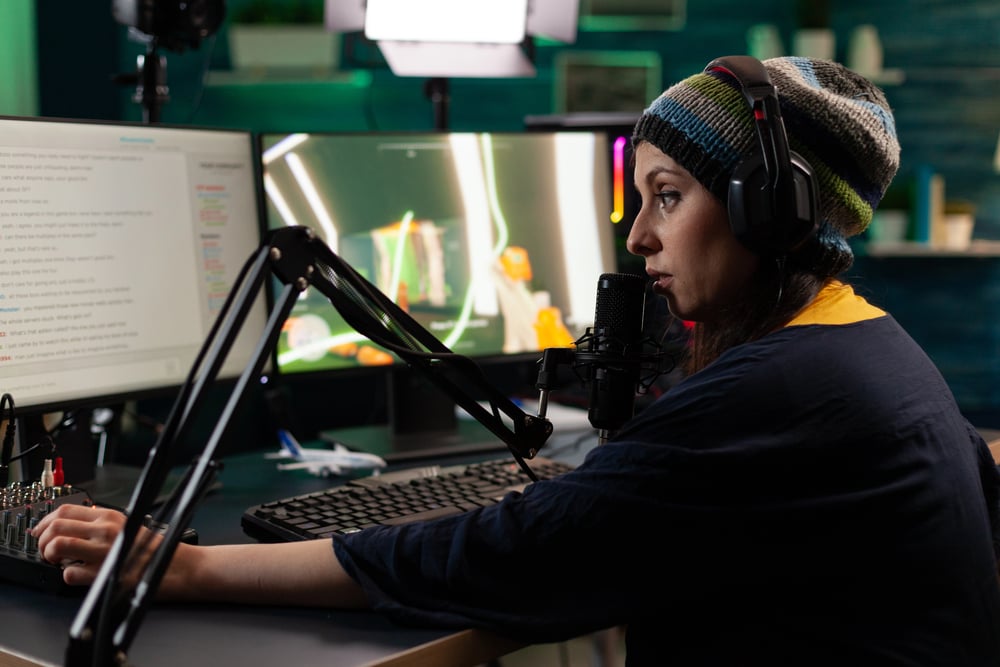
Some big streamers today made lots of people want to start live streams too. Success looks reachable when you see others get famous fast.
Yet behind each millionaire broadcaster, many bring in zero dollars. A small group got pushed forward by the system, while most stayed invisible.
That idea of getting rich just gaming lives on since a handful pulled it off – even if almost everyone else fails completely. Success did not come only to those good at streaming.
Timing mattered – being visible when interest grew made a difference. Picking games people wanted to watch helped too.
A relatable presence often drew viewers more than skill alone. Chance shaped outcomes even with effort present.
Strong performers sometimes stayed unseen by most. Charisma failed if paired with poor game choices or fading platforms.
Nowhere is growth easier than at the very bottom, where fresh faces scramble for notice. Big names hold tight to viewers who stick close through habit.
Instead of quick fame, persistence matters more when standing out feels impossible. Maybe fortune still hides in corners, waiting for clever moves rather than luck alone.
Millions earned by top streamers proved one thing – success could happen. Yet for those just starting out now, the future’s unclear.
More from Go2Tutors!

- The Romanov Crown Jewels and Their Tragic Fate
- 13 Historical Mysteries That Science Still Can’t Solve
- Famous Hoaxes That Fooled the World for Years
- 15 Child Stars with Tragic Adult Lives
- 16 Famous Jewelry Pieces in History
Like Go2Tutors’s content? Follow us on MSN.



