17 Products That Were Almost Banned for Ridiculous Reasons
Throughout history, everyday products have faced surprising opposition from regulators, politicians, and concerned citizens. Sometimes logical, oftentimes not. Products we now take for granted nearly vanished because someone decided they threatened the public good – though their reasoning frequently defied common sense.
Here is a list of 17 products that almost disappeared from shelves due to what many would consider regulatory overreach or moral panic.
Kinder Surprise Eggs
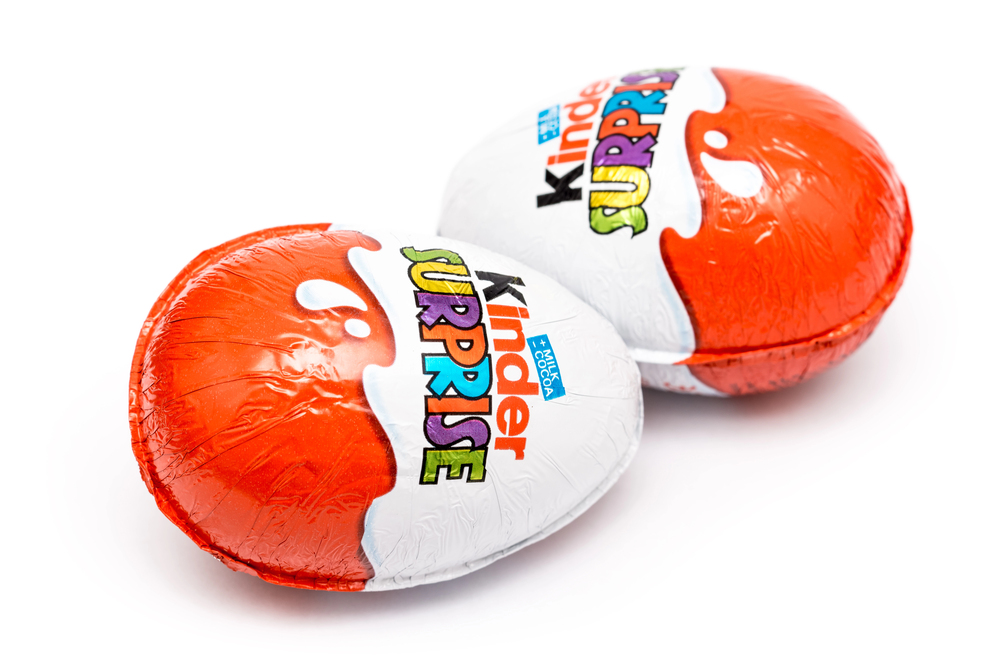
These chocolate treats with toys inside remain illegal in the United States despite their worldwide popularity elsewhere. The FDA considered a global ban in the 1990s – claiming choking hazards despite clear warnings for children under three.
What’s particularly baffling? Countless toys with identical-sized components faced no similar scrutiny. The selective enforcement created an oddly specific target that many considered absurdly inconsistent with existing safety standards.
Baggy Pants

Towns across America attempted to outlaw low-riding pants in the early 2000s. Riviera Beach, Florida went so far as proposing $500 fines for anyone daring to show their underwear in public.
Legal scholars quickly pointed out constitutional issues with government-regulated fashion choices, while civil rights advocates noted these ordinances disproportionately targeted young Black men. The sagging pants panic ultimately faded – though not before becoming a culture war flashpoint.
Like Go2Tutors’s content? Follow us on MSN.
Dungeons & Dragons
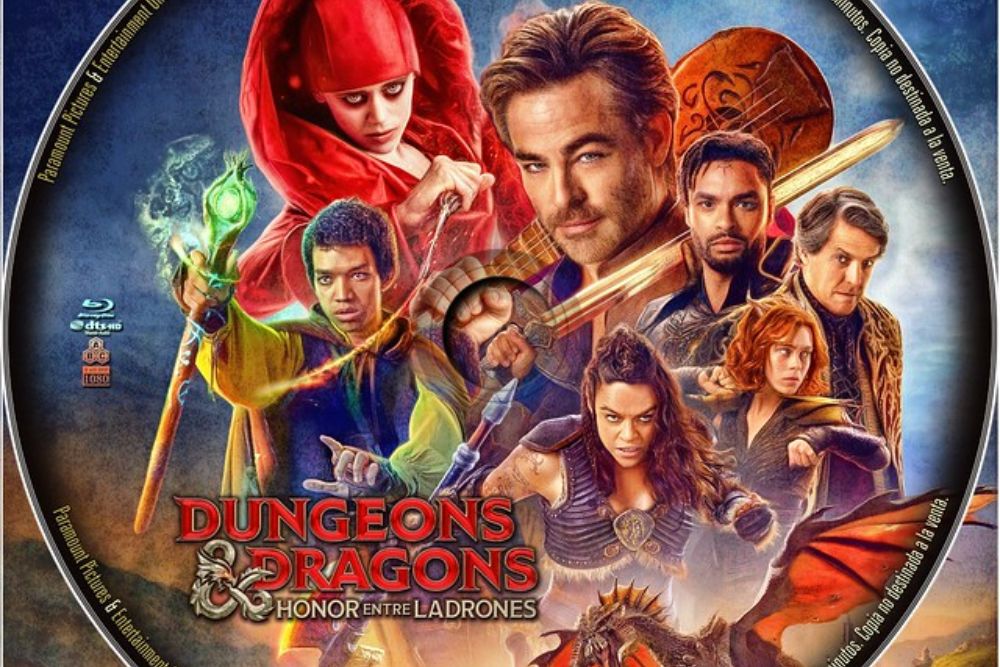
This fantasy role-playing game sparked near-hysteria during the 1980s when religious groups claimed it promoted witchcraft. School boards yanked it from libraries while concerned parents formed advocacy groups demanding prohibition.
The panic reached such absurd heights that players faced accusations of demon worship – despite the game primarily involving math, storytelling, and teamwork. Decades later, D&D enjoys mainstream popularity, making the historical opposition seem particularly laughable.
Tight Jeans

Australian education officials in New South Wales nearly prohibited form-fitting denim in the 1980s. Their justification? Tight jeans supposedly restrict blood flow and might cause nerve damage.
Medical professionals eventually intervened – noting unless jeans were painfully tight, no health risks existed. The proposed ban fizzled out, yet not before creating a bizarre fashion controversy that teens still reference when discussing generational clothing battles.
Comic Books
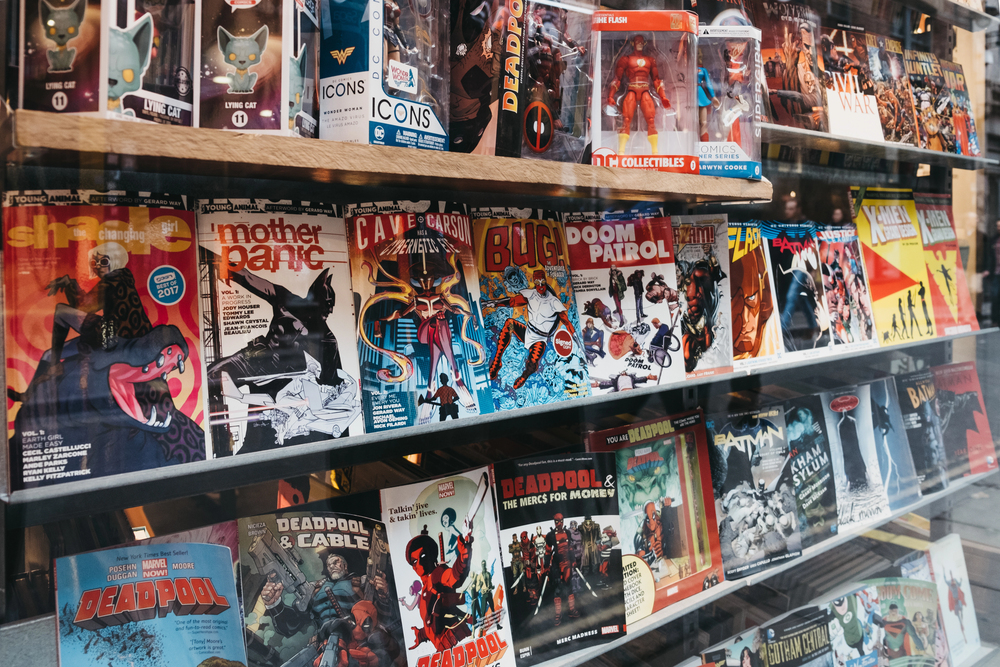
The illustrated stories nearly disappeared from American shelves in the 1950s. Psychiatrist Fredric Wertham’s book ‘Seduction of the Innocent’ blamed comics for rising juvenile delinquency – sparking congressional hearings and actual comic book burnings.
Publishers avoided government prohibition by creating a self-censoring Comics Code Authority that dramatically altered content for decades. This classic moral panic fundamentally changed an art form because one influential voice convinced parents that Batman corrupted youth.
Like Go2Tutors’s content? Follow us on MSN.
Margarine

This butter alternative wasn’t just nearly banned – several states actually prohibited it from the 1870s through the 1960s. Wisconsin’s prohibition lasted until 1967, while others required margarine to be sold in its natural white color.
Dairy industry lobbyists convinced lawmakers to ban yellow coloring, forcing consumers to mix color packets themselves if they wanted their spread to look appetizing. Some states even mandated pink coloring to make margarine look unappetizing – demonstrating how powerful industries manipulate regulations to crush competition.
Lawn Darts

These weighted outdoor game pieces eventually faced prohibition after causing injuries and deaths. The ridiculous part wasn’t the eventual ban, though – it was how long they remained legal.
Large metal spikes marketed specifically for children to throw high into the air somehow survived decades of safety reviews. Manufacturers fought regulations for years before logic finally prevailed. Modern safety standards would never permit such an obviously dangerous product today.
Flip-Flops
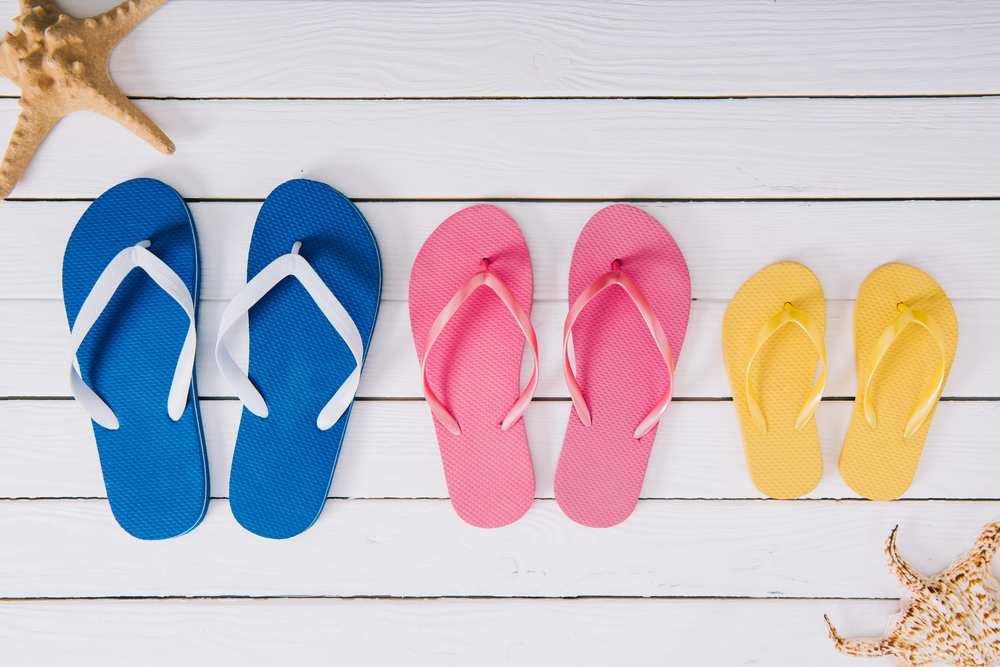
Several national parks considered banning these casual sandals in the early 2000s. Park officials cited increased rescue operations for hikers wearing inappropriate footwear on challenging trails.
Rather than simply posting warnings about proper hiking attire, administrators contemplated outright prohibition – until public backlash made them reconsider. Most parks eventually settled on education campaigns instead, recognizing the impracticality of becoming the footwear police.
Like Go2Tutors’s content? Follow us on MSN.
Pinball Machines

New York City actually banned pinball from 1942 until 1976. Officials classified the machines as gambling devices that corrupted youth and promoted delinquency.
Mayor Fiorello LaGuardia staged publicity stunts where he personally destroyed machines with sledgehammers. The prohibition finally ended when competitive player Roger Sharpe demonstrated in court that pinball required skill by calling his shots before making them – proving it wasn’t merely chance-based gambling.
Silly String

Multiple cities prohibit this aerosol party product during specific events. Ocean City, New Jersey enforces a Halloween ban with $500 fines, while Hollywood, California threatens jail time for spraying the colorful foam during certain celebrations.
Officials cite cleanup challenges and environmental concerns, yet the punishment seems wildly disproportionate. The fact that this harmless product faces stricter penalties than many genuinely harmful activities demonstrates how arbitrary some local regulations can be.
Red Cars
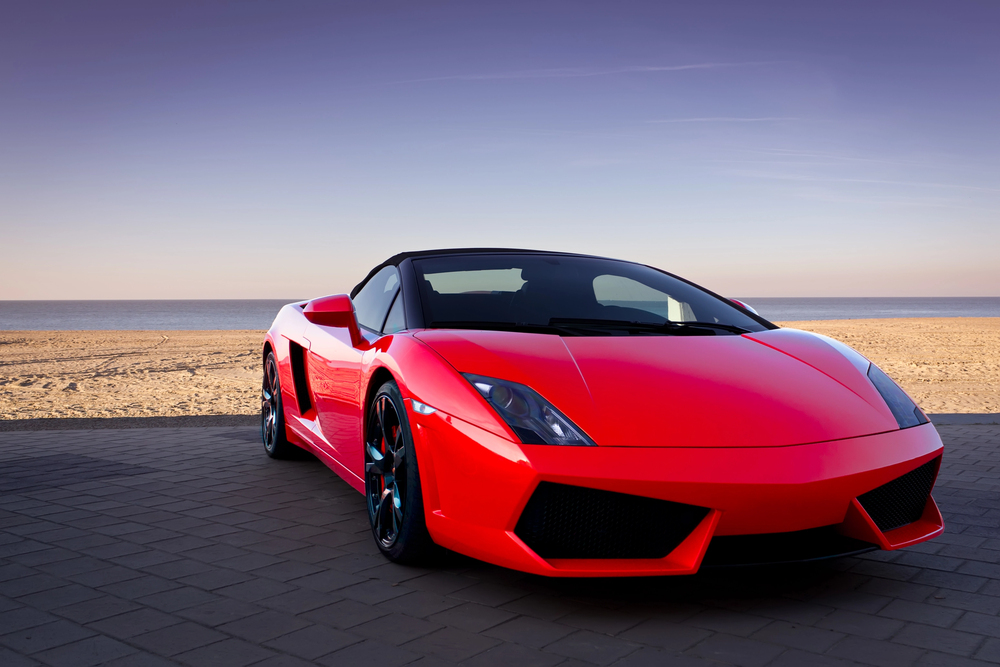
Contrary to popular belief, red vehicles never faced an official ban proposal. However, insurance companies did charge higher premiums for red cars during the 1980s, claiming statistical evidence showed they caused more accidents.
This correlation ignored a crucial factor: risk-taking drivers might simply prefer red vehicles. The color itself doesn’t cause dangerous behavior. This industry-wide practice eventually disappeared as better data emerged, showing how even statistical analysis can perpetuate ridiculous assumptions.
Like Go2Tutors’s content? Follow us on MSN.
Peanut Butter and Jelly Sandwiches
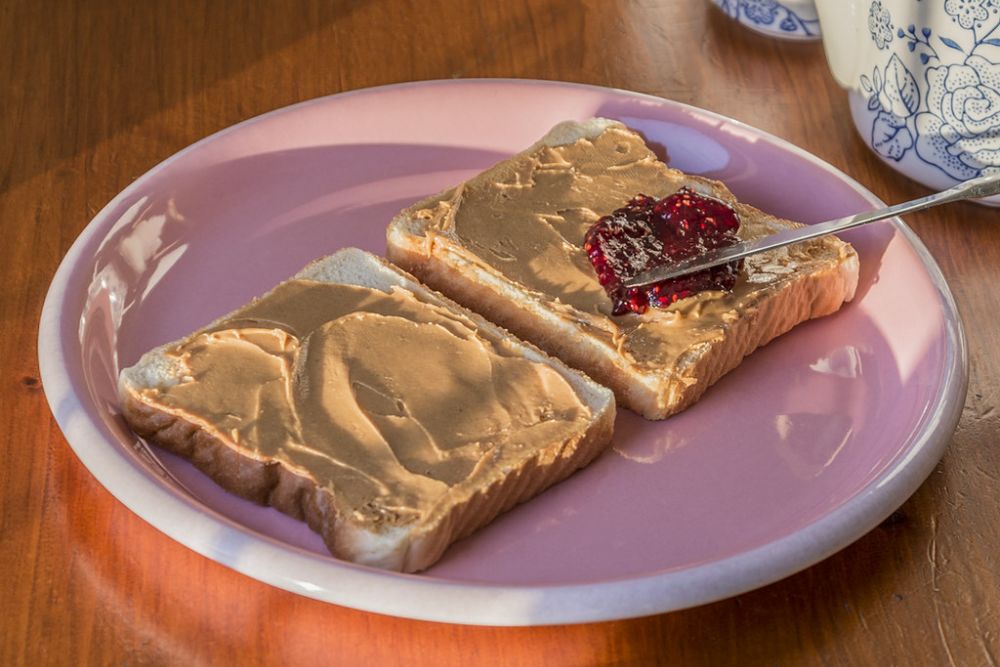
Various school districts restricted this lunchbox staple in the early 2000s. While allergy concerns represented legitimate safety issues, some administrators went further by deeming them “culturally insensitive.”
One Portland, Oregon school suggested the sandwich represented privilege since not all cultures consume peanut butter. The controversy highlighted how even innocent foods can become battlegrounds in culture wars. Most districts eventually adopted sensible allergy protocols instead of outright bans.
Barbie Dolls
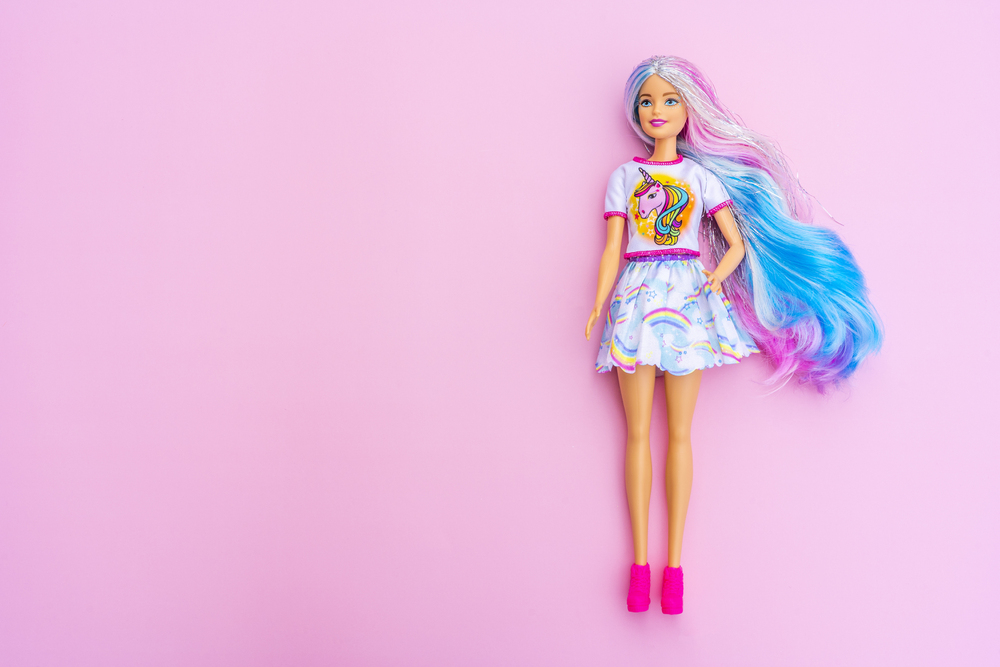
Mattel’s iconic doll faced prohibition attempts in multiple countries. Iran successfully outlawed Barbie in 2012, claiming she represented Western corruption of values.
In America, parental groups petitioned for bans during the 1990s, arguing that her proportions created unrealistic body expectations for young girls. The doll survived these challenges through product line diversification that addressed some concerns while preserving the brand. Today’s Barbie includes multiple body types, ethnicities, and careers.
Hugging

Schools across America implemented “no hugging” policies throughout the 2000s. Administrators in states like Florida and New Jersey banned all physical contact between students, treating friendly embraces as disciplinary issues.
These policies treated normal social interaction as inherently dangerous or inappropriate. Most schools eventually relaxed these rules after parents and child development experts pointed out the psychological importance of appropriate physical contact for healthy development.
Like Go2Tutors’s content? Follow us on MSN.
Haggis
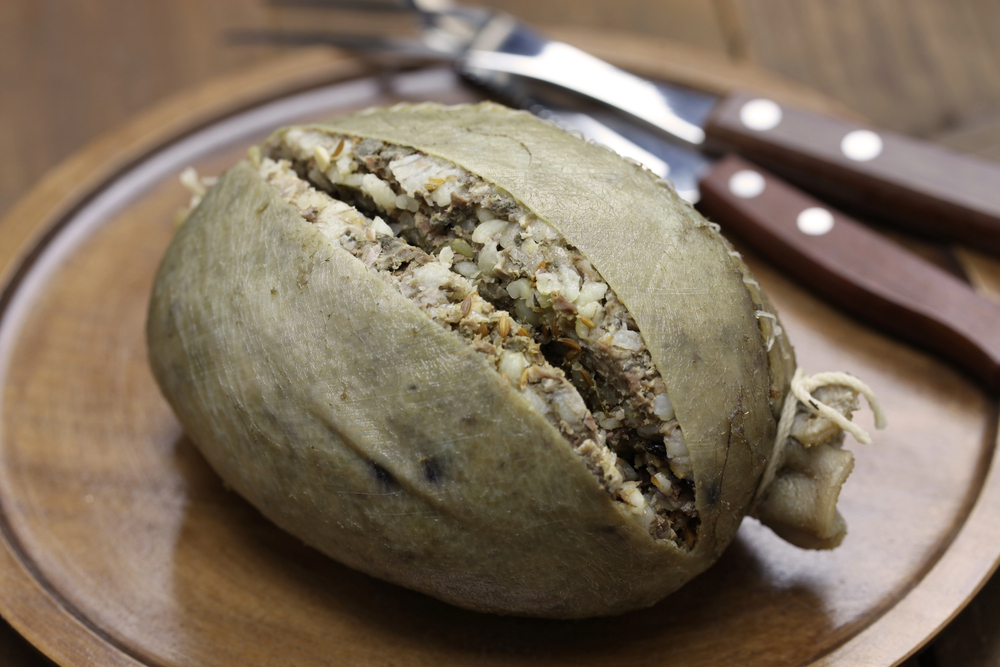
This traditional Scottish dish made from sheep organs has remained banned in the United States since 1971. The FDA prohibition stems from its inclusion of sheep lungs, despite Americans regularly consuming other organ meats.
Scottish officials have campaigned for decades to lift the ban, arguing that millions consume haggis safely worldwide. American tourists visiting Scotland often try authentic versions without incident, making the continued prohibition seem particularly arbitrary and unnecessary.
Klondike Ice Cream Bars
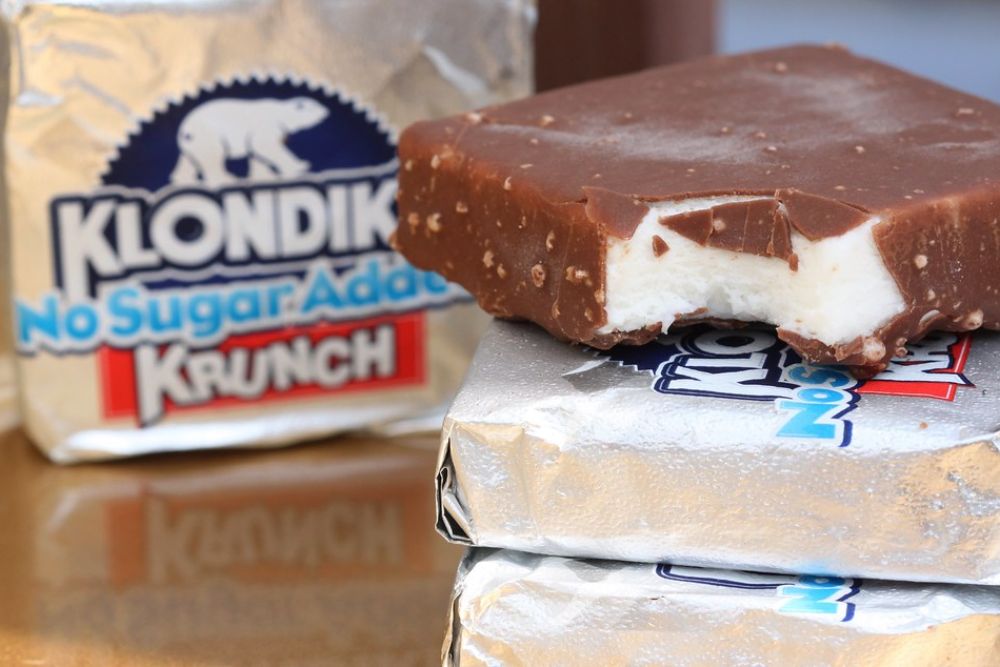
These chocolate-covered ice cream treats faced criticism in the late 1980s when animal rights activists claimed their commercials featuring a seal balancing the product encouraged cruelty. Protesters argued that the advertisements might inspire people to harm seals, despite the character being entirely animated.
While no formal ban materialized, the company eventually altered their marketing approach. This case demonstrates how public pressure can threaten products based on tenuous connections and misinterpretation.
Baby Walkers

These wheeled devices for infants have been banned in Canada since 2004. The U.S. Consumer Product Safety Commission has repeatedly considered similar action.
Safety concerns include babies accessing dangerous areas quickly or falling down stairs. While injury statistics support some regulation, critics note the prohibitions overlook parental supervision and responsibility. Other potentially dangerous baby products remain legal with warning labels, highlighting inconsistent approaches to infant safety regulations.
Like Go2Tutors’s content? Follow us on MSN.
Legacy of Overreaction

History shows that fear and misinformation have threatened countless products that later proved harmless or manageable with reasonable precautions. These examples serve as cautionary tales about jumping to prohibition before examining evidence thoroughly. While some regulations genuinely protect public safety, others simply reflect moral panic, industry manipulation, or political grandstanding.
From chocolate eggs to board games, the products that narrowly escaped ridiculous bans reveal our complicated relationship with risk assessment and personal freedom. Perhaps the most valuable lesson is learning to differentiate genuine dangers from exaggerated threats before eliminating something that brings others joy or utility. Sensible regulation requires balancing safety with practicality – something these examples show we haven’t always managed well.
More from Go2Tutors!

- 18 Unexpectedly Valuable Collectibles You Might Have Lying Around
- 20 Little-Known Historical Battles That Had Huge Consequences
- 20 Historical Artifacts That Scientists Can’t Explain
- 15 Inventions That Were Immediately Banned After Being Created
- 20 Actors Who Were Almost Cast in Iconic Roles
Like Go2Tutors’s content? Follow us on MSN.



