15 Facts About the Fall of Julius Caesar
The fall of Julius Caesar was not just the end of a man—it was the turning of an era. His assassination on the Ides of March in 44 BCE sent shockwaves through Rome and set the stage for the rise of the empire. Below are 15 striking facts that reveal the drama, betrayals, and ripple effects of Caesar’s final day and its aftermath.
The Ides of March

March 15 became infamous after Caesar’s death. The date was considered unlucky by some Romans, though Caesar dismissed the warnings until it was too late. A date forever cursed. It became a warning throughout history.
The Soothsayer’s Warning

A soothsayer cautioned him to “beware the Ides of March.” He brushed it off, even joking about it in public. Pride clouded his judgment. And fate caught up.
The Senate Meeting

— Photo by idubert
The attack took place at the Theatre of Pompey, not the Senate House. The regular meeting spot was under renovation, forcing the fateful session into a different venue. Fate found him anyway. No place was safe.
The Conspirators

More than 60 senators took part in the plot. They weren’t all bitter rivals—some had once been allies. Numbers brought them courage. Betrayal bound them tighter than loyalty.
Brutus’s Role

Marcus Junius Brutus was not just another senator. He was like a son to Caesar, making his betrayal sting far deeper than most daggers. Trust became a weapon. And it cut the deepest.
The Number of Wounds
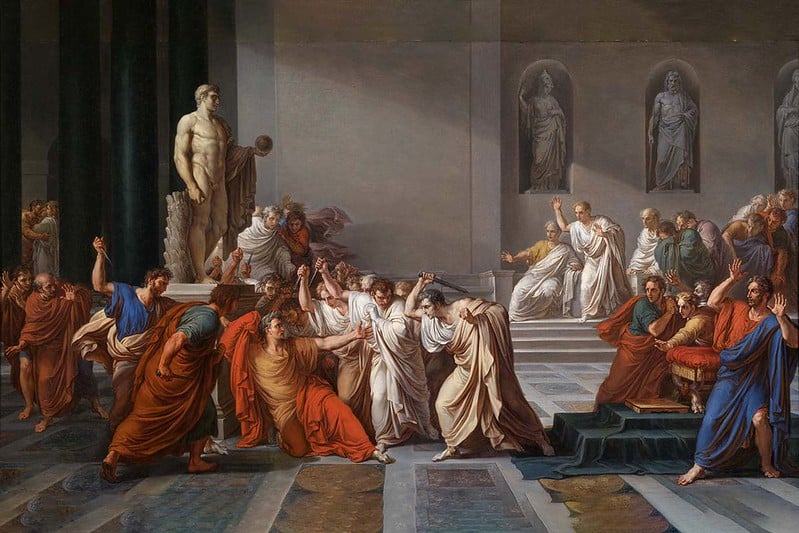
Ancient accounts differ, but Caesar was stabbed at least 23 times. Only one wound, however, was thought to be fatal. Death by excess. A frenzy of steel.
Caesar’s Last Words
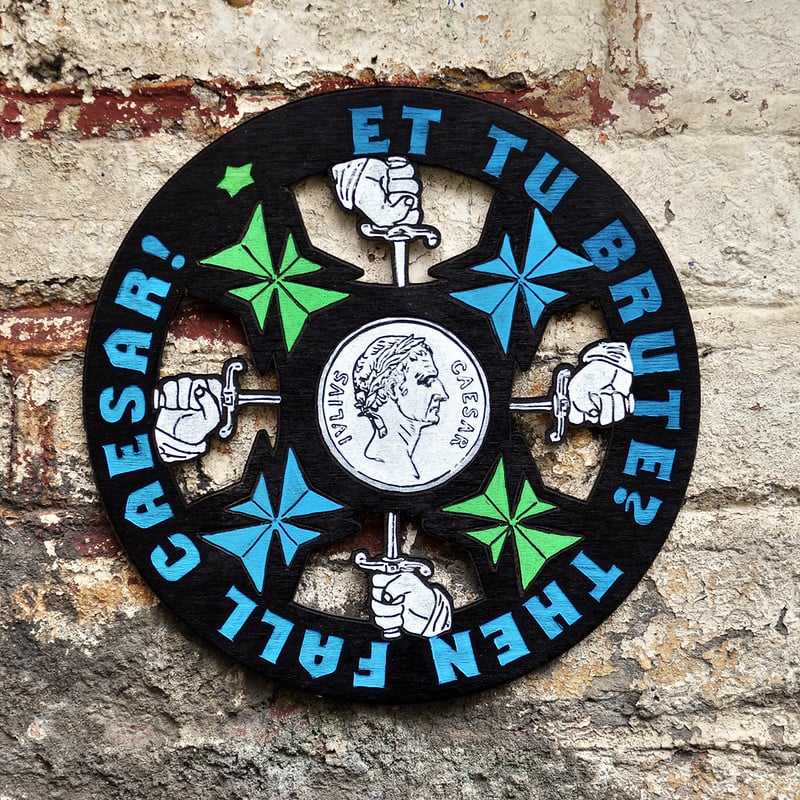
The famous “Et tu, Brute?” may be more legend than fact. Some sources suggest he said nothing at all. Silence speaks louder. Myths filled the void.
The Crowd’s Reaction

When word spread, the Roman people rioted. Panic swept the city, and many fled to protect their families from the chaos. Fear ruled Rome. Streets turned hostile overnight.
Antony’s Cunning

Mark Antony, Caesar’s loyal supporter, managed to survive. He distracted the assassins long enough to save himself—bold, but clever. Survival was a strategy. Timing saved his life.
Caesar’s Funeral

His body was cremated in the Roman Forum. Antony’s fiery speech ignited such anger that the crowd nearly tore the city apart. Words lit flames. And grief became rage.
Caesar’s Will

The will left money to ordinary citizens and gardens to the public. Small gestures, yet powerful in stirring loyalty even after death. Generosity endured. His name lived on in goodwill.
The Civil Wars

The assassination didn’t restore the Republic. Instead, it unleashed years of brutal civil wars. Peace was shattered. Rome longed for power.
Rise of Octavian

Caesar’s adopted heir, Octavian, was only 18 at the time. Young, underestimated, but ruthless—he would become Augustus, the first emperor. Youth seized power. And never let go.
The Fate of the Assassins

Many conspirators met violent ends. Brutus and Cassius committed self-harm after defeat at the Battle of Philippi. Justice was bloody. Their gamble failed.
The End of the Republic

Still, the Republic was already cracking. Caesar’s death didn’t save it—it only accelerated its collapse. An empire waited. The Republic faded into memory.
A World Changed Forever

The fall of Julius Caesar reshaped Rome and, by extension, history itself. Out of daggers and fire, an empire was born. The world shifted. Nothing was the same again.
More from Go2Tutors!

- 16 Historical Figures Who Were Nothing Like You Think
- 12 Things Sold in the 80s That Are Now Illegal
- 15 VHS Tapes That Could Be Worth Thousands
- 17 Historical “What Ifs” That Would Have Changed Everything
- 18 TV Shows That Vanished Without a Finale
Like Go2Tutors’s content? Follow us on MSN.