18 Places That Look Like Another Planet on Earth
Sometimes the most incredible sights aren’t found in science fiction movies or distant galaxies. Right here on our planet, there are landscapes so strange and beautiful that they seem to belong somewhere else entirely.
These places challenge what we think Earth should look like, with colors, shapes, and features that feel more like Mars, Venus, or some unnamed world light-years away. Let’s explore some of the most otherworldly spots you can actually visit without leaving our atmosphere.
Salar de Uyuni, Bolivia
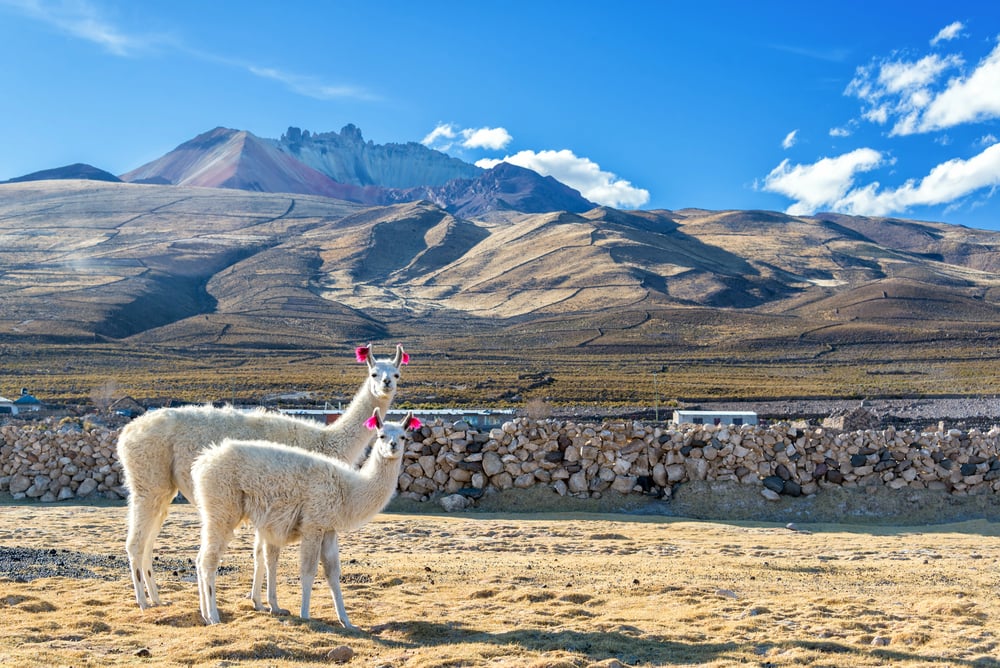
This massive salt flat stretches over 4,000 square miles and becomes a giant mirror during the rainy season. When a thin layer of water covers the white salt crust, the sky reflects perfectly on the ground, making it impossible to tell where the earth ends and the heavens begin.
Visitors often feel like they’re walking through clouds or floating in space. The flat expanse and brilliant white surface create an environment that photographers and travelers compare to walking on a frozen alien ocean.
Zhangye Danxia, China
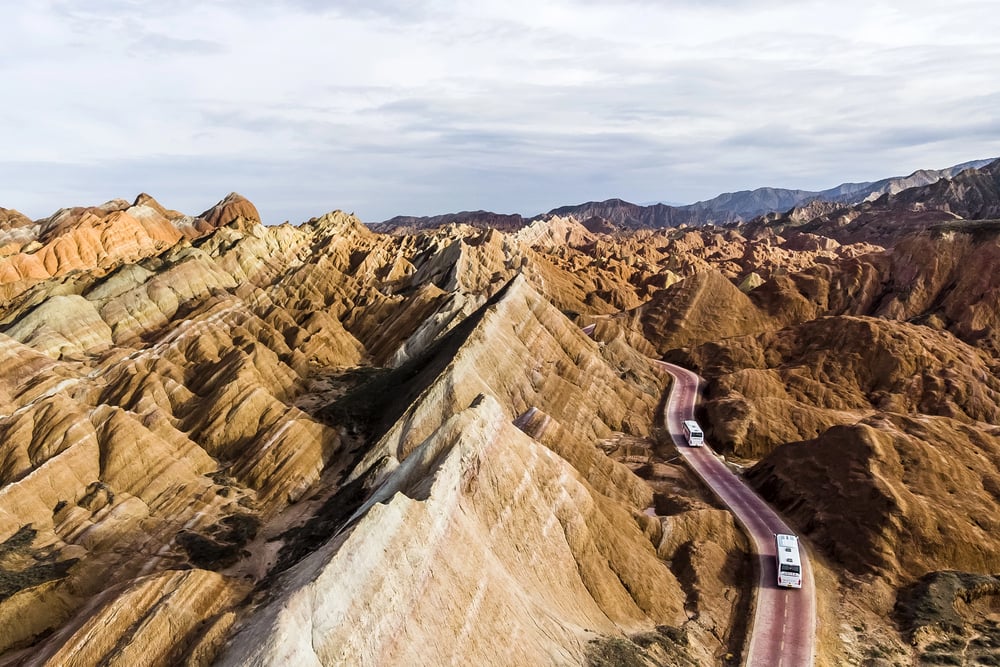
The rainbow mountains of Zhangye look like someone painted the hillsides with every color imaginable. Red, orange, yellow, green, and blue layers stripe across the landscape in patterns that seem too perfect to be natural.
These colors formed over millions of years as different minerals settled in layers of sandstone and siltstone, then erosion and tectonic movement tilted and exposed them. Standing among these peaks feels like being inside a painting or on a planet where the rocks follow different rules than the gray and brown ones most people know.
Dallol, Ethiopia
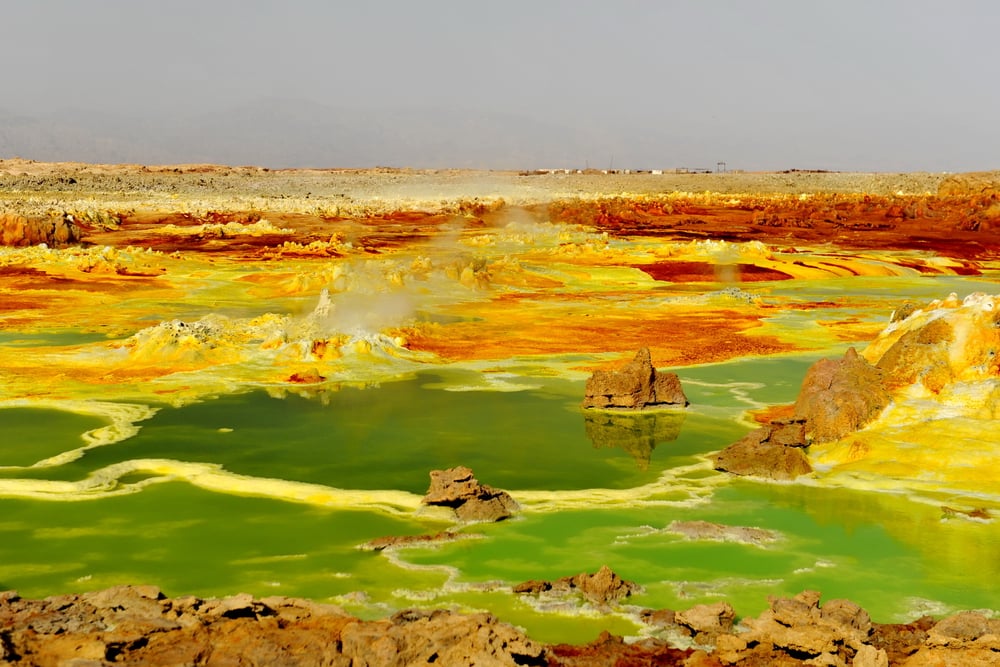
This volcanic crater sits in one of the hottest places on Earth and bubbles with neon yellow, green, and orange pools of acid. The ground here looks like it’s melting, with sulfur springs creating bizarre formations that steam and hiss constantly.
Salt deposits form white crusts that contrast sharply with the vivid toxic colors of the mineral-rich water. The whole area smells of sulfur and looks so hostile to life that it could easily pass for a scene from a planet where nothing survives.
Socotra Island, Yemen
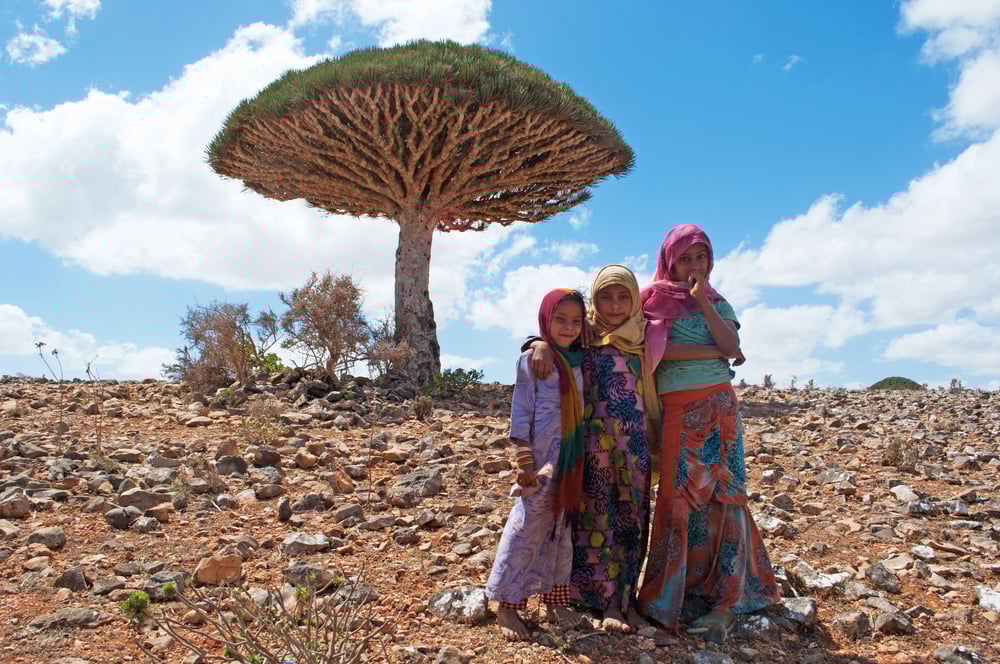
Dragon blood trees dominate this isolated island, and they look nothing like trees found anywhere else. Their umbrella-shaped crowns and thick trunks create a landscape that seems pulled from a fantasy world or alien documentary.
The island’s isolation for millions of years allowed plants and animals to evolve in unique ways, resulting in species found nowhere else on Earth. Walking through forests of these strange trees with their red sap feels like stepping onto another world where evolution took a completely different path.
The Wave, Arizona
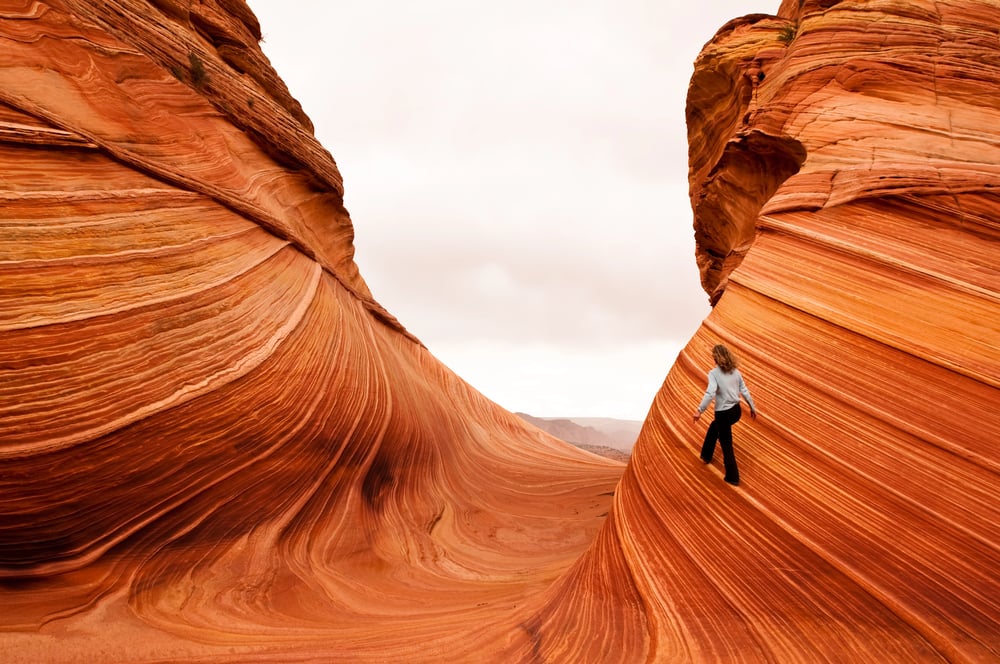
Swirling sandstone formations ripple across this Arizona location like frozen waves in an ocean of rock. The lines and curves formed over 190 million years as sand dunes hardened into stone and wind erosion revealed the layered patterns inside.
Colors shift from deep red to orange to cream in bands that look painted rather than natural. Only 20 people per day get permits to visit this fragile area, making it feel even more like a secret alien landscape that few humans have witnessed.
Pamukkale, Turkey
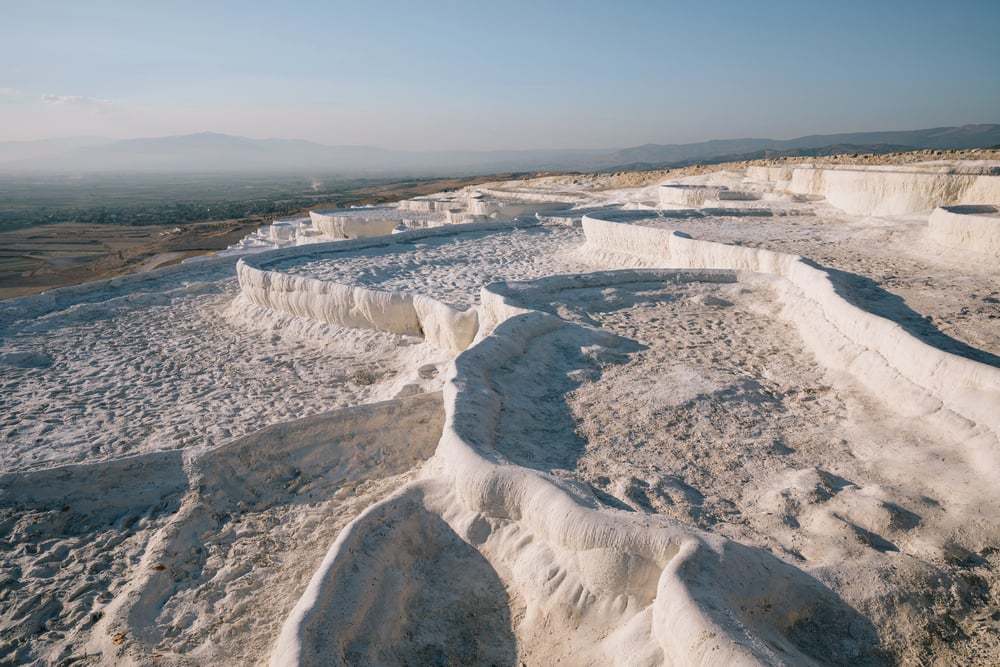
White travertine terraces cascade down a hillside like frozen waterfalls made of cotton or snow. Hot springs rich in calcium have built these formations over thousands of years, creating pools that shimmer with bright blue water against the brilliant white stone.
The name Pamukkale means ‘cotton castle’ in Turkish, perfectly describing the soft appearance of the hard mineral deposits. Ancient Romans built a spa city here because they thought the waters had healing powers, and modern visitors still wade through the warm pools while feeling transported to some otherworldly spa planet.
Door to Hell, Turkmenistan
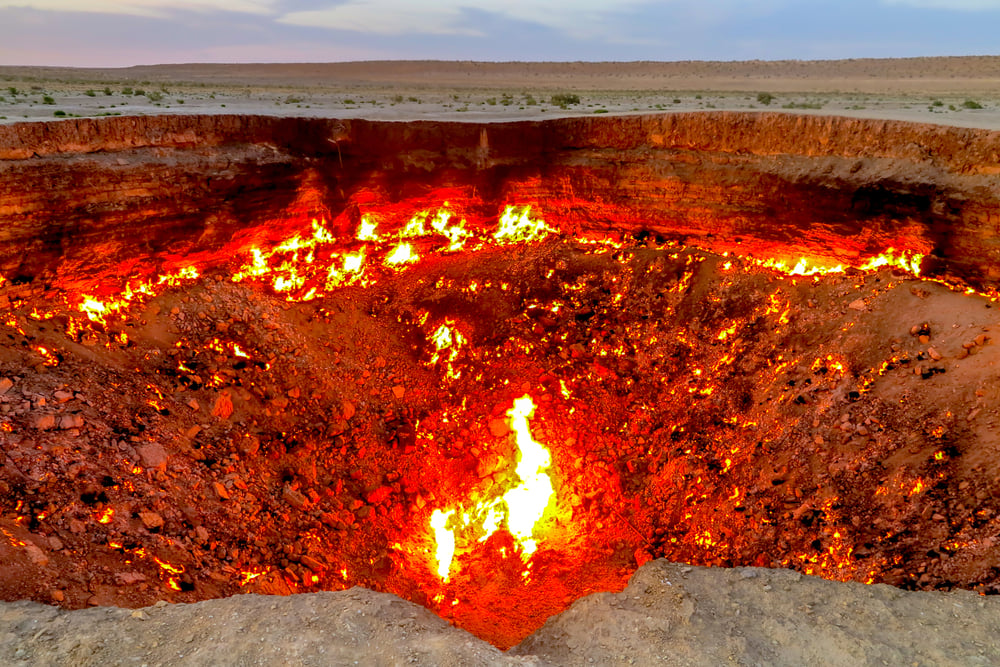
A fiery crater has burned continuously since 1971 in the middle of the Karakum Desert. Soviet scientists accidentally created this 230-foot-wide pit while drilling for natural gas, and they lit it on fire expecting it to burn out in weeks.
More than 50 years later, flames still roar from the depths, especially dramatic at night when the orange glow lights up the surrounding desert. The locals call it the Door to Hell, and standing at the edge looking down into the flames feels exactly like peering into another dimension.
Blood Falls, Antarctica
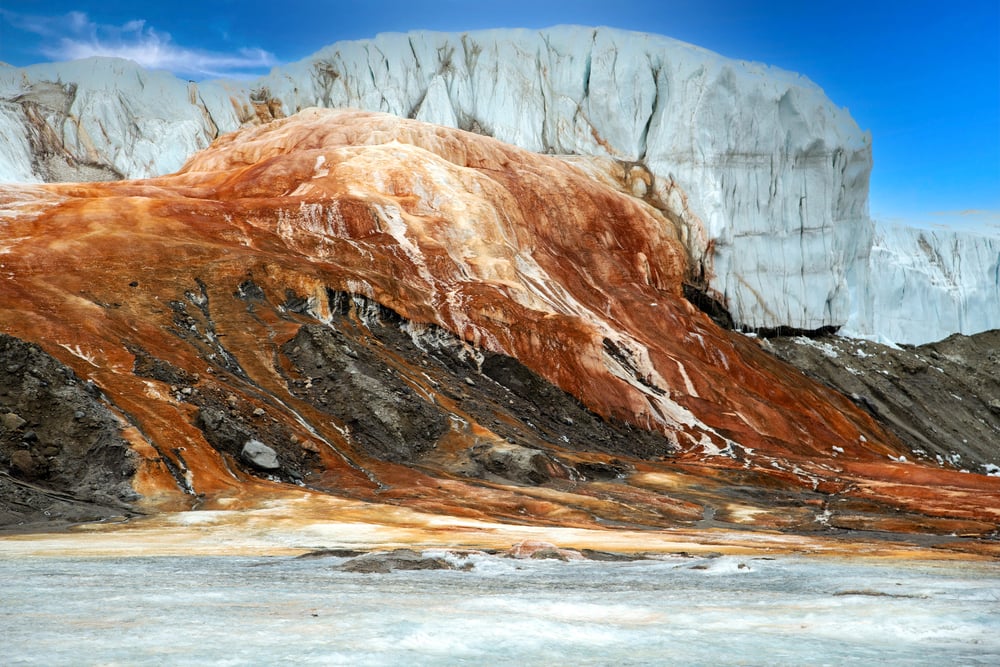
Bright red water pours out of the Taylor Glacier like the ice is wounded. Scientists discovered that iron-rich saltwater trapped under the glacier for millions of years occasionally bursts through, and when it hits oxygen, the iron oxidizes and turns rust red.
The contrast between the stark white ice and the vivid red liquid creates a scene that looks more like a science fiction movie than a real place. This hidden ecosystem of bacteria living without light or oxygen challenges our understanding of where life can exist.
Fly Geyser, Nevada
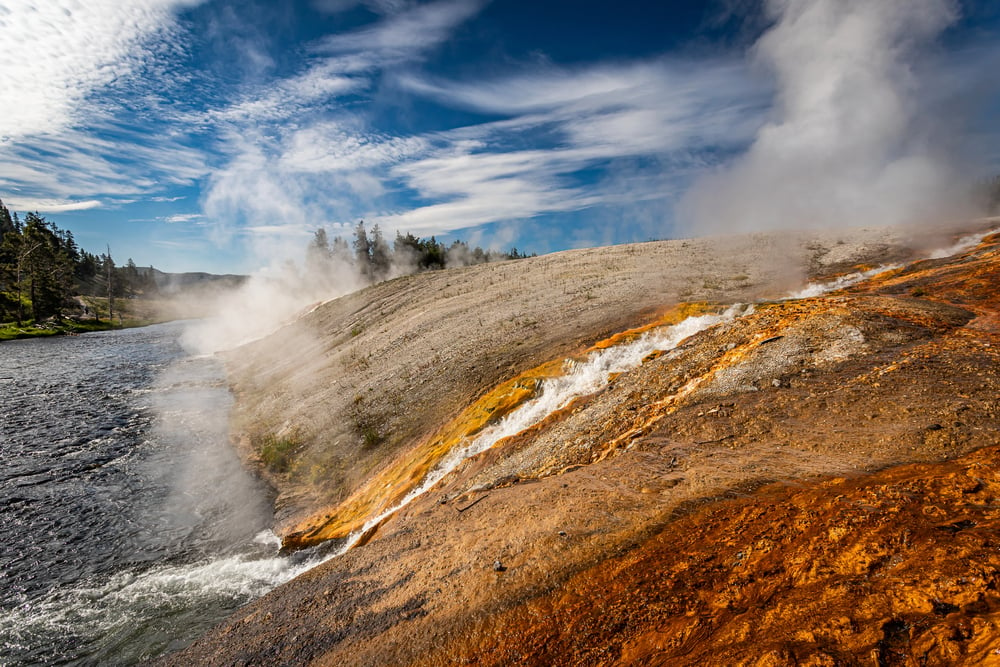
Rainbow-colored mineral deposits build up around a man-made geyser that constantly shoots hot water into the air. This accidental creation from a 1964 well drilling gone wrong has grown into a six-foot-tall, multi-colored mound of calcium carbonate.
Green and red algae thrive in different temperature zones around the geyser, painting it in shades that shift from emerald to crimson. The steaming, colorful fountain rising from the flat Nevada desert looks like something that belongs on a volcanic moon rather than in the United States.
Tsingy de Bemaraha Madagascar
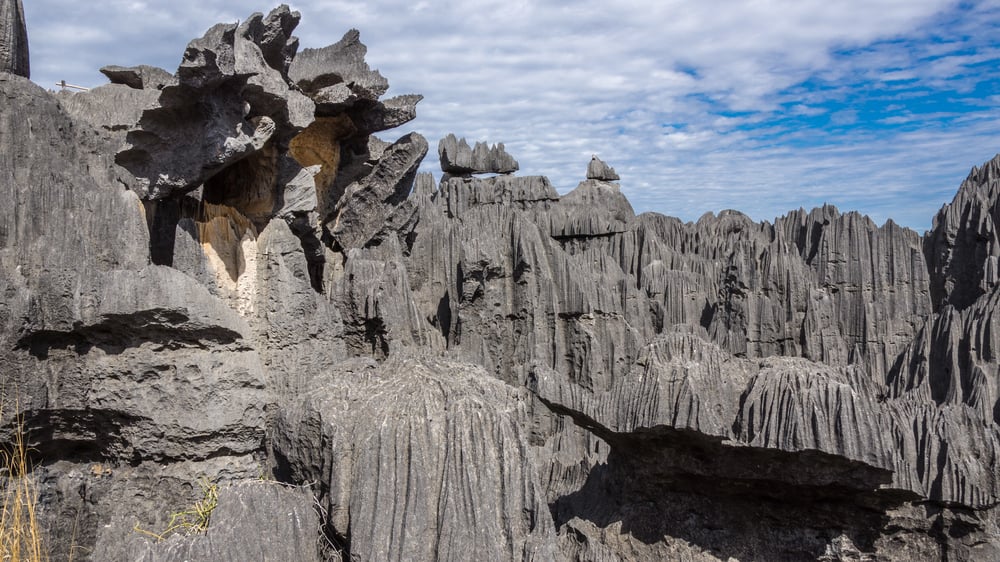
Towering spires of sharpened limestone claw upward across a vast rocky maze nearly impossible to cross on foot. In the native tongue, “tsingy” translates to “a place you wouldn’t tread without shoes,” hinting at how treacherous the terrain really is.
Over countless millennia, rainfall carved away weaker layers of stone, leaving behind jagged peaks so steep they seem unnatural. Heights soar up to 300 feet, slicing the landscape into hidden corridors where life clings against odds.
Between these vertical walls, rare species survive in isolation, shaped by harsh conditions few creatures endure. To move here safely, people rely on suspended walkways and safety gear – misstep just once, land on edges sharper than blades.
Lake Hillier, Australia
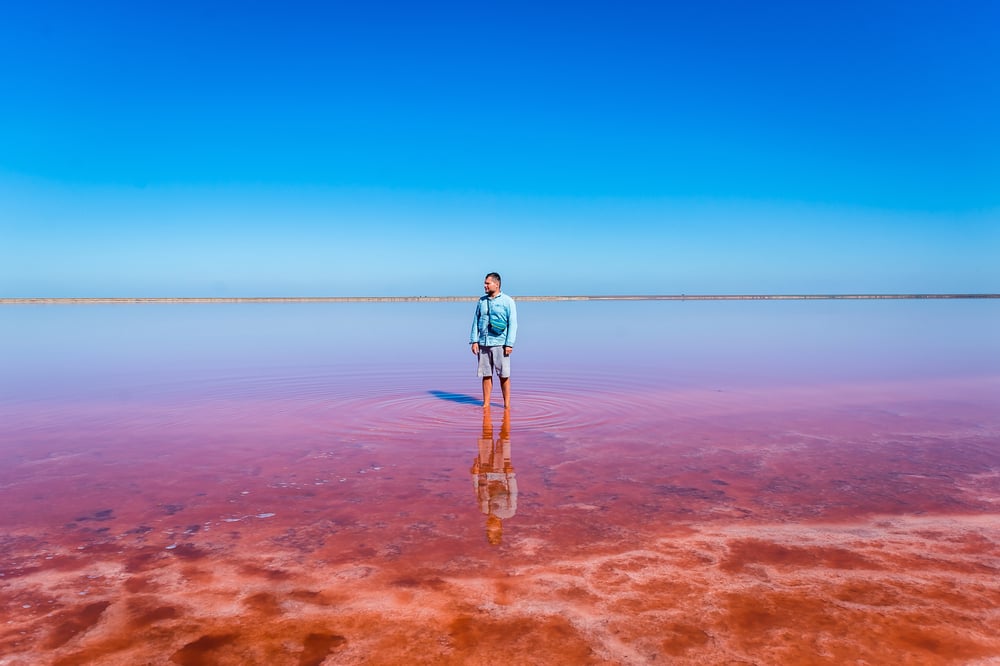
Out here, the lake looks like it swallowed bubblegum – bright pink, stubborn about staying that way. Even scooped into jars, the hue holds strong, so it’s not just light playing tricks.
Tiny life forms, ones that thrive in salty conditions, might be painting the water bit by bit. Algae. Bacteria.
They churn out colors few expect in nature. Trees stretch green around it.
Ocean hums blue nearby. Together, the clash feels fake – even when nothing’s been touched up.
Chocolate Hills, Philippines
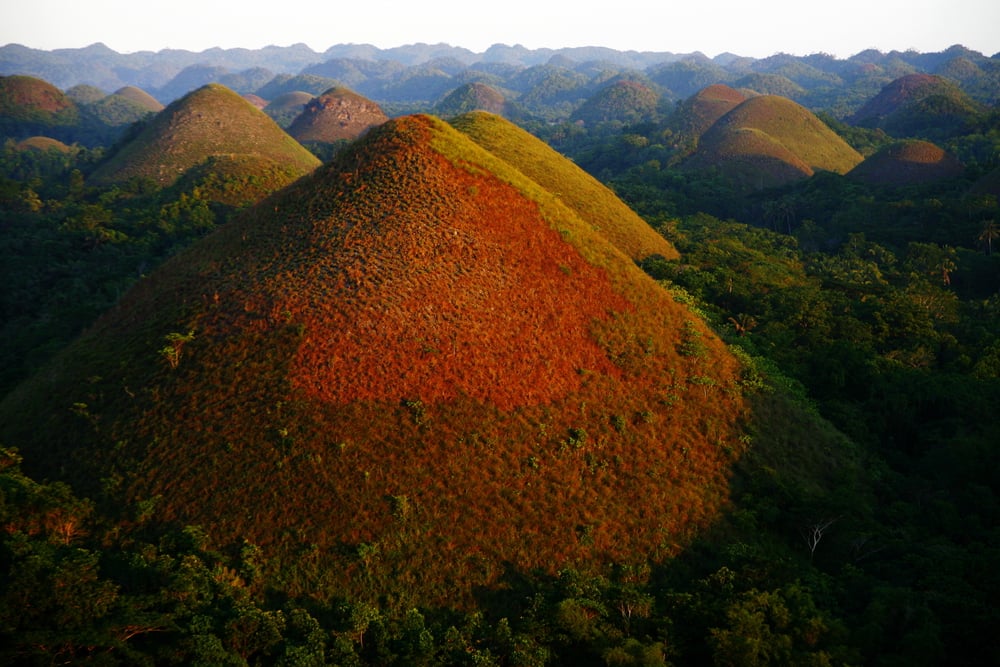
Over twelve hundred cone-like hills rise from the land on Bohol, spread out across twenty square miles. Shaped almost the same, these green-topped mounds range from one hundred to four hundred feet high.
When rain stops, they shift color – turning brown, much like sweets made of chocolate. Scientists think coral once lay beneath ocean waves, later pushed up, then worn down slowly by wind and water over ages.
Their patterns, so even and evenly placed through the valley, give an impression – not wild nature – but something planned, perhaps left behind by long-gone people or beings from beyond our world.
Giant’s Causeway, Northern Ireland
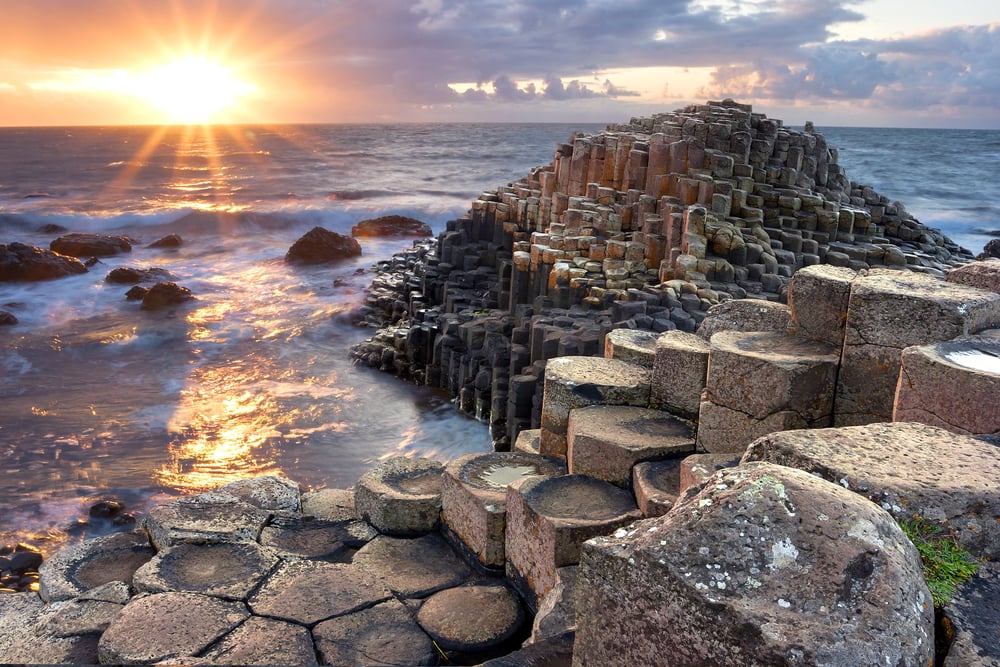
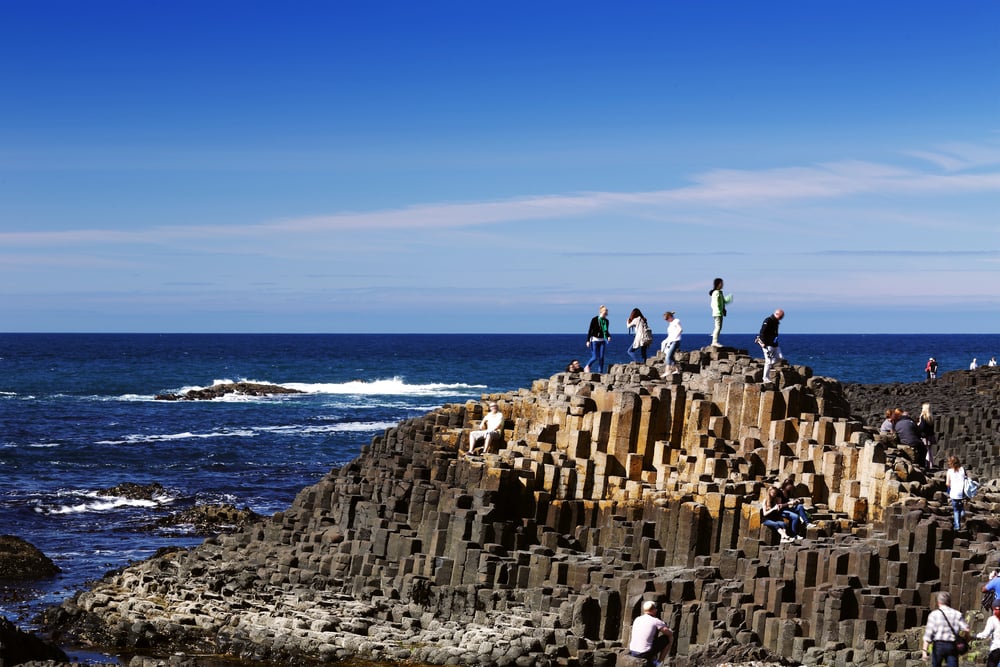
About 40,000 hexagonal basalt columns fit together like a massive honeycomb built by giants. These geometric pillars formed 60 million years ago when volcanic lava cooled so quickly that it cracked into perfect six-sided shapes.
The columns range from a few inches to 40 feet tall, creating a stepping stone path from the cliffs down into the ocean. Ancient legends claimed giants built this causeway to cross to Scotland, which makes as much sense as any other explanation when you’re standing among these impossibly regular geometric formations.
Spotted Lake, Canada
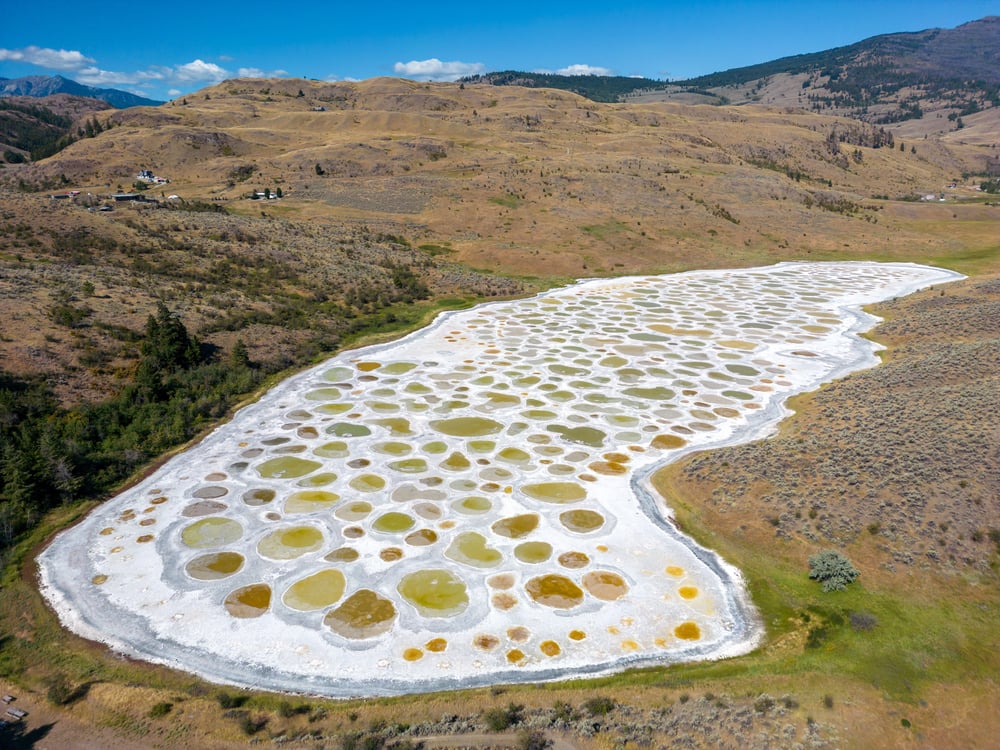
During summer, this lake in British Columbia evaporates into hundreds of colored pools separated by white mineral rings. The spots range from blue to green to yellow depending on which minerals concentrate in each pool.
Indigenous peoples considered this lake sacred because of its healing properties and strange appearance. The perfectly circular pools create a polka-dot pattern across the landscape that looks more like an abstract painting or a close-up of alien skin than an actual body of water.
Danakil Depression, Ethiopia
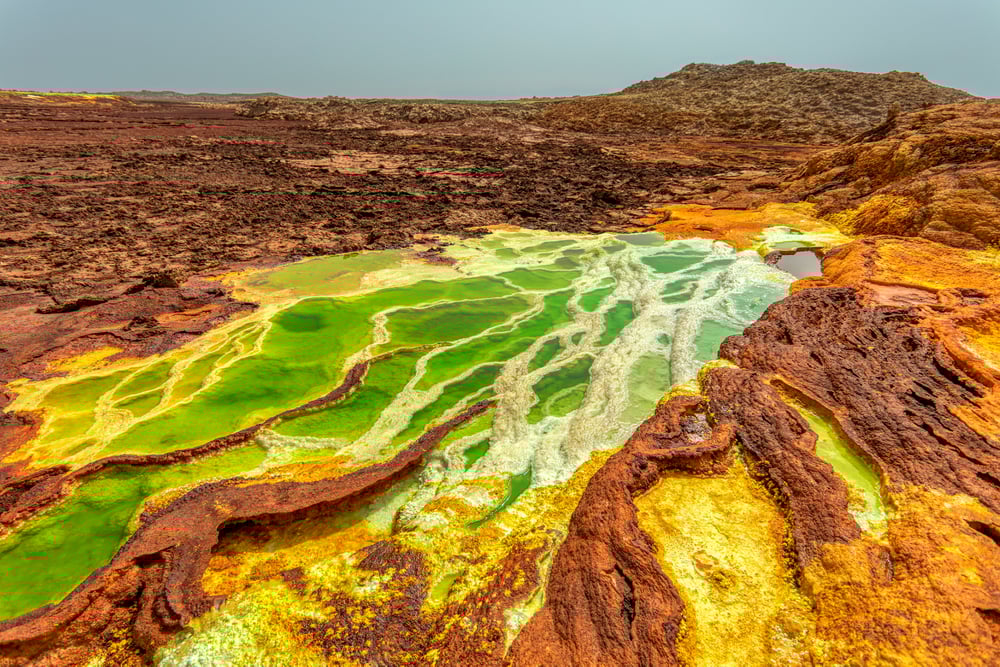
One of the hottest and lowest places on Earth hosts a landscape of sulfur springs, acid pools, and vast salt flats. Temperatures regularly exceed 120 degrees Fahrenheit in this desert that sits more than 400 feet below sea level.
Bright yellow sulfur mountains rise from the ground while green and orange pools bubble with chemicals that would burn human skin on contact. The Afar people mine salt here despite conditions that seem designed to kill anything that ventures into this hostile environment, which could double as a film location for any movie needing a hellish alien world.
Moeraki Boulders, New Zealand
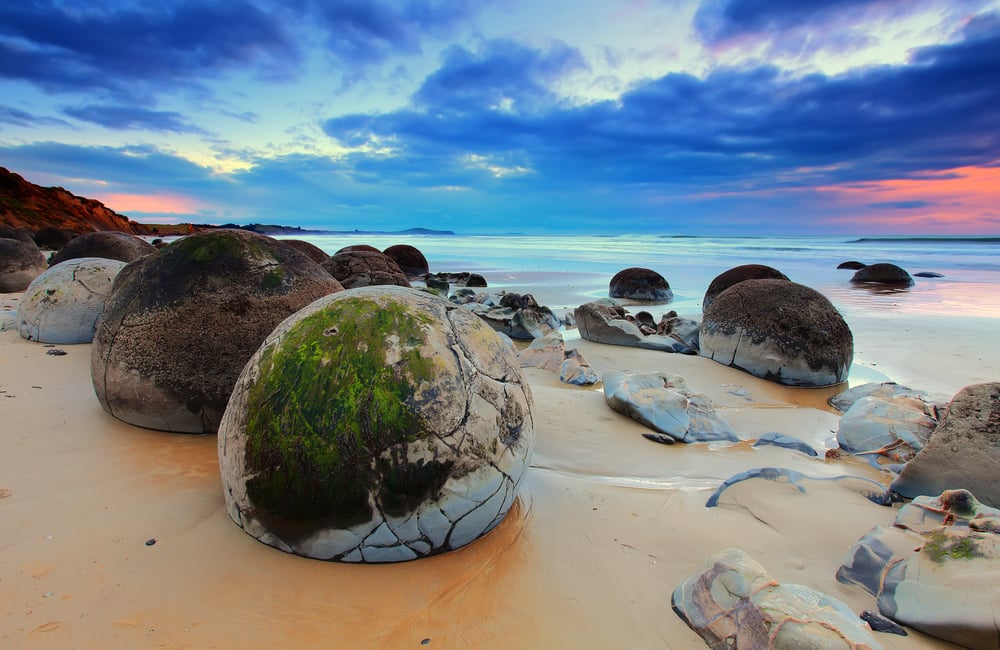
Huge spherical stones up to 12 feet around sit scattered along a beach like marbles dropped by giants. These perfectly round boulders formed on the ancient sea floor as calcite crystallized around shells and other debris over millions of years.
Erosion eventually exposed them and washed away the softer cliff rock, leaving these massive stone spheres resting on the sand. Some have cracked open, revealing hollow centers and crystal formations inside, making them look even more like alien eggs that washed ashore from somewhere else.
Antelope Canyon, Arizona
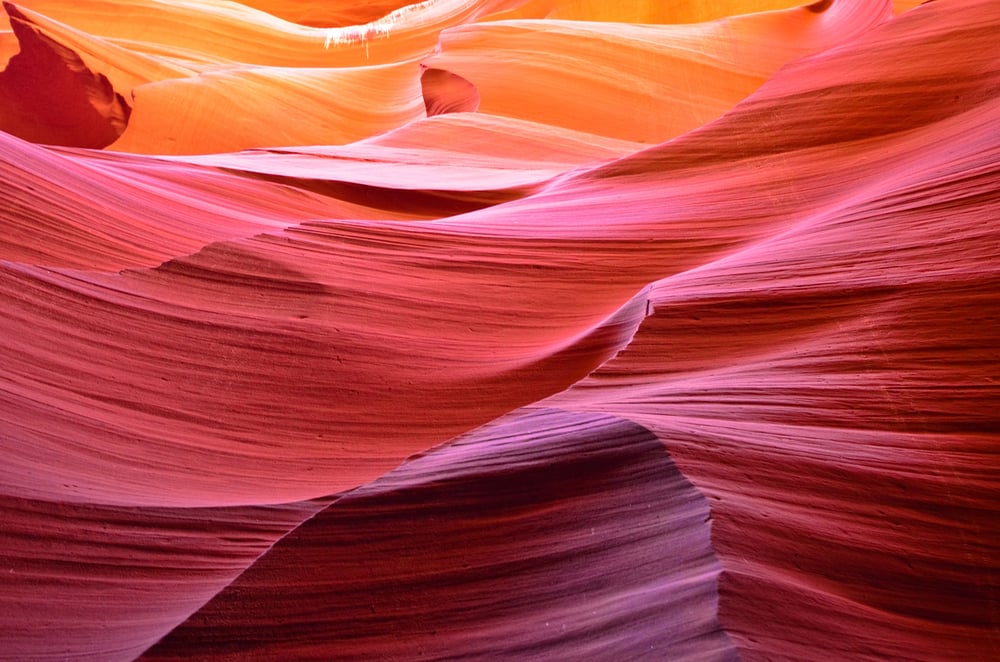
Down in tight canyons shaped by sudden floodwaters, sandstone bends like waves, lit up in fiery shades where sunlight slips through overhead. Shapes twist softly along the walls – alive almost – as daylight shifts and shadows stretch or shrink across surfaces.
Time piled high here; each curve came slowly while streams forced their way into splits, grinding rock wider year after endless year. Those who walk it say it feels like stepping deep within a blaze turned solid, quiet now but still pulsing underfoot.
Lençóis Maranhenses, Brazil
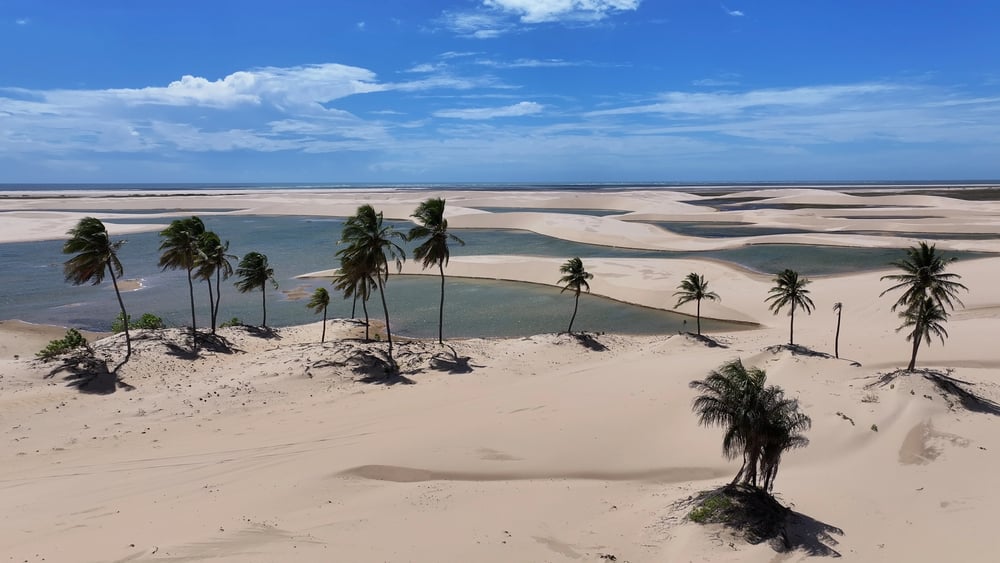
Hundreds of miles unfold in pale dunes, yet after rains, pools of bright blue and soft green settle into the low spots. Patterns form – shifting tones of white and water rolling across flatlands like something alive.
Not blown inland from far deserts, this sand washed out of cliffs by sea force long ago. When the sun returns, fish vanish – or seem to – though none arrive when lakes first bloom.
Laws of nature here feel bent, just slightly, enough to wonder how stillness holds life at all.
A Planet Worth Exploring
What if beauty could be so strange it feels alien? Some corners of our planet twist nature into shapes too wild to believe.
Not made by hands, but shaped slowly – drop by drop, shift by shift – over ages beyond counting. Though born from ordinary forces, they appear as though sketched for fantasy films.
When thoughts drift toward faraway stars, remember: wonder waits without leaving the ground beneath your feet.
More from Go2Tutors!

- The Romanov Crown Jewels and Their Tragic Fate
- 13 Historical Mysteries That Science Still Can’t Solve
- Famous Hoaxes That Fooled the World for Years
- 15 Child Stars with Tragic Adult Lives
- 16 Famous Jewelry Pieces in History
Like Go2Tutors’s content? Follow us on MSN.