17 Misprinted Items That Became Valuable
Manufacturing mistakes usually mean disaster for companies and disappointment for consumers. Products get recalled, money gets lost, and quality control teams scramble to fix the problem.
But sometimes, the exact opposite happens. A printing error or manufacturing slip-up creates something so rare and unique that collectors will pay thousands—or even millions—to own it.
These aren’t your typical collectibles. They’re accidents that became treasures, mishaps that turned into goldmines. From upside-down airplanes on stamps to misspelled names on coins, these production errors have defied all logic by becoming more valuable than their perfect counterparts.
Here is a list of 17 misprinted items that transformed ordinary objects into extraordinary collector’s pieces worth serious money.
Inverted Jenny Stamp

In 1918, the U.S. Postal Service accidentally printed a 24-cent stamp featuring the Curtiss JN-4 airplane upside down. Only one sheet of 100 stamps with this error ever made it to the public, sold to collector William Robey for $24.
These “Inverted Jenny” stamps now rank among the most valuable postal mistakes ever, with single stamps selling for over $1.5 million. The central image being printed upside down while the border remained correct made this error immediately noticeable and became the holy grail of stamp collecting.
1955 Double Die Lincoln Cent

The 1955 Lincoln penny made itself a prize for collectors during one night shift at the Philadelphia Mint, when an obverse die was misaligned. It created an estimated 40,000 coins, of which around 20,000 to 24,000 copies were introduced into circulation.
The doubling is most noticeable on the date and coin’s inscription, making it highly sought after in the coin collecting community. Even worn examples of this penny error sell for hundreds of dollars, while pristine specimens command much more.
Like Go2Tutors’s content? Follow us on MSN.
Pokemon “For Position Only” Cards
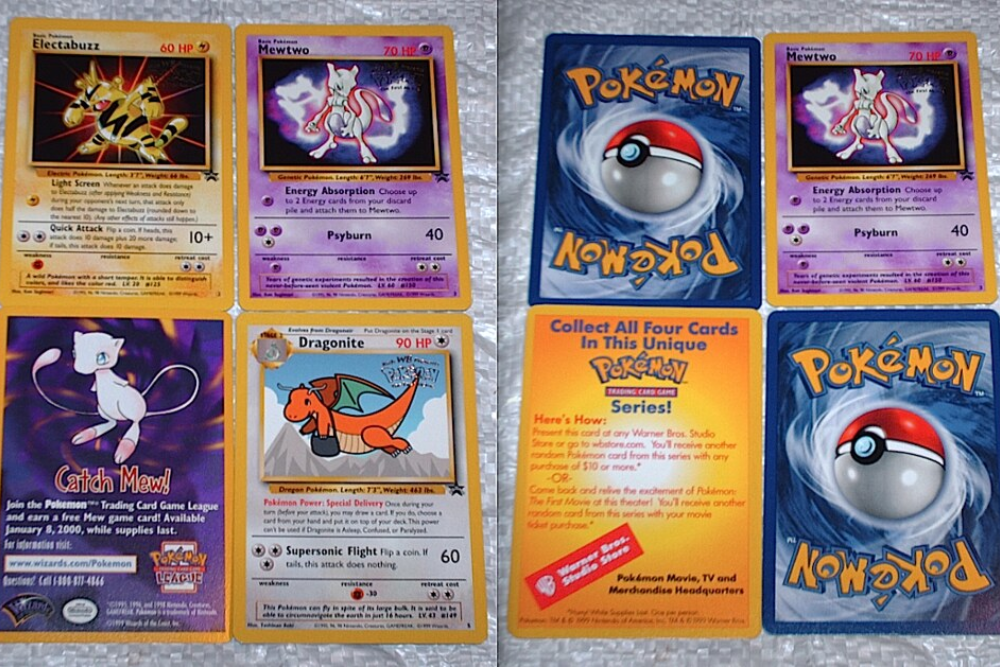
Cards with the inscription “For Position Only” printed directly on the Pokémon image can sell for several thousand dollars each, with only about 100 of these collectible cards known to exist. These were never meant to reach the public—they were printing placeholders that accidentally made it into card packs.
The rarity and unusual appearance of these cards have made them some of the most valuable Pokemon misprints ever discovered.
Vatican Pope Francis Medal

In 2013, the Vatican issued a commemorative medal in honor of Pope Francis, but had to recall the 6000 that had already been minted after it was discovered that the word Jesus was misspelled as “Lesus.” Although there was no divine intervention, the gaffe was spotted very quickly with only 4 copies of the coin reaching the public, resulting in a prime Papal collectible. One site is selling the medal for $3000.
1943 Copper Pennies

During World War II, the U.S. Mint switched from copper to steel for penny production to conserve copper for the war effort. Only a handful of the rare 1943 Copper Penny exist and are prized for their rarity as a result, but it was the war effort that brought these copper treasures into being.
A few copper blanks accidentally got mixed in with the steel ones, creating some of the most valuable error coins in American history. These pennies have sold for over $100,000 each at auction.
Like Go2Tutors’s content? Follow us on MSN.
Beatles “McArtney” Record

“Love Me Do” was the first Beatles single released by a record company. Before it went on sale, about 250 promotional copies were sent to radio stations and reviewers.
Those copies listed the artists as “Lennon-McArtney.” The “McArtney” was replaced with the correct “McCartney” by the time it was released.
A copy of the misspelled version sold for over $19,000 in 2012. This simple spelling error on the promotional copies turned them into rock and roll history.
Nintendo Championship Cartridges

In 1990, Nintendo produced 116 gold-colored game cartridges for a video game championship, but some labels were misprinted with tears or alignment issues. Even with these defects, these extremely rare cartridges sell for $15,000 to $20,000, with one notably misprinted cartridge selling for $100,000.
The printing errors actually add to the cartridges’ authenticity, since counterfeiters typically produce perfect-looking fakes. These represent some of the rarest Nintendo items ever released.
1937-D Three-Legged Buffalo Nickel

In 1937, the second-to-last year of the series, the mint employee who operated the coin presses at the Denver Mint tried to smooth down some scuffs on the nickel’s reverse die. He unintentionally smoothed away one of the buffalo’s legs in the process, causing the coin misprints.
An uncirculated specimen runs about $2,500. Even “junky” examples are worth upward of $500.
This human error created one of the most recognizable and valuable nickels in American coinage.
Like Go2Tutors’s content? Follow us on MSN.
Misprinted Paper Currency
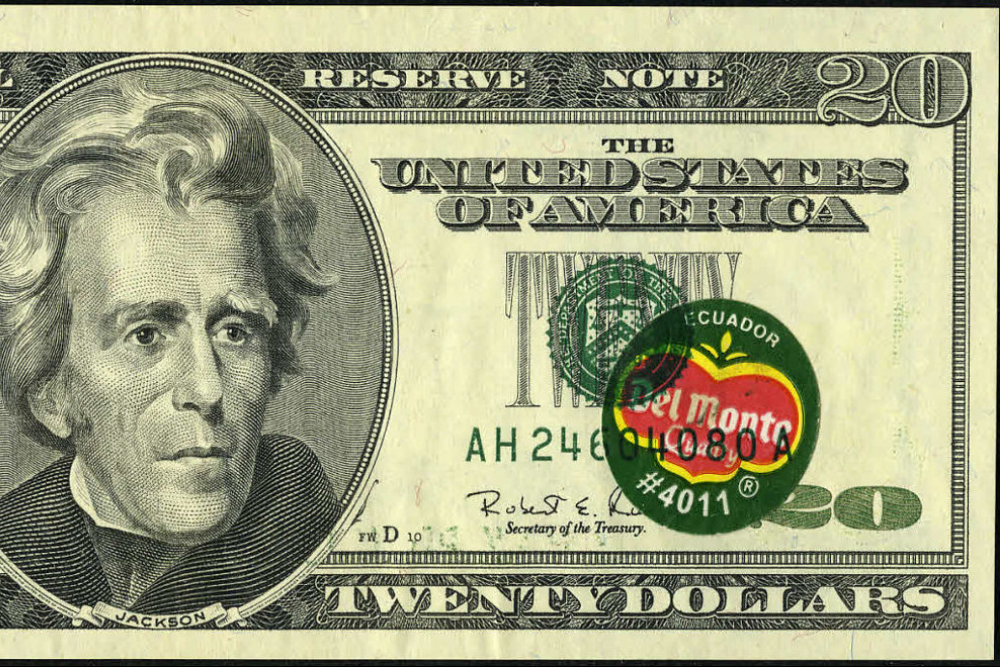
The Bureau of Engraving and Printing occasionally makes errors like misaligned printings, missing serial numbers, or ink smears on paper currency. A regular $20 bill is worth exactly $20, but bills with major printing errors sell for hundreds or thousands of dollars.
The most valuable errors are bills missing all colors except black, creating eerie-looking ghost money. Currency collectors actively hunt for these printing mishaps that transform everyday money into valuable collectibles.
Mauritius “Post Office” Stamps

In 1847, Mauritius issued its first postage stamps with the accidental text “POST OFFICE” instead of the intended “POST PAID.” Only 27 of these stamps are known to exist today.
The British colonial government quickly corrected the error, but not before these stamps entered circulation. The extreme rarity and historical significance of this early postal mistake have made these stamps worth hundreds of thousands of dollars each.
Cast Iron “Squar” Pan

There’s nothing like a quality, well-seasoned cast iron pan. Iron is heavy, solid stuff, and if you make a mistake while casting it, there’s no going back for corrections.
In the collectible cast iron market, misspellings have extra value. A “squar” egg skillet, known as “the mistake pan,” can fetch about twice the price of the “square” one.
This permanent spelling error cast directly into the metal has made these skillets highly sought after by collectors who appreciate the irony of valuable imperfection.
Like Go2Tutors’s content? Follow us on MSN.
Disney “Januray” Pin

Disney issues special pins for fans to collect and trade. Collector sites warn newcomers that printing errors almost always indicate that a pin is counterfeit.
However, there are a few verified “error pins,” including one from “Januray” 1, 2000. The misspelled month on this New Year’s pin makes it a legitimate Disney error that collectors actively seek.
Unlike the many fake error pins that flood the market, this one has been verified as a genuine Disney production mistake.
Monopoly Ghost Money

During the printing process, Hasbro accidentally printed some Monopoly sets with the money missing one or more color layers. While regular Monopoly money has no value beyond the game, these misprinted bills sell to collectors for $50 to $100 per bill.
The most valuable errors are bills missing all colors except black, creating eerie-looking ghost money. Board game collectors prize these printing errors for their uniqueness among mass-produced games.
Pokemon Houndoom Holo Error

A Houndoom card from the Neo Revelation set with a rare holo error sold for $3,790. This type of error occurs when the holographic foil layer extends beyond its intended boundaries, creating an unusual visual effect.
The dramatic nature of the error, combined with the card’s popularity among collectors, drove up its value significantly. Pokemon card errors like this demonstrate how manufacturing mistakes can become highly desirable collectibles.
Like Go2Tutors’s content? Follow us on MSN.
1942/1 Mercury Dime
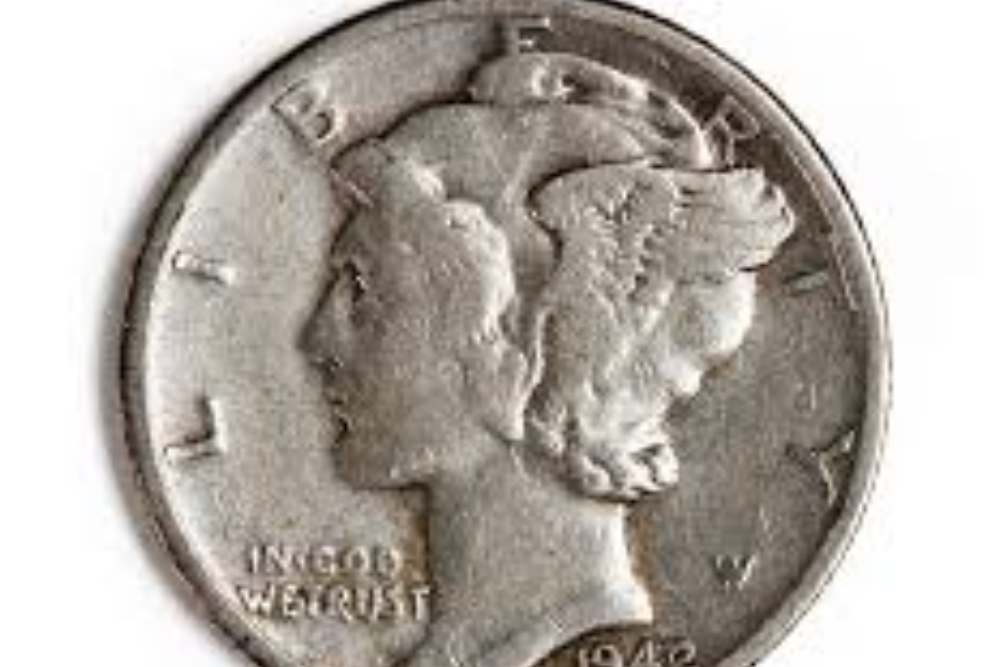
Another popular error variety to collect are overdate coins. This die error is pretty straightforward: When changing the year-date on the obverse die, the last digit of the previous year was not fully removed.
In the case of the “42 Over 41” Mercury dime, this resulted in the “1” still being visible behind the “2” of the date. The 1942/1 dimes (from either mint) are worth about $400 in the lowest grades, with prices rising sharply for coins in better condition.
This overdate error appears on dimes from both Philadelphia and Denver mints.
Kentucky State Quarter Spoon

The 50 State Quarters program gave people a new reason to start a coin collection as they sought to get the quarters from all the states. There were other non-currency collectibles issued as part of the program, including spoons for each of the state designs.
They aren’t particularly valuable now, but the Kentucky spoon goes for around $100 due to the way the state is spelled on the handle of the spoon: “Kentuckey.” This simple spelling error on commemorative merchandise has made one spoon stand out from the entire 50-state collection.
1922 “No D” Lincoln Cent
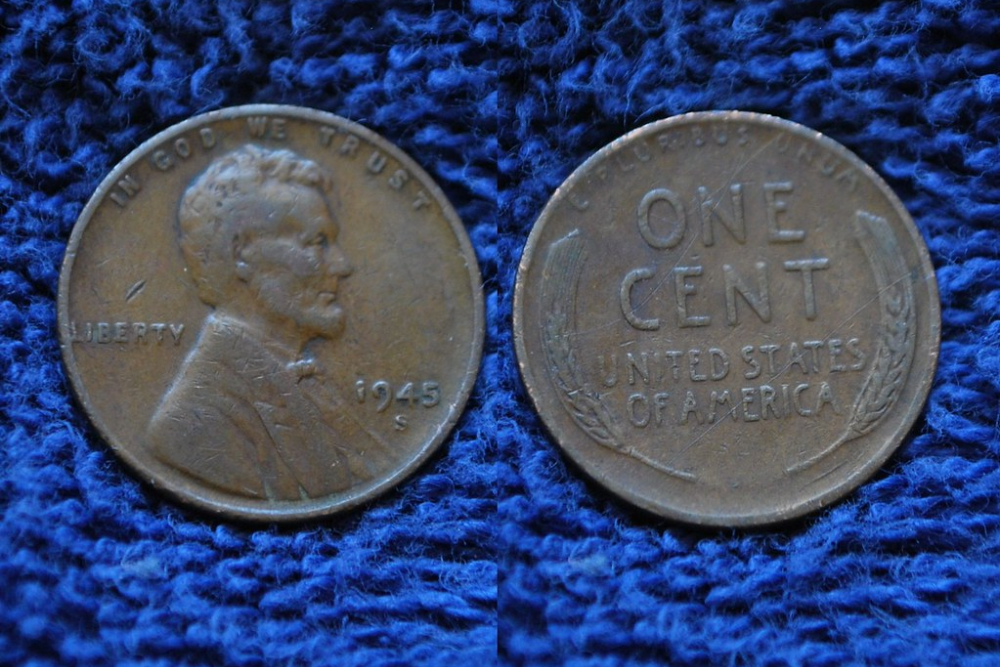
According to The Official Red Book: A Guide Book of United States Coins, in 1922 the Denver mint struck a number of pennies using heavily worn dies. As a result, many of the Lincoln cents made at this facility exhibited dull features and a “weak D” mintmark.
The accumulation of grease on the obverse die left a handful of pennies with missing design elements. Most notable among these was the absence of a D mintmark.
These errors are known as “Plain” or “No D” Lincoln cents. Even in fairly bad condition, these coins are worth over $500 each. The missing mintmark makes these pennies easily identifiable and highly collectible.
Like Go2Tutors’s content? Follow us on MSN.
When Mistakes Become Treasures
The world of collectible misprints proves that perfection isn’t always the goal. This delicate balance between rarity and value creates a unique market dynamic where mistakes become coveted items.
It’s a testament to the unpredictable nature of collecting, where the unexpected can often lead to the most valuable discoveries. These 16 examples show how a moment of human error, mechanical malfunction, or quality control oversight can accidentally create something far more valuable than what was originally intended.
For collectors, the hunt for these imperfect treasures continues, proving that sometimes the best finds are the ones that were never supposed to exist at all.
More from Go2Tutors!

- 16 Historical Figures Who Were Nothing Like You Think
- 12 Things Sold in the 80s That Are Now Illegal
- 15 VHS Tapes That Could Be Worth Thousands
- 17 Historical “What Ifs” That Would Have Changed Everything
- 18 TV Shows That Vanished Without a Finale
Like Go2Tutors’s content? Follow us on MSN.