Most Isolated Tribes Discovered
Some people live completely cut off from the modern world. They hunt with bows, gather food from forests, and have never seen a smartphone or a car.
These groups exist in remote corners of the planet, often by choice, maintaining traditions that stretch back thousands of years. Finding them raises questions about contact, protection, and what happens when two vastly different worlds collide.
The Sentinelese of North Sentinel Island
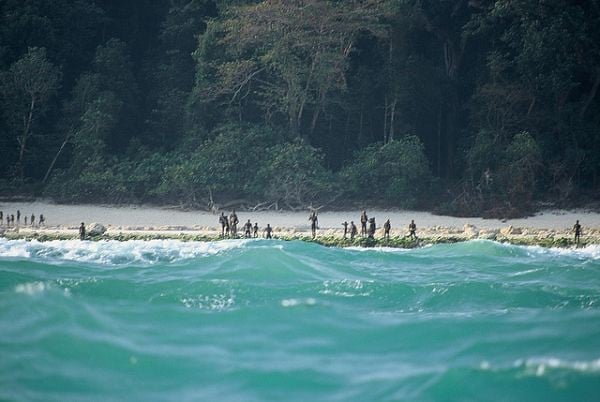
The Sentinelese reject all contact with outsiders. They live on a small island in the Bay of Bengal and have made their position clear through violent responses to anyone who approaches.
Nobody knows their language or how many people live there. Estimates suggest between 50 and 400 individuals.
When a helicopter flew over after the 2004 tsunami, tribe members shot arrows at it. The Indian government has declared the island off-limits, creating a three-mile exclusion zone around it.
The Ayoreo-Totobiegosode in Paraguay
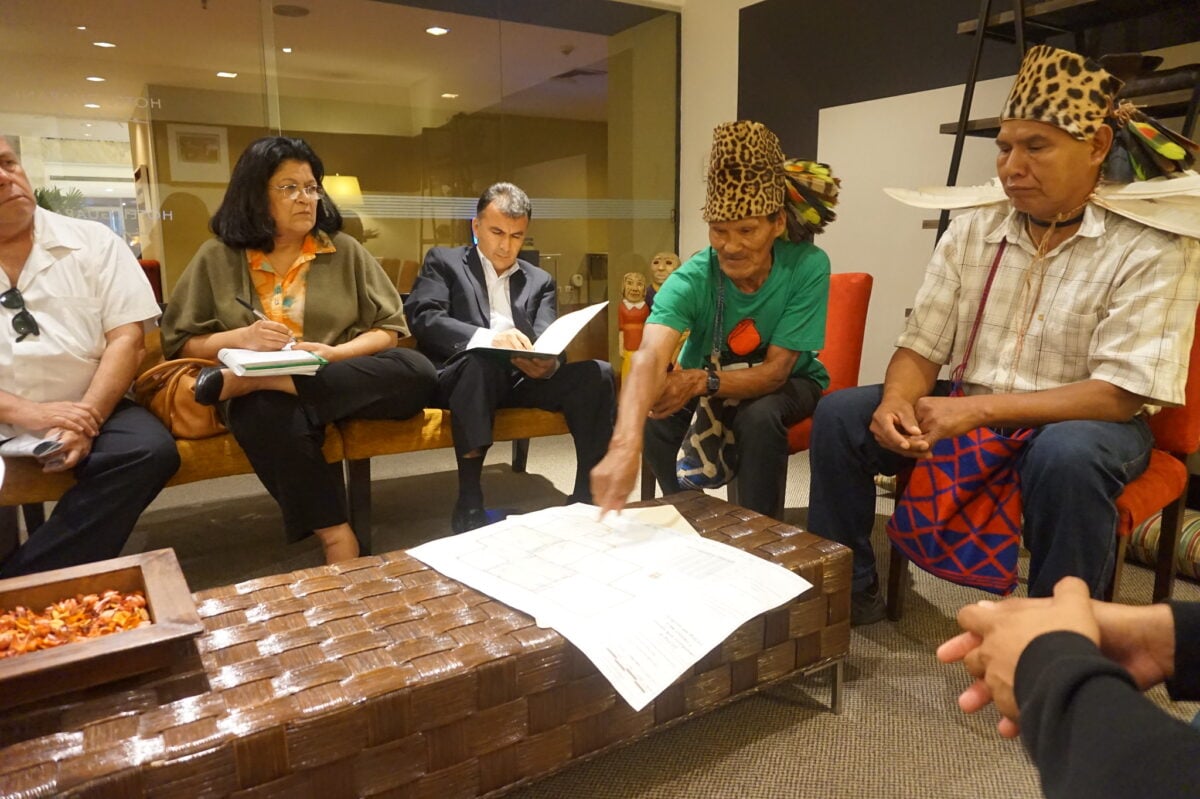
Deep in Paraguay’s Gran Chaco forest, some Ayoreo people still live without any contact with outsiders. They move constantly, building temporary camps and hunting with weapons made from forest materials.
Their territory shrinks as cattle ranchers clear the forest. Several groups have made contact in recent years, often after being forced out by deforestation.
Those who remain uncontacted face pressure from all sides as their forest disappears.
The Mashco-Piro of the Peruvian Amazon
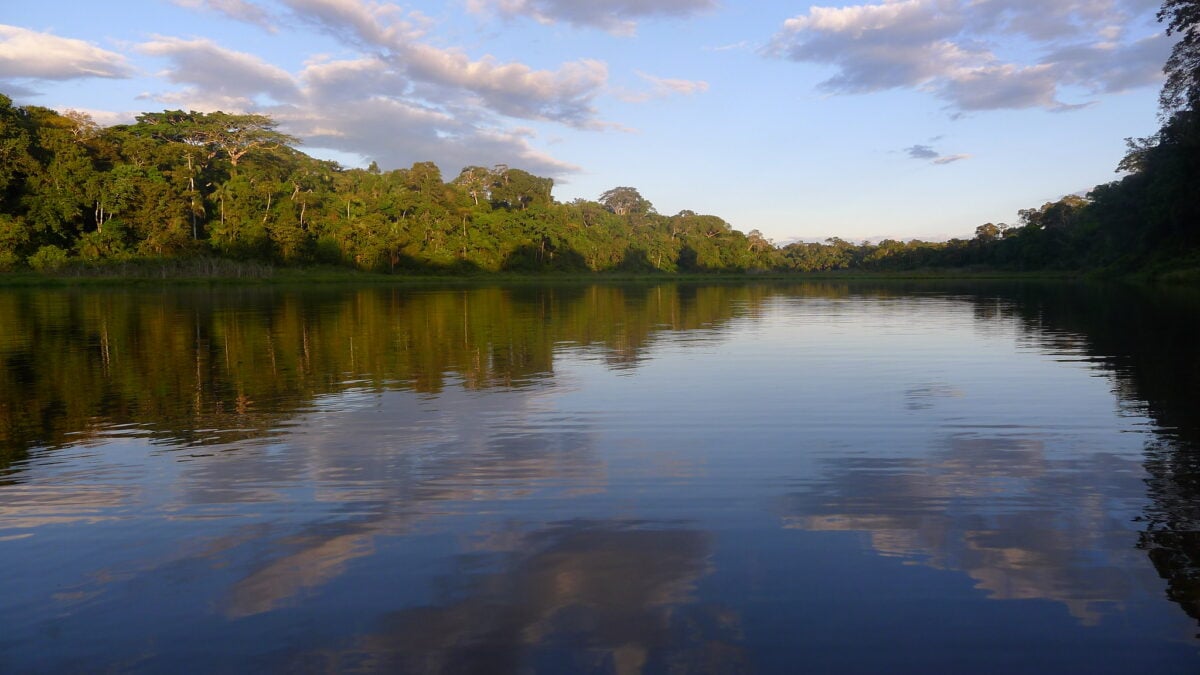
The Mashco-Piro live in the Manu National Park area of Peru. They appear occasionally on riverbanks, sometimes approaching settlements.
But sustained contact remains rare. They speak a Yine language and travel in large groups through dense rainforest.
Illegal logging threatens their territory. Videos and photos show them on beaches, sometimes carrying items they’ve taken from other communities.
These glimpses suggest they monitor the outside world while choosing to stay apart from it.
The Korowai People of Papua

The Korowai build their houses high in trees, sometimes reaching heights of 100 feet. They live in the southeastern part of Papua, Indonesia, in one of the most remote swampy forest regions on Earth.
Traditional Korowai life revolves around hunting, gathering sago, and fishing. Contact began only in the 1970s, and some groups remain isolated.
Their tree houses serve as protection from floods, insects, and rival groups. Each family typically lives in their own house, connected to others through forest paths.
Vale do Javari Tribes in Brazil
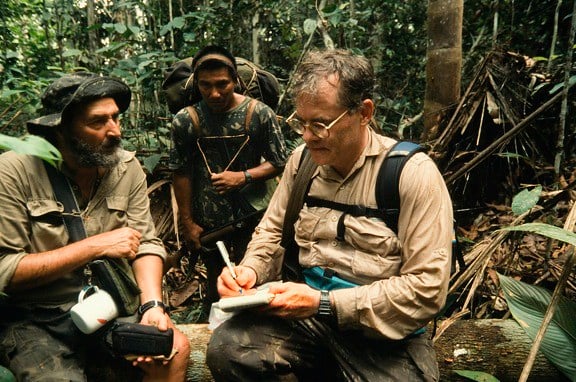
The Javari Valley holds the highest concentration of uncontacted tribes in the world. At least 16 different groups live in this Amazon region near the Brazilian-Peruvian border.
Dense jungle and deliberate isolation have kept them separate from modern society. The Brazilian government maintains protection zones, but illegal fishermen, loggers, and drug traffickers push into the territory.
These tribes face diseases they have no immunity to, making even brief contact potentially fatal.
The Ruc People of Vietnam
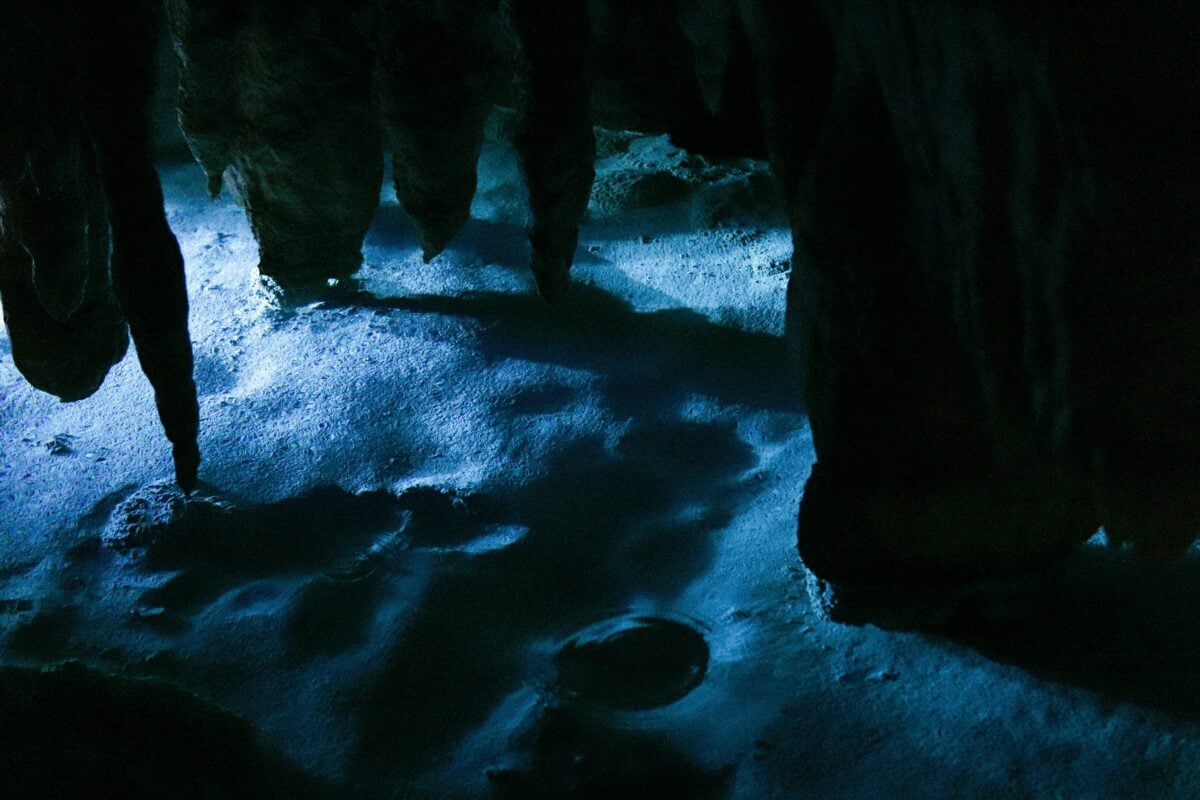
The Ruc lived in caves in the Phong Nha-Ke Bang region until the 1960s. They hunted in the jungle and gathered food, completely isolated from Vietnamese society.
The Vietnam War changed everything. Bombing campaigns destroyed their forest habitat and forced contact. Today, the Ruc struggle to adapt.
They moved into government settlements but kept some traditional practices. Their isolation lasted so long that when they emerged, they had to learn how to farm and live in permanent houses.
The Pintupi Nine of Australia
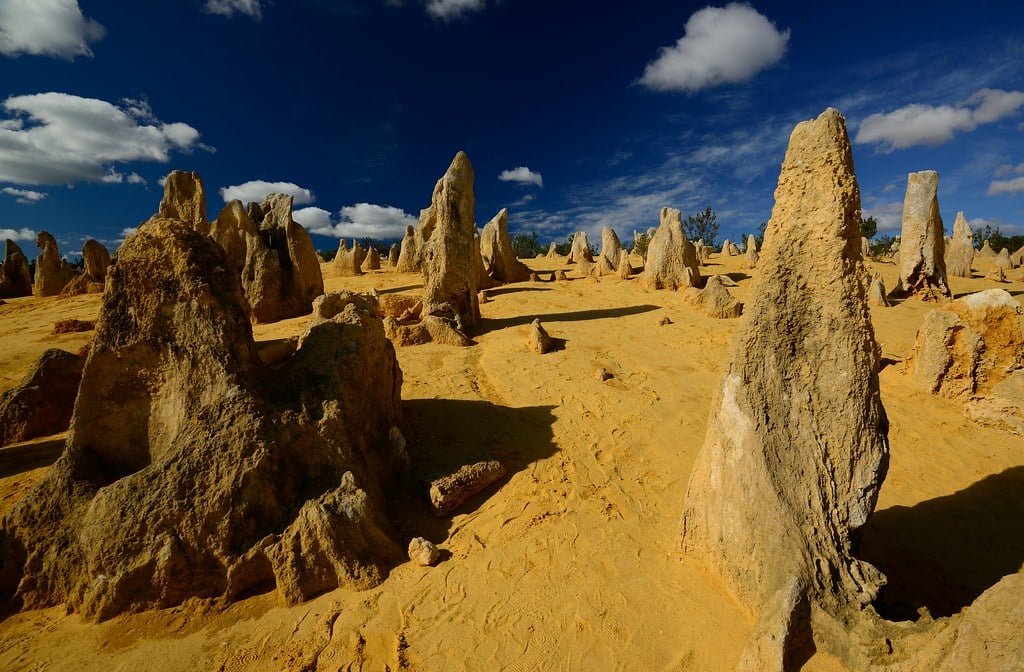
In 1984, nine Aboriginal people walked out of the Gibson Desert in Western Australia. They had been living traditionally, with no contact with modern Australia.
The group included a mother, her children, and other relatives. They knew nothing about cities, cars, or contemporary life.
The family had left their community decades earlier and survived using ancient knowledge of the desert. Their emergence created a sensation and raised questions about other families still living in remote desert regions.
The Huaorani Deep Forest Groups in Ecuador
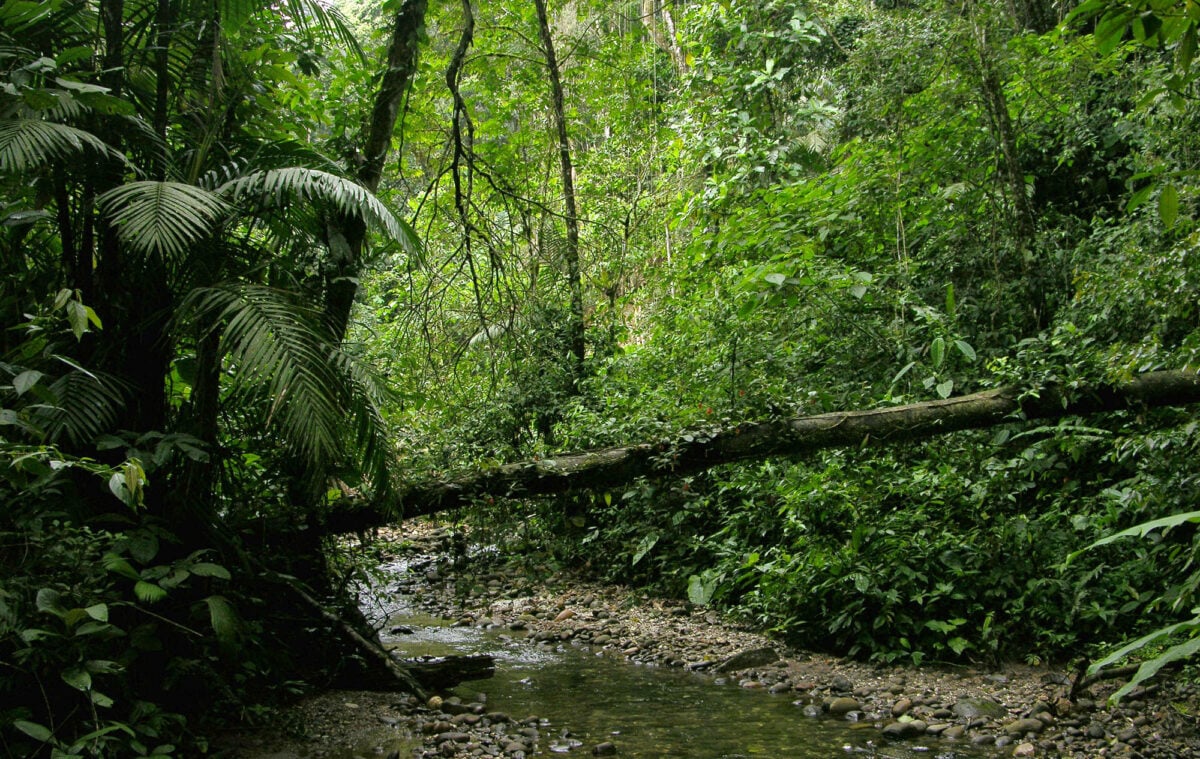
Some Huaorani families continue living deep in Ecuador’s Amazon rainforest, avoiding contact with anyone, including other Huaorani who have adopted modern ways. They move frequently, leaving no permanent settlements.
These groups know about the outside world but choose to stay away from it. Oil exploration threatens their territory.
Roads cut through the forest, bringing development closer each year. The contacted Huaorani often act as a buffer between isolated groups and outsiders.
The Tagaeri and Taromenane of Ecuador
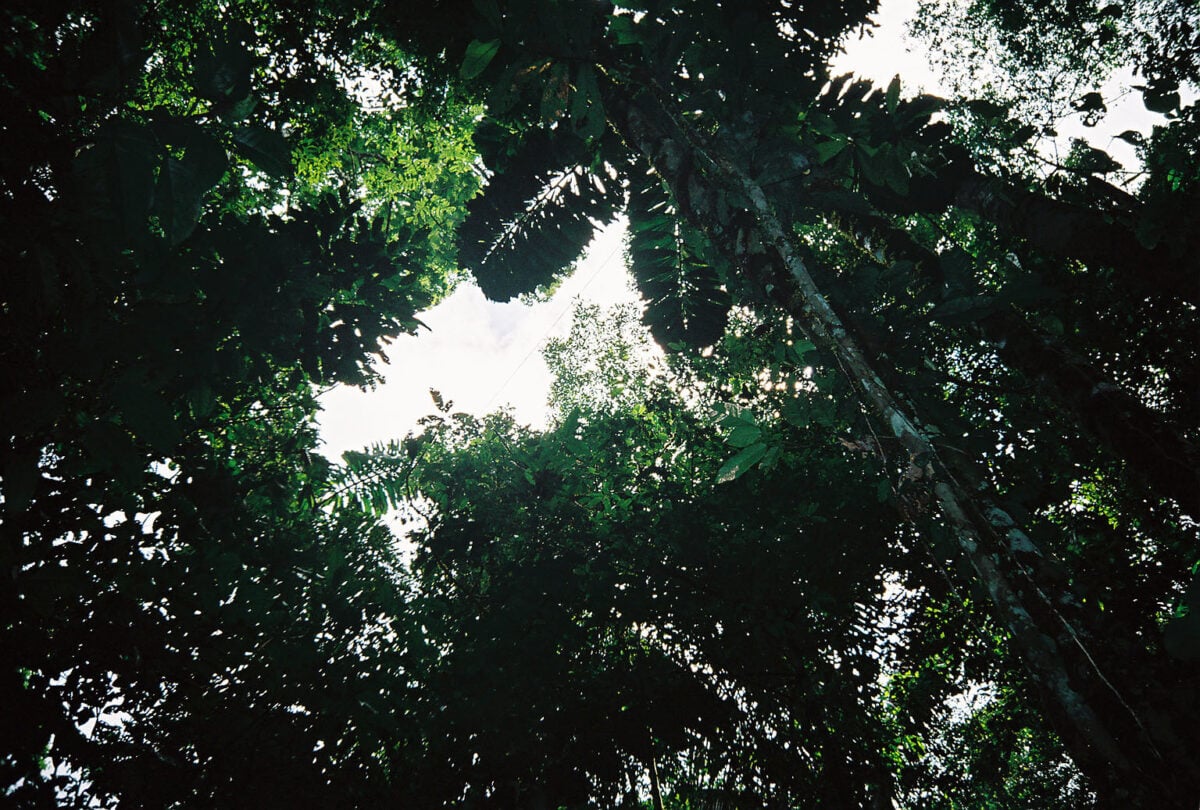
These two groups live in Ecuador’s Yasuni National Park. Both have made it clear they want no contact.
The park sits on top of massive oil reserves, creating ongoing conflict between conservation and extraction. The Tagaeri and Taromenane attack anyone who enters their territory.
They’ve killed loggers and others who came too close. The Ecuadorian government created an untouchable zone, but enforcement remains difficult.
Both groups are related to the Huaorani but separated themselves generations ago.
The Surma and Suri of Ethiopia
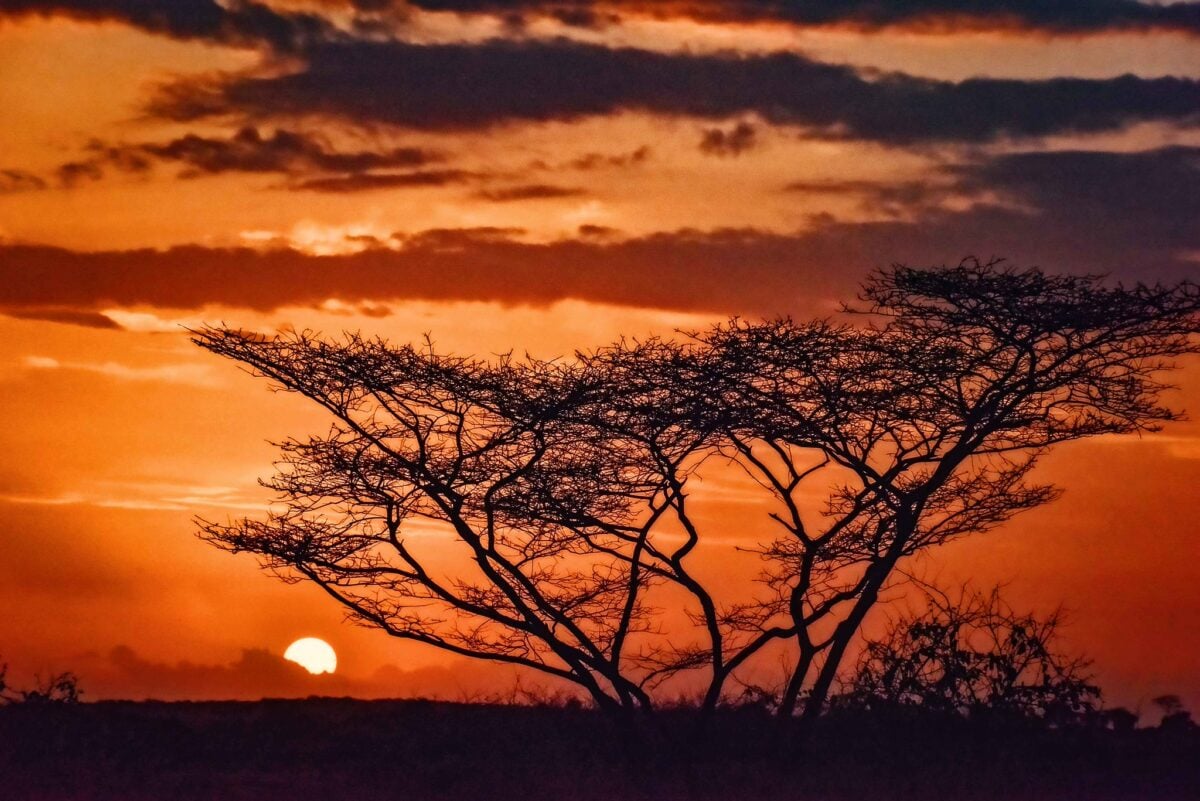
The Surma and Suri people live in the remote Omo Valley of southwestern Ethiopia. They maintain traditional practices including elaborate body modification and decorative scarification.
Contact with the outside world has increased in recent decades, but some communities remain relatively isolated. They practice cattle herding and agriculture, settling disputes through ritual combat with sticks.
Their territory faces pressure from large-scale agricultural projects and government resettlement programs.
The Hongana Manyawa of Indonesia
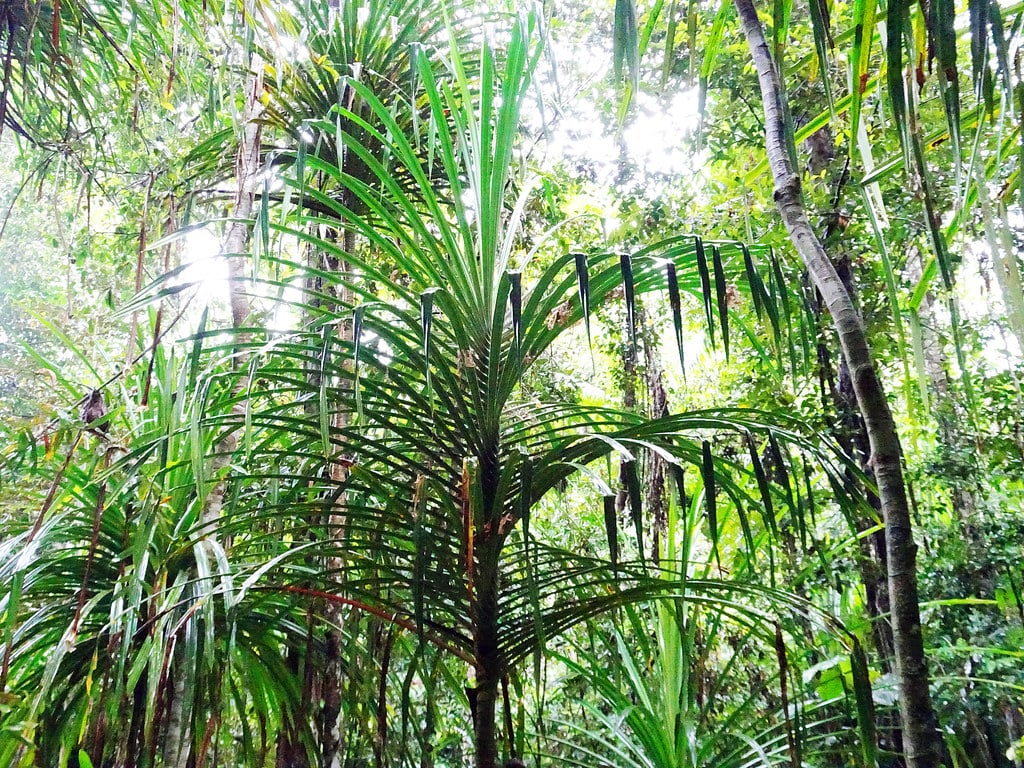
On the Indonesian island of Halmahera, the Hongana Manyawa live in the rainforest. They hunt wild pigs, gather forest products, and avoid contact with outsiders.
Nickel mining operations have moved into their territory, destroying large areas of forest. Some Hongana Manyawa groups have made contact, but others remain in the deepest parts of the forest.
The mining companies operate with government approval, and the forest continues to shrink.
The Kawahiva of Brazil
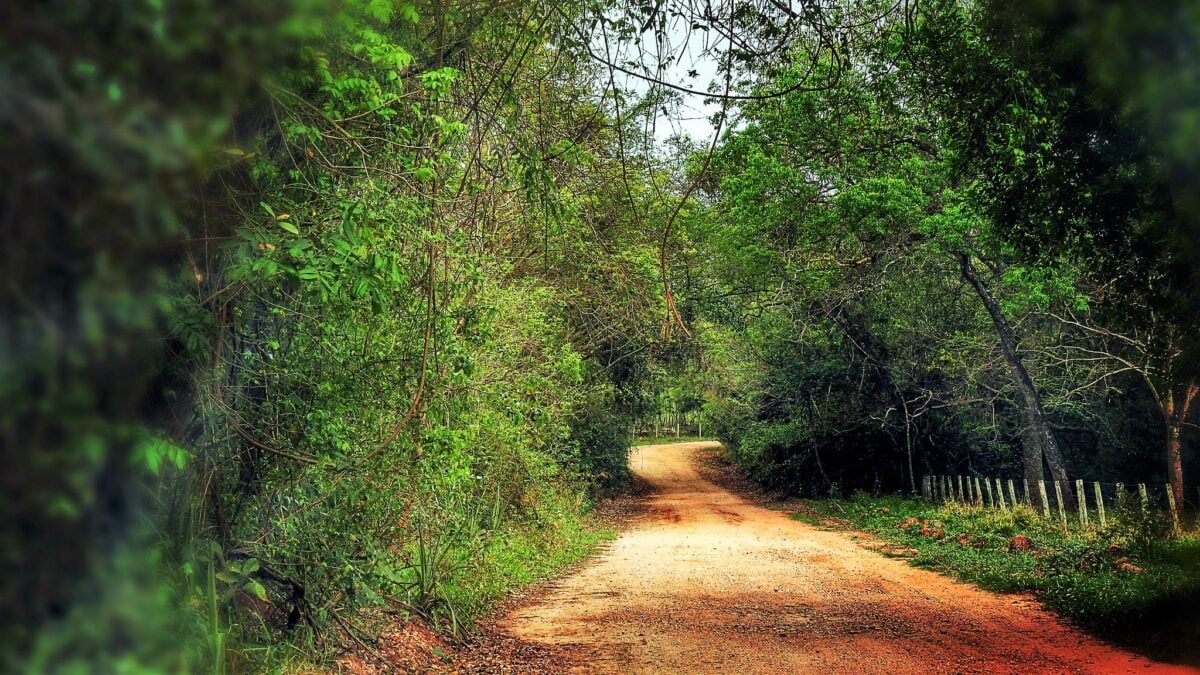
The Kawahiva move constantly through the Brazilian state of Mato Grosso. Only about 50 people remain.
They flee from any contact, leaving behind temporary camps that show their presence. Brazil’s National Indian Foundation (FUNAI) has documented their movements but maintains a no-contact policy.
Loggers and ranchers operate in the area illegally. The Kawahiva have no fixed territory to call their own, making protection nearly impossible.
The Jarawa of the Andaman Islands
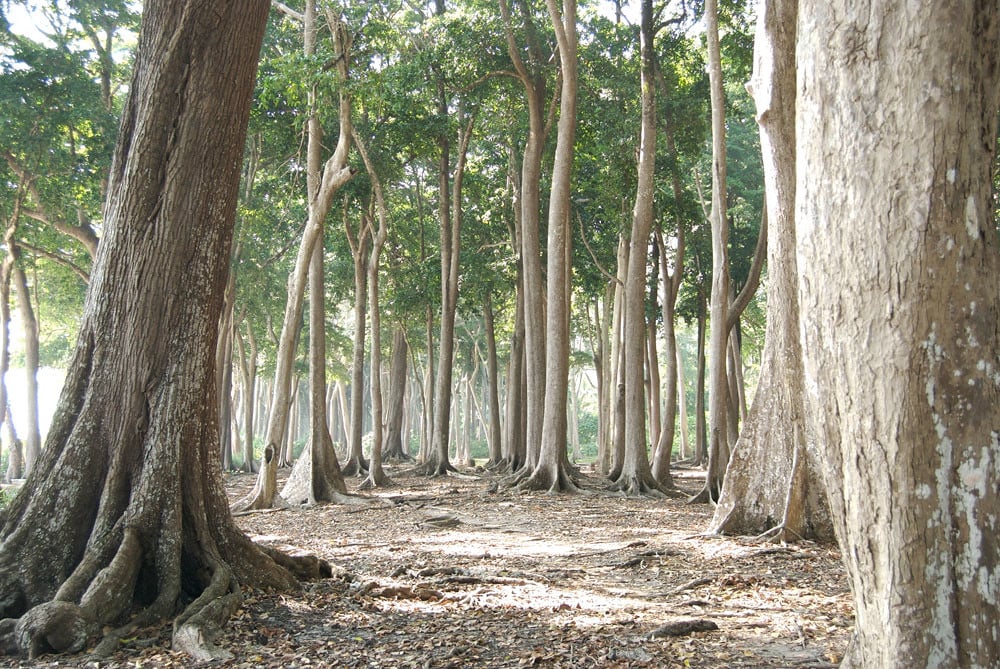
The Jarawa resisted contact for over a century. They live on the Middle and South Andaman Islands, using bows to hunt pigs and fish.
A road cuts through their reserve, bringing tourists who stop to photograph and interact with tribe members. This contact has introduced diseases and disrupted their traditional way of life.
The Indian government has tried to close the road, but political and economic pressure keeps it open. Some Jarawa groups still avoid all contact, retreating deeper into the forest.
Living Between Worlds
The line between isolation and contact grows thinner each year. Forests shrink, roads advance, and the places where uncontacted people can hide become fewer.
Each group faces the same basic choice: adapt or retreat. But retreating has limits.
You can only go so far before you run out of forest, out of land, out of space to maintain the life you’ve always known. The outside world moves faster than the forest grows back.
More from Go2Tutors!

- The Romanov Crown Jewels and Their Tragic Fate
- 13 Historical Mysteries That Science Still Can’t Solve
- Famous Hoaxes That Fooled the World for Years
- 15 Child Stars with Tragic Adult Lives
- 16 Famous Jewelry Pieces in History
Like Go2Tutors’s content? Follow us on MSN.



