Most Isolated Tribes Left
Some groups of people around the world have chosen to stay away from modern civilization completely. These tribes live deep in forests, on remote islands, or in places so hard to reach that most outsiders have never seen them.
Their way of life hasn’t changed much in thousands of years, and they want to keep it that way. Here are the most isolated tribes still living on Earth today.
Sentinelese people of North Sentinel Island

The Sentinelese tribe lives on a tiny island in the Indian Ocean and attacks anyone who tries to get close to their home. North Sentinel Island sits about 30 miles off the coast of India, but the roughly 50 to 200 people living there have rejected all contact with the outside world.
When a fisherman accidentally drifted too close to their shore in 2006, the tribe killed him and buried his body in the sand. The Indian government now keeps a three-mile exclusion zone around the island to protect both the tribe and curious outsiders.
These people have lived the same way for an estimated 60,000 years without any desire to change.
Ayoreo people in Paraguay

The Ayoreo tribe in Paraguay includes some members who still avoid all contact with outsiders and live as nomadic hunters in the Gran Chaco forest. This group faces constant threats from cattle ranchers and logging companies who keep destroying their forest home at an alarming rate.
Some Ayoreo people have been forced into contact with modern society, but others continue to flee deeper into the shrinking forest. The isolated groups move their camps frequently and survive by hunting wild pigs, gathering honey, and collecting fruits from the thorny forest.
Their traditional territory has shrunk to a fraction of its original size, putting pressure on those who want to maintain their traditional lifestyle.
Korowai tribe of Papua

The Korowai people build their homes high up in the trees of the Papua rainforest, sometimes reaching heights of 150 feet above the ground. These tree houses protect families from floods, insects, and potential enemies while providing a cool breeze in the humid jungle climate.
The tribe only made contact with outsiders in 1970, and many Korowai still live without modern tools or technology. They hunt with bows and arrows, fish in the rivers, and gather sago palm for their main food source.
Some clans continue to avoid contact with the outside world by moving deeper into unexplored parts of the rainforest.
Mashco Piro in the Amazon

The Mashco Piro tribe wanders through the Peruvian Amazon and has become more visible in recent years as logging operations push closer to their territory. Groups of up to 200 people have been spotted near riverbanks, though they still refuse direct contact with outsiders.
The tribe communicates with neighboring communities by leaving items like bananas or arrows as gifts or warnings, depending on their mood. Illegal loggers pose the biggest threat to their survival, cutting down trees deep in protected areas where the Mashco Piro hunt and gather.
Anthropologists believe the tribe may be showing themselves more often as a way to signal that their territory is being invaded.
Pintupi Nine in Australia

The Pintupi Nine were the last Aboriginal Australians to make contact with modern civilization, walking out of the Gibson Desert in 1984. This family group had been living completely isolated in one of the harshest environments on Earth, surviving on desert plants, lizards, and whatever water they could find.
They had no idea that other Aboriginal people had been living in settlements for decades or that the world had changed so dramatically. The group included children who had never seen a white person, a car, or even a building before their journey to a nearby settlement.
Their emergence shocked Australia and reminded everyone that isolated groups can survive in places most people consider uninhabitable.
Hongana Manyawa of Indonesia

The Hongana Manyawa people live deep in the rainforests of Halmahera Island in Indonesia and avoid outsiders by moving their camps whenever they hear chainsaws or vehicles. Nickel mining companies have invaded much of their traditional territory, forcing the tribe into smaller and smaller areas of untouched forest.
The roughly 300 to 500 remaining members survive by hunting wild pigs, gathering forest plants, and moving constantly to avoid contact. They sleep in temporary shelters made from leaves and branches, never staying in one place long enough to be found.
The Indonesian government has been slow to protect their land rights, leaving the tribe vulnerable to further displacement.
Ruc people of Vietnam

The Ruc tribe lived in caves in the mountains of Vietnam for centuries before some members made contact with the outside world in the 1950s. A small number of Ruc families still choose to live in the remote cave systems, avoiding both modern Vietnamese society and their relatives who moved to villages.
The caves provide natural shelter from the weather and potential enemies, with some caverns large enough to house entire extended families. These remaining isolated groups hunt in the surrounding jungle and gather food from the forest floor.
The Vietnam War pushed many Ruc people deeper into the mountains, and some families never came back out.
Kawahiva tribe in Brazil

The Kawahiva people run from anyone who enters their territory in the Brazilian Amazon, leaving behind hastily abandoned camps when they hear outsiders approaching. Only about 30 people remain in this tribe, making them one of the most endangered isolated groups in the world.
They move through the forest in small family units, never settling in one place for more than a few days. Loggers have filmed the Kawahiva from a distance, showing them building temporary shelters and cooking over small fires before disappearing into the dense jungle.
The Brazilian government has designated their territory as off-limits, but illegal logging continues to threaten their survival.
Surma people of Ethiopia
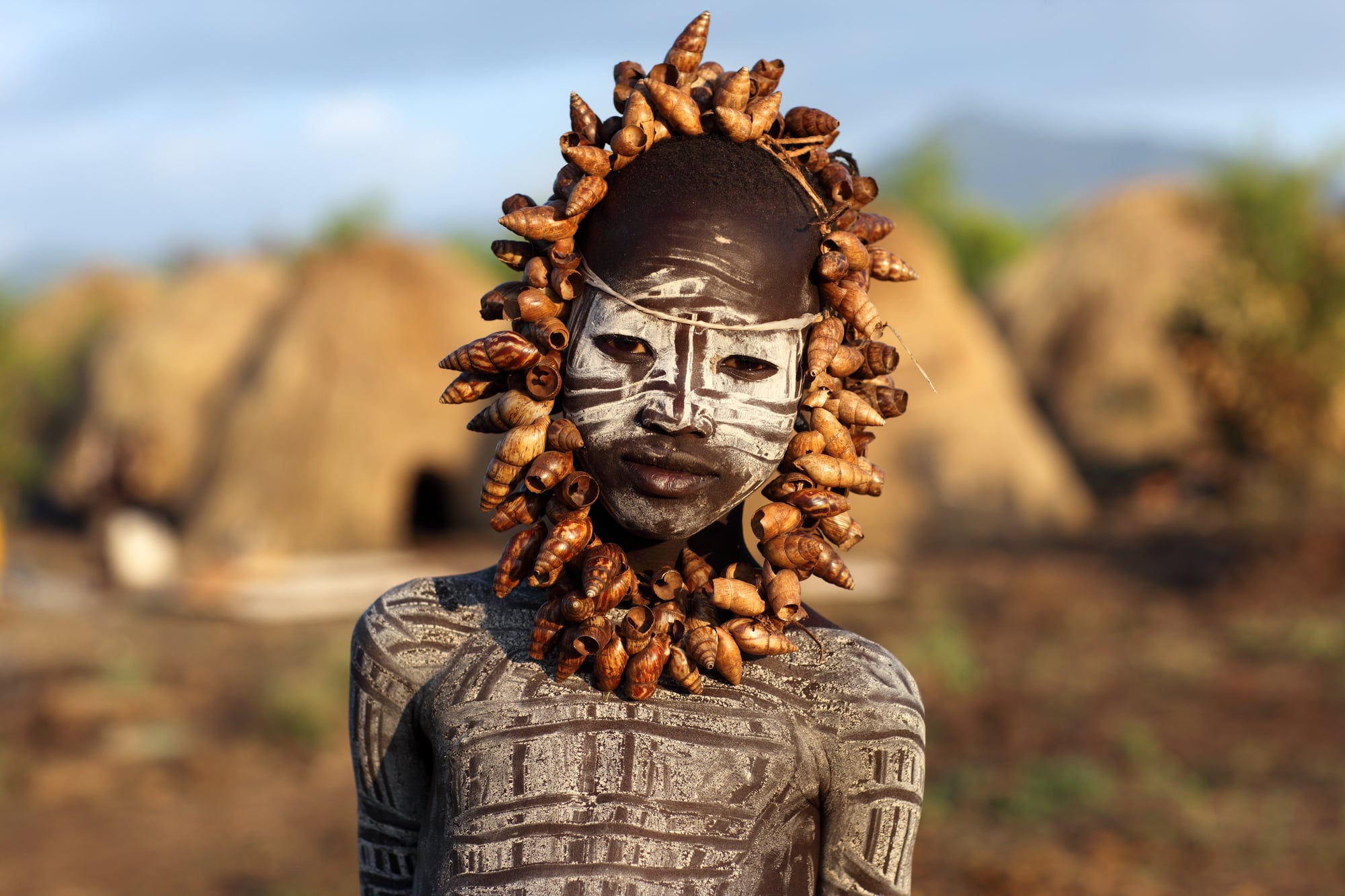
The Surma tribes live in the remote Omo Valley of Ethiopia and maintain many traditional practices despite occasional contact with outsiders. These groups practice stick fighting, elaborate body painting, and lip plate traditions that have remained unchanged for generations.
The construction of large dams on the Omo River threatens their way of life by disrupting the annual floods they depend on for farming. Most Surma people have minimal contact with Ethiopian society and speak their own language that few outsiders understand.
The young men of the tribe still prove themselves through traditional cattle raids and fighting competitions rather than modern education or jobs.
Tagaeri people of Ecuador
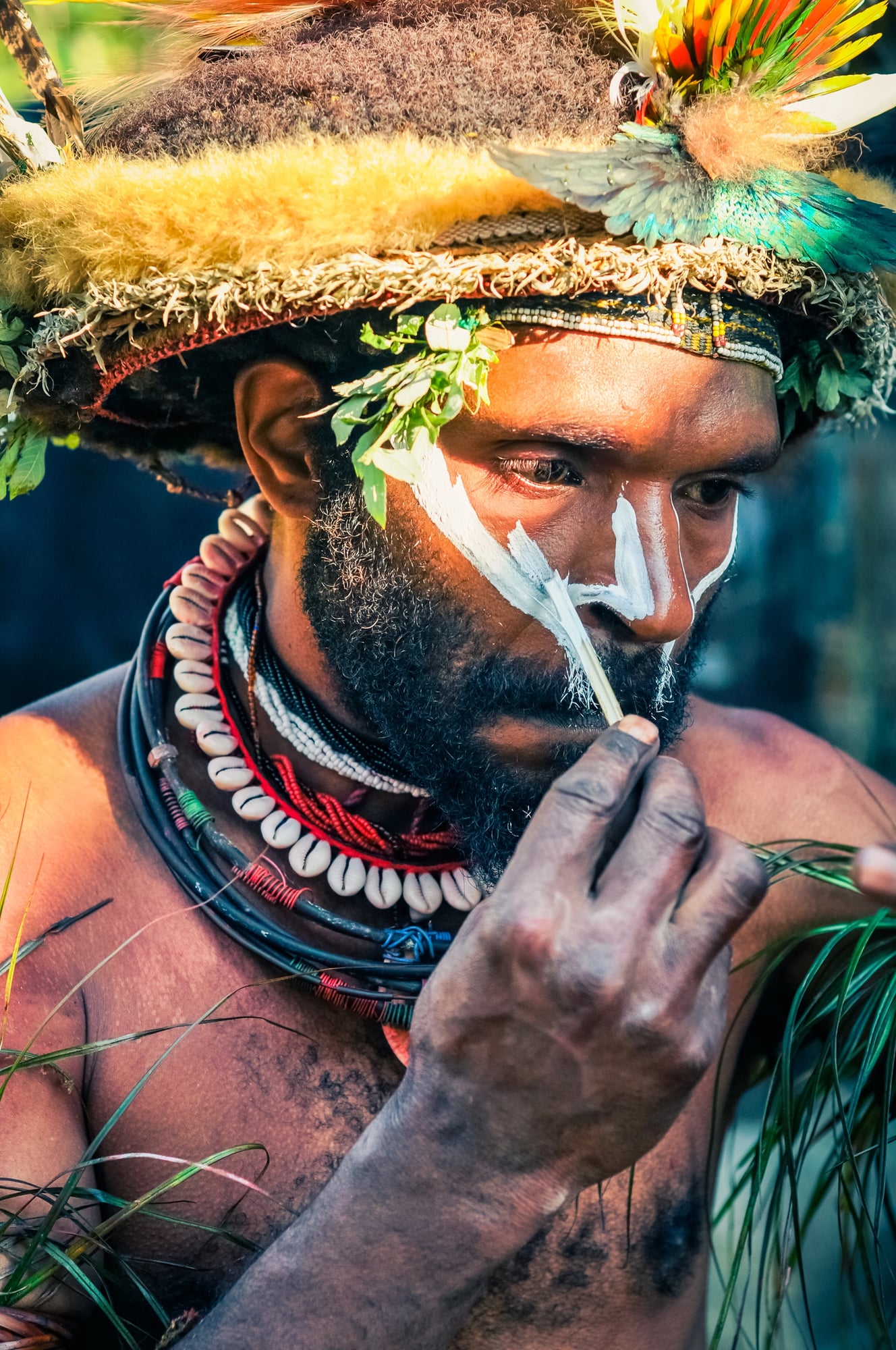
The Tagaeri tribe has violently defended their territory in the Ecuadorian Amazon from oil companies and loggers who want to exploit the resources in their forest. This group split from a larger tribe decades ago specifically to avoid contact with outsiders and has killed several people who entered their land without permission.
The tribe numbers somewhere between 100 and 300 people, though exact counts are impossible because they attack anyone who gets too close. They hunt with spears and blowguns, moving through the rainforest in small bands that communicate with each other through drum signals.
The Ecuadorian government created a protected zone for isolated tribes, but enforcement remains weak and invasions continue.
Huaorani isolated clans

Some Huaorani clans in Ecuador rejected contact even after other members of their tribe accepted relationships with missionaries and oil companies. These isolated groups, sometimes called the Tagaeri and Taromenane, continue to live as their ancestors did in the deep Amazon rainforest.
They’re known for their incredible skill with blowguns and poison darts, which they use to hunt monkeys and birds in the forest canopy. The isolated Huaorani have attacked loggers and oil workers who ventured into their territory, making it clear they want no part of modern civilization.
Their total population might be as low as 150 people spread across several nomadic groups.
Toromona people of Bolivia
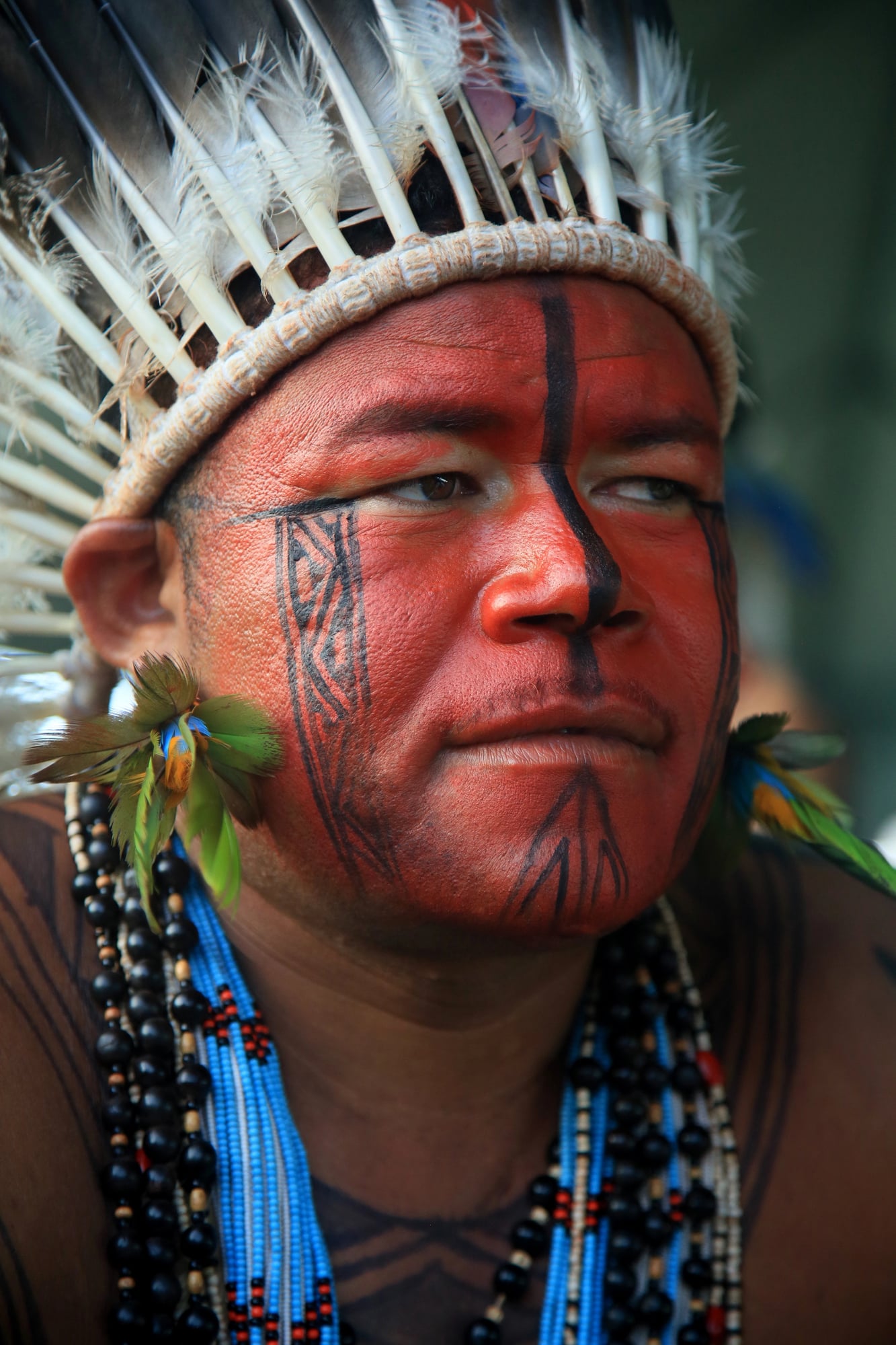
The Toromona tribe supposedly lives in the remote Madidi region of Bolivia, though their existence hasn’t been confirmed in modern times. Local indigenous groups and settlers have reported finding abandoned camps and evidence of people living deep in the jungle who avoid all contact.
Some anthropologists believe the Toromona might have been absorbed into other tribes or died out from diseases, while others think a small group still survives in unexplored areas. The Bolivian Amazon contains vast stretches of rainforest that have never been properly surveyed or documented.
Whether the Toromona still exist or not, the rumors of their presence have helped protect large areas of forest from development.
Yaifo people of Papua New Guinea

The Yaifo people had no contact with the outside world until 1993 when missionaries landed a helicopter in their remote mountain valley. Even after that initial contact, most of the roughly 400 tribe members continue to live in traditional ways with minimal outside influence.
They farm small gardens, hunt in the surrounding jungle, and maintain their own language and customs. The rugged terrain of Papua New Guinea keeps many tribes isolated simply because it’s too difficult and expensive for outsiders to reach them.
Some Yaifo villages still have never seen vehicles, electricity, or modern medicine.
Vale do Javari tribes

The Vale do Javari region of Brazil contains the highest concentration of isolated tribes in the entire world, with at least 16 different groups living without regular contact. This massive protected area covers about 33,000 square miles of dense Amazon rainforest along the border with Peru.
The tribes include the Matis, Kanamari, and several unnamed groups that have been spotted from aircraft but never contacted. Brazilian authorities strictly control access to the region to prevent diseases and conflicts that could devastate these populations.
Illegal fishermen, hunters, and drug traffickers still enter the area, creating dangerous situations for the isolated communities.
Jarawa People Andaman Islands
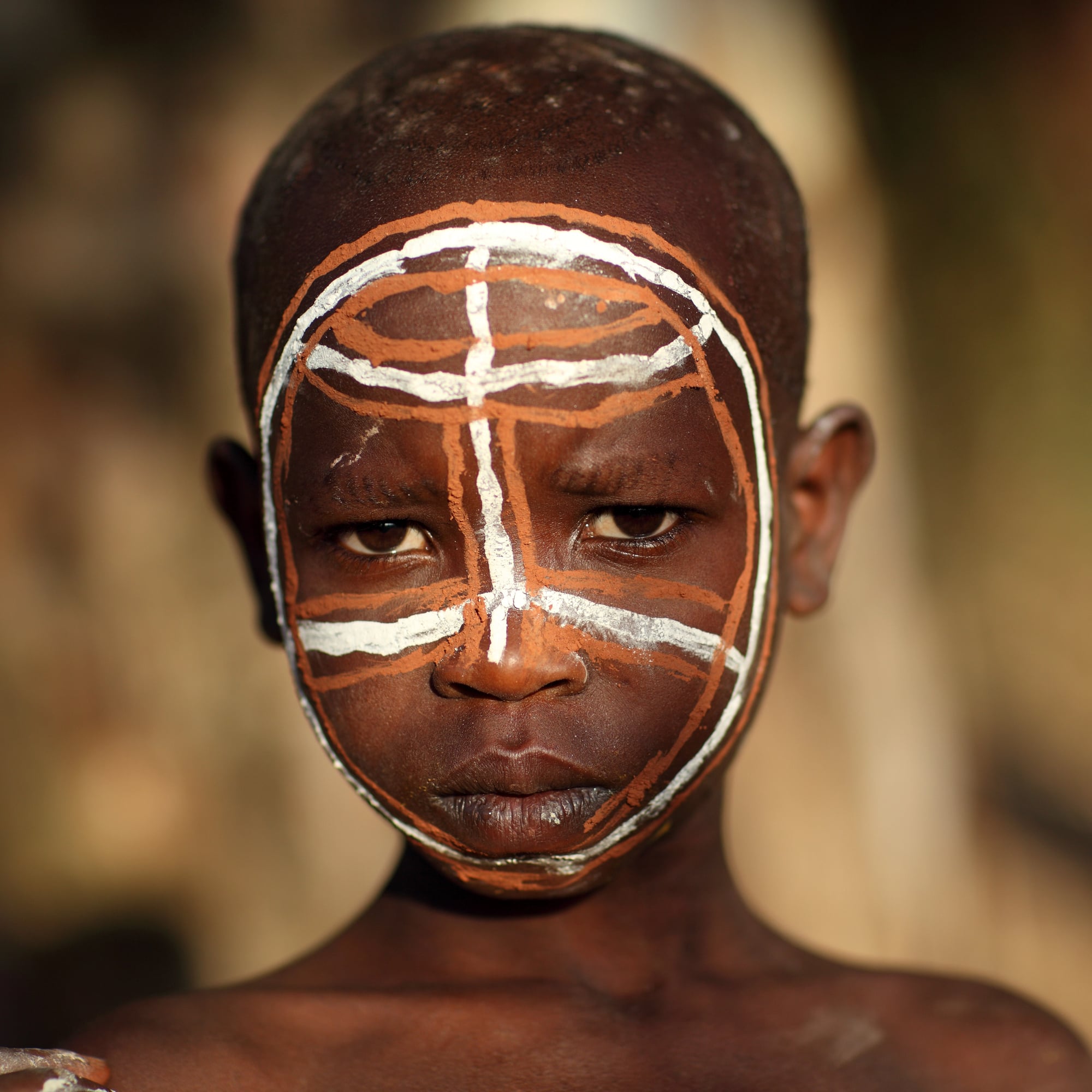
Only in the 1990s did the Jarawa people begin allowing small interactions, following years of resisting visitors. Around four hundred now reside within a safeguarded forest zone, continuing to rely on age-old ways of hunting and collecting plants.
Through their land runs a road that draws strangers eager to gawk, snapping pictures while tossing snacks from vehicles. Poachers creep in too, taking the game the tribe depends on, while new illnesses arrive carried by those who pass through.
Even so, much remains unchanged – speech, healing methods, how they organize life – all held close despite outside pressure.
Murunahua People of Peru

Deep in the jungle where Peru meets Brazil, a small group known as the Murunahua tries to survive. Contact started when outsiders arrived on purpose during the 1990s.
Loggers reached them, bringing sickness that swept through their communities. Many died because of it.
Left with little choice, those still alive moved farther into untouched woods. Today, experts think less than two hundred live far from any roads or towns.
Land meant to protect them exists now under official status in Peru. Yet enforcement is weak due to distance and hidden activities like timber theft and smuggling.
Some who once left their homes later went back – finding safety again among trees instead of threats beyond. Isolation became their way forward after everything.
Why isolation matters now

Out here, far from cities and roads, live communities whose lives mirror how all humans once lived long ago. Scientists learn much by watching how they adapt – how they heal using old plant wisdom, and survive without machines.
When outsiders take their forest homes or push them into towns, rare tongues vanish, secrets of jungle herbs disappear along with visions of life few get to see. It is not isolation that harms them; it is men with chainsaws, drills, cattle herds, who ignore boundaries others would honor.
Safeguarding these people also guards wild woods still breathing deep, holding vast life forms, locking away carbon we cannot afford to lose.
More from Go2Tutors!

- The Romanov Crown Jewels and Their Tragic Fate
- 13 Historical Mysteries That Science Still Can’t Solve
- Famous Hoaxes That Fooled the World for Years
- 15 Child Stars with Tragic Adult Lives
- 16 Famous Jewelry Pieces in History
Like Go2Tutors’s content? Follow us on MSN.



