Most Popular Set Jetting Locations for Film Fans
Every movie lover has felt it — that pull to visit the place where your favorite scene unfolded. Set jetting, the practice of traveling to film locations, has transformed from a niche hobby into a full-blown travel trend. Instead of simply watching stories happen on screen, fans are walking through them, standing where their favorite characters stood, seeing landscapes through the same lens that captured their imagination.
The rise of streaming platforms and social media has only intensified this desire. Now, a single iconic shot can inspire thousands of travelers to book flights within hours of a show’s release.
Tourism boards have caught on, creating dedicated film trails and promotional campaigns that celebrate their cinematic heritage. What started as curious fans taking detours has evolved into a legitimate travel category that’s reshaping how destinations market themselves.
New Zealand
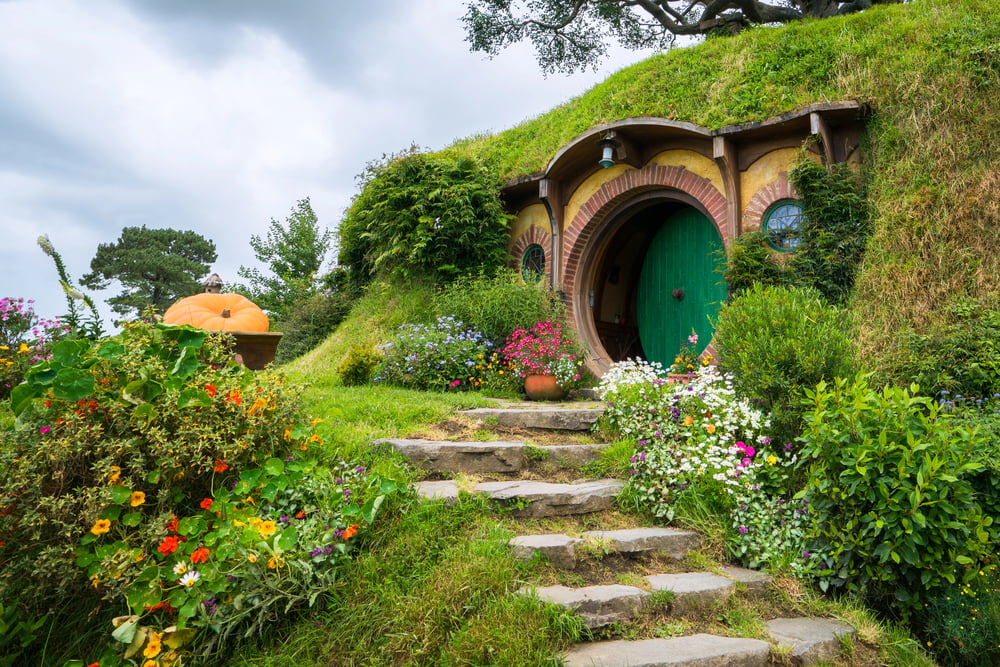
Peter Jackson’s Middle-earth didn’t just exist in studios — it sprawled across New Zealand’s most breathtaking landscapes. The Hobbiton Movie Set remains permanently constructed in Matamata, complete with hobbit pits and the Green Dragon Inn.
But the real magic happens when you venture beyond the maintained sets. Mount Cook stood in for the Lonely Mountain. The rolling hills of Canterbury became Rohan’s vast plains.
Every turn reveals another location where epic battles were fought or quiet character moments unfolded.
Scotland
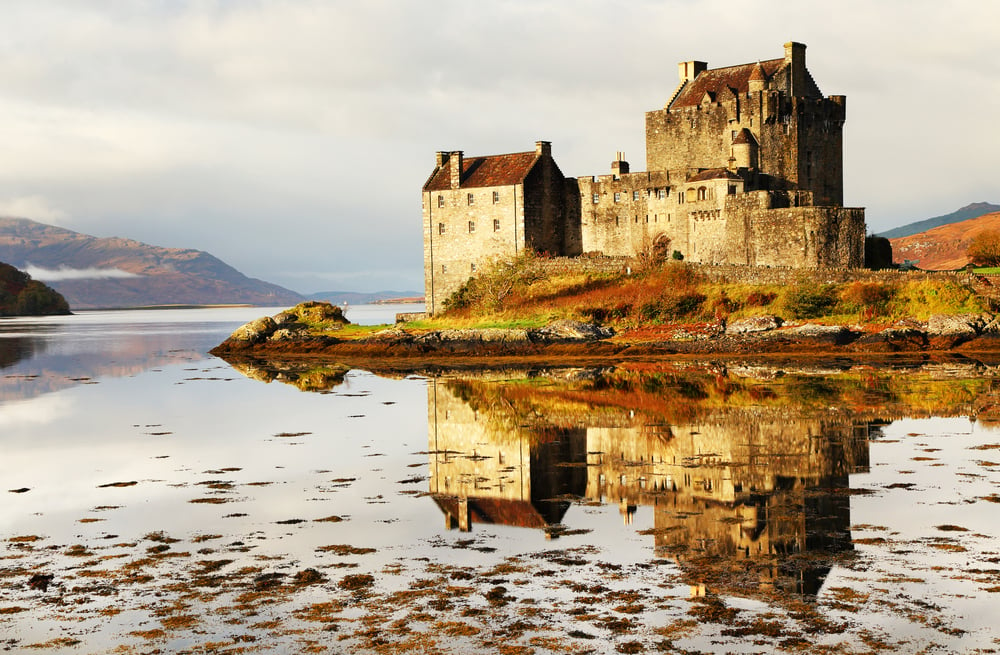
Scotland’s film credentials run deeper than most realize, and the landscapes deliver drama that no amount of CGI can replicate (though to be fair, when your countryside already looks like a fantasy novel, why bother with digital effects). Eilean Donan Castle has appeared in everything from “Highlander” to “The World Is Not Enough” — which is saying something about its photogenic reliability.
The Highlands have doubled for alien planets, medieval kingdoms, and war-torn battlefields with equal conviction. Turns out rugged terrain and moody weather patterns translate beautifully to any genre that needs an authentic atmosphere.
Iceland
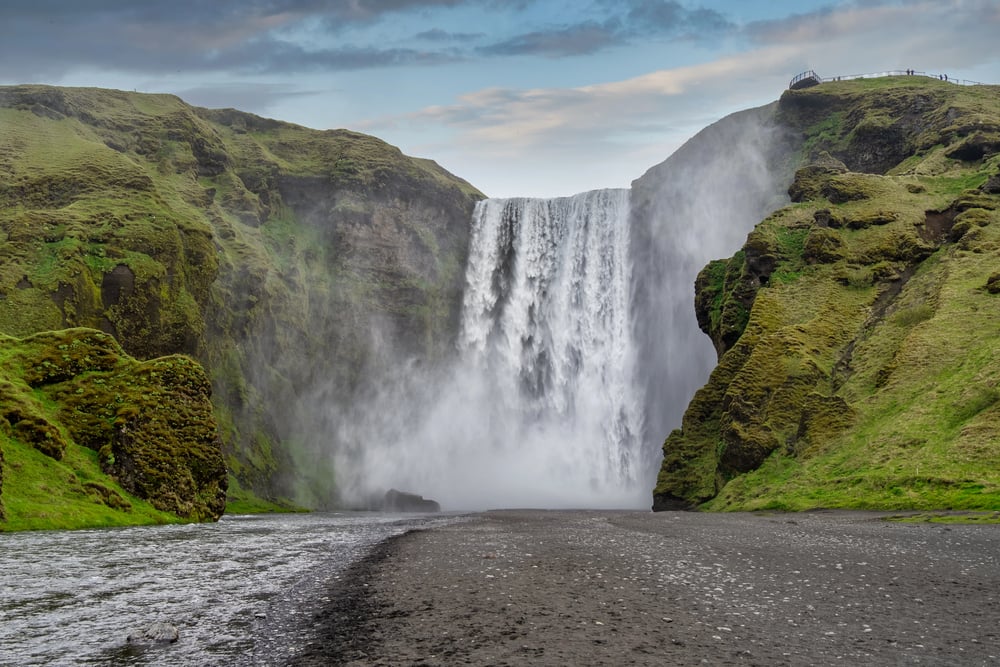
There’s something about Iceland that corrects every assumption about what landscapes should look like — the waterfalls seem too tall, the glaciers too blue, the volcanic fields too otherworldly to exist on the same planet as suburban shopping centers. And yet there it is, providing backdrops for productions that need to convince audiences they’re somewhere entirely different (or perhaps more accurately, somewhere entirely honest about how strange Earth actually is).
The country has become Hollywood’s go-to location when scripts call for alien worlds, post-apocalyptic wastelands, or fantasy realms that need to feel genuinely untouched. So “Game of Thrones,” “Interstellar,” and “The Secret Life of Walter Mitty” all found what they needed here: landscapes that don’t require explanation, just acceptance.
But here’s what strikes visitors most — Iceland doesn’t perform for cameras the way other destinations might. It simply exists, indifferent to whether anyone’s watching or not.
Ireland
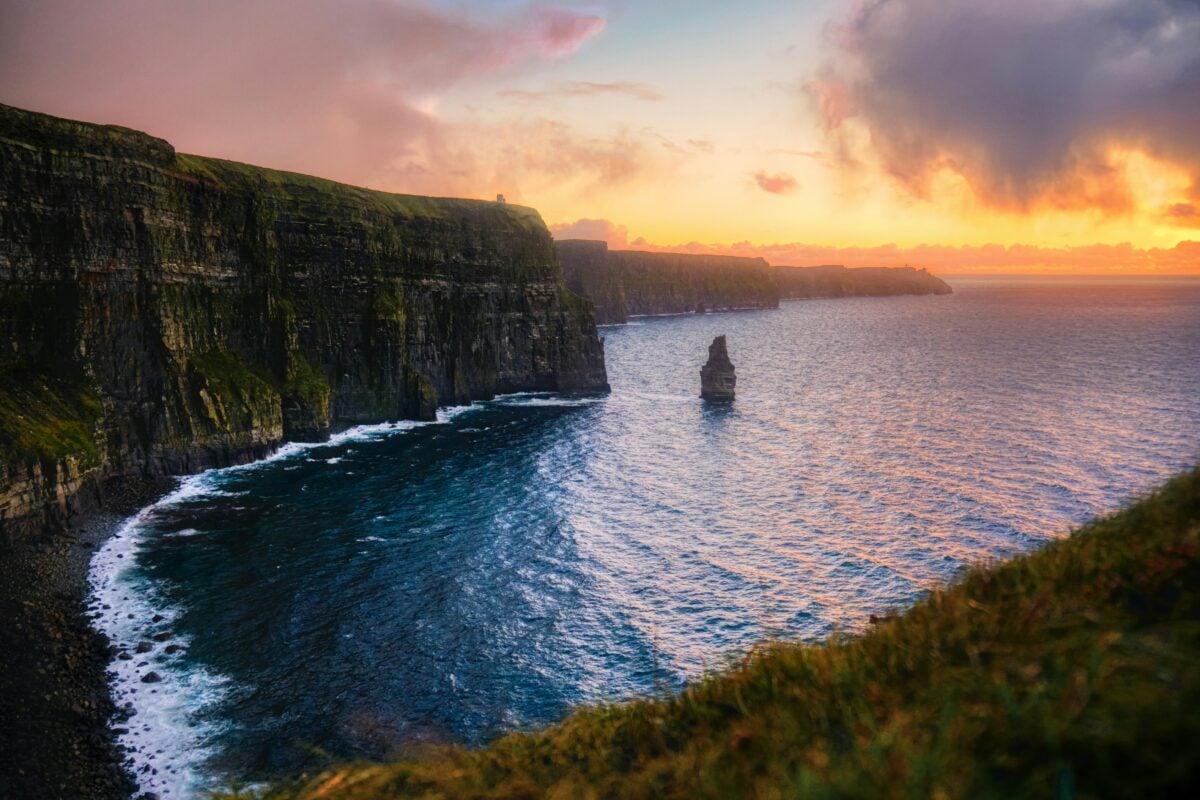
The Cliffs of Moher have been standing there for millions of years, and their dramatic landscape has attracted filmmakers. “Harry Potter” and other productions have filmed at this iconic location.
However, “The Princess Bride’s” famous Cliffs of Insanity scene was filmed in Northern Ireland (near the Magilligan Strand/Binevenagh area), not at the Cliffs of Moher in County Clare. Irish film tourism works because the country photographs exactly like the romantic ideal of itself, which creates this strange situation where reality keeps matching the fantasy.
The countryside looks like what people expect the Irish countryside to look like, which means every establishing shot feels both authentic and somehow too perfect. Fair enough — not every country gets to be its own best marketing campaign.
Norway
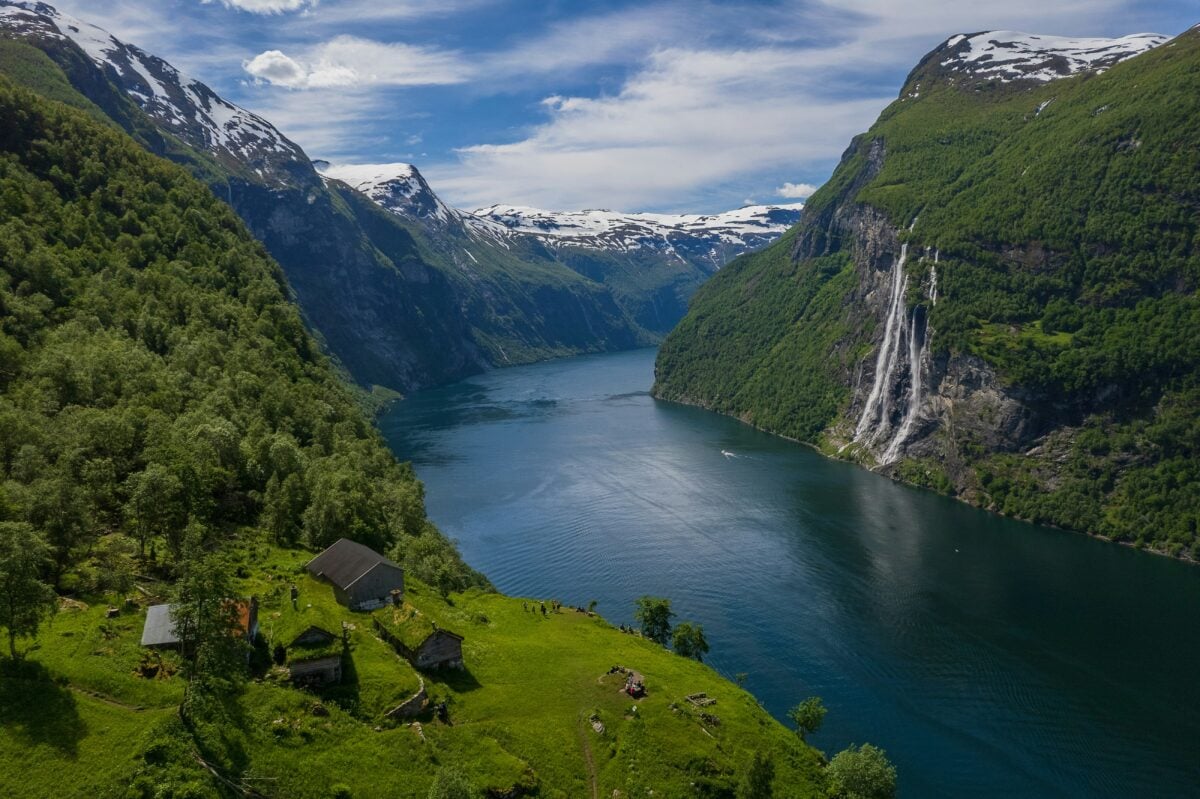
Norway’s fjords carve through mountains with the kind of geometric precision that makes you wonder if glaciers were actually cosmic architects working on a scale humans weren’t meant to comprehend. The Geirangerfjord and Nærøyfjord appear in everything from Marvel movies to Disney animations, and for good reason — water that deep and cliffs that vertical create compositions that feel both ancient and futuristic at the same time.
And then there’s the matter of the light, which behaves differently here than anywhere else (the midnight sun in summer, the aurora borealis in winter, and during the brief transitions between seasons, this golden quality that makes ordinary moments look like they’re being shot through a filter that doesn’t actually exist). So when “Ex Machina” needed a location that felt isolated enough for artificial intelligence experiments, or when “Frozen” required landscapes that could believably inspire animated fairy tales, Norway delivered that particular combination of beauty and remoteness that few places can match.
Japan
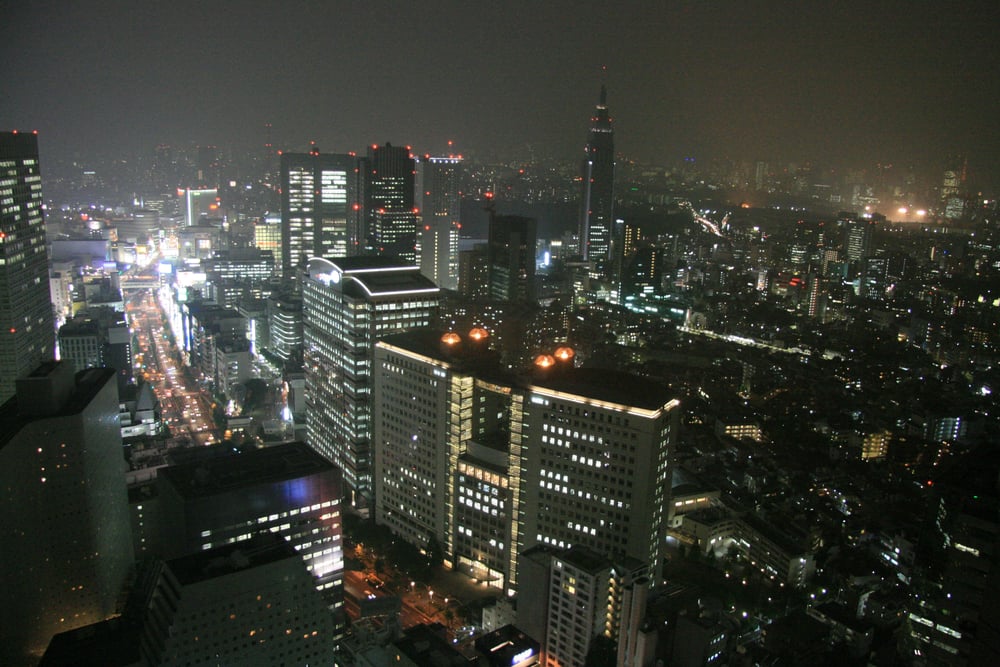
Japanese locations don’t just appear in films — they become characters themselves. Tokyo’s neon-soaked streets have provided the visual language for countless cyberpunk futures, while Kyoto’s temples offer a version of serenity that feels almost architectural in its precision.
“Lost in Translation” made the Park Hyatt Tokyo as famous as any of its stars. The film’s quiet observations about isolation in a foreign culture turned specific locations — a karaoke booth, a hotel bar, busy crosswalks — into pilgrimage sites.
Even the most mundane spaces gained significance through Sofia Coppola’s lens.
Croatia
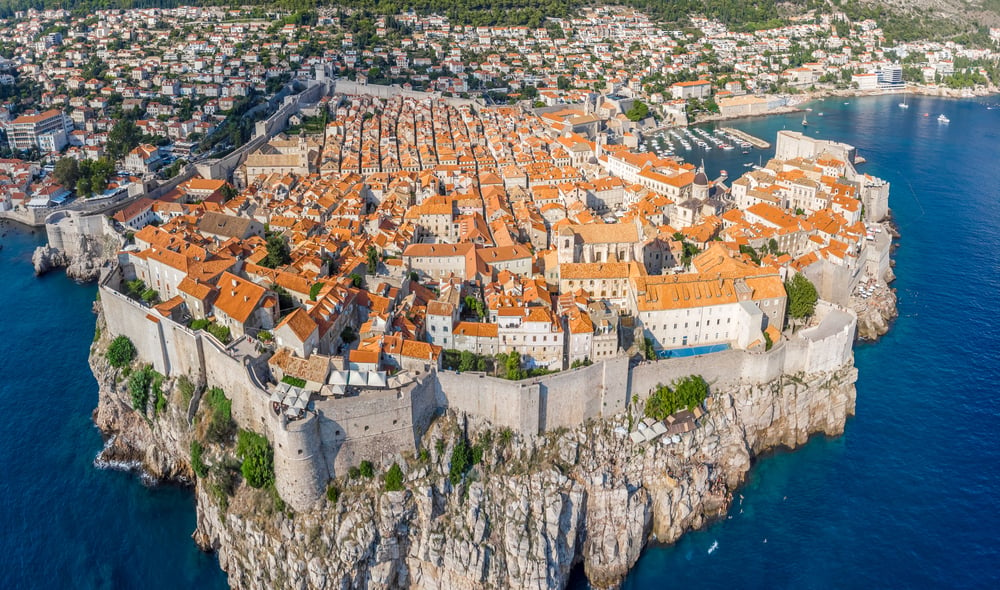
Dubrovnik transforms into King’s Landing so convincingly that “Game of Thrones” fans now outnumber regular tourists during peak season. The medieval walls, limestone streets, and Adriatic backdrop created the visual foundation for Westeros’s capital.
Croatia offers something unique in film tourism: locations that enhance their source material rather than simply hosting it. The country’s coastline and historic architecture don’t just stand in for fictional places — they improve them.
Morocco
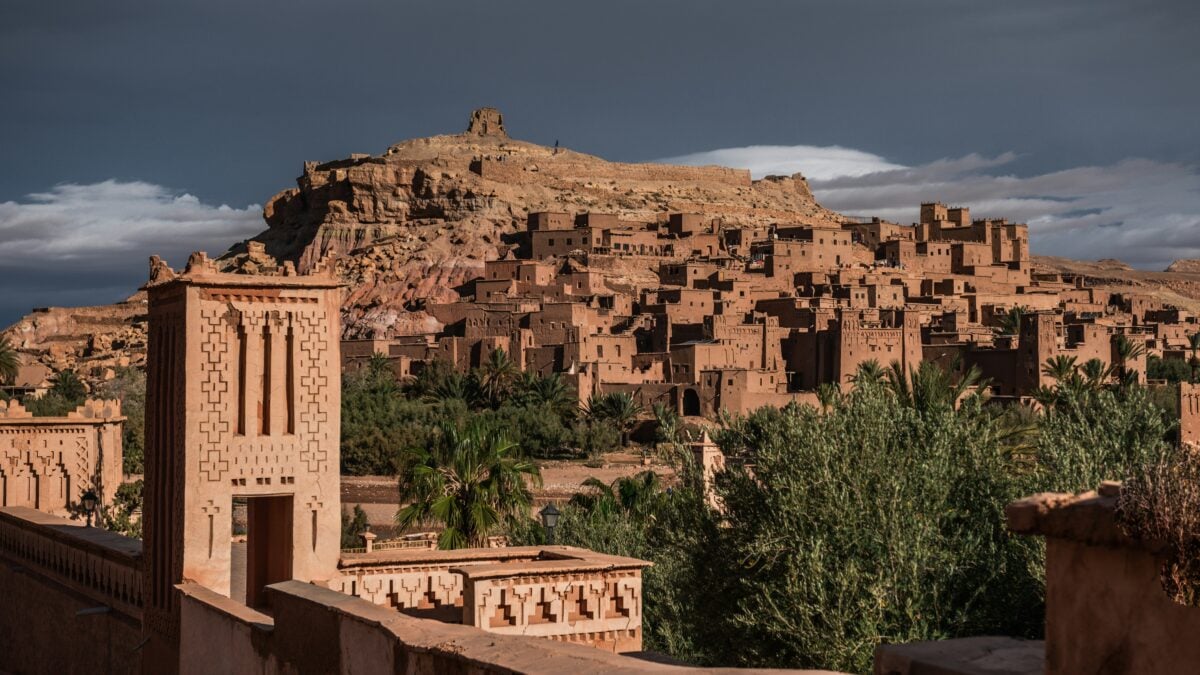
Morocco’s medinas, kasbahs, and desert landscapes have doubled for everywhere from biblical Jerusalem to distant planets, and the country has developed a film infrastructure that can support major productions while maintaining its authentic character (which explains why everyone from David Lean to Christopher Nolan keeps coming back, despite the logistical challenges that come with shooting in places where the nearest equipment rental house might be several countries away).
Ouarzazate has earned the nickname “Hollywood of Africa” by hosting productions that need convincing ancient cities, exotic markets, or otherworldly desert vistas. And the thing about Moroccan locations is that they photograph with this particular quality of light — something about the latitude and the way the sun hits the Atlas Mountains — that makes even simple scenes feel epic in scope.
So when “Lawrence of Arabia” needed landscapes that could match the scale of its storytelling, or when “Gladiator” required backdrops that felt appropriately mythic, Morocco provided settings that elevated the material rather than just accommodating it.
Italy
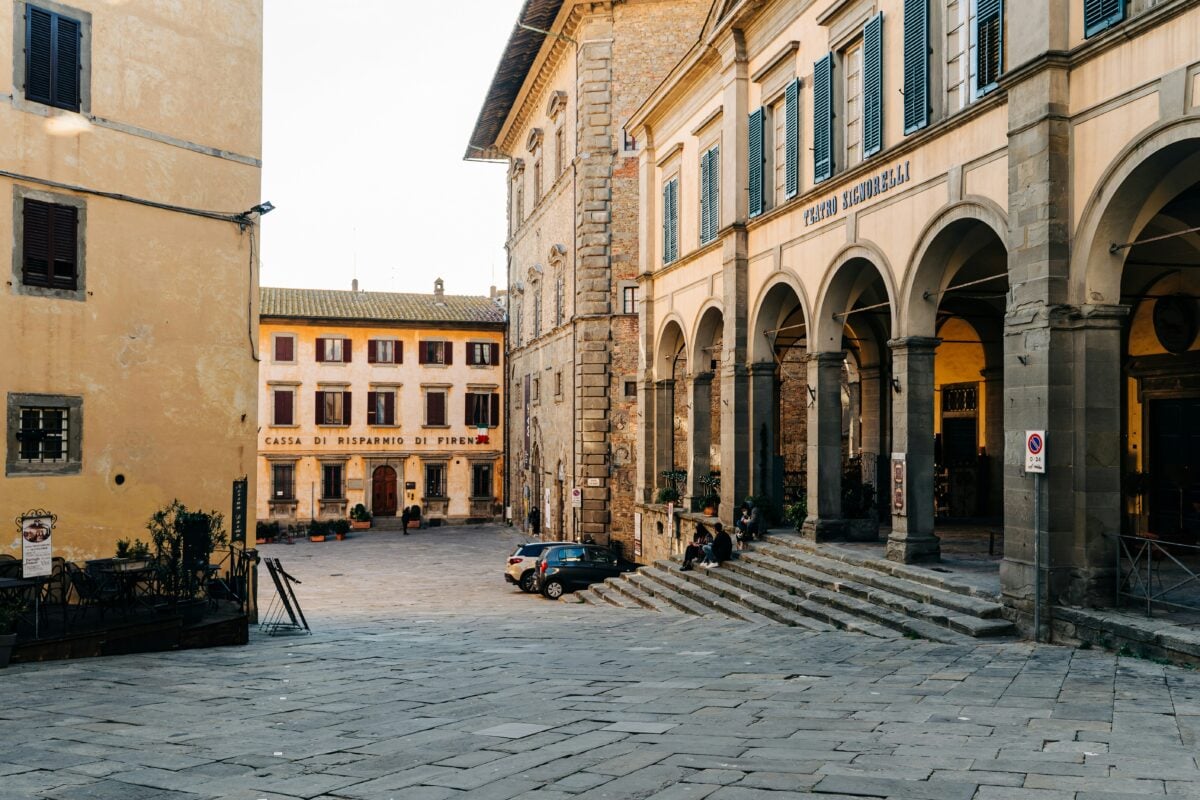
The Italian countryside operates under different aesthetic rules than the rest of the world — every hillside villa looks like it was positioned by Renaissance painters, every coastal town appears to have been arranged for maximum photogenic impact. Tuscany and the Amalfi Coast don’t just attract filmmakers; they spoil them with compositions that require no improvement.
“Under the Tuscan Sun” turned Cortona into a destination for travelers seeking transformation through landscape. The film’s premise — that changing your scenery can change your life — found its perfect setting in a region where beauty feels effortless and abundant.
But Italy’s film locations work because they offer something beyond mere prettiness. The layers of history visible in every frame provide depth that new constructions can’t match.
When “The Talented Mr. Ripley” needed settings that could embody both luxury and decay, Italian coastal towns delivered exactly that complexity.
Greece
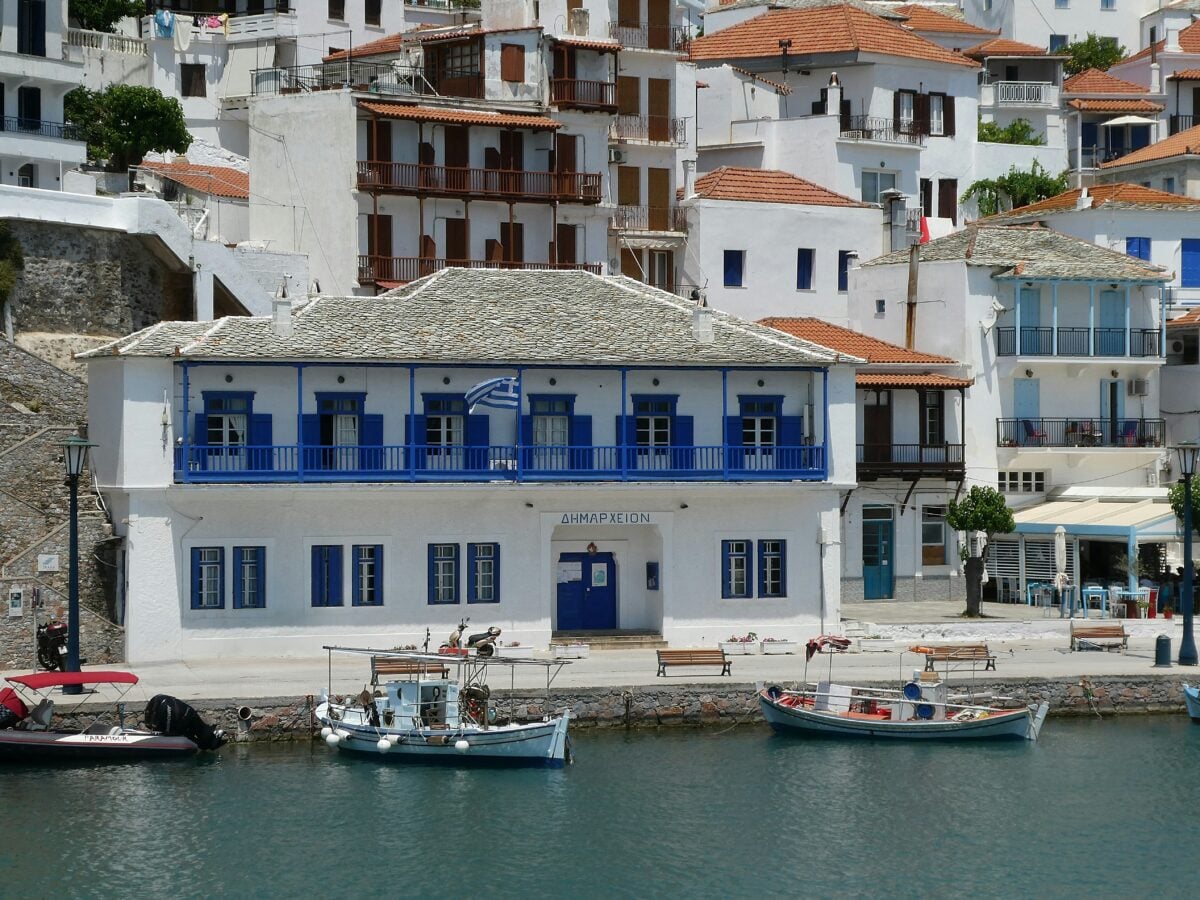
The Greek islands have been playing themselves in movies for decades, but “Mamma Mia!” turned Skopelos into something approaching a musical pilgrimage site. The film’s celebration of island life — complete with clifftop churches and impossibly blue waters — created a tourism boom that shows no signs of slowing.
Greek film locations succeed because they deliver on promises that marketing campaigns can rarely keep. The light really is that golden.
The water really is that clear. The white-washed buildings really do create that perfect contrast against deep blue skies.
United Kingdom
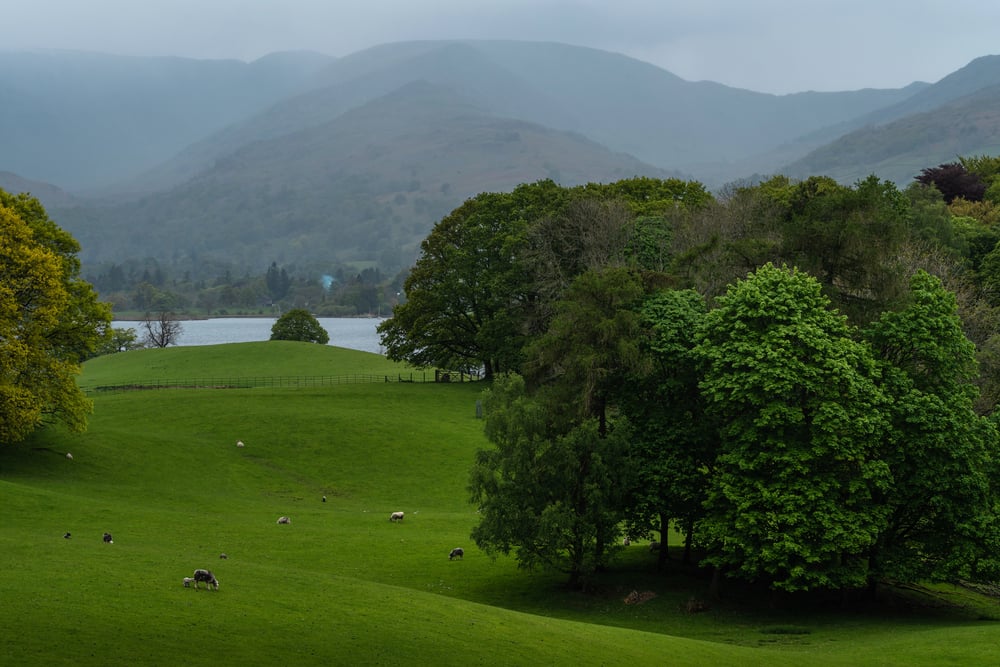
Britain’s film heritage runs so deep that entire regions have become synonymous with specific genres — the Lake District means period dramas, Yorkshire Dales suggest cozy mysteries, the Scottish Highlands promise adventure epics. And then there’s London, which has played every version of itself from Dickensian fog-shrouded streets to sleek modern spy thrillers, often within the same production.
The Harry Potter locations alone generate massive tourism: Platform 9¾ at King’s Cross Station, the real Diagon Alley filming locations in Leadenhall Market, and Alnwick Castle’s transformation into Hogwarts. But what makes British film tourism particularly interesting is how it layers different eras of cinema history — you can visit Highclere Castle from “Downton Abbey” in the morning and James Bond’s London haunts in the afternoon.
So the country offers something unique among film destinations: the ability to trace the evolution of cinema itself through locations that have hosted productions from different decades (which explains why film studies programs regularly organize trips here, and why British locations feel familiar even to first-time visitors).
India
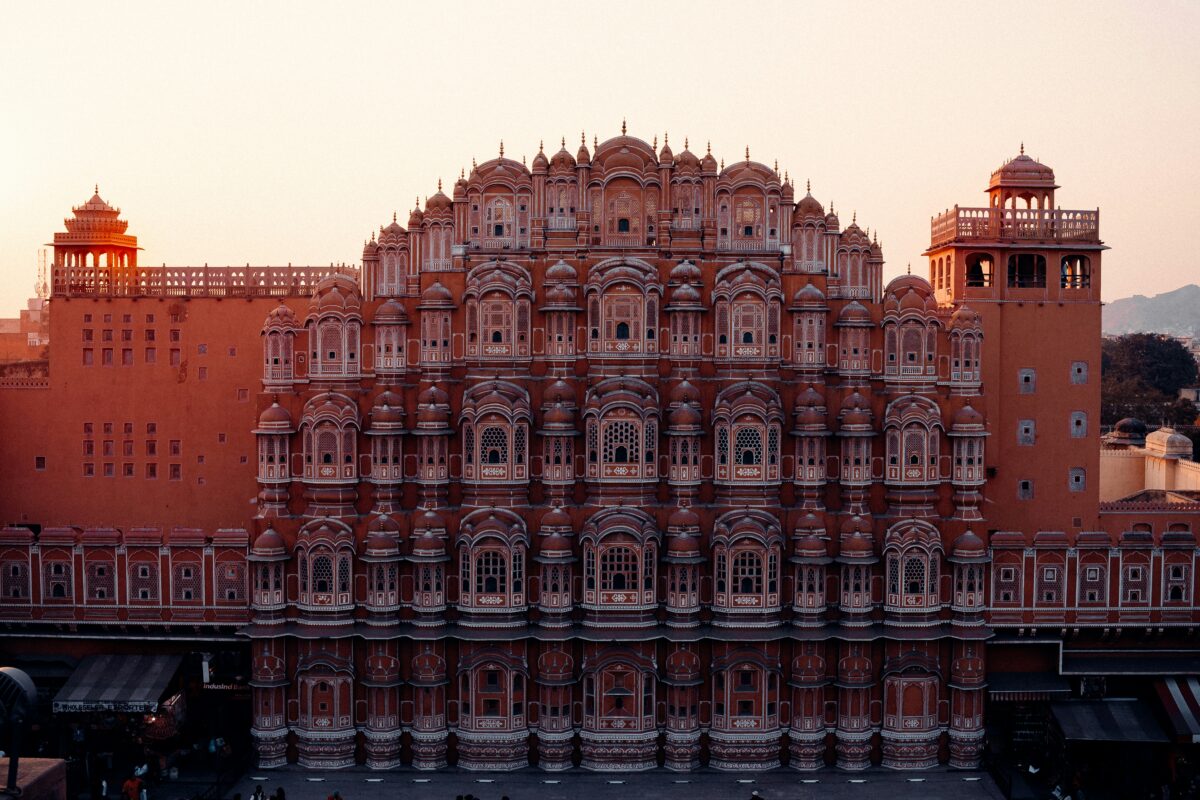
Rajasthan’s palaces and forts have provided backdrops for everything from “The Best Exotic Marigold Hotel” to “The Dark Knight Rises,” but Indian film tourism extends far beyond Bollywood’s traditional strongholds. The country’s diversity means filmmakers can find virtually any setting they need without leaving its borders.
Kerala’s backwaters, Goa’s beaches, and the Himalayas’ mountain villages each offer distinct visual languages that have attracted international productions. India’s film locations work because they provide authentic cultural immersion alongside cinematic beauty.
Canada
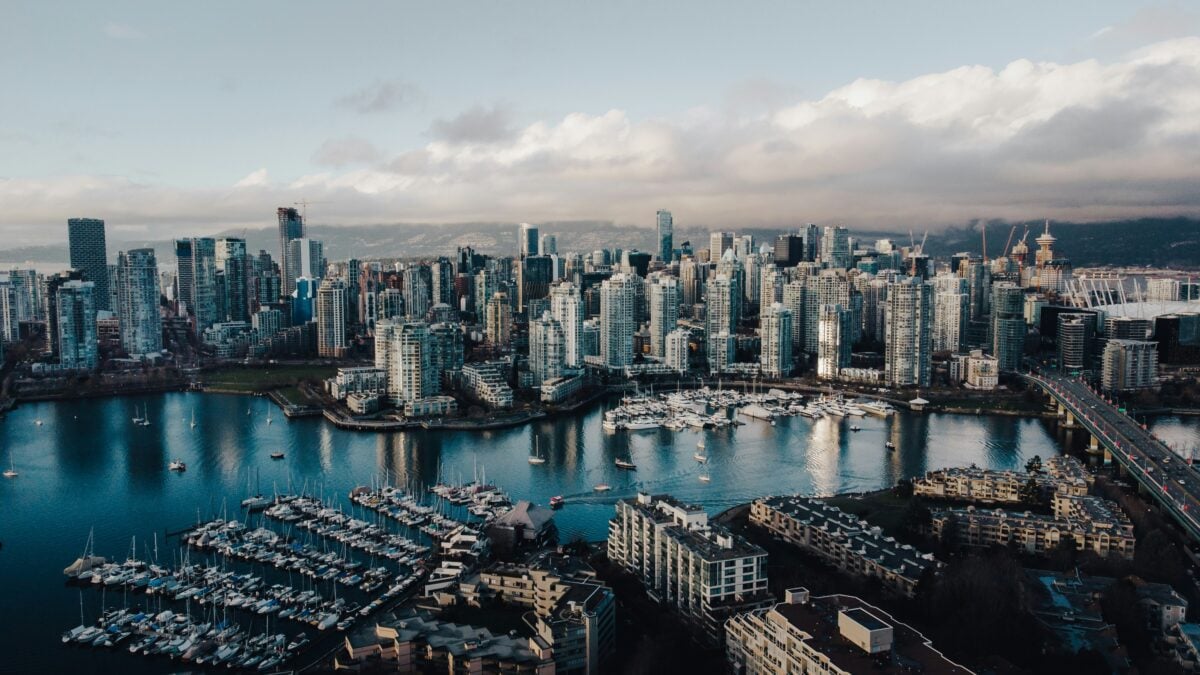
Canadian locations have mastered the art of doubling for other places while maintaining their own distinct character. Vancouver regularly transforms into American cities for television productions, while the Canadian Rockies provide wilderness settings that feel both accessible and genuinely wild.
“The Revenant” showcased Alberta’s brutal beauty, creating tourism interest in landscapes that most people experience only through survival stories. Canada’s film locations offer something increasingly rare: vast spaces that still feel untouched by mass tourism.
Your Next Adventure Awaits
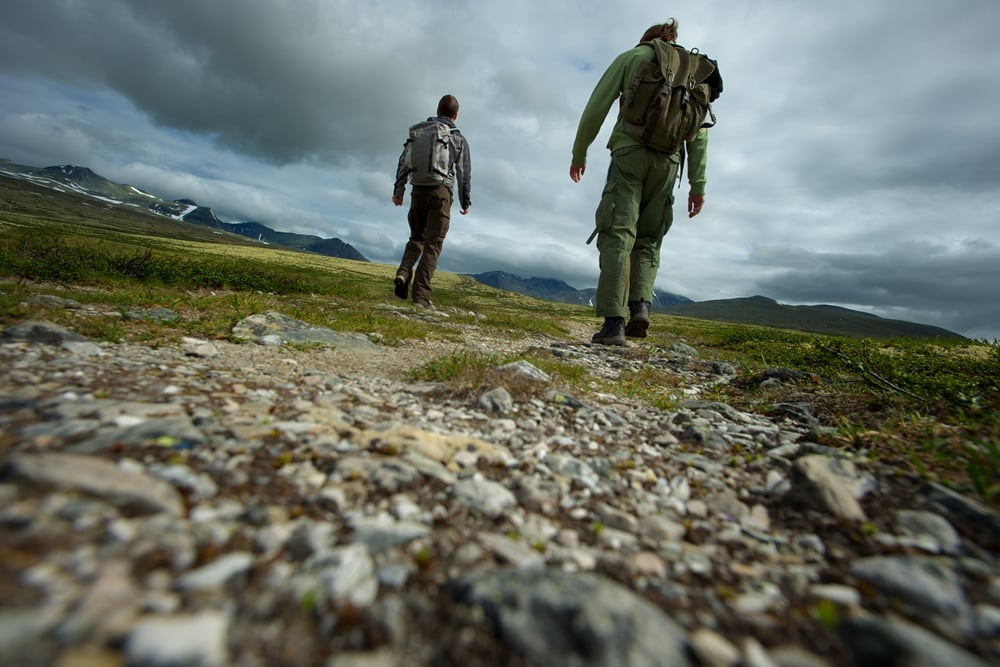
Film tourism represents more than just visiting pretty places that happened to host cameras. These locations succeed because they tap into something deeper than mere recognition — they offer the chance to step inside stories that shaped how we see the world.
Whether that means walking through hobbit pits in New Zealand or standing on Croatian walls that became King’s Landing, these destinations prove that sometimes the most meaningful travel happens when we let our favorite stories guide the way.
More from Go2Tutors!

- The Romanov Crown Jewels and Their Tragic Fate
- 13 Historical Mysteries That Science Still Can’t Solve
- Famous Hoaxes That Fooled the World for Years
- 15 Child Stars with Tragic Adult Lives
- 16 Famous Jewelry Pieces in History
Like Go2Tutors’s content? Follow us on MSN.