Most Venomous Snakes Ranked
Venom is a weapon refined over millions of years of evolution. Snakes developed it to immobilize prey and defend against threats, and some species perfected toxins so powerful that a single bite can kill within minutes.
Measuring venom potency involves testing it on mice to determine the LD50—the dose that kills half the test subjects. The smaller the LD50 number, the more deadly the venom.
These rankings focus on the snakes with the most toxic venom, though other factors like aggression and fang length also matter when considering actual danger to humans.
Inland Taipan Holds the Top Spot
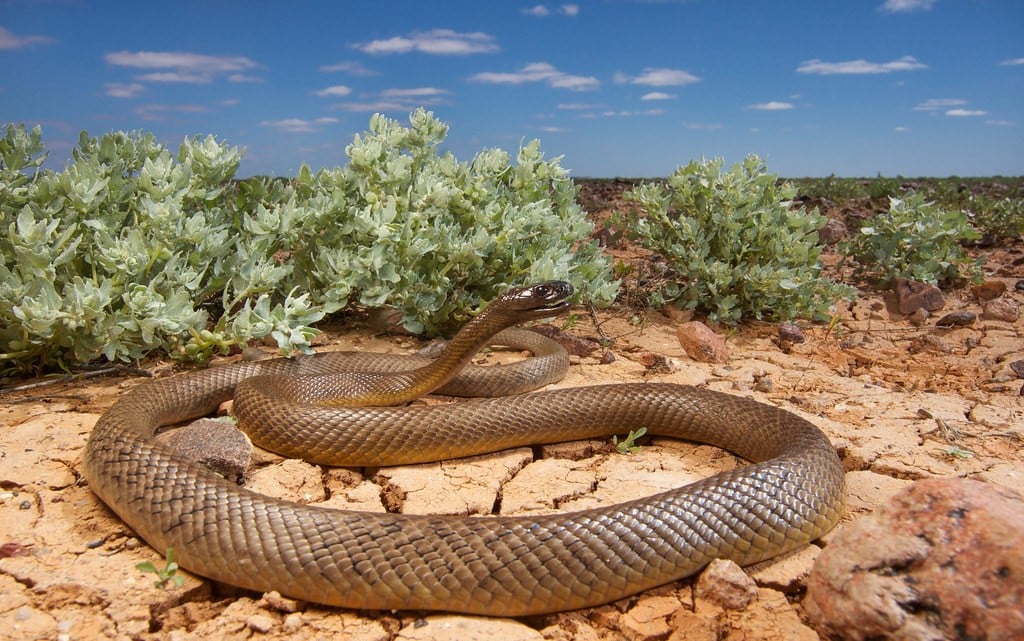
The inland taipan produces the most toxic venom of any land snake on Earth. One bite contains enough venom to kill 100 adult humans or 250,000 mice.
The LD50 of its venom measures 0.025 mg per kilogram, making it roughly 50 times more venomous than a cobra and 10 times more venomous than a rattlesnake. This Australian snake lives in remote desert regions of Queensland and South Australia, far from human populations.
Its venom contains a complex mixture of neurotoxins, hemotoxins, and myotoxins that attack the nervous system, blood cells, and muscles simultaneously. The toxins work so efficiently that prey dies within seconds.
Despite its incredible venom potency, the inland taipan has never killed a recorded human. The snake is shy and avoids confrontation.
When encountered, it typically flees rather than strikes. All documented bite victims survived thanks to antivenom treatment.
The snake’s remote habitat and calm temperament keep it away from people, making it dangerous in theory but rarely in practice.
Eastern Brown Snake Causes Most Deaths
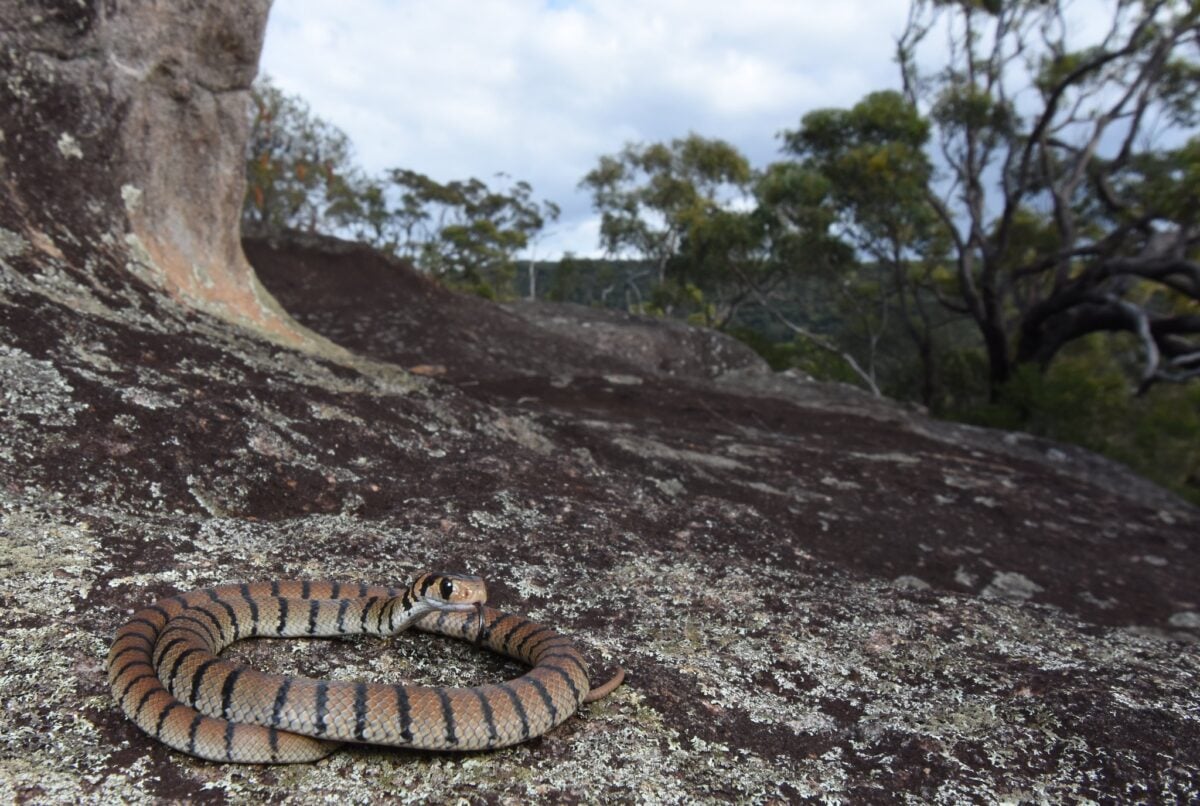
Australia’s eastern brown snake ranks second in venom toxicity but first in human fatalities. The snake lives near populated areas along the eastern coast, bringing it into regular contact with people.
Its aggression when cornered and lightning-fast strikes make it responsible for more deaths than any other snake in Australia. The venom contains potent neurotoxins and coagulants that prevent blood clotting while simultaneously causing massive internal damage.
Victims experience paralysis, kidney failure, and cardiac arrest. Without treatment, death can occur within hours. The snake injects less venom per bite than the inland taipan, but the amount still proves lethal in most untreated cases.
Eastern browns often enter homes, farms, and suburban areas searching for mice and other prey. They’re fast, alert, and quick to defend themselves if they feel threatened.
The combination of toxic venom, aggressive defense, and proximity to humans makes this snake genuinely dangerous despite not having the absolute most potent venom.
Coastal Taipan Lives Near Humans

The coastal taipan ranks just behind its inland cousin in venom potency but poses a greater threat due to its habitat. This snake inhabits northern and eastern Australia, including areas near cities and towns.
Before antivenom became available in 1956, coastal taipan bites were almost always fatal. A single bite can deliver up to 120 mg of venom, far more than needed to kill a human.
The toxins attack the nervous system and blood, causing paralysis and massive internal hemorrhaging. Early symptoms include headaches, nausea, and vomiting, followed quickly by more severe effects like difficulty breathing and muscle paralysis.
Coastal taipans grow up to 10 feet long, making them among the largest venomous snakes in Australia. They’re alert and nervous, likely to bite if surprised or cornered.
The snake’s speed and reach mean it can strike from a considerable distance. Modern antivenom saves lives, but the coastal taipan remains one of the most medically significant snakes in the world.
King Cobra Commands Respect

The king cobra holds the title of world’s longest venomous snake, reaching lengths over 18 feet. While its venom isn’t the most toxic drop-for-drop, a single bite delivers enormous quantities—up to 7 milliliters in a defensive bite.
That volume contains enough toxins to kill an elephant or 20 people. The venom consists primarily of neurotoxins that cause respiratory failure and cardiac arrest.
Symptoms progress rapidly, with death occurring within 30 minutes to a few hours without treatment. The snake can control its venom delivery, sometimes giving “dry bites” with no venom injection, though it rarely shows such mercy when genuinely threatened.
King cobras inhabit forests across South and Southeast Asia. Unlike most snakes, they build nests and guard their eggs aggressively.
A protective king cobra will chase intruders for considerable distances. The snake can raise a third of its body off the ground while spreading its iconic hood, creating an intimidating display before striking.
Its size, venom volume, and aggression when defending territory make it one of the most dangerous snakes despite not having the most potent toxin.
Black Mamba Strikes with Speed
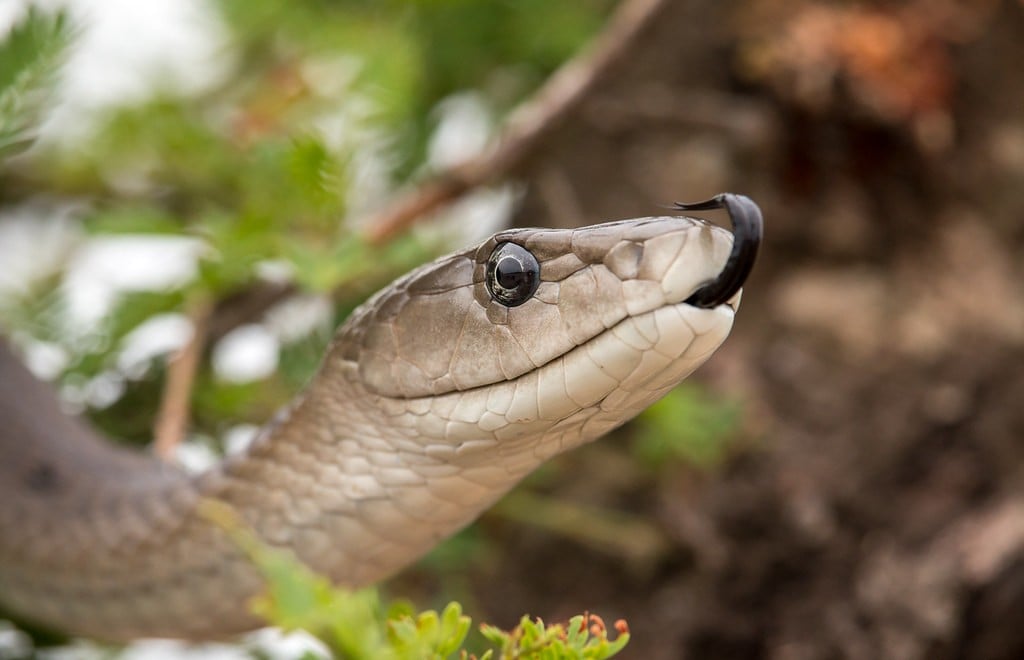
Africa’s black mamba is named for the inky black color inside its mouth, which it displays as a warning before striking. The snake moves at speeds up to 12 miles per hour, making it the fastest snake on land.
Combined with potent neurotoxic venom, this speed makes the black mamba extraordinarily dangerous. Two drops of venom can kill a human.
A typical bite injects 100-120 mg, providing multiple lethal doses. The toxins cause symptoms within 10 minutes, including blurred vision, difficulty breathing, and paralysis.
Without antivenom, the mortality rate approaches 100%, with death occurring in as little as 30 minutes for severe bites. Black mambas grow over 14 feet long and live in rocky areas and trees throughout sub-Saharan Africa.
They’re nervous and alert, quick to flee when given the chance. But when cornered or surprised, they defend themselves aggressively with multiple rapid strikes.
The snake’s reputation, speed, potent venom, and proximity to rural African populations make it one of the continent’s most feared reptiles.
Tiger Snake Hunts Tasmania

Tiger snakes inhabit southern Australia and Tasmania, thriving in cooler climates than most venomous snakes tolerate. The venom contains powerful neurotoxins, coagulants, and myotoxins that cause paralysis, kidney damage, and muscle destruction.
Untreated bites prove fatal in 40-60% of cases. These snakes get their name from the yellow and black banding some populations display, though not all tiger snakes show this pattern.
They’re adaptable hunters that eat frogs, lizards, birds, and small mammals. The snakes often live near water sources where prey concentrates, bringing them into contact with humans who use the same areas.
Tiger snakes generally try to escape rather than fight, but they defend themselves vigorously when threatened. They flatten their bodies and strike repeatedly if escape isn’t possible.
The development of antivenom reduced fatalities significantly, though tiger snake bites still represent a serious medical emergency requiring immediate treatment.
Philippine Cobra Spits Venom
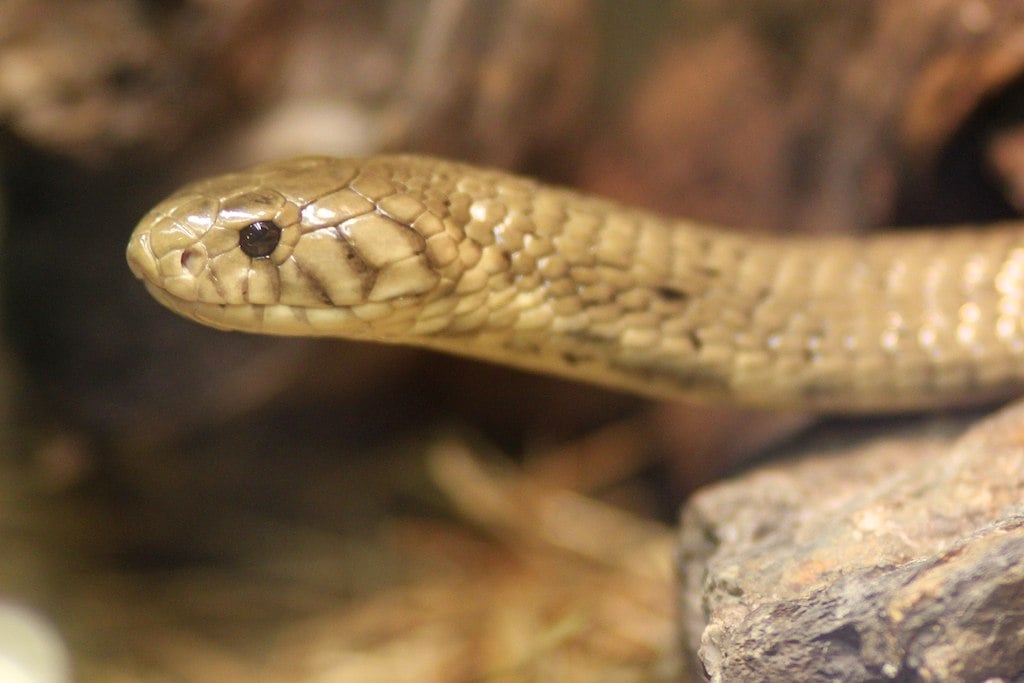
Most cobra species deliver venom through biting, but the Philippine cobra can spit venom accurately at targets up to 10 feet away. The venom targets the eyes, causing intense pain and potential blindness.
When biting, the cobra injects highly neurotoxic venom that causes respiratory failure faster than almost any other cobra species. The venom’s effects appear within minutes rather than hours.
Victims experience difficulty breathing, blurred vision, and muscle paralysis. The rapid onset leaves little time for treatment, and death can occur within 30 minutes.
The LD50 ranking places Philippine cobra venom among the most toxic of all cobra species. These snakes live throughout the northern Philippines in agricultural areas, grasslands, and forests.
They’re alert and aggressive when threatened, readily spitting or biting depending on the situation. The combination of range, venom toxicity, and defensive behavior makes this cobra particularly dangerous to the rural populations who share its habitat.
Death Adder Ambushes Prey
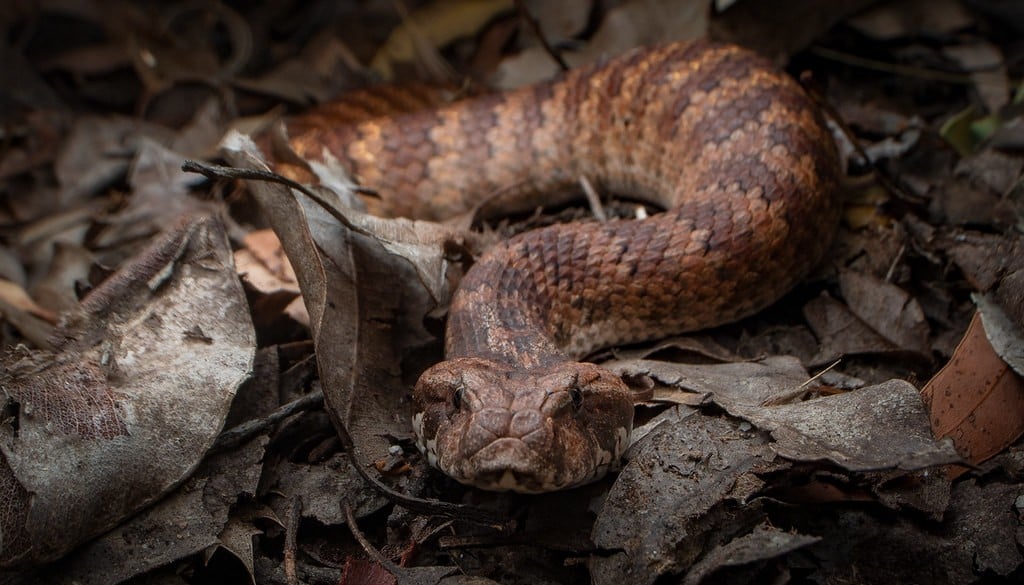
Australia’s death adder earned its grim name through high fatality rates before antivenom became available. The snake has the longest fangs of any Australian venomous snake, sometimes exceeding half an inch.
These fangs inject venom deep into tissue, delivering neurotoxins and myotoxins efficiently. Death adders hunt by ambush rather than active pursuit.
They hide under leaves and debris, wiggling their tail tips to lure prey close before striking with incredible speed. This hunting strategy means they don’t flee when humans approach—they stay hidden and motionless, increasing the risk of accidental encounters.
The venom causes progressive paralysis starting with drooping eyelids and difficulty swallowing. Without treatment, respiratory paralysis leads to death within six hours.
The snake’s camouflage, ambush tactics, and willingness to remain in place rather than flee make it particularly dangerous to anyone walking through its habitat.
Saw-Scaled Viper Kills More People

The saw-scaled viper may not have the most toxic venom on this list, but it kills more people annually than almost any other snake. These small vipers live across Africa, the Middle East, and Asia in areas with high human populations.
They’re aggressive, numerous, and quick to strike when disturbed. The venom contains hemotoxins that destroy blood vessels and prevent clotting.
Victims experience severe pain, swelling, and extensive internal and external hemorrhaging from the bite site and other areas. The venom causes multiple organ failure if untreated.
The snake’s small size means it injects less venom than larger species, but the amount still proves lethal without prompt treatment. Saw-scaled vipers get their name from the rasping sound they make by rubbing specialized scales together when threatened.
This sound serves as a warning, but the snakes often strike before people register the danger. Their nocturnal habits mean they’re active when people sleep on the ground or walk without light.
The combination of potent hemotoxic venom, aggressive defense, and proximity to humans makes this small viper incredibly deadly.
Banded Krait Hunts at Night

The banded krait produces venom 16 times more toxic than cobra venom, containing powerful neurotoxins that cause respiratory failure. The snake is docile during the day, rarely biting even when handled.
At night, its personality changes completely. Nocturnal kraits become aggressive and bite with little provocation.
Krait bites are often painless initially, leading victims to underestimate their danger. The venom acts slowly, with serious symptoms developing hours after the bite.
Victims experience abdominal pain, paralysis, and eventual respiratory failure. The delayed onset meant many historical victims didn’t seek treatment until too late.
These snakes live across the Indian subcontinent and Southeast Asia. Their habit of entering houses at night to hunt rodents brings them into sleeping areas where people lie on floors.
Many bites occur when people roll onto kraits during sleep. The combination of potent venom and this risky behavior pattern makes kraits responsible for thousands of deaths annually despite their daytime docility.
Blue Krait Tops Krait Toxicity
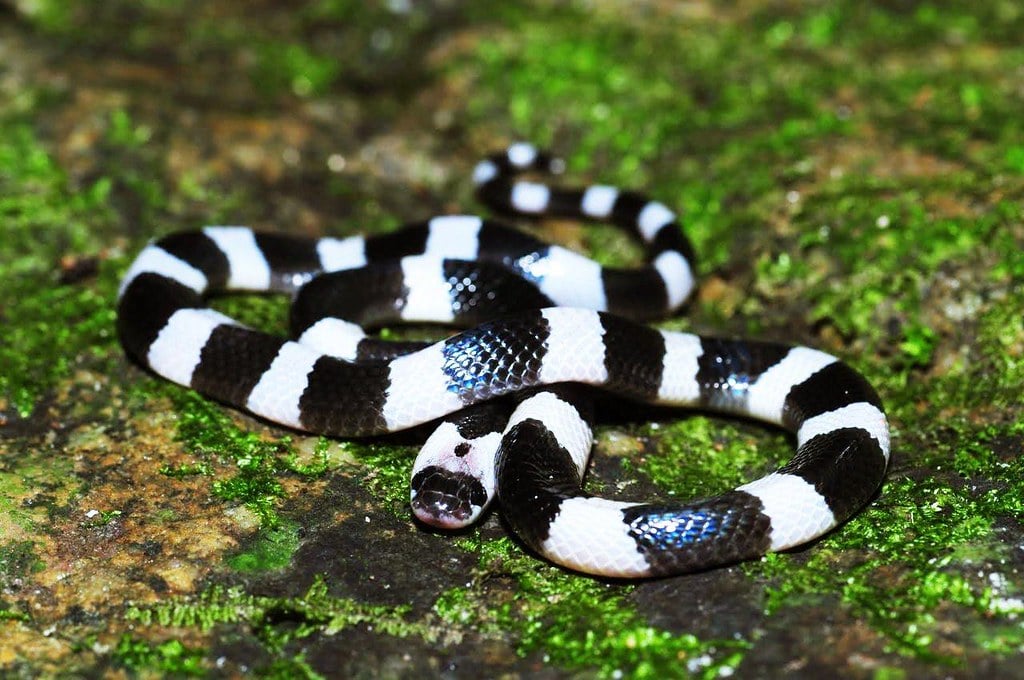
The blue krait, also called the Malayan krait, produces even more toxic venom than its banded relative. The venom’s LD50 measurement places it among the top ten most toxic snake venoms in the world.
The neurotoxins cause muscle paralysis and respiratory failure, with death occurring in 50% of untreated cases. Blue kraits exhibit the same day-night personality shift as other kraits.
During daylight hours, they’re sluggish and reluctant to bite. After dark, they become active hunters and defend themselves aggressively.
The snake’s venom acts so powerfully that even with antivenom treatment, victims may require mechanical ventilation for days while recovering. These snakes inhabit Southeast Asia, including Thailand, Malaysia, and Indonesia.
They hunt other snakes, making them valuable for controlling populations of less dangerous species. But their potent venom and nocturnal habits near human habitations create significant risks for rural populations throughout their range.
Dubois’ Sea Snake Rules the Ocean
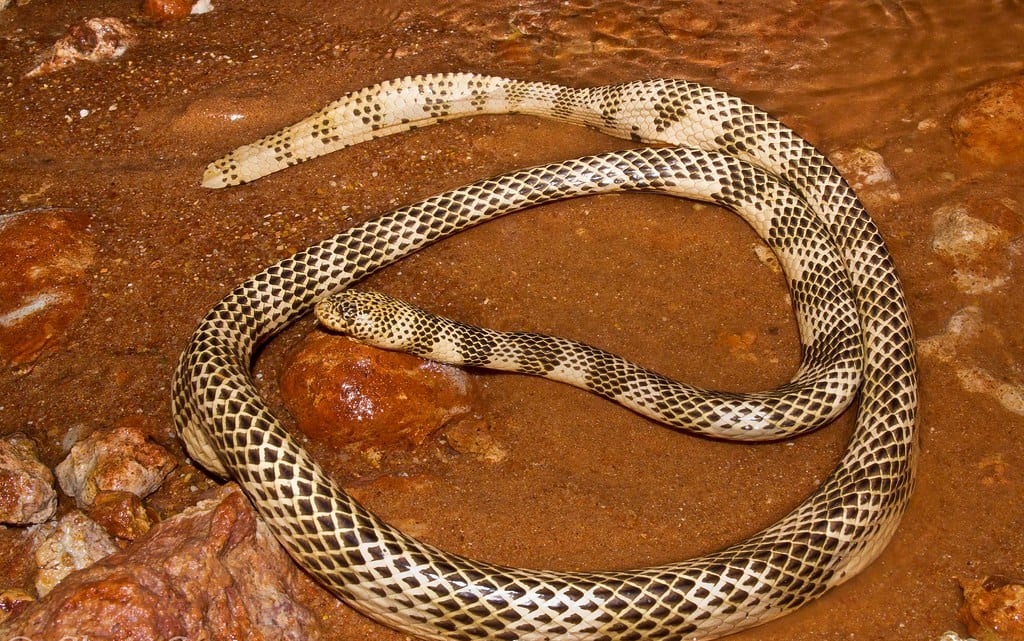
Sea snakes produce some of the most toxic venoms of any snake species, and Dubois’ sea snake tops the list. Its venom measures more toxic than the inland taipan’s by some measurements.
A single bite contains enough toxin to kill dozens of people, though the snake rarely injects full doses when biting. The venom contains powerful myotoxins and neurotoxins that break down muscle tissue and cause paralysis.
Fortunately, sea snakes have small mouths and short fangs, making it difficult for them to bite humans effectively. Most bites occur on fishermen’s hands when handling nets, and even then, the snake often doesn’t inject venom.
Dubois’ sea snakes inhabit coral reefs and coastal waters throughout the Indian and Pacific Oceans. They’re curious and sometimes approach divers, but they’re generally non-aggressive.
The combination of highly toxic venom and reluctance to bite makes these snakes theoretically dangerous but rarely harmful to humans in practice.
Beaked Sea Snake Bites Fishermen

The beaked sea snake accounts for more than half of all sea snake bites and most sea snake bite fatalities. Unlike other sea snakes, this species readily bites when handled or threatened.
Its venom contains potent myotoxins that break down muscle tissue, releasing proteins that damage the kidneys and cause renal failure. Fishermen encounter beaked sea snakes when hauling nets or sorting catches.
The snakes get trapped in nets and bite defensively when handled. Symptoms develop within hours, including muscle pain, stiffness, and dark urine from damaged muscle proteins entering the bloodstream. Without treatment, kidney failure leads to death within days.
These snakes live in coastal waters from the Persian Gulf through Southeast Asia to northern Australia. They’re the most common sea snake in many areas and the most frequently encountered by people working on or near water.
Their willingness to bite combined with toxic venom makes them the most dangerous sea snake despite other species having more potent toxins.
Yellow-Bellied Sea Snake Drifts Everywhere
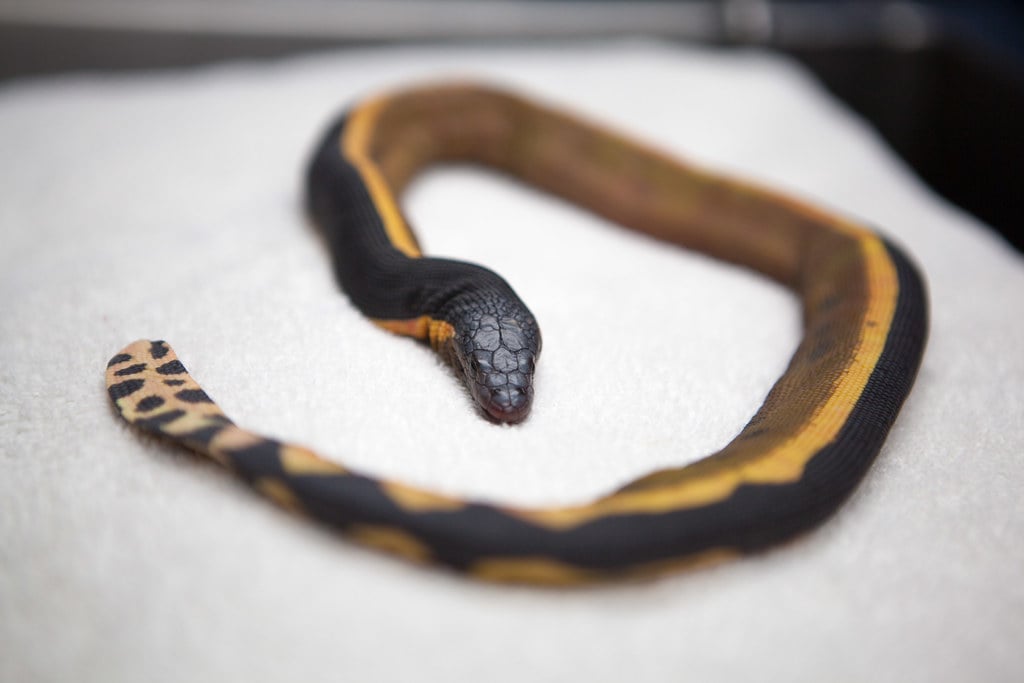
The yellow-bellied sea snake may be the most widely distributed snake on Earth, found throughout tropical Pacific and Indian Ocean waters. It spends its entire life at sea, never coming to land.
The black and yellow coloring warns predators of its potent venom, which contains neurotoxins and myotoxins similar to those of other sea snakes. These snakes drift on currents, sometimes washing up on beaches after storms.
They’re helpless on land and generally docile unless provoked. But the venom remains potent, causing muscle damage and paralysis in bite victims.
The snake’s wide distribution means it encounters humans throughout the tropical Pacific, though bites remain rare. Yellow-bellied sea snakes hunt fish at the surface, striking with remarkable speed despite having no solid surface to push against.
Their adaptation to fully aquatic life makes them unique among snakes. The combination of potent venom and global distribution makes them worth noting, even though they rarely threaten humans due to their oceanic habitat.
The Real Measure of Danger
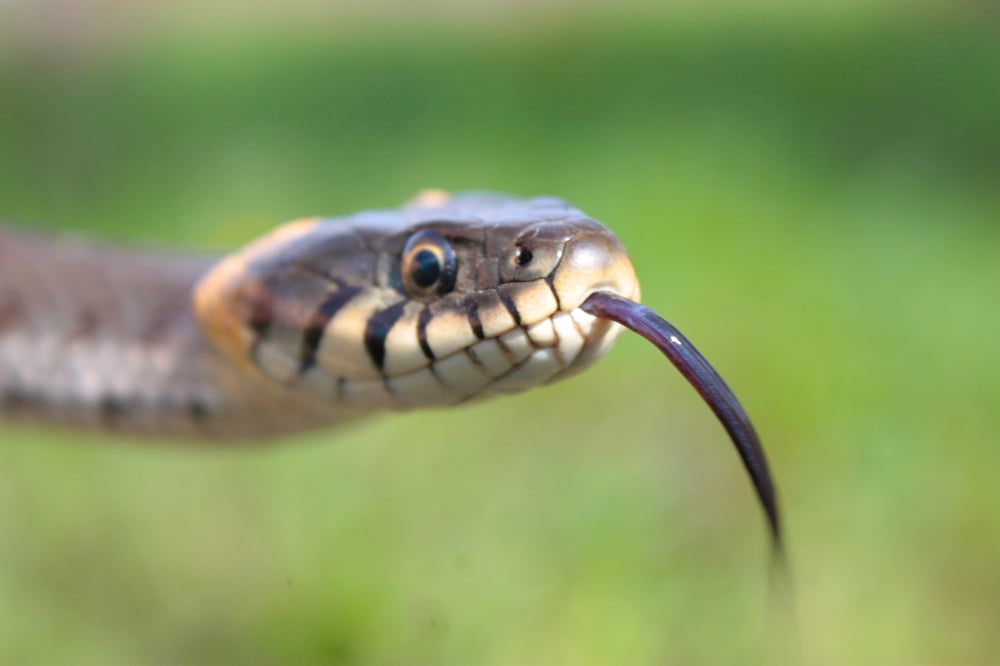
Besides venom strength, danger depends on where a snake lives. Though the inland taipan carries deadly poison, it hides far from humans and avoids contact.
Its bites have not led to deaths. On the contrary, saw-scaled vipers strike often in populated areas.
Their weaker venom still claims many lives each year. Location shapes outcomes just as much as chemistry.
Out on the edge where poison strength meets short temper, you find real risk. Living close to towns adds fuel, especially when bites happen often.
Take the city-dwelling serpent with middle-of-the-road toxin – it outranks the far-off desert dweller with deadlier juice. Behavior shapes threat just as much as chemistry.
Watch the eastern brown: nervous, fast, laced with potent venom, always near people. Same story with the black mamba – quick to react, built for speed, threading through areas we occupy.
Neither wins the lab test, yet both claim lives because they cross paths with us too regularly.
How a snake acts can be just as important as what its venom does. Instead of hiding quietly, cobras and mambas make themselves known through dramatic postures, warning others well before they attack.
On the flip side, vipers and death adders stay perfectly still, blending into their surroundings so completely that a person might unknowingly come too close. During daylight hours, kraits seem calm; at night, they shift dramatically in temperament, making any interaction harder to predict.
Fewer people die when antivenom is nearby. Even though deadly snakes live across Australia, clinics there carry antidotes for every main type – helping keep fatalities low.
Far from cities in parts of Asia and Africa, getting proper care takes too long. Snakes with weaker poison still take lives simply due to missing medicine on time.
Smallest containers often hold nature’s fiercest poisons, tucked into corners of the world few ever see. Not every snake with deadly venom claims the highest death toll.
Those who cross paths with people regularly tend to leave more victims behind. A quick bite when startled, combined with distant hospitals, turns some serpents far deadlier than stronger rivals.
Out in open water, highly toxic sea snakes glide past without harming anyone. On solid ground, weaker venom becomes lethal just by being in the wrong place at the wrong time.
More from Go2Tutors!

- The Romanov Crown Jewels and Their Tragic Fate
- 13 Historical Mysteries That Science Still Can’t Solve
- Famous Hoaxes That Fooled the World for Years
- 15 Child Stars with Tragic Adult Lives
- 16 Famous Jewelry Pieces in History
Like Go2Tutors’s content? Follow us on MSN.



