Movie Sound Effects and Their Weird Sources
Movies make us believe we’re hearing real sounds, but most of what comes through the speakers was created in strange ways. The crunch of footsteps, the whoosh of a spaceship, or the roar of a dinosaur rarely come from the actual thing on screen.
Sound designers get creative with everyday objects to build the audio world that makes films feel alive. Let’s look at some of the weirdest ways movies get their sounds.
Lightsabers

The iconic hum of a lightsaber came from combining two completely unrelated sounds. Ben Burtt, the sound designer for Star Wars, mixed the buzz of an old film projector with the feedback from a broken television set.
He recorded himself waving a microphone near the TV speaker to create that whooshing movement sound. The result became one of the most recognizable noises in cinema history.
Nobody had heard anything like it before because nothing like it actually existed in the real world.
Dinosaur roars in Jurassic Park

The Tyrannosaurus rex didn’t sound like a lizard or a bird, despite what science says about dinosaurs. Sound designers mixed together a baby elephant’s squeal, an alligator’s growl, and a tiger’s roar to create that bone-chilling sound.
They slowed down and layered these animal noises until they sounded massive and terrifying. The Velociraptors got their chattering sounds from tortoises mating, which is probably not something anyone wants to think about during the kitchen scene.
Each dinosaur species had its own unique blend of animal sounds to give them distinct personalities.
Breaking bones

The snap and crunch of breaking bones in fight scenes usually comes from vegetables. Celery stalks work great for smaller bones, while breaking heads of lettuce sounds like bigger breaks.
Some sound designers prefer snapping carrots or twisting bunches of celery together for variety. Walking through a produce section will never feel the same once you know this.
The wet, organic sound of vegetables matches what people expect bones to sound like, even though real bone breaking sounds nothing like what movies portray.
Horse hooves

Coconut shells clopping together created the sound of horses trotting down roads in countless movies and shows. Monty Python and the Holy Grail famously made fun of this technique by having actors visibly use coconuts instead of riding actual horses.
The joke worked because everyone in the industry already knew about this trick. Coconuts are lighter and easier to control than recording real horses, plus they sound cleaner without all the extra noise animals make.
Production assistants have been banging coconut halves on various surfaces for decades to match whatever terrain the horse appears to be crossing.
Punches landing

Real punches don’t make much noise, so movies had to invent something more satisfying. The classic punch sound often comes from hitting a raw steak or a raw chicken with a leather glove or a hammer.
Some sound designers prefer smacking cabbages or watermelons for bigger impact sounds. The key is finding something that has both meat and moisture to create that meaty thwack audiences expect.
Every movie fight sounds way more painful than it actually would be because of these enhanced effects.
Spaceships flying
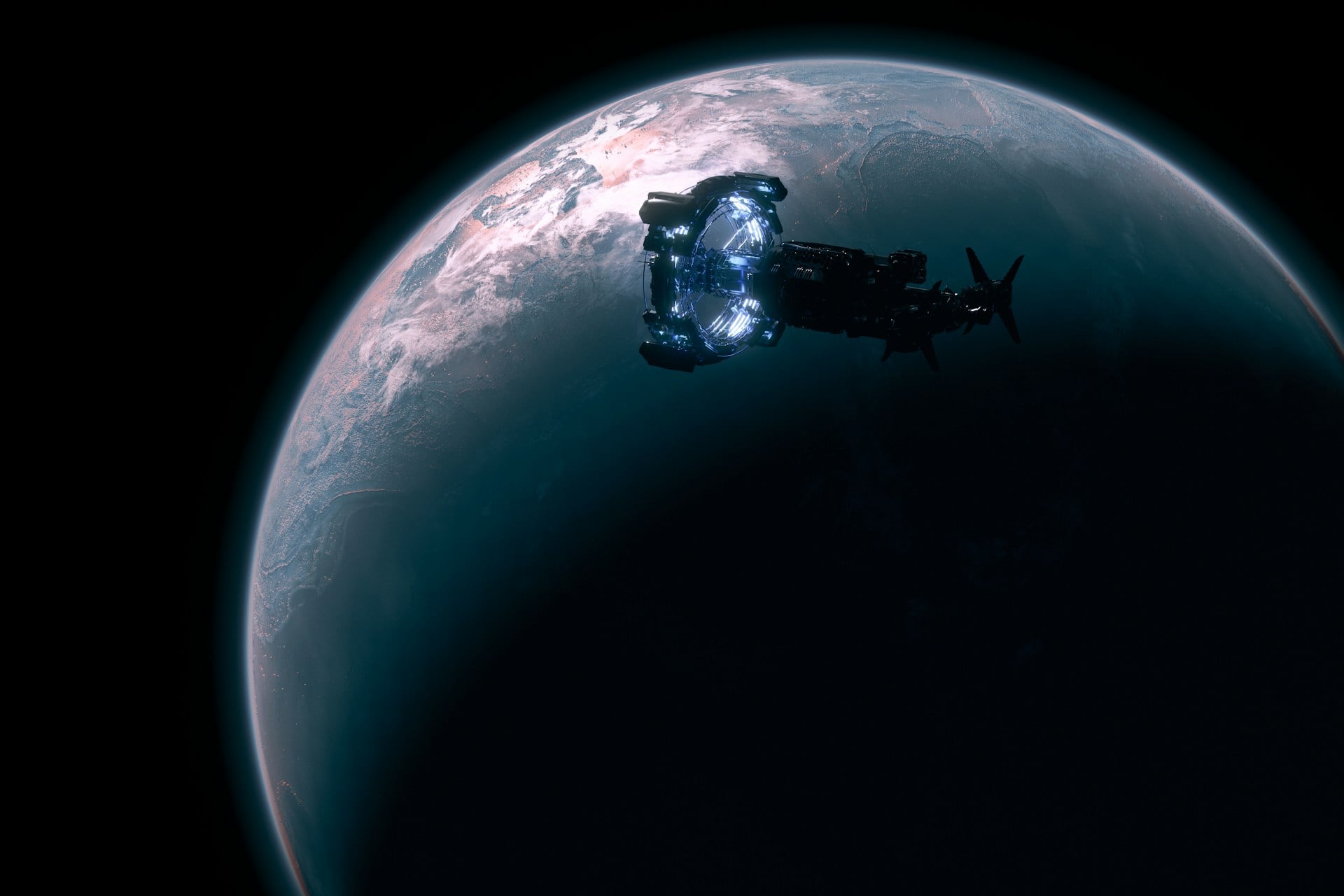
Ships zooming through space shouldn’t make any sound because there’s no air in space to carry sound waves. Silent spaceships feel wrong, so sound designers get creative with everyday objects.
The Millennium Falcon’s roar came from combining a jet engine, cars driving on wet pavement, and a P-51 Mustang airplane. The TIE fighters got their distinctive scream from mixing an elephant call with a car driving on a wet road.
Science took a backseat to what sounded cool and exciting for audiences who wanted to hear those ships fly by.
Rain

Real rain sounds terrible when recorded because it’s too random and doesn’t have enough presence. Professional rain effects usually come from frying bacon in a pan, which creates steady sizzling that sounds like light rain.
Heavier rainstorms get built by layering water being poured onto different surfaces like plastic sheets, canvas, and concrete. Some designers shake boxes of rice or spray water bottles into microphones for specific rain effects.
The bacon trick shows up more often than anyone wants to admit, which means thousands of rain scenes were actually breakfast sounds.
Avalanches and rockslides

Massive rocks tumbling down mountains come from much smaller sources in recording studios. Sound designers pour rice, beans, or cat litter down a wooden ramp or a cardboard tube to create the rumbling.
They slow down the recording and add bass to make these tiny grains sound like boulders. Some prefer crushing cornstarch boxes or crumpling up heavy paper for rockslide effects.
The smaller the actual source material, the easier it is to control and record without picking up unwanted background noise.
Sword fights

Metal swords clanging together sounds too thin and wimpy for movie sword fights. Sound designers usually record metal being scraped, hammered, or struck against other metal objects to get meatier impact sounds.
Kitchen knives being sharpened on steel rods, wrenches hitting pipes, and even metal files scraping against each other all contribute to sword fight audio. They layer multiple metal sounds together and add extra bass to make each clash feel powerful.
Real sword fighting sounds nothing like the intense metallic crashes that happen in movies, but reality isn’t dramatic enough for adventure films.
Footsteps in snow

Crunching through fresh snow is one of those sounds movies really want to get right. Sound designers squeeze leather pouches filled with cornstarch to create that perfect squeaky crunch.
Some prefer walking on boxes of cornstarch or even squeezing cornstarch in their hands right into the microphone. The dry, powdery texture of cornstarch mimics the way snow compresses under weight.
Recording actual snow outside picks up too much wind noise and doesn’t give enough control over the exact crunch timing needed to match the actor’s steps.
Fire
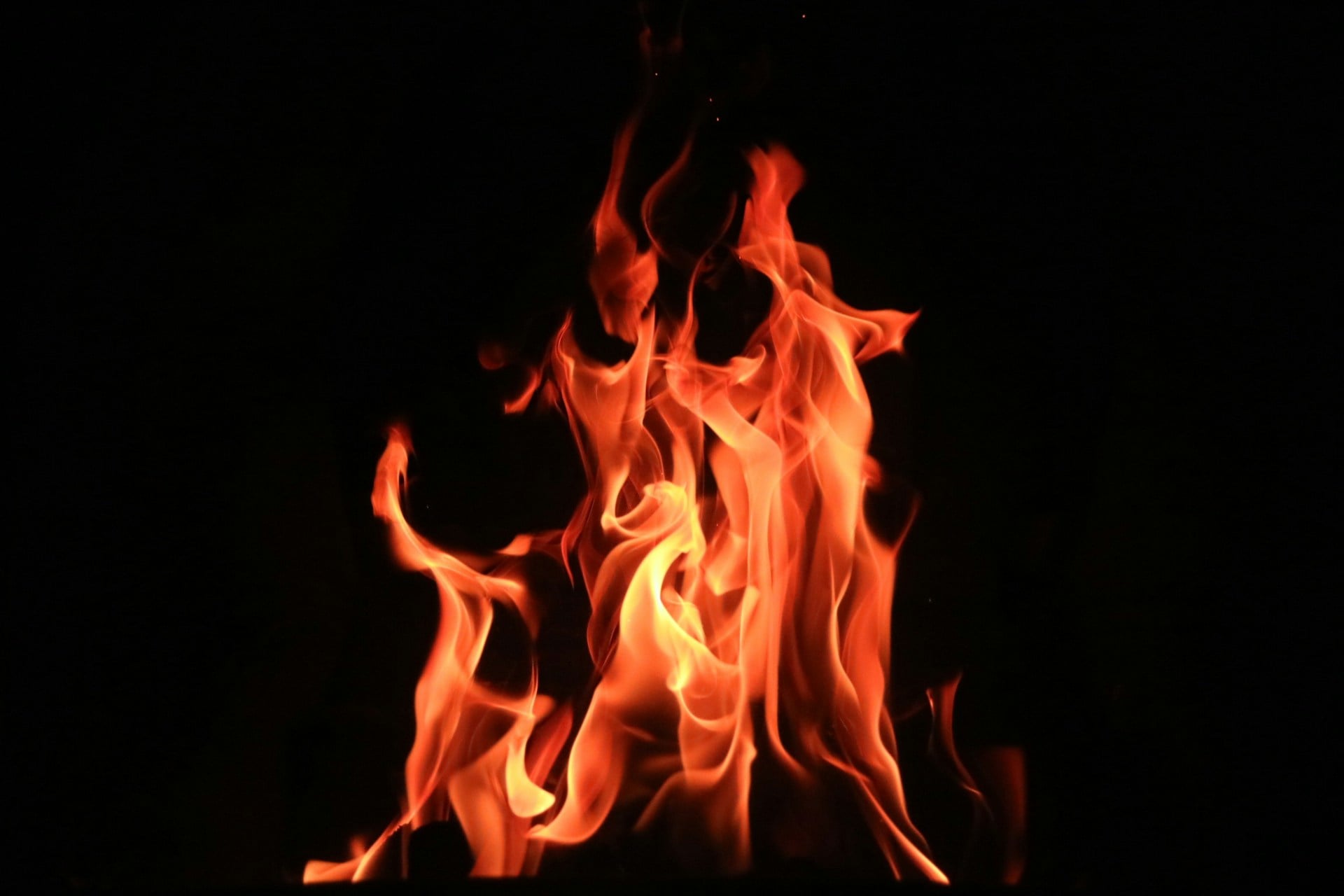
Crumpling up cellophane or plastic wrap creates the crackling sound of fire burning. The random nature of plastic crinkling matches the unpredictable way flames move and pop.
Some sound designers prefer crinkly paper like tissue paper or parchment for different types of fires. They record it close to the microphone to pick up all the tiny details.
Real fire makes some crackling sounds but also creates a lot of whooshing noises that drown out the satisfying crackle audiences want to hear, so the plastic version works better for dramatic scenes.
Thunder

Rolling a large metal sheet creates that long rumbling thunder that shakes the room in movies. Theater productions have used this trick for centuries, literally shaking sheets of tin or aluminum to simulate storms.
Recording studios sometimes drop heavy objects onto sheet metal for the initial crack of thunder. They combine the sheet metal rumble with bass tones and sometimes mix in recordings of actual thunder for complexity.
The metal sheet gives them complete control over how long the rumble lasts and how loud it gets, which recording real storms never provides.
Flapping wings

Birds and bats flapping their wings on screen usually get their sounds from opening and closing umbrellas. Leather gloves being waved around also work for smaller wings.
Dragon wings in fantasy movies often combine umbrella sounds with flapping heavy canvas or leather jackets. Sound designers match the timing of the umbrella opening to the wing movements on screen.
Real birds in flight don’t make nearly as much noise as movies suggest, but silent wings feel lifeless and boring to audiences who expect to hear every movement.
Alien creatures
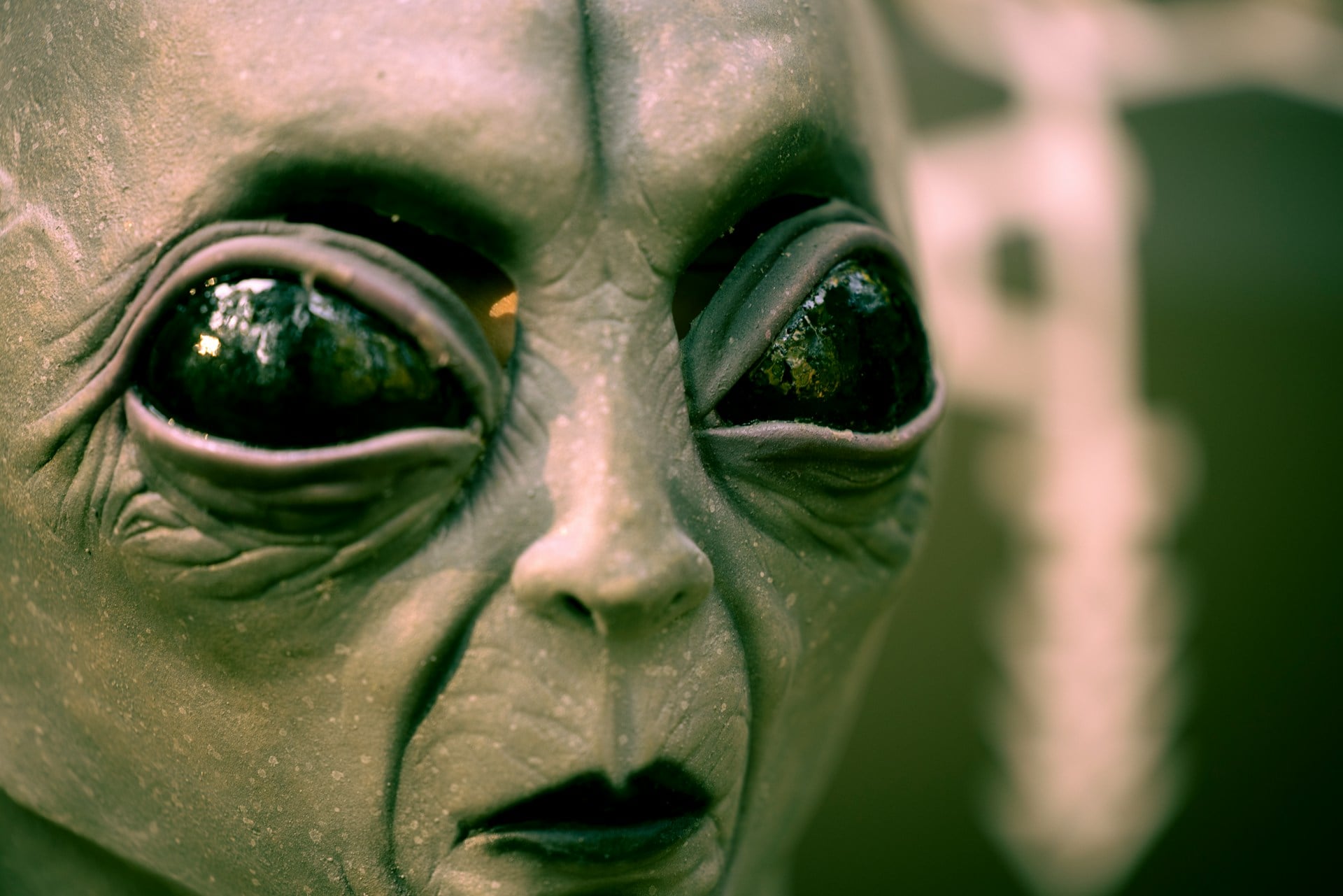
The Predator’s clicking sounds came from a sea nettle, which is a type of jellyfish. Sound designers recorded the clicking sounds these creatures make and modified them to sound more threatening.
The Alien xenomorph’s hisses combined snake sounds with air being released from compressed air tanks. Sound designers raid aquariums, zoos, and nature recordings looking for weird animal noises to combine into creatures nobody has seen before.
The stranger the source animal, the more otherworldly the final creature sounds to audiences who can’t quite place what they’re hearing.
Car crashes

Smashing actual cars together is expensive and hard to record cleanly, so sound designers find cheaper alternatives. They drop metal trash cans full of scrap metal, glass, and other junk to create crash sounds.
Crushing aluminum cans, breaking glass bottles, and hammering sheet metal all get layered together. They record each element separately so they can control exactly when the glass breaks versus when the metal crumples.
The final car crash sound in movies is usually a combination of dozens of different small crashes edited together, not one big recording of an actual accident.
Bullet ricochets

The classic ‘pew pew’ sound of bullets bouncing off surfaces comes from plucking taut metal wires or springs. Some sound designers prefer hitting tuning forks or running their fingers along the edge of a saw blade.
The high-pitched metallic zing audiences expect doesn’t actually happen when real bullets ricochet. Movies exaggerate this sound to let viewers know a bullet just missed the hero.
Recording ranges and real gunfire sound completely different from movie gunfights, which need clearer and more dramatic effects to tell the story properly.
Creaking doors

Old doors creaking open work great for horror films and suspense, but real door hinges don’t cooperate on command. Sound designers often use a rusty metal hinge or an old leather saddle being twisted to create these sounds.
Some prefer squeaking balloons or running fingers across rubber to get different types of creaks. They can control exactly how long and how loud each creak gets by manipulating these smaller objects.
The sound appears in so many movies that everyone instantly knows something creepy is about to happen when they hear that particular groan.
Building better worlds

Sound design proves that movie magic happens just as much with audio as it does with visual effects. The next time a lightsaber ignites or a dinosaur roars, remember that someone in a studio was probably recording their breakfast or squeezing cornstarch.
More from Go2Tutors!

- The Romanov Crown Jewels and Their Tragic Fate
- 13 Historical Mysteries That Science Still Can’t Solve
- Famous Hoaxes That Fooled the World for Years
- 15 Child Stars with Tragic Adult Lives
- 16 Famous Jewelry Pieces in History
Like Go2Tutors’s content? Follow us on MSN.