Movie Stars Who Started As Extras
Walking through a crowded scene in the background of a film seems like the smallest role possible. But for some actors, those wordless moments became the first step toward stardom.
The path from extra to leading actor doesn’t follow a straight line, and each person who made that journey found their own way forward.
Sylvester Stallone

Before Rocky made him a household name, Stallone took any work he could find. He appeared as an extra in Woody Allen’s Bananas, standing in a subway scene that lasted seconds.
The pay barely covered his rent, but he kept showing up to sets. Years later, when he wrote Rocky and insisted on starring in it himself, studios resisted.
They wanted an established name. Stallone held firm, and the rest became history.
Brad Pitt
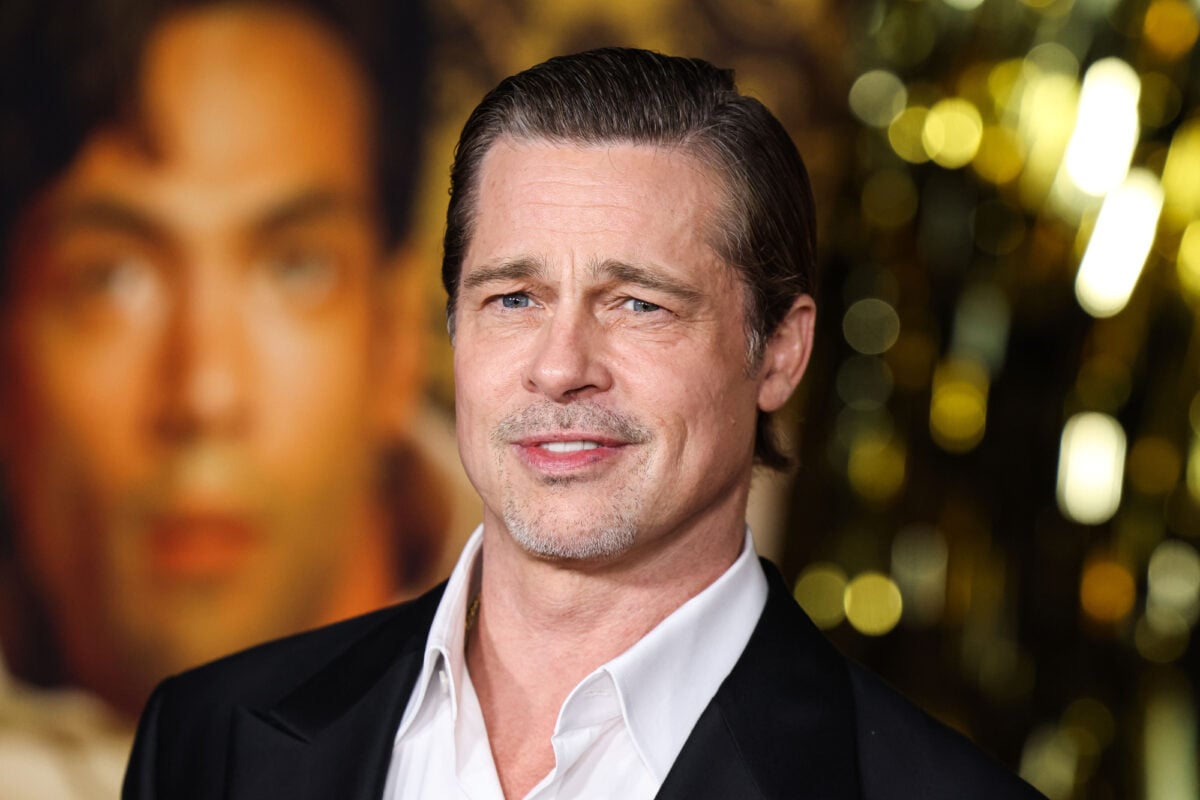
Pitt drove strippers to bachelor parties in Los Angeles while picking up extra work. His first film appearance came in Less Than Zero, where he stood in the background at a party.
Nobody noticed him then. He kept taking small roles, background work, anything that got him on set.
The breakthrough came years later with Thelma & Louise, but those early days taught him how sets worked and how to be ready when opportunity showed up.
Jackie Chan
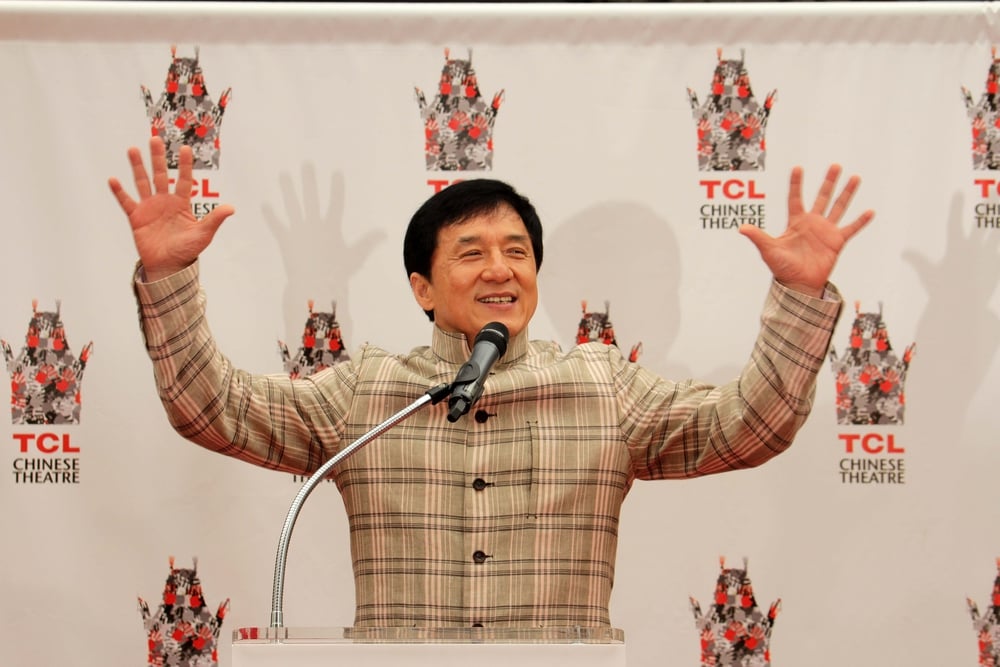
Chan’s first film role placed him as a stunt extra in Big and Little Wong Tin Bar when he was just eight years old. He spent years performing stunts and playing nameless fighters in Bruce Lee films.
The camera rarely focused on his face. Chan learned every aspect of fight choreography during those years, skills that later defined his career.
When he finally got starring roles, he already knew more about action filmmaking than most directors.
Marilyn Monroe

Monroe worked as a model before appearing as an extra in The Shocking Miss Pilgrim. She had one line in Dangerous Years and small roles in Scudda Hoo! Scudda Hay! where most of her scenes got cut.
Studio executives noticed her, but not enough to offer anything substantial. She kept working, kept showing up, kept improving.
By the early 1950s, the roles got bigger, and Hollywood couldn’t ignore her anymore.
Ben Affleck
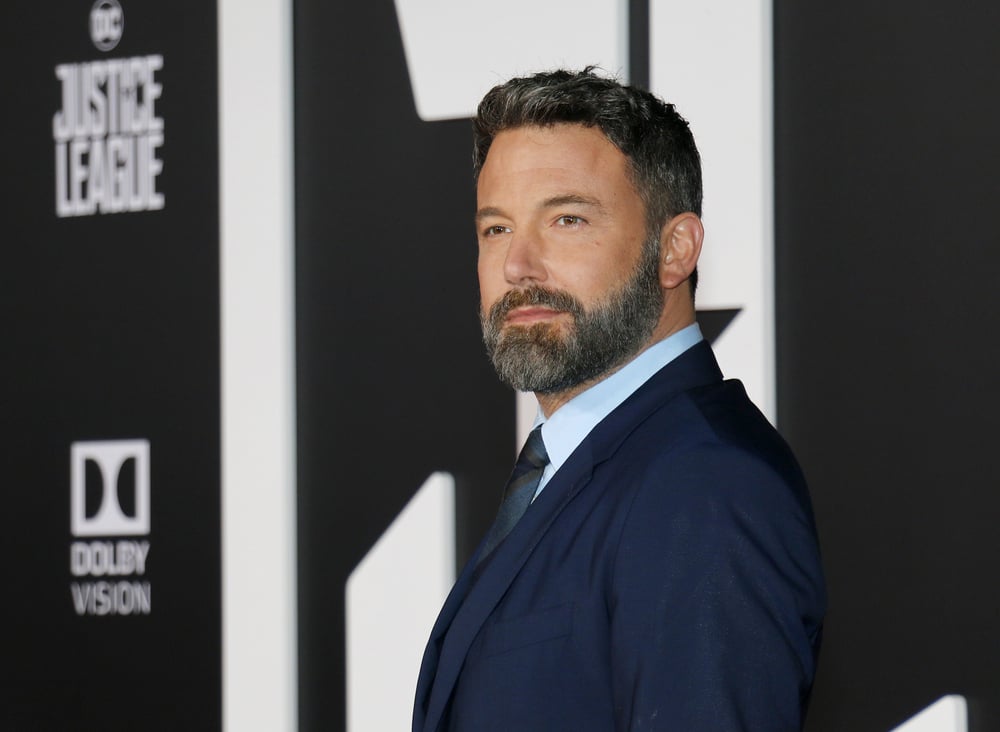
Affleck appeared as an extra in several films during his teenage years, including The Dark End of the Street and Wanted: The Perfect Guy. He took whatever work came his way in Boston’s small film scene.
His childhood friend Matt Damon was going through the same struggle. They’d work as extras, then go home and write scripts together.
Eventually, they wrote Good Will Hunting and changed their careers forever.
Clint Eastwood
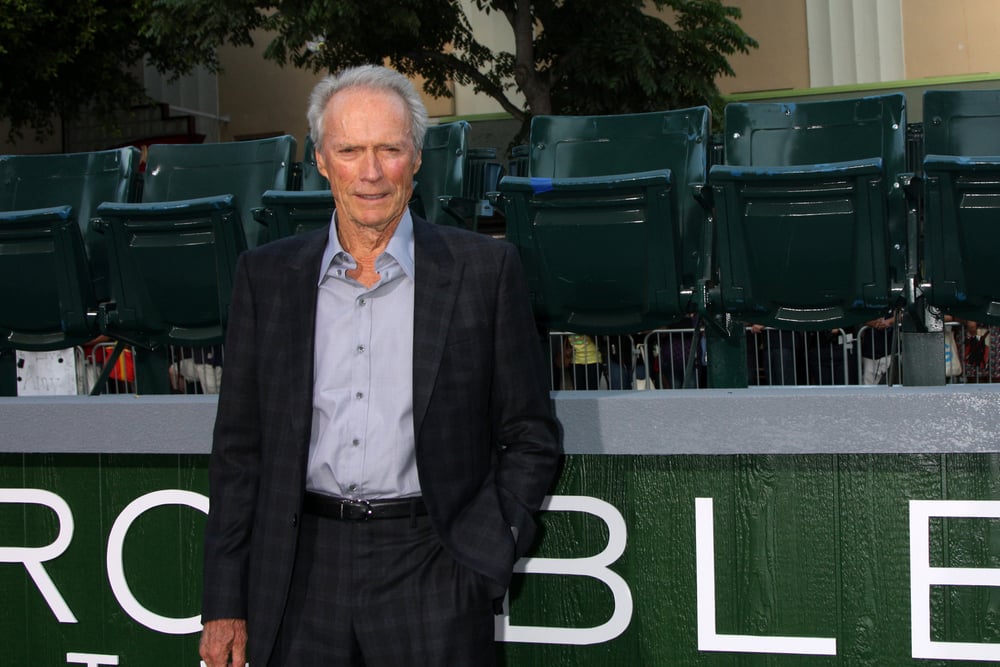
Eastwood started at Universal Studios doing contract work, which often meant standing in the background of films like Francis in the Navy and Lady Godiva of Coventry. The studio system worked differently then—young actors signed contracts and took whatever roles they assigned.
Eastwood spent years in tiny parts before Rawhide gave him regular work. The Man with No Name came after that, and westerns never looked the same.
Channing Tatum
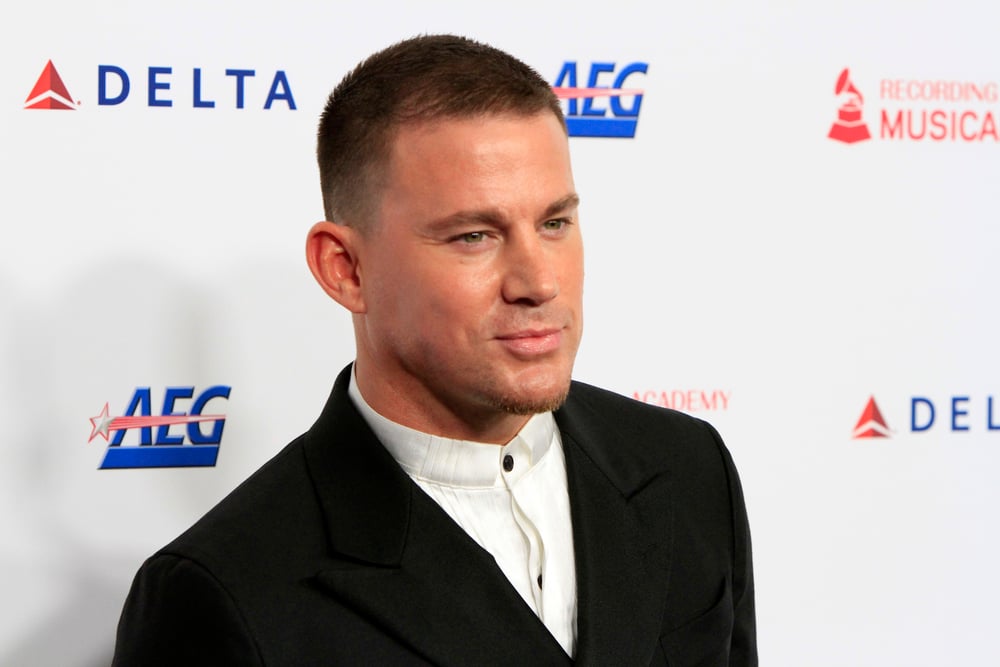
Tatum worked as a stripper in Tampa before moving to Miami for modeling work. His first screen appearance came as a background dancer in Ricky Martin’s “She Bangs” music video.
He took extra roles in commercials and films, barely visible on screen. A casting director eventually noticed him and suggested acting classes.
Step Up became his breakthrough, and the dancing background that started with extra work became part of his brand.
Megan Fox

Fox appeared as an extra in Bad Boys II when she was fifteen. She played one of the dancers under the waterfall in the nightclub scene.
The role required her to be in a bikini under a nightclub waterfall, which wasn’t exactly glamorous work. She kept auditioning, kept taking small parts, kept working toward bigger opportunities.
Transformers came a few years later.
Renée Zellweger
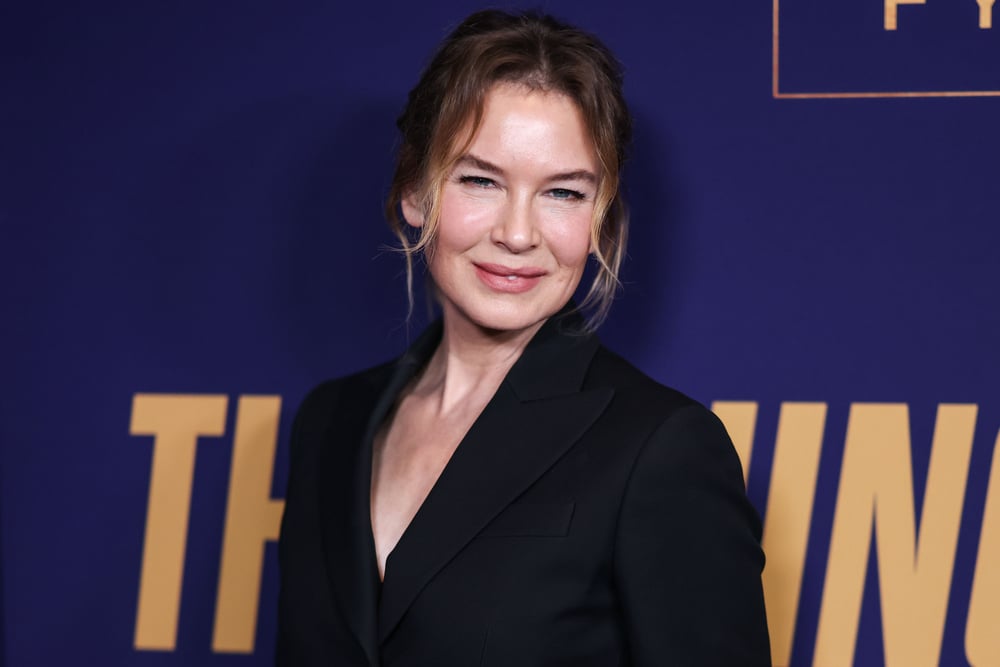
Zellweger took extra work in films like Dazed and Confused and Reality Bites while living in Austin, Texas. She worked as a waitress between roles and auditioned for anything available.
The parts were tiny, often uncredited. She kept pushing forward, taking acting classes and building connections. J. Maguire gave her the role that launched her career, but those years as an extra taught her how to be professional on set.
Matt Damon
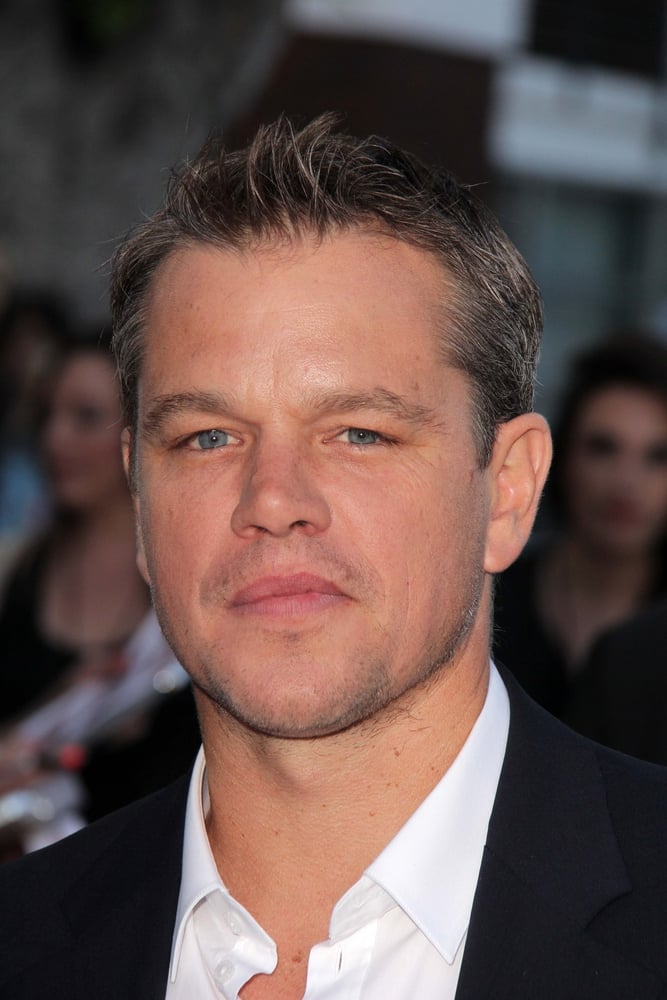
Damon appeared as an extra in Field of Dreams when he was just eighteen. He had no lines, no close-ups, just stood in the background of a baseball scene.
He kept taking whatever work he could find while studying at Harvard. Like his friend Ben Affleck, he spent years grinding through small roles and extra work.
Writing Good Will Hunting with Affleck changed everything, but the years before that taught him patience and persistence.
John Wayne
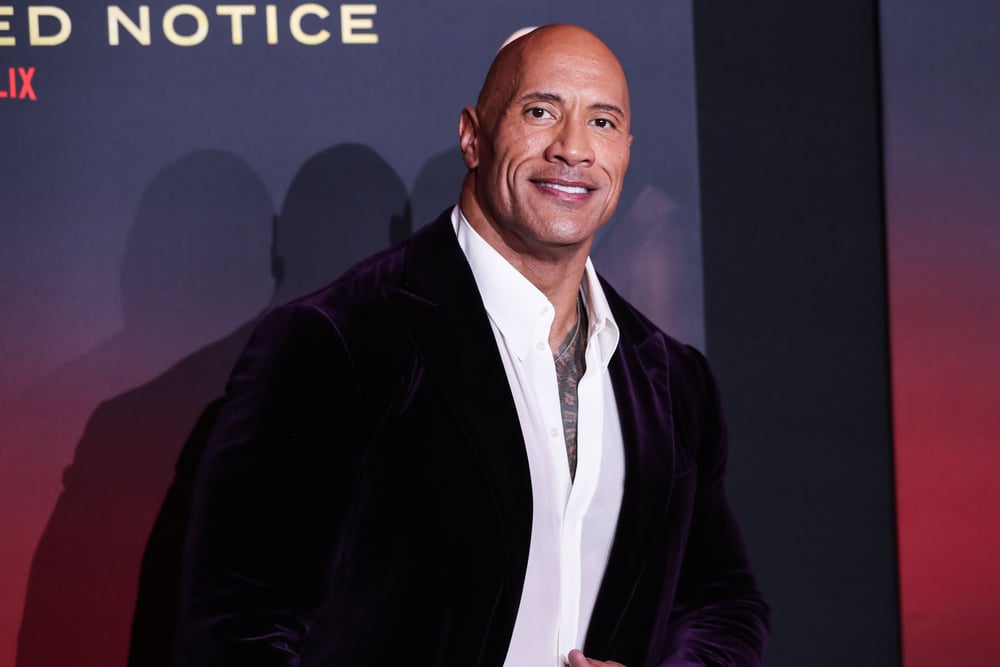
Wayne worked as a prop man and extra at Fox Studios before landing small roles. He’d move furniture, set up scenes, and occasionally stand in the background of crowd shots.
The pay helped him through college. Director John Ford noticed him and started giving him bit parts.
The Stagecoach finally made him a star in 1939, but he’d already spent years learning his craft in the background.
Julianne Moore
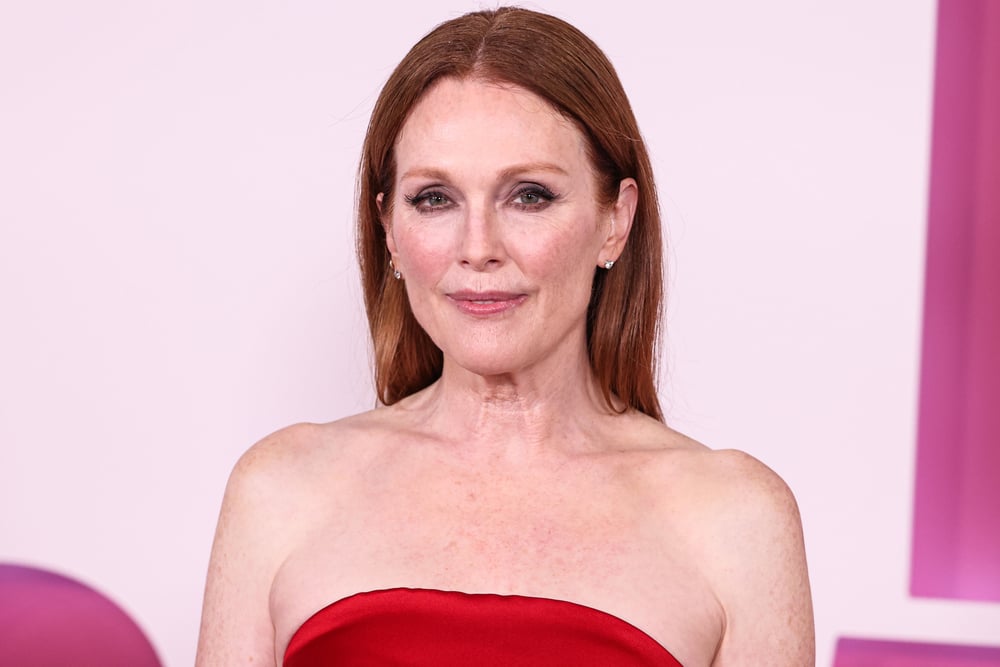
Moore worked as an extra on Tales from the Darkside and As the World Turns before landing regular acting work. She took whatever roles came her way, often without speaking lines.
Those early years meant constantly showing up to auditions and accepting rejection. The Hand That Rocks the Cradle gave her the breakthrough she needed, and her career took off from there.
Clark Gable
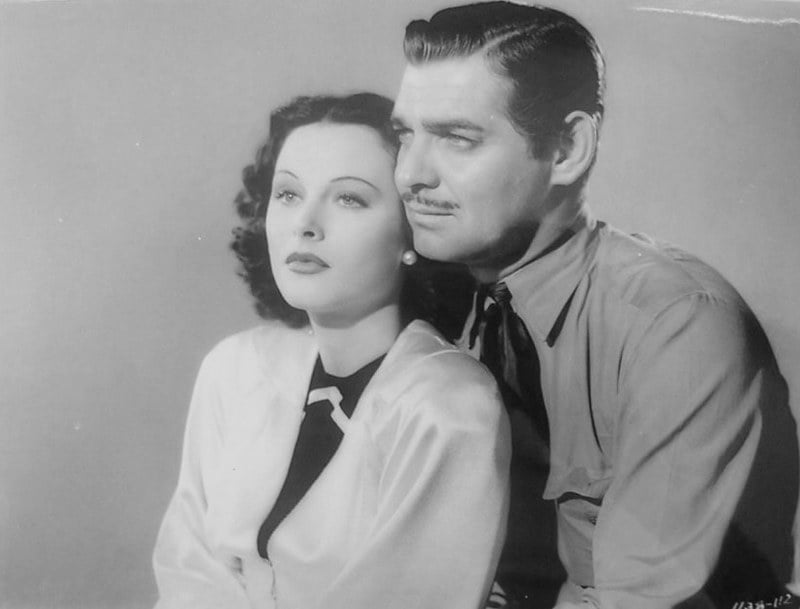
Starting out, Gable filled quiet spots on stage, blending into scenes without lines. Often seen among groups, he took parts like faceless troops if it meant steady pay.
A shift happened when movies began using sound – suddenly voices mattered more. His deep tone stood out, turning heads where silence once ruled.
Yet long stretches of being overlooked built something unshakable: presence. That quiet grind shaped how he held space on screen later.
Sharon Stone

A young Stone once stood silent on screen in Woody Allen’s Stardust Memories. Later, lines came – her first real part spoken aloud.
In gaps between shoots, modeling filled time and paychecks. Roles trickled in, never large. One after another, tiny bits stacked up over years.
Then Basic Instinct struck like sudden thunder. Overnight, everything shifted.
Still, ten slow years had already passed – crowds, corners, background moves – all leading there.
Where the Camera Doesn’t Look

Some tales carry similar marks. Long stretches of effort without applause.
Wages too thin to cover city living. One refusal following another.
Yet every one returned day after day, practiced quietly, stayed open to change when time came near. Moving from unseen face to center stage looks different each time it happens, yet begins the same – someone standing still in shadow, eyes on a door that might someday crack open.
More from Go2Tutors!

- The Romanov Crown Jewels and Their Tragic Fate
- 13 Historical Mysteries That Science Still Can’t Solve
- Famous Hoaxes That Fooled the World for Years
- 15 Child Stars with Tragic Adult Lives
- 16 Famous Jewelry Pieces in History
Like Go2Tutors’s content? Follow us on MSN.