15 Times Ancient Wisdom Solved Modern Problems
Modern society loves to think it has all the answers, armed with cutting-edge technology and revolutionary thinking. Some of our biggest breakthroughs, however, are actually rediscoveries of knowledge that ancient civilizations figured out thousands of years ago. From medicine to engineering, these early innovators developed solutions that we’re still using today—and sometimes desperately trying to recreate.
Here’s a list of 15 remarkable instances where ancient wisdom provided the keys to solving contemporary challenges.
Acupuncture for Pain Management

Traditional Chinese medicine introduced acupuncture over 3,000 years ago. Western medicine initially dismissed it as pseudoscience, though major hospitals worldwide now use acupuncture to treat chronic pain.
Studies show it can be as effective as conventional painkillers for certain conditions—something ancient practitioners understood intuitively long before we had the scientific tools to explain why it works by stimulating specific nerve pathways.
Roman Concrete Outlasts Modern Versions
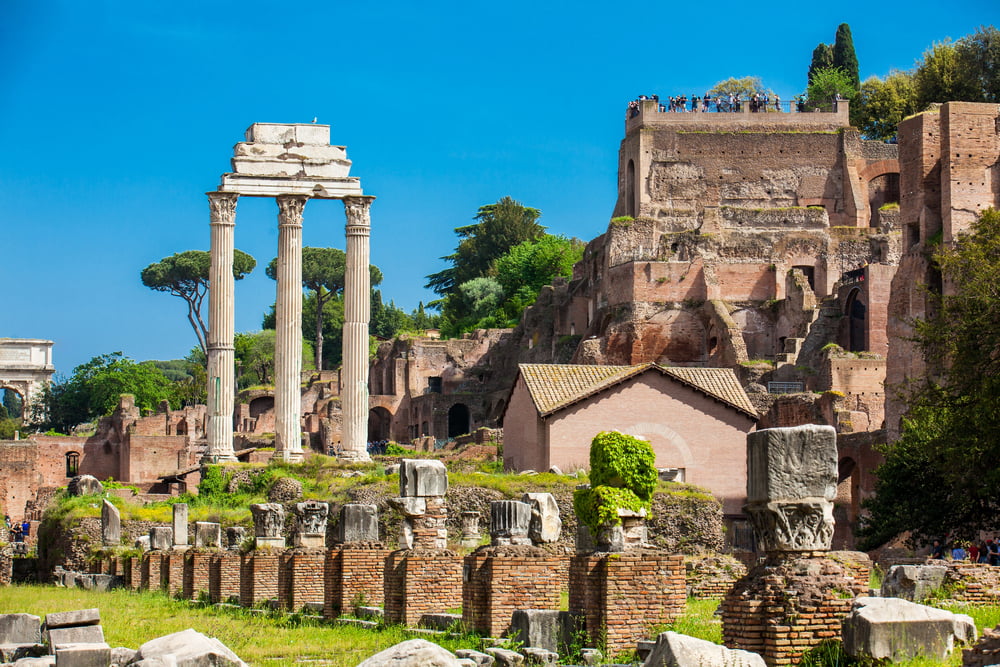
Roman concrete structures have stood for over 2,000 years while modern concrete often crumbles within decades. Scientists recently discovered that Romans mixed volcanic ash into their concrete, creating a chemical reaction that actually makes the material stronger over time when exposed to seawater.
Modern engineers are incorporating this ancient formula into new construction projects, particularly for marine structures.
Like Go2Tutors’s content? Follow us on MSN.
Mesopotamian Crop Rotation Prevents Soil Depletion
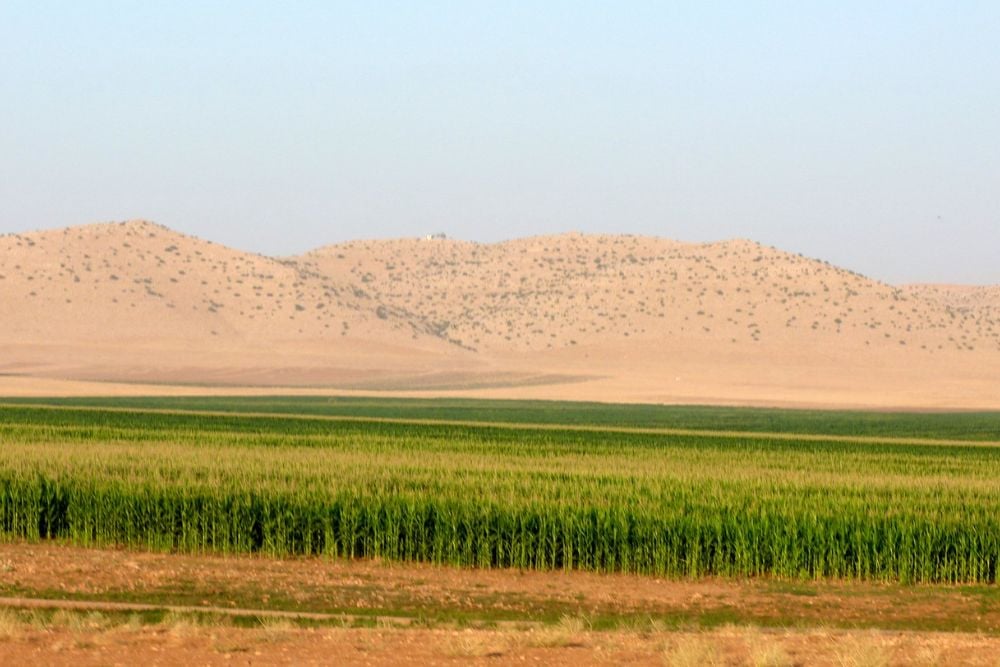
Ancient Mesopotamian farmers developed sophisticated crop rotation systems around 6000 BCE to maintain soil fertility without chemical fertilizers. Today’s sustainable agriculture movement has rediscovered these techniques as the solution to soil degradation caused by industrial farming.
The three-field system they pioneered—rotating between crops, fallow periods, and grazing—is considered essential for long-term agricultural sustainability.
Greek Passive Solar Design

Ancient Greeks oriented their buildings to maximize winter sun exposure while minimizing summer heat. This created comfortable living spaces without any mechanical heating or cooling.
Modern green architecture has embraced these passive solar principles as crucial for reducing energy consumption, and the Greeks even had building codes requiring structures to allow neighbors access to sunlight—a concept now called ‘solar rights’ in contemporary urban planning.
Indigenous Fire Management Prevents Catastrophic Blazes
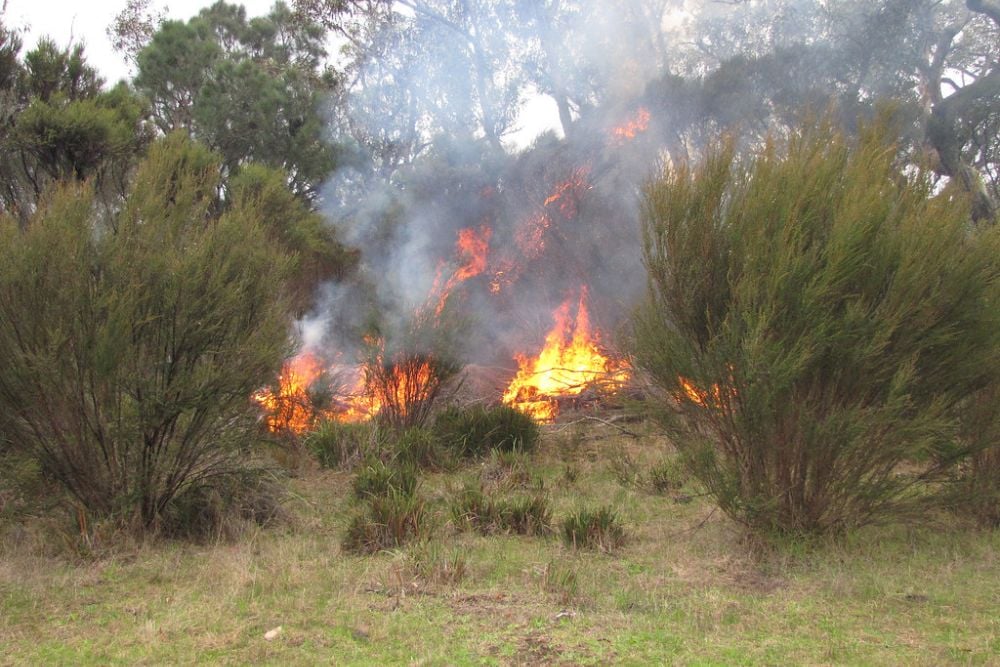
Native American tribes used controlled burns for thousands of years to prevent devastating wildfires and maintain healthy ecosystems. After decades of fire suppression policies led to increasingly destructive blazes, land management agencies are partnering with indigenous communities to reimplement traditional burning practices.
These techniques reduce fuel loads and create natural firebreaks—protecting both wilderness areas and human settlements.
Like Go2Tutors’s content? Follow us on MSN.
Persian Windcatchers Cool Buildings Naturally
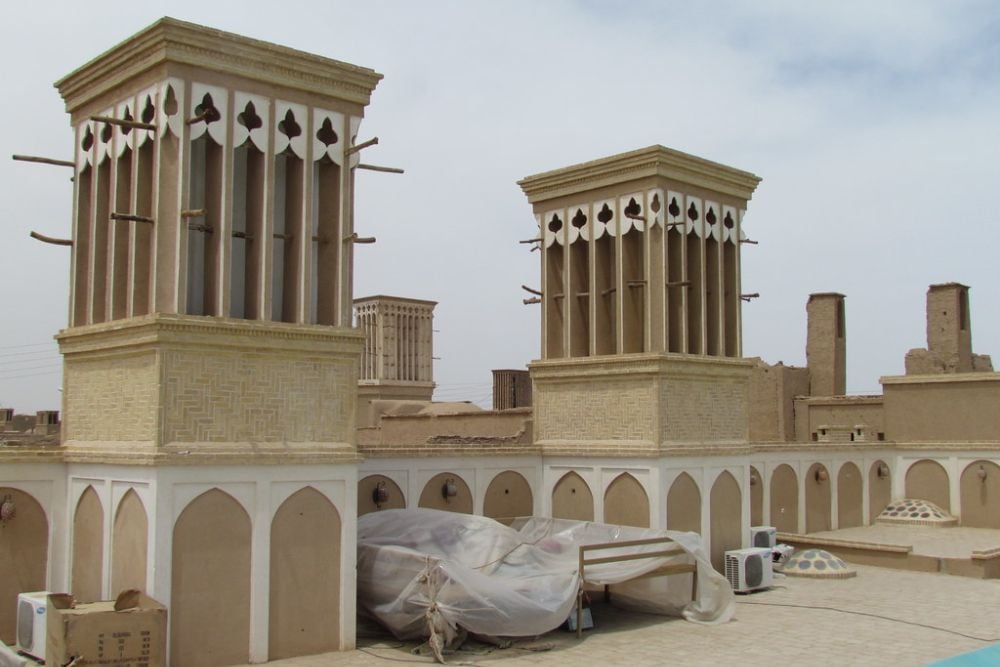
Persian architects developed windcatcher towers over 1,000 years ago to cool buildings in hot, arid climates without electricity. These ingenious structures capture wind from any direction and channel it through the building while expelling hot air through convection.
Modern sustainable architecture is incorporating windcatcher principles into contemporary designs—reducing air conditioning costs by up to 50% in suitable climates.
Ayurvedic Turmeric Treats Inflammation

Ayurvedic medicine has used turmeric as an anti-inflammatory treatment for over 4,000 years. Modern research validates curcumin, turmeric’s active compound, as a powerful anti-inflammatory agent that can reduce symptoms of arthritis, heart disease, and other chronic conditions.
Pharmaceutical companies are developing curcumin-based drugs—though the traditional spice often works just as well.
Mayan Water Filtration Systems
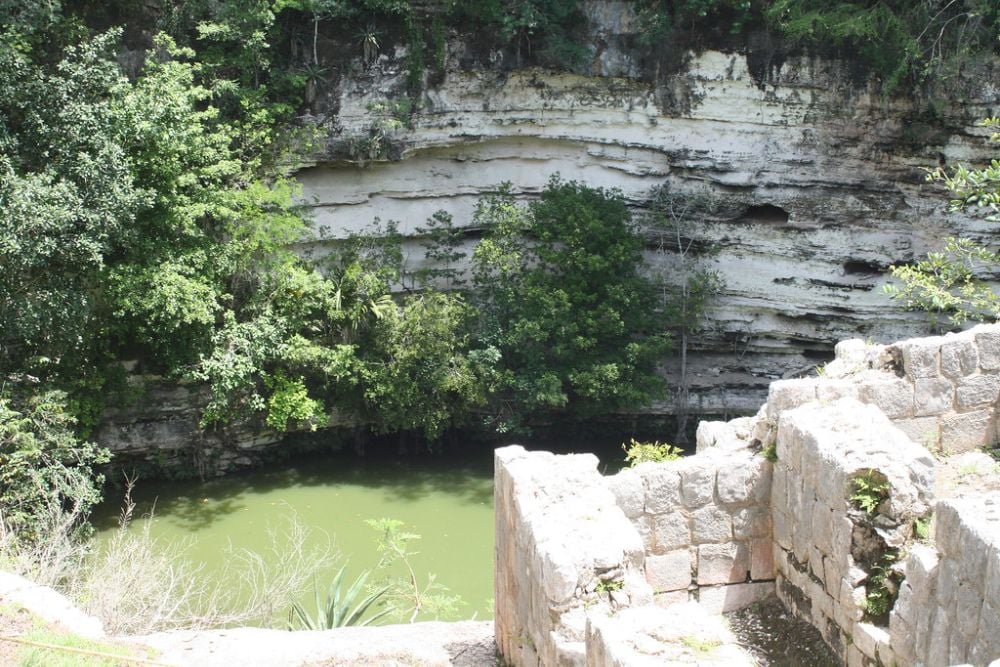
The ancient Maya created sophisticated water filtration systems using layers of sand, gravel, and zeolite minerals to purify drinking water in their cities. Modern water treatment plants use essentially the same multi-layer filtration approach.
Recent archaeological discoveries show Mayan filters were so effective they could remove harmful bacteria and toxic metals—something that’s led remote communities to use simplified versions of these ancient designs where modern infrastructure isn’t available.
Like Go2Tutors’s content? Follow us on MSN.
Egyptian Refrigeration Techniques
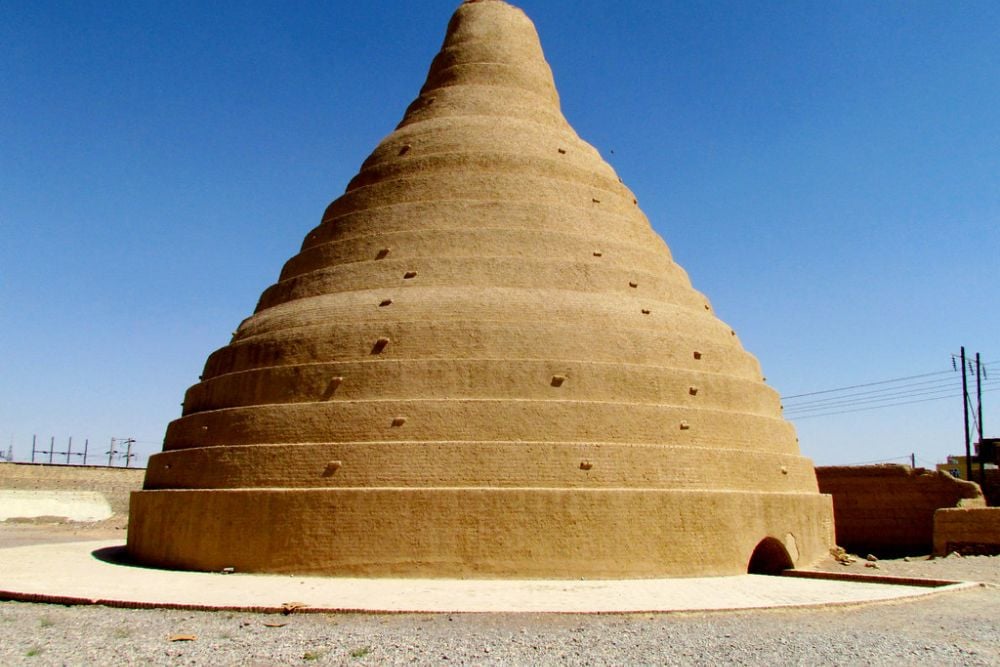
Ancient Egyptians kept food fresh in the desert using evaporative cooling systems called zeer pots—clay vessels within vessels that use water evaporation to create refrigeration. Modern versions of these ‘pot-in-pot’ coolers are being distributed in off-grid communities across Africa and Asia.
The technique can keep vegetables fresh for weeks in hot climates—providing food preservation without electricity.
Chinese Herbal Medicine Fights Malaria

Traditional Chinese medicine used sweet wormwood (artemisia) to treat fever for over 1,500 years. In the 1970s, scientist Tu Youyou isolated artemisinin from this plant—creating the most effective antimalarial drug available today.
This ancient remedy has saved millions of lives and earned Tu Youyou a Nobel Prize, proving that traditional knowledge can lead to groundbreaking modern treatments.
Roman Urban Planning Prevents Disease
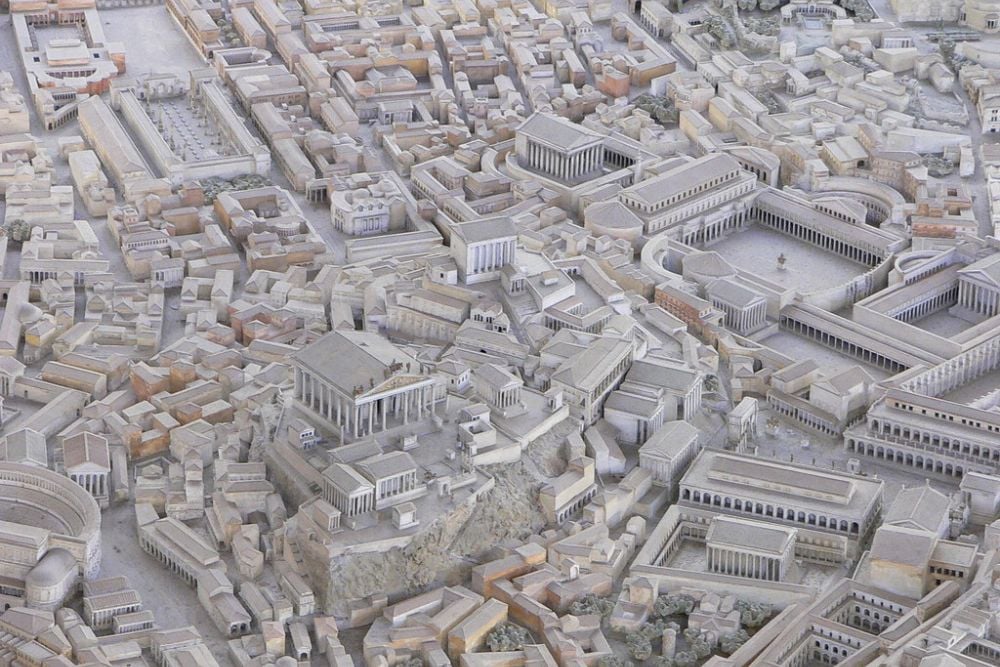
Roman cities featured sophisticated sewage systems, public baths, and aqueducts that dramatically reduced disease transmission. Modern urban planners study Roman infrastructure design when developing sanitation systems for rapidly growing cities in developing nations.
The Roman approach of separating clean water supply from waste removal remains the foundation of public health engineering today, though we’ve added modern materials and monitoring systems.
Like Go2Tutors’s content? Follow us on MSN.
Japanese Earthquake-Resistant Construction
Traditional Japanese pagodas have withstood major earthquakes for over 1,000 years using flexible wooden joints that absorb seismic energy rather than rigid connections that snap under stress. Modern seismic engineers have adapted these ancient joinery techniques for contemporary earthquake-resistant buildings.
This approach is particularly valuable in high-rise construction where flexibility becomes crucial for survival during major tremors.
Polynesian Navigation Without Instruments
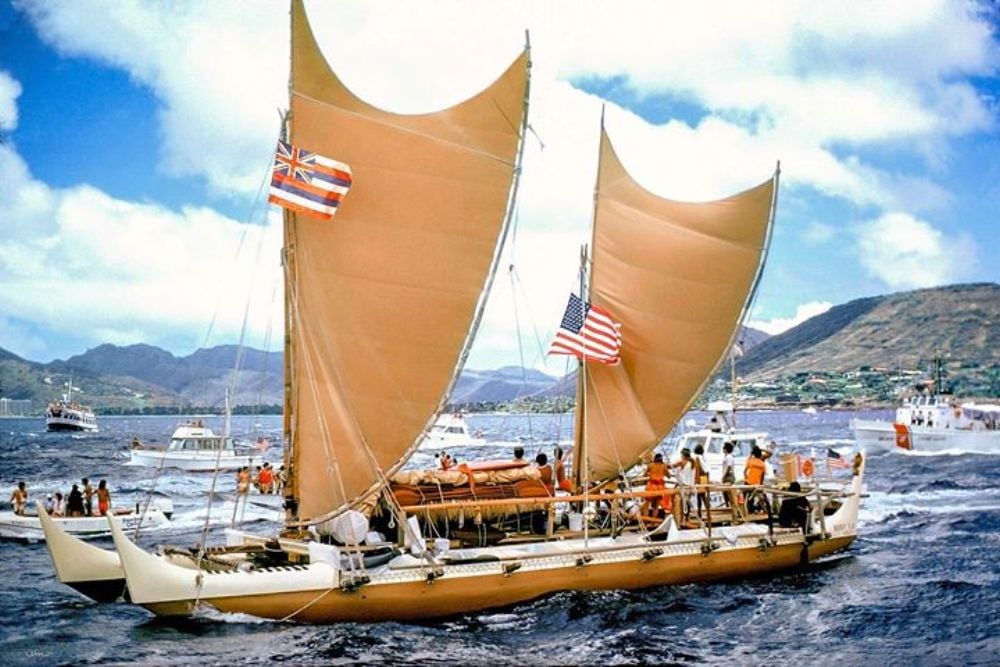
Polynesian navigators crossed thousands of miles of open ocean using only observations of stars, waves, and wildlife patterns. These skills seemed impossible until modern science understood the sophisticated knowledge systems involved.
Today’s sailors and marine biologists are learning traditional navigation techniques as backup systems when GPS fails, while the methods help researchers understand ocean currents and marine ecosystems.
Inca Terraced Agriculture Maximizes Yield
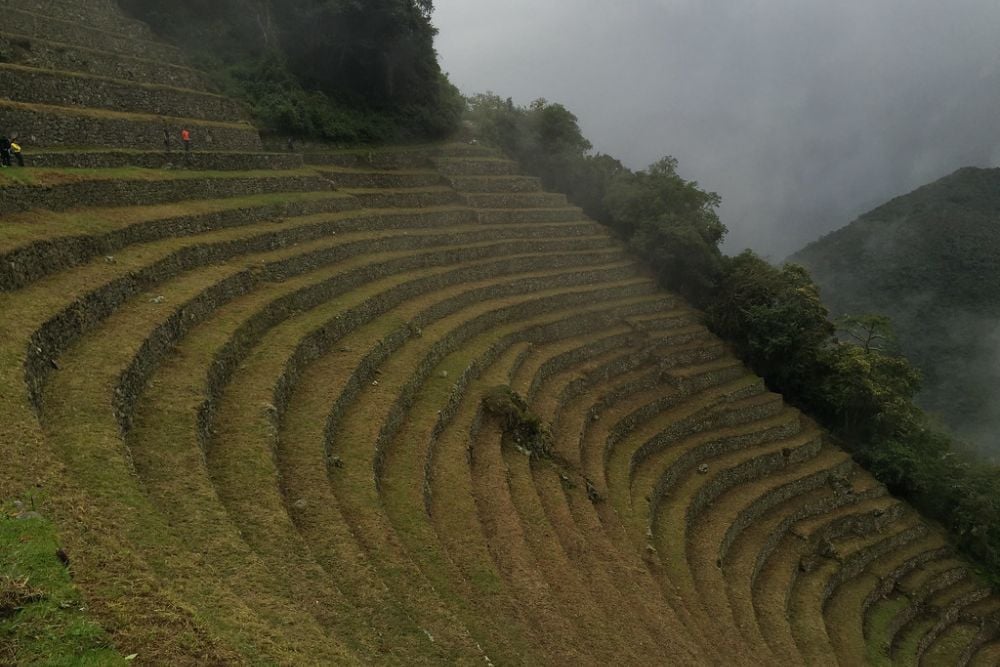
Inca terracing systems transformed steep mountain slopes into productive farmland while preventing erosion and conserving water. Modern permaculture designers implement similar terracing techniques to address soil erosion and water scarcity in mountainous regions worldwide.
These ancient systems can increase crop yields by 40% compared to conventional hillside farming, yet they require no external inputs.
Like Go2Tutors’s content? Follow us on MSN.
Scandinavian Saunas Boost Health

Traditional Scandinavian saunas have been used for over 2,000 years for relaxation and health benefits. Recent medical research shows regular sauna use can reduce the risk of heart disease, stroke, and dementia while improving mental health and longevity.
Modern wellness centers and medical facilities now prescribe sauna therapy as a legitimate treatment for various health conditions, validating what Scandinavians have known for millennia.
Ancient Innovation Meets Modern Necessity
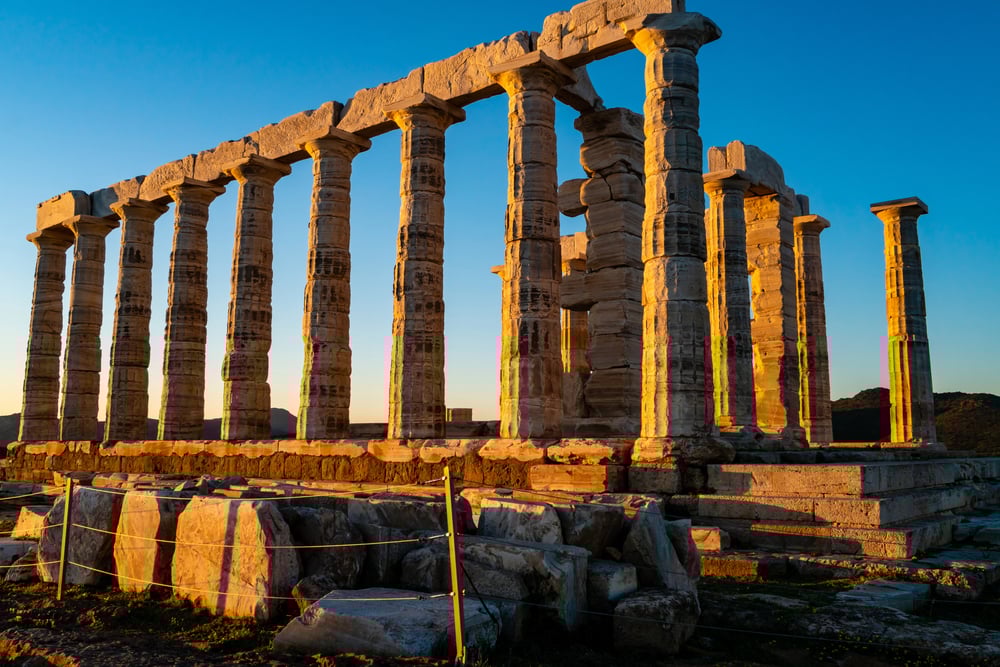
These discoveries remind us that human ingenuity isn’t confined to modern times. Our ancestors were brilliant problem-solvers working with the materials and knowledge available to them, yet their solutions often surpass what we’ve achieved with advanced technology.
As we face contemporary challenges like climate change, resource scarcity, and public health crises, looking backward frequently provides the most sustainable path forward. The best solutions aren’t always the newest ones, and perhaps the real innovation lies in recognizing that traditional knowledge and modern science create the most powerful combination of all.
More from Go2Tutors!

- 16 Historical Figures Who Were Nothing Like You Think
- 12 Things Sold in the 80s That Are Now Illegal
- 15 VHS Tapes That Could Be Worth Thousands
- 17 Historical “What Ifs” That Would Have Changed Everything
- 18 TV Shows That Vanished Without a Finale
Like Go2Tutors’s content? Follow us on MSN.



