Stories From the Modern Olympics Most People Never Heard About
The Olympics capture attention like nothing else. Billions of people tune in every two years to witness athletic excellence, national pride, and human drama played out on the world’s biggest stage.
But for every story that makes headlines, dozens of fascinating moments slip through the cracks of broadcast coverage and media attention. These forgotten tales often reveal more about the Olympic spirit than the medal ceremonies everyone remembers.
The Jamaican Bobsled Team’s Lost Legacy
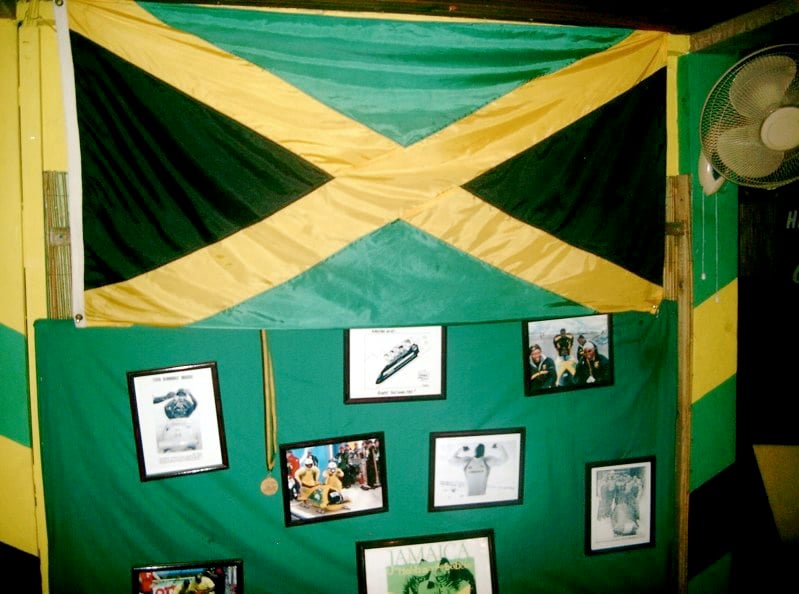
Everyone knows about the 1988 Jamaican bobsled team — mostly because of a Disney movie. Nobody talks about what happened after Calgary.
The team kept competing, kept improving, and actually started finishing respectably in international competitions. By 2014 in Sochi, they were posting times that would have shocked those 1988 spectators who watched them crash.
Turns out, the joke was on everyone who thought it was just a publicity stunt.
Eric Moussambani’s 100-Meter Eternity
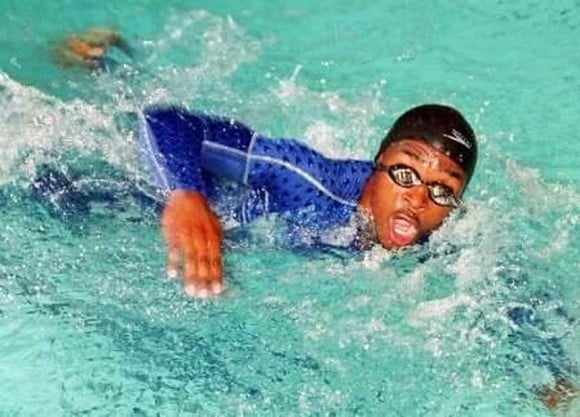
Sydney 2000 produced one of swimming’s most memorable moments, and it had nothing to do with winning (though there’s some debate about whether Eric “The Eel” Moussambani’s 1:52.72 in the 100-meter freestyle actually constitutes a victory of sorts — which, when you consider that most people would drown attempting what he did, seems like the wrong question entirely). The man from Equatorial Guinea had learned to swim eight months before the Olympics, trained in a 20-meter hotel pool, and had never seen a 50-meter pool until he arrived in Sydney.
And yet there he was, swimming alone after his competitors were disqualified for false starts, with 17,000 people on their feet cheering him toward a finish line that must have seemed to move further away with every stroke. So the time was slow — glacially, historically slow. The effort was anything but.
Lawrence Lemieux’s Race He Chose to Lose

The sailing competition at Seoul 1988 was running as planned until a Singaporean crew capsized in rough waters. Lawrence Lemieux, representing Canada and sitting in second place in his Finn class race, made a decision that cost him an Olympic medal and earned him something else entirely.
He abandoned his race, sailed to the struggling sailors, and pulled them to safety. By the time rescue boats arrived and Lemieux resumed racing, he finished 22nd.
The International Olympic Committee recognized him with a special award for sportsmanship at the closing ceremony. Some things matter more than where you place.
The Marathon Monk Who Almost Wasn’t
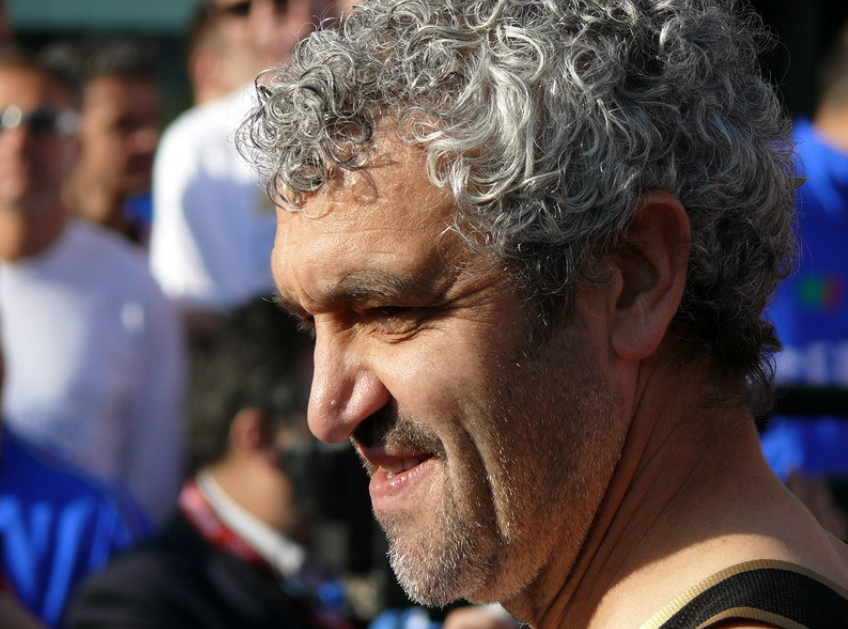
There’s something almost mythical about watching someone transform struggle into grace, the way a rough piece of wood becomes smooth under enough patient attention — and that’s exactly what happened when you watched Gelindo Bordin navigate the final kilometers of the 1988 Seoul marathon. The Italian runner had been written off by most observers; he was 29, considered past his prime for distance running, and facing a field loaded with faster, younger competitors who seemed to treat the humid Korean conditions as merely another obstacle to overcome rather than a force that might break them entirely.
But Bordin understood something his competitors didn’t quite grasp: that marathons aren’t won in the first 20 miles, they’re won in the space between exhaustion and surrender. He ran those final six miles like someone who had made peace with suffering, each step deliberate and unhurried while the runners around him began to fracture under the weight of their own ambitions.
Kerri Strug’s Forgotten Teammate

Kerri Strug’s vault on an injured ankle is an Olympic legend. Her teammate Shannon Miller’s performance that same night gets forgotten.
Miller was the most decorated American gymnast in history at that point, and she delivered when the team needed her most. Six routines, six solid scores, no drama. Strug got the movie moment. Miller got the job done.
Sometimes the steadiest performance is the hardest one to pull off.
The Ping-Pong Diplomacy That Almost Failed
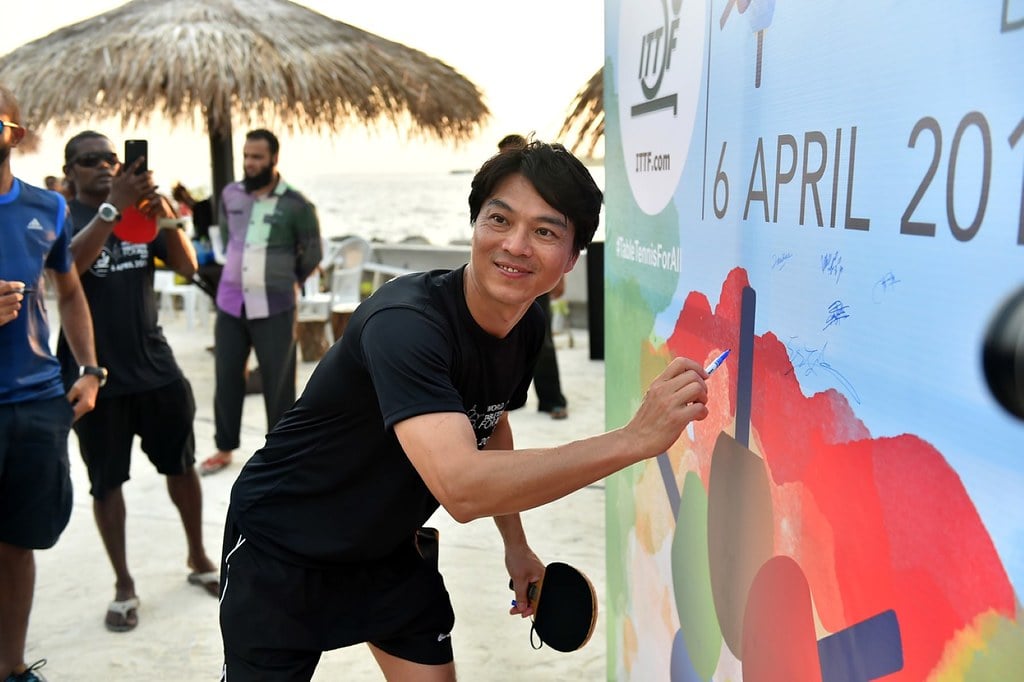
Table tennis returned to the Olympics in Seoul 1988 after nearly 90 years away, and China expected to dominate (which they did, taking three of the four gold medals available, though the real story lies in the one that got away and what it revealed about the gap between athletic preparation and the peculiar pressure of Olympic competition). Their men’s singles player, Jiang Jialiang, was the world champion and heavily favored to win gold, but in the semifinals, he encountered Yoo Nam-kyu of South Korea, playing in front of a home crowd that seemed to will every point in his direction.
And sometimes that’s enough to tip matches that should be foregone conclusions into something else entirely. So China’s dominance wasn’t quite as complete as expected.
Yoo went on to win gold, and the crowd’s celebration lasted well into the night.
Abebe Bikila’s Shoes
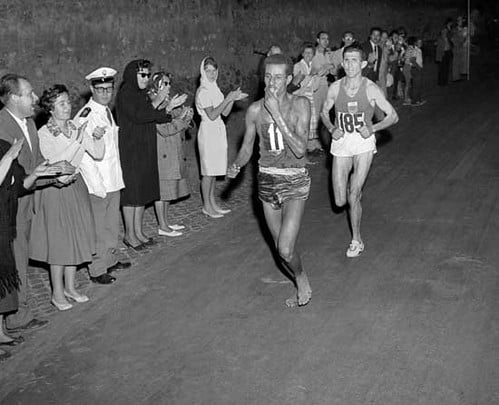
The story everyone knows: Abebe Bikila won the 1960 Rome marathon running barefoot. The story nobody tells: he wore shoes four years later in Tokyo and won again, setting a world record 40 days after having his appendix removed.
Running without shoes was remarkable. Running faster with them was something else entirely.
The man just knew how to run marathons, with or without equipment.
The Badminton Match That Lasted Forever
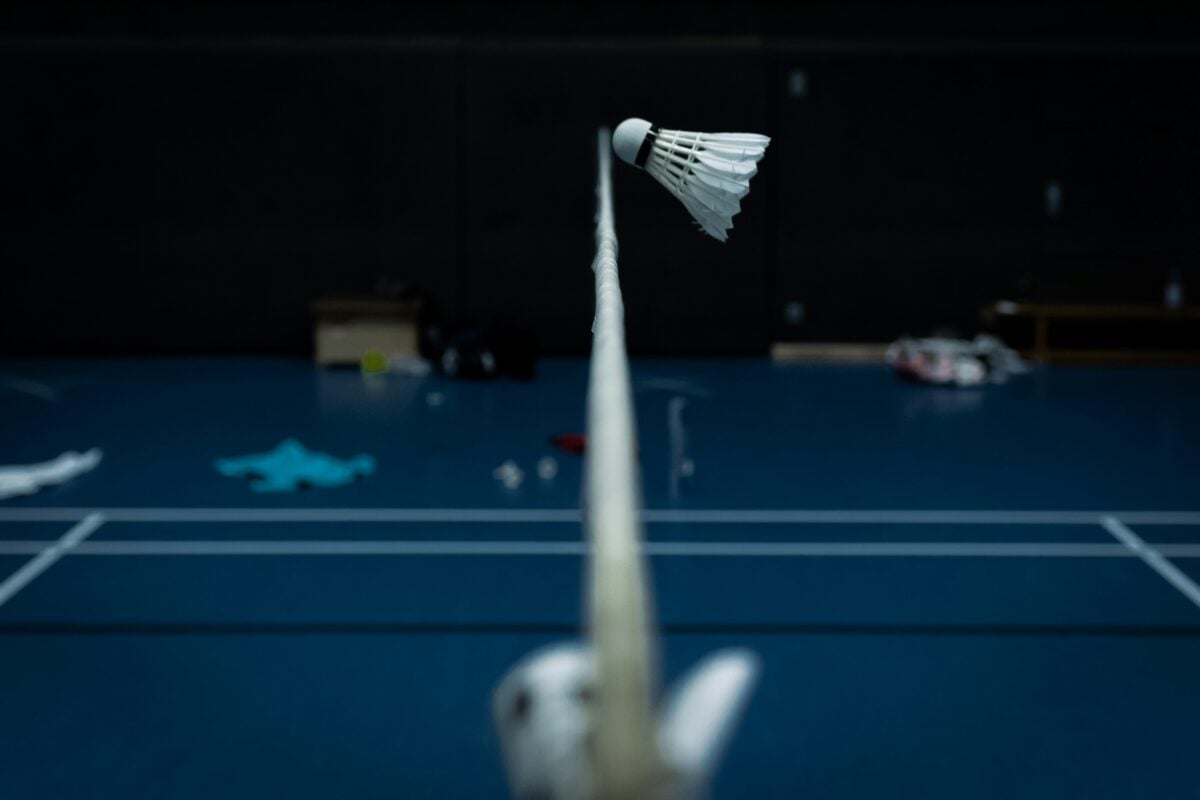
Badminton matches are supposed to be quick, energetic affairs — rallies that explode in bursts of speed and end with decisive winners, the shuttlecock moving too fast for casual observers to follow, players covering the court with movements that look more like controlled falling than running. But the 1992 Barcelona Olympics produced something different: a men’s singles match between Denmark’s Thomas Stuer-Lauridsen and Indonesia’s Hariyanto Arbi that stretched across nearly two and a half hours, a grinding test of endurance that turned the sport inside out.
What made it extraordinary wasn’t just the length, but the way both players refused to crack under the weight of exhaustion. Point after point extended into rallies that would have been highlights in other matches, but here they just became the rhythm of survival.
The crowd grew quiet, then loud, then quiet again as the match wore on past any reasonable expectation.
Dan Jansen’s Fourth Time

Everyone remembers Dan Jansen finally winning gold in Lillehammer 1994. Nobody talks about the three Olympics before that, where he was favored to win and didn’t medal at all.
Calgary 1988: his sister died of leukemia the morning of his race, and he fell. Albertville 1992: fell again. The Lillehammer victory was sweet because of what came before it, not in spite of it.
Persistence doesn’t always pay off in sports, but when it does, the payoff carries the weight of everything that came before.
The Swimming Pool That Wasn’t Deep Enough
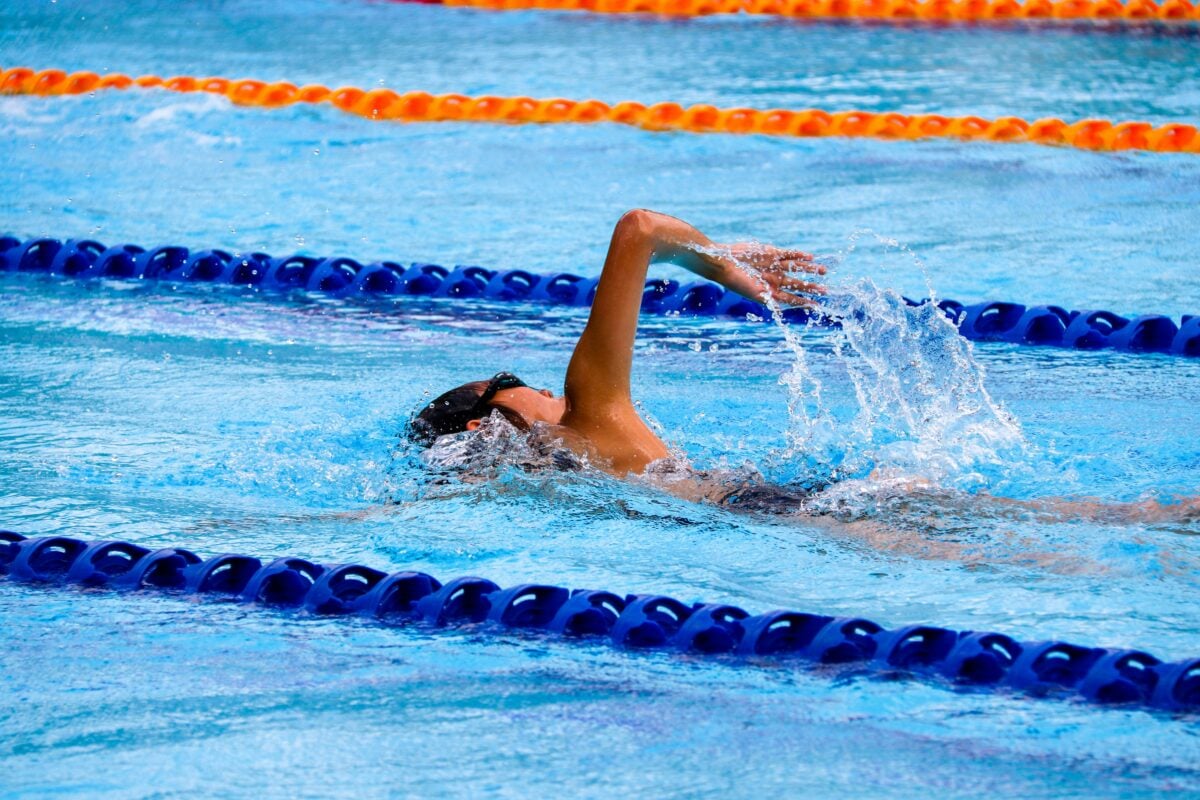
Seoul 1988 had a problem. The Olympic swimming pool was built to minimum depth requirements — exactly 2.0 meters — which created more turbulence and slower times than the deeper pools swimmers were used to. The world records set there were fewer than expected, and times were generally slower across the board.
Nobody complained publicly because you don’t critique your Olympic host’s facilities. But swimmers noticed, coaches noticed, and the times reflected it.
Sometimes the venue shapes the competition more than anyone wants to admit.
The Gymnast Who Competed for Nobody

The 1992 Barcelona Olympics introduced the “Unified Team” — athletes from the former Soviet Union competing under the Olympic flag because their country no longer existed. Vitaly Scherbo won six gold medals in gymnastics, the most by any athlete at those Games.
But he couldn’t hear his national anthem because there wasn’t one to play. Instead, they played the Olympic hymn while he stood on the podium representing a political entity that existed only for the duration of those Games.
He was the best gymnast in the world, competing for a team that would dissolve the moment the closing ceremony ended.
The Archer Who Shot in the Dark

At Seoul 1988, the archery competition ran long due to weather delays. The final rounds were shot under artificial lights, something that had never happened in Olympic competition before.
Shadows fell differently, wind patterns changed, and depth perception became unreliable. Jay Barrs of the United States won the men’s individual gold medal shooting arrows he could barely see hit the target.
Adaptability matters more than perfect conditions, turns out.
The Wrestler Who Refused to Leave
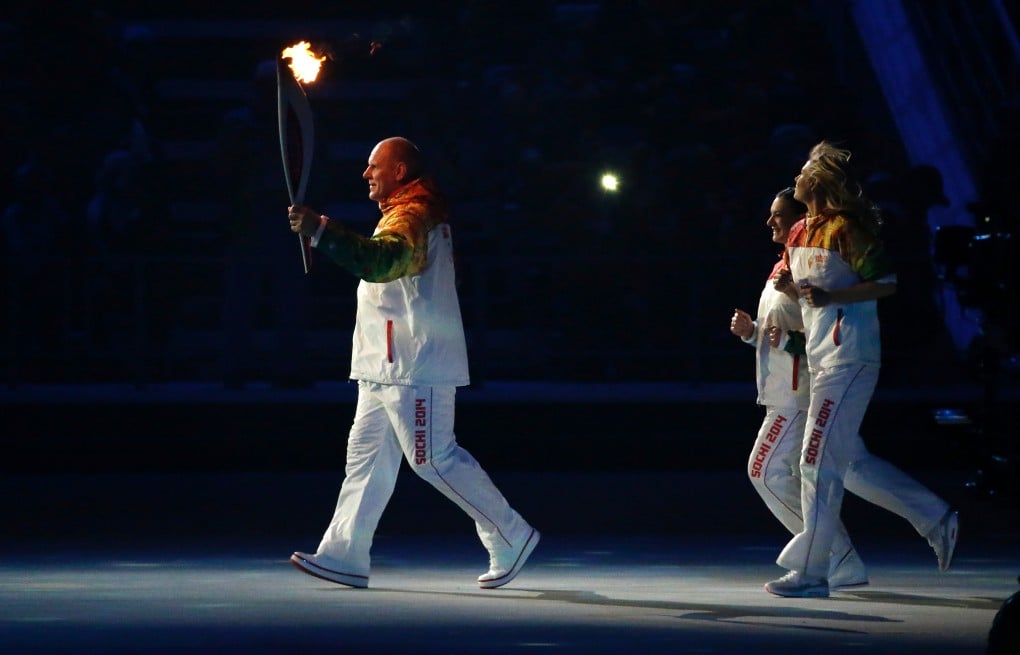
Alexander Karelin of Russia lost his final Olympic match at Sydney 2000, ending a 13-year winning streak in Greco-Roman wrestling. After the match, he sat on the mat for nearly 10 minutes, unwilling to walk away from the sport that had defined his life.
Officials eventually had to approach him gently, the way you might approach someone grieving, because that’s essentially what was happening. Sometimes endings arrive before you’re ready for them, even when you’ve had 13 years to prepare.
When the Olympics Ran Out of Gold
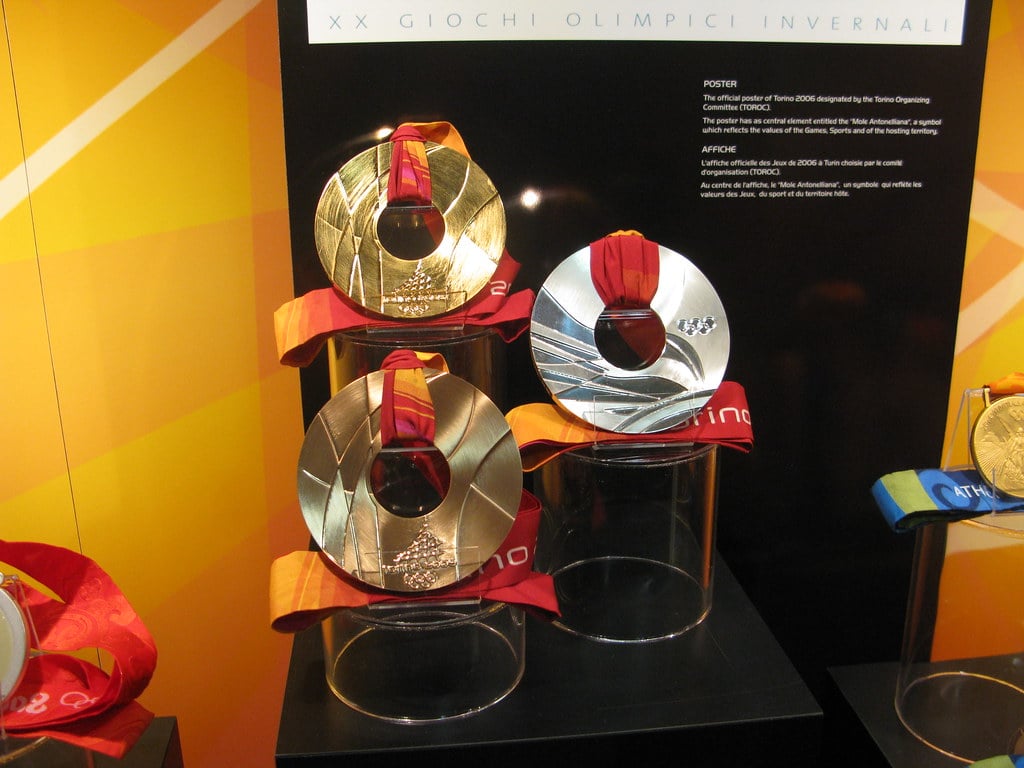
Not literally, but close. At several Olympics, medal ceremonies have been delayed because organizers didn’t anticipate certain outcomes and didn’t have enough medals prepared for specific events. Ties, disqualifications that elevated alternate winners, and successful appeals have all caused scrambles behind the scenes.
The medals that athletes receive in the ceremony aren’t always the same ones they take home — sometimes those arrive weeks later in the mail, which seems anticlimactic but happens more often than anyone admits.
The Quiet Dignity of Finishing Last
The Olympics create a strange mathematics where finishing last among the world’s best athletes somehow carries the weight of failure, when logic suggests the opposite should be true. But watching someone cross a finish line in last place, knowing they’ve trained for years to reach that moment, reveals something about human determination that doesn’t show up in medal counts or record books.
These athletes chose to compete knowing they wouldn’t win, and they finished anyway. That’s its own kind of victory, even if the scoreboards don’t reflect it.
More from Go2Tutors!

- The Romanov Crown Jewels and Their Tragic Fate
- 13 Historical Mysteries That Science Still Can’t Solve
- Famous Hoaxes That Fooled the World for Years
- 15 Child Stars with Tragic Adult Lives
- 16 Famous Jewelry Pieces in History
Like Go2Tutors’s content? Follow us on MSN.



