MTV Shows That Were Pure Entertainment
MTV didn’t just play music videos back in the day. The network created shows that became cultural events, the kind of programs people rushed home to watch or set their VCRs to record.
These weren’t educational specials or serious documentaries—they existed purely to entertain, and they did that job incredibly well.
Let’s look back at the MTV shows that kept everyone glued to their screens.
Beavis and Butt-Head
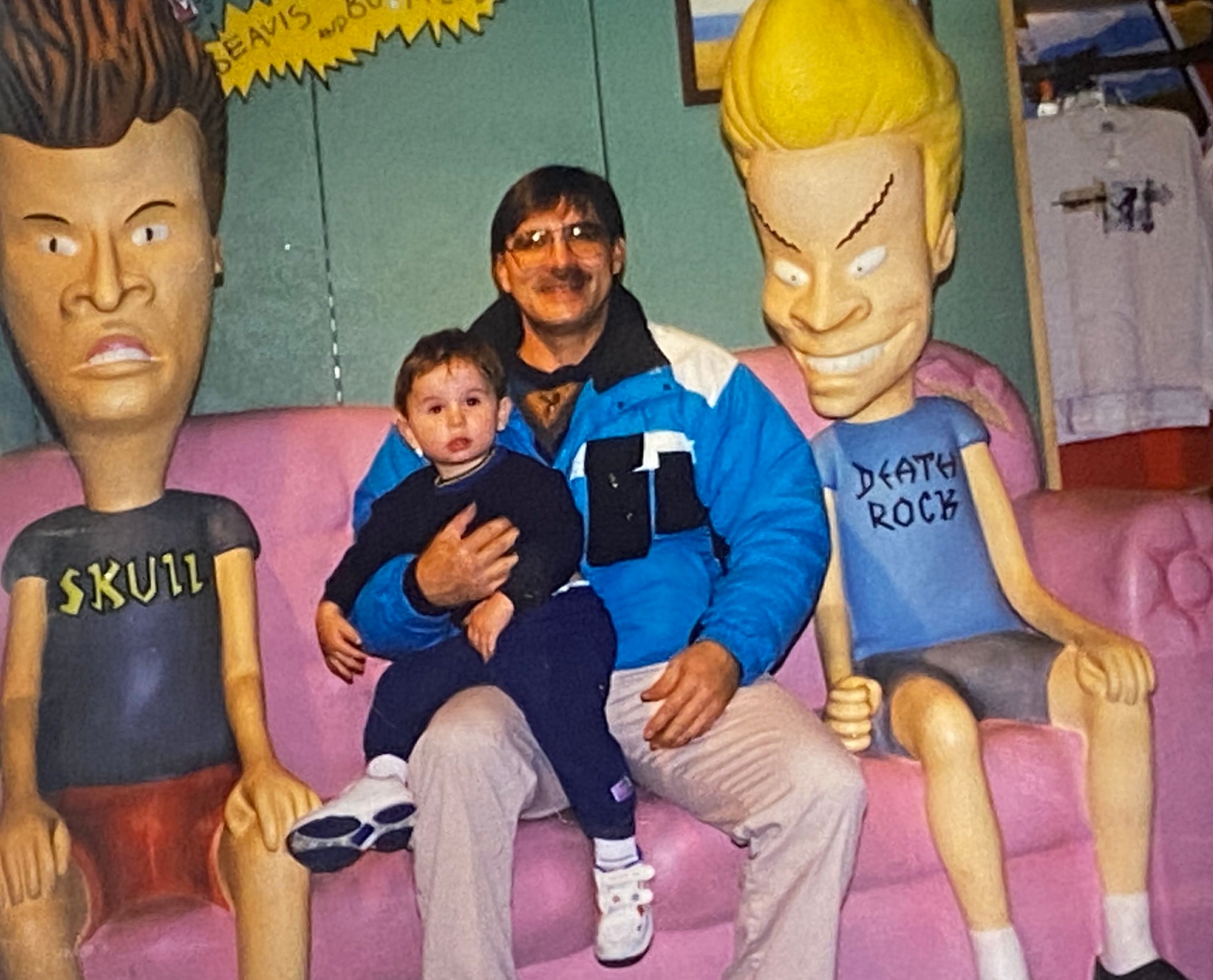
Two animated teenage slackers sat on a couch, watched music videos, and made stupid comments about everything they saw. That simple premise turned Beavis and Butt-Head into one of MTV’s biggest hits in the 1990s.
Mike Judge voiced both characters, giving them distinct laughs and personalities that people loved to imitate. The show sparked controversy for its crude humor, but that only made it more popular with its target audience.
Critics called it mindless while fans argued it was actually pretty smart satire disguised as dumb comedy.
Jackass
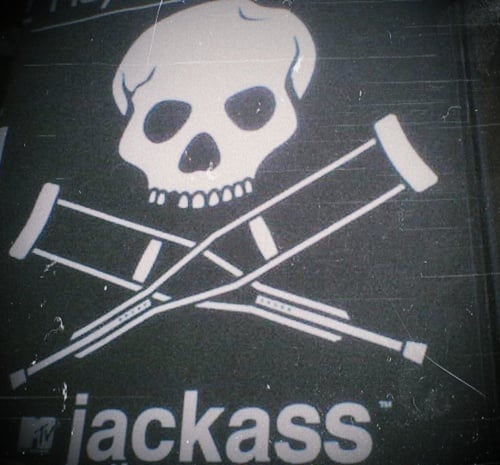
A group of friends filmed themselves doing dangerous stunts, pranks, and stunts that often ended with someone getting hurt. Jackass pushed the boundaries of what MTV could show on television and became a sensation despite warnings that viewers shouldn’t try any of this at home.
Johnny Knoxville and his crew turned pain into comedy gold, creating moments that people still talk about decades later. The show launched multiple movies and made stars out of people who were willing to do things nobody else would consider.
Parents hated it while teenagers made it appointment television.
The Real World

MTV invented reality television as we know it with The Real World in 1992. Seven strangers lived in a house together while cameras recorded everything that happened between them.
The show created drama without scripts, relying on personality conflicts and real emotions to keep viewers interested. Cast members became famous just for being themselves on camera, starting a trend that would eventually take over television.
Each season brought a new city and new cast, giving the show fresh energy year after year.
Cribs
Celebrities opened their homes and showed off their ridiculous wealth while MTV cameras captured every detail. Cribs let regular people see how the rich and famous actually lived, from their refrigerators to their bedroom closets.
The tour format stayed the same for every episode, but each house revealed something new and often outrageous. Mariah Carey took viewers through her shoe closet while Redman showed his much more modest and honestly relatable apartment.
The contrast between different celebrities’ homes made the show endlessly fascinating.
Punk’d

Ashton Kutcher created a show built around elaborate pranks pulled on unsuspecting celebrities. Hidden cameras caught famous people’s genuine reactions when they thought their cars were being towed, their houses were flooding, or their careers were in jeopardy.
The pranks were sometimes mean but always entertaining, especially when victims realized they’d been fooled. Justin Timberlake’s appearance remains one of the most memorable moments in the show’s history.
Punk’d proved that celebrities could be just as gullible as anyone else when caught off guard.
Daria
This Beavis and Butt-Head spin-off followed a smart, sarcastic teenage girl navigating high school life. Daria Morgendorffer served as the voice of reason in a world full of idiots, delivering dry observations about suburban teenage culture.
The show appealed to viewers who felt like outsiders and saw themselves in Daria’s cynical worldview. Unlike most MTV programming, Daria actually had well-written scripts and character development.
The animated series ran for five seasons and earned a devoted following that appreciated its intelligent humor.
Total Request Live
Carson Daly hosted this daily countdown show where viewers voted for their favorite music videos. TRL became a cultural institution during its run from 1998 to 2008, with screaming fans gathering outside MTV’s Times Square studio hoping to catch a glimpse of visiting celebrities.
The top ten countdown format created competition between fan bases who wanted their favorite artists to reach number one. Britney Spears, *NSYNC, and Eminem dominated the countdown during TRL’s peak years.
The show turned music video premieres into major events that people planned their afternoons around.
Celebrity Deathmatch

This stop-motion clay animation show featured famous people fighting to the death in a wrestling ring. Celebrity Deathmatch took trash talk and celebrity feuds to their logical extreme with exaggerated violence and dark humor.
Dennis Rodman fought against RuPaul while Marilyn Manson battled Charles Manson in matches that were absurd but somehow appropriate for MTV’s late-night lineup. The show’s creators used actual quotes and personality traits to inform how each celebrity fighter behaved in the ring.
Wrestling fans and animation lovers found common ground in this weird but entertaining concept.
Room Raiders

A single person searched through three bedrooms belonging to potential dates who waited outside in a van. Room Raiders turned dating into an investigation where contestants made judgments based entirely on what they found in someone’s room.
Dirty laundry, questionable posters, and mysterious items under the bed all factored into the decision. The person whose room got picked won a date, though viewers never found out if any of these couples actually worked out.
The show was basically snooping elevated to an art form.
Diary
Celebrities brought cameras along for a day or week in their lives, giving fans an inside look at fame. Diary episodes followed musicians on tour, actors during movie promotions, and athletes during their seasons.
The access felt genuine compared to other celebrity content, showing both glamorous moments and boring downtime. Viewers got to see that famous people dealt with many of the same frustrations as everyone else, just with nicer hotels.
The show created intimacy between celebrities and their fans without the drama of reality competition shows.
Viva La Bam

Bam Margera from Jackass got his own show focused on pranking his family and friends in increasingly elaborate ways. Each episode featured a different theme or challenge, from transforming his parents’ house into a skate park to planning a trip to an exotic location.
Bam’s uncle Don Vito became an unexpected star despite barely being able to form coherent sentences. The show gave viewers a glimpse into Bam’s lifestyle while delivering the same kind of chaos that made Jackass popular.
His parents’ patience seemed infinite, even when their house got destroyed repeatedly.
Made

Regular teenagers got coaching to achieve goals that seemed out of reach for them. Made paired kids with coaches who specialized in everything from cheerleading to boxing to ballroom dancing.
The show followed their journey over several weeks as they worked toward their goal and faced setbacks along the way. Some participants succeeded while others fell short, but all of them grew from the experience.
Made brought out genuine emotion by showing real kids working hard to prove something to themselves and others.
Next
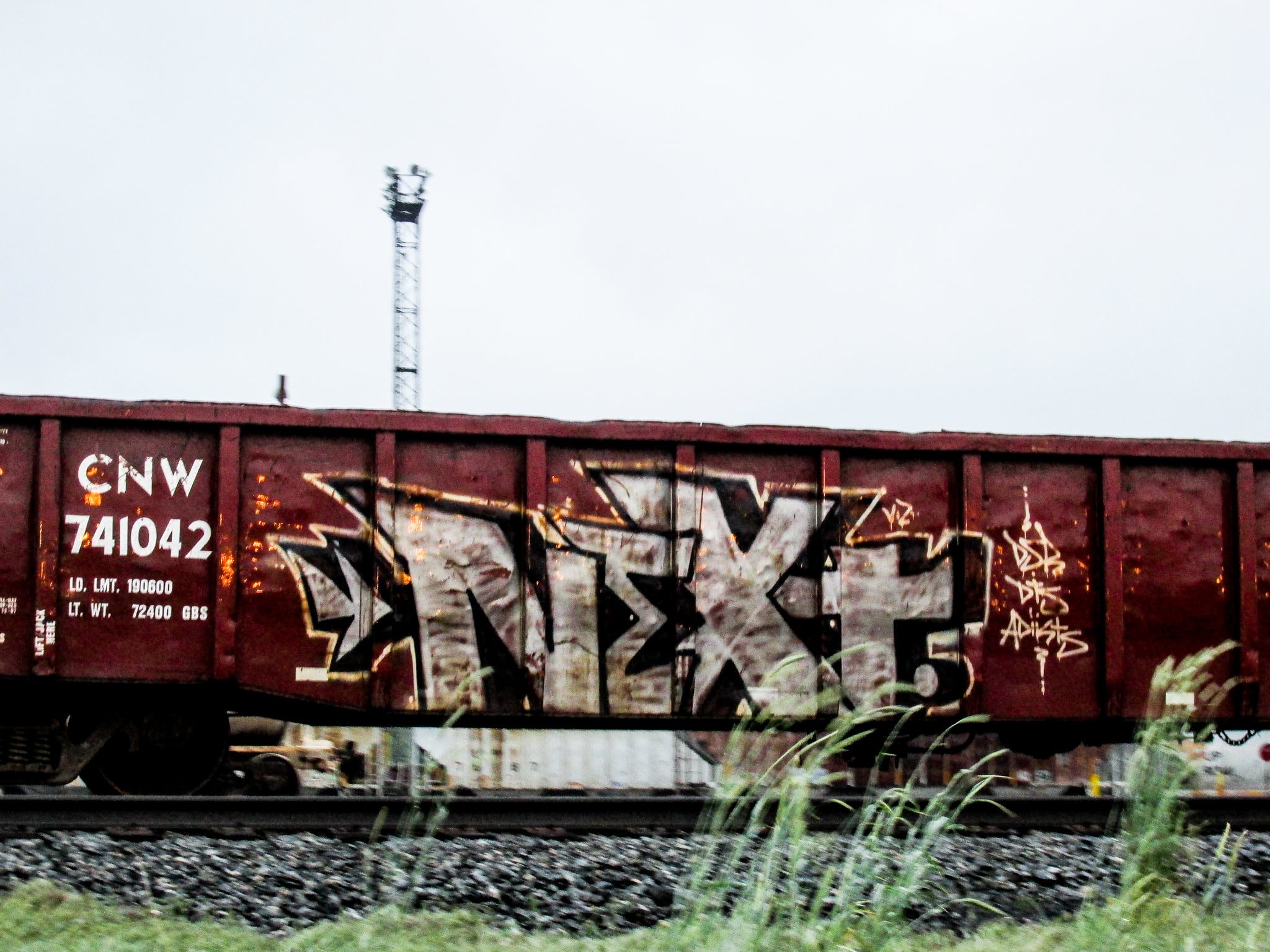
A single contestant met five strangers one at a time inside a moving vehicle. When boredom hit, they shouted ‘next,’ dumping the current guest without warning.
Each new face entered just as the last was kicked out fast. Money ticked up – one dollar per full minute survived.
Rejection came hard and fast, yet sparks sometimes flew right away. A few barely spoke before being dismissed.
Others connected so strongly the chooser stopped the round early.
Pimp My Ride
A crew led by Xzibit would take old, worn-out cars and turn them into wild machines full of over-the-top extras. Instead of repairs, these rides got built-in TVs, video games – stuff that made zero sense yet somehow felt right.
Each episode played out similarly, though what came next always managed to surprise. People stood stunned the moment they laid eyes on their new vehicle, pure shock lighting up their faces.
Turns out, most gadgets barely functioned past filming, yet viewers never minded one bit.
Dismissed

One contestant sat between two rivals vying for attention, all sharing a single dinner. Whoever was chosen held power to remove either challenger without warning.
Tension rose fast when compliments came laced with jabs across the table. Left behind guests faced cameras right after losing, spilling raw reactions on the spot.
Awkward silences, sharp words, and surprise exits became the norm – each episode built on social pressure cooking under bright lights.
True Life
A young man tries his luck forming a music group. One person faces big money troubles without hiding how hard it feels.
Another prepares for marriage, showing every step quietly. Real moments come through when someone talks about stress most would not understand.
Respect matters here, even if the topic seems small at first. Problems are shown as they are, not turned into something fake or loud.
Not everything is heavy – some stories bring lightness too. People speak openly, yet nothing feels forced or made up just to shock.
What happens off camera gets attention just like what shows on screen.
Yo Momma
Hosted by Wilmer Valderrama, Yo Momma built its whole format around roasting moms. Instead of teamwork or challenges, players hurled playful jabs at one another.
Winners moved forward through structured rounds, almost like a sports bracket. Some lines showed sharp wit; others relied on loud reactions.
From start to finish, the point stayed clear – laughing mattered most. It didn’t claim depth, nor did it try.
Insults flew fast, judged not for kindness but punchlines. Rooted in schoolyard banter, it dressed up mockery as sport.
No lesson plan, no message – just back-and-forth teasing under lights. The stage gave chaos a scoreboard.
Moments felt bold simply because they dared to go there. Not every jab landed well.
Still, the energy kept rolling, fed by crowd noise and timing. Jokes twisted family humor into blunt weapons.
In the end, nobody won respect – only bragging rights for being meaner. Laughter echoed louder than regret ever could.
Rules were loose, outcomes unpredictable. Each episode leaned hard on delivery, not substance.
There was zero pretense about what kind of show it was. Pure silliness ran the clock from beginning to close.
What made MTV powerful wasn’t strategy

It was instinct. Instead of pushing messages, their programs simply caught attention through wild originality.
A show could feel strange at first – yet somehow click because it felt real. They handed cameras to regular folks who then became famous without changing who they were.
Back when dial-up ruled, those series shaped how stories could unfold on screen. Streaming platforms borrow the rhythm of that era – even if they miss the raw spark.
Today’s creators still echo that fearless approach even if they do not admit it. Fun mattered more than meaning – and viewers stayed glued because of that choice.
More from Go2Tutors!

- The Romanov Crown Jewels and Their Tragic Fate
- 13 Historical Mysteries That Science Still Can’t Solve
- Famous Hoaxes That Fooled the World for Years
- 15 Child Stars with Tragic Adult Lives
- 16 Famous Jewelry Pieces in History
Like Go2Tutors’s content? Follow us on MSN.



