Largest Abandoned Shopping Malls in the US
Once upon a time, shopping malls were where everyone went. Weekends found families walking store to store, looking without buying.
Teens met up near the pizza counters, staying for hours just to talk. Holidays brought crowds pushing through packed hallways.
Now things look different. Many of those bright, noisy spaces are dark, doors shut, lights off.
What felt alive now stands still.
Imagine walking through once-busy shopping centers now left behind. Picture huge buildings where stores stand empty, quiet for years.
Think about places built for crowds but now filled with echoes. See wide hallways that used to buzz, now still under dim lights.
Notice how sunlight slips through broken skylights onto cracked floors. Recall what thrived here before silence took over completely.
Randall Park Mall
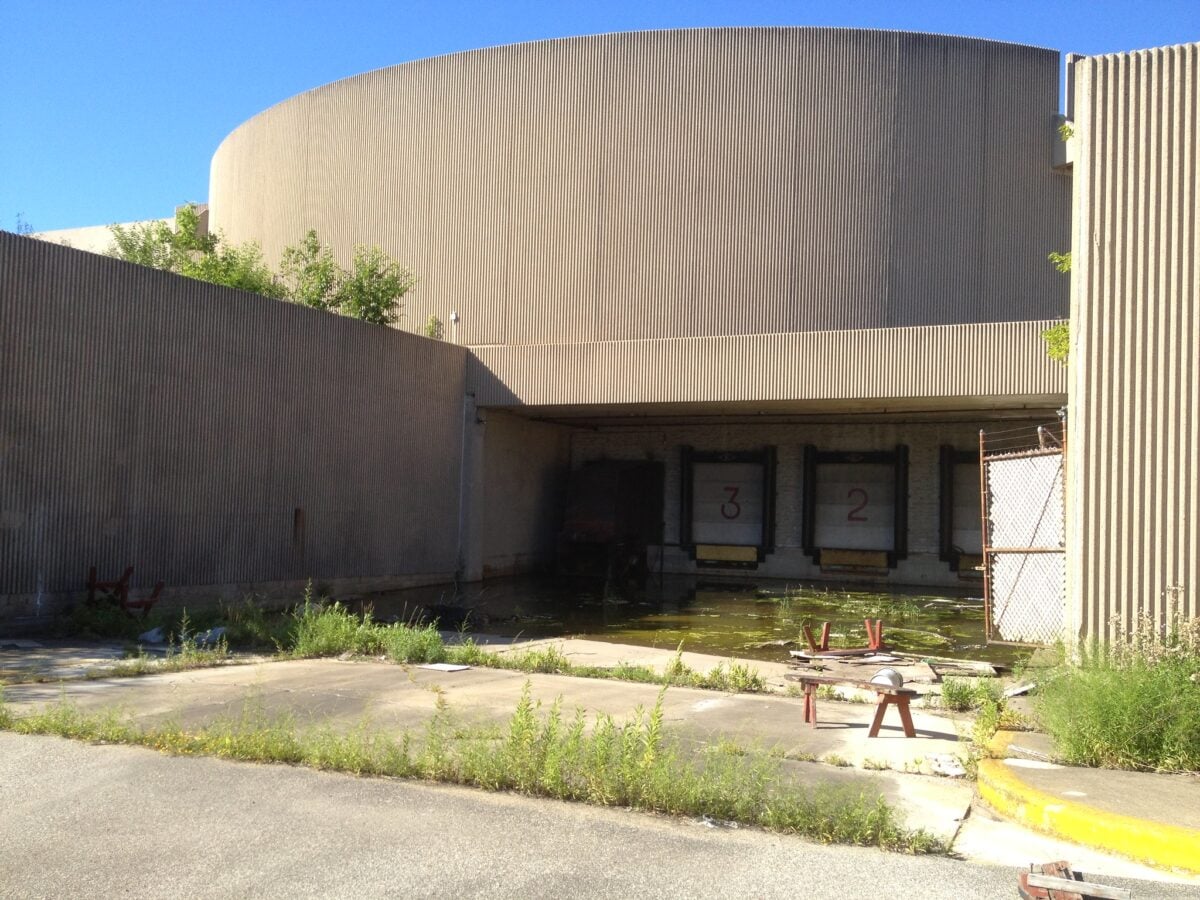
Back in 1976, an enormous mall in Ohio claimed the crown as Earth’s biggest shopping spot. North of Cleveland, tucked into North Randall, Randall Park Mall took up 2.2 million square feet.
Stores filled more than two hundred spaces; crowds poured in from every corner nearby. Though busy at first, things slowed until that final big store shut down by 2009.
Afterward, silence settled – years passed with nothing happening inside those hollow walls. Come 2018, Amazon stepped in, turning the empty lot into a vast warehouse hub.
Almost everything gone now – the old retail dream erased under steel and concrete.
Rolling Acres Mall
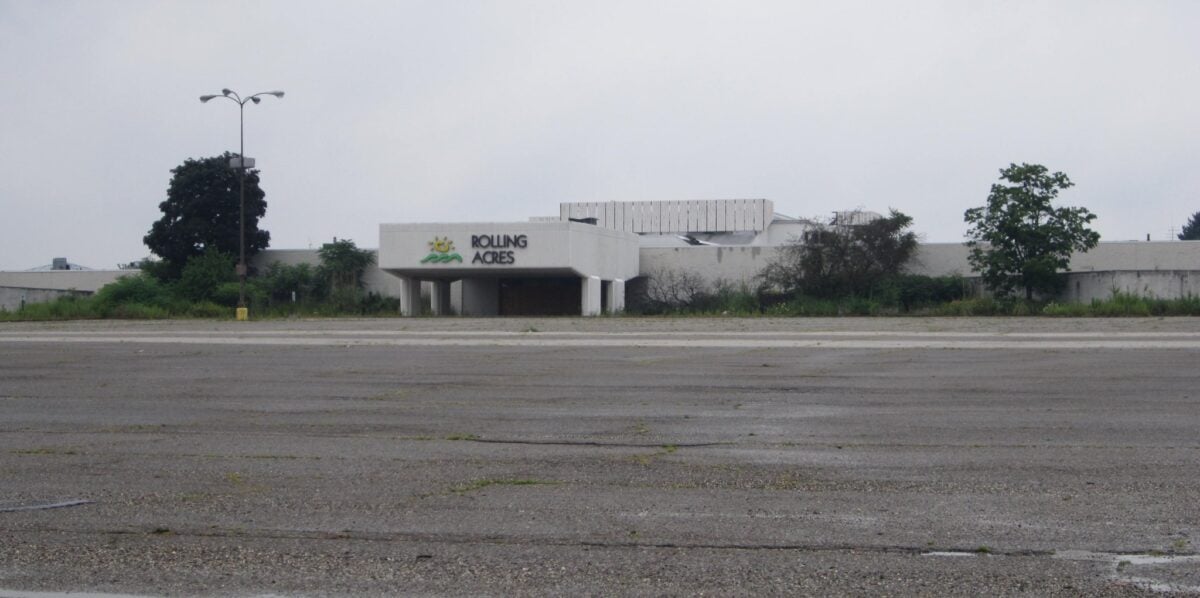
One day it stood full of shoppers – Akron’s Rolling Acres Mall stretching across 1.3 million square feet. Built in 1975, the place rose up with two busy levels, drawing people in thanks to sleek lines and shops on every corner.
Still, after years of steady foot traffic, things shifted when money got tight nearby while shiny new malls pulled visitors elsewhere. Crowds thinned out until silence settled in around 2008.
Vines crept through broken windows once lights went dark. By 2017, wrecking orbs reduced nearly everything to rubble.
What remains now lives mostly in grainy clips posted online by those who slipped inside.
Dixie Square Mall
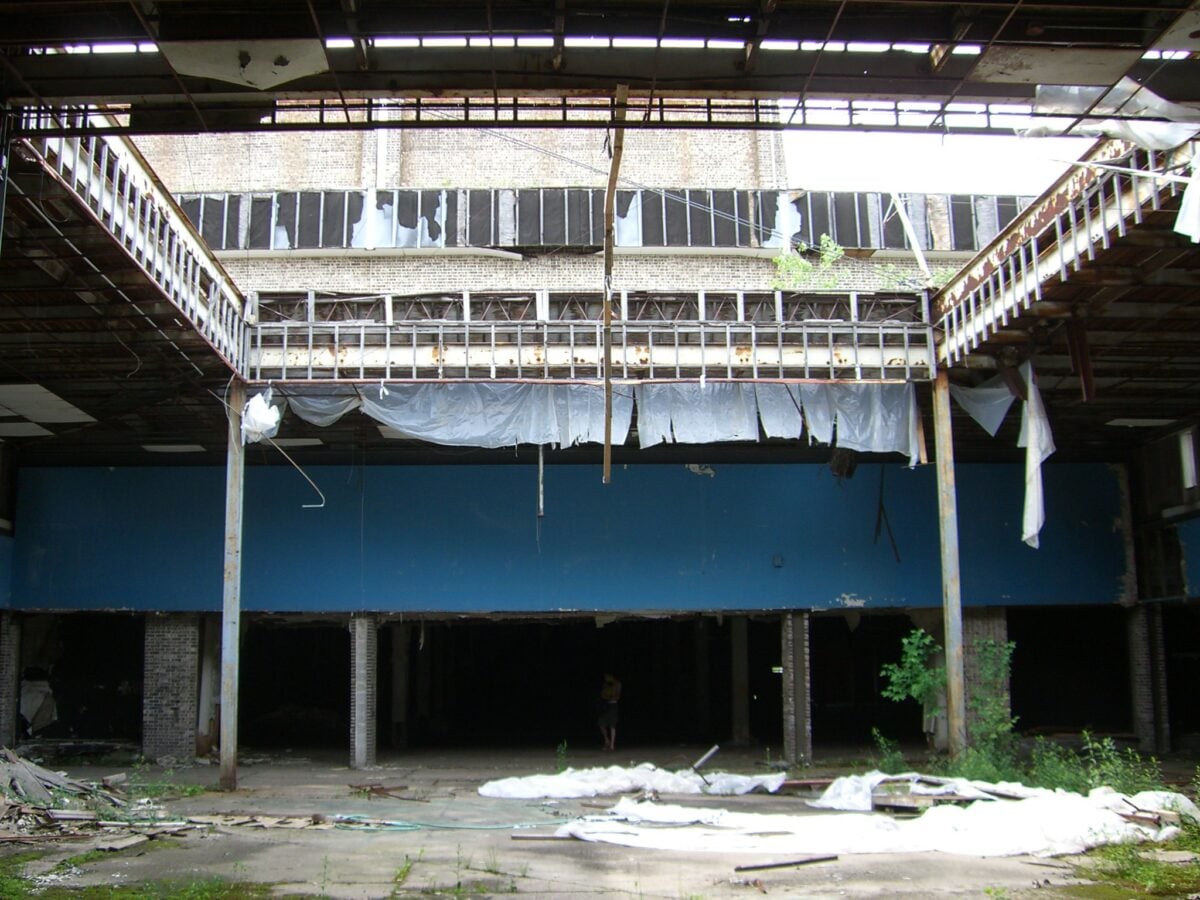
In Harvey, Illinois, an 800,000-square-foot shopping center debuted in 1966 but shut down by 1978. As local jobs vanished, fewer people visited.
Its fame grew not from business success – rather, it showed up in the 1980 movie ‘The Blues Brothers’ when vehicles smashed through empty halls. Decades passed without new tenants; weeds crept across broken floors.
Left untouched for more than three decades, it became a quiet marker of fading cities. After standing still since the ‘80s, wrecking crews arrived in 2012.
Now, only open land sits there.
Metro North Mall
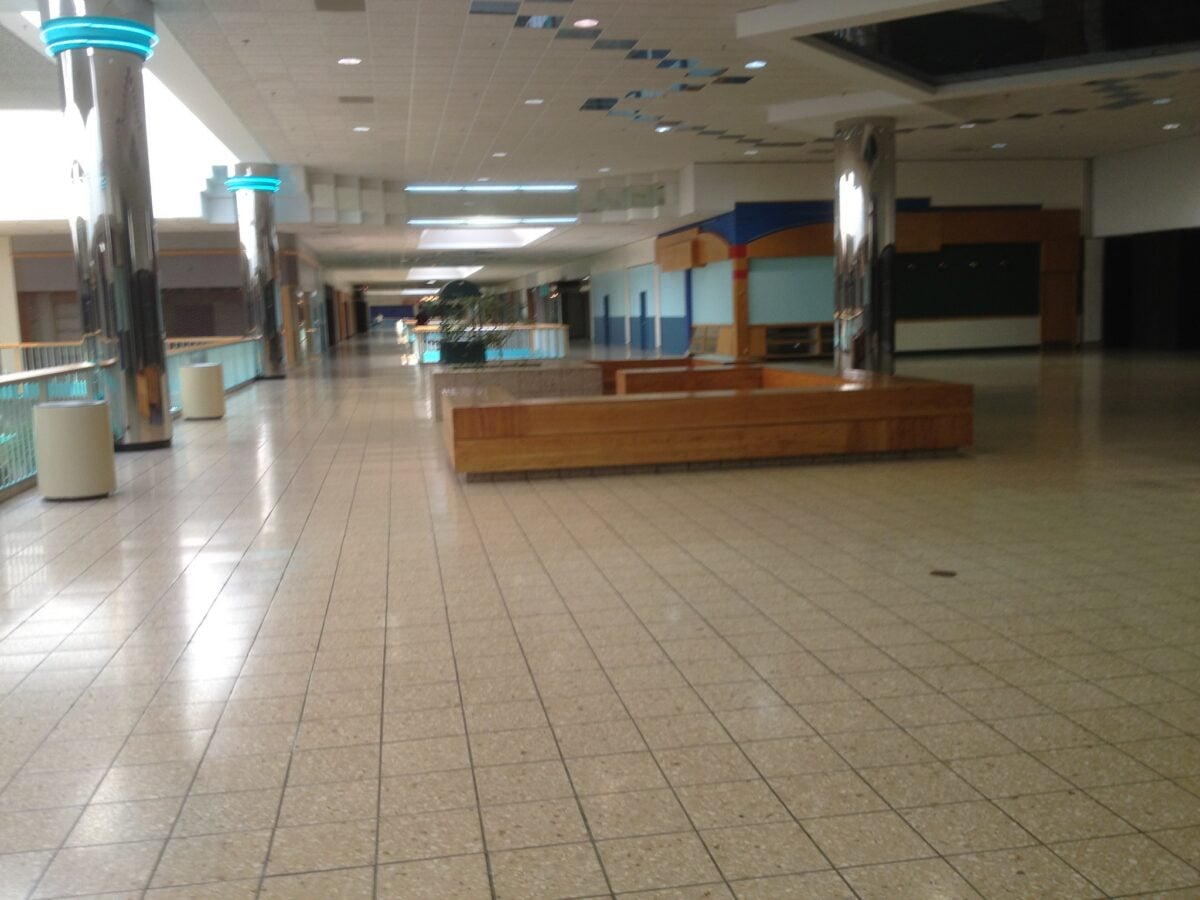
Once big and busy, Kansas City’s Metro North Mall covered nearly a million square feet. Opened in 1976, it pulled crowds eager to spend their money.
Yet things shifted slowly when nearby neighborhoods grew tense and newer malls popped up elsewhere. Shoppers drifted away until only echoes remained.
By 2014, every storefront stood empty. For years after, nothing moved but wind through broken glass.
Finally, in 2021, machines tore it all down. Now soil sleeps under open sky, waiting without hurry.
Owings Mills Mall
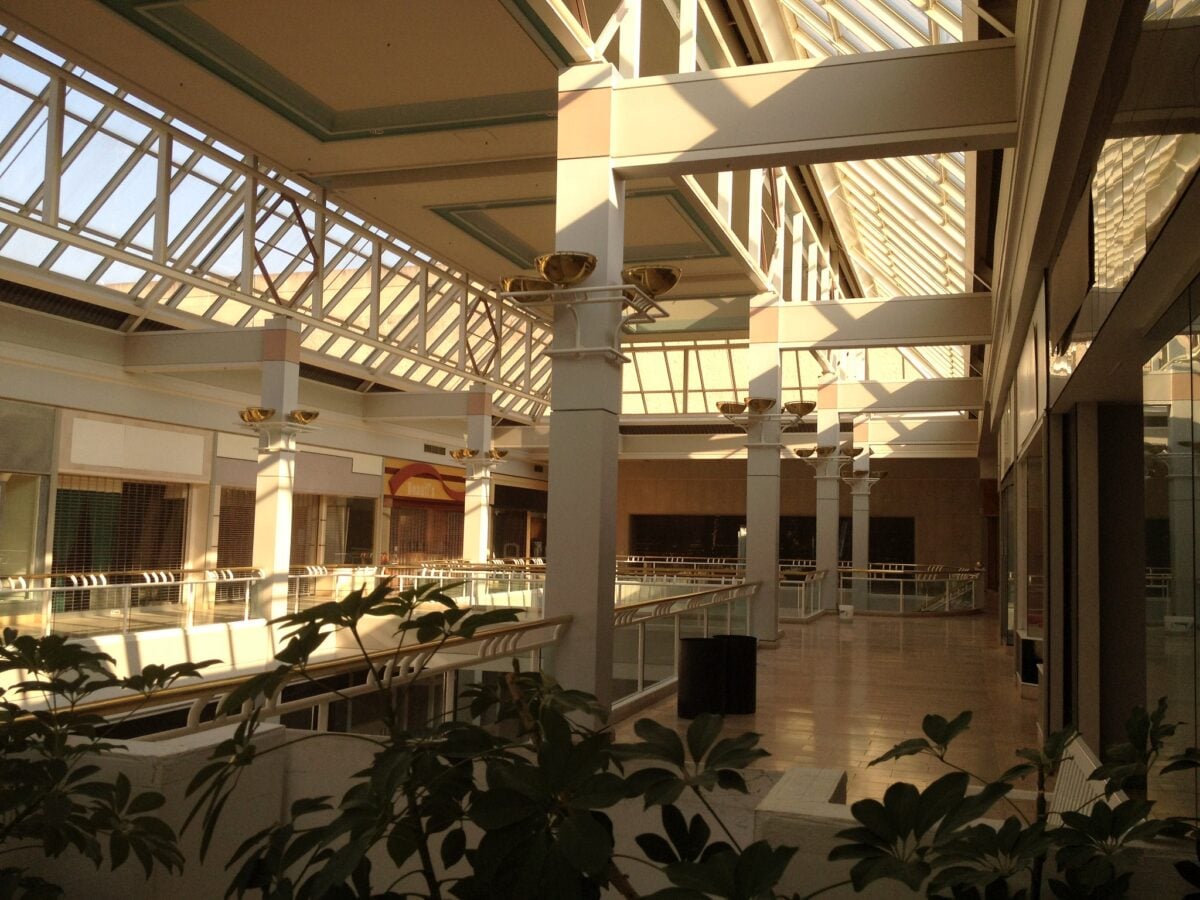
This Maryland shopping hub stretched across 1.2 million square feet, catering to communities northwest of Baltimore. Opening its doors in 1986, Owings Mills Mall positioned itself as a refined retail spot with luxury shops.
Yet when the economy faltered in 2008, the neighborhood felt the impact deeply – major tenants began vanishing slowly. One after another they left until, come 2015, nothing remained inside.
In 2016 workers tore it all apart; today that ground hosts Mill Station, a blend of homes, shops, and workspaces.
Jamestown Mall
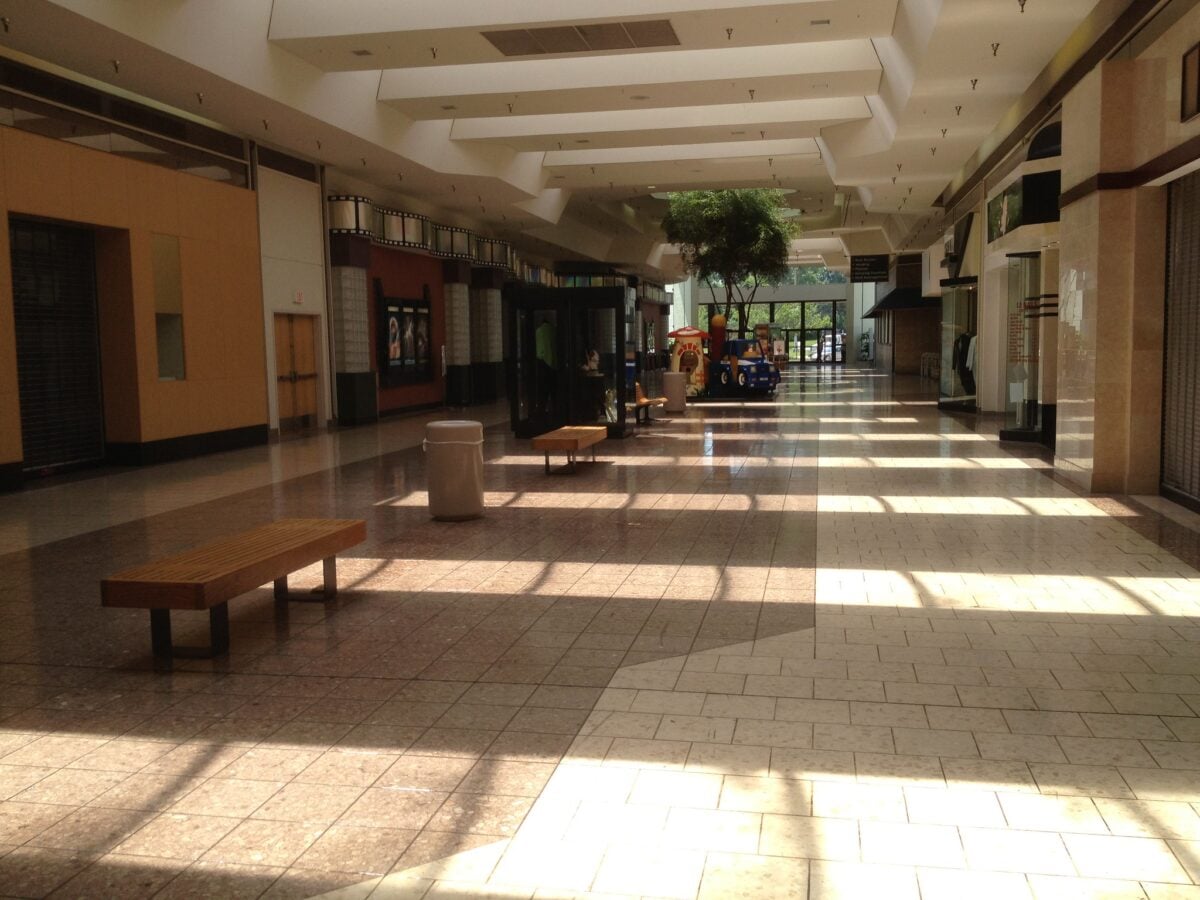
Jamestown Mall sat in Florissant, Missouri, just outside St. Louis, spreading across 1.1 million square feet. Opened back in 1973, it stayed busy for decades – locals used to meet there regularly.
By the 1990s, though, things shifted; economic decline crept in while crime climbed, pushing people elsewhere. After shutting its doors in 2008, broken windows let people wander through at will.
By 2014, wrecking crews arrived, clearing everything down to bare ground. Slowly, new shops began appearing where walls once stood.
Cloverleaf Mall
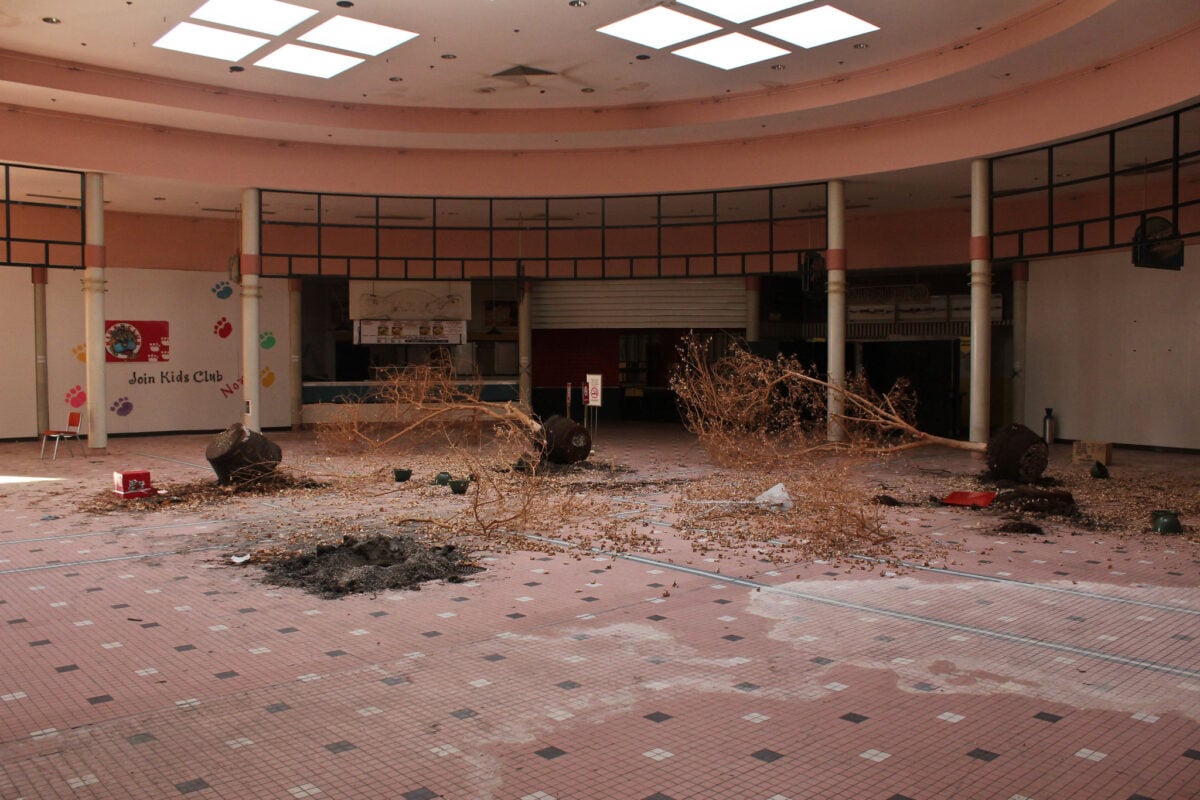
Empty for years, Richmond’s Cloverleaf Mall once spanned 850,000 square feet. Opened in 1972, it drew crowds as a top local hub.
Yet newer centers nearby slowly siphoned off visitors. By 2008, its final big store locked doors.
Then silence – full closure came in 2009. Left behind, the structure waited until wrecking crews arrived in 2016.
Where it once stood now rises something different: homes, shops, space.
Charleston Town Center
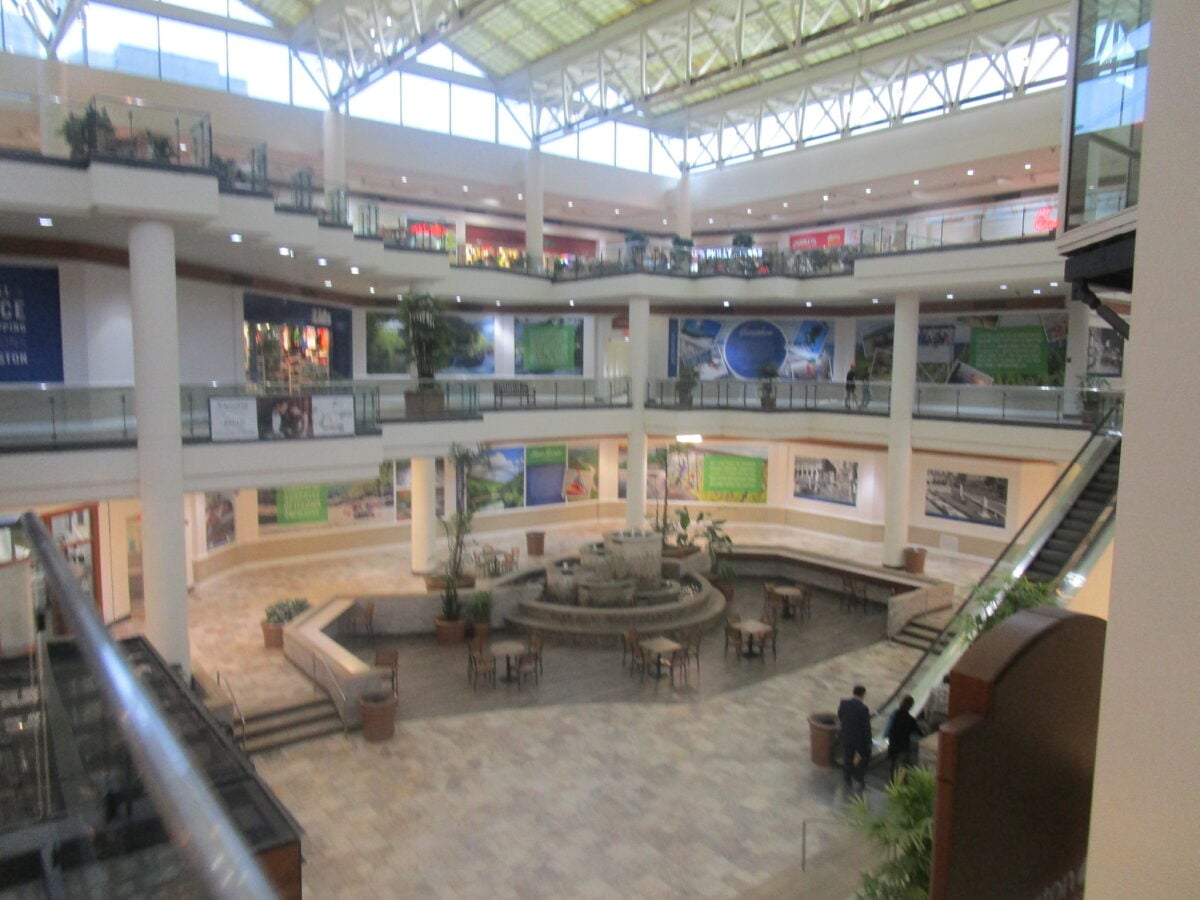
This West Virginia mall covered 1.1 million square feet in the heart of Charleston’s downtown. Charleston Town Center opened in 1983 and brought urban renewal hopes to the city center.
Online shopping and suburban competition gradually reduced foot traffic. Major anchor stores left in the late 2010s, and the mall’s owners filed for bankruptcy in 2020.
Large sections of the building now sit empty, though some stores still operate in limited areas.
Salisbury Mall
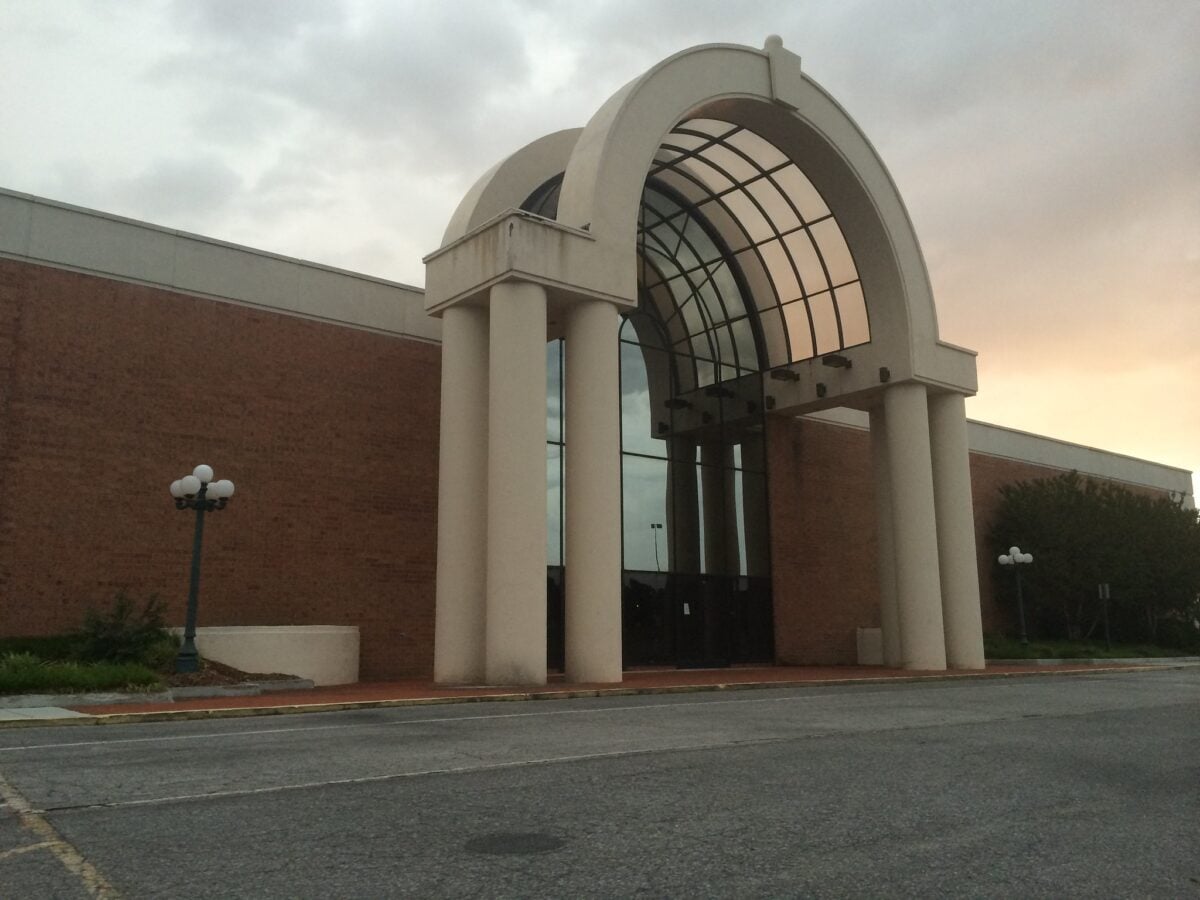
North Carolina’s Salisbury Mall stretched across 500,000 square feet and served the community from 1978 onward. The single-story structure attracted shoppers from throughout Rowan County.
Competition from bigger malls in nearby cities and changing shopping habits led to declining business. The mall closed in 2014, and the building has remained mostly empty since then.
Parts of the structure have been repurposed, but large sections still sit unused.
Euclid Square Mall
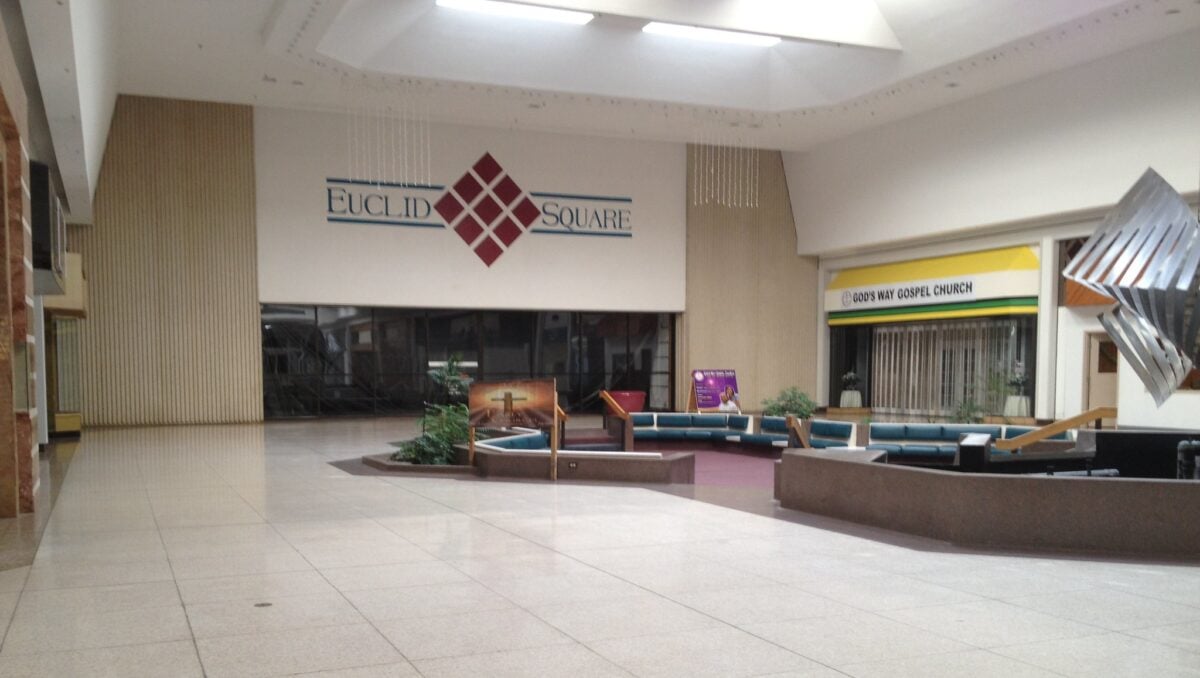
Ohio’s Euclid Square Mall covered 1.4 million square feet when it opened in 1977. The massive complex served Cleveland’s eastern suburbs with over 140 stores.
Economic decline in the surrounding area and increased competition from other shopping centers drove customers away. The mall closed in 2016, and the empty building quickly fell into disrepair.
Demolition began in 2019, and the site has been cleared for potential redevelopment.
Indian Springs Shopping Center
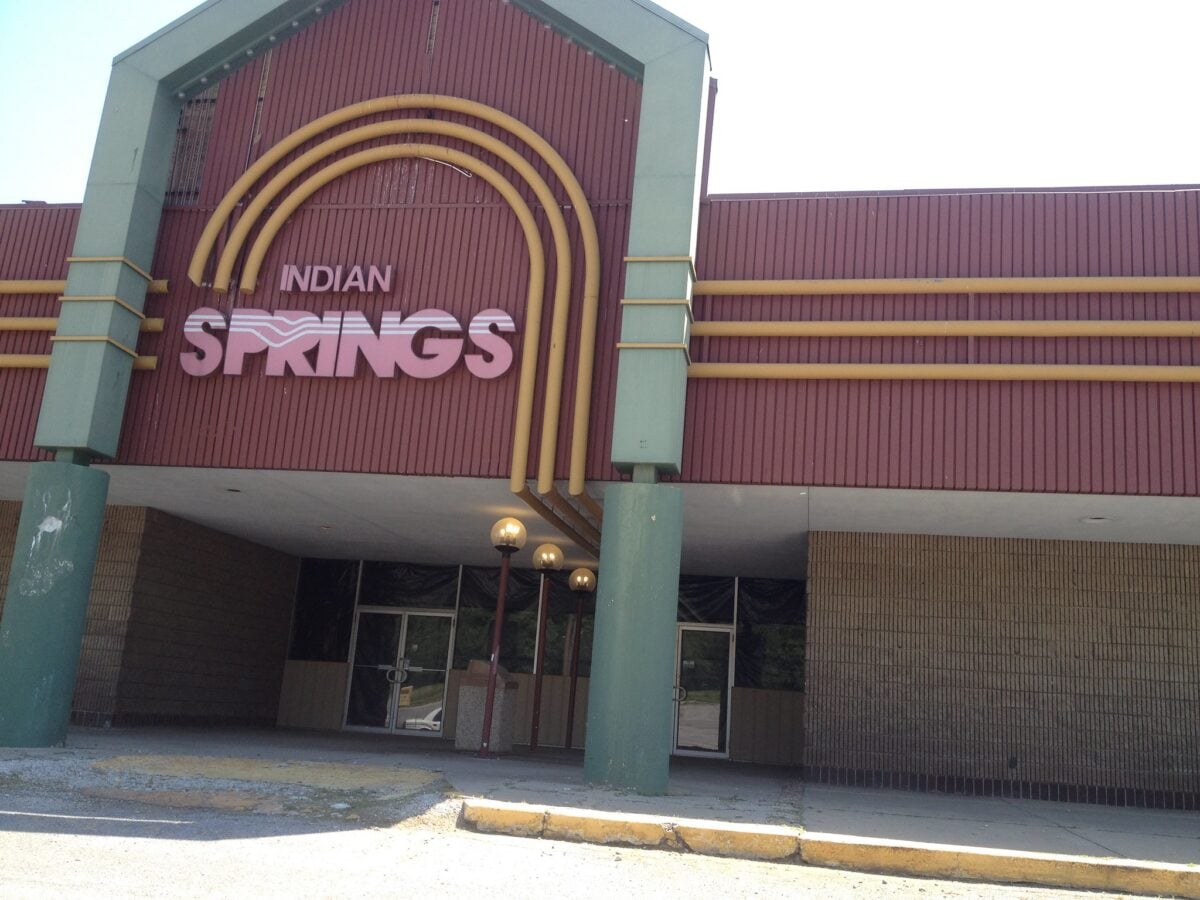
This Kansas City mall covered 630,000 square feet and opened in 1971. Indian Springs served as an important shopping destination for the area’s residents.
Crime and economic troubles in the neighborhood scared shoppers away. The mall closed in 1997 and sat abandoned for many years.
The city demolished most of the structure in 2009, though some parts of the property have been redeveloped.
Northridge Mall
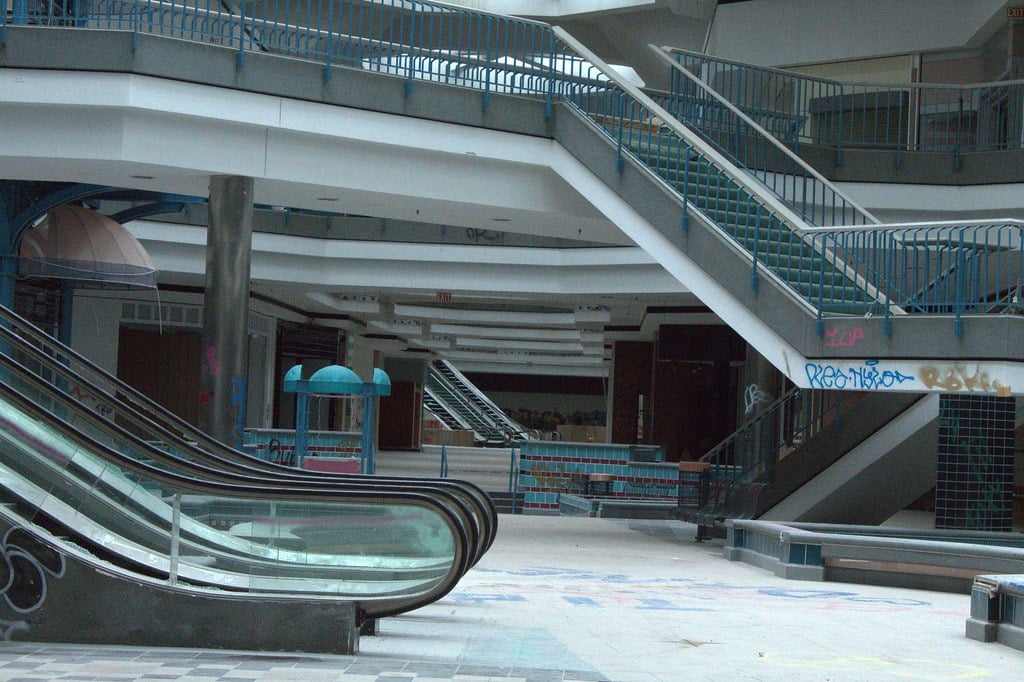
Empty since 2003, Milwaukee’s Northridge Mall once filled 1.2 million square feet across two levels. Opened in 1972, it drew crowds each week from surrounding neighborhoods.
Shoppers dwindled as economic conditions worsened, while newer malls pulled business away. Left untouched for more than twenty years, break-ins and curious visitors have worn it down.
Efforts by officials to attract builders haven’t gone far – few see value in reviving such a vast site.
Century III Mall
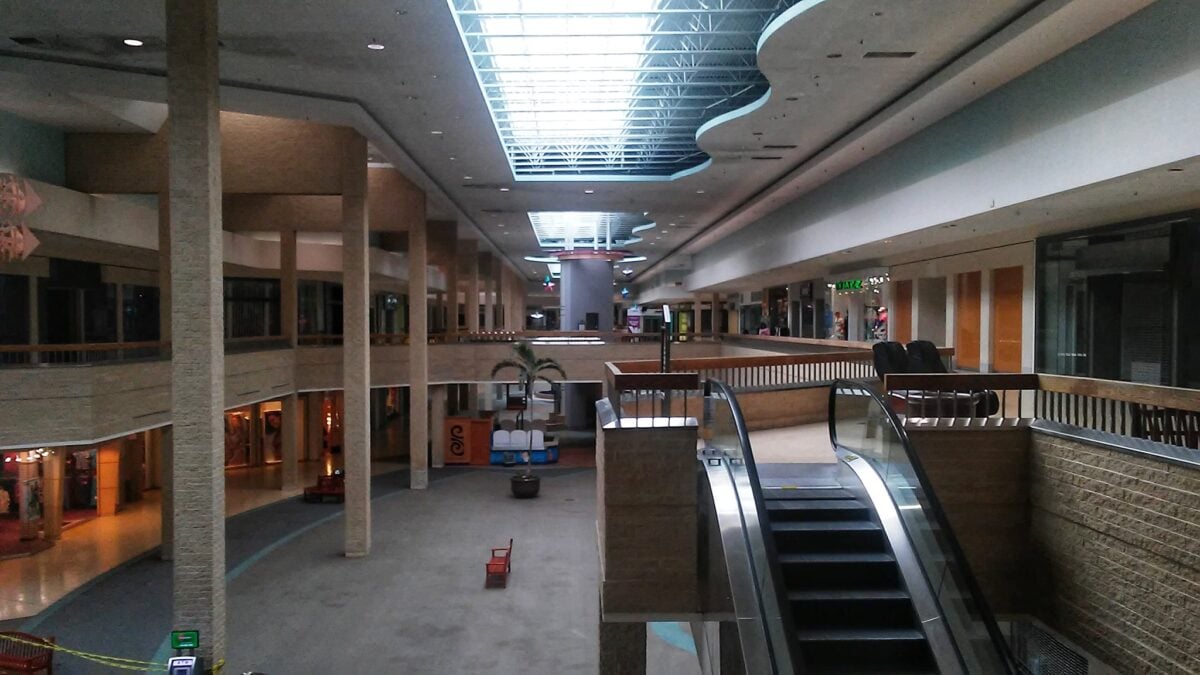
West Mifflin sits just outside Pittsburgh, home to what was once Century III Mall – a shopping space spread across 1.3 million square feet. Built during the late seventies, it welcomed its first visitors in 1979, quickly growing into one of America’s biggest malls.
Steel jobs vanished as factories slowed, hitting nearby communities hard; fewer people visited stores over time. After decades of fading activity, the building shut down for good in 2019.
Now standing silent and hollow, the site reflects how tough times reshaped life here.
Forest Fair Village
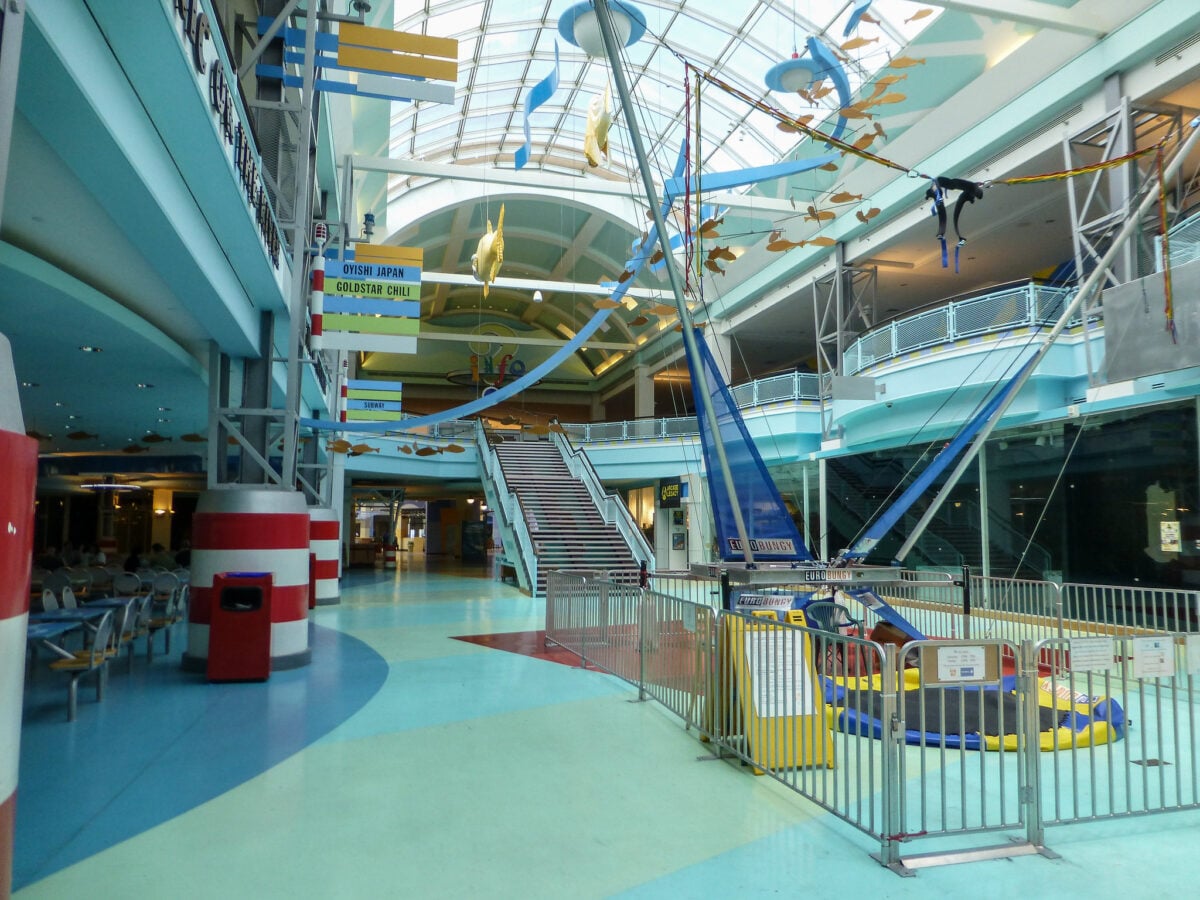
Back in 1989, a giant shopping center opened near Cincinnati – spanning 1.5 million square feet across Ohio. Forest Fair Village was built big, promising shoppers special spots along with plenty of retail variety.
Yet people just did not come, leaving huge parts empty almost from the start. By the early two thousands, most sections shut down; still, a small number of shops stayed open for years after.
Now quiet, the place holds barely any businesses at all inside its wide halls.
Wonderland Greyhound Park
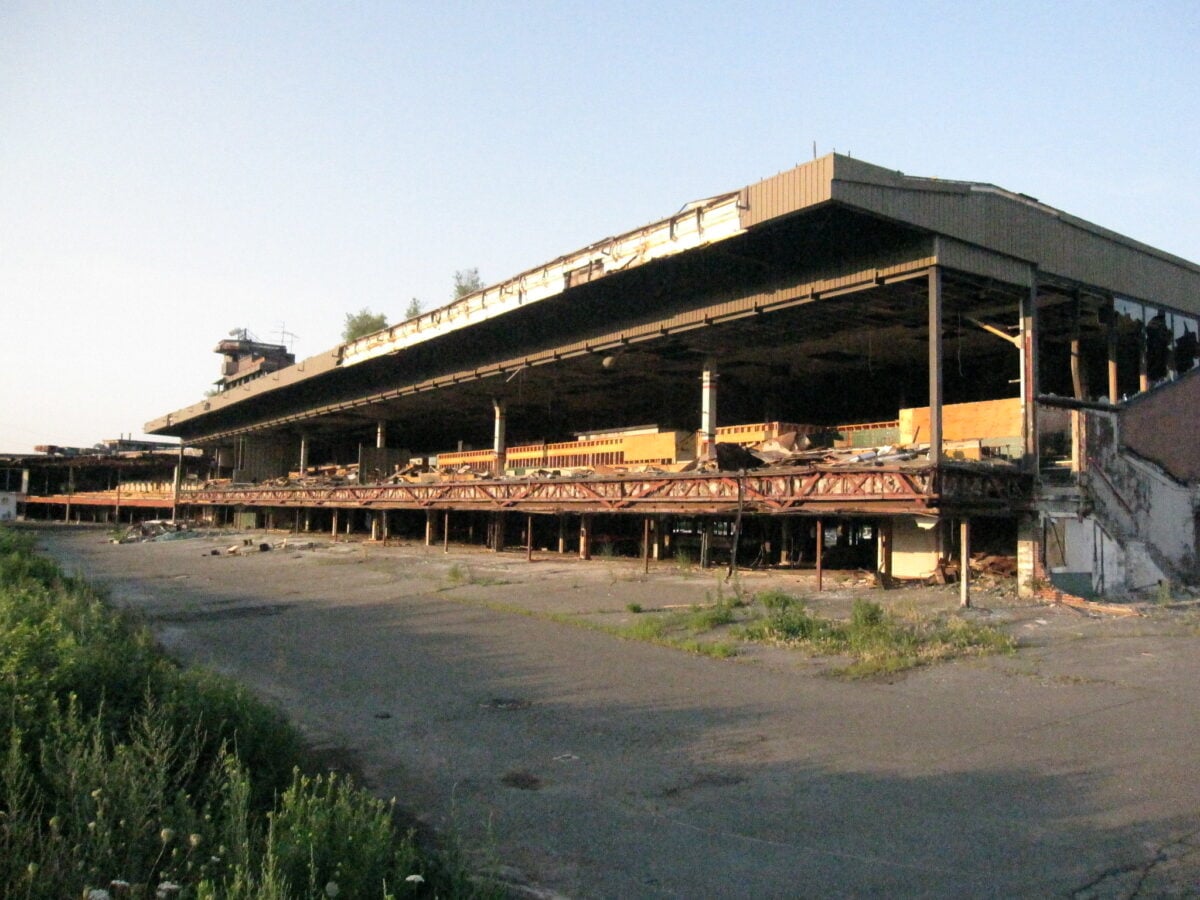
One by one, the pieces fell apart after Massachusetts lost a rare mix of retail and showbiz. Sitting on about 800,000 square feet, it tied together stores with a greyhound raceway.
Built during the 1930s, the shopping section came along afterward. Shifting rules around bets, plus how people shop now, shut everything down by 2010.
Since then, wrecking crews cleared the site. Yet new ideas for what comes next remain stuck.
Not much moves forward anymore.
Gwinnett Place Mall
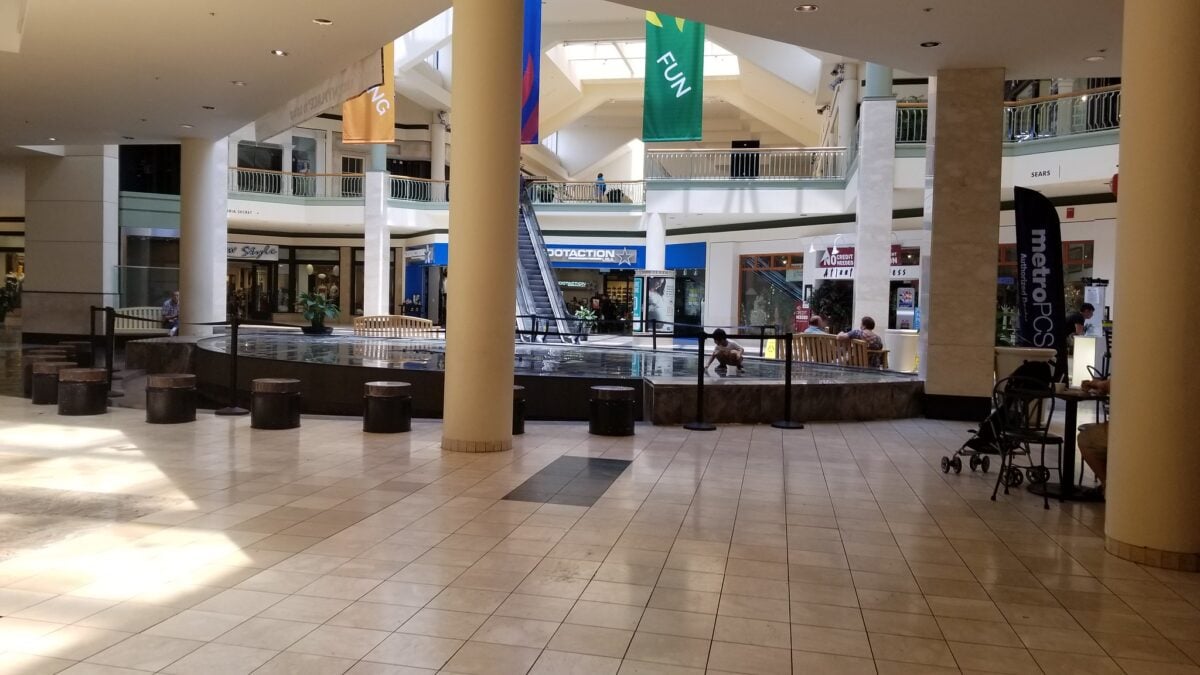
Opened in 1984, Georgia’s Gwinnett Place Mall stretched across 1.3 million square feet. Serving fast-expanding Atlanta suburbs, it stayed busy for decades.
From the late 1990s onward, attention shifted toward the newer Mall of Georgia nearby. After the final big retailer exited in 2010, decline followed – most spaces dark by 2020.
Bought by the county in 2021, hopes now rest on transforming the site into something layered and varied.
What Remains
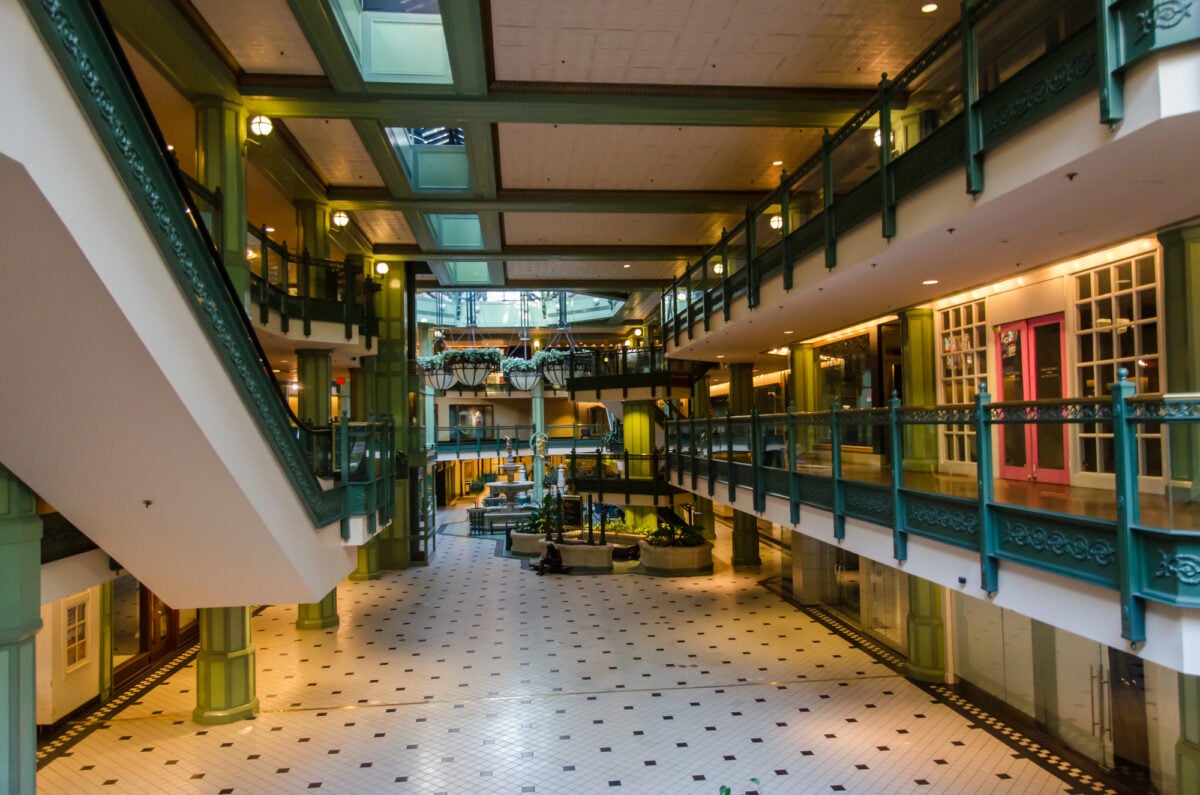
Empty now, these huge buildings show just how fast the world shifts. Once central to how Americans shopped, many malls failed to keep up with digital buying trends and shifting lifestyles.
While some have turned into warehouses or office spaces, a number remain unused. Forgotten corners of concrete and steel wait for fresh ideas to give them meaning again.
Though the age of giant malls has faded, their sprawling shells still mark the land in quiet ways.
More from Go2Tutors!

- The Romanov Crown Jewels and Their Tragic Fate
- 13 Historical Mysteries That Science Still Can’t Solve
- Famous Hoaxes That Fooled the World for Years
- 15 Child Stars with Tragic Adult Lives
- 16 Famous Jewelry Pieces in History
Like Go2Tutors’s content? Follow us on MSN.



