16 Rock Albums That Flopped Then Became Classics
Music history overflows with albums that critics dismissed and fans ignored, only to watch them transform into legendary classics years later. These records often challenged conventional wisdom, pushed boundaries, or simply arrived at the wrong time. The music industry’s initial rejection makes their eventual recognition even more remarkable.
Here is a list of 16 rock albums that initially flopped but eventually became classics that shaped the sound of generations.
The Velvet Underground & Nico

The Velvet Underground’s 1967 debut landed with a thud that echoed through empty record stores across America. Radio stations wouldn’t touch Lou Reed’s dark tales of urban decay — the album sold fewer than 30,000 copies in its first five years. Producer Brian Eno later quipped that while hardly anyone bought the album, everyone who did started a band.
Big Star’s Third

Big Star’s 1978 release ‘Third’ became one of the most influential power-pop albums ever made, though you wouldn’t have known it from initial sales figures. The album barely registered on charts — left the band financially devastated. Decades later, bands like R.E.M. and The Replacements cited it as a major influence, turning Alex Chilton’s commercial failure into a cult masterpiece.
The Stooges

Iggy Pop and The Stooges unleashed their self-titled debut in 1969 to widespread confusion. Critics called it noise, radio programmers ignored it, and most fans didn’t know what to make of the raw, primitive sound. The album’s influence on punk rock became undeniable by the mid-1970s — when bands like The Ramones acknowledged its groundbreaking impact.
Television’s Marquee Moon
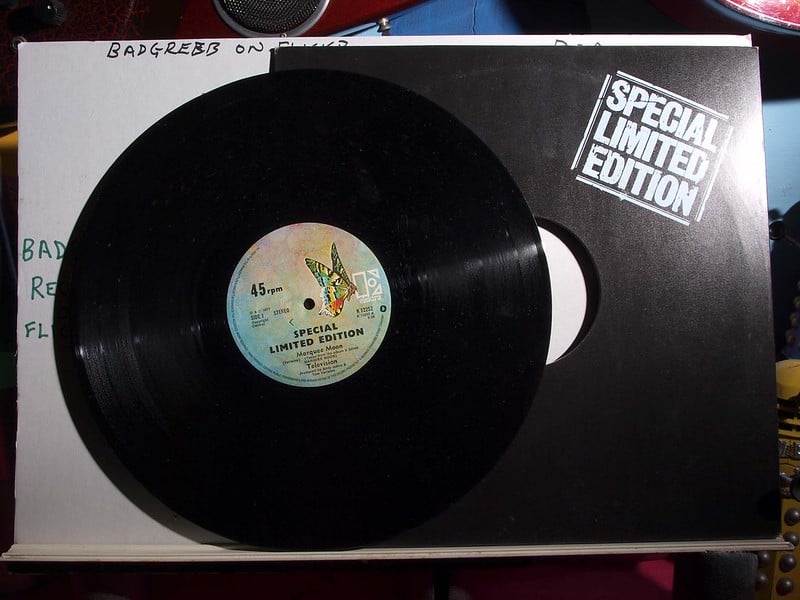
Television’s 1977 masterpiece ‘Marquee Moon’ showcased Tom Verlaine’s intricate guitar work and poetic lyrics, yet record buyers weren’t ready for such complexity. The album peaked at number 180 on the Billboard charts — disappeared quickly from most stores. Guitar magazines now regularly feature Verlaine’s work from this album in their ‘greatest solos’ lists.
Patti Smith’s Horses
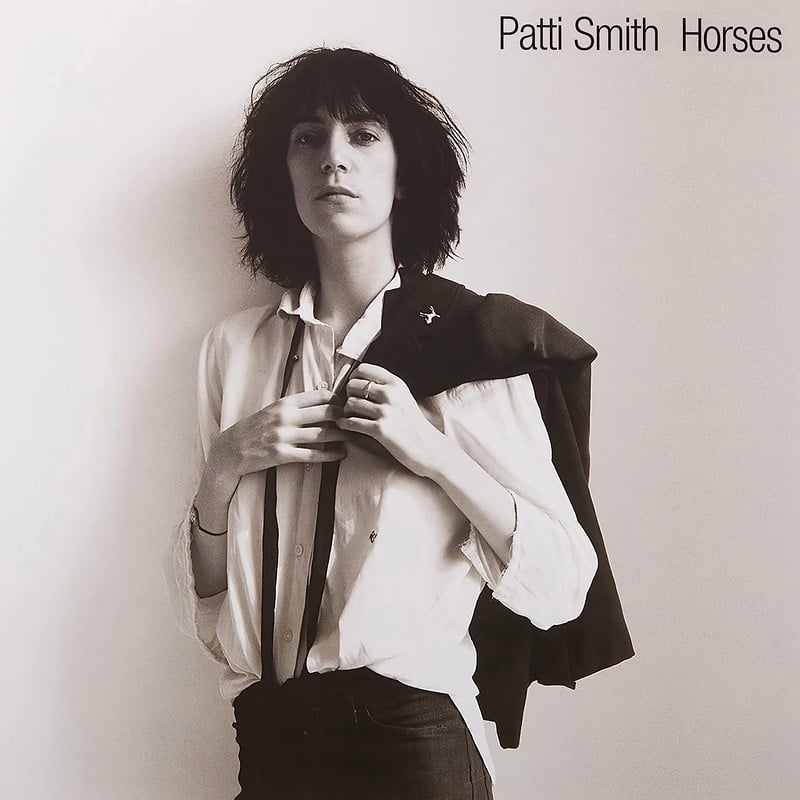
Patti Smith’s 1975 debut ‘Horses’ merged poetry with rock and roll in ways that confused both literary critics and music fans. The album’s experimental nature and Smith’s unconventional vocal style resulted in modest sales — mixed reviews followed. Rolling Stone later ranked it among the greatest albums of all time, recognizing its profound influence on alternative rock.
The MC5’s Kick Out the Jams

The MC5’s incendiary 1969 live album captured the raw energy of Detroit rock but scared away mainstream audiences. Major retailers refused to stock it due to profanity — radio stations banned the title track outright. The album’s aggressive sound and political message became a blueprint for punk rock, inspiring countless bands to embrace rebellion over commercial appeal.
Captain Beefheart’s Trout Mask Replica

Don Van Vliet’s 1969 experimental masterpiece under the Captain Beefheart moniker challenged every convention of rock music. The album’s angular rhythms, surreal lyrics, and unconventional song structures resulted in abysmal sales — bewildered reviews from critics. Musicians like Tom Waits and PJ Harvey later cited it as a major influence, praising its fearless creativity.
The New York Dolls
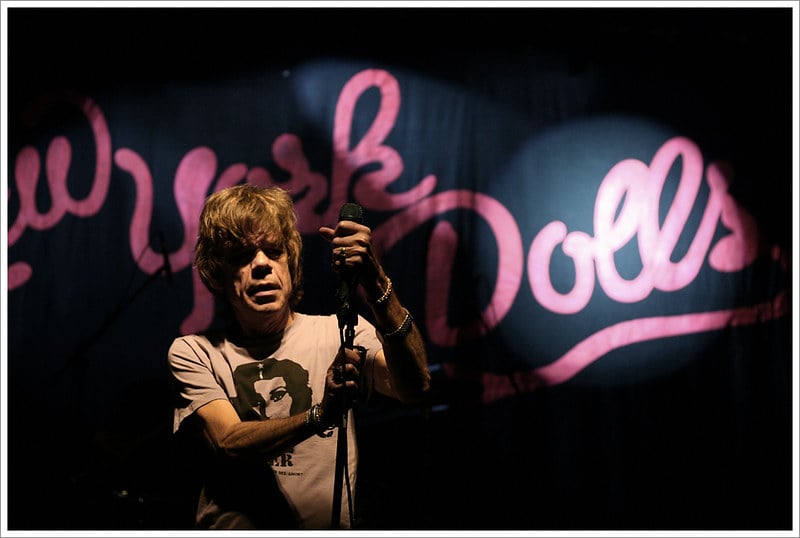
The New York Dolls’ 1973 self-titled debut brought glam rock to American shores but found few takers initially. Their androgynous appearance and sloppy playing style alienated radio programmers — record buyers alike. The album’s influence on punk and glam metal became evident when bands like Kiss acknowledged its impact on their sound.
Iggy Pop’s The Idiot
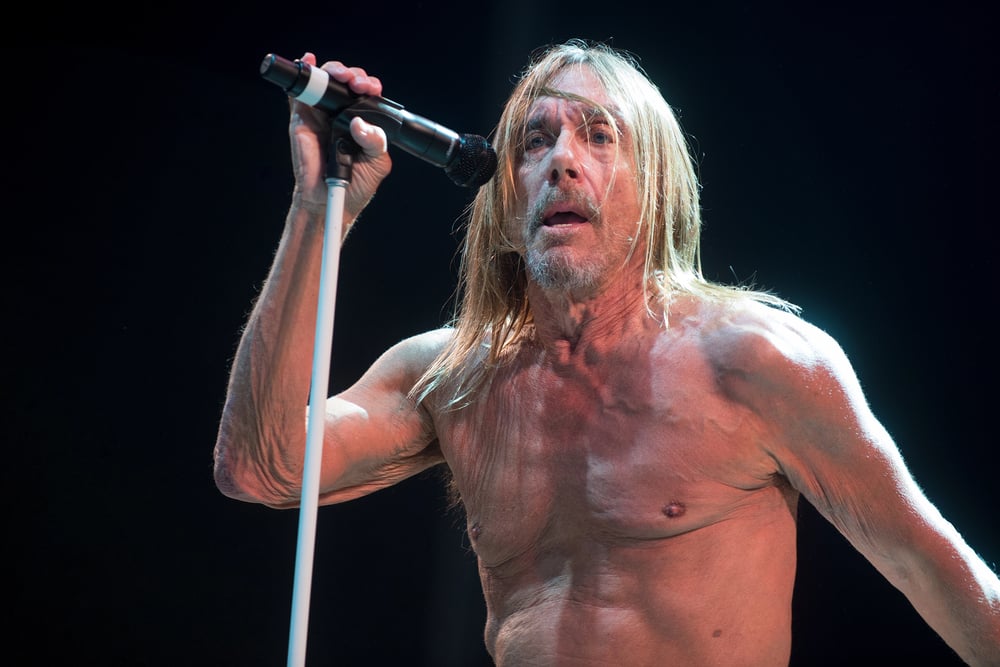
Iggy Pop’s 1977 collaboration with David Bowie yielded ‘The Idiot,’ an album that puzzled fans expecting more Stooges-style chaos. The experimental electronic elements and somber tone resulted in poor sales — lukewarm critical reception followed. Joy Division’s Ian Curtis cited it as a major influence, while its dark atmosphere helped define post-punk’s emotional landscape.
Wire’s Pink Flag

Wire’s 1977 debut ‘Pink Flag’ packed 21 songs into 35 minutes, creating a template for minimalist punk that few understood at the time. The album’s brief, intense bursts of sound confused radio programmers — left many listeners wanting more traditional song structures. Bands like Minor Threat and Fugazi later embraced Wire’s economy of expression.
The Replacements’ Let It Be

The Replacements’ 1984 album ‘Let It Be’ showcased Paul Westerberg’s songwriting maturity but failed to break the band beyond college radio. Major labels showed little interest, while the album’s mix of punk energy and pop sensibility seemed to fit no established category. Alternative rock bands of the 1990s frequently cited it as inspiration for their own major-label breakthroughs.
The Minutemen’s Double Nickels on the Dime

The Minutemen’s 1984 double album ‘Double Nickels on the Dime’ challenged punk orthodoxy with its jazz influences and political lyrics. The album’s 43 tracks confused record buyers expecting straightforward hardcore punk. This resulted in modest sales despite critical acclaim. Bands like Fugazi and Sonic Youth later praised its experimental approach to punk rock.
Neu!’s Neu!

Neu!’s 1972 debut introduced the world to motorik rhythms and ambient textures that would influence decades of electronic music. The German duo’s repetitive, hypnotic sound found few listeners outside of progressive rock circles. Bands like Stereolab and Radiohead later acknowledged its influence on their atmospheric compositions, though recognition came decades later.
The Sonics’ Here Are The Sonics

The Sonics’ 1965 debut ‘Here Are The Sonics’ delivered garage rock in its purest form, yet the world wasn’t ready for such raw power. The album’s distorted guitars and primal energy scared away mainstream audiences seeking polished pop music. Punk pioneers like The Ramones and The Stooges cited it as proof that rock music could be both simple and devastating.
Love’s Forever Changes
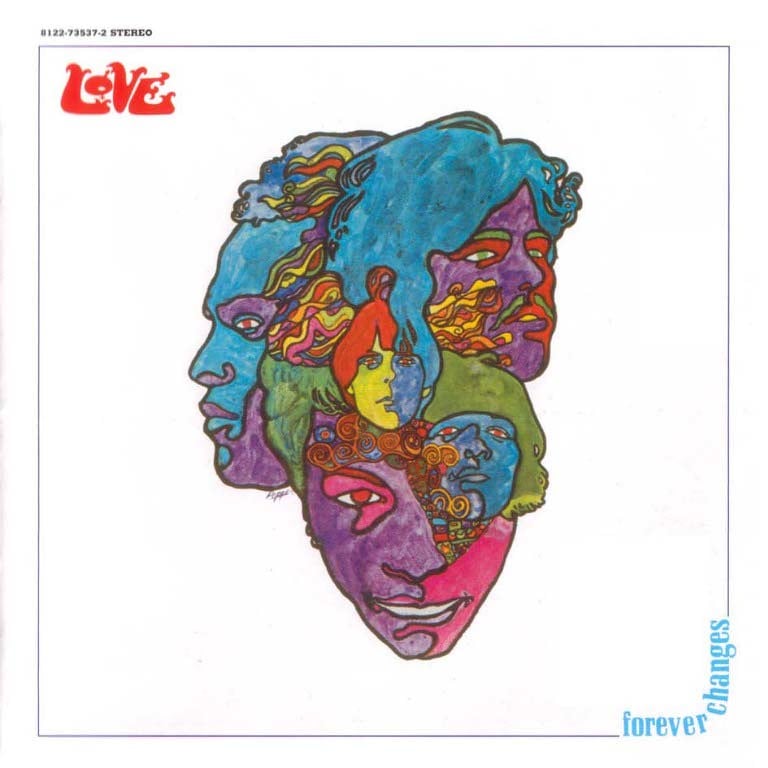
Love’s 1967 masterpiece ‘Forever Changes’ combined folk, rock, and orchestral arrangements in ways that baffled contemporary audiences. Arthur Lee’s complex compositions and the band’s eclectic sound resulted in poor sales despite critical recognition. The album’s influence on psychedelic and indie rock became clear when bands like The Stone Roses and Oasis acknowledged its impact.
Can’s Tago Mago

Can’s 1971 double album ‘Tago Mago’ pushed rock music into uncharted experimental territory with its extended improvisations and electronic manipulation. The German band’s krautrock innovations confused rock audiences seeking traditional song structures. Post-rock bands like Godspeed You! Black Emperor and Mogwai later embraced Can’s approach to musical exploration.
The Threads That Bind Then and Now

These albums prove that commercial failure often signals artistic breakthrough rather than creative bankruptcy. Each record challenged established norms and paid the price in contemporary sales, yet their influence shaped the sound of subsequent generations. The music industry’s initial rejection of these works demonstrates how rarely immediate commercial success aligns with lasting artistic impact. This reminds us that the most important albums often take time to find their audience.
More from Go2Tutors!

- The Romanov Crown Jewels and Their Tragic Fate
- 13 Historical Mysteries That Science Still Can’t Solve
- Famous Hoaxes That Fooled the World for Years
- 15 Child Stars with Tragic Adult Lives
- 16 Famous Jewelry Pieces in History
Like Go2Tutors’s content? Follow us on MSN.