18 Retro Video Games That Are Nearly Impossible To Beat
Video games used to be designed with a different philosophy. Quarters were precious, arcade cabinets needed to keep players feeding coins into slots, and home consoles carried over that brutal difficulty without the financial incentive.
The result was a collection of games that weren’t just challenging — they were borderline sadistic. These 18 retro titles represent the pinnacle of gaming masochism.
Each one has earned its reputation through a combination of punishing mechanics, relentless AI, and design choices that seem specifically crafted to break your spirit. Some are impossible by accident, others by design.
All of them have driven countless players to the brink of madness.
Battletoads

The third level alone has ended more gaming careers than any other single stage in video game history. The speeder bike section arrives without warning and demands frame-perfect timing while hurtling you forward at breakneck speed.
Miss a single jump and you’re dead. And that’s just level three of twelve. What makes Battletoads particularly cruel is how it lulls you into confidence with its first two levels — straightforward beat-em-up action that feels manageable, even fun.
Then it reveals its true nature.
Silver Surfer
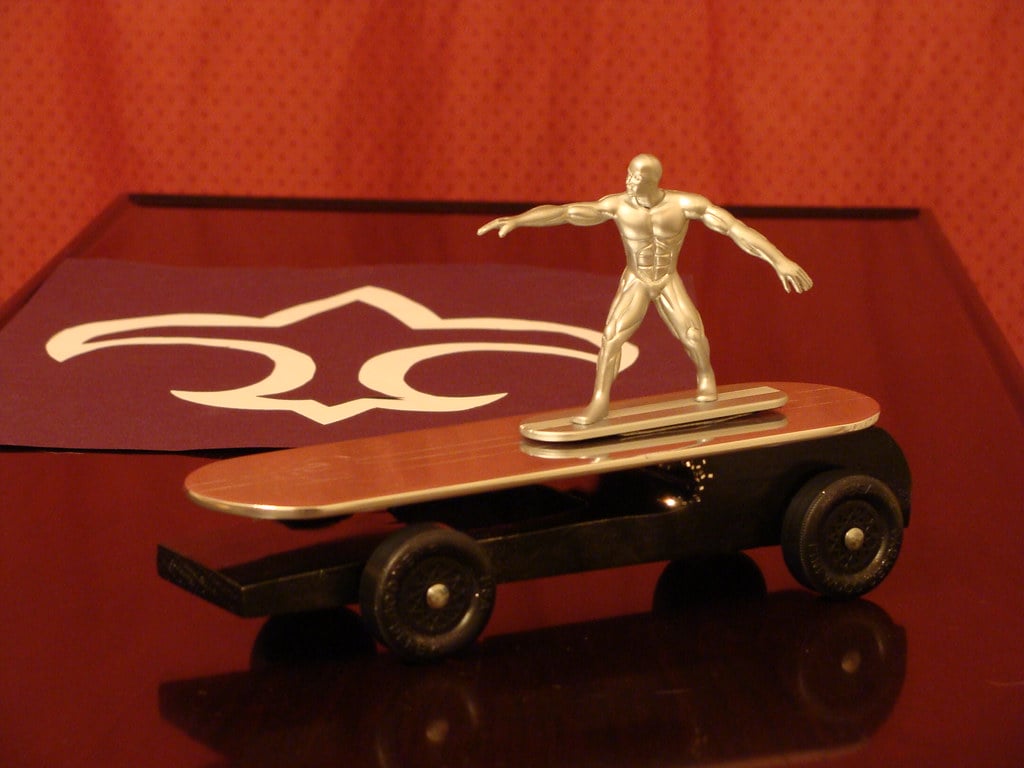
Flying through space has never felt more like navigating a minefield while blindfolded. Silver Surfer kills you for touching anything — walls, enemies, power-ups that look helpful but aren’t, even the scenery.
The collision detection seems designed by someone who genuinely despised the concept of player success. The soundtrack is legendary, which only makes the experience more frustrating.
You’re listening to some of the best music the NES ever produced while dying every fifteen seconds because a stray pixel grazed your character model. Even the most patient players rarely make it past the first stage.
Ghosts ‘n Goblins
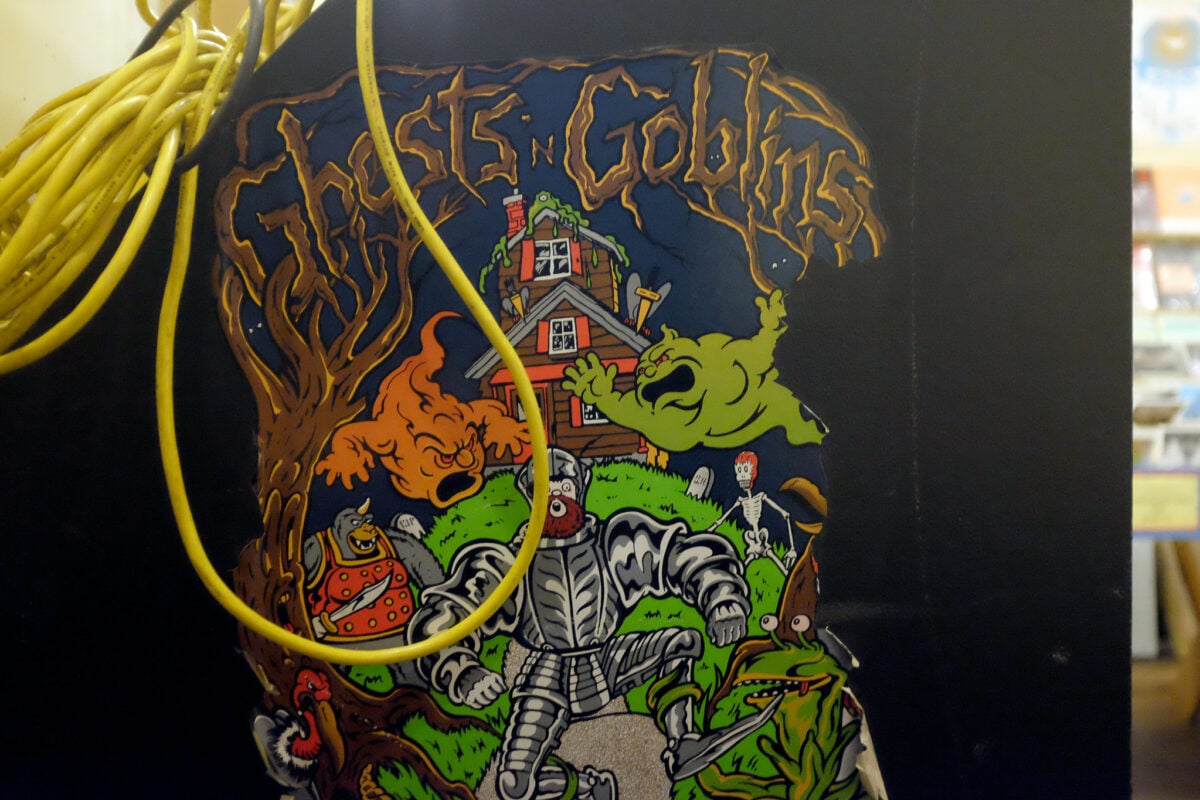
There’s something almost poetic about a game that strips your armor away piece by piece until you’re running around in heart-print boxers, desperately trying to rescue a princess who probably isn’t worth this level of suffering. But that poetry turns to pure horror when you realize the game makes you play through it twice — and the second time is harder.
The enemies respawn endlessly (because apparently one zombie wasn’t enough trouble), the jumping mechanics feel like they were programmed by someone who had never seen a platformer before, and the weapons system seems designed to give you the least useful tool for whatever situation you’re currently facing. And yet people kept playing, kept dying, kept coming back for more punishment.
The human capacity for self-inflicted misery knows no bounds, and Ghosts ‘n Goblins understood this better than most philosophers ever will.
Ninja Gaiden

The cutscenes are gorgeous. The music pulses with cinematic energy.
The first few levels make you feel like a legitimate ninja badass cutting through enemies with precision and grace. This is all an elaborate setup for what’s coming next.
Later stages don’t just challenge your reflexes — they assault your sanity with enemy placement that borders on trolling. Birds dive at you from off-screen angles that seem mathematically impossible.
Respawning enemies ensure that any progress feels temporary at best. The game actively punishes you for moving too fast or too slow, creating a Goldilocks zone so narrow that finding it requires supernatural patience.
Lion King

Disney hired some legitimate sadists to design the adult Simba levels. The stampede sequence looks manageable until you realize the hit detection exists in some alternate dimension where logic doesn’t apply.
You’ll swear you cleared that rhino by a full character width only to watch Simba crumple anyway. The “Can’t Wait to Be King” level deserves special mention for its rotating platforms and pixel-perfect jumping requirements.
It’s a children’s movie adaptation that makes Dark Souls look like a casual afternoon stroll. But perhaps the most insidious thing about Lion King is how it weaponizes nostalgia — you want to experience the movie’s story, you want to guide Simba through his journey, and the game knows this, uses this desire against you while systematically destroying your will to continue.
Children across America learned important lessons about disappointment and the fundamental unfairness of existence, all while Hakuna Matata played mockingly in the background.
Contra: Hard Corps
Contra games were always difficult, but Hard Corps took the formula and injected it with pure malice. One hit kills are the standard, but the real cruelty lies in the branching paths that can lock you into unwinnable scenarios if you make the wrong choice early on.
The game offers four different characters with unique abilities, which sounds generous until you realize some paths are nearly impossible with certain character selections. Choose wrong at the beginning and spend the next hour discovering just how wrong you chose.
I Wanna Be the Guy

This is what happens when someone decides to create a love letter to video game difficulty by cramming every cheap trick from gaming history into a single nightmare experience. Apples fall upward.
Safe platforms crumble without warning. The very air seems hostile to your continued existence.
The game announces its intentions clearly — the subtitle is literally “The Movie: The Game” and it delivers exactly what it promises: a feature-length experience of pure, concentrated frustration.
Friday the 13th
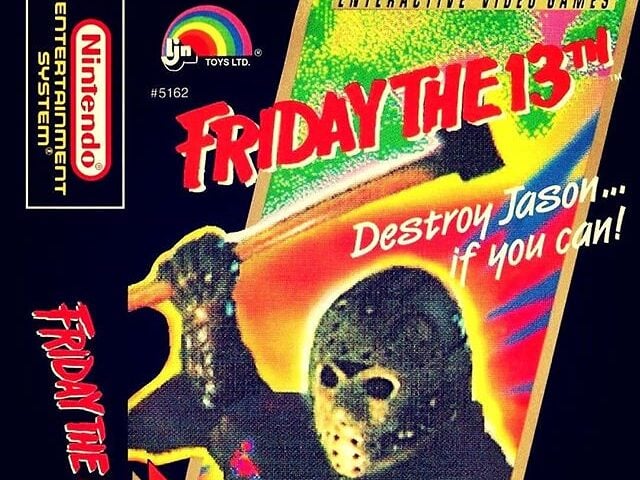
The NES adaptation of Friday the 13th feels like it was designed by people who had heard about video games but never actually played one. You’re supposed to save camp counselors from Jason Voorhees, but the game never quite explains how, where, or why any of this should work.
Jason appears randomly, often when you’re least prepared, and the combat system feels like you’re fighting underwater while wearing oven mitts. The map provides no useful information, the objectives remain perpetually unclear, and Jason seems to operate under physics laws that don’t apply to your character.
It’s less a horror game than a game that’s horrifying to actually play, which might have been the point all along — though probably not intentionally.
Spelunker

Walking down stairs shouldn’t be a life-threatening activity, but Spelunker treats every minor elevation change like a potential death sentence. Your character has the physical resilience of tissue paper and the jumping ability of someone wearing concrete boots.
Fall more than six pixels and you’re dead. The cave exploration concept seems promising until you realize the caves are filled with bats that kill you instantly, ghosts that phase through walls, and environmental hazards that trigger if you breathe on them wrong.
Even the rope mechanics seem designed to betray you at crucial moments.
Mega Man

The original Mega Man established a template for challenging platformers, but it also established a template for making players question their life choices. The Yellow Devil fight alone has probably ended more gaming sessions than any other single boss encounter in history — a pattern memorization test that demands perfect execution over the course of several minutes.
Each Robot Master presents a unique flavor of punishment, and the game offers no hints about which order might make your experience less miserable (though some orders definitely make it more miserable). Dr. Wily’s castle serves as the final exam in a course nobody signed up to take, testing everything you’ve learned while introducing new mechanics designed to invalidate that knowledge.
But the most diabolical aspect of Mega Man isn’t its difficulty — it’s how close it constantly brings you to success before snatching it away. Every death feels like it could have been avoided with just slightly better timing, just a bit more precision, just one more attempt.
So you try again. And again.
And again.
Teenage Mutant Ninja Turtles
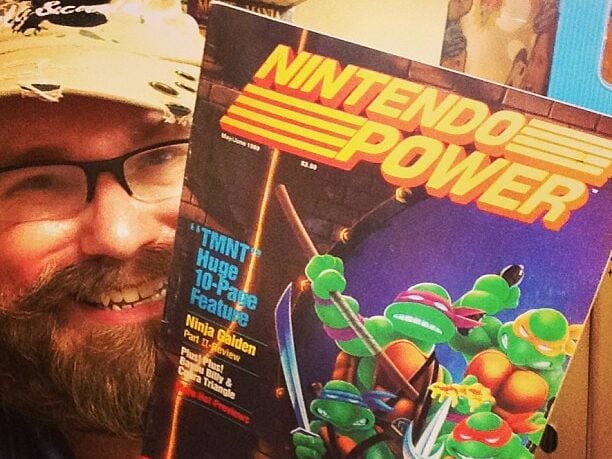
The dam level. Those two words trigger flashbacks in anyone who owned an NES in the late ’80s. Swimming through underwater passages while defusing bombs should be tense and exciting.
Instead it becomes an exercise in controller-throwing fury as the current carries you into electrified seaweed for the fifteenth time. The rest of the game doesn’t fare much better, with enemy placement that seems random and power-ups that disappear if you’re not positioned exactly right to collect them.
Super Meat Boy
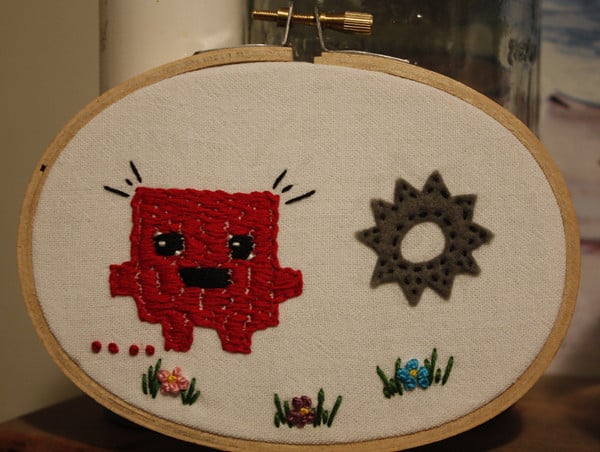
Modern game design shouldn’t be able to recapture the specific brand of retro difficulty that defined the 8-bit era, but Super Meat Boy proves otherwise. Each level looks deceptively simple — get from point A to point B — until you realize both points are separated by buzz saws, salt deposits, and precision jumping requirements that would make a Swiss watchmaker nervous.
The game saves your failed attempts and plays them back simultaneously, creating a graveyard of your mistakes that grows more crowded with each level. It’s psychological warfare disguised as a cute platformer.
Flappy Bird

One button. One objective.
Infinite frustration. Flappy Bird distilled video game difficulty down to its purest essence — timing and reflexes — then made both requirements so precise that success felt more like accident than skill.
The pipes appear in random configurations, but the randomness never works in your favor. Every gap seems just slightly too narrow, every pipe positioned exactly where you don’t want it to be.
High scores in the double digits became legitimate bragging rights, which says everything about how this simple concept broke people’s brains.
The Immortal

Calling this game “The Immortal” was either brilliant irony or false advertising, considering how frequently your character dies in gruesome, detailed death sequences. Each room presents a new puzzle designed to kill you in creative ways while you slowly figure out the specific sequence of actions that might let you survive.
The isometric perspective makes precise movement feel alien and unreliable, while the combat system seems designed by people who wanted to simulate the experience of fighting with mittens on. Death comes quickly and often, but the game takes its time showing you exactly how you failed, in loving, pixelated detail.
Ikaruga

Bullet hell games are supposed to be difficult, but Ikaruga takes the concept and adds a polarity-switching mechanic that turns every encounter into a split-second decision tree. White bullets kill you unless you’re in white mode.
Black bullets kill you unless you’re in black mode. Everything fires at once.
The patterns are mathematically precise and undeniably beautiful — watching someone else play Ikaruga is like observing an intricate dance between player and machine. Attempting to play it yourself reveals how that dance looks when performed by someone who has never heard music before and is actively on fire.
Contra
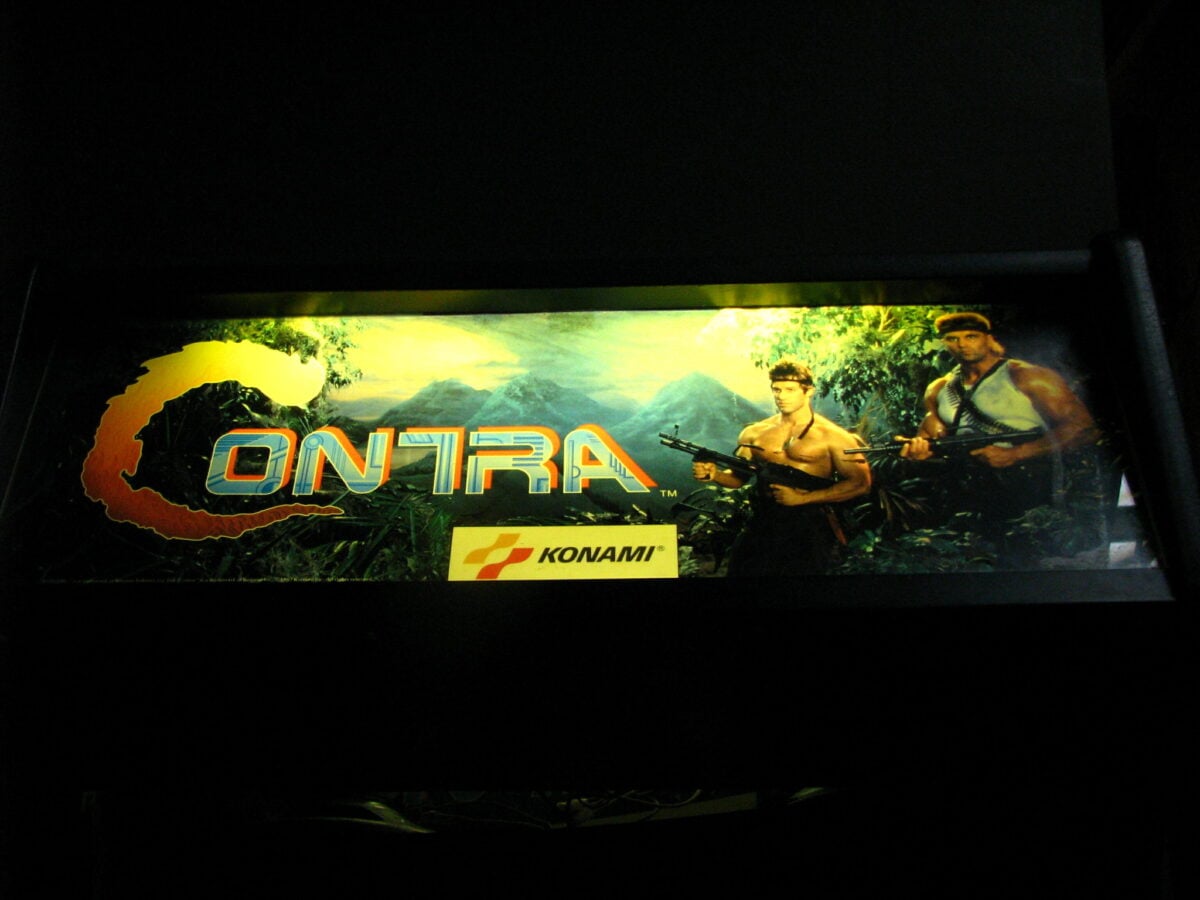
The Konami Code exists because Contra without it is nearly impossible for normal humans to complete. Thirty lives sounds generous until you realize you’ll burn through them in the first two levels while learning enemy patterns and environmental hazards that show no mercy.
Each weapon pickup changes your combat capabilities completely, but the game provides no safe spaces to experiment with new tools. You learn by dying, repeatedly, until muscle memory finally matches the game’s relentless pace.
The cooperative mode should make things easier, but instead it doubles the chaos as screen scrolling and shared lives turn coordination into a constant challenge that can test partnerships both digital and real.
F-Zero GX
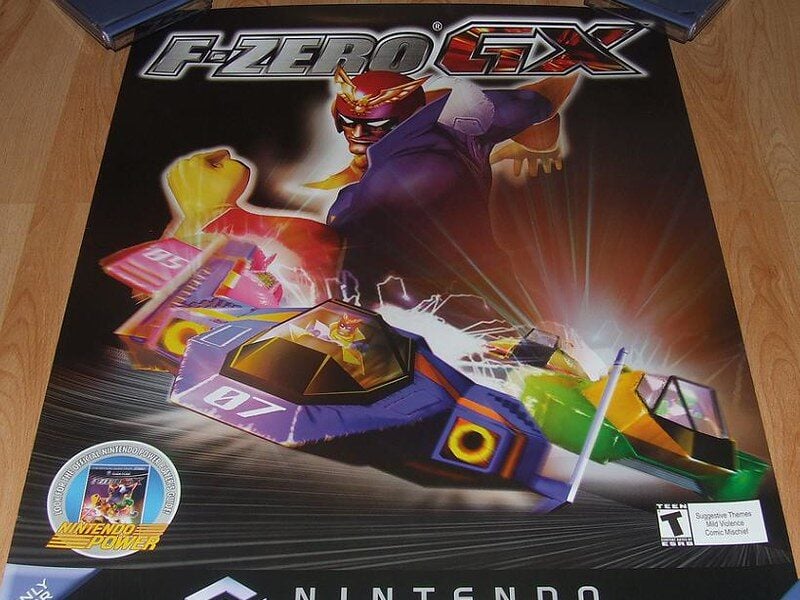
Racing games aren’t usually associated with impossible difficulty, but F-Zero GX’s story mode breaks every expectation about what racing challenges should feel like. The AI opponents don’t just race — they actively try to murder you at 500 mph while navigating tracks that seem designed by someone with a physics degree and a sadistic streak.
The margin for error shrinks to nothing on higher difficulty levels, where perfect racing lines become mandatory and any contact with walls or opponents sends you careening into oblivion. The sense of speed is exhilarating until that speed becomes the primary obstacle to your continued survival.
Altered Beast
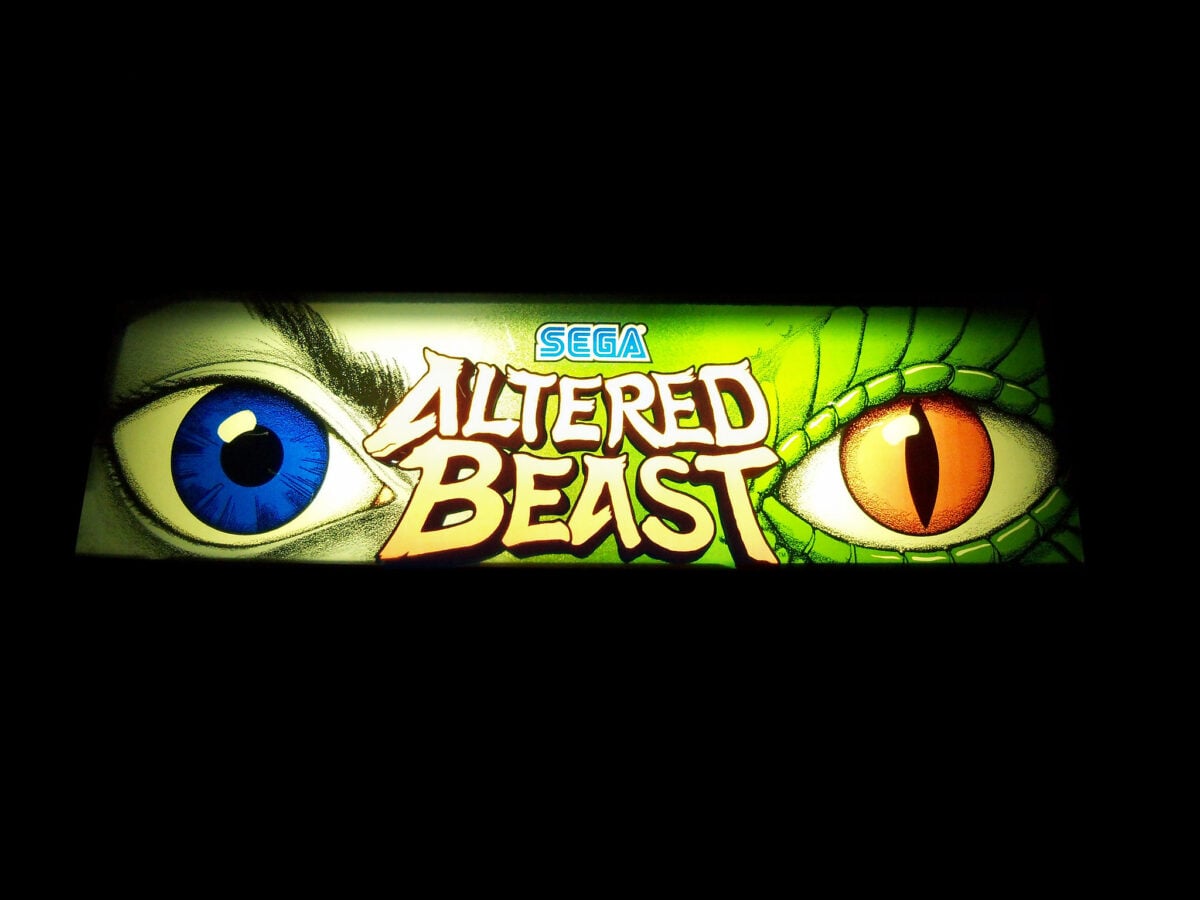
“Rise from your grave” becomes less of a battle cry and more of a personal motto when you’re spending most of your time in that grave. Altered Beast’s difficulty comes not from clever design but from sheer overwhelming odds — too many enemies, too little health, and power-ups that appear just infrequently enough to keep hope alive.
The beast transformations should feel empowering, but they’re temporary Band-Aids on a fundamentally punishing experience. You’ll spend most of your time in human form, trying to punch mythological creatures that clearly have better health insurance than you do.
When the Game Beats You

These games represent a different era of design philosophy, when difficulty was considered a feature rather than a barrier to accessibility. They weren’t designed to be completed by everyone, or even by most people.
They were designed to be conquered, and conquest requires a particular kind of dedication that borders on obsession. Modern gaming has largely moved away from this approach, recognizing that frustration often overshadows fun.
But there’s something to be said for experiences that demand everything from the player — that refuse to compromise or apologize for their demands. These 18 games stand as monuments to a time when video games felt genuinely dangerous to attempt, when completing one represented a legitimate achievement worth celebrating.
The fact that people still attempt these challenges today, armed with save states and online guides and decades of accumulated wisdom, speaks to something fundamental about the human relationship with difficulty. We don’t just want to be entertained — sometimes we want to be tested, pushed, and occasionally broken, just to see if we can put ourselves back together and try again.
More from Go2Tutors!

- The Romanov Crown Jewels and Their Tragic Fate
- 13 Historical Mysteries That Science Still Can’t Solve
- Famous Hoaxes That Fooled the World for Years
- 15 Child Stars with Tragic Adult Lives
- 16 Famous Jewelry Pieces in History
Like Go2Tutors’s content? Follow us on MSN.