Odd Job Titles from the 1800s
Before the modern world sorted people into neatly defined professions, work had a texture to it that’s hard to imagine now. If there was something that needed doing — however unpleasant, however strange — someone got paid to do it, and often that someone had an official title.
The 1800s were full of jobs that have since disappeared entirely, taking their names with them. Some of those names are amusing.
Some are grim. Most tell you something real about what daily life looked like before machines, running water, and electric light made certain problems disappear.
Knocker-Upper

Before alarm clocks were common household items, someone had to wake people up for work. That someone was the knocker-upper. Armed with a long pole — sometimes reaching three or four storeys — they would tap on the bedroom windows of paying customers at whatever hour had been agreed, then move on to the next address.
It was a remarkably sensible solution to a real problem, and it lasted well into the 20th century in some parts of Britain. The job required early rising, reliable timekeeping, and a degree of discretion — nobody wanted their neighbours knowing they needed help getting up in the morning.
Some knocker-uppers used peashooters to avoid waking the entire street.
Pure Finder

The name sounds almost pleasant until you learn what the job involves. Pure finders collected dog dung from city streets and sold it to tanneries, where it was used in the leather-curing process.
The ammonia content helped soften and treat animal hides. Demand was steady, the supply was dependable, and the work required nothing more than a bucket and a willingness to get on with it.
Pure finders were a regular sight on Victorian streets, particularly in London. Henry Mayhew documented them in his social surveys of the 1850s, noting that experienced collectors could identify quality material at a glance and charge accordingly.
The going rate varied, but a full day’s collection could earn a modest living.
Mudlark
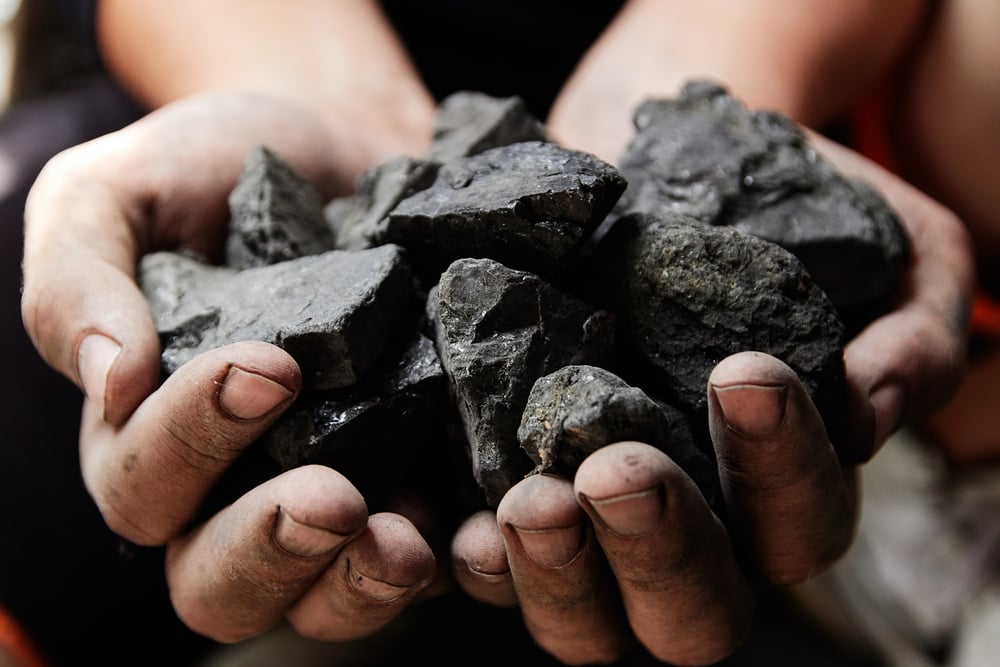
Mudlarks worked the riverbanks of the Thames at low tide, picking through the mud for anything worth selling. Coal, rope, iron, copper nails, bones, and old pieces of crockery all had value if you knew where to take them.
Most mudlarks were children or elderly people — those who couldn’t compete for better work. The conditions were rough. The Thames mud in the 1800s was not clean river sediment.
It was the receiving end of an entire city’s waste, and the people wading through it barefoot did so in material that posed genuine health risks. Despite this, mudlarking persisted because even a few pennies’ worth of finds could mean the difference between eating and not eating.
Leech Collector

Medical practice in the 1800s still relied heavily on bloodletting, and leeches were one of the primary tools for the job. Someone had to collect them. Leech collectors — often women and girls in rural areas — would wade into ponds and marshes, using their own legs as bait.
The leeches attached themselves, were removed, and were sold to apothecaries and surgeons. The work carried real physical cost.
Regular exposure to leech bites left lasting marks, and the wounds were prone to infection. Leech populations in Britain declined sharply during the 19th century partly due to overharvesting, which eventually made the job less viable even for those willing to do it.
Resurrectionist

The medical schools of the 1800s needed cadavers for dissection and anatomy instruction. The legal supply was nowhere near sufficient — executed criminals were the only officially sanctioned source, and there weren’t enough of them.
So a black market developed. Resurrectionists, also called body snatchers, dug up freshly buried corpses and sold them to medical schools, no questions asked on either side.
It was a well-organised trade. Successful operators worked in teams, targeted fresh graves, and moved quickly.
The public was understandably horrified, and families went to considerable lengths to protect recently buried relatives — iron mort safes placed over graves, stone watchtowers at cemetery entrances, and hired night watchmen all appeared as countermeasures. The trade effectively ended with the Anatomy Act of 1832, which expanded the legal supply of cadavers to medical schools.
Rat Catcher
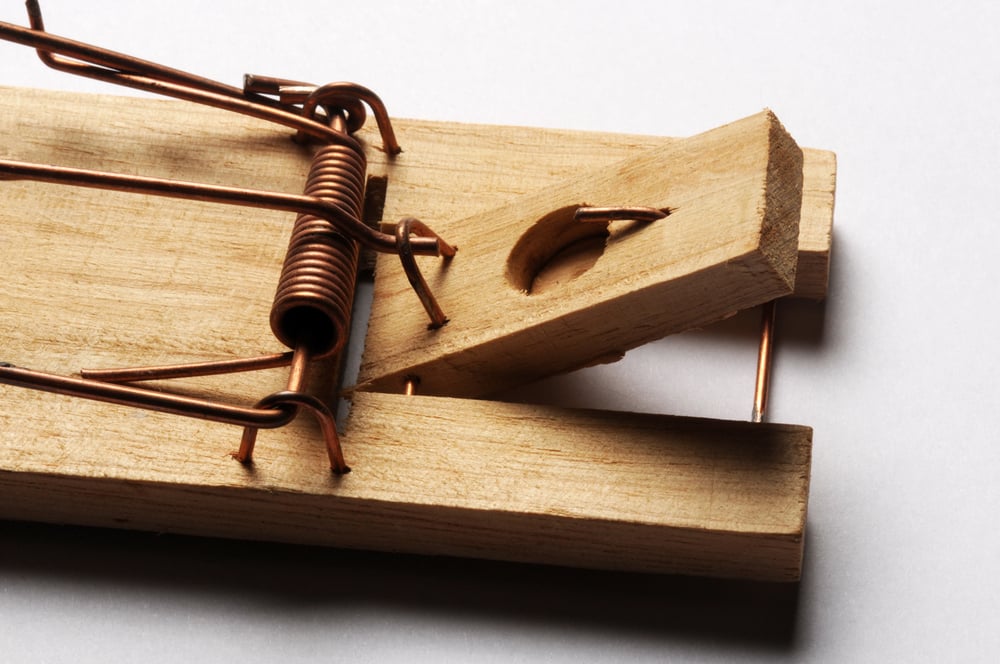
Cities in the 1800s had rats. A lot of them. The rat catcher was a recognised profession, complete with its own equipment, techniques, and in some cases a distinctive outfit meant to advertise the trade.
Trained dogs and ferrets did much of the actual work, flushing rats out of buildings, warehouses, and sewers. Some rat catchers supplemented their income by selling live rats to venues that ran rat-baiting contests — a popular entertainment in which a dog was timed killing a set number of rats in a pit.
The best-known rat catcher of the Victorian era, Jack Black, appointed himself Rat and Mole Destroyer to Queen Victoria and was known for handling rats with his bare hands, which he claimed had made him immune to their bites.
Tosher

Toshers worked the sewers. Not to maintain them or repair them — to scavenge them.
London’s sewer network, expanding rapidly through the 1800s, carried not only waste but anything small enough to wash into the drains from streets and buildings. Coins, cutlery, jewellery, and copper fittings all accumulated in the tunnels, and toshers went in to find them.
The work was officially illegal — the sewer authorities didn’t want people in the tunnels — but it was widely practiced and not heavily enforced. The danger was real: sudden surges of water, toxic gases, and the structural instability of older sections all posed risks.
Experienced toshers worked in groups and learned the network well enough to navigate it in near-darkness.
Loblolly Boy

On board Royal Navy ships in the 1800s, the surgeon’s assistant was called a loblolly boy. The name comes from a thick porridge — loblolly — that was among the foods given to sick sailors recovering in the ship’s medical bay.
The loblolly boy served food, assisted during surgery, and helped manage the surgeon’s supplies and instruments. It wasn’t a coveted position.
The work was demanding, the conditions in a ship’s surgery during battle were extreme, and the pay reflected the low status of the role. Some loblolly boys eventually trained as surgeons themselves.
Others left the navy at the first opportunity.
Crossing Sweeper

Horse-drawn traffic in 19th century cities left streets in a state that made crossing them genuinely unpleasant. The crossing sweeper kept a designated stretch of street clear of manure and general filth, maintaining a path that pedestrians — particularly those in good shoes or long clothing — could use without difficulty.
The sweeper’s income came from tips. There was no official employer.
You claimed a crossing, maintained it, and relied on the goodwill of regular passers-by. Charles Dickens included a crossing sweeper — Jo — in Bleak House, using the character to illustrate the absolute bottom of London’s social order.
Jo’s crossing is a small kingdom that costs nothing to establish and provides almost nothing in return.
Gong Farmer

Before modern sanitation, privies and cesspits needed regular emptying. The gong farmer did this work, typically at night when the smell would cause fewer complaints from neighbours.
The contents were carted out of the city and sold to agricultural operations as fertilizer. The title is old — it predates the 1800s by centuries — but gong farmers were still working in parts of Britain well into the Victorian era, particularly in areas without access to the new sewer systems being built in larger cities.
The work was restricted to night hours by law in many places, which is why gong farmers were also sometimes called nightmen.
Huckster

A huckster in the 1800s wasn’t an insult. It was a job title for a small-scale street trader, typically someone who bought goods in bulk and sold them individually at a small markup from a fixed pitch or from door to door.
The huckster occupied the lowest rung of legitimate retail, selling anything from food to household goods. The word had already started acquiring its negative connotations by the end of the century, suggesting someone whose sales methods weren’t entirely trustworthy.
But for much of the 1800s, the huckster was simply a street-level merchant — a recognised and necessary part of urban commerce for the people who couldn’t afford to shop at proper establishments.
Lamplighter
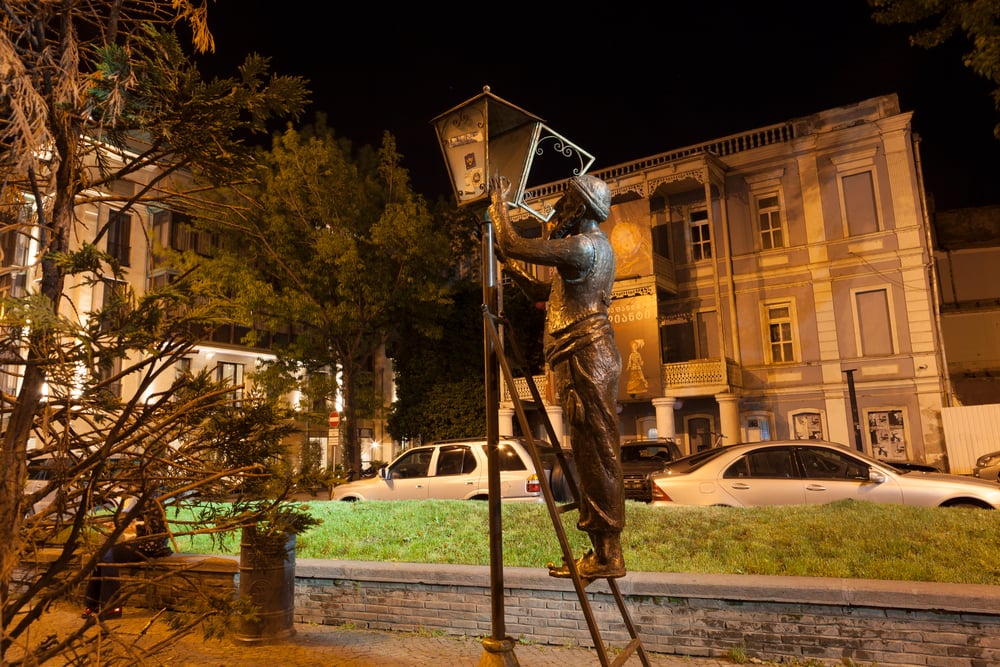
Every gas lamp in a 19th century city needed to be lit at dusk and extinguished at dawn. The lamplighter, carrying a long pole with a flame at one end, walked a fixed route through the city streets twice a day.
It was methodical, time-specific work — the lamps had to come on at roughly the same time every evening, which meant the lamplighter’s route had to be completed within a tight window. The job had a distinct visual quality that caught the attention of writers and painters of the period.
Robert Louis Stevenson wrote a poem about it. But the work was also simply a job, done rain or cold by someone who needed the income.
Gas lighting gave way to electric light by the end of the century, and the lamplighter’s route became unnecessary almost overnight in the cities that electrified first.
Cordwainer
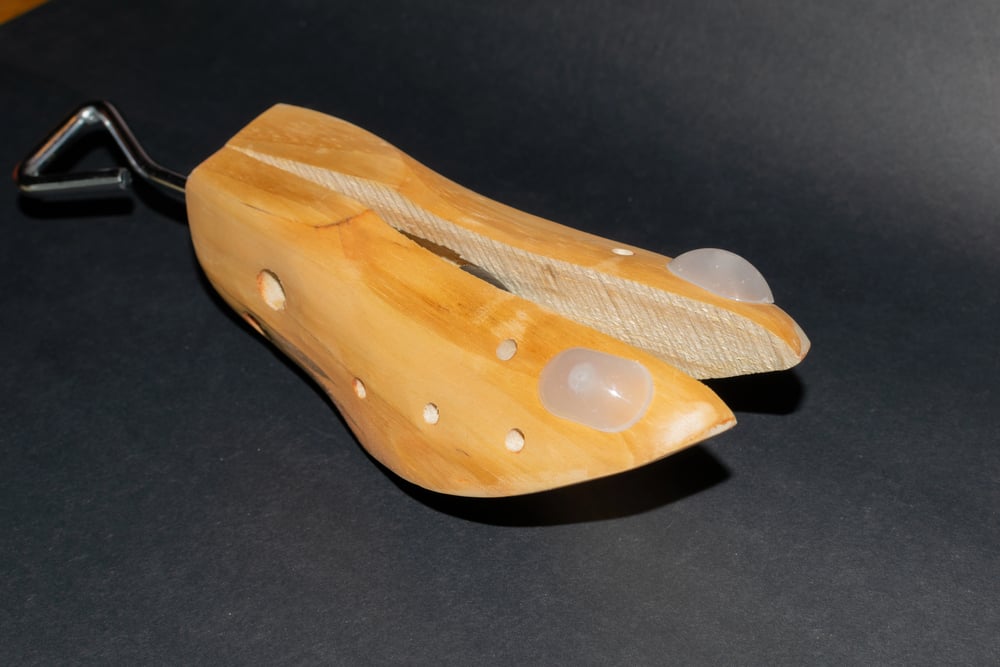
The cordwainer made new shoes. This distinguished them from the cobbler, who repaired them — a distinction that mattered professionally and socially.
The name comes from Córdoba, Spain, which was historically associated with high-quality leather, and cordwainers were considered the more skilled of the two trades. By the 1800s, cordwaining was being rapidly reshaped by industrial production.
Mechanised shoe manufacturing undercut the handmade trade severely over the course of the century, and the profession shrank dramatically. The word itself mostly fell out of common use, replaced simply by shoemaker.
It survives today mainly in the names of old trade guilds and livery companies.
Tallow Chandler

Before reliable gas lighting reached most homes, the tallow chandler made candles — specifically, candles from animal fat rendered from cattle and sheep. It was a skilled trade, and the candles produced were an everyday necessity for anyone who needed light after dark.
The trade had two problems as the century progressed. Tallow candles smelled bad when burning, and they produced a smoky, unsteady flame.
Wax candles were better but significantly more expensive. When gas lighting spread to urban homes in the mid-1800s, demand for tallow candles dropped sharply.
The chandler either adapted — moving toward soaps and other fat-derived products — or found another trade. Those who didn’t adapt didn’t survive the decade.
The Jobs That Disappeared and the Ones That Didn’t

Some of these old job titles may sound very strange, but what really strikes a person is the preciseness of the occupation descriptions. Each job title represented a definite action, a job fixed in time that was completely undone by the coming of the machine era.
The leech collector, the knocker-up, and the tosher were occupations that actually existed because there was a demand for the services they provided. Besides, it wasn’t that the jobs disappeared because the needs disappeared.
They rather got substituted by superior work – quicker, cheaper, or even without human involvement. The knocker-up was superseded by alarm clock, the tosher by sewer crew, and electric lights doing away with the lamplighters, even before many had time to transform into a different profession.
The people doing these tasks were not well-known or exciting characters. They were the ordinary people who always bore the brunt of giving these hard tasks for low pay.
The strangeness is in us – it comes from the fact that nowadays we are so far removed from their daily lives.
More from Go2Tutors!

- The Romanov Crown Jewels and Their Tragic Fate
- 13 Historical Mysteries That Science Still Can’t Solve
- Famous Hoaxes That Fooled the World for Years
- 15 Child Stars with Tragic Adult Lives
- 16 Famous Jewelry Pieces in History
Like Go2Tutors’s content? Follow us on MSN.



