Odd Jobs That Existed in the 1800s
The 1800s were a completely different world when it came to making a living. People had jobs that sound bizarre today but were totally normal back then.
Some of these positions existed because technology hadn’t caught up yet, while others filled needs that simply don’t exist anymore. The industrial revolution was changing everything, but plenty of strange occupations hung around throughout the century.
Here are some of the weirdest ways people earned their paychecks in the 19th century.
Knocker-uppers
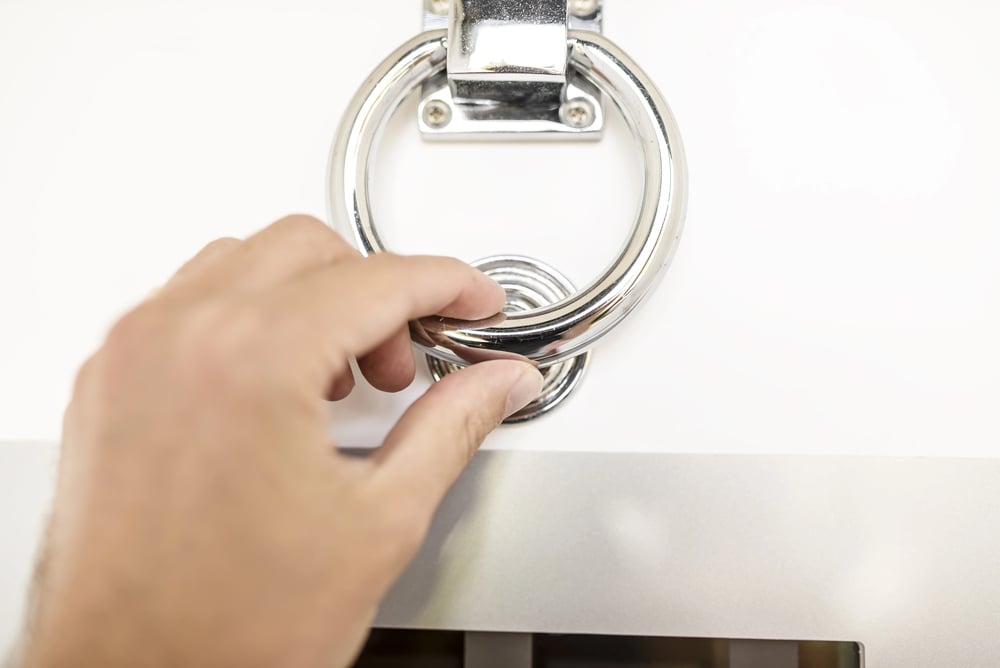
Before alarm clocks became common, people needed someone to wake them up for work. Knocker-uppers would walk through neighborhoods early in the morning, tapping on windows with long sticks or shooting dried peas at bedroom windows.
They’d keep tapping until the person woke up and acknowledged them. This job lasted well into the early 1900s in some English factory towns.
The funny part is that nobody really knows who woke up the knocker-uppers themselves.
Leech collectors
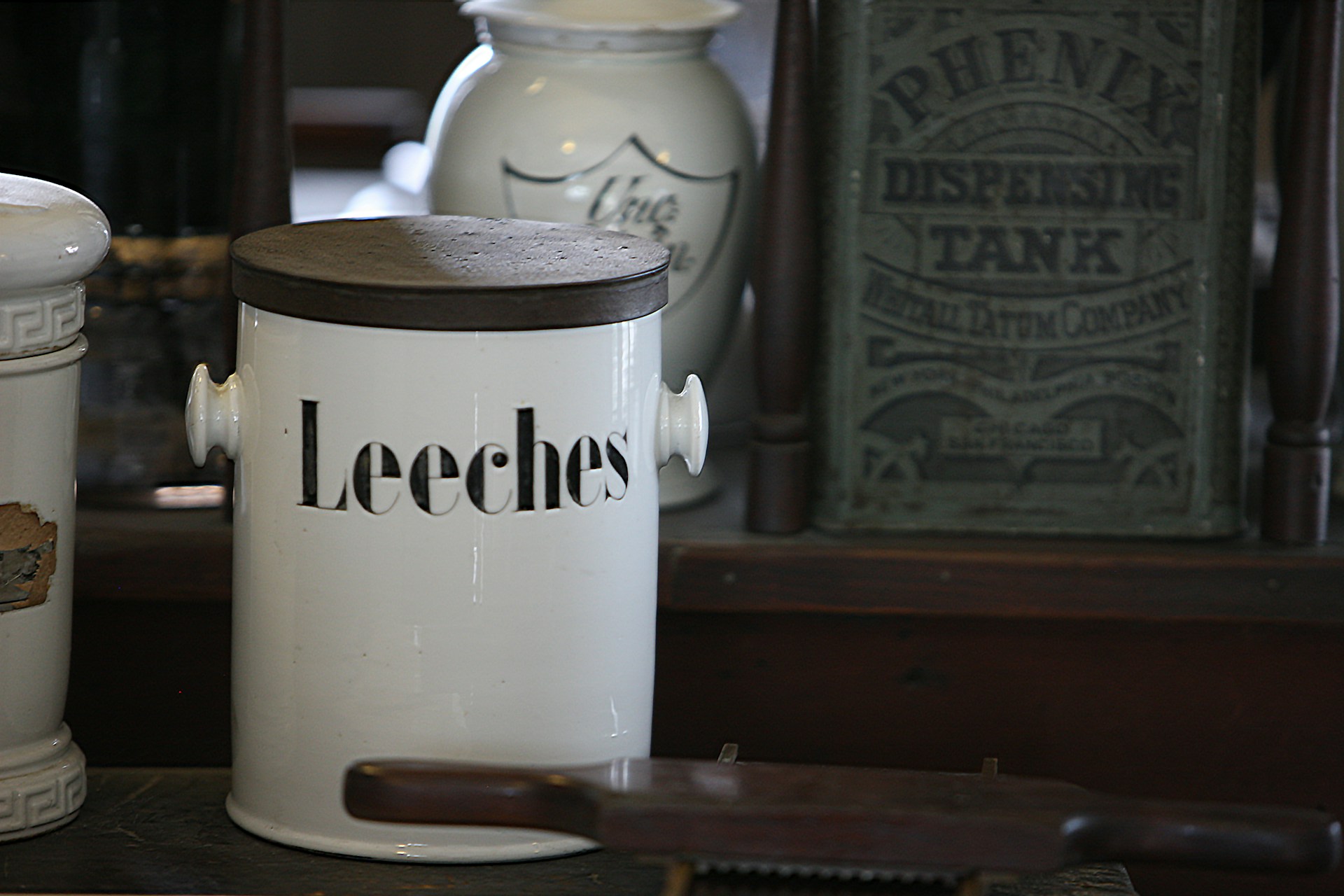
Doctors in the 1800s loved using leeches for medical treatments. Somebody had to collect those leeches, and that job fell to people who’d wade into ponds and marshes.
Leech collectors would let the creatures attach to their bare legs, then pull them off and put them in containers. It was gross, uncomfortable, and sometimes dangerous if the leeches carried diseases.
The pay wasn’t great either, but medical demand kept people doing it. At least they didn’t have to worry about competition for the position.
Rat catchers

Cities in the 1800s had serious rat problems, way worse than today. Rat catchers would hunt down rats in buildings, sewers, and streets to keep populations under control.
Some used dogs trained specifically for killing rats, while others set traps or used poison. The really enterprising rat catchers would keep the rats alive and sell them to people who ran rat-baiting pits, where people bet on dogs killing rats.
It was dirty, smelly work that nobody wanted to do, which meant rat catchers could actually make decent money.
Crossing sweepers

Streets in the 1800s were covered in horse manure, mud, garbage, and all sorts of nasty stuff. Crossing sweepers would clear a path through the mess so well-dressed people could cross the street without ruining their clothes.
They’d stand at busy intersections with brooms and sweep a clean path when they saw someone approaching. Most crossing sweepers were poor kids or elderly people who relied on tips.
The job disappeared once cities started paving roads and cleaning streets regularly.
Resurrectionist

Medical schools needed dead bodies for students to study, but getting legal corpses was nearly impossible. Resurrectionists would dig up freshly buried bodies from graveyards and sell them to medical schools.
Some went further and actually murdered people to sell fresh bodies, like the infamous Burke and Hare in Scotland. Families started hiring guards to watch graves until the bodies decomposed enough to be useless.
The job ended when laws changed to allow medical schools legal access to unclaimed bodies.
Tosher
Toshers crawled through London’s sewer systems looking for valuables that people dropped or flushed. They’d wade through human waste searching for coins, jewelry, silverware, or anything they could sell.
The work was incredibly dangerous because of toxic fumes, rats, sudden floods, and the risk of getting lost in the tunnels. Toshers worked illegally since entering the sewers was banned, but the potential payoff kept people doing it.
Finding a silver spoon or gold ring could feed a family for weeks.
Pure finder

Pure finders collected dog poop off the streets and sold it to tanneries. Tanners used dog feces to soften leather during the manufacturing process because of certain chemicals in it.
Pure finders would walk around with buckets, scooping up dog mess wherever they found it. The job was exactly as disgusting as it sounds, and it paid very little.
Most pure finders were desperately poor women or children who had no other options.
Mudlark
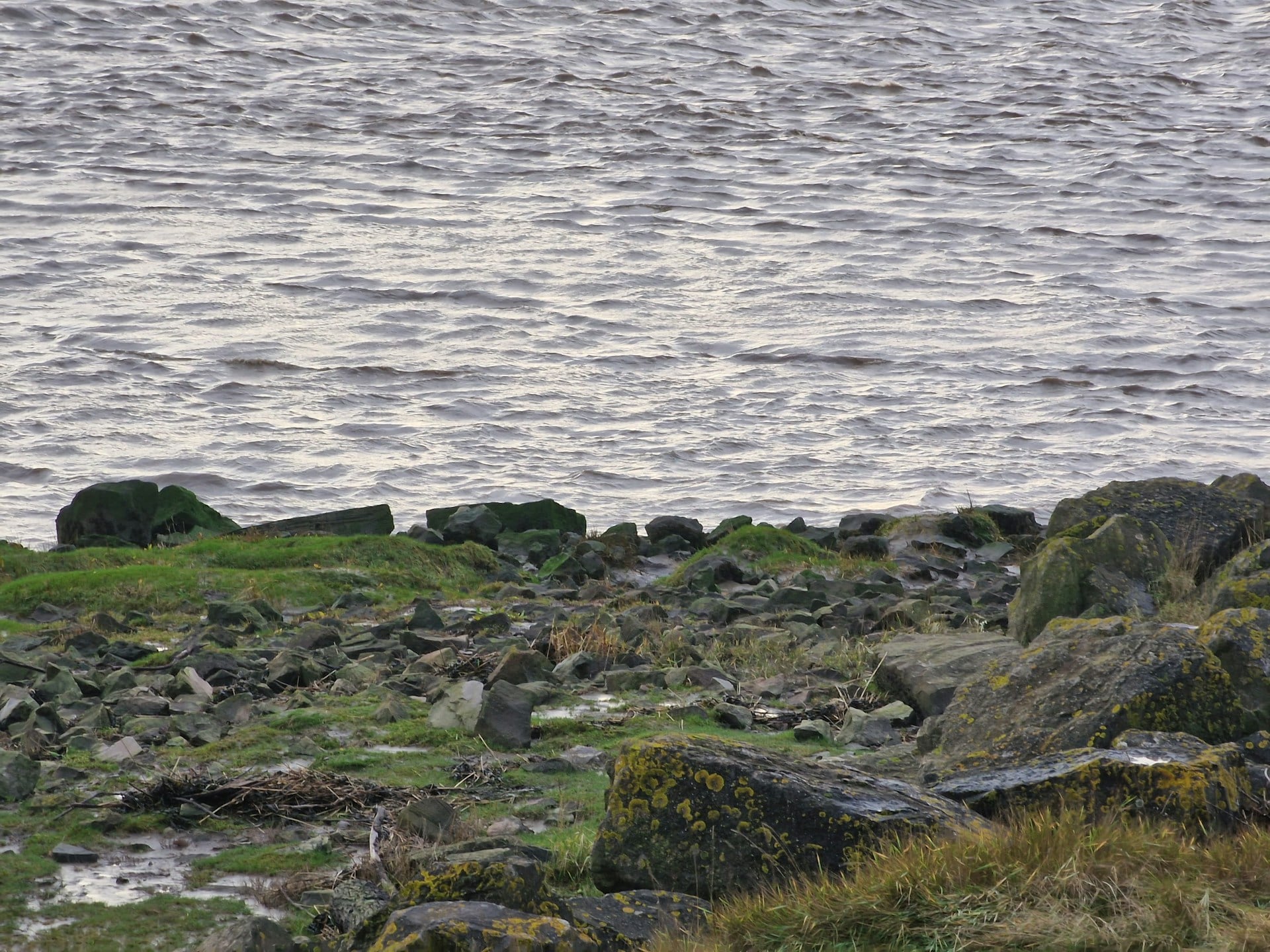
Mudlarks scavenged along riverbanks during low tide, searching through the mud for anything valuable. They’d find coal that fell off barges, pieces of metal, rope, or occasionally something valuable like jewelry.
Most mudlarks were poor children who worked in terrible conditions, covered in filth and freezing cold. The Thames in London was particularly popular because it was such a busy commercial river.
Factory waste and sewage made the work even more unpleasant and unhealthy.
Gandy dancer

Gandy dancers maintained railroad tracks by hand before machines took over the job. They’d use special tools to adjust rails, replace ties, and tamp down the gravel under tracks.
The work required perfect timing and coordination because crews would work in rhythm, swinging their tools in unison. The name supposedly came from the Gandy Manufacturing Company that made the tools, though some people debate its origin.
It was backbreaking labor under the hot sun, but it paid better than many jobs available to working-class men.
Phrenologist

Phrenology was a fake science where people believed they could determine personality and intelligence by feeling bumps on someone’s head. Phrenologists would run their hands over people’s skulls and give them detailed readings about their character.
Some set up offices and charged for consultations, while others traveled with carnivals. People actually believed this stuff throughout most of the 1800s.
The practice finally died out when real science proved it was complete nonsense, but not before plenty of phrenologists made good money from it.
Log driver

Log drivers rode on logs floating down rivers to guide timber from forests to lumber mills. They’d jump from log to log, using long poles to keep the timber moving and prevent jams.
When logs did jam up, drivers had to climb onto the pile and break it apart, which was incredibly dangerous. Many log drivers drowned or got crushed between logs.
The job required amazing balance and bravery. Trucks and trains eventually made river transport unnecessary, ending this dangerous profession.
Lamplighter
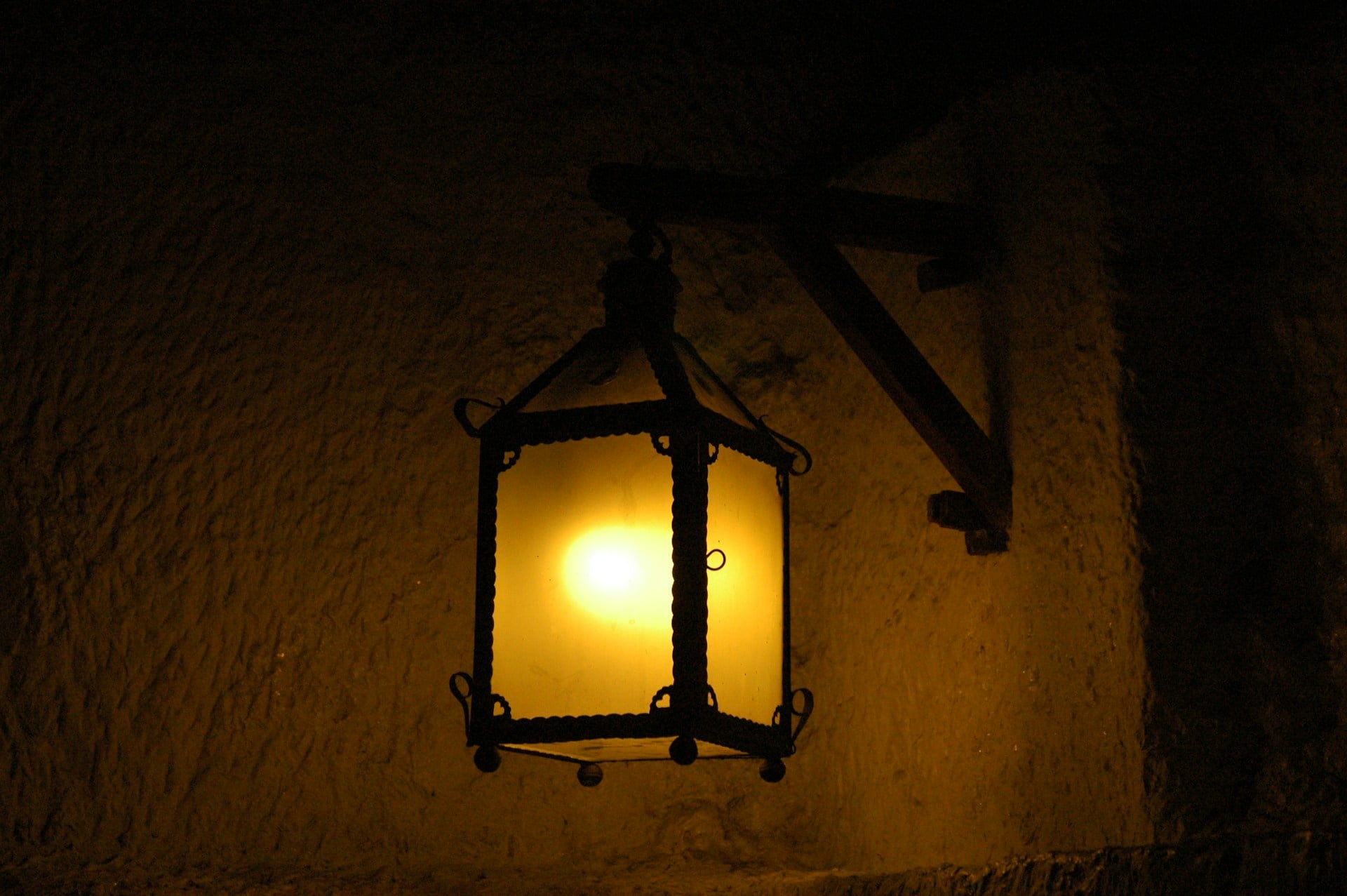
Before electric streetlights, someone had to light gas lamps every evening and extinguish them every morning. Lamplighters walked routes through cities with long poles, lighting each lamp individually.
They’d return before dawn to turn them all off again. It was steady work that paid regularly, which made it a desirable position compared to many other jobs.
The job vanished pretty quickly once electricity became common in the early 1900s.
Chimney sweep
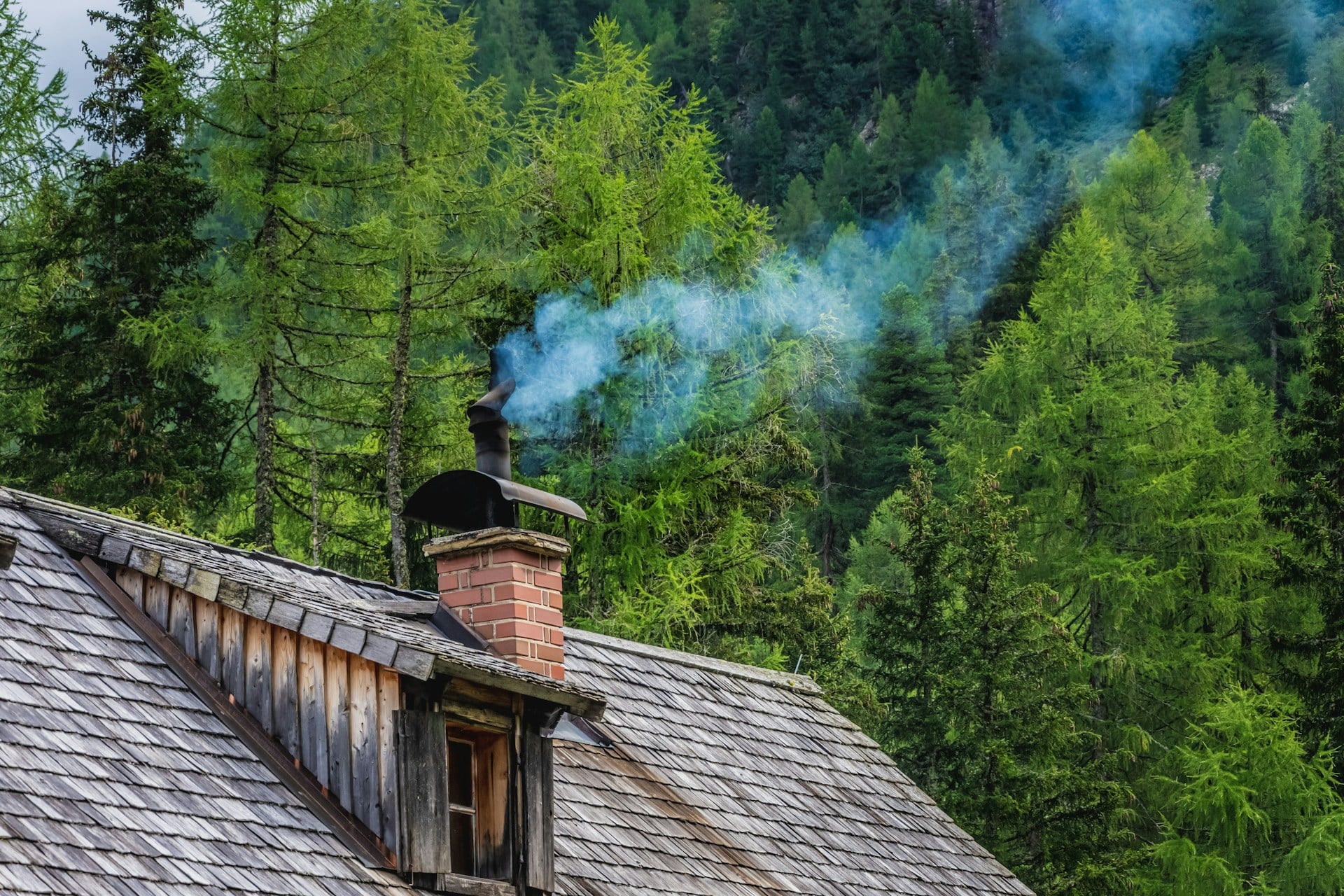
Chimney sweeps cleaned soot and ash from chimneys to prevent fires. The really disturbing part was that many sweeps were young children who could fit inside narrow chimneys.
Master sweeps would send kids up chimneys, sometimes while fires were still warm, to scrape out the buildup. Many children died from falls, burns, or lung diseases. Public outcry eventually led to laws banning the use of child chimney sweeps, though enforcement was spotty. Adults took over the job using better tools and methods.
Ice cutter

Before refrigeration, people needed ice to keep food cold during summer. Ice cutters would harvest ice from frozen lakes and rivers during winter.
They’d use special saws to cut large blocks, which were stored in insulated warehouses packed with sawdust. The blocks stayed frozen through summer and were sold to homes and businesses. It was freezing, wet work that could easily result in someone falling through thin ice and drowning. The invention of mechanical refrigeration put ice cutters out of business by the early 1900s.
Groom of the stool
This job actually started earlier but continued into the early 1800s in some places. The groom of the stool assisted royalty with their bathroom needs.
It sounds humiliating, but it was actually a prestigious position because it gave the person private access to the king or queen. They’d help with clothing, supply clean linens, and generally attend to bathroom matters. The position came with good pay and significant influence at court. Modern plumbing and changing attitudes about privacy finally ended this bizarre job.
Powder monkey

Powder monkeys were young boys who carried gunpowder to cannons on warships during battles. They had to run back and forth between the powder magazine and the guns while cannonballs flew everywhere.
Ships used children because they were small enough to move through cramped spaces quickly. Many powder monkeys died during naval battles. The job existed because someone had to keep the cannons supplied with powder, and adults were needed for other tasks. Better ship design and eventually the end of age-based naval battles eliminated the position.
Herb strewer

Royal courts employed herb strewers to scatter sweet-smelling herbs and flowers on floors. This helped mask the terrible smells in buildings that lacked proper sanitation.
Herb strewers would walk ahead of royalty, spreading lavender, rose petals, and other fragrant plants. The position was ceremonial by the 1800s but still existed in some royal households. Better hygiene and plumbing made the job pointless. The last official herb strewer in England served during Queen Victoria’s coronation in 1838.
When Work Was Weird
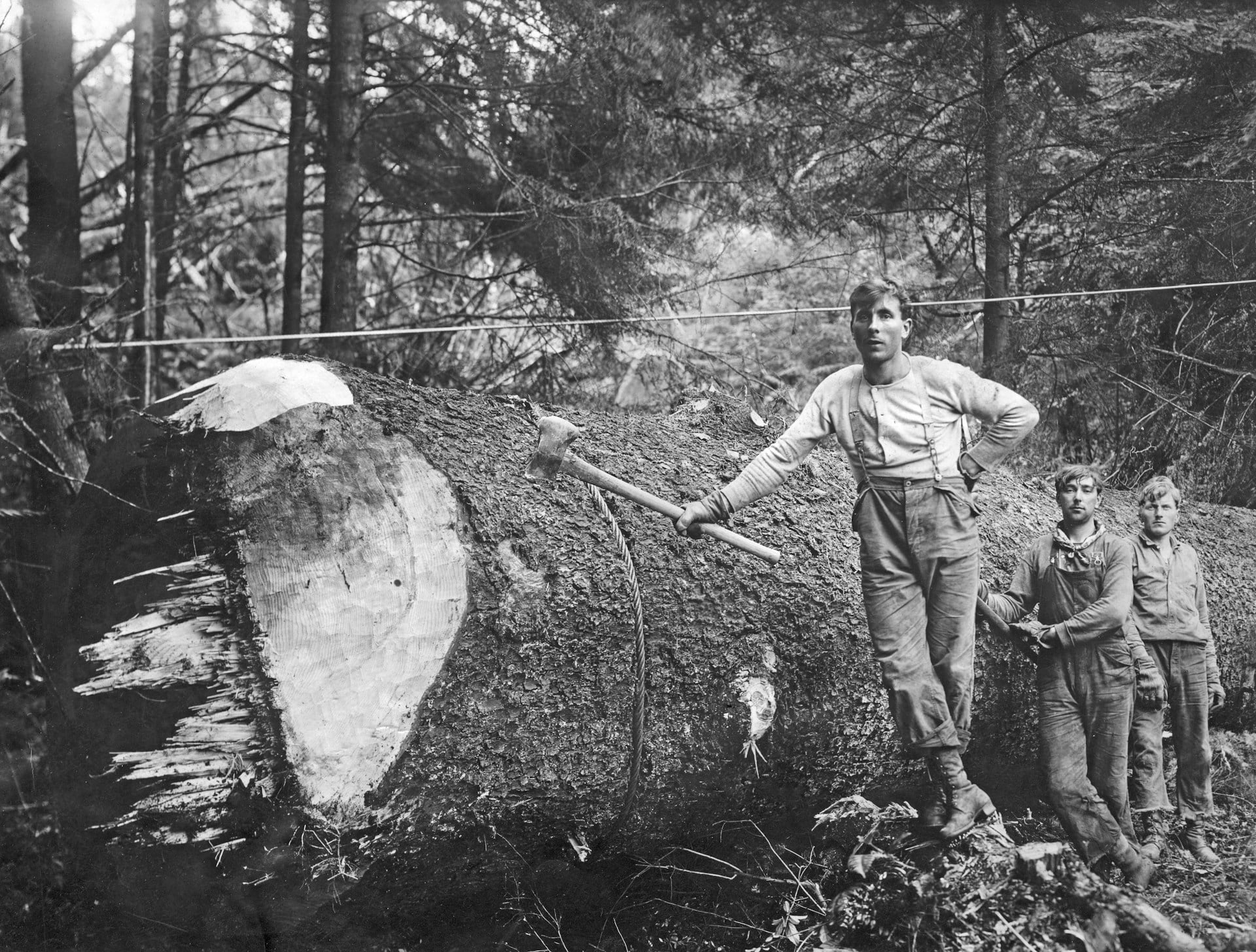
Looking back at these jobs shows how much daily life has changed in just a couple hundred years. Technology eliminated most of these positions, which is probably good because many of them were dangerous or degrading.
Some jobs existed because of beliefs we now know are false, while others filled needs that modern inventions handle better. The 1800s might seem romantic from a distance, but the reality of working life was often harsh and strange. Today’s complaints about desk jobs seem pretty mild compared to spending your day collecting dog poop or crawling through sewers.
More from Go2Tutors!

- The Romanov Crown Jewels and Their Tragic Fate
- 13 Historical Mysteries That Science Still Can’t Solve
- Famous Hoaxes That Fooled the World for Years
- 15 Child Stars with Tragic Adult Lives
- 16 Famous Jewelry Pieces in History
Like Go2Tutors’s content? Follow us on MSN.