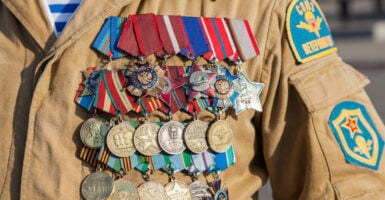
Old Military Medals Families Keep Worth Checking
Somewhere in a family there is usually a small box with a faded ribbon, a tarnished disc and no explanation. Nobody remembers who earned it, and nobody wants to be the one to throw it out.
The answer to what a medal is worth almost never sits on the medal itself. It depends on what it is, what condition it is in, and whether the paperwork that proves whose it was has survived.
The World War I Victory Medal With Battle Clasps
The United States World War I Victory Medal was issued to millions of service members, which makes the plain version common. The version worth a second look carries battle clasps on the ribbon, and original examples turn up with clasps such as Aisne-Marne, Meuse-Argonne, St. Mihiel and Defensive Sector.
Clasps tell a specific story about where a soldier served, which is far more interesting than the medal alone. Value depends on condition, on whether the clasps and ribbon are original, and on any discharge papers or photographs that tie the medal to a named man.
The Purple Heart in Its Original Case
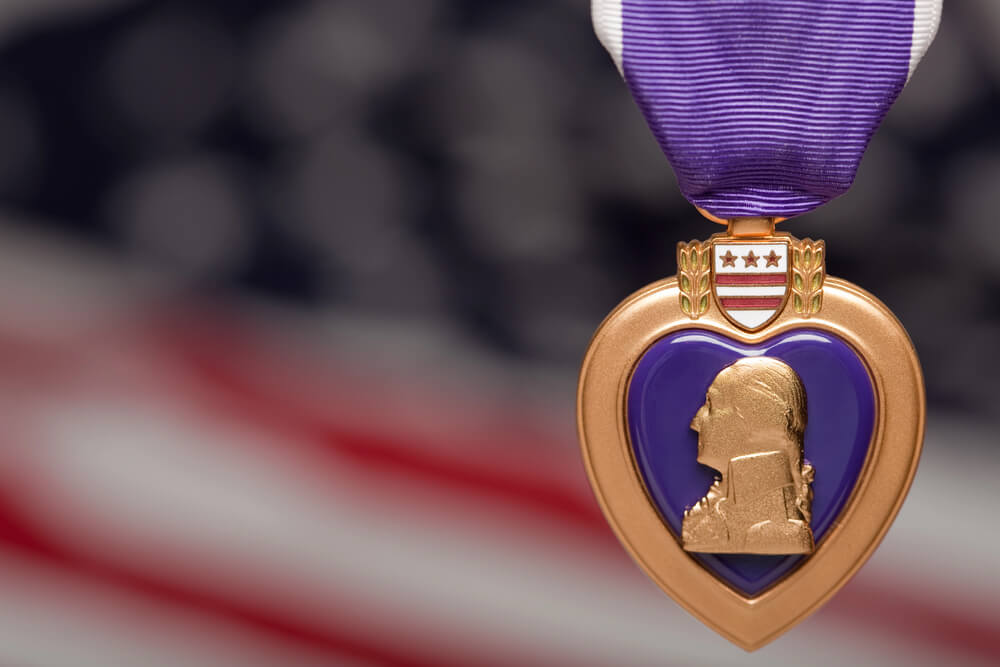
The Purple Heart is awarded to those wounded or killed in service, and families often hold one without knowing the full story behind it. Its history reaches back to the Badge of Military Merit created under George Washington.
A medal in its original case, with a ribbon that has not faded and a citation or hospital record alongside it, is a different object from a loose medal in a drawer. Condition and provenance matter far more than the design, which barely changed across decades.
The Silver Star and Its Citation

The Silver Star is awarded for gallantry in action, and the citation that accompanied it is often worth more as a document than the metal is as an object. A medal with the original citation, the award certificate and a named box lets a researcher confirm exactly what happened and where.
Without that paperwork, the same medal becomes one of many similar pieces with no story attached. Condition of the ribbon and the metal surfaces also affects how a collector sees it.
The Medal of Honor and the Law

The Medal of Honor is the nation’s highest military decoration, and it carries a legal warning that no other medal on this list does. Under U.S. law, it is illegal to sell the Medal of Honor, a restriction highlighted by the Medal of Honor Museum.
Families who think they may hold one should keep it, document it, and ask a museum about donation or display. The condition of the medal and the surrounding paperwork matter for preservation, even where they cannot matter for a sale.
The Distinguished Flying Cross With Flight Records
The Distinguished Flying Cross was created in 1926, and Charles Lindbergh is recorded as receiving the first one in 1927. It honors heroism or extraordinary achievement in aerial flight, so the medal often travels with logbooks, squadron photographs and orders.
Those papers can matter as much as the cross itself. A named medal in good condition with an original ribbon and a documented flight history is far more compelling than a bare cross.
The Bronze Star From the Second World War
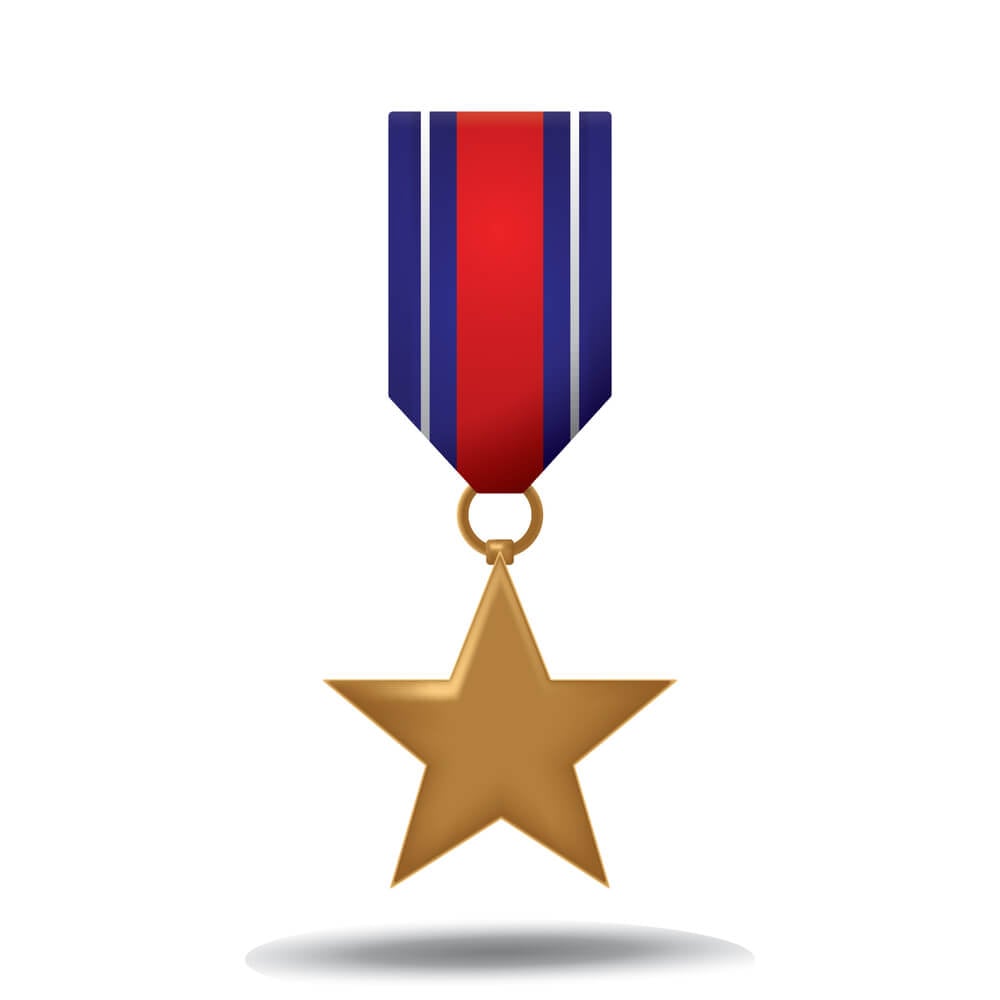
The Bronze Star Medal was created during World War II and was awarded for both heroic and meritorious service. Because it covers a wide range of service, one family’s Bronze Star might mark combat bravery and another’s a long administrative stint.
The small device on the ribbon is what separates the two, so the ribbon should never be replaced or cleaned. Original orders, citations and a boxed presentation set all strengthen the story, and condition affects how a collector sees the piece.
The Navy Cross in a Cased Set
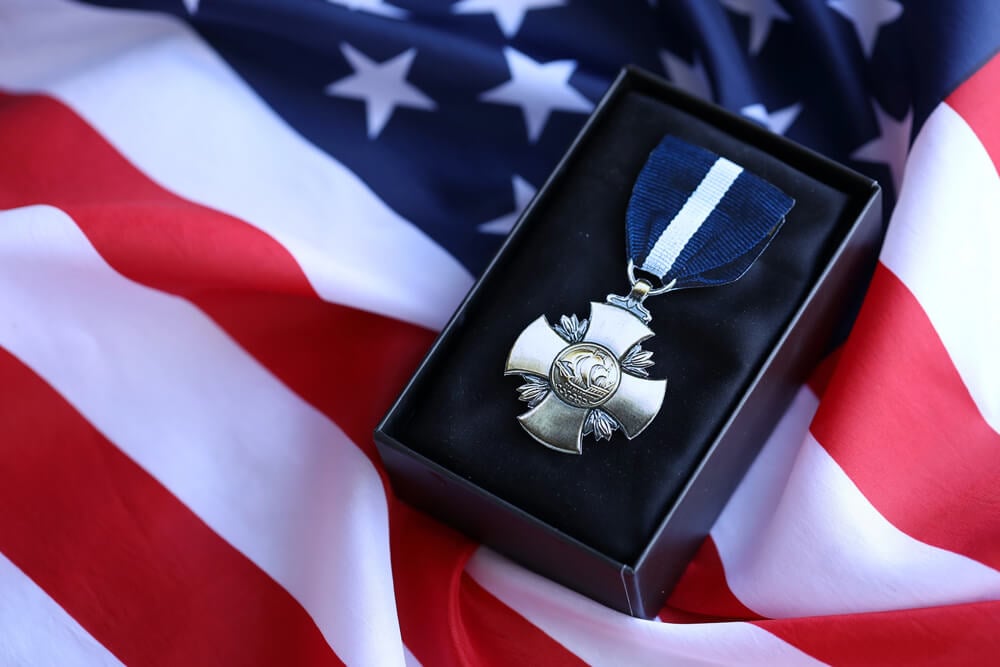
The Navy Cross is a high decoration awarded to members of the Navy and Marine Corps, and cased sets with a ribbon and lapel pin exist from several wars. A cased set with all of its components is a stronger piece than a lone cross.
The citation, service record and any newspaper clippings turn a handsome object into a documented act of courage. Condition of the bronze surface and ribbon is a major factor, and restoration tends to reduce interest rather than raise it.
The Distinguished Service Cross of the Army
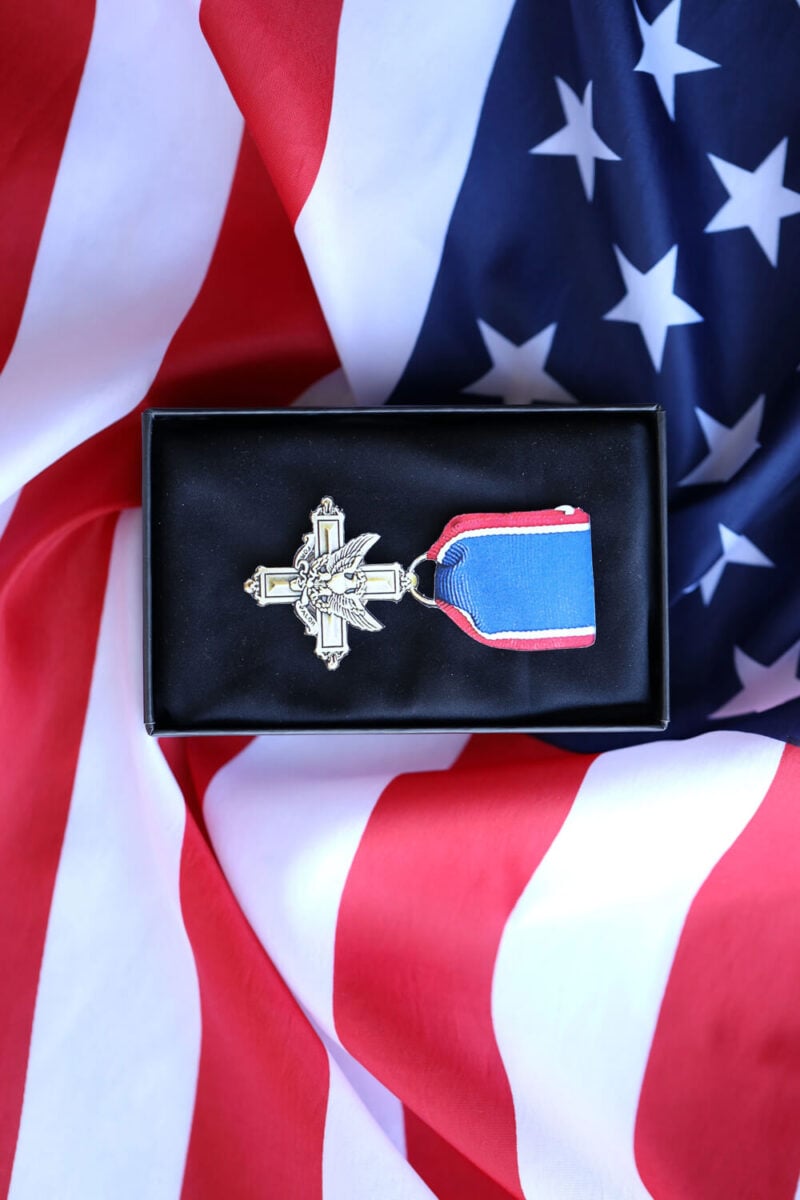
The Distinguished Service Cross is the Army’s second-highest decoration for valor, and World War I recipients are documented in state and local archives. A family holding one should look for the original citation and any general orders that named the soldier.
Some regional archives list their recipients, which can confirm the name and the action behind the medal. Condition, original packaging and unbroken paperwork all shape how a collector or museum sees it.
The Victoria Cross and Its Paper Trail
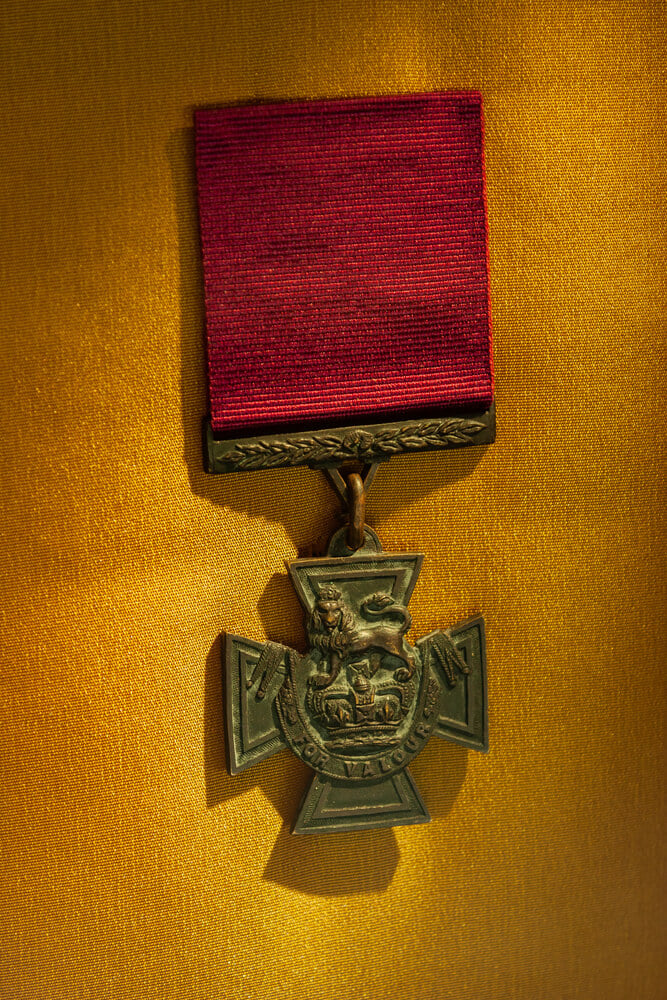
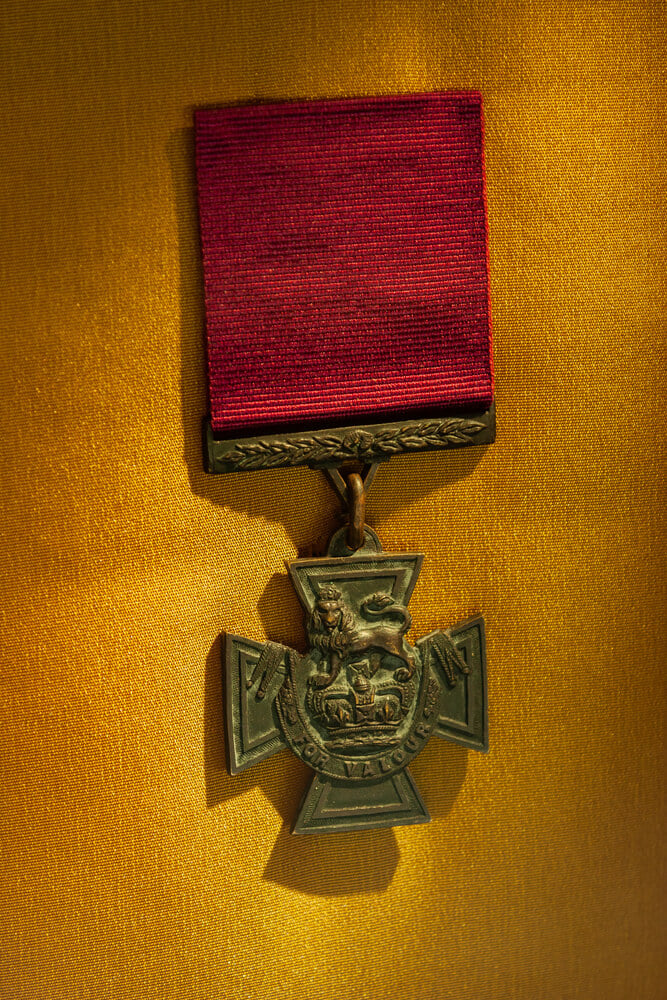
The Victoria Cross is the highest British and Commonwealth award for gallantry, and genuine examples are well studied and closely tracked at auction. Auction houses publish detailed catalogues because provenance, meaning an unbroken ownership history, is central to value.
A story of a family holding a Victoria Cross should lead straight to a specialist, a regimental museum or an auction house for authentication. Condition, original ribbon and supporting documents such as the citation and the gazette entry all affect how a medal is judged.
Pip, Squeak and Wilfred
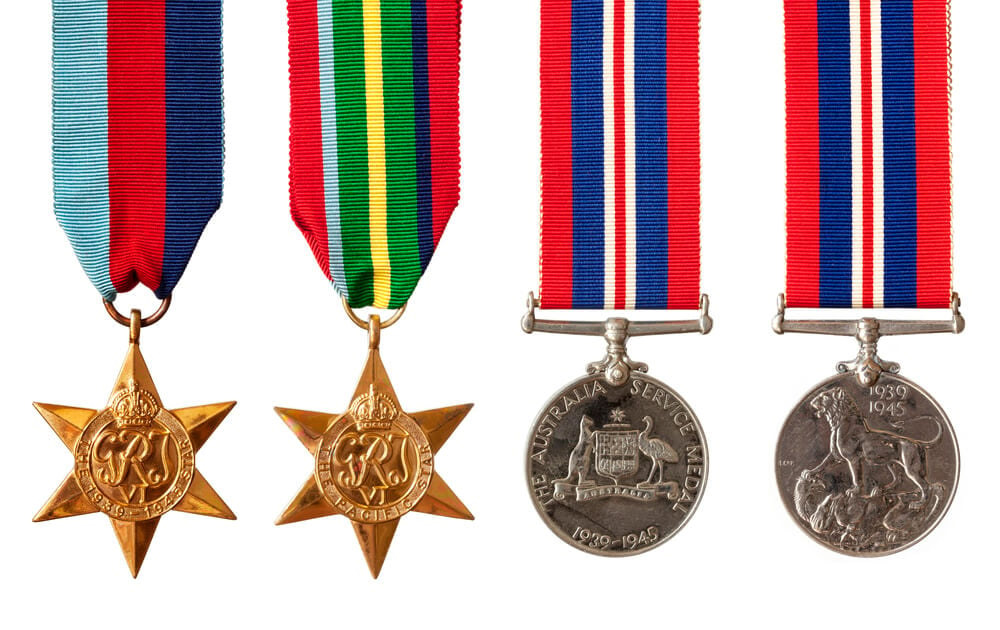
British soldiers who served in the First World War often received three medals, nicknamed Pip, Squeak and Wilfred after a popular comic strip trio. Pip is the 1914 or 1914-15 Star, Squeak the British War Medal and Wilfred the Victory Medal. The edges are impressed with the soldier’s name, number and unit, which is exactly what makes a trio researchable.
A complete trio with the original ribbons, the transmission box or card and a service record is worth far more attention than three loose pieces.
The Military Medal for Gallantry in the Ranks
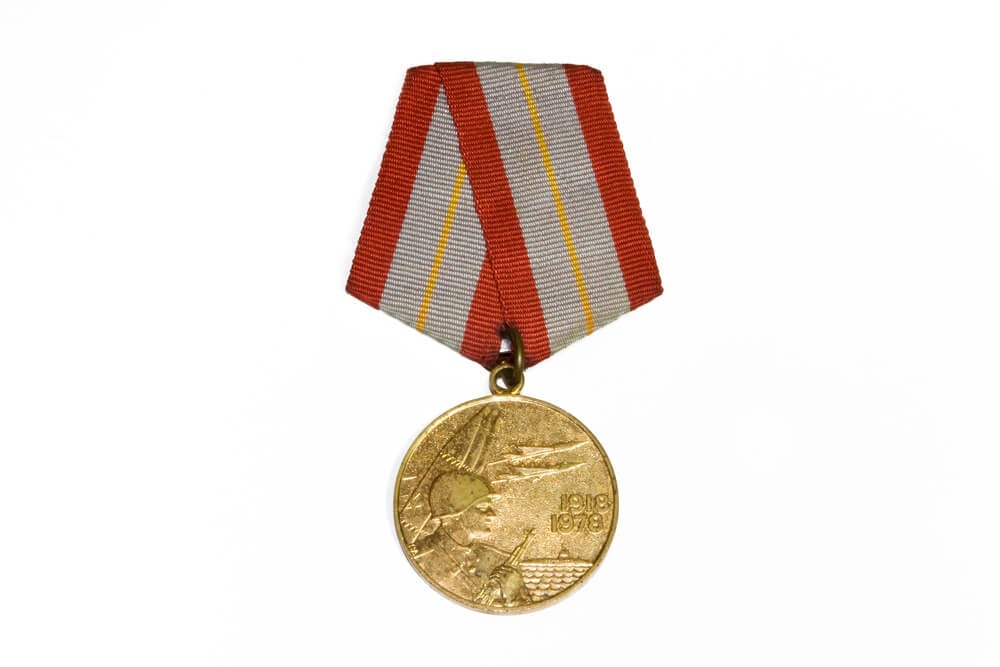
The Military Medal was a British gallantry award for soldiers below officer rank, created during the First World War. It sits within a long tradition of recognizing men who were not officers, and it was also given to Commonwealth soldiers.
The edge naming identifies the recipient, and the London Gazette entry can confirm the award. Condition of the silver, the original ribbon and a named citation or letter all influence how a collector regards it.
The Queen’s South Africa Medal and Its Clasps

The Queen’s South Africa Medal was issued for service in the Boer War, and its ribbon carries clasps naming specific battles and sieges. Clasps such as Defence of Ladysmith and Relief of Kimberley mark actions that were household names at the time.
Medals with several clasps can show a soldier’s entire path through the campaign, and the number and type of clasps change how a collector sees the piece. Condition, naming on the rim and surviving service papers are central to value.
The Africa Star and the Desert War

The Africa Star was a British Second World War campaign medal for service in North Africa, and it was issued to troops from across the Commonwealth. Its ribbon uses desert-themed colors, and the rarity of a given example depends on who earned it and how much of the campaign they saw.
Clasps on the ribbon can identify the army a man served with. Condition, original ribbon and a surviving service record or letters help show what the star meant to the person who earned it.
The Burma Star and the Forgotten Army
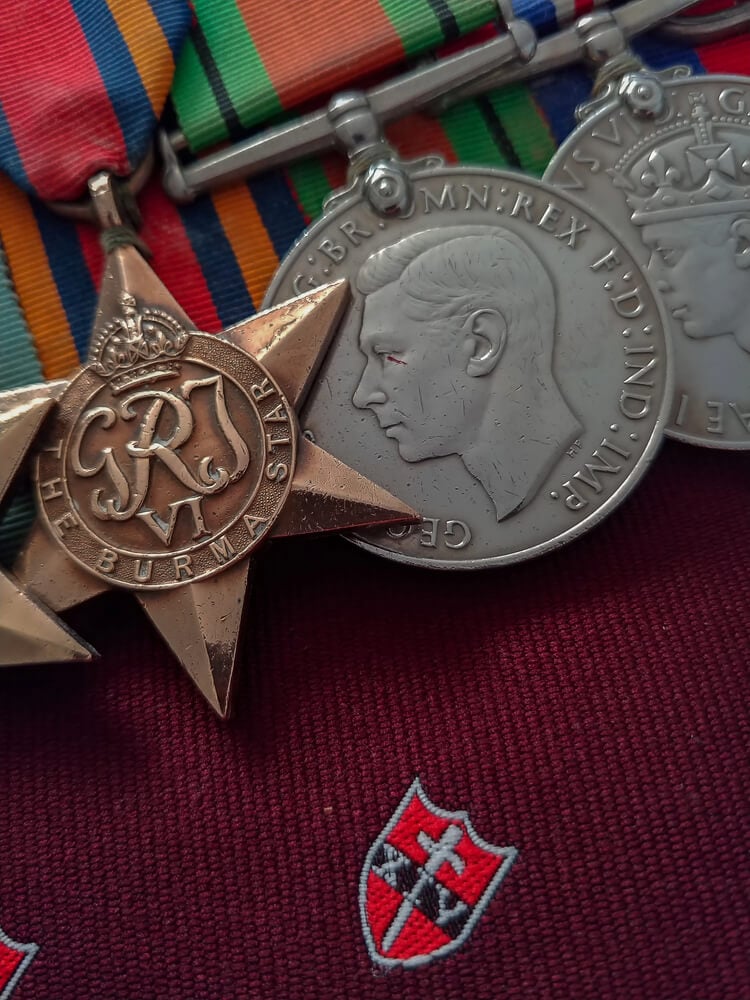
The Burma Star recognizes service in the Burma campaign of the Second World War. It was earned by British, Indian and other Commonwealth forces, and veterans of that theater were long known as the Forgotten Army.
Like other campaign stars, it was issued unnamed, which means paperwork or family knowledge is the only link to the person. Condition and original packaging matter, but a letter, photograph or discharge paper does the real work.
The Pacific Star Without a Name
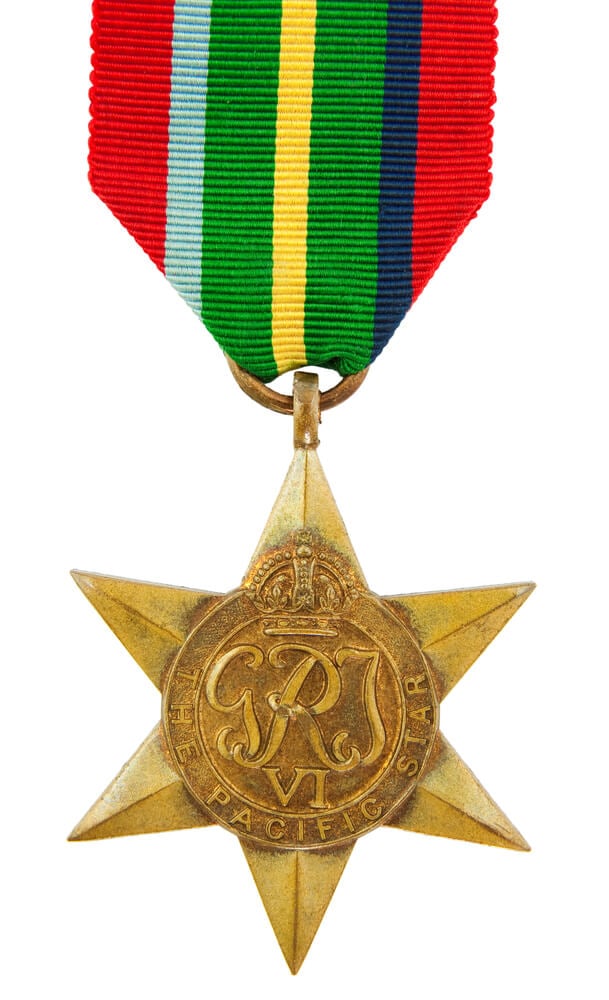
The Pacific Star was a British and Commonwealth campaign medal for service in the Pacific theater during the Second World War. Because these stars were issued without the recipient’s name on them, a loose star is nearly impossible to connect to a person.
Families who know the story should keep the star with the discharge papers, photographs and other medals earned by the same man. Condition and the presence of the original ribbon affect interest, but the documented link to a real person matters most.
The 1939-45 Star With the Battle of Britain Clasp
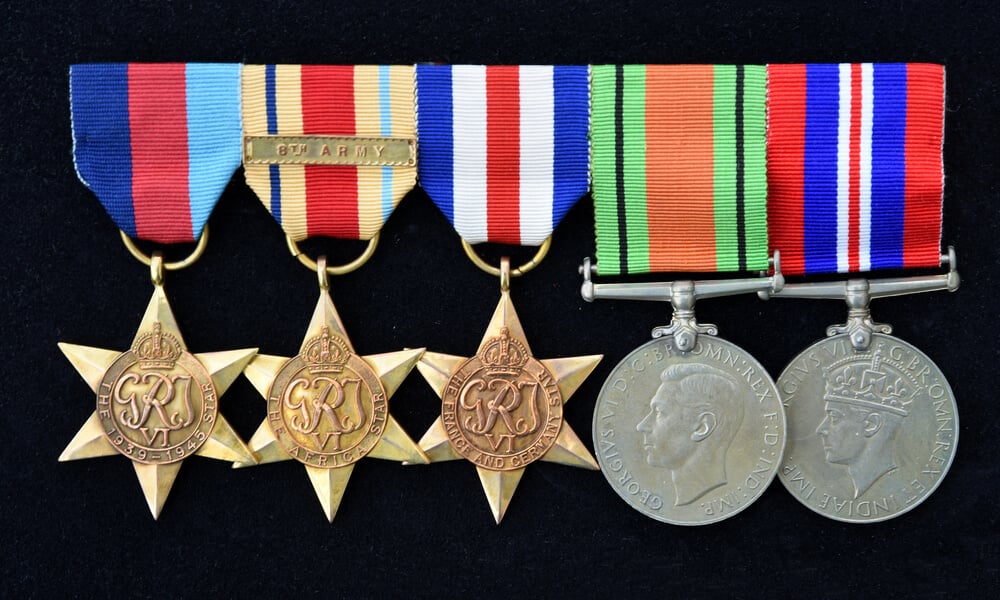
The 1939-45 Star was awarded to British and Commonwealth personnel for early war service, and airmen who flew in the Battle of Britain could earn a clasp to wear on the ribbon. A star carrying that clasp can point to one of the most famous periods of the entire war.
The clasp only matters if it can be tied to a named airman, so logbooks, service records and squadron photographs raise the interest. Condition of the ribbon and the unaltered original clasp are things a specialist will check.
The Iron Cross Second Class
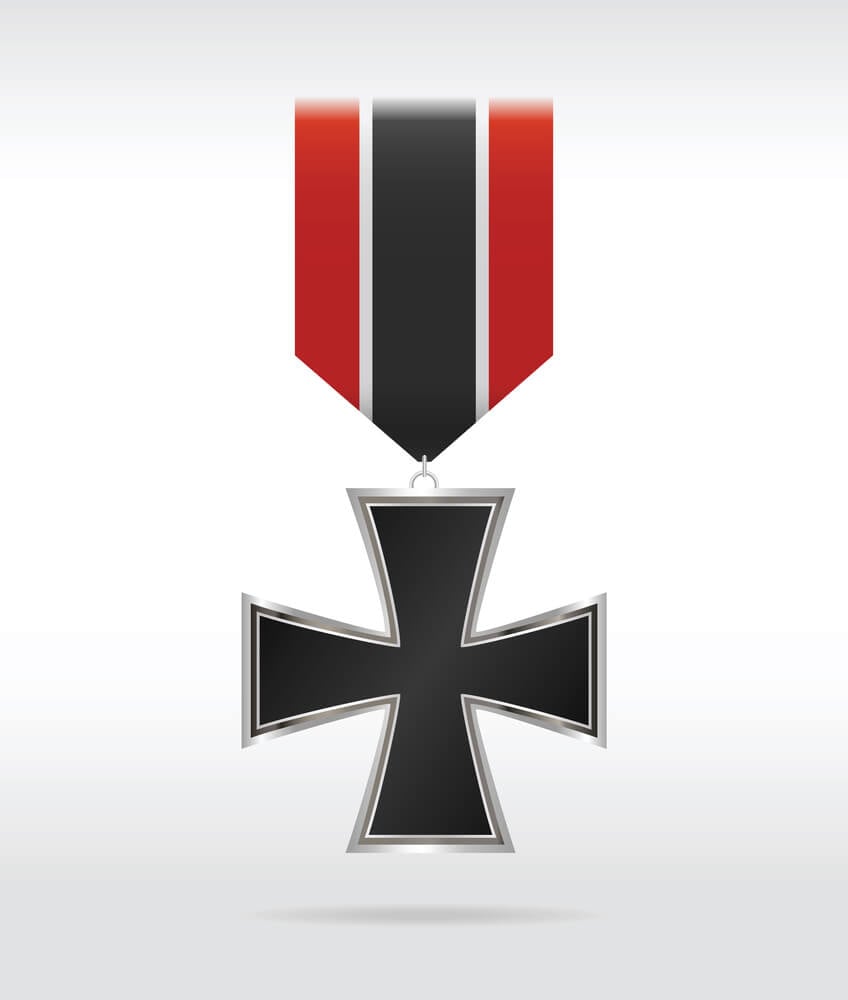
The Iron Cross is one of the most recognizable German decorations, and the 1939 version was issued in several classes. The Second Class is the version most often brought home as a souvenir, and a surprising number of families have one without papers.
Authentic examples are separated from later copies by maker marks, construction and age. Condition, an original ribbon and an award document or soldier’s record all affect how seriously a collector will take it.
The Iron Cross First Class With Pinback
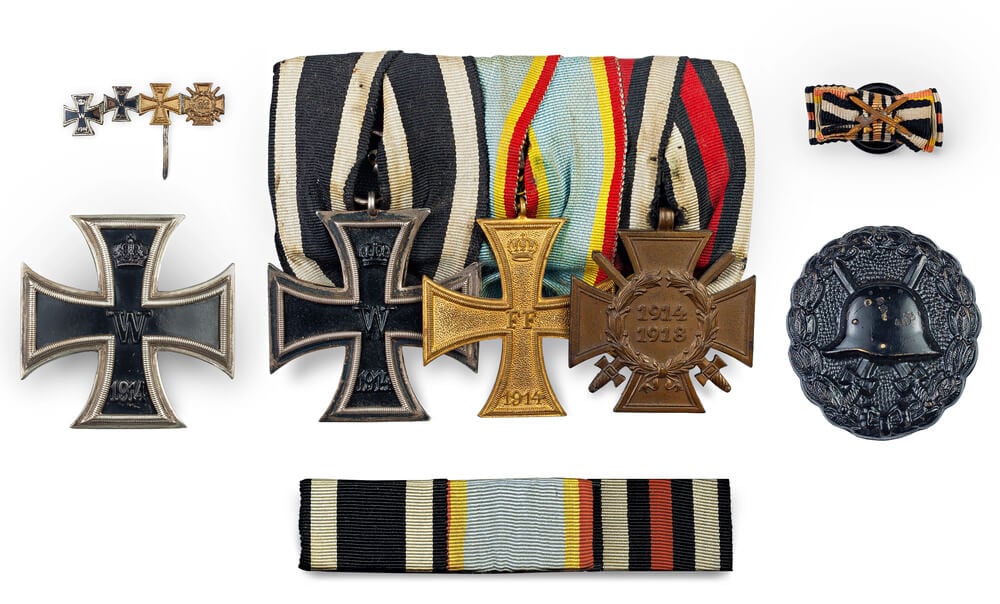
The Iron Cross First Class was worn on the chest rather than from a ribbon, and many examples were fitted with a vertical pin on the reverse. Details such as the type of fastening and any maker mark help experts judge whether an example is original.
Because fakes exist, authentication matters more with this piece than with many others. An award document, a soldier’s photo wearing the cross, or a documented family history raises the interest of a verified example.
The Cross of Honor of the German Mother
The Cross of Honor of the German Mother, known as the Mutterkreuz, was awarded to mothers in Nazi Germany and came in bronze, silver and gold. The bronze version was the Third Class, and museum collections hold examples of several classes.
Families who inherit one are holding a difficult piece of history rather than a battlefield decoration, and it deserves careful handling. An original box or award certificate can show which class was given, while condition affects how a museum or collector regards it.
The Légion d’honneur and Its Many Grades
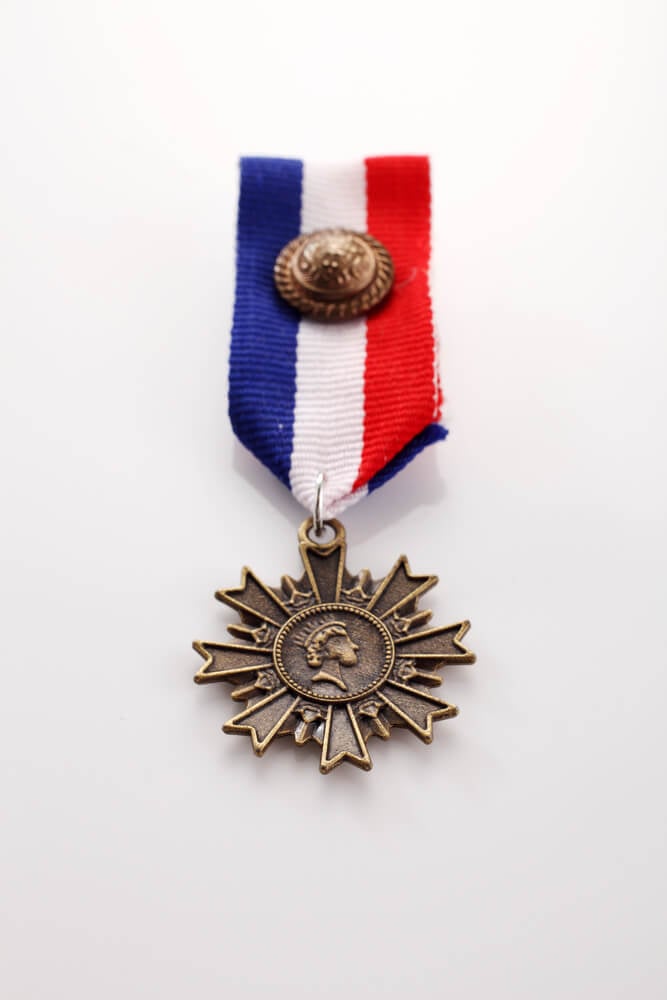
The Légion d’honneur was founded by Napoleon Bonaparte in 1802 and remains France’s highest order. It has been awarded in several grades, so the form and size of the badge can indicate how senior the award was.
Early examples are especially sought after, and later ones can still carry strong family stories. The condition of enamel and ribbon, along with the original diploma or a record of the award, determines how a specialist will judge the piece.
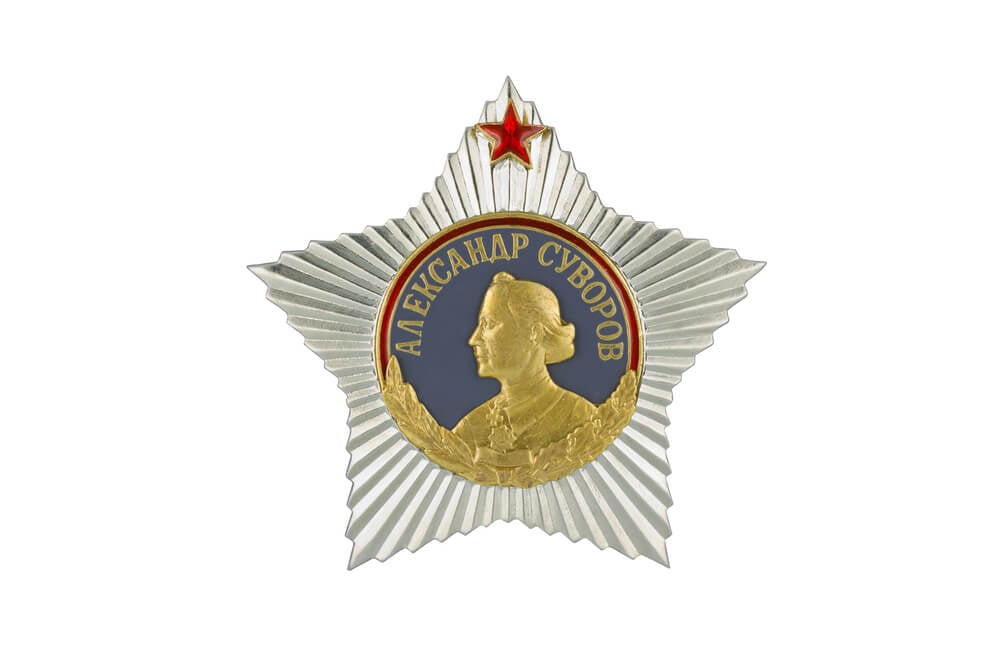
The Soviet Medal For Courage
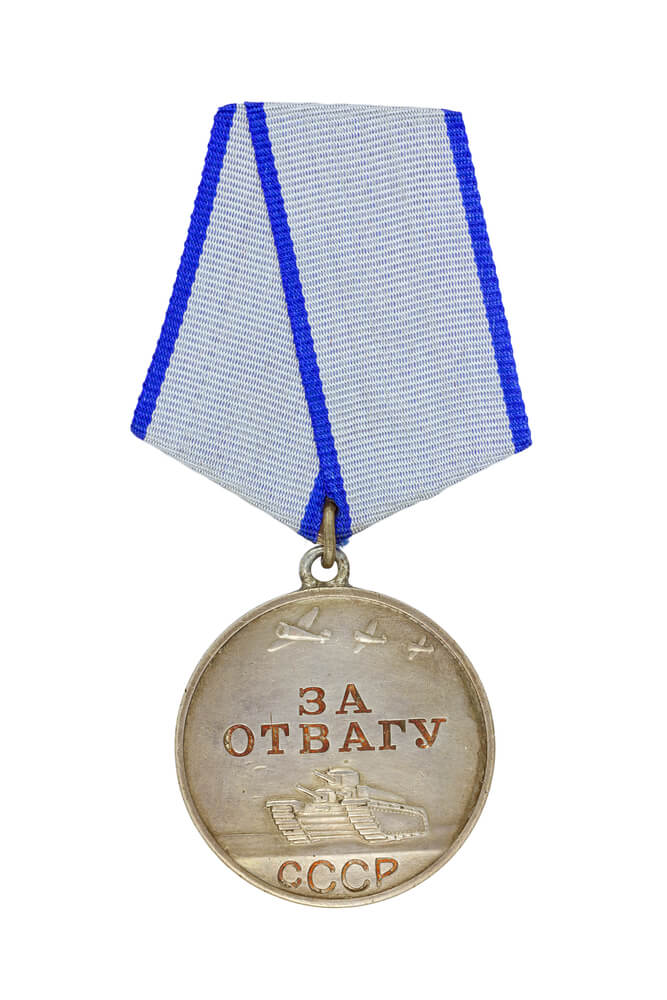
The Soviet Medal For Courage was established in 1938 and awarded to soldiers for personal bravery in battle. These medals were numbered, and published serial number ranges exist that help researchers narrow down when one was made.
A medal with its original suspension block and surviving paperwork, such as the award booklet, is stronger than one without. Condition, authenticity and a documented chain of ownership decide how a collector will see it.
What a Medal Remembers
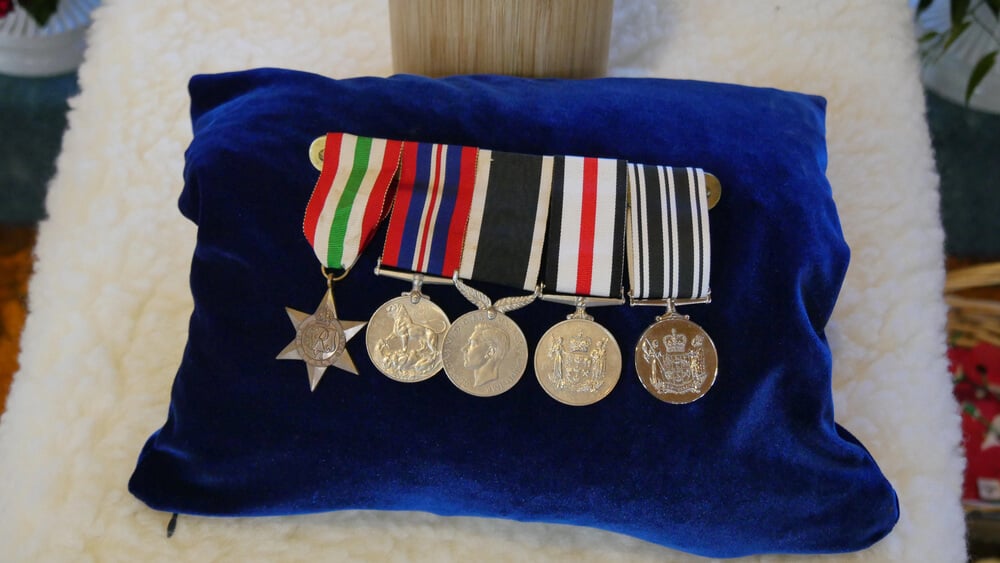
Every medal on this list has the same weakness, which is that metal cannot explain itself. A bronze cross or silver disc looks nearly identical to thousands of others until a name, a number, a citation or a letter ties it to one person. Families who keep the paperwork, the box and the original ribbon together hold something far more complete than any loose piece.
The best first step is rarely a price check. It is a conversation with a regimental museum, an archive or a specialist who can confirm what the medal is and what it commemorates. Whatever the result, the person who earned it deserves to be remembered by more than a drawer.
More from Go2Tutors!

- 27 Silver Dollars and Half Dollars Worth Keeping
- 28 Restaurant Menu Items Nobody Orders Anymore
- 17 Places Built in Seemingly Impossible Spots
- 27 Vintage Rings Worth More Than They Look
- 25 Restricted Sites Tourists Can’t Enter
Like Go2Tutors’s content? Follow us on MSN.