Things Our Parents Did That Seem Wild Now
Nobody in the 1960s or 1970s thought they were being reckless. They were following the advice of doctors, the design of the era, and the common sense of the neighborhood. Most of it was simply how childhood worked.
Looking back through the rear window of history, some of those habits look closer to a stunt show. Here are the ones that made it into the record books, the recall notices, and the law.
Lawn Darts Were Sold as a Backyard Game
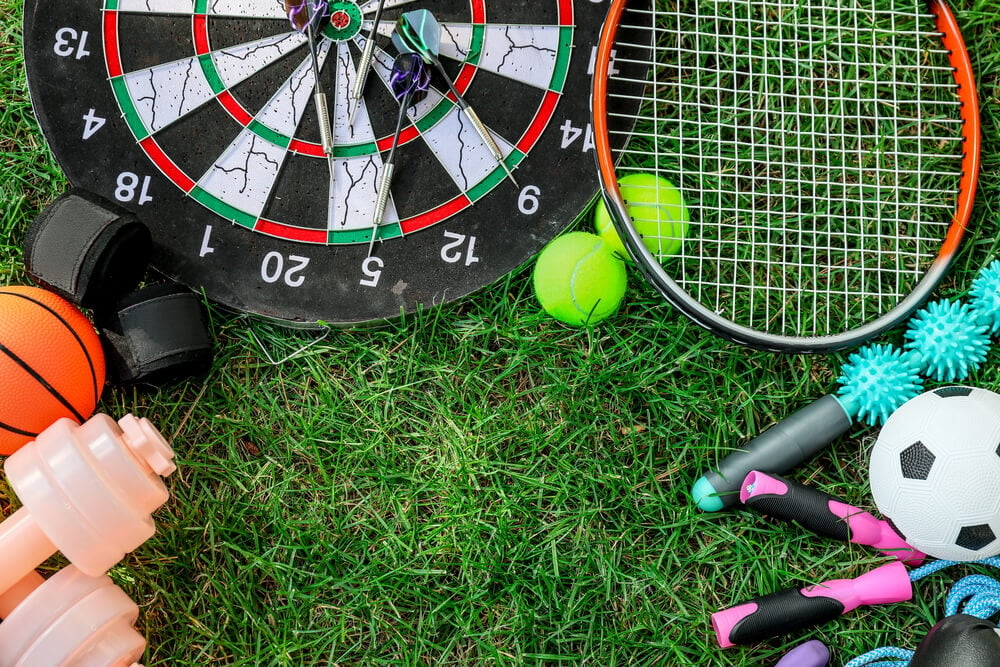
Jarts and similar sets featured foot-long metal-tipped missiles that players lobbed at plastic rings in the grass. They were marketed to families and left in the garage next to the croquet mallets.
In 1988 the Consumer Product Safety Commission voted to ban them after children were seriously injured and killed. The agency was still reissuing warnings in 1997 that any remaining sets should be destroyed, because attic and garage copies kept resurfacing.
Shoe Stores Used X-Ray Machines to Check the Fit
From the 1920s into the 1950s, many shoe stores had a fluoroscope that let customers peek at the bones of their own feet. A child would step into a cabinet, and parents, clerks, and siblings could all look down through viewing ports at the glowing skeleton wiggling its toes.
The novelty was the draw, since the machines were a marketing gimmick as much as a fitting tool. Radiation exposure concerns eventually led to regulation, and the machines vanished from shoe stores.
Children Rode Loose in the Car
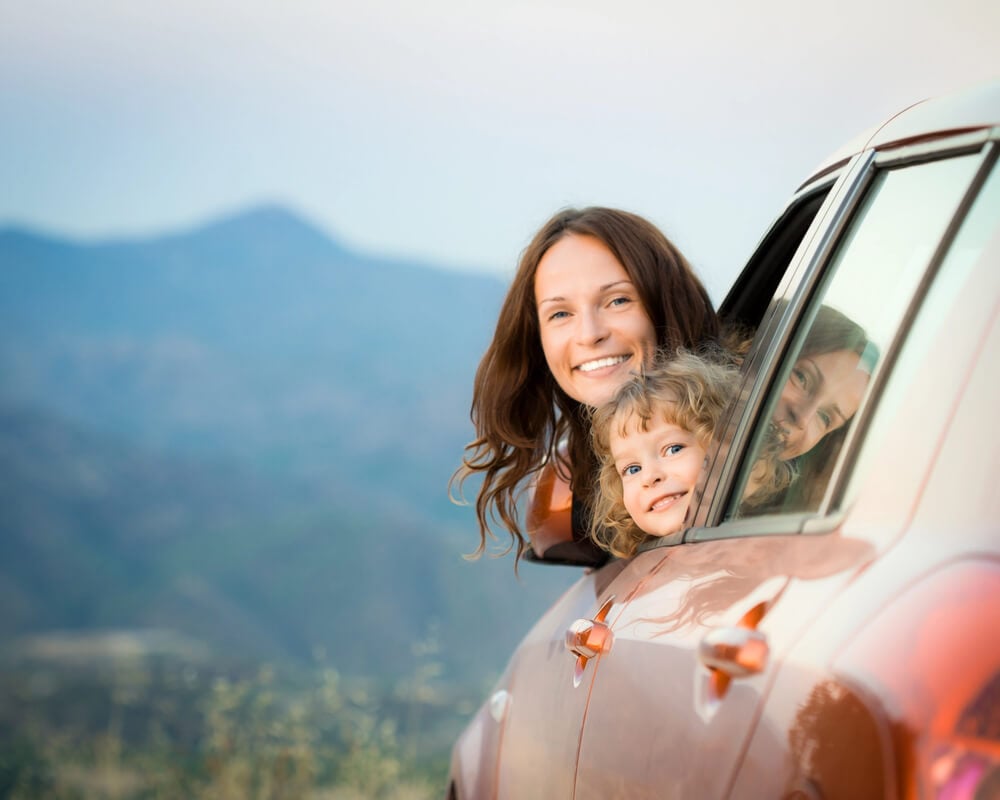
For decades, the family sedan had no rules for small passengers. Babies rode in a parent’s lap, toddlers stood on the front seat, and the rear shelf under the back window served as a nap spot.
Tennessee passed the first state child restraint law in 1978, and other states followed over the next several years. Early laws were often weak, and it took years before every state required some form of child restraint.
Seat Belts Were Optional, and Often Ignored
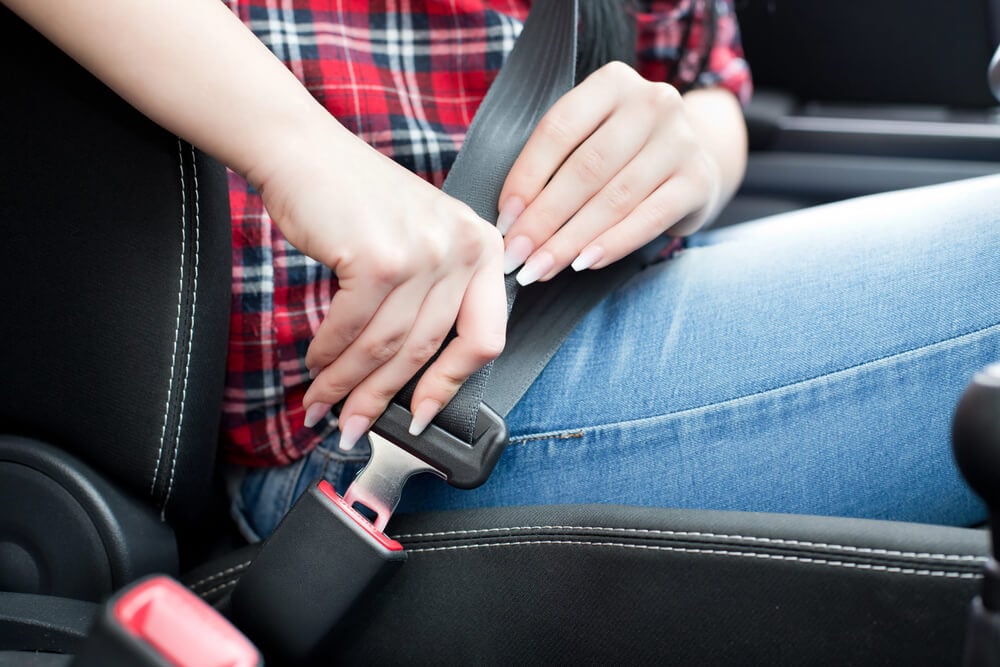
Federal rules required lap belts in new cars by the late 1960s, but plenty of drivers tucked them into the seat cushions or sat on the buckles to silence the chime. Shoulder belts were considered a nuisance by many people. New York became the first state to pass a mandatory belt-use law, in 1984.
Before that, a driver could cross the country with every passenger completely unrestrained and be perfectly within the rules.
Babies Were Put to Sleep on Their Stomachs

Pediatric guidance in the mid-century era commonly steered parents toward placing infants face down, partly out of fear that a baby lying on the back might choke. Popular baby books of the period reflected that thinking, and generations of nurseries were arranged accordingly.
The United States launched the Back to Sleep campaign in 1994 after research linked stomach sleeping to sudden infant death. Infant deaths from that cause fell sharply in the years that followed, which is one of the clearest public health turnarounds of the century.
Aspirin Was the Default Cure for a Child’s Fever

A bottle of children’s aspirin sat in nearly every medicine cabinet, flavored to taste like candy and handed out for flu and chickenpox. Researchers eventually tied aspirin use during viral illness in children to Reye’s syndrome, a rare condition that can harm the liver and brain.
Warning labels followed, and pediatricians shifted to other fever reducers. Many younger parents have never seen a child dosed with it.
Cars Ran on Leaded Gasoline for Decades
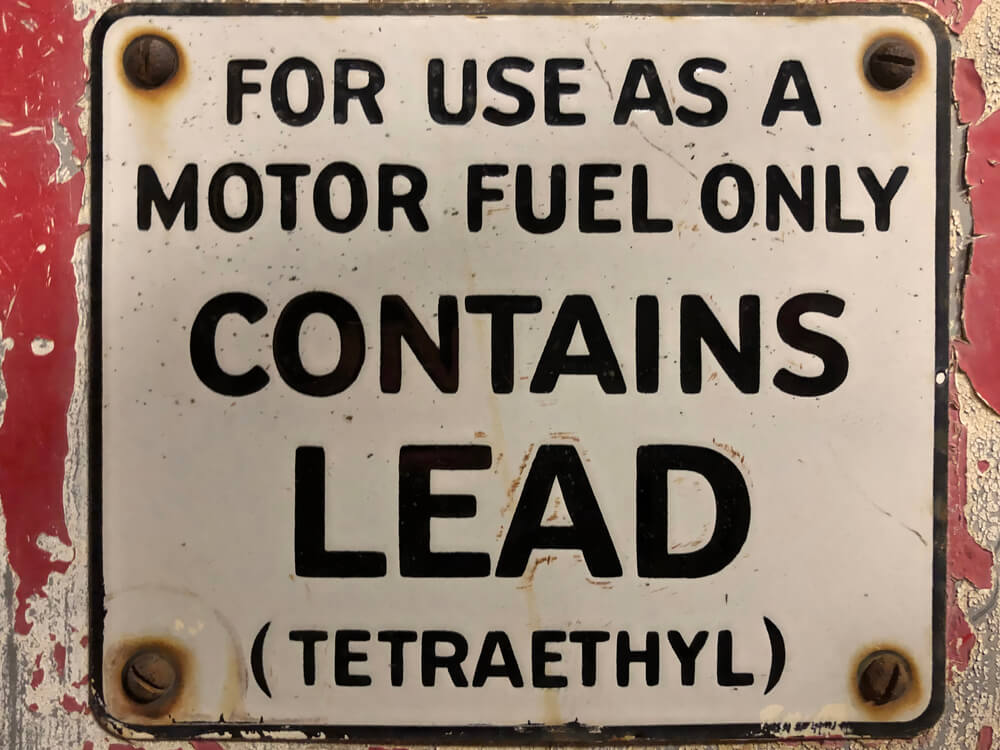
Lead was added to fuel for most of the twentieth century to help engines run smoothly, which meant tailpipes across every city quietly dusted streets and playgrounds. Phase-outs began in the 1970s as catalytic converters arrived, and the fuel was banned for on-road vehicles in the United States by 1996.
Researchers have connected the decline in childhood blood lead levels to the removal of lead from gasoline. A child who grew up in a 1960s city absorbed a heavy dose simply by playing outside.
Phone Lines Were Shared With the Neighbors
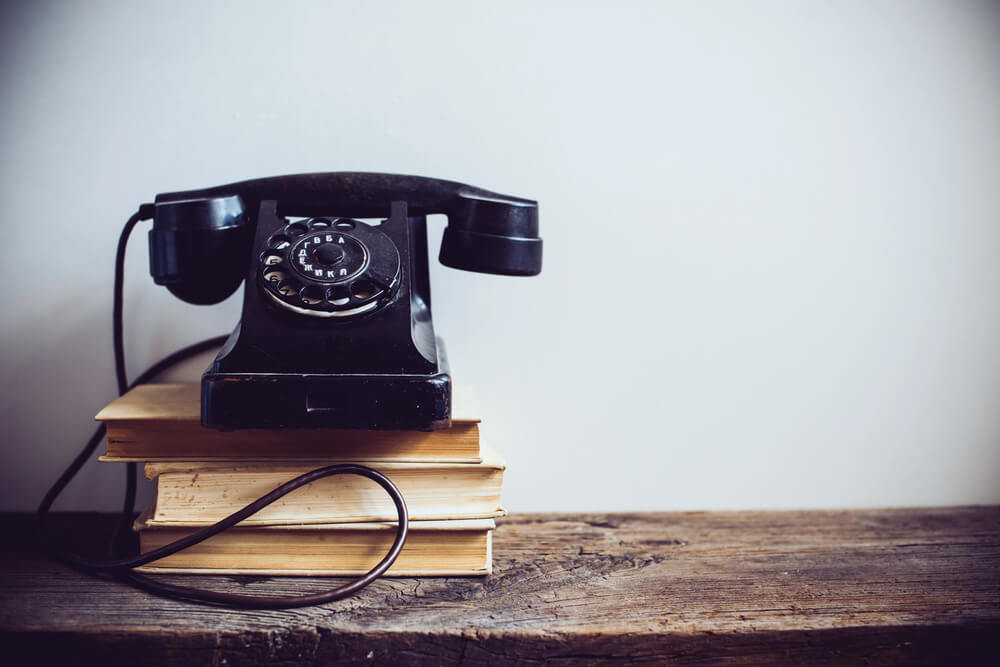
On a party line, several households used a single telephone circuit, each with its own ring pattern. Anyone on the line could pick up and listen, and plenty did.
Teenagers learned to lower their voices, and mothers learned to recognize the tiny click of someone joining the call. Private lines gradually replaced shared service, and the arrangement faded from everyday life.
Kids Rode in the Back of Pickup Trucks
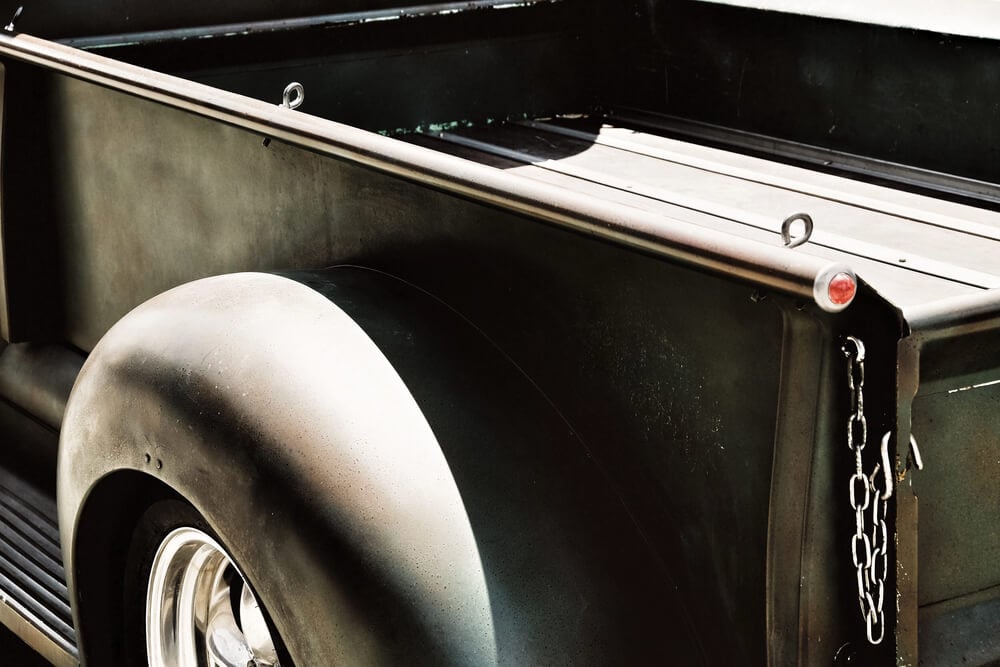
The truck bed was a legitimate seat on farm roads and in small towns, often with a couple of kids, a dog, and a cooler sliding around together. Sitting on the wheel well or the tailgate at highway speed felt like freedom rather than a hazard.
Many states now restrict passengers in cargo areas, particularly minors. The remaining exceptions tend to be parades, farm work, and low-speed rural roads.
Hitchhiking Was Ordinary Transportation

Students, soldiers, and families with a broken-down car stuck out a thumb and expected a ride. Drivers often felt a mild obligation to stop, and parents sometimes picked up strangers with children in the back seat.
Over the decades, highly publicized crimes and changing attitudes turned the habit into a rare sight, and some states and highways now restrict it. The sight of a smiling traveler with a duffel bag by an on-ramp is now mostly a movie image.
Children Roamed Until the Streetlights Came On

After breakfast, kids vanished into the neighborhood on bicycles and returned when the lights went on or someone yelled from a porch. Parents rarely knew exactly where they were, which kept dinner conversation lively and supervision minimal.
No phones tracked them, and the plan for emergencies was to knock on a neighbor’s door. Researchers who track children’s independent mobility have documented how sharply the distance kids are allowed to range from home has shrunk since then.
The Garden Hose Was the Household Water Fountain

Thirst on a hot afternoon meant bending over the lawn and drinking straight from the nozzle, after waiting for the sun-warmed rubber water to run through. Nobody asked what the hose was made of. Many hoses carry labels warning that they are not intended for drinking water, since some materials can leach chemicals into the water sitting inside.
The taste of a hose is still a memory most adults born before 1985 can summon on command.
Mercury Thermometers Lived in the Medicine Cabinet

Fever checks relied on a thin glass tube filled with a silvery liquid metal. If the thermometer broke, children chased the shiny droplets across the floor, rolling them between fingers like toys.
Health agencies later pushed digital models, and many states restricted or banned sales of mercury fever thermometers. A single broken one is now treated as a cleanup event with its own official instructions.
Baby Walkers Rolled Toward the Stairs
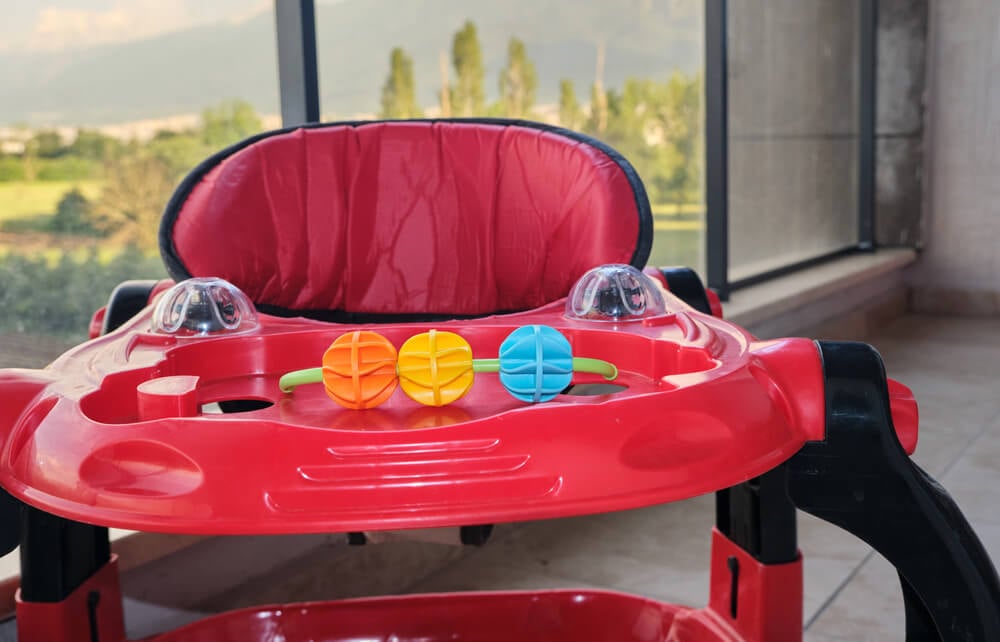
A baby in a wheeled walker could suddenly cover a room in seconds, and tumbles down staircases were a known risk. Pediatricians warned for years against them, citing injuries and the possibility that they delay walking.
Canada banned the sale, import, and advertising of baby walkers in 2004, the first country to do so. The United States took a different path and adopted a mandatory safety standard instead.
Playgrounds Were Made of Steel and Asphalt
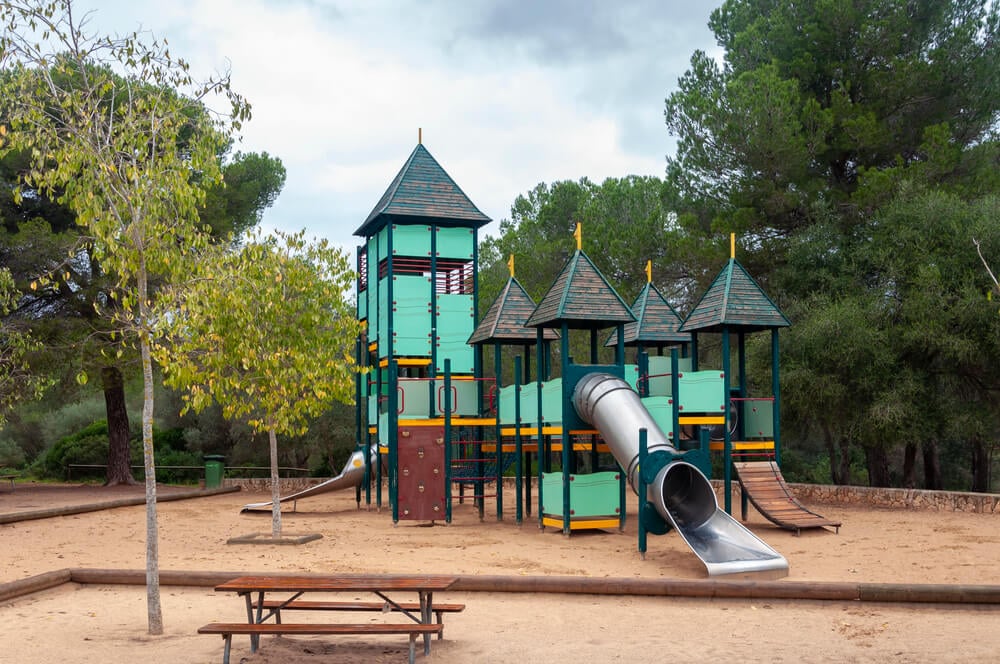
Tall metal slides that scorched summer legs, merry-go-rounds spun to dizzying speeds, and swings hung over pavement were the standard fixtures of a public park. The Consumer Product Safety Commission published its first handbook for public playground safety in 1981, which began pushing communities toward softer surfaces and lower heights.
Today a shredded-rubber surface and a plastic slide are the norm. Many adults still carry a small scar from the old equipment as proof of attendance.
A Chemistry Set Came With Uranium Ore

In 1950, the A. C. Gilbert Company released its Atomic Energy Lab, a boxed set with a Geiger counter, a cloud chamber, and samples of radioactive ore. It was meant to teach children about the exciting new atomic age.
The kit sold poorly because of its high price and was discontinued after about a year or two. Its reputation as the most dangerous toy ever sold has only grown.
Passengers Lit Up on Airplanes
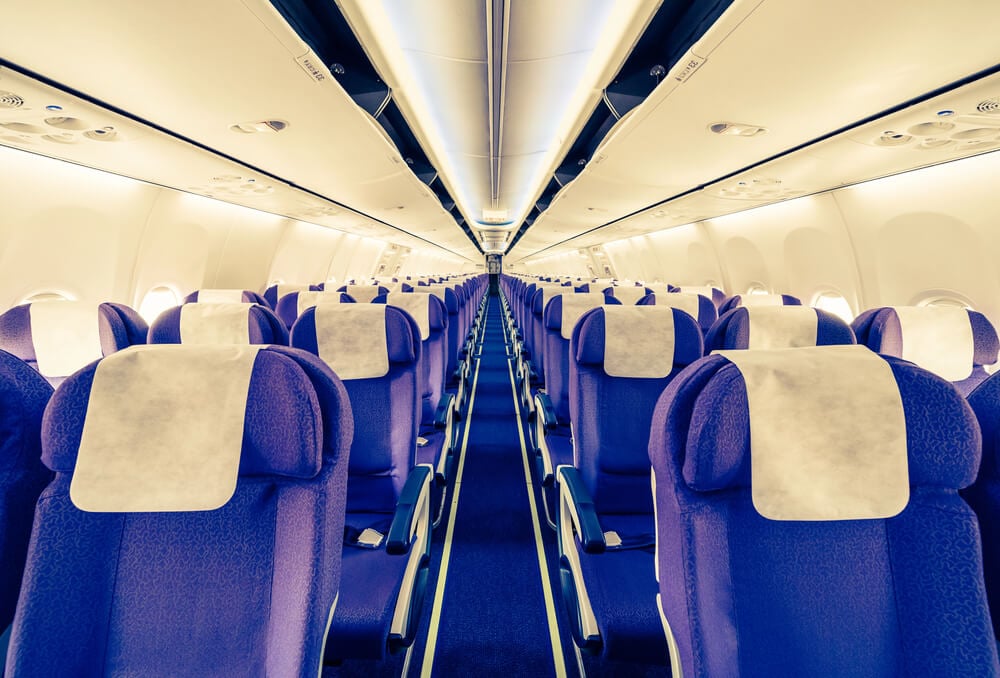
Airlines once provided ashtrays in the armrests, and the cabin air filled with a haze that everyone breathed together. Parents with small children simply sat in the section assigned to them.
The United States began restricting the habit on short domestic flights in 1988, and a ban covering essentially all flights followed in 2000. Anyone who flew before then remembers the faint amber tint on the cabin walls.
Homemade Baby Formula Came From the Pantry
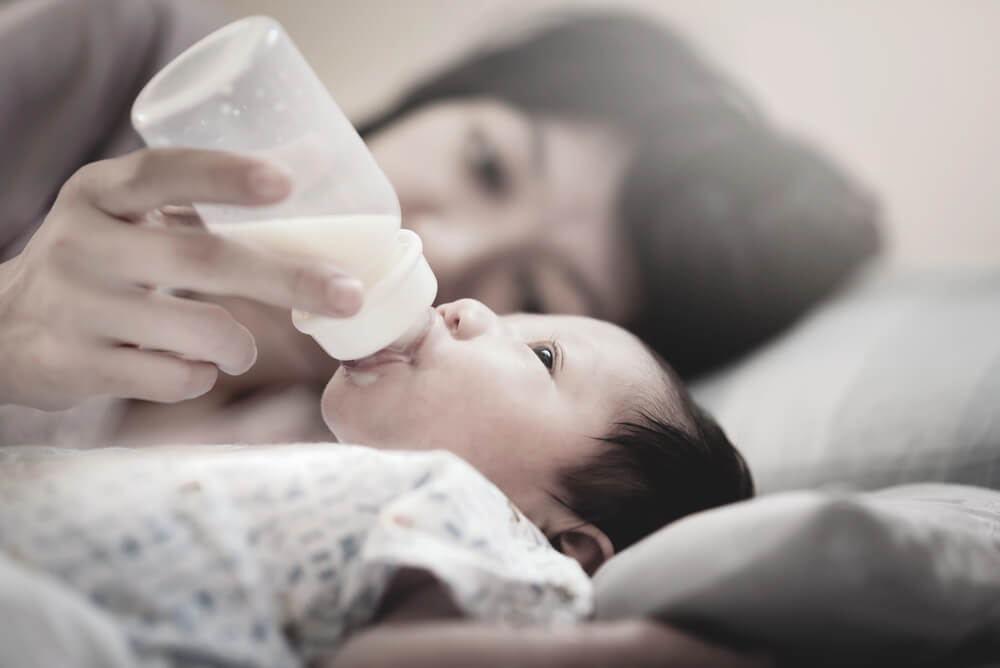
Mid-century parents often mixed their own infant formula from evaporated milk, water, and corn syrup, following recipes handed out by pediatricians. It was cheap, familiar, and widely recommended in an era before commercial formula dominated.
Medical guidance later moved firmly toward breast milk or properly fortified commercial formula. Home recipes of the old kind lack vitamins and other nutrients that babies need, which is why modern doctors discourage them.
Paddling Was a Routine School Punishment

Teachers and principals kept wooden paddles in the office, and a trip to the principal could end in a swat in front of a witness. In 1977 the Supreme Court ruled in Ingraham v. Wright that the Constitution did not bar corporal punishment in public schools.
Many states have since banned the practice, though it remains legal in some. Parents once routinely signed off on it, a detail that surprises plenty of students today.
Kids Waited in the Parked Car Outside the Tavern
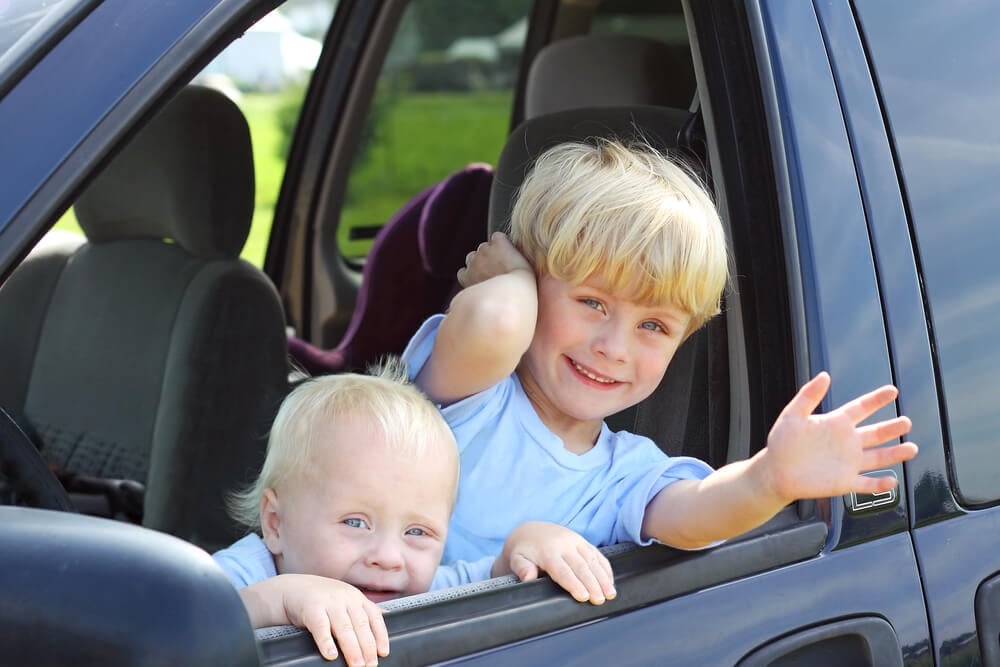
A common scene in the middle of the century was a row of children sitting in a parked station wagon with a bag of chips while a parent ran into the bar for a quick drink. It might last ten minutes or two hours. Today, many states have laws against leaving children unattended in vehicles, and a bystander is likely to call the police.
The practice that once passed as ordinary now draws a response from the authorities.
Latchkey Children Ran the House After School

Children as young as eight wore a house key on a string around the neck and let themselves in after school. They heated snacks, did homework, and waited for a parent to return from work.
The term latchkey kid became common in the 1970s and 1980s as more households had two working parents. Schools and communities responded with after-school programs, some of which grew into permanent institutions.
The Memory of Risk, and the Comfort of Hindsight
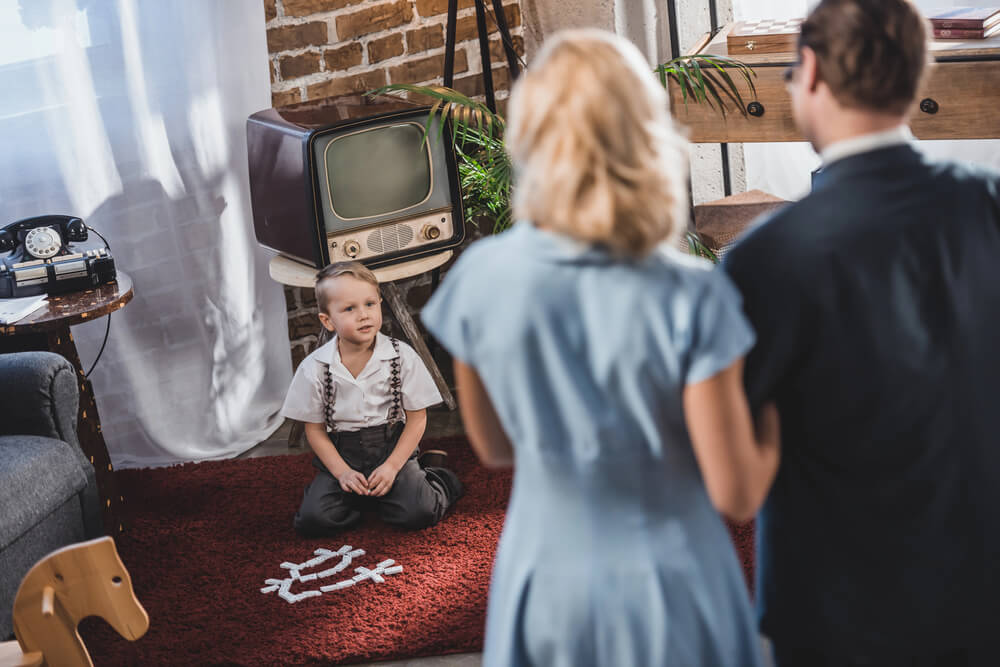
Almost every item on this list began as a reasonable response to the information available at the time. Lawn darts looked like sports gear, fluoroscopes looked like science, and aspirin looked like medicine. Each fell out of favor only after someone counted the injuries and published the numbers.
That pattern suggests that parents today are making choices that will look equally strange to their grandchildren. The difference is that safety rules now arrive faster and spread wider than a generation ago. What looked wild in hindsight was usually just ordinary life before the data caught up.
More from Go2Tutors!

- 27 Silver Dollars and Half Dollars Worth Keeping
- 28 Restaurant Menu Items Nobody Orders Anymore
- 17 Places Built in Seemingly Impossible Spots
- 27 Vintage Rings Worth More Than They Look
- 25 Restricted Sites Tourists Can’t Enter
Like Go2Tutors’s content? Follow us on MSN.