15 Tragedies That Inspired Modern Architecture
Architecture has always been shaped by human experience, both triumphant and tragic. Throughout history, devastating events have forced architects and engineers to rethink their approach to design, leading to innovations that prioritize safety, functionality, and human welfare. These moments of crisis often become catalysts for revolutionary changes in building practices and urban planning.
When tragedy strikes, the architectural world doesn’t just mourn—it learns. Here is a list of 15 tragedies that fundamentally changed how we design and construct our built environment.
Triangle Shirtwaist Factory Fire
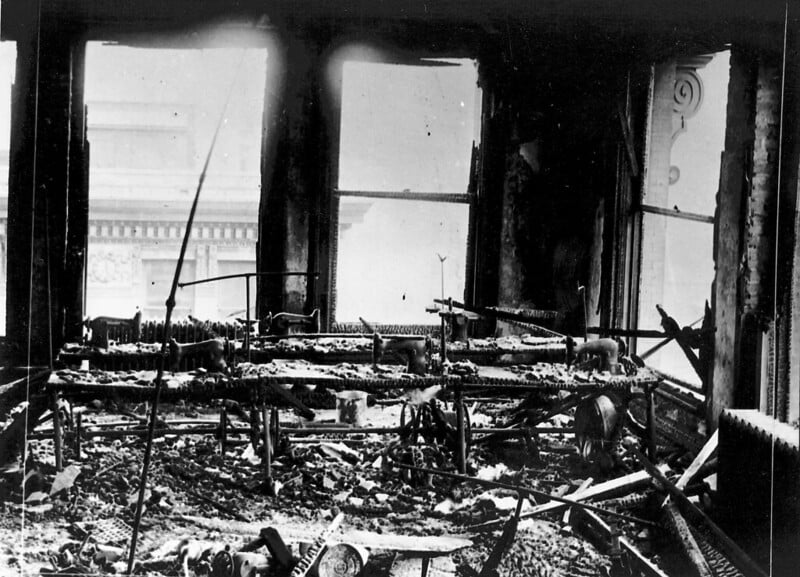
The 1911 Triangle Shirtwaist Factory fire in New York City killed 146 garment workers, mostly young immigrant women. The tragedy occurred because workers were trapped by locked doors, inadequate exits, and unsafe working conditions. This disaster directly led to modern fire safety codes, including requirements for multiple exits, fireproof stairwells, and unlocked doors during working hours. The influence of this tragedy can be seen in every modern building’s emergency exit systems.
Great Chicago Fire
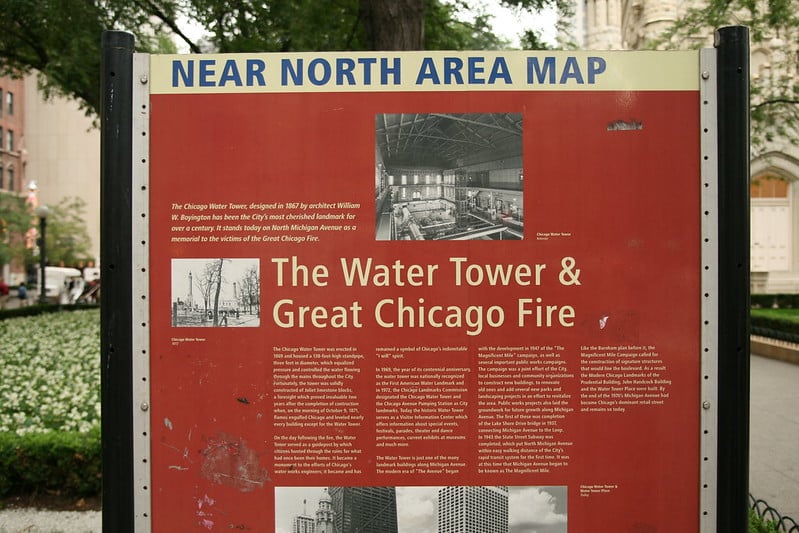
The Great Chicago Fire of 1871 destroyed much of the city, but it also created an opportunity for architectural innovation. The rebuilding effort introduced the world to steel-frame construction and the modern skyscraper. Architects like Louis Sullivan and Daniel Burnham used this blank slate to experiment with new materials and techniques. The fire also led to stricter building codes and the widespread adoption of fire-resistant materials in urban construction.
Coconut Grove Nightclub Fire
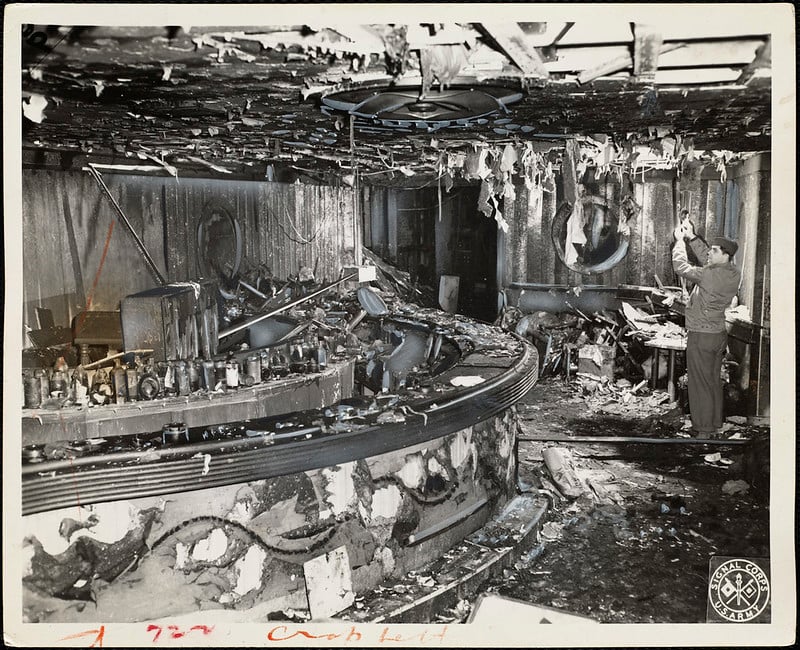
Boston’s Coconut Grove nightclub fire in 1942 claimed 492 lives, making it one of the deadliest nightclub fires in history. The tragedy occurred due to overcrowding, flammable decorations, and exits that opened inward. This disaster revolutionized building codes for public assembly spaces, establishing requirements for occupancy limits, flame-resistant materials, and doors that swing outward. Modern nightclub and theater design directly reflects lessons learned from this catastrophe.
Ronan Point Collapse
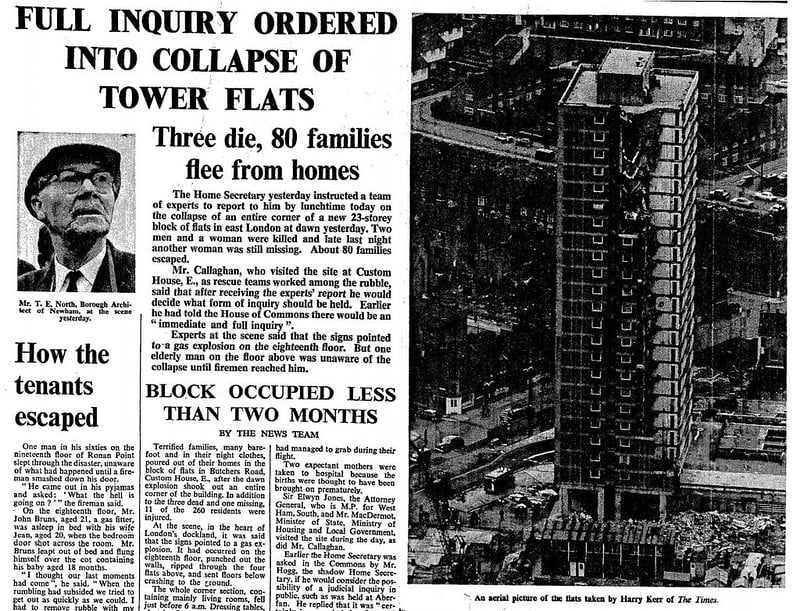
In 1968, a gas explosion caused the partial collapse of Ronan Point, a 22-story apartment building in London. The progressive collapse killed four people and injured 17 others. This incident exposed the vulnerabilities of prefabricated construction methods and led to new standards for structural integrity. Modern building codes now require structures to withstand localized failures without complete collapse, a principle known as progressive collapse resistance.
Hyatt Regency Walkway Collapse
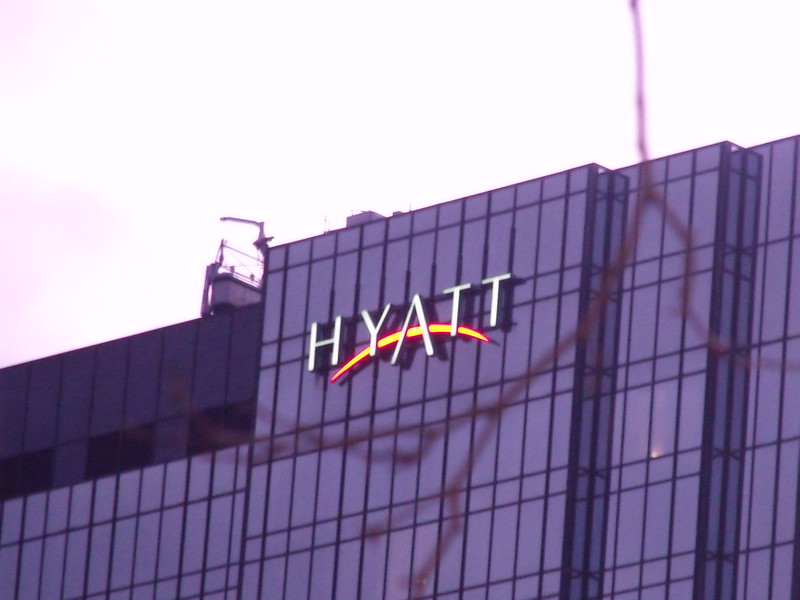
The 1981 collapse of two suspended walkways at the Hyatt Regency Kansas City killed 114 people during a crowded dance party. The disaster was caused by a design change that doubled the load on a crucial connection. This tragedy transformed engineering practices, requiring more rigorous peer review of structural designs and better communication between architects and engineers. It also led to stricter licensing requirements for structural engineers.
MGM Grand Fire
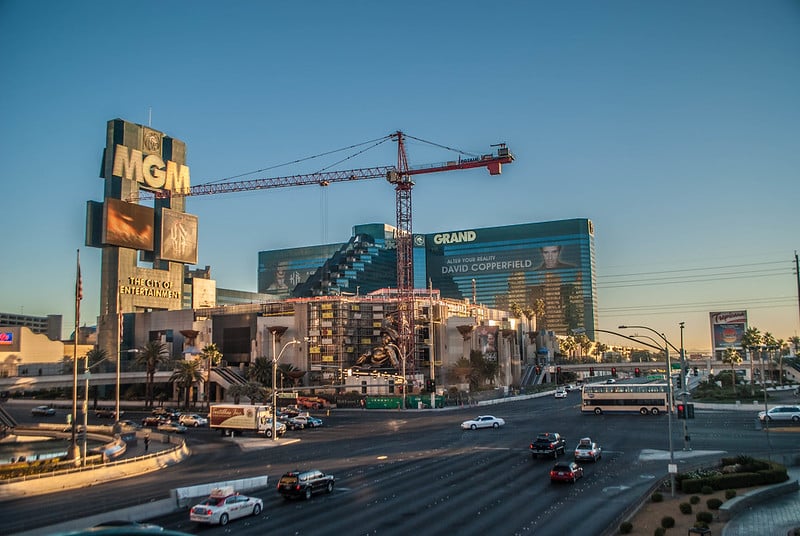
The 1980 MGM Grand Hotel fire in Las Vegas killed 85 people, with most deaths caused by smoke inhalation rather than flames. The tragedy highlighted the importance of smoke management systems in high-rise buildings. This disaster led to mandatory sprinkler systems in hotels, improved smoke detection technology, and better evacuation procedures. Modern hotels now feature sophisticated fire suppression systems that can be traced back to lessons learned from this event.
Grenfell Tower Fire
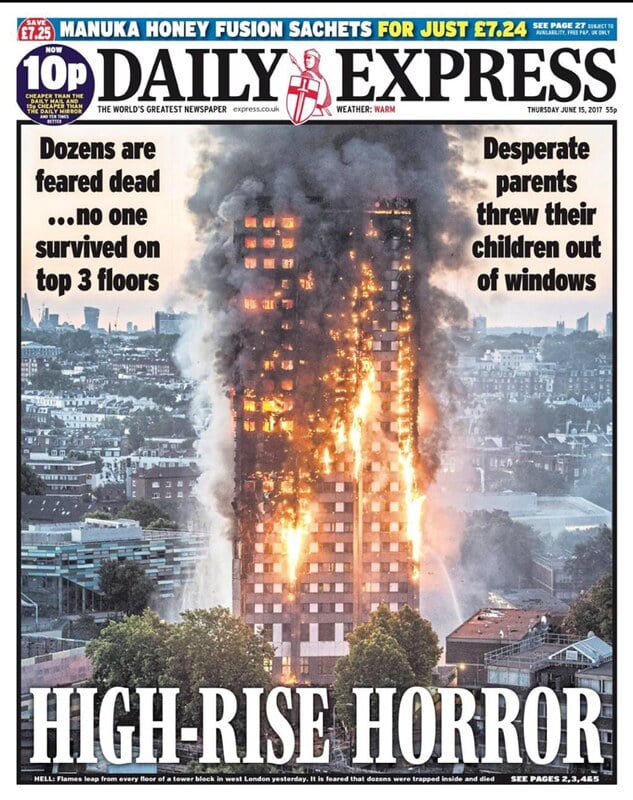
The 2017 Grenfell Tower fire in London killed 72 people and exposed serious flaws in building safety regulations. The fire spread rapidly due to combustible exterior cladding that was supposed to improve the building’s appearance and energy efficiency. This tragedy has led to a complete overhaul of building safety regulations in the UK and increased scrutiny of exterior cladding materials worldwide. Many countries have since banned certain types of combustible cladding on high-rise buildings.
Station Nightclub Fire
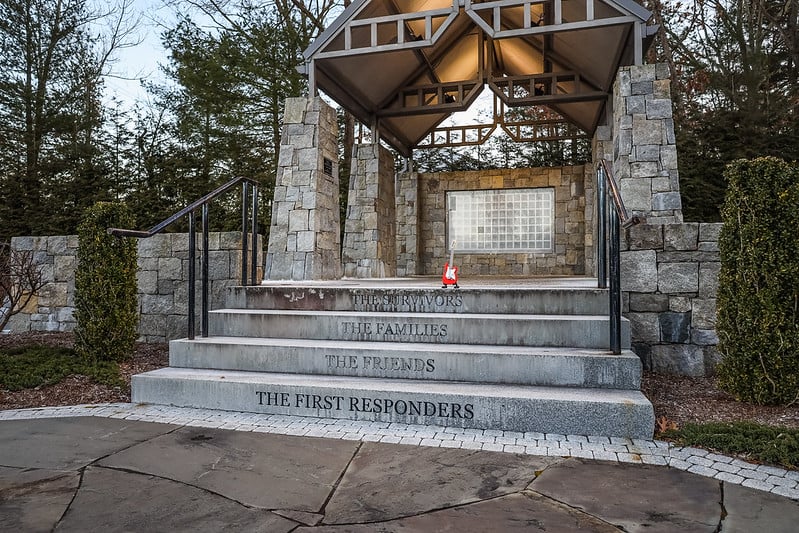
The 2003 Station nightclub fire in Rhode Island killed 100 people when pyrotechnics ignited flammable foam insulation. The tragedy occurred in a venue with inadequate exits and no sprinkler system. This disaster strengthened fire codes for entertainment venues, requiring better exit capacity, flame-resistant materials, and automatic sprinkler systems. It also led to stricter regulations on pyrotechnics use in enclosed spaces.
Surfside Condo Collapse
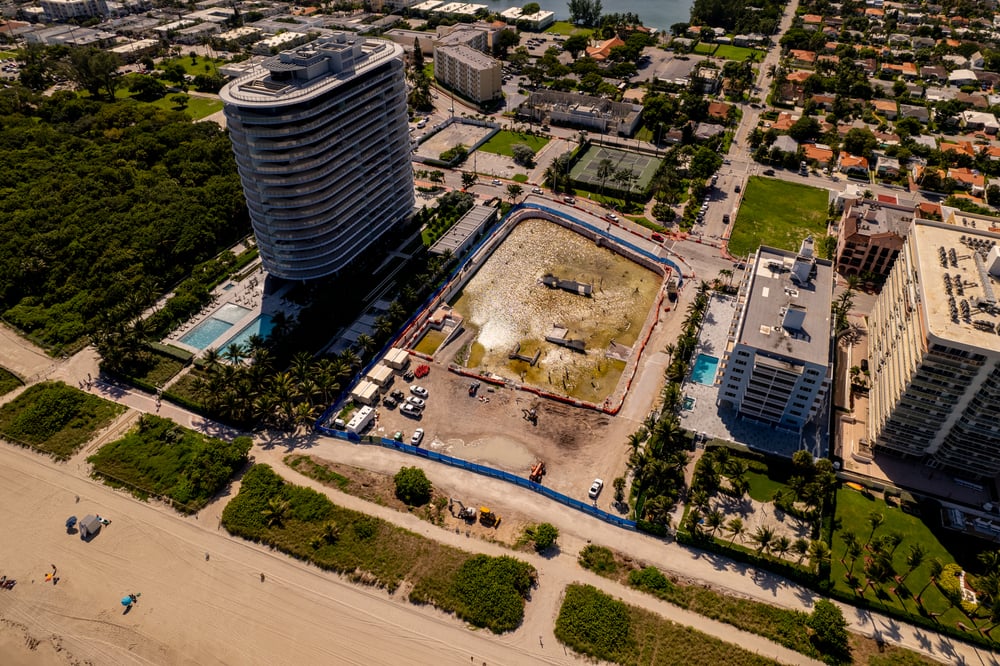
The 2021 collapse of Champlain Towers South in Surfside, Florida, killed 98 people and raised questions about building maintenance and inspection practices. The tragedy highlighted the importance of regular structural assessments, especially for aging buildings in corrosive environments. This disaster has prompted new legislation requiring more frequent inspections of older buildings and better funding mechanisms for major repairs.
World Trade Center Attack
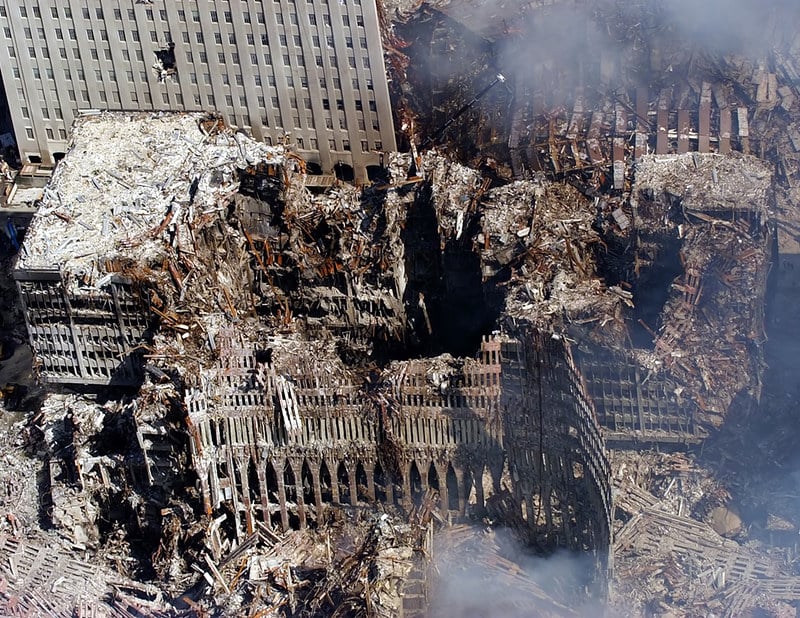
The September 11, 2001 attacks on the World Trade Center fundamentally changed how architects approach security and emergency evacuation in high-rise buildings. The tragedy led to wider stairwells, better communication systems, and improved fireproofing materials. Modern skyscrapers now feature multiple evacuation routes, enhanced structural redundancy, and specialized areas of refuge. The Freedom Tower, built on the site, incorporates numerous security features that have become standard in contemporary high-rise design.
Sampoong Department Store Collapse
The 1995 collapse of the Sampoong Department Store in Seoul, South Korea, killed 502 people and remains one of the deadliest building collapses in modern history. The tragedy was caused by structural modifications that weakened the building’s integrity. This disaster led to stricter building inspection protocols and better enforcement of construction standards. It also highlighted the importance of proper oversight during building modifications and renovations.
Beverly Hills Supper Club Fire
The 1977 Beverly Hills Supper Club fire in Kentucky killed 165 people, making it one of the deadliest nightclub fires in U.S. history. The tragedy occurred due to overcrowding, inadequate exits, and lack of sprinkler systems. This disaster strengthened fire codes for entertainment venues and led to better training for emergency responders. Modern entertainment venues now feature improved exit signage, emergency lighting, and crowd management systems.
Dona Paz Ferry Disaster

While primarily a maritime tragedy, the 1987 Dona Paz ferry disaster in the Philippines killed over 4,000 people and influenced port and terminal design worldwide. The overcrowding and poor safety equipment on the ferry led to new standards for passenger terminals and boarding procedures. Modern ferry terminals now feature better crowd control systems, improved safety briefing areas, and enhanced emergency response capabilities.
Eschede Train Derailment
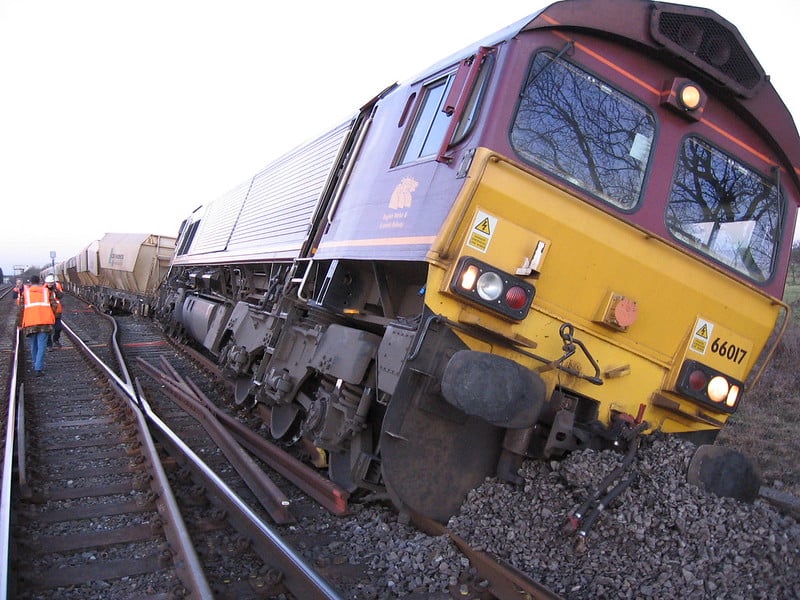
The 1998 Eschede train derailment in Germany killed 101 people when a high-speed train crashed into a highway bridge. While primarily a transportation disaster, it influenced the design of infrastructure that crosses over transportation corridors. The tragedy led to new standards for bridge design over railway lines and better integration between transportation and structural engineering. Modern infrastructure projects now feature enhanced safety measures at railway crossings and overpasses.
Hillsborough Stadium Disaster
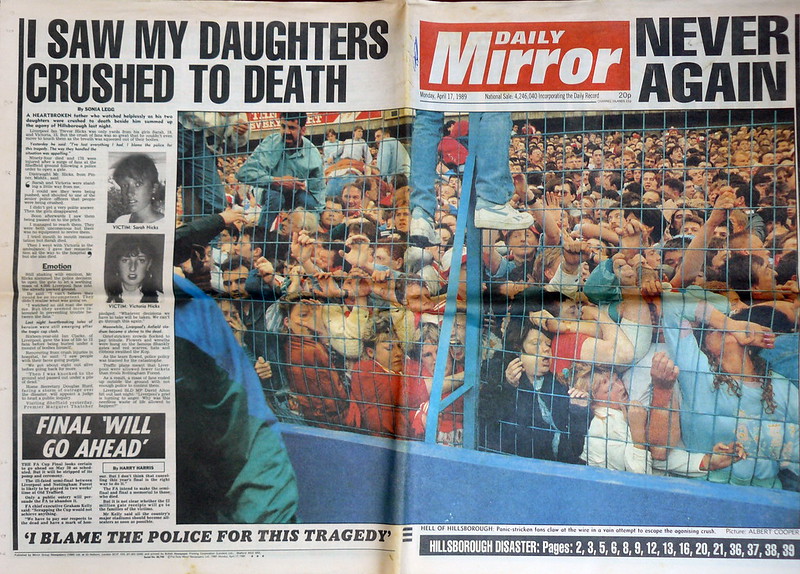
The 1989 Hillsborough Stadium disaster in Sheffield, England, killed 96 people due to overcrowding and poor crowd management. While primarily a crowd control issue, this tragedy revolutionized stadium design and safety protocols. Modern stadiums now feature better sight lines for security personnel, improved crowd flow design, and enhanced emergency response systems. The disaster also led to all-seater stadiums in English football and better coordination between architects and crowd safety experts.
Building Forward from Tragedy

These tragedies remind us that architecture is fundamentally about protecting human life and creating safe spaces for communities to thrive. Each disaster has contributed to a growing body of knowledge that makes our buildings safer, more resilient, and better designed for emergency situations. The pain of these losses has been transformed into practical wisdom that saves lives every day. Today’s architects and engineers carry forward the lessons learned from these tragedies, ensuring that the buildings we create today are far safer than those of the past.
More from Go2Tutors!

- The Romanov Crown Jewels and Their Tragic Fate
- 13 Historical Mysteries That Science Still Can’t Solve
- Famous Hoaxes That Fooled the World for Years
- 15 Child Stars with Tragic Adult Lives
- 16 Famous Jewelry Pieces in History
Like Go2Tutors’s content? Follow us on MSN.