Reasons Why Some Animals Have Never Been Tamed
Humans have been living alongside animals for thousands of years, turning wolves into loyal dogs and wild cattle into dairy cows.
We’ve managed to domesticate horses, chickens, pigs, and cats—creatures that now populate farms and homes across every continent.
Yet for all our success stories, there’s a much longer list of animals we’ve never managed to tame, despite centuries of trying.
The zebra still roams wild across African plains.
Ancient Egyptian royalty kept cheetahs as pets, but the big cats never became truly domesticated.
The question isn’t whether we’ve tried hard enough.
Humans have attempted to domesticate dozens of species, from gazelles to raccoons to elephants.
The real issue is that most animals simply don’t have what it takes to live under human control.
Understanding why reveals something fascinating about both the animals themselves and the handful of species that actually made the cut.
Let’s dig into what separates the farmyard favorites from the forever-wild.
Understanding Taming Versus Domestication

Before going further, there’s a crucial distinction to understand.
Taming and domestication aren’t the same thing, even though people often use the words interchangeably.
A single wild animal can be tamed if it’s captured young and raised with careful human nurturing.
You might succeed in training that individual creature to tolerate or even trust people.
But this is strictly an acquired trait that doesn’t transfer to its offspring—it doesn’t make the entire species domesticated.
True domestication requires selective breeding over multiple generations, resulting in genetic changes that distinguish the domestic population from its wild ancestors.
Asian elephants have been captured and trained for over 3,000 years.
They work in logging operations, carry tourists, and perform in ceremonies.
Yet they’re not considered domesticated because they’re not selectively bred in captivity—they’re simply tamed wild animals.
The basic rule is simple: if it’s on a farm, it’s domesticated.
If it’s in a circus, it’s tamed.
The Six Requirements for Domestication

Jared Diamond, the Pulitzer Prize-winning author and UCLA geography professor, laid out the blueprint in his book Guns, Germs, and Steel.
According to Diamond, animals must meet six specific criteria to be candidates for domestication: a flexible diet, reasonably fast growth rate, ability to breed in captivity, docile disposition, temperamental stability with low tendency to panic, and a social structure amenable to human dominance.
Miss even one of these requirements, and domestication becomes nearly impossible.
Out of all the large mammal species on Earth, only about fourteen have been fully domesticated according to Diamond’s criteria.
That’s a remarkably small number considering the thousands of species humans have encountered throughout history.
The fact that so few made the cut reveals just how demanding these requirements actually are.
The Dietary Deal-Breaker

Domestic animals must have flexible diets that humans can economically support in and around settlements.
Herbivores and omnivores work well—creatures like cows can forage on grass and eat surplus grain, while dogs evolved to scavenge human waste, scraps, and rodents.
Over generations, dogs actually developed the ability to digest starches like potatoes and corn, foods their wolf ancestors never ate.
Creatures with highly specialized diets, particularly strict carnivores, become prohibitively expensive to maintain.
Feeding them requires raising multiple herbivores just to sustain a single predator.
This explains why we never domesticated large predators despite their potential usefulness.
A war bear sounds terrifying and potentially effective in combat, but the logistical nightmare of feeding an army of bears makes the concept a non-starter.
The Problem of Patience

Animals must reach maturity quickly relative to the human lifespan.
We can’t afford to spend decades feeding and caring for an animal before it grows large enough to work or provide meat.
This requirement alone prevented elephants from achieving widespread domestication.
Despite their intelligence, strength, and potential as working animals, elephants take about fifteen years to reach adult size.
That’s far too long for most agricultural societies to justify the investment.
Contrast that with chickens, which mature in months, or pigs, which reach useful size within a year or two.
The faster an animal matures, the sooner humans can breed the next generation and begin selecting for desirable traits.
Speed matters in domestication—it’s essentially a biological return on investment calculation.
Breeding in Captivity
Some animals that seem perfect for domestication fail because they won’t reproduce reliably in captivity.
Ancient Egyptian royalty kept cheetahs as house pets and hunting companions.
The big cats showed little fear of humans and had relatively friendly temperaments.
Fully grown cheetahs were easily trapped and tamed.
Everything seemed promising.
The problem emerged when Egyptians tried to breed them.
Cheetahs require elaborate courtship rituals, including running together over long distances.
They won’t mate consistently in cramped enclosures or without these specific conditions.
Without successful breeding, each generation required capturing more wild cheetahs.
The species never transitioned from wild to domestic, remaining forever tamed but never truly domesticated.
Similarly, creatures that are territorial when breeding—like certain antelope species—struggle in the crowded conditions that domestication requires.
No amount of human intervention can overcome these deeply ingrained reproductive behaviors when they’re incompatible with captive settings.
The Temperament Factor
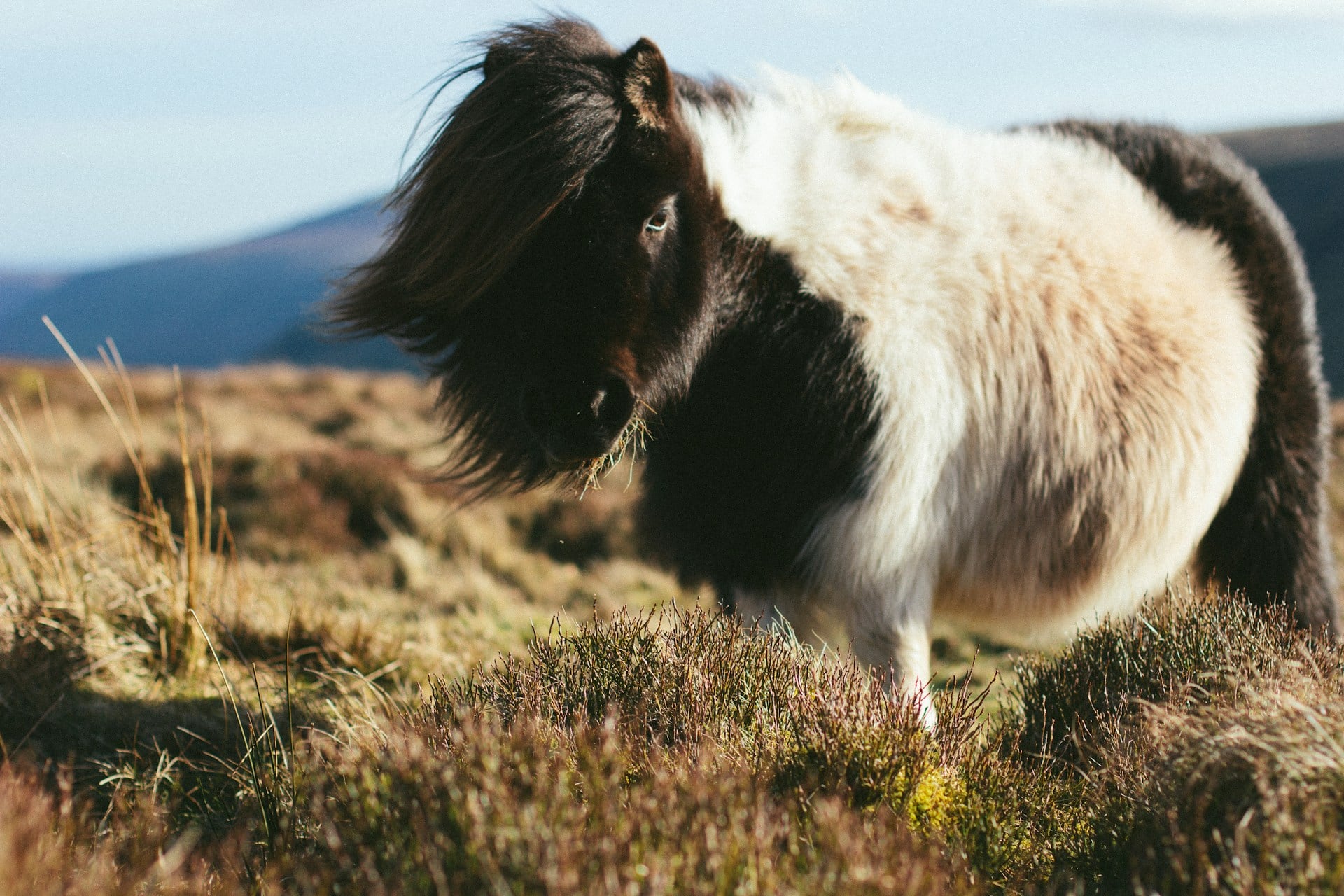
Docility and temperamental stability matter enormously.
The cow and sheep are generally easygoing creatures with calm dispositions.
The African buffalo and American bison, though related to domestic cattle, are both unpredictable and highly dangerous to humans.
This single difference in temperament explains why the former achieved worldwide domestication while the latter remain wild.
Animals with flighty nervous systems or highly reactive behavior—like gazelles and most deer species—present another challenge.
These creatures have a powerful tendency to panic, sending them into flight mode at the slightest disturbance.
Early attempts to domesticate gazelles failed largely because the animals remained perpetually skittish around humans, never developing the calm acceptance necessary for farm life.
The zebra presents perhaps the most famous example of temperament as a major obstacle.
During the nineteenth and twentieth centuries, colonists moving deeper into Africa faced transportation problems.
Their horses succumbed to various diseases, and importing new ones from Europe proved difficult.
The zebra seemed like a promising alternative—a horse-like creature plentiful across African plains and immune to many diseases affecting horses.
Despite numerous attempts, zebras have resisted domestication.
They’re naturally suspicious and will flee at hints of danger.
Their social structure differs significantly from horses—zebras form looser family groups rather than the hierarchical herds that made horses easier to control.
Even zebras raised from birth rarely accept being ridden consistently and can become aggressive.
Their temperament evolved in an environment filled with predators, creating an animal that’s largely incompatible with domestication, though the occasional individual has been trained with great effort.
The Social Structure Advantage
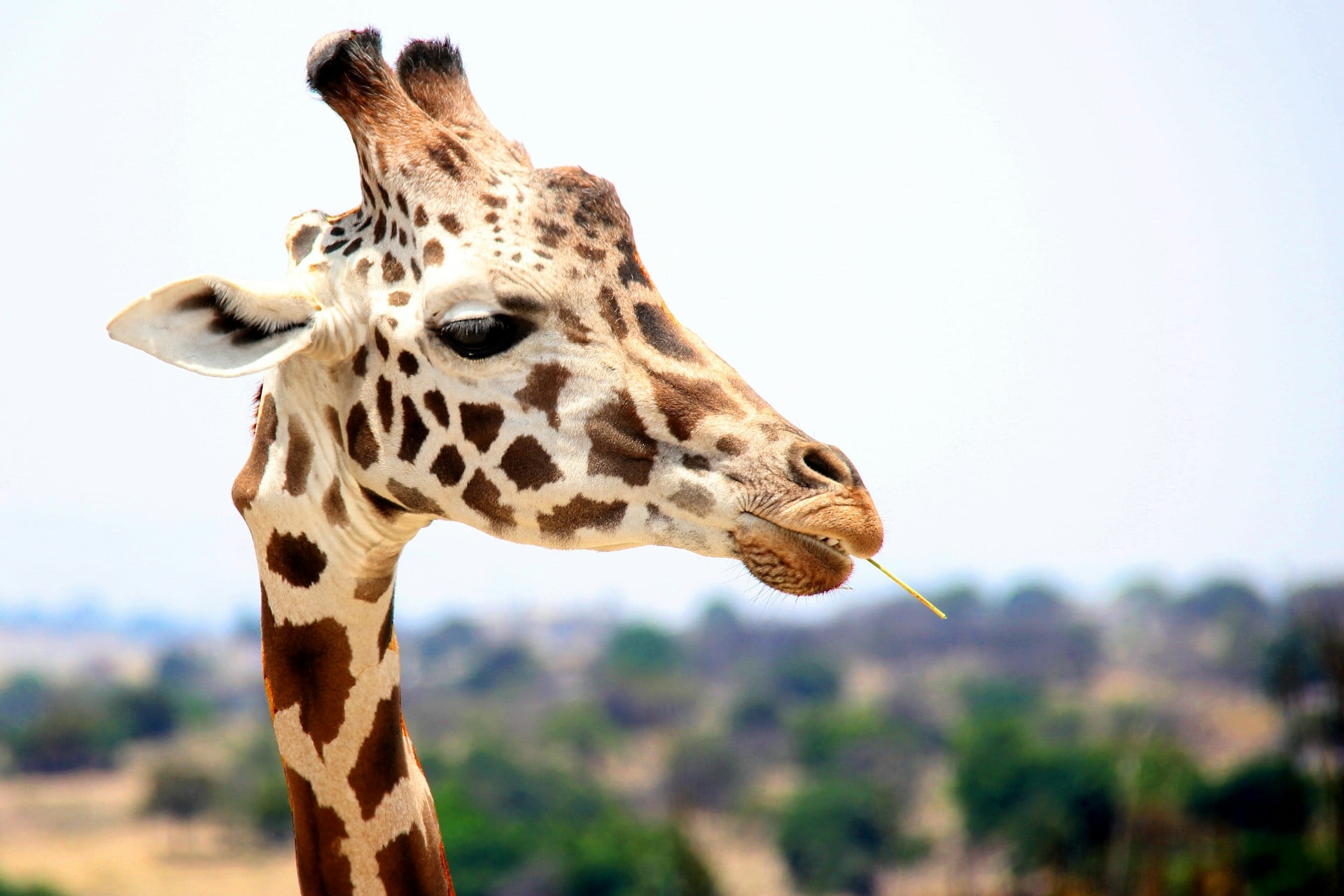
With the exception of cats, all major domesticated animals derive from species that conform to a social hierarchy with clear dominance structures.
This characteristic allowed humans to integrate themselves into the animals’ social framework, essentially becoming the pack leader.
Horses live in hierarchical herds with a lead stallion.
Humans learned to work within this structure, making the animals manageable.
Zebras have more independent family arrangements with less rigid hierarchies.
There’s no shortcut to control—each animal requires individual handling.
Solitary species or those with loose social bonds present similar challenges.
Without an existing dominance structure to tap into, humans can’t easily establish the control necessary for domestication.
The hippopotamus illustrates multiple challenges simultaneously.
While evidence for extensive domestication attempts is limited, hippos clearly fail several of Diamond’s criteria.
They’re extremely dangerous animals, killing more people in Africa than many large predators.
Their temperament is unpredictable, they have complex social structures that don’t easily accommodate human dominance, and their semi-aquatic lifestyle creates logistical complications.
Even if someone could tame an individual hippo, the species as a whole lacks the characteristics needed for successful domestication.
Modern Experiments and What They Teach Us
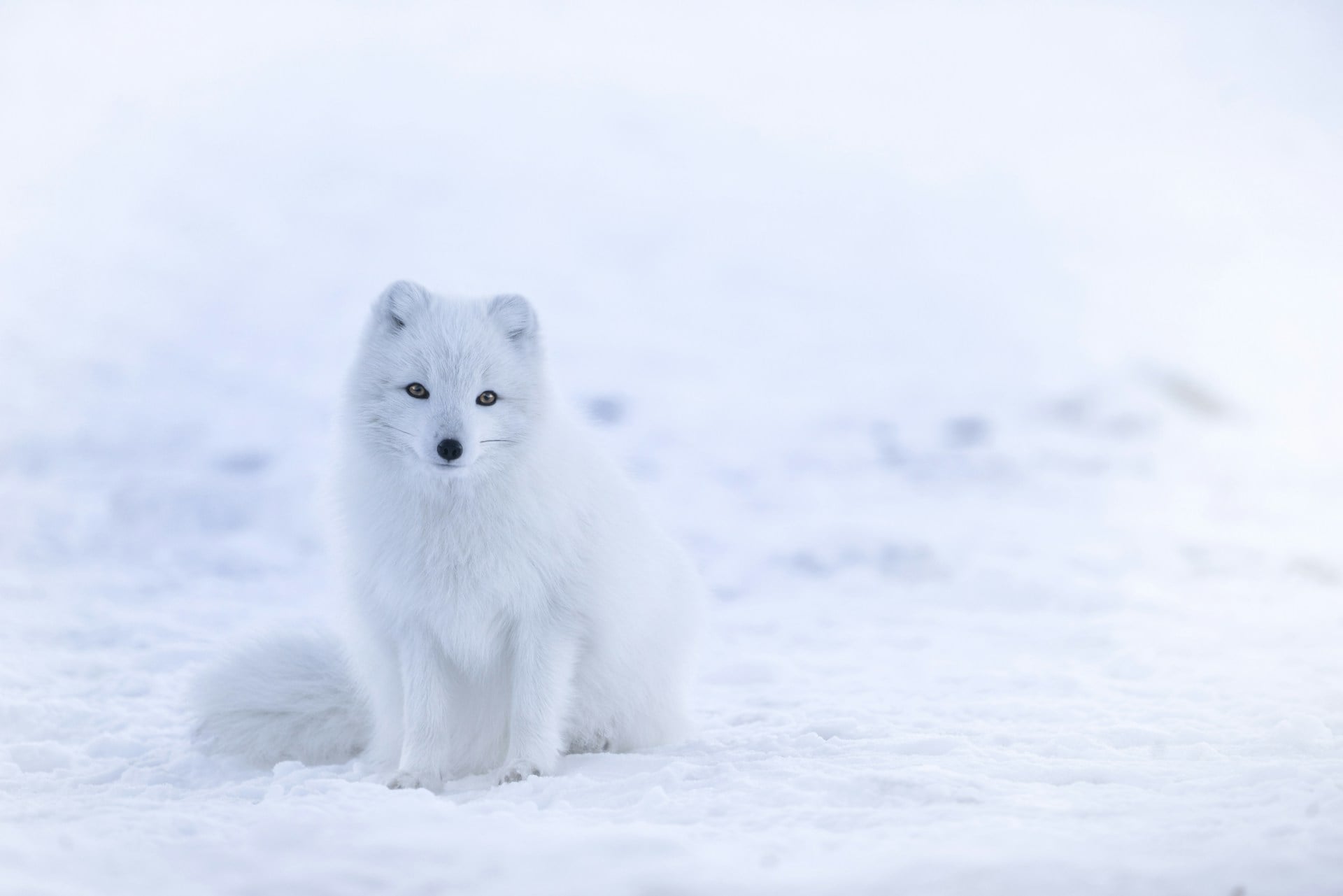
In the 1950s, Russian geneticist Dmitry Belyaev began a project to domesticate silver foxes—red foxes affected by melanism, which gives them a black appearance.
Belyaev selectively bred only the most docile individuals, generation after generation.
Four generations later, the foxes displayed dog-like behaviors: wagging tails, licking breeders, and showing fondness for people.
Fifty generations later, these foxes bark, respond to humans, and understand gestures.
They make sounds distinct from wild foxes and exhibit physical changes including floppy ears and altered coat patterns.
The project demonstrates that selective breeding for tameness can accelerate certain aspects of domestication.
However, even these animals remain classified as tamed rather than fully domesticated by many researchers, highlighting how the boundary between these categories involves both genetic changes and practical considerations.
The fox experiment proves that with modern knowledge and deliberate selection, humans can push animals further along the domestication spectrum much faster than ancient peoples could.
Still, it requires sustained effort across many generations, and success depends on starting with a species that has at least some of the prerequisite traits.
Why Geography Shaped History
Understanding why most animals can’t be domesticated reveals something profound about human history.
Only about fourteen large mammal species worldwide have been successfully domesticated according to Diamond’s criteria.
Most of these came from Eurasia, giving societies in that region enormous advantages in agriculture, transportation, and warfare.
The Americas had only the llama and alpaca as large domesticated mammals.
Africa, despite its abundance of large wildlife, contributed none of the major domesticated species still used today.
This wasn’t due to differences in human ingenuity or effort.
The animals available in different regions simply had different characteristics.
Eurasian horses possessed the right combination of traits; African zebras didn’t.
This geographic accident—the availability of suitable animal candidates—helped shape which civilizations developed complex agriculture, which created food surpluses, and which ultimately gained technological advantages.
The animals we successfully domesticated weren’t chosen because ancient peoples were particularly clever or determined.
They succeeded because those specific species happened to possess all six required characteristics.
Every other candidate failed not because humans didn’t try, but because the animals themselves lacked the biological and behavioral prerequisites.
The Limits of Human Ambition
The criteria for domestication reveal why certain animals remain wild despite seeming like obvious candidates.
Raccoons are intelligent and adaptable but are aggressive, solitary, and resist confinement.
Coyotes naturally avoid humans and carry diseases.
Each species fails for specific reasons rooted in their biology and behavior.
Even with modern technology and knowledge, transforming a wild species into a truly domesticated one remains a multi-generational undertaking that only succeeds when the animal possesses the fundamental traits required.
Some animals will likely never be domesticated, not because it’s impossible, but because the effort far exceeds any benefit.
Sometimes the wild belongs in the wild, and the farm has all the animals it really needs.
More from Go2Tutors!

- The Romanov Crown Jewels and Their Tragic Fate
- 17 Halloween Costumes Once Considered Taboo
- Famous Hoaxes That Fooled the World for Years
- 15 Child Stars with Tragic Adult Lives
- 16 Famous Jewelry Pieces in History
Like Go2Tutors’s content? Follow us on MSN.



