Strange Food Rules and Superstitions from History
Food has always been more than just fuel for the body—it’s been wrapped up in beliefs, rituals, and downright bizarre rules that seem completely illogical by modern standards. Throughout history, people have convinced themselves that certain foods could bring luck, ward off evil, or even determine their fate in the afterlife.
Some of these beliefs came from religious traditions, others from simple ignorance about how the world worked, and a few were just plain made up to explain things people didn’t understand. The fascinating part is how seriously these rules were taken, with violations sometimes leading to social ostracism or worse.
What makes these superstitions particularly interesting is how many of them still linger today, even if we’ve forgotten why we follow them. We throw salt over our shoulders, avoid seating thirteen people at dinner, and break wishbones without questioning where these customs came from.
Here is a list of 14 strange food rules and superstitions from history that shaped how our ancestors ate, cooked, and thought about their meals.
Spilling salt means throwing some over your shoulder

The belief that spilling salt brings bad luck dates back to ancient times when salt was incredibly expensive and useful for preserving food. Romans and Sumerians both considered wasting salt ominous, and by the Renaissance, the connection was firmly established—Leonardo da Vinci’s The Last Supper painted around 1498 shows Judas with spilled salt nearby, though whether da Vinci intended this symbolically remains a matter of interpretation.
The remedy involves throwing a pinch over your left shoulder, supposedly into the eyes of the devil who lurks there, though this specific explanation likely emerged in the 18th or 19th centuries rather than ancient times. Since the Roman Catholic Church used salt to make holy water, spilling it also carried religious significance throughout Christian societies.
Crossed knives invite conflict

British table superstition held that leaving knives crossed on your plate wasn’t just bad manners—it would invite quarrels and disruption. The belief stems from old folk traditions that crossed blades disrupted harmony or carried negative energy, with distant echoes from times when such symbols were associated with war, witchcraft, and misfortune.
By the 18th and 19th centuries, the upper classes had transformed this into silent social etiquette, with well-bred guests carefully placing their knives in neat parallel lines to avoid tempting fate or appearing ignorant of proper dining customs.
Like Go2Tutors’s content? Follow us on MSN.
Stirring food backwards spoils it
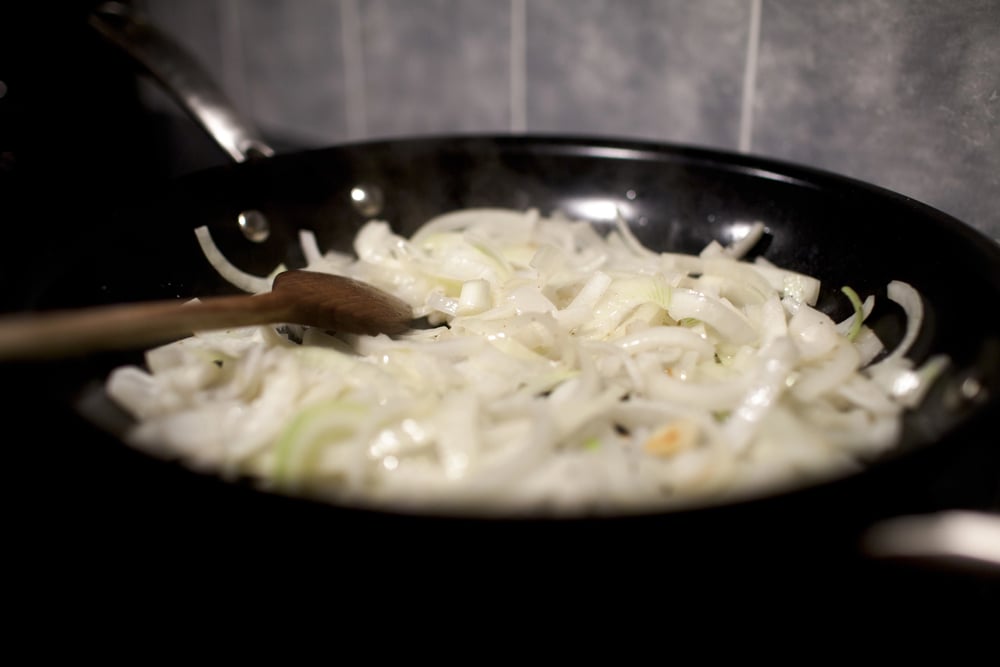
Many women believed that stirring food widdershins—meaning in the opposite direction of the sun’s movement—would cause it to spoil. The term widdershins comes from Old High German and appears in medieval and early modern magical folklore, predating the Victorian era when the belief remained popular.
This superstition reflects the broader belief that anything moving counter to natural order invited bad luck or evil influence. The sun moved clockwise across the sky, so stirring clockwise aligned your cooking with natural harmony, while going against this cosmic flow was practically inviting disaster into your kitchen.
Thirteen people at dinner courts disaster

The superstition against seating thirteen people at a table has religious roots in Christianity, specifically the Last Supper where thirteen people gathered before Jesus was betrayed. The belief became even more pronounced during the late 18th century, with an added layer claiming that the first person to rise from a table of thirteen would meet with bad luck or death.
The superstition spread widely after the 19th century, even spawning the Thirteen Club in 1890s New York, where members deliberately mocked the belief by dining in groups of thirteen. Despite skeptics, upper-class Victorian society took this seriously enough that hosts would go to great lengths to avoid the number, sometimes hiring professional fourteenth guests to even out the count.
Sin-eaters absorbed the dead’s transgressions

In parts of Wales, England, and Scotland from the 17th through early 19th centuries, communities employed sin-eaters who performed a ritual at funerals. The earliest written record of this practice comes from Herefordshire in the 1680s.
These individuals would be presented with food and drink placed on or near the deceased, which symbolically absorbed the dead person’s wrongdoings. By consuming this food, the sin-eater took on those transgressions, theoretically freeing the deceased from punishment in the afterlife.
The practice likely derived from Old Testament passages about scapegoats and became popular among strict Protestant communities who took biblical text literally, though the sin-eaters themselves were often social outcasts paid to do this grim work.
Like Go2Tutors’s content? Follow us on MSN.
Ancient Greeks and Romans considered fish low-status

Fish had a complicated reputation in ancient Greece and Rome, initially viewed as food for the lower classes or desperate situations. Greeks associated fish with less dignified eating—Homer’s Odyssey only mentioned consuming fish as a last resort to avoid starvation, not as proper food for heroes.
Plato linked fish consumption with profligacy and weakness rather than heroic virtue. However, attitudes shifted over time, and by the 5th century BCE in Greece, fish had become luxury goods reserved for the wealthy.
Romans followed a similar trajectory, initially viewing fish as morally suspect before embracing them as expensive delicacies, showing how cultural attitudes about food could completely reverse over generations.
Pythagoras banned beans for mysterious reasons
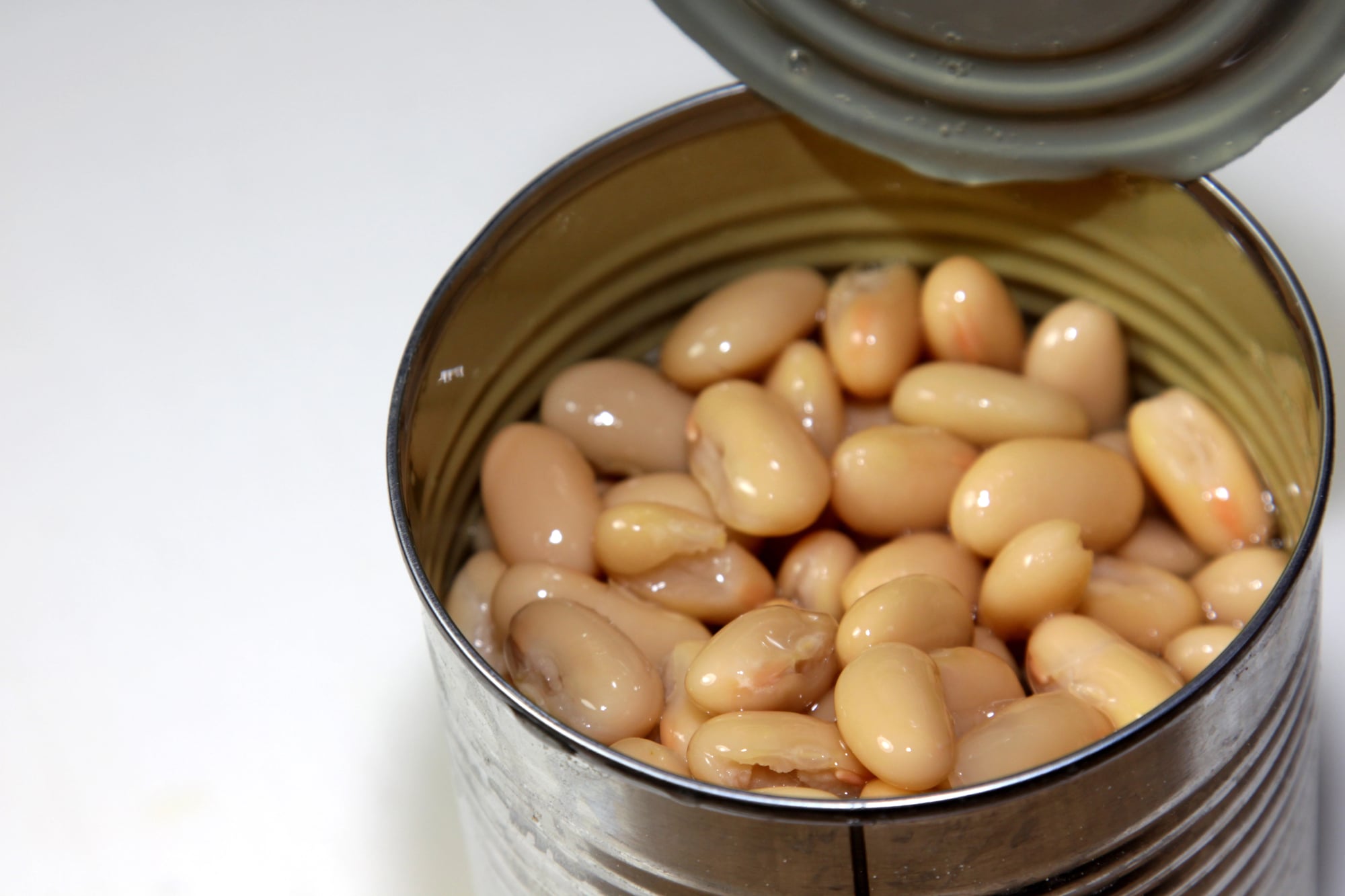
The ancient Greek philosopher Pythagoras forbade his followers from eating beans, leading to centuries of speculation about why. Aristotle’s writings mention the theory that Pythagoras believed beans contained the souls of the dead.
Modern scholars have speculated it might relate to fava bean poisoning, which affects people with certain enzyme deficiencies common in Mediterranean populations, though there’s no ancient evidence connecting Pythagoras’ prohibition to this medical condition. Why Pythagoras chose allusive, mysterious language rather than straightforward explanations remains unclear, but the prohibition was serious enough that his followers observed it strictly for generations.
Egyptian pork restrictions were complex
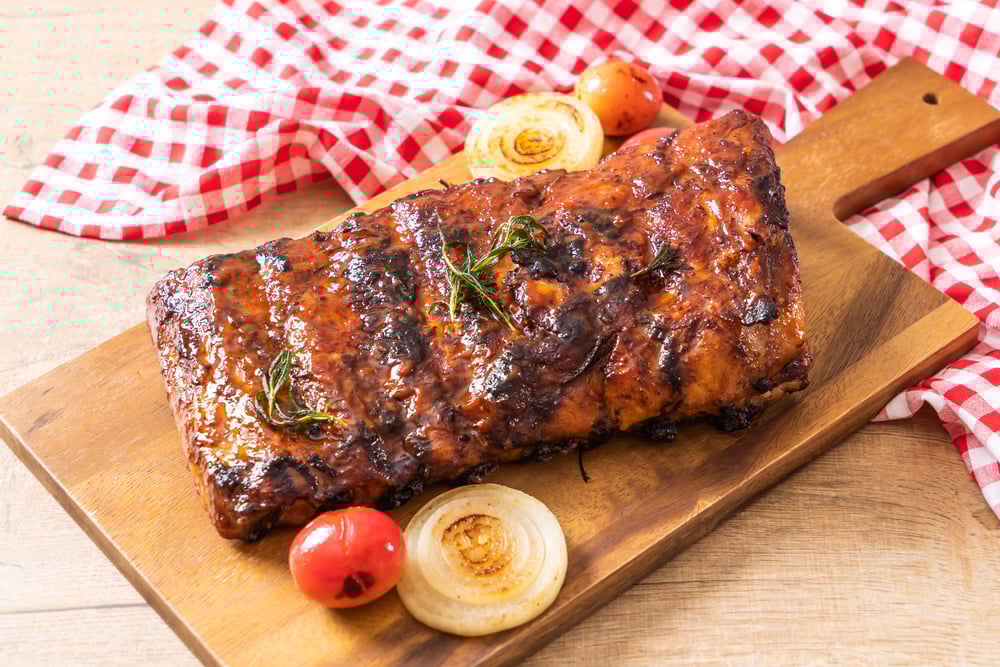
Ancient Egyptians had complicated attitudes toward pork that Greek observers found fascinating and often misunderstood. Greek writers like Herodotus in the 5th century BCE claimed Egyptians considered pork impure and only ate it during specific lunar festivals when it was permitted.
However, Egyptian temple texts and archaeological evidence show no permanent, society-wide prohibition—only temporary and localized restrictions connected to temple purity laws and specific religious contexts. Herodotus and other Greeks tended to exaggerate and misinterpret these localized Egyptian prohibitions, drawing comparisons with Jewish dietary laws and creating an inflated picture of Egyptian food taboos that doesn’t match what Egyptians actually practiced.
Like Go2Tutors’s content? Follow us on MSN.
Victorians drank animal fluids to cure consumption

When tuberculosis ravaged society during the 1840s through 1890s, desperate patients in Britain, Germany, and Austria lined up at slaughterhouses with cups, ready to catch fresh, warm liquid from butchered animals. The belief was that this substance would fortify a sick person’s constitution and help fight off consumption, as tuberculosis was then called.
Patients would swallow it immediately while it was still warm, particularly at abattoirs in cities like Leipzig and London. This grim practice reflects the desperation of an era before effective medical treatments, and some doctors even prescribed it as therapy, believing that consuming an animal’s vitality could transfer strength to humans.
Medieval tansy cakes contained poison

During medieval Lent, Christians sought relief from their dreary diet of lentils and dried fish with tansy cakes—sweet and savory dishes somewhere between pancakes and omelets. These took their name from the tanacetum vulgare herb, which had long been used in traditional medicine for treating kidney problems.
The catch is that tanacetum vulgare contains thujone, making it toxic in large amounts. Medieval cooks likely used small quantities for flavor or symbolic meaning, as the herb represented eternal life at Easter.
Eventually, recipes added more ingredients like parsley, almonds, breadcrumbs, nutmeg, cream, and butter, further diluting any toxic effects and making the tradition safer.
White tablecloths left overnight meant death

British and Irish superstition from the 19th century held that leaving a white tablecloth on the table overnight was a bad omen signaling that a coffin would soon be needed. Some versions of the belief were phrased as “the angel of death shall pass this house,” making the warning even more ominous.
This belief likely stems from the association between white cloths and funeral shrouds or burial preparations. The superstition was taken seriously enough that careful housekeepers made sure to remove all tablecloths before bed, even if it meant extra work, preferring the inconvenience to tempting fate.
Like Go2Tutors’s content? Follow us on MSN.
Victorian soup etiquette was exhaustingly specific

Well-to-do Victorians had elaborate rules about eating soup that seem absurd today. Diners were expected to move their spoons away from themselves rather than scooping toward them, because pulling food closer appeared greedy.
Children learned a rhyme that first appeared in mid-19th-century etiquette manuals to remember the rule: “Like ships that go out to sea, I push my spoon away from me.” Slurping, blowing on hot soup, or making any noise while eating was considered vulgar, so truly refined diners ate their soup in complete silence.
Breaking these rules could mark you as lower class or poorly educated.
Medieval seating revealed your status

In medieval and Tudor dining halls, sitting above or below the salt cellar was a clear and visible marker of your social standing. The host’s honored guests sat between the head of the table and the all-important salt cellar, while people of lesser rank were placed below the salt farther down.
Since salt was expensive and symbolically important, this physical arrangement made everyone’s status immediately obvious to all present. The phrase appears in Shakespeare’s Henry VIII from 1613 and other Elizabethan works, showing how ingrained this status system had become.
The custom continued through Georgian and Victorian times as a way to publicly display social hierarchy.
Breaking wishbones grants wishes

The tradition of breaking a chicken or turkey wishbone while making a wish has ancient roots in Etruscan and Roman practices, where chicken bones called furcula were used for divination. Two people pull the forked bone until it breaks, and whoever gets the larger piece supposedly has their wish granted.
The English word wishbone appears by the 17th century, showing how the practice evolved from fortune-telling into wish-making. Both the UK and US practice variations at Christmas and Thanksgiving respectively, creating a moment of hope and friendly competition.
While objectively strange—you’re literally breaking a bird’s bone for luck—the practice has endured for centuries as a lighthearted ritual blending ancient divination with family tradition.
Like Go2Tutors’s content? Follow us on MSN.
Food’s hold on the imagination

These beliefs weren’t just quirky habits—they were deeply held convictions that shaped daily life, social interactions, and even concepts of morality and fate. People genuinely believed that the wrong spoon direction could ruin soup, that beans contained spirits, or that drinking animal blood could cure disease.
While we might laugh at these superstitions now, many of us still follow their remnants without thinking twice. The next time you throw salt over your shoulder or avoid thirteen dinner guests, remember you’re participating in traditions that stretch back centuries, born from a mix of practical concerns, religious beliefs, and the very human need to feel some control over an unpredictable world.
More from Go2Tutors!

- 16 Historical Figures Who Were Nothing Like You Think
- 12 Things Sold in the 80s That Are Now Illegal
- 15 VHS Tapes That Could Be Worth Thousands
- 17 Historical “What Ifs” That Would Have Changed Everything
- 18 TV Shows That Vanished Without a Finale
Like Go2Tutors’s content? Follow us on MSN.